
Reviewed · MASSAGE & RELAXATION
Santiago de Compostela: Massage Treatment
The best reason to book this treatment is simple: your body may need more attention than another cathedral tour. After days on the Camino, a private session at Spazio Wellness lets you focus on tired feet, tight calves, sore shoulders, or general fatigue. The meeting point is right by the Plaza del Obradoiro, so it is easy to fit into your first hours in Santiago.
I like the choice of treatments, especially foot reflexology for worn-out pilgrims and the 90-minute option for anyone who has walked a long route. I also like the private setting, clean rooms, plush massage beds, towels, oils, creams, and water. The main thing to note is the entrance: you meet at the bottom of the cathedral stairs, but the treatment room is reached through a lower-level door, which can feel unclear at first.
Key points to know before booking
- A practical Camino recovery stop: Foot reflexology and unloading massage suit tired legs and feet after long walking days.
- Four treatment styles: Choose stimulating massage, unloading work, relaxation massage, or reflexology.
- Private appointment: You receive a private booth rather than joining a large group.
- Flexible timing: Treatments last 30, 60, or 90 minutes, depending on the option you book.
- Central meeting point: Meet at the bottom of the stairs in the Plaza del Obradoiro, directly in front of the cathedral.
- Useful extras: Towels, oils, creams, water, Wi-Fi, and bicycle parking are included.
Why a massage makes sense after the Camino

Santiago is the sort of city where you can keep walking long after reaching the cathedral. You may finish your pilgrimage, collect your Compostela, eat a late lunch, and then spend hours roaming the old center. That feels fitting at first. By evening, your feet may disagree.
This treatment is aimed at that exact moment. The session is not presented as a sightseeing activity or a spa day detached from the city. It is a practical way to care for a body that has carried you across Galicia. Several appointments have been booked after routes of 300 kilometers or more, and one person described using the treatment after walking 310 kilometers. You do not need to have completed a full Camino to benefit. Five days on the trail can be enough to leave your calves, hips, neck, and shoulders tight.
You can choose a treatment based on what you need that day. A stimulating massage uses special oils and creams and works across the full body. An unloading massage uses slow, deep movements aimed at muscle recovery. A relaxing massage focuses more on easing tension and settling the mind. Foot reflexology works on selected points on the feet, making it the most obvious choice if your feet have taken the hardest beating.
The terms may sound similar, so think about your goal before arriving. If you want to feel loosened up and ready to walk again, stimulating work may suit you. If your muscles feel heavy and overworked, choose unloading treatment. If you are tired but not in sharp pain, the relaxing option may be the better fit. For a Camino finish, reflexology offers the most direct attention to the part of your body that has done the daily work.
A few more things to do in Santiago De Compostela worth a look
- Malaga: Hammam Al Ándalus Entry Ticket with Massage
★ 4.7 · 2,498 reviews - Granada: Hammam Al Ándalus with Massage
★ 4.8 · 1,622 reviews - Palma: Hammam Al Àndalus Bath Session with Massage Options
★ 4.8 · 1,079 reviews
Finding Spazio Wellness beside the cathedral
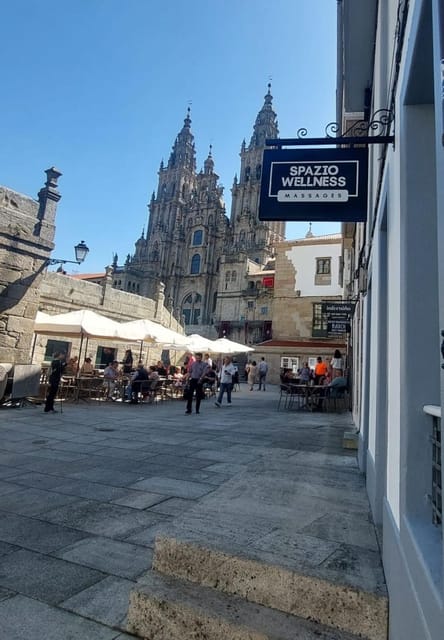
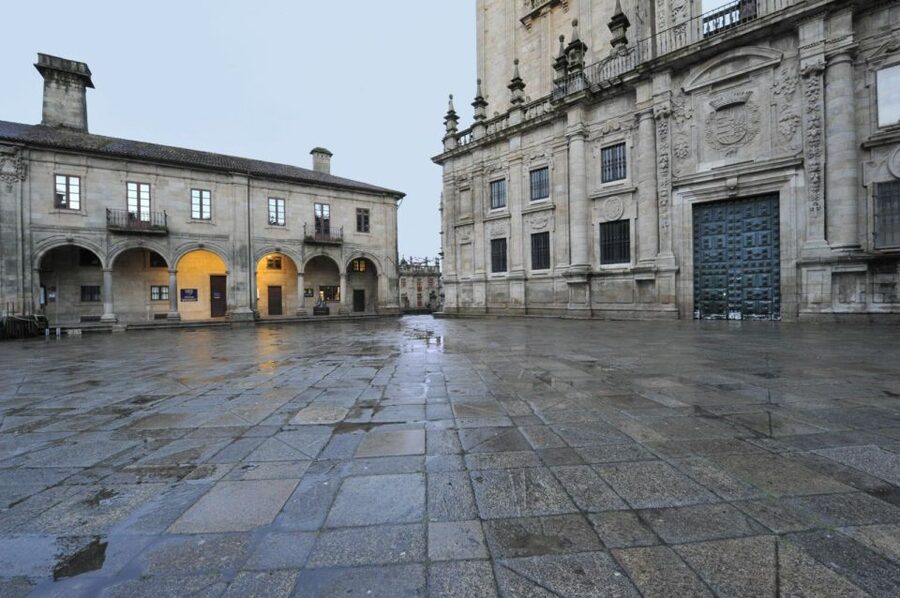
The meeting point is at the bottom of the stairs of the Plaza del Obradoiro, directly in front of the cathedral facade. This is a superb location for a post-pilgrimage appointment because you can find the square without navigating the city’s side streets.
The practical catch is that the treatment room is not necessarily obvious from the first meeting point. You may be met outside a locked building and guided around to a lower-level entrance. One person described having a brief what am I getting myself into moment before reaching the clean and comfortable treatment room. That does not appear to reflect the treatment itself, but it is useful to know so you do not mistake the first entrance for the whole experience.
Give yourself a few extra minutes. Look for the meeting point at the cathedral stairs, rather than assuming the massage room will have a clear street-level entrance. Once inside, the setting is private, with a separate massage booth. The treatment area has been described as comfortable, with soft lighting, background music, and a warm temperature. Those small details matter when your body is already tired and you want to switch off quickly.
Choosing between 30, 60, and 90 minutes
The shortest session lasts 30 minutes. This works if you have a narrow gap between sightseeing plans or want focused attention on one area. You could use it for feet, calves, neck, or shoulders, though the exact treatment plan depends on the option you select and the therapist’s assessment.
The 60-minute treatment gives you a more useful all-around appointment. It allows time for a full-body session without taking up most of your afternoon. If you are staying in Santiago for only a short time, this is probably the most balanced choice.
The 90-minute option is the one I would consider after a long Camino. It gives the therapist time to work slowly rather than rushing from one sore area to the next. Two people who had planned shorter treatments were able to upgrade to 90 minutes and felt grateful for the extra time after walking the Camino. That is a good clue about value: if your route has left you unusually tired, the longer appointment may be worth the added cost.
The advertised price is $71 per person, though the exact amount can vary by treatment and duration. At that rate, the experience is not a bargain compared with a quick local massage. It becomes better value when you count the private room, included supplies, central location, and the fact that the session is designed around recovery rather than generic pampering.
What the treatment room is like
The room is private, and towels, oils, creams, and water are provided. Wi-Fi and bicycle parking are also included, though they matter less than the basic comfort of the treatment space.
The massage beds receive particularly warm praise. One appointment described the bed as plush enough to sink into, while another noted the face opening directly in the bed instead of using a separate face cradle. That detail can make a real difference when your neck and shoulders are already stiff from walking, carrying a pack, or sleeping in unfamiliar beds.
The room has been described as clean and comfortable, with suitable lighting, music, and temperature. You can expect to change and settle in before the massage begins. Tell the therapist about sensitive spots, injuries, or areas that need lighter pressure. This is especially important for Camino legs. A massage intended to help recovery should not become a test of how much discomfort you can tolerate.
The language options are Spanish and English. That makes it easier to explain where you hurt and whether the pressure feels right. Therapists specifically associated with past appointments include Daniel and Sandra, although your booking may be assigned differently.
Same base, a different kind of day out:
- Santiago: Cathedral & Museum Tour + Pórtico of Glory Option
★ 4.7 · 2,116 reviews - From Santiago: Finisterre, Muxia & Costa da Morte Excursion
★ 4.7 · 1,481 reviews - Excursion to Finisterre + Muxia + Costa da Morte (7 stops)
★ 5.0 · 1,367 reviews - Finisterre and Costa da Morte: The Most Complete Tour of Santiago
★ 5.0 · 733 reviews
Matching the treatment to your tired body
Stimulating full-body massage
The stimulating option uses oils and creams across the full body. It is designed for a more active feeling, so it may suit you if you want to leave the appointment feeling refreshed rather than sleepy.
This is a reasonable pick after several days of moderate walking, when you feel tired but not heavily sore. It may also suit you at the start of a longer stay in Santiago, especially if you plan more walking after reaching the city.
Unloading massage for muscle recovery
The unloading treatment uses slow, deep movements. The purpose is to help overworked muscles recover, so it is the clearest match for heavy calves, tired thighs, and general post-Camino stiffness.
Do not assume deeper always means better. One person needed to ask for lighter pressure on Camino-used calves, while their companion preferred the treatment as given. Tell the therapist what your muscles can handle. Good communication will make this a more useful appointment.
Relaxing massage for tension and sleep
The relaxing treatment focuses on reducing physical tension and improving your mental state. It may also help if the transition from daily walking to city sightseeing has left you wound up.
This is the choice for you if you are not dealing with one clear sore spot but feel generally tense. A quiet room, controlled lighting, background music, and a comfortable bed support the purpose of this option. You may leave feeling ready for dinner and sleep rather than another long walk.
Foot reflexology after long walking days
Foot reflexology uses stimulation of selected points on the feet. It is especially well suited to anyone who has spent many days walking the Camino and wants direct attention to tired feet.
If your feet feel tender, ask about pressure before the session starts. Reflexology can be restorative, but no treatment should be treated as a substitute for medical care if you have a serious injury, swelling, or persistent pain.
How to plan the appointment in Santiago
The day after arrival is a smart time to book. You have finished the route, reached the city, and can give your body a chance to recover before spending hours exploring Santiago. A morning appointment can leave the rest of the day open, while an afternoon session may be a welcome pause after collecting your Compostela and seeing the cathedral.
You can also book during your stay rather than immediately after the walk. Some people use it as a reset before continuing their holiday. If your plans are uncertain, the booking allows cancellation up to 24 hours in advance for a full refund, and you can reserve without paying at the time of booking. Check available starting times before you commit, since the total activity takes about one to one and a half hours, including the treatment selected.
Private group arrangements are useful for couples or friends walking together. You can book separate treatments and stay on a similar schedule, though the treatment itself is private. The service is offered in English and Spanish, so language should not prevent you from explaining your needs.
The bicycle parking is a useful touch for people arriving by bike. You do not need a bicycle to use the service, and the central location makes it practical on foot.
What people like most about the experience
The strongest pattern is the sense of physical relief after sustained walking. Tired legs and feet receive the most attention, but neck and shoulder tension also come up often. One appointment focused on a sore neck and shoulders, while others centered on feet and legs after several hundred kilometers.
The therapists are also praised for being attentive and gentle in their manner. That matters more than fancy decor. You want someone who listens when you describe a tender calf, changes pressure when needed, and notices where your body is holding tension.
The setting receives steady approval too. Clean rooms, plush beds, good temperature, low lighting, and quiet music create the right conditions for relaxation. The central location is another strong point, though the lower-level entrance deserves a little warning.
The overall rating is 4.8 from 170 appointments, with many top ratings and one four-star rating in the supplied feedback. That points to a reliably well-received experience, while still leaving room for normal differences in therapist style and personal preference.
What may not suit you
This is not the right choice if you want a medical diagnosis or treatment for a serious injury. The options are massage and reflexology, aimed at relaxation, tension, and recovery. If you have sharp pain, significant swelling, or an injury, seek appropriate medical advice instead.
The treatment may also feel too gentle or too strong depending on your expectations. One person wanted less pressure on tired calves, while others praised firm, therapeutic work. Speak up early. A good session should be adjusted to you.
The meeting point can cause a little confusion because the treatment room is accessed through a lower-level door rather than an immediately obvious entrance from the cathedral square. This is minor, but it can be unsettling if you arrive late or expect a clearly marked storefront.
Finally, $71 per person is a meaningful expense, especially if you are traveling on a tight pilgrimage budget. The value is strongest when you choose a longer session after a demanding route, or when your body needs recovery more than another paid attraction.
Is this massage worth booking?
I would book it after a long Camino, particularly if your calves, feet, shoulders, or lower back are still complaining. The 60-minute session is a sensible middle choice, while the 90-minute treatment makes more sense after a route of several hundred kilometers or a particularly hard walking schedule.
Choose foot reflexology if your feet are the main problem. Choose unloading massage for heavy, overworked muscles. Choose relaxation massage if you want calm and better rest. If you are unsure, explain what hurts and what you hope to feel afterward.
You should also book if you want a private, quiet break close to the cathedral and value convenience. Skip it if you are looking only for the cheapest possible massage, or if your needs go beyond ordinary tension and fatigue.
For most people finishing the Camino, this is a useful Santiago treat with a clear purpose. It helps turn the end of a demanding walk into a proper recovery day.
FAQ
Where does the massage take place?
The meeting point is at the bottom of the stairs in the Plaza del Obradoiro, directly in front of the main facade of Santiago de Compostela Cathedral.
How long does the treatment last?
Treatment options last 30, 60, or 90 minutes. The overall activity takes about one to one and a half hours, depending on the option selected.
How much does the experience cost?
The listed price is $71 per person. The exact price may depend on the treatment and duration you choose.
What types of massage are available?
You can choose a stimulating full-body massage using oils and creams, an unloading massage with slow and deep movements, a relaxing massage, or foot reflexology.
Is foot reflexology available?
Yes. Foot reflexology stimulates selected points on the feet and can be a useful choice after many days of walking the Camino.
Are towels and massage products included?
Yes. Towels, oils, and creams are included, along with water.
What languages are offered?
The treatment is available in Spanish and English.
Can I cancel the booking?
You can cancel up to 24 hours in advance for a full refund. You can also reserve the appointment and pay later, subject to availability and booking terms.
Just added in Santiago De Compostela
- Santiago: Guided Foodie Tour with Drinks, Tapas & Live Music★ 4.7 · 153 reviews
- Santiago Complete Tour: City, Portico and Cathedral Tickets★ 4.7 · 108 reviews
- Santiago de Compostela: Cathedral, Museum, and Old Town Tour★ 4.8 · 382 reviews
- Santiago de Compostela: Finisterre, Muxia & Costa da Morte★ 4.7 · 526 reviews
- Santiago de Compostela Cathedral and Museum Guided Tour★ 4.6 · 511 reviews
- From Santiago: Rías Baixas Galicia Seafood & Wine Day Tour★ 4.6 · 209 reviews
- Old town walking tour in a small group★ 4.8 · 149 reviews
- From Santiago: Finisterre, Muxia, Ézaro – 7 stops day tour★ 4.6 · 553 reviews
Massage & Relaxation, compared.
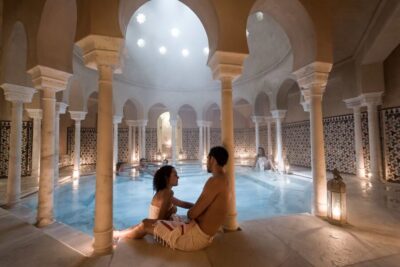
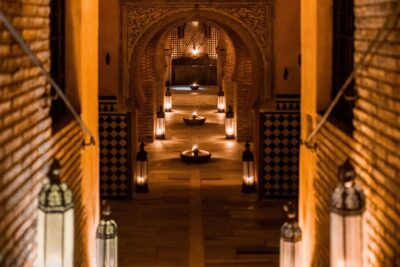
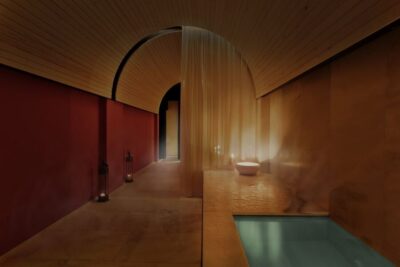
Hammam Al Àndalus Bath Session with Massage Options
Read our review →
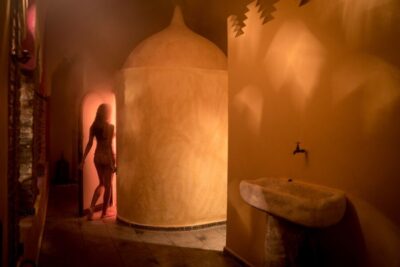
Hammam Experience with Massage at Baños de Elvira
Read our review →Browse the lists this tour appears in