Reviewed · TOURS IN SANTIAGO DE COMPOSTELA
Finisterre and Costa da Morte: The Most Complete Tour of Santiago
The most meaningful part of this day is the connection between the Camino and the Atlantic coast. Finisterre and Muxía were once treated as the end of the known world, and they remain powerful places to visit after walking to Santiago. You get the lighthouse, ocean, pilgrimage stories, fishing towns, and small Galician sights in one long outing.
I like the way this tour reaches beyond the famous lighthouse. Ponte Maceira and Ézaro Waterfall add quieter, more local stops, while the coach saves you from piecing together a difficult coastal route by public transport. I also like the central departure from Plaza de Galicia and the chance to leave lunch flexible in Finisterre.
The tradeoff is the pace. Nine and a half hours is a long day, with plenty of time on the road and several short stops. Commentary in English has been excellent on some departures, but a few people found strong accents difficult to follow, so this suits you best if the scenery matters as much as the spoken explanation.
Key points to know before you book
- Finisterre Lighthouse gives the day its emotional high point, especially if you have just completed the Camino.
- Muxía adds pilgrimage meaning, with the Santuario da Virxe da Barca and its famous ritual stones.
- Eight stops cover a lot of ground, from a Roman bridge and waterfall to granaries, fishing platforms, and coastal villages.
- Lunch is not included, but you get about 90 minutes in Finisterre to choose your own restaurant.
- The coach is practical and comfortable, though a group of up to 55 people can make the day feel organized rather than intimate.
- The route may run in a different order, and the tour can finish late, so do not schedule an important evening train or dinner.
Why this coastal day matters after the Camino
Many people take this trip after finishing a Camino route. That is not just a convenient time to go. Finisterre, traditionally called the end of the world, gives the walk a natural closing point, while Muxía adds another layer of pilgrimage tradition.
You do not need to have walked the Camino to enjoy the tour. Still, if you have spent days walking toward Santiago, standing beside the Atlantic feels like a proper final chapter. The sea is wide, rough, and open. The experience is less about checking off a lighthouse and more about giving yourself space to look back on the journey.
Tour Galicia provides an English and Spanish guide, with Maria receiving repeated praise for her friendly manner, timing, and clear explanations. The guide accompanies the group and answers questions, though the quality of spoken English can vary by departure. If detailed historical commentary is your main reason for booking, keep your expectations measured. You will get useful context, but the strongest part of the experience is the route itself.
Other trips people book in Spain:
- Barcelona: Sagrada Familia Entry Ticket with Audio Guide
★ 4.6 · 105,312 reviews - Barcelona: Park Güell Admission Ticket
★ 4.4 · 76,534 reviews - Seville: Royal Alcázar Entry Ticket
★ 4.6 · 28,378 reviews
Ponte Maceira and the first Camino connection
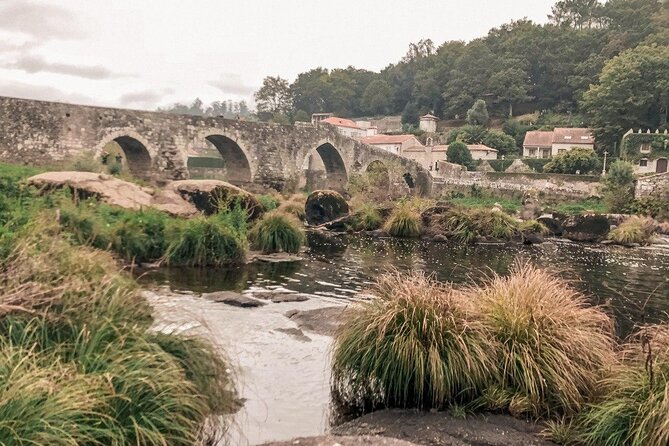
Ponte Maceira is a smart opening stop. Its stone bridge crosses the river in a peaceful setting, and the village offers a gentler introduction to the day than beginning at the busy lighthouse.
The bridge is tied to stories about Saint James and the route toward Santiago. The stop lasts about 30 minutes, enough for photographs and a walk around the bridge, but not enough for a long exploration. If you enjoy old stonework and small villages more than headline attractions, this may be one of the stops you wish had received more time.
The tour description lists Ponte Maceira first, but the order can change. On some departures, the route runs in the opposite direction. That is not a problem in itself, but it is worth knowing so you are not surprised if the first stop is Muros or another coastal site.
Muxía’s sanctuary and the stones of local tradition
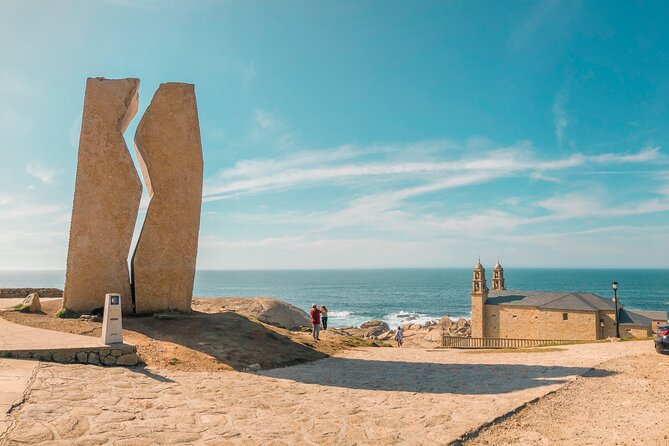
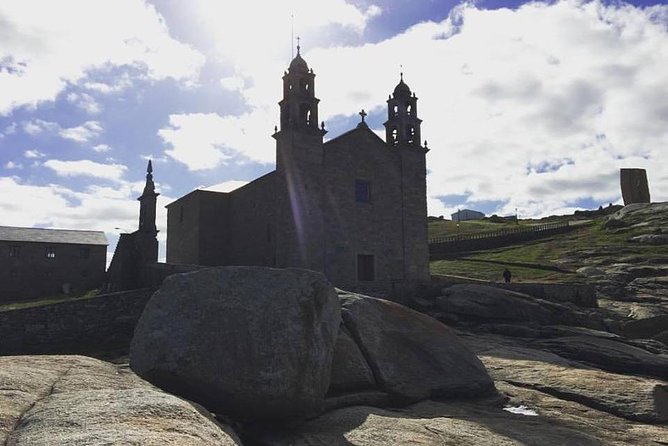
The Santuario da Virxe da Barca is one of the day’s most important places. The sanctuary sits beside the ocean at Muxía, where pilgrimage stories connect the arrival of Saint James with the power of the sea.
You get around 45 minutes at the sanctuary. That gives you time to see the church, take in the setting, and listen to the guide explain why Muxía matters to pilgrims. The setting is dramatic without needing much decoration. Waves, exposed rock, and the open Atlantic do most of the work.
Nearby, Pedra D’Abalar and Pedra dos Cadrís bring local tradition into focus. These stones have long been linked with rituals and legends. Your guide explains their meaning, and you may have the chance to try the local rituals associated with them. Approach this with curiosity rather than treating it as a formal religious ceremony. The value is in seeing how old stories remain part of a place’s identity.
The stone stop takes about 30 minutes. Bring shoes with a firm sole, especially if the weather is wet. The tour requires some walking and standing at outdoor sites, even though most people can participate.
Finisterre Lighthouse, where the road feels finished
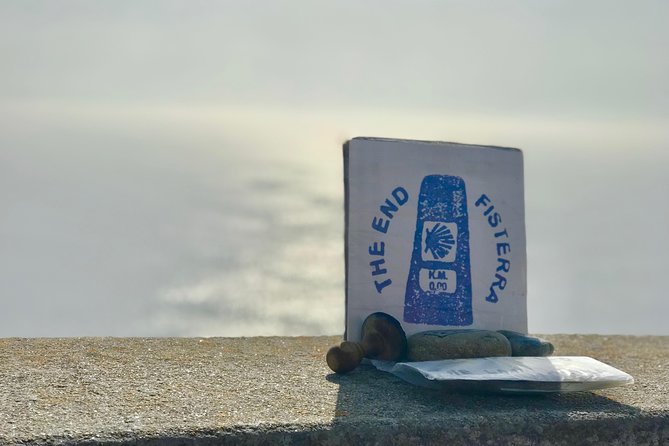
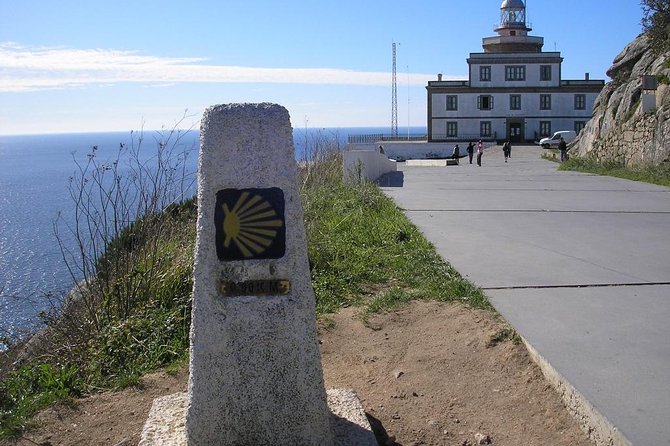
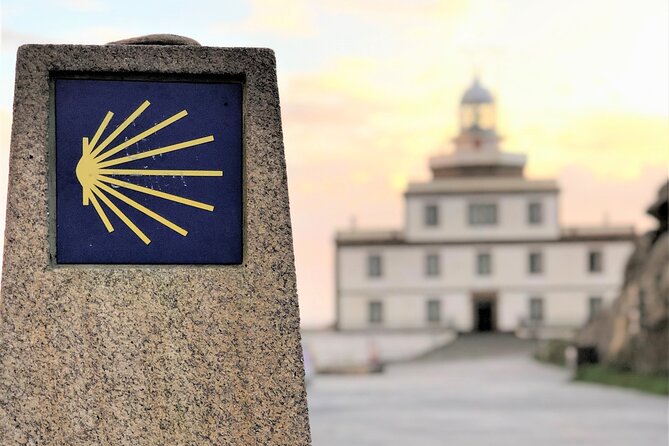
Faro de Fisterra is the main event. The lighthouse marks the rocky end of the peninsula, and the view gives you a direct sense of why people once imagined this as the edge of the known world.
You get approximately 45 minutes at the lighthouse. That is enough to look out toward the Atlantic, take photographs, and absorb the setting. It is not a long coastal hike. The tour is designed to give you a strong visit, then move on to the town for lunch.
For people who have completed the Camino, this stop can carry real weight. You have spent days following a route toward Santiago, and now you are looking outward, beyond the land. The lighthouse is not simply another scenic viewpoint. It is a place that makes the ending of a long walk feel more complete.
The site can be windy, cold, or wet. Galicia’s weather can change quickly, and one poor-weather departure described a day that would have been wonderful with more sun and warmth. Pack a waterproof layer even if Santiago looks clear in the morning.
Same base, a different kind of day out:
- Barcelona: Casa Batlló Entry with Self-Audioguide Tour
★ 4.7 · 25,359 reviews - Seville: Cathedral and La Giralda Entry Ticket
★ 4.5 · 24,592 reviews - Madrid: Tour Bernabéu Entry Ticket
★ 4.5 · 21,573 reviews - Barcelona: 24 or 48-Hour Hop-On Hop-Off Bus Tour
★ 4.4 · 20,872 reviews
Finisterre town and a flexible lunch break
After the lighthouse, the coach goes down to Fisterra town for about 90 minutes. Lunch is not included, which is useful if you prefer choosing your own meal, but you need to budget for it separately.
The town is a good place to try Galician seafood. Fresh fish is a natural choice, and restaurants offer local dishes at different price levels. The free time also gives you a welcome pause after several guided stops. You can sit down, eat slowly, and look around instead of rushing from one viewpoint to the next.
The long lunch break is both a strength and a weakness. I like having time to eat properly, especially after a Camino walk. If you prefer sightseeing to a leisurely meal, the 90 minutes may feel excessive, particularly when other stops are limited to 30 minutes.
Do not assume the guide will select or include your meal. Food, drinks, and alcoholic beverages are not part of the tour price. Ask the guide for practical restaurant suggestions if you want help choosing.
Ézaro Waterfall and a different side of Galicia
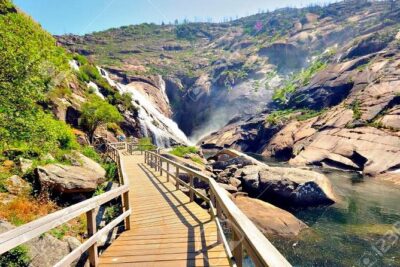
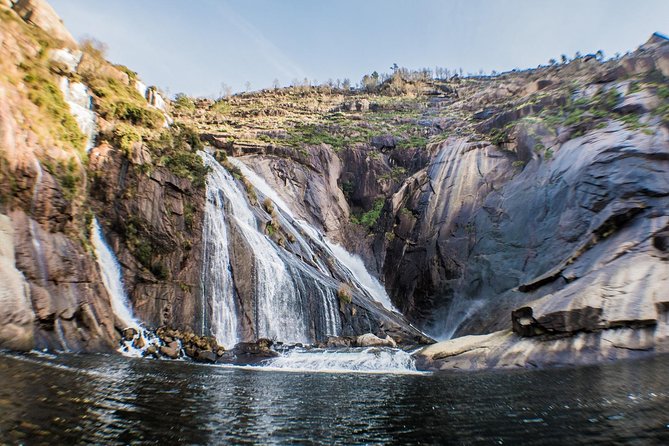
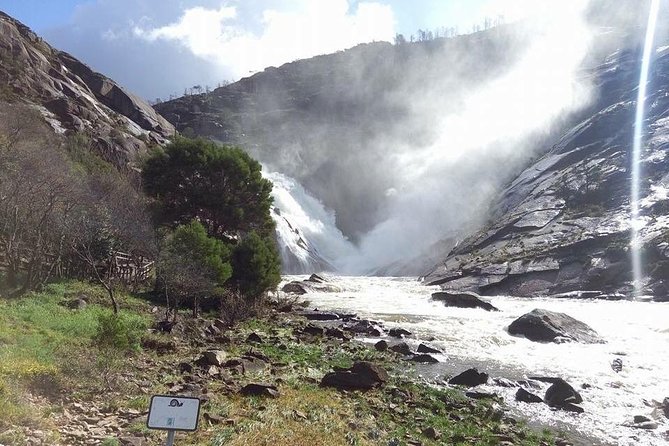
Ézaro Waterfall changes the mood of the day. Water drops down toward the coast, creating a striking stop with its own local legends and links to older pre-Roman traditions.
The visit lasts about 40 minutes. That is enough to see the waterfall and hear the explanation, though the amount of water and the feel of the site can vary with weather. It is a useful reminder that this route is not only about pilgrimage and ocean views.
The waterfall also breaks up the long coastal drive. The journey is a major part of the experience, and the coach passes through rural Galicia between stops. If you like seeing how villages, roads, and shorelines fit together, the ride is worthwhile. If you want maximum time on foot, the repeated boarding and unloading may feel tiring.
Carnota’s huge horreo
At Carnota, the focus turns to the Galician horreo. These raised granaries are one of the region’s most recognizable forms of rural architecture, built to keep stored crops dry and protected.
The stop lasts about 30 minutes. You will learn how the structure worked and why horreos became such a common part of Galician life. Carnota is known for one of the largest examples, making this a quick but useful stop for understanding the countryside beyond Santiago.
This is not a museum visit with a long indoor program. It is an outdoor look at a practical building tradition. That simplicity is part of its appeal. You see how local people solved an everyday problem using stone, air, and careful construction.
Muros and the working estuary
Muros provides the final coastal village experience. From the town, you can look across the estuary and see bateas, floating platforms used for growing mussels, oysters, and scallops.
The visit lasts about 30 minutes, so think of it as a viewpoint and short orientation rather than a full town tour. The stop gives you a glimpse of Galicia as a working coast, not just a scenic one. Fishing, shellfish farming, and small port towns remain central to local life.
Some people would prefer more time at Ponte Maceira and less at Muros. That is a fair personal choice. Muros is valuable for its broad view and food culture, but it may feel less emotionally significant than Muxía or Finisterre.
The coach, guide, and size of the group
Transportation is by air-conditioned coach, with the guide traveling with the group. The driver receives especially strong praise for careful handling on narrow roads, tight turns, and stair access. That matters here because the route includes winding roads and repeated stops.
The advertised maximum is 55 people. That is a large group, even if everyone is punctual and the day runs smoothly. A larger coach keeps the price down and makes this route possible without renting a car, but you should not expect a quiet minibus atmosphere.
The tour normally operates in English and Spanish. Maria is mentioned by name as a warm and capable guide on several departures, and other guides have also been praised for keeping the group on time. Still, English clarity can vary. If you miss part of the commentary, ask questions directly when the group stops. The guides are available to explain points of interest, but the experience is not built around long, detailed talks at every site.
The coach has air conditioning, and the tour includes transport and insurance. Wear comfortable shoes, carry water, and bring a light jacket or rain shell. You will be outside at most stops, and conditions on the Atlantic coast are not always like those in Santiago.
What $59.26 buys you
At $59.26 per person, this is good value if you want to see several distant parts of the coast in one day. A rental car would give you more control, but driving unfamiliar coastal roads, finding parking, and managing the route would take effort. Public transport would be difficult for this exact combination of stops.
You are paying for transportation, a bilingual guide, insurance, and a full day of access to places spread across Galicia. You are not paying for lunch, drinks, or private attention. The price makes sense for a sightseeing day, especially after a Camino when you may not want another logistical challenge.
The value drops if you dislike long coach rides or need every stop to feel unhurried. Several visits last only 30 minutes, and the day can run beyond the planned schedule. Some departures have returned to Santiago on time, while others have finished late. Keep your evening flexible.
The central start and end point is listed around Plaza de Galicia, with the meeting details given as R. de Montero Rios 2 and Plaza de Galicia 2. Because incorrect directions have caused confusion, check the exact meeting instructions before leaving your accommodation. Hotel drop-off is not included, so plan to walk or use local transport after returning to Santiago.
Who should book this day trip?
I would recommend it to you if you have finished the Camino and want an easy, meaningful visit to Finisterre and Muxía. It also suits anyone based in Santiago who wants a broad look at the Atlantic coast without renting a car.
It is a good fit if you enjoy:
- Coastal viewpoints and exposed Atlantic scenery
- Pilgrimage stories and local legends
- Small villages and practical rural architecture
- Seafood lunch with free time to choose your own restaurant
- A full itinerary handled by a guide and driver
I would be more cautious if you are traveling with very young children. The day is long, and the coach time can test patience. It may also disappoint you if you want a private tour, a slow village visit, or highly detailed commentary at every stop.
Cancellation is free up to 24 hours before departure. The tour needs suitable weather and a minimum number of people. If the operator cancels for either reason, you are offered another date or a full refund.
Should you book Finisterre and Costa da Morte?
Book it if your priority is seeing the greatest number of important coastal sights in one day. Finisterre and Muxía are the emotional anchors, while Ponte Maceira, Ézaro, Carnota, and Muros fill out the picture of Galicia beyond Santiago.
I would not book it for a quiet, slow day. This is a well-packed coach tour with a large group, fixed stop times, and a long lunch break. But at $59.26, it offers a practical way to reach places that are awkward to combine independently. Bring weatherproof clothing, confirm the meeting point, leave your evening open, and you will be set up for a memorable final day by the Atlantic.
FAQ
How long does the Finisterre and Costa da Morte tour last?
The tour lasts approximately 9 hours and 30 minutes. It begins at 9:00 am and returns to the central Santiago meeting area.
Where does the tour start and finish?
The listed meeting area is Plaza de Galicia in Santiago de Compostela. The details give R. de Montero Rios 2 and Plaza de Galicia 2, so confirm the precise meeting instructions before departure. The tour returns to the same central area, not directly to your hotel.
Is lunch included?
No. Lunch is not included, but you receive about 1 hour and 30 minutes of free time in Fisterra to choose and pay for your own meal.
Is the tour offered in English?
Yes. The tour is offered in English and Spanish, with a bilingual guide. Guide clarity can vary, so ask questions at the stops if you need an explanation repeated.
What is included in the price?
The price includes transportation, an English and Spanish tour guide, insurance, and an air-conditioned coach. Food, drinks, and alcoholic drinks are not included.
Can I cancel the booking?
You can cancel up to 24 hours before the start time for a full refund. Cancellations or changes made less than 24 hours before departure are not accepted for a refund.
Just added in Spain
- Benalmadena: City Sightseeing Hop-On Hop-Off Bus Tour★ 3.5 · 379 reviews
- Bizkaia Bridge, Gaztelugatxe, Bermeo and Gernika from Bilbao★ 4.5 · 299 reviews
- Welcome to Barcelona: Private Tour with a Local★ 4.6 · 200 reviews
- Barcelona: White Rabbit Catalonia’s Top Immersive Experience★ 4.7 · 359 reviews
- Bean to Bar Chocolate Workshop in Barcelona★ 5.0 · 172 reviews
- Barcelona: Walking tour with Montjuic Castle & Cable Car★ 4.7 · 832 reviews
- Barcelona: Welcome to Barcelona Segway Tour★ 4.9 · 153 reviews
- Barcelona: Helicopter Flight with Optional Yacht Cruise★ 4.7 · 224 reviews
Tours in Santiago De Compostela, compared.
Santiago: Cathedral & Museum Tour + Pórtico of Glory Option
Read our review →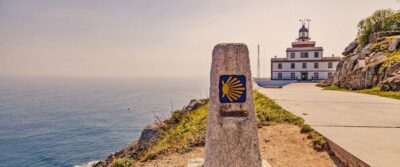
From Santiago: Finisterre, Muxia & Costa da Morte Excursion
Read our review →