
Reviewed · TOURS IN CORDOBA
Sights, Sounds, and Scents of Córdoba’s Patios
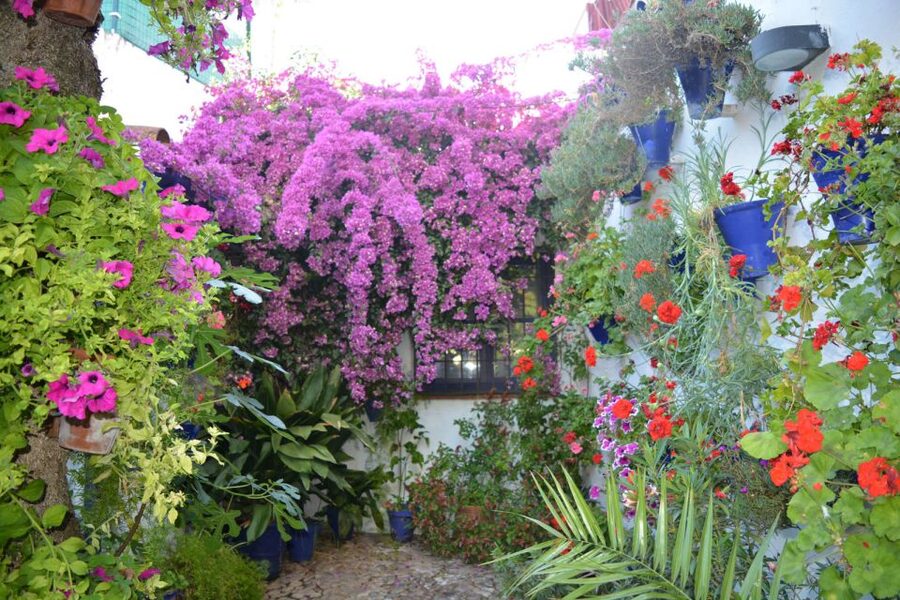
Córdoba’s patios are at their best when the day cools and the first evening scents rise from the flowerpots. This 2.5-hour walk takes you beyond the busiest sights into Santa Marina, San Agustín, and San Lorenzo, where shared courtyards still form part of daily neighborhood life. I like the close look at 8 to 12 patios, and I like the stop for a glass of Montilla-Moriles Fino, a local wine with a story of its own.
The main drawback is that the experience depends heavily on your interest in flowers, architecture, and local customs. If you prefer major monuments or a fast-moving sightseeing tour, a slow walk through courtyards may feel repetitive. Comfortable shoes matter, and large bags or luggage are not allowed.
Key points to know before you book
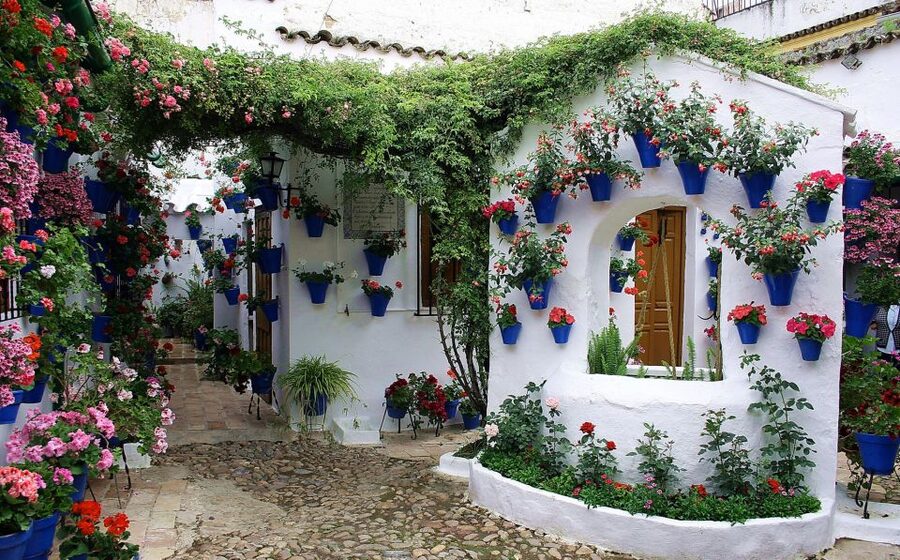
- Eight to twelve patios in one evening: The route visits a large selection of courtyards, including many past winners of Córdoba’s annual patio competition.
- A May tradition since 1933: The tour is especially timely during the contest, when about 50 patios open for public viewing across the city.
- Three lesser-visited neighborhoods: Santa Marina, San Agustín, and San Lorenzo offer a quieter side of Córdoba away from the main monument route.
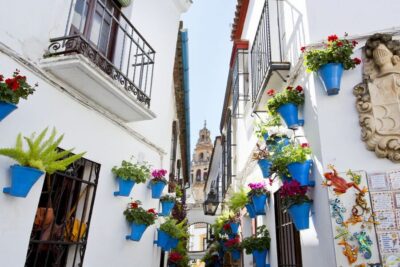
- Jasmine, geraniums, roses, and more: Each courtyard has its own planting style, layout, and history of use.
- A short Fino wine tasting: The walk ends with a glass of local Montilla-Moriles wine at a typical tavern.
- Languages and flexibility: A live guide leads the tour in English, Spanish, or French, with free cancellation up to 24 hours before departure.
Why Córdoba’s patios are worth your evening
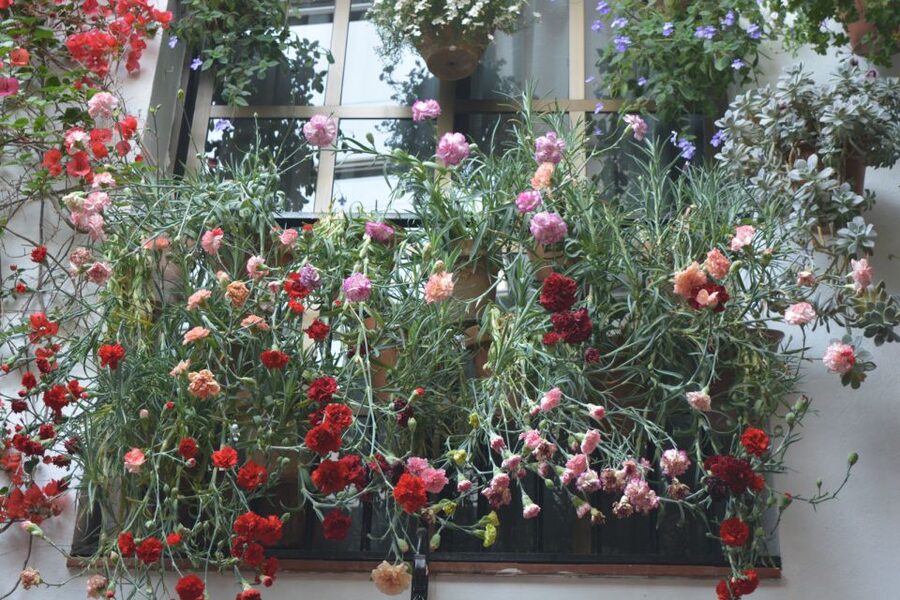
Córdoba’s patios are not simply decorated courtyards. They are shared living spaces shaped by heat, water, flowers, and close neighborhood ties. In a city where summer temperatures can be fierce, a shaded courtyard gives people a cooler place to meet, work, and talk.
The public patios, called Patios Populares, are often shared by several families. Those families care for the space throughout the year, not just during the spring contest. That detail changes the way you see the flowers. You are not looking at a temporary display arranged only for sightseers. You are seeing a part of the neighborhood that takes regular work and local pride.
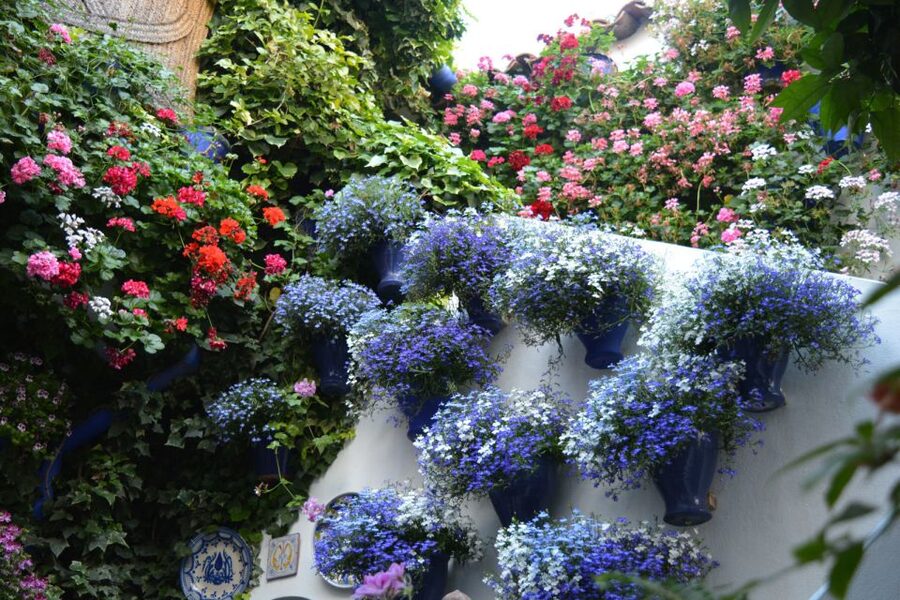
The patios also differ according to their use and age. Some are shared residential courtyards, while others reflect older ways of organizing homes around a central open space. You might find a patio filled with climbing plants, another arranged around bright pots of geraniums, and another where jasmine and roses provide the strongest scent.
I like this experience because it gives you something the grand monuments cannot: a look at how people have adapted to Córdoba’s climate and built community around a simple architectural feature. The flowers are the obvious draw, but the courtyards also tell you how homes functioned and still function.
Other trips people book in Cordoba:
- Córdoba: Skip-the-Ticket-Line Mosque-Cathedral Guided Tour
★ 4.6 · 9,634 reviews - Cordoba Mosque-Cathedral: Skip-the-Line Guided Tour
★ 4.7 · 6,610 reviews - Córdoba: Jewish Quarter, Mosque, and Alcázar Tour
★ 4.7 · 4,279 reviews
Starting at Manolete’s Monument in Santa Marina
The meeting point is the Monument to Manolete, in front of Santa Marina Church in the Santa Marina quarter. This gives the walk a clear beginning in one of the districts included on the route, rather than starting at a busy central square.
You should arrive ready to walk. The tour lasts about two and a half hours, and the patio visits make up most of that time. Comfortable shoes are essential. The tour does not allow luggage or large bags, so bring only what you need for the evening.
Santa Marina is a useful starting point because it places you close to the kind of traditional neighborhood courtyards this tour is designed to show. The walk is not limited to one famous patio. Instead, you move through several streets and courtyards, gradually building a picture of how the tradition works across the city.
Your guide leads in English, Spanish, or French. That language choice matters here because the best part of the experience is not just looking at flowers. It is learning why the patios are organized as they are, how the competition works, and what makes one courtyard different from another.
Walking through Santa Marina, San Agustín, and San Lorenzo
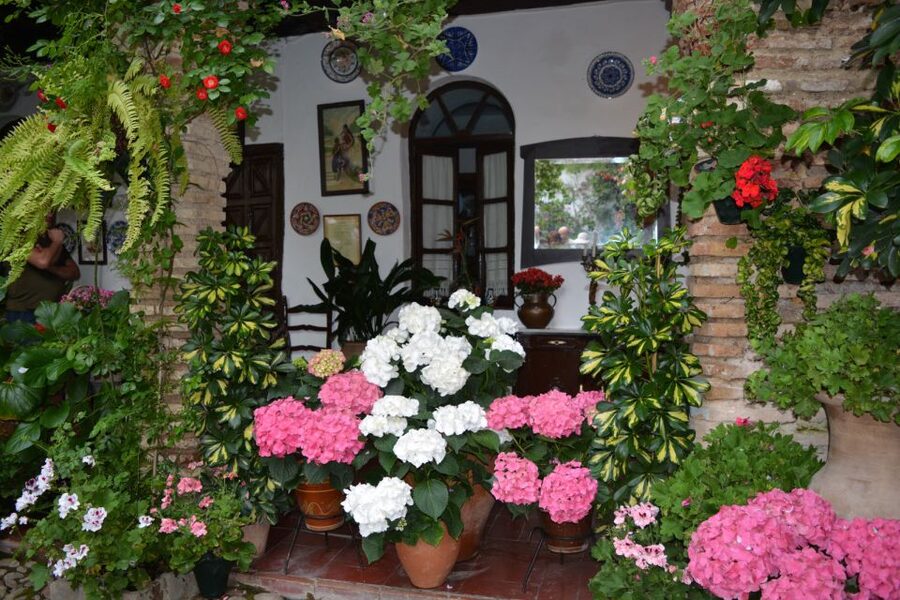
The route links three Córdoba neighborhoods: Santa Marina, San Agustín, and San Lorenzo. These districts are described as areas less familiar to many people visiting Córdoba, which is one of the tour’s strongest features.
The walk is not a quick sequence of photo stops. It takes about 2.17 hours before the wine tasting, giving the guide time to explain the courtyards and point out details you could easily miss on your own. The pace also lets you notice the change from daylight toward evening, when the flowers become part of the atmosphere rather than just objects in bright sun.
You will visit between 8 and 12 patios, depending on the route and availability. The advertised number matters because one or two courtyards can give you a pleasant glimpse of the tradition, but eight or more lets you compare styles. You can see how planting choices, wall colors, water features, and the layout of the buildings create different moods.
The patios taking part in the May contest are especially appealing. About 50 courtyards across Córdoba participate, and many on this walk have won first place in the annual competition. That does not mean every patio feels formal or museum-like. Some are cared for by several families and retain the practical feeling of a shared home.
I would pay attention to the small differences. Look at how climbing plants use the walls, how pots are grouped, and how the central space is arranged. Jasmine, geraniums, and roses are among the flowers you may encounter, but the appeal comes from the mix. No two patios look alike.
What makes the May patio contest special
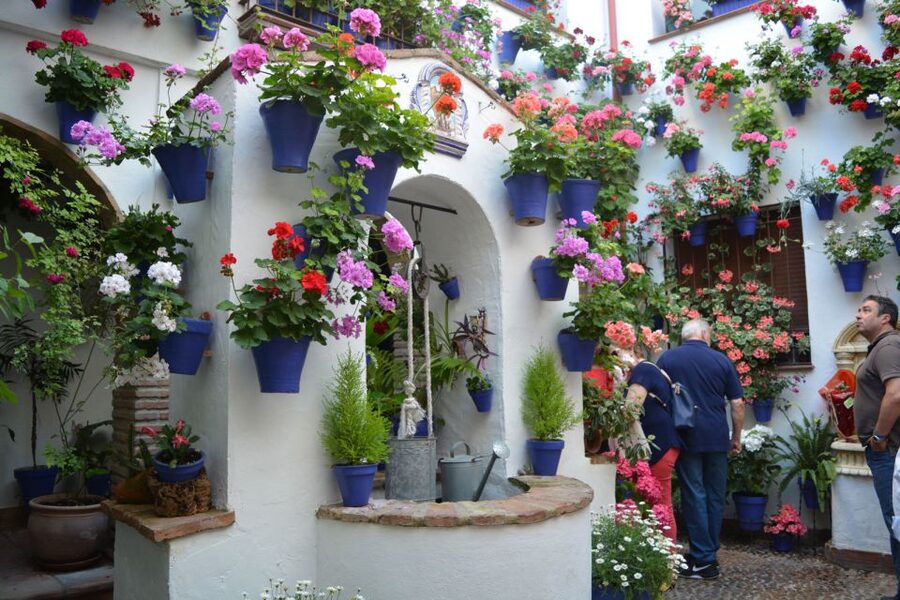
May is the best time for this particular experience because Córdoba’s annual patio competition brings the tradition into public view. The contest has been held each May since 1933, giving the event a long place in the city’s calendar.
The competition also gives the tour a useful focus. Rather than wandering into courtyards without context, you are seeing spaces that local families have prepared and maintained with great care. A prize-winning patio may be admired for its flowers, design, condition, or the way it preserves a traditional layout.
That said, May can also be the busiest time for the patios. The tour includes free patio tickets during the contest, which is valuable because you can visit several courtyards without paying separate admission. You should still expect the popular patios to attract attention, especially those that have won awards.
If your schedule allows only one Córdoba evening in May, this walk offers a strong way to use it. You see several contest patios rather than choosing only one, and the guide connects them to the surrounding neighborhoods.
Outside the contest period, the exact patio selection may vary. The experience remains centered on Córdoba’s courtyards, but the May competition is the clearest reason to choose this tour at that time of year.
Same base, a different kind of day out:
- Cordoba: Equestrian Show General Entry
★ 4.5 · 2,333 reviews - Cordoba: Mosque-Cathedral E-Ticket with Audio Guide
★ 4.1 · 2,124 reviews - Cordoba Mosque & Jewish Quarter Tour with Tickets
★ 4.6 · 1,996 reviews - Cordoba: Alcazar Guided Tour and Skip-the-Line Ticket
★ 4.2 · 1,792 reviews
The sights, sounds, and scents at dusk
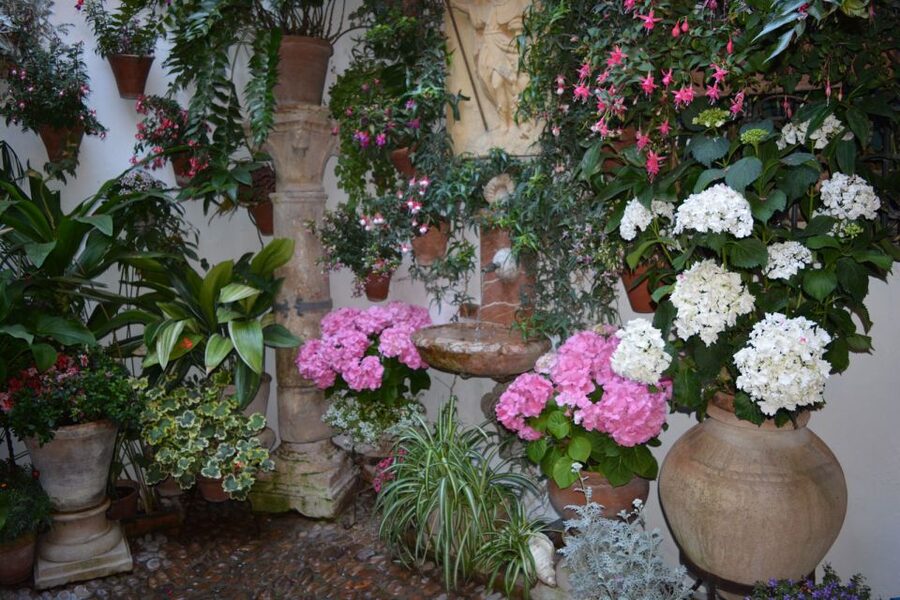
The title of the experience points to its real appeal. You are not just inspecting flowers. You are watching the courtyards change as evening arrives.
The scent of jasmine can be especially noticeable as the air cools. Geraniums and roses add color, while climbing plants soften the walls and balconies. The courtyards can feel calm after the heat of the day, and you may hear relaxed conversation among local residents and friends.
That atmosphere is hard to reproduce in a daytime museum visit. The tour is designed around the transition from afternoon into evening, so the timing adds something to the flowers and architecture. It also makes the walk feel connected to ordinary local life.
I would not book this expecting a performance or a large cultural show. The experience is quieter and more observational. The guide’s explanations, the plants, the buildings, and the sounds of the neighborhoods do most of the work.
One participant described the guide as energetic, friendly, and smiling throughout the walk, with clear explanations and visits to several of that year’s winners. Another praised the cultural commentary and the chance to talk during the patio visits. Those details suggest that the guide can shape the experience in a major way, especially for anyone who wants more than a series of pretty photographs.
The Montilla-Moriles Fino tasting
After the courtyard visits, the group stops at a typical tavern in Córdoba for a glass of Fino wine from the Montilla-Moriles designation. The tasting lasts about five minutes, so think of it as a brief local finish rather than a full wine tour.
Montilla-Moriles is an important detail. The wine comes from the nearby wine region associated with Córdoba, and the stop gives you a taste of a local drink rather than a generic Spanish wine chosen only for convenience.
The tasting also adds a social ending to the walk. After visiting private-feeling courtyards and hearing about neighborhood customs, you finish in a traditional tavern with a drink that belongs to the wider area.
One French-speaking participant particularly appreciated the quick introduction to Fino wine, while also praising the guide’s ability to communicate in French. If you enjoy food and drink as part of cultural sightseeing, this small stop adds good value to the tour.
Keep your expectations in proportion. You receive one glass and a short explanation, not a broad tasting flight or a long lesson in wine production. If you want a serious wine visit, you will need a separate experience. If you like a local drink as the final note of an evening walk, this is a sensible addition.
Is $26 a fair price?
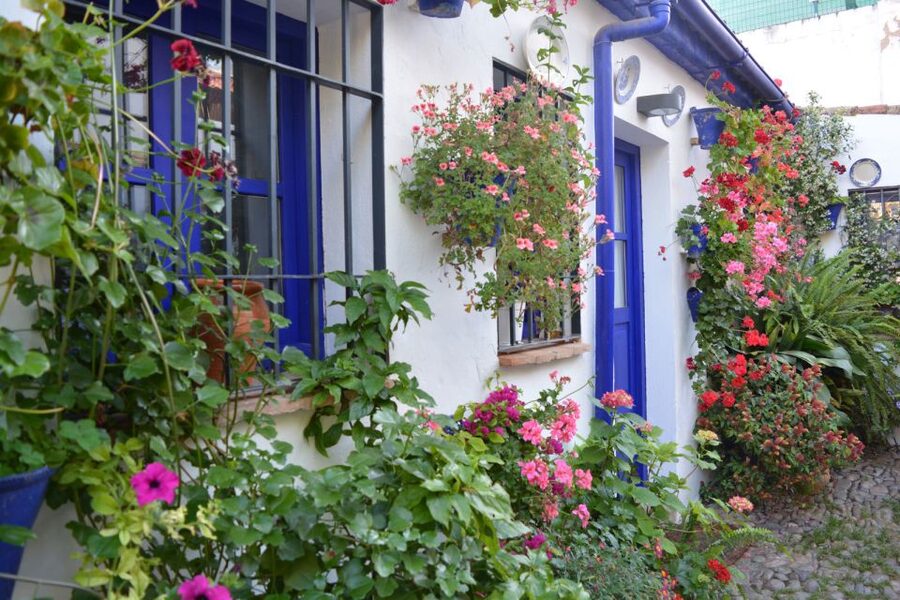
At $26 per person, the tour offers reasonable value if you want guided access to many patios and prefer not to plan the route yourself. The price includes the guide, visits to 8 to 12 local patios, the glass of Montilla-Moriles wine, taxes, and free patio tickets during the contest.
The number of courtyards is the main value. Paying for a guide makes more sense when that guide takes you to a group of patios you might not locate or understand on your own. The wine is a pleasant extra, but it is not the reason to book.
You are also paying for local context. A self-guided walk can show you the flowers, but a guide can explain why the courtyards are shared, how the competition works, and why the spaces differ. That information helps you see more than decoration.
The price is less attractive if you are not interested in gardens, residential architecture, or a slow evening walk. The tour is not a substitute for Córdoba’s major monuments, and it does not include a substantial meal.
Who will enjoy this patio walk most
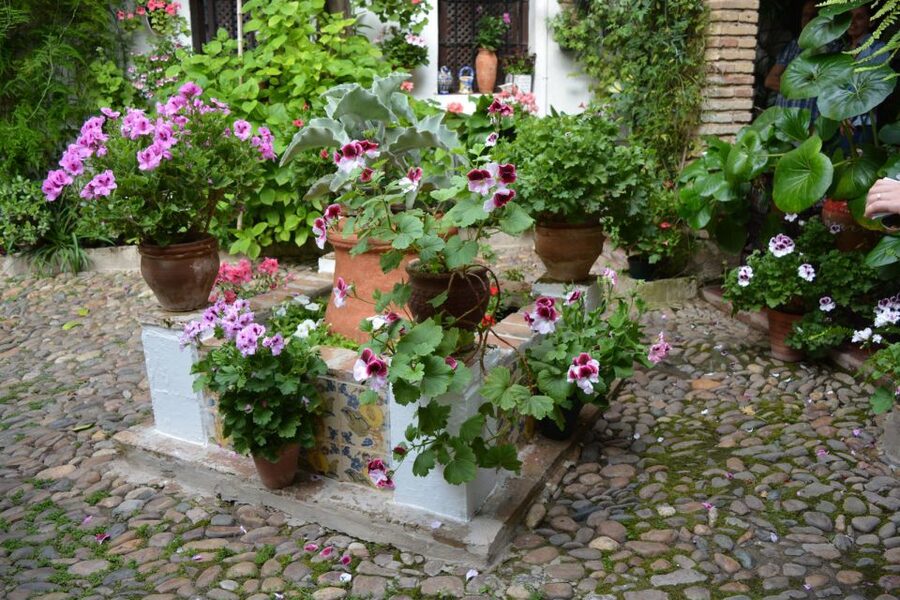
I would recommend this experience to you if you enjoy:
- Small-scale local traditions rather than only famous monuments
- Gardens, flowers, architecture, and photography
- Evening walks at a relaxed pace
- Guided cultural explanations in English, Spanish, or French
- Trying a regional wine in a traditional setting
- Seeing several patios instead of committing to only one
It is also a good choice for repeat visitors to Córdoba who have already seen the major sights. The three neighborhoods give you a different side of the city, and the shared courtyards offer a closer look at local life.
Families and older visitors should consider the walking time. The tour lasts 2.5 hours, with most of that spent walking between and through patios. The route may be easy for regular walkers, but comfortable shoes are a must.
You may want to skip it if you dislike flower-focused sightseeing, have limited mobility for a long walking route, or carry large bags. The tour does not allow luggage or large bags, and the experience is built around moving from one courtyard to another.
Practical advice for a better evening
Wear shoes that can handle roughly two and a half hours of walking. You will get more from the tour if you are comfortable enough to pause, listen, and look closely rather than worry about your feet.
Bring a small bag only. Large bags and luggage are not allowed, so leave bulky items elsewhere before meeting at Manolete’s Monument.
If you visit in May, expect the patio contest to be central to the experience. The free contest tickets are a useful benefit, but the best-known courtyards may attract more people. Patience helps, particularly when several visitors are trying to photograph the same flowers.
Try to notice the scent as well as the color. Jasmine is one of the flowers associated with the walk, and the evening timing can make the aromas more noticeable. The courtyard sounds matter too: quiet conversation, footsteps, and the everyday feel of shared spaces.
Finally, use the wine stop as a chance to ask a question. The tasting is short, but the Fino introduction can give you a useful starting point for understanding Montilla-Moriles wines.
Should you book Córdoba’s patio tour?
Book it if you want a gentle, local experience that reaches beyond Córdoba’s headline monuments. The strongest reasons are the range of 8 to 12 patios, the chance to see contest winners, the evening setting, and the inclusion of a Montilla-Moriles Fino tasting for $26.
I would choose it especially in May, when the annual competition gives the walk its greatest focus. If flowers, neighborhood life, and cultural detail appeal to you, this is a smart use of one evening in Córdoba.
Skip it if you want a fast tour, a major archaeological site, or a full wine tasting. The experience asks you to slow down and pay attention to scents, planting, architecture, and conversation. For the right visitor, that is exactly its charm.
FAQ
Where does the Córdoba patio tour start?
The guide meets you at the Monument to Manolete, in front of Santa Marina Church in the Santa Marina quarter.
How long does the experience last?
The tour lasts 2.5 hours. The patio walk takes about 2.17 hours, followed by a five-minute wine tasting.
How many patios will I visit?
You will visit between 8 and 12 patios in total. The exact number can vary.
Which Córdoba neighborhoods does the tour visit?
The walk explores the neighborhoods of Santa Marina, San Agustín, and San Lorenzo.
Is the tour available in English?
Yes. The live tour is available in English, Spanish, and French.
Is the wine included?
Yes. The experience includes one glass of Fino wine from the Montilla-Moriles designation.
What should I bring?
Bring comfortable shoes. Luggage and large bags are not allowed.
Are patio tickets included?
Yes. Patio tickets are free during the annual patio contest, and the tour includes visits to the local patios.
Just added in Cordoba
- Cordoba Mosque-Cathedral & City Private Tour★ 5.0 · 117 reviews
- Mosque-Cathedral, Alcazar & Jewish Quarter with Tickets★ 4.5 · 793 reviews
- Mosque-Cathedral of Córdoba Guided Tour with Priority Tickets★ 4.5 · 378 reviews
- Tour to the Mosque-Cathedral of Córdoba with admission included★ 5.0 · 103 reviews
- Cordoba Mosque and Jewish Quarter Guided Tour★ 4.5 · 452 reviews
- Medina Azahara Guided Tour★ 4.5 · 283 reviews
- Cordoba Mosque & Jewish Quarter Guided Tour with tickets★ 4.5 · 335 reviews
- Visit in Spanish to the Cathedral Mosque. Does not include entrance ticket★ 5.0 · 165 reviews
Tours in Cordoba, compared.

Skip-the-Ticket-Line Mosque-Cathedral Guided Tour
Read our review →
Cordoba Mosque & Jewish Quarter Tour with Tickets
Read our review →
Skip-the-Line Great Mosque-Cathedral History Tour
Read our review →
Mosque-Cathedral of Córdoba Guided Tour with Tickets
Read our review →Browse the lists this tour appears in