
Reviewed · PAELLA COOKING CLASSES
Seville: Spanish Cooking Class with Dinner
Seville’s food culture becomes much easier to understand when you are standing at a worktable, chopping vegetables, stirring paella, and eating the result. This three-hour class inside Triana Market takes you beyond restaurant dining, with a professional chef guiding you through gazpacho or salmorejo, tapas, paella, and dessert.
I like two things right away: you eat everything you prepare, and the meal comes with sangria during the cooking plus two additional drinks. I also like the social setup. You work alongside an international group, so the evening feels like a shared dinner party rather than a formal lesson. The main consideration is that this is a group class, so some tasks are shared and you may observe for parts of the preparation instead of cooking every step yourself.
Key points to know before booking
- Triana Market setting: Meet at stalls 75 to 77 on Plaza del Altozano, inside one of Seville’s best-known market areas.
- A full Spanish menu: Prepare a starter, tapas, Valencian paella with chicken and seasonal vegetables, and lemon sorbet with Cava.
- Social rather than intensely technical: You will take part in the cooking, but the group shares the work.
- English instruction: The class is conducted in English by chefs such as Carlos, Carlo, Leo, David, Dom, and Pedro.
- Plenty to eat and drink: Sangria is served while you cook, followed by the meal and two extra drinks.
- Useful for home cooks: Techniques can include paella preparation, chicken preparation, and practical methods you can repeat at home.
Why a market cooking class works so well in Seville
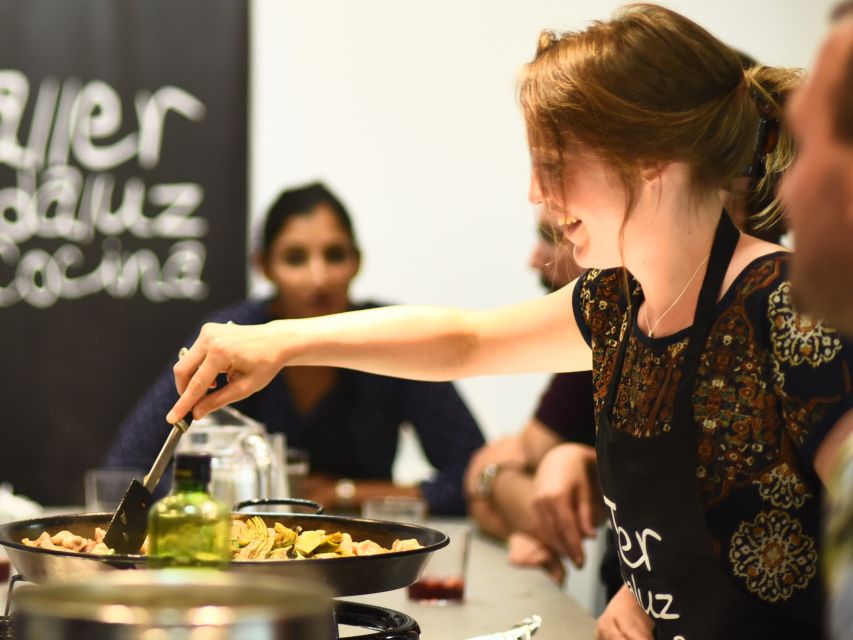
The location gives this experience a useful sense of place. Triana Market is not an anonymous classroom on the edge of town. You meet at stalls 75 to 77 inside the market on Plaza del Altozano, in the Triana district, and cook in a school built into that food-focused setting.
That matters because Spanish cooking makes more sense when you connect it to everyday ingredients. Tomatoes, chickpeas, spinach, eggs, potatoes, chicken, seasonal vegetables, and rice are not presented as museum pieces. They become dinner. You see how a few familiar ingredients can turn into several dishes with the right preparation.
The class is also a good answer to a common Seville problem: what to do on an evening when you want more than another restaurant meal. The cooking itself gives the night a clear rhythm. You arrive, meet the group, prepare the dishes, sit down to eat, and finish with dessert and drinks.
The class is taught in English, so you can follow the chef’s explanations and ask questions as the work progresses. Different sessions may feature chefs named Carlos, Carlo, Leo, David, Dom, Pedro, or other members of the team. The most consistently praised qualities are their humor, energy, and ability to keep beginners involved without making experienced cooks feel lost.
More Cooking Classes in Seville
- Spanish Cooking Class & Triana Market Tour in Sevilla
★ 5.0 · 760 reviews - Seville: 3.5-Hour Spanish Cooking Class & Triana Market Tour
★ 4.9 · 751 reviews - Spanish Cooking Class and Dinner in Seville
★ 5.0 · 261 reviews
Meeting at Triana Market and getting started
Plan to find Plaza del Altozano and the market entrance before your scheduled start time. The exact starting hour depends on availability, so check it when booking. Your meeting point is specific: stalls 75 to 77.
Once inside, the cooking school provides an apron and the ingredients. That makes the class easy to join after a day of sightseeing. You do not need to shop, carry equipment, or arrive with special cooking supplies.
The first part is about settling into the group. Sangria is served as you get acquainted, which helps break the ice when you are cooking with people from several countries. The atmosphere is meant to be relaxed and social, not stiff or exam-like.
You should still arrive ready to participate. This is not a demonstration where you sit at the back and watch a chef prepare an entire meal. The class has hands-on elements, although the work is divided among the group. With around ten people in some sessions, the size can be comfortable for conversation and shared cooking.
That group format has one small tradeoff. You may not personally make every part of every dish. At times, the class functions as a collective kitchen, with each person handling a task while the rest watches and learns. If your main goal is private, one-on-one instruction, this is not that kind of class.
Gazpacho, salmorejo, and the first taste of Andalusia
The menu begins with a cold tomato starter. Depending on the session, you may prepare gazpacho or salmorejo.
These dishes are especially fitting in Andalusia. They show how Spanish cooks create something refreshing and satisfying from simple ingredients. The class lets you pay attention to texture, seasoning, and preparation rather than simply receiving a bowl at a restaurant.
Salmorejo is thicker and creamier than gazpacho, while gazpacho is usually lighter and more drinkable. The choice between them can vary, so do not book expecting one fixed starter every time.
This is also a useful section for beginners. Cold soups often look simple, but small choices affect the final result. The chef can explain how to balance the vegetables and seasoning, then show you how the method works in practice.
The best part is that the lesson does not end with a demonstration. The starter becomes part of your eventual dinner. You can taste the finished dish in the context of the whole meal, which makes it easier to remember what the preparation was meant to achieve.
Tapas that show Seville’s home-style side
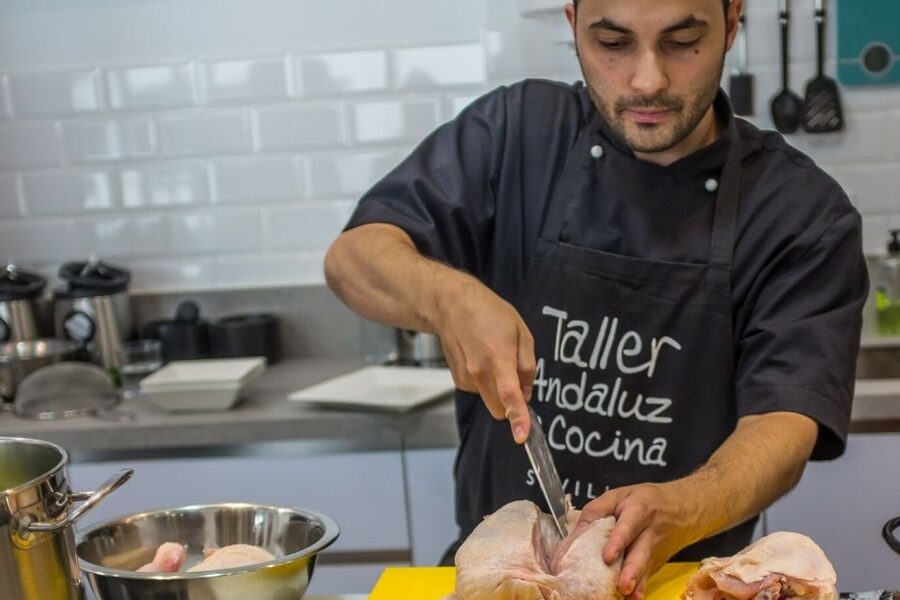
Next come typical tapas, with possible dishes including spinach with chickpeas, huevos a la flamenca, or Spanish omelet.
This part of the class gives you a broader look at Spanish food than paella alone. Paella is the headline dish for many visitors, but tapas show how Spanish meals often work in smaller, shareable portions. Spinach with chickpeas is earthy and filling. Huevos a la flamenca brings eggs into a more substantial dish. Spanish omelet teaches a basic combination of potato, egg, and careful cooking.
The exact tapas selection may vary. The provided menu describes these as options, so you should treat them as likely examples rather than a promise that every dish will appear at every session.
I like this section because it gives you recipes that are realistic to repeat at home. You are not merely watching a chef handle an elaborate restaurant dish. You are learning food that can fit into an ordinary kitchen and a relaxed dinner with friends.
The chefs also explain the story and cultural background of the food. Several sessions have included practical tips, restaurant suggestions, and wider conversation about life in Spain. That extra talk is valuable because food becomes more memorable when you understand where it fits in local life.
More classes where you cook in Seville:
- Barcelona: Paella Cooking Experience & Boqueria Market Tour
★ 4.8 · 3,661 reviews - Barcelona Paella Cooking Class with Market Visit, Tapas & Sangria
★ 5.0 · 2,531 reviews - Menorca: Natural Coves and Beaches Boat Trip & Paella Lunch
★ 4.4 · 1,753 reviews - Spanish Cooking Class Paella Tapas and Sangria in Madrid
★ 5.0 · 1,340 reviews
Making Valencian paella with chicken and vegetables
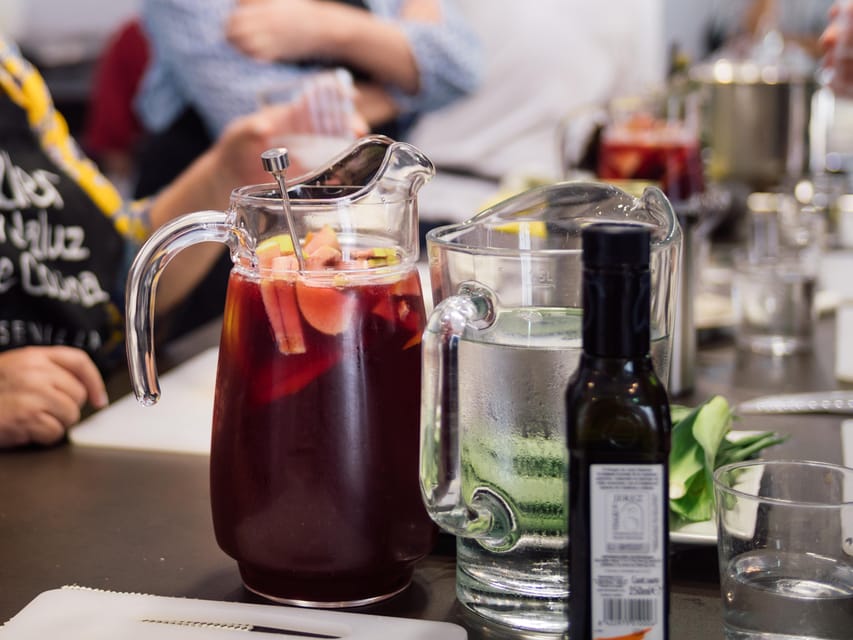
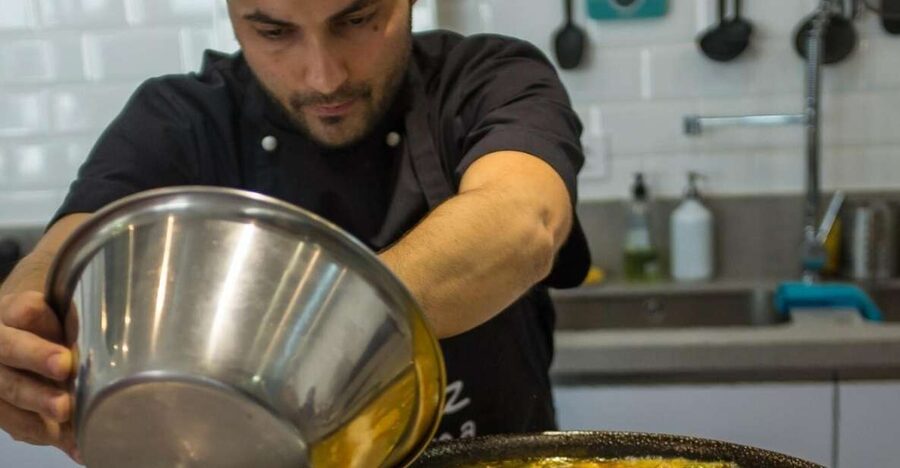
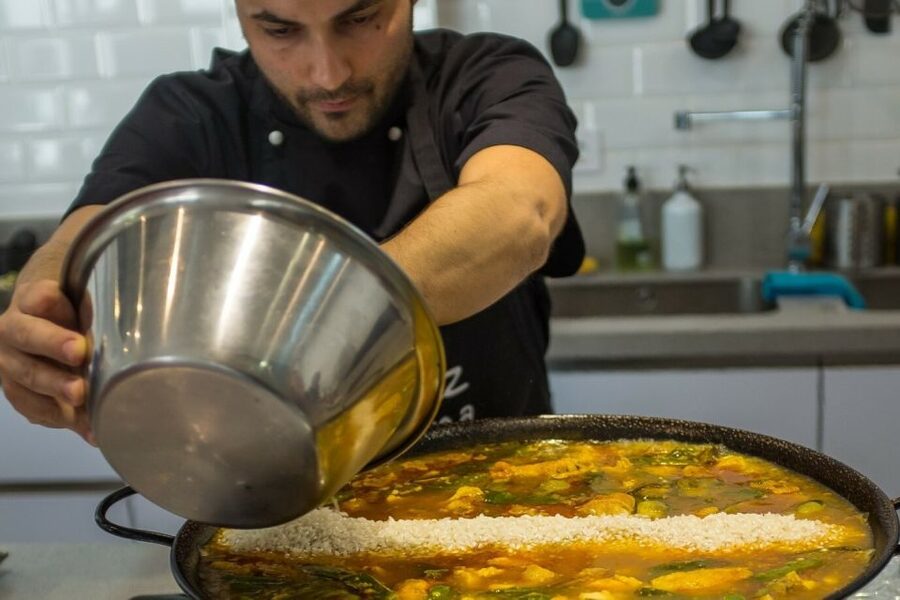
Paella is the centerpiece. Here, the class prepares an authentic Valencian-style paella with chicken and seasonal vegetables.
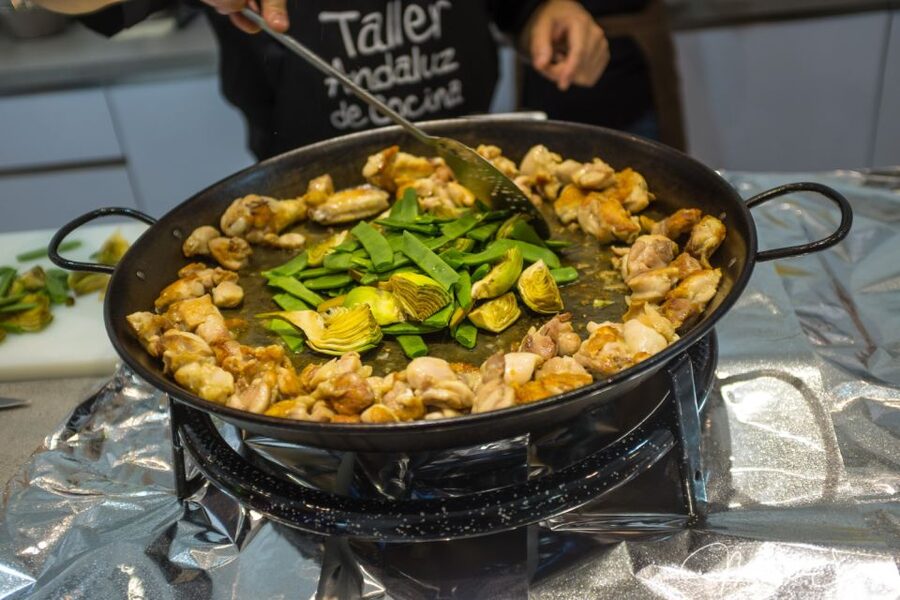
This is not presented as a seafood-only dish, which is useful to know before booking. The listed main course uses chicken and vegetables, and some sessions include the preparation of a whole chicken. One particularly practical lesson is learning how to prepare or debone the chicken before it goes into the paella.
The group approach works well here. A chef can explain the order of preparation, show the methods, and keep the cooking moving while each person handles a small job. You may not be responsible for every stage, but you will see how the parts fit together.
This is also where the class offers its most useful takeaway skill. Several participants have found the paella techniques easy to repeat at home, and the chefs explain more than a set of mechanical steps. You learn how the dish is built, how ingredients are handled, and why timing matters.
Do not expect a quiet, highly technical workshop. The tone is lively. Chefs such as Carlo, Leo, David, Dom, and Pedro have been praised for mixing professional instruction with jokes and conversation. That can make the class easier for nervous beginners, though anyone seeking a serious culinary certification course should choose something more specialized.
When the paella is ready, it becomes the main course of your dinner. The satisfaction comes from knowing the rice and chicken were prepared by the group around your table. It is a shared result, not a plated dish that appeared from a separate kitchen.
Lemon sorbet, Cava, and the meal at the end
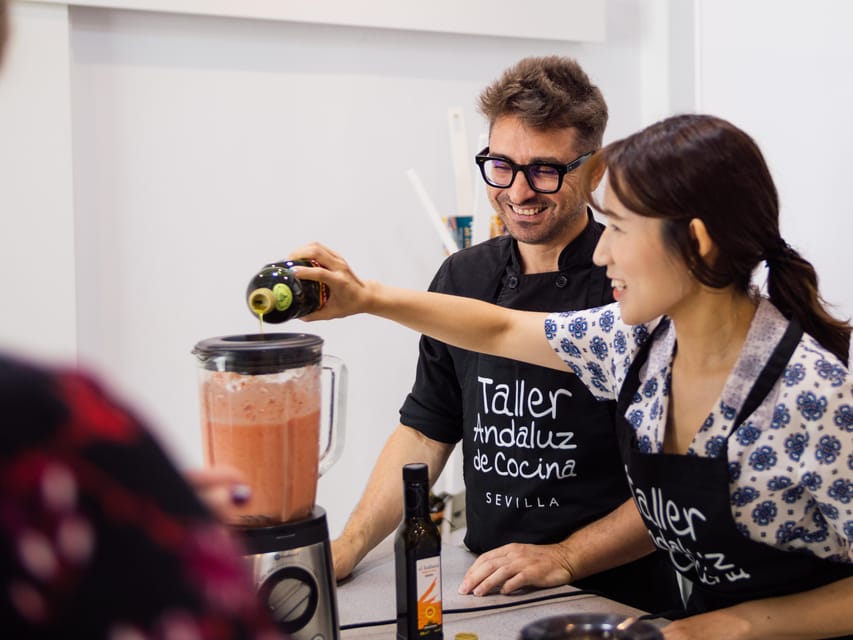
Dessert is a light lemon sorbet with Cava. After the savory dishes, this is a sensible finish. It keeps the meal from feeling too heavy and adds a celebratory note without requiring a complicated pastry lesson.
By the time you sit down, you should have a substantial meal. The experience includes the dishes prepared during the class, sangria while you cook, and two additional drinks with dinner. The extra drinks can be white wine, red wine, local beer, or soft drinks.
That drink arrangement adds real value to the $82 price. You are not paying only for an hour of instruction. The fee covers three hours, ingredients, an apron, a multi-course meal, sangria, and two drinks. You also receive an evening activity in a central market setting rather than simply another meal at a restaurant.
Still, value depends on what you want. If you care mainly about eating as cheaply as possible, you can find less expensive dinners in Seville. If you want a social activity, practical cooking instruction, and dinner in one package, the price is easier to justify.
The class is generous with food, so arrive hungry. The menu includes several savory dishes plus dessert, and the meal is designed to be filling. If you have evening plans immediately afterward, allow the full three hours and remember that cooking and dinner can run at a relaxed pace.
Dietary needs, skill level, and the group atmosphere
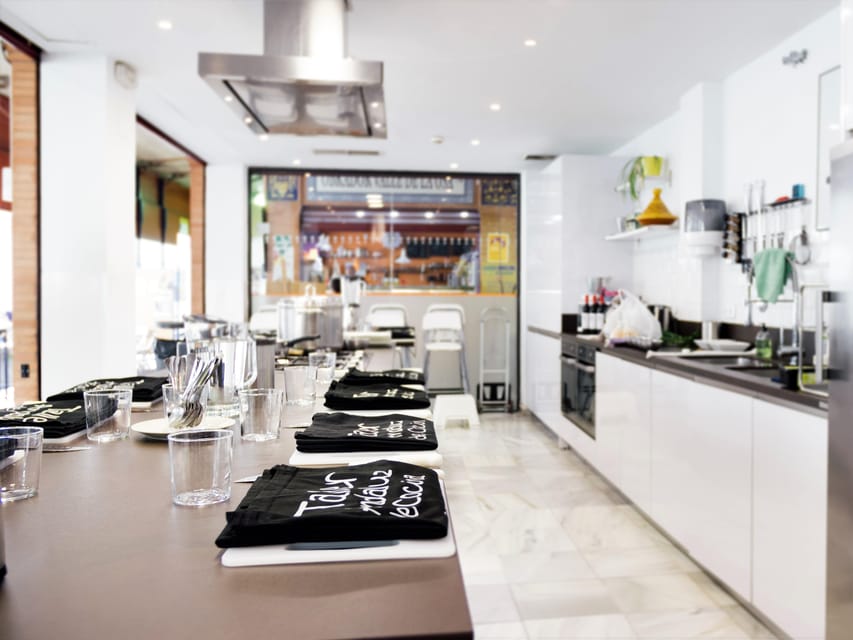
The class is designed for both beginners and more experienced cooks. You do not need to know how to make paella, handle a whole chicken, or prepare Spanish tapas before arriving. The chef explains the process and helps people with different levels of confidence take part.
The class can also adapt recipes for dietary restrictions, but you need to advise the provider in advance if the menu needs to change. Do not wait until you arrive. The kitchen needs notice to plan suitable ingredients and substitutions.
Vegetarian participation is specifically possible, with chefs helping make appropriate recommendations. Gluten-free needs have also been accommodated in sessions, but advance notice remains important.
The social side is a major part of the appeal. Couples can enjoy it as a shared evening, and teenagers have also found it engaging. Solo visitors can meet people quickly because the work naturally creates conversation. Small groups of friends can attend together without losing the chance to meet others.
The atmosphere is not ideal if you dislike communal cooking or group dining. You will share tasks, ingredients, conversation, and the final meal. That is the point for many people, but it is worth recognizing before you book.
What you take home besides dinner
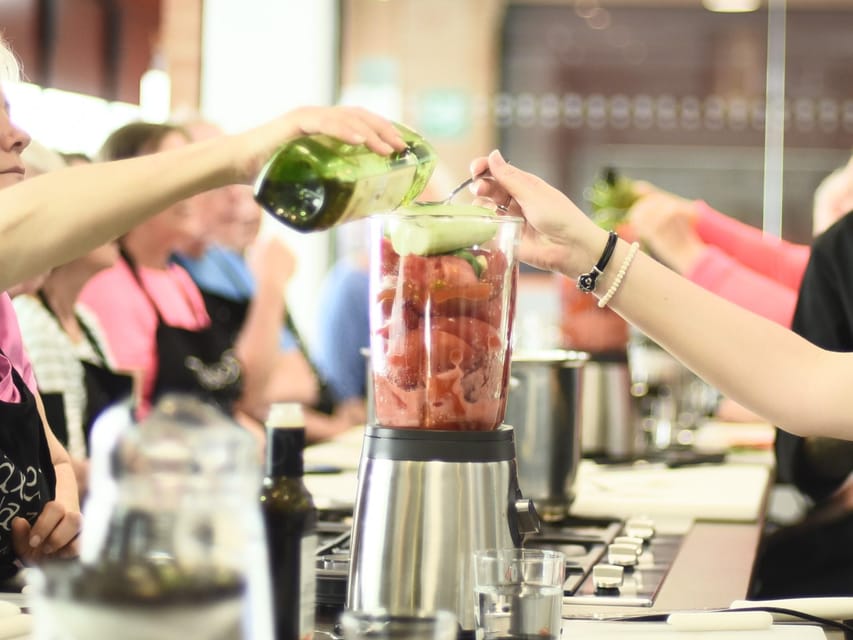
The most useful souvenir is the set of techniques. You may learn how to prepare paella, work with vegetables and chickpeas, make cold tomato soup, prepare Spanish omelet, and handle chicken for the main course.
Recipes are also sent by email, according to the experience details and several sessions. Keep an eye on your inbox after the class. One participant had not received the recipes yet, so if they do not arrive, contact the provider rather than assuming they were not promised.
The cooking tips are more valuable than a recipe sheet alone. A list of ingredients tells you what to buy. Seeing the chef work through preparation, timing, and texture gives you a better chance of making the dishes successfully at home.
You also leave with a clearer idea of what Spanish food can be. The class includes familiar classics, but it shows how they connect as a meal: cold starter, tapas, rice-based main course, and a light finish.
Is the $82 price fair?
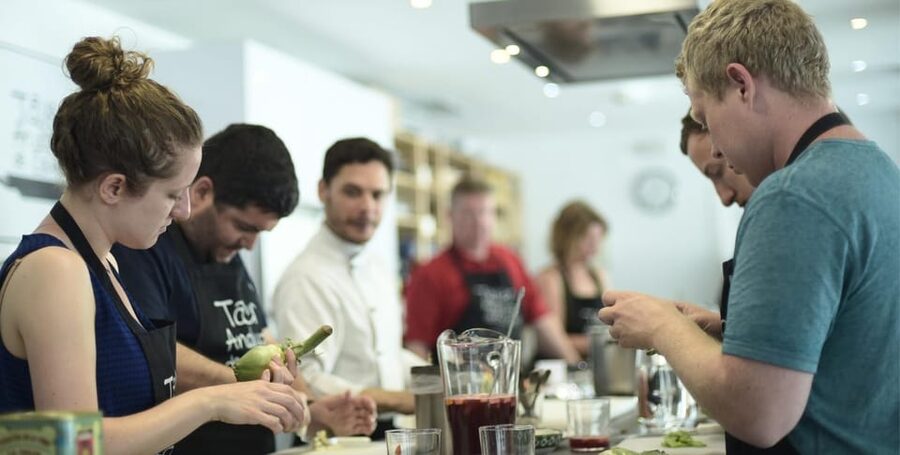
For three hours, the price is reasonable if you want an activity rather than just dinner. Ingredients, an apron, sangria, the full meal, and two more drinks are included. The English-speaking chef is also part of the value, especially if you want explanations instead of a silent cooking demonstration.
The price works best for people who would otherwise spend an evening eating out and looking for another activity afterward. Here, dinner and entertainment are combined. You also get a practical skill and recipes to take home.
The weaker value comes if you want intensive individual instruction. Because the class is collaborative, you will not spend all three hours personally preparing every component. You are paying for the full atmosphere, the chef’s guidance, the meal, and the group experience.
The near-perfect 4.9 rating from about 900 bookings reflects how consistently people enjoy the combination of food, humor, and social contact. The strongest praise centers on the chefs, especially their ability to make beginners feel comfortable while still teaching real techniques.
Who should book this Seville cooking class?
I would choose this for a couple wanting a relaxed evening, a solo visitor looking to meet people, or a family with older children and teenagers. It is also a good fit if you enjoy food but do not want a demanding culinary course.
Book it if you want to learn paella, taste several Spanish dishes, and share a long meal with an international group. Give advance notice for dietary needs, and arrive hungry.
Skip it if you want a private lesson, a seafood-focused paella, or a tightly controlled class where you personally prepare every dish from start to finish. For most visitors, though, the mix of market setting, practical cooking, generous food, and lively chefs makes this a strong use of one evening in Seville.
FAQ
Where does the cooking class meet?
Meet at stalls 75 to 77 inside Triana Market on Plaza del Altozano in Seville.
How long does the experience last?
The cooking class and dinner last three hours.
Is the class taught in English?
Yes. The live instruction is in English.
What dishes will I cook?
The menu can include salmorejo or gazpacho, tapas such as spinach with chickpeas, huevos a la flamenca, or Spanish omelet, Valencian paella with chicken and seasonal vegetables, and lemon sorbet with Cava.
Is paella included?
Yes. The class prepares an authentic Valencian paella with chicken and seasonal vegetables.
Are drinks included?
Yes. Sangria is served during the cooking lesson, and two additional drinks are included with the meal. Options include red or white wine, local beer, or soft drinks.
Are ingredients and cooking equipment provided?
All ingredients and an apron are included.
Can the menu accommodate dietary restrictions?
Recipes can be adapted for dietary restrictions. You must advise the provider in advance if you need a menu change.
Can I cancel the booking?
You can cancel up to 24 hours in advance for a full refund. A reserve-now-and-pay-later option is also available.
More Dining Experiences in Seville
- Teide National Park Sunset & Stargazing with Dinner (Star Safari)
★ 5.0 · 2,601 reviews - Corral de la Moreria Madrid Flamenco Show with Optional Dinner
★ 5.0 · 2,424 reviews - Barcelona: Flamenco Show with Dinner at Tablao de Carmen
★ 4.7 · 2,009 reviews - Valencia: Flamenco at Toro y La Luna with optional Dinner
★ 4.6 · 1,209 reviews
More Dinner Experiences in Seville
- Seville: Guadalquivir Boat Tour with Optional Lunch/Dinner
★ 4.4 · 2,193 reviews - Flamenco Show at Tablao El Arenal with Drink and Optional Dinner or Tapas
★ 4.5 · 1,415 reviews - Seville: Flamenco at El Palacio Andaluz with Optional Dinner
★ 4.5 · 1,119 reviews - Tablao Flamenco Cordobes on Rambla Barcelona with Dinner Option
★ 4.5 · 2,756 reviews
Just added in Seville
- Seville: Alcázar Guided Palace Tour with Priority Access★ 4.4 · 994 reviews
- Seville Segway Guided Tour★ 5.0 · 367 reviews
- Seville City Tour 2 Hour Monumental Segway Tour★ 5.0 · 472 reviews
- Private Tour Jewish Quarter, center and Plaza de España★ 5.0 · 127 reviews
- Seville: Small-Group Jewish Quarter Discovery Walking Tour★ 4.9 · 499 reviews
- Seville: Small Group Jewish Quarter Tour with Tapas & Drinks★ 5.0 · 119 reviews
- VIP Guided Seville Alcazar Pre-Opening, Cathedral & Old Town★ 5.0 · 191 reviews
- Seville: 1, 2 or 3 Hour Segway Tour★ 4.9 · 674 reviews
Paella Cooking Classes, compared.
Paella Cooking Experience & Boqueria Market Tour
Read our review →
Barcelona Paella Cooking Class with Market Visit, Tapas & Sangria
Read our review →
Natural Coves and Beaches Boat Trip & Paella Lunch
Read our review →
Spanish Cooking Class Paella Tapas and Sangria in Madrid
Read our review →
Barcelona Food Tour: Tapas, Paella, Sangria & 8+ Local Tastings
Read our review →
Paella and Sangria Workshop in the City Center
Read our review →
Paella Cooking Class, Wine Tasting & Central Market in Valencia
Read our review →
Girona & Costa Brava Small Group Tour From Barcelona with Paella!
Read our review →Browse the lists this tour appears in