
Reviewed · MUSEUMS
Museum of Illusions Alicante Entrance ticket
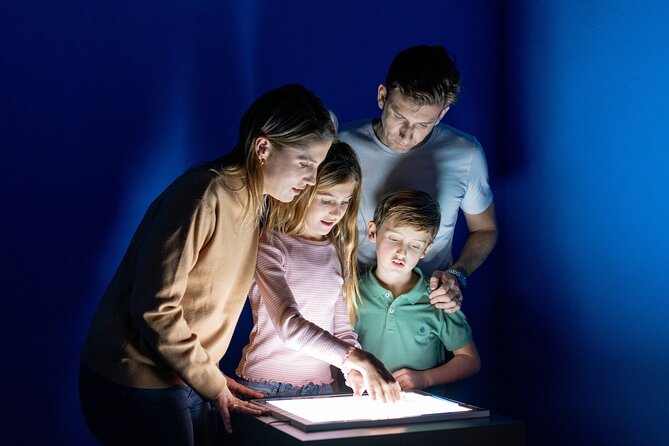
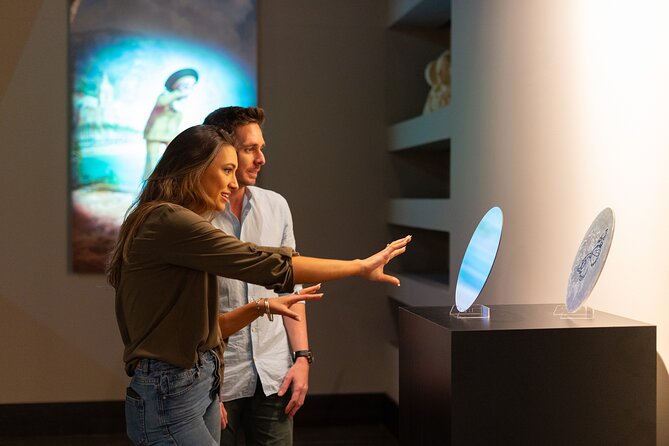
The Museum of Illusions Alicante turns science into a hands-on hour of puzzling rooms, visual tricks, and curious experiments. I like that the exhibits are not simply made for looking: you are encouraged to test them, work out what your eyes are seeing, and take photos that make the effect clear.
I especially like the helpful museum assistants, who explain the displays and lend a hand with photographs. The 60 to 90 minute visit also fits neatly into a day of sightseeing. The main thing to keep in mind is that this is a compact attraction, not a full-day museum, so its value depends on how much you enjoy interactive optical tricks.
Key points to know before you go
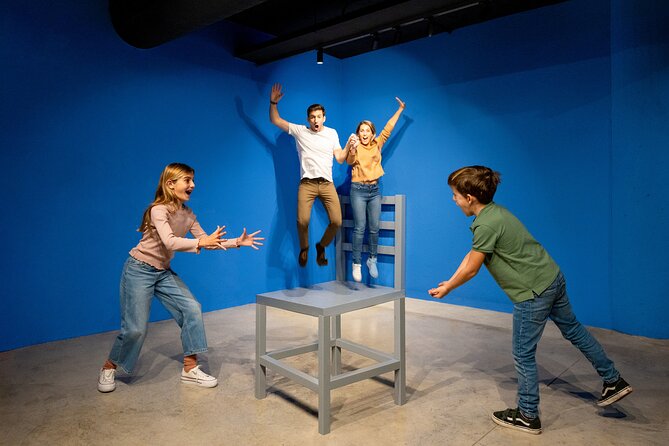
- Interactive science rather than a silent gallery: You can take part in the illusions and experiments instead of only viewing them.
- Allow 60 to 90 minutes: That gives you time to work through the displays without rushing.
- Staff help with explanations and photos: Museum assistants are available to show you how exhibits work and take pictures.
- Good for mixed ages: The scientific activities are designed to interest children, adults, and older visitors alike.
- Central Alicante meeting point: The entrance is at Av. de Ramón y Cajal, 8, near public transportation.
- Small maximum group: The activity accepts a maximum of 10 people, which can make the visit easier to manage.
What the Alicante illusion museum is really like
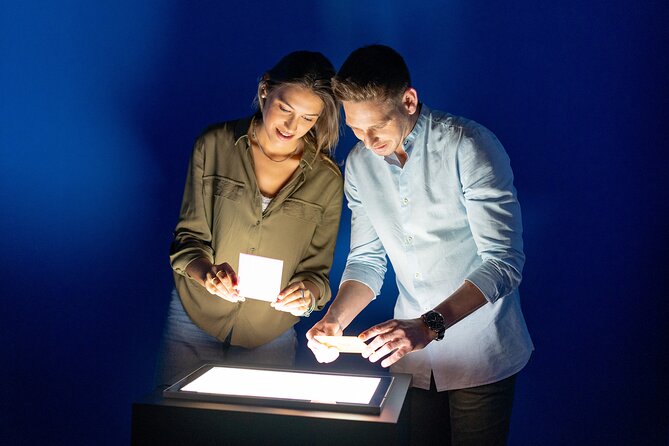
This is a playful museum built around a simple idea: your eyes can be convincing, and still be wrong. The permanent exhibition combines optical illusions, artistic expression, and scientific inventions. You move from one interactive display to another, trying to understand the effect rather than passively walking past framed objects.
That format gives the visit a clear purpose. You are not expected to know anything about optics or science before arriving. Each activity offers a quick puzzle, and the explanation helps connect the trick to the way your brain processes shapes, distance, movement, and perspective.
I would think of it as a short, hands-on attraction rather than a traditional museum. It works especially well when you want a break from churches, streets, and formal galleries. It also gives families something they can do together, since children can experiment while adults help interpret what is happening.
The setting is designed to feel magical and surprising, but the educational side matters. The exhibits are meant to entertain first, then explain why the illusion works. That combination makes the visit more satisfying than a room full of visual jokes with no context.
A few more things to do in Alicante worth a look
- Madrid: Prado Museum Entry Ticket
★ 4.6 · 17,509 reviews - Barcelona: FC Barcelona Museum “Barça Immersive Tour” Ticket
★ 4.4 · 10,944 reviews - Madrid: Reina Sofía Museum Entrance Ticket
★ 4.5 · 6,889 reviews
A 60 to 90 minute route through the exhibits
There is one main stop: Museum of Illusions Alicante. You arrive at Av. de Ramón y Cajal, 8, 03003 Alicante, and finish at the same place. Since the entire activity takes place inside the museum, there is no transport between attractions and no complicated route to follow.
Plan on at least one full hour. A quicker visit may be possible if you move rapidly, but the displays are more enjoyable when you stop to try them, read the explanations, and take photographs. The recommended time of around 90 minutes is useful if you are visiting with children or want to give each activity proper attention.
The best pace is not a forced march from exhibit to exhibit. Let one person test the illusion while another watches from the right angle. Then switch places. Some displays make more sense when you see someone else standing in them, and this is where the museum assistants can save time by explaining the setup.
The experience has no listed guided walking tour or named guide. Instead, museum assistants are available throughout the visit. Their role is practical: they explain how the displays work, answer questions, and help you take pictures.
Why the staff make a difference
Interactive museums can be frustrating if you cannot work out where to stand or what you are meant to notice. Here, the assistants are part of the experience. They can explain the science behind an illusion and help you get the camera angle right.
That photo help is more useful than it may sound. Many illusion exhibits only make sense in a photograph. A person may appear to change size, lose their sense of balance, or interact with a scene in an unexpected way. A staff member can take the picture while you perform the trick, rather than leaving you to manage a timer or ask another visitor.
The personal help also keeps the visit moving. If you are with young children, you can focus on them while an assistant explains the activity. If you are visiting with older relatives, the explanations make the scientific side easier to follow without requiring prior knowledge.
The staff presence is one of the clearest reasons to allow more than a quick walk-through. You are paying not only to look at displays but also to understand and use them.
The science behind the fun
The museum presents science in a very approachable form. You do not need a technical background. The point is to notice how easily perception can be influenced by shape, perspective, position, and visual information.
I like this kind of learning because it happens naturally. You first see something that seems impossible. Then you test it, hear an explanation, and understand that the effect depends on ordinary rules of vision and perception.
The inclusion of scientific inventions gives the exhibition more range than a simple collection of funny mirrors or photo spots. Artistic expression adds another layer, showing how visual ideas can be used creatively as well as scientifically.
That said, the educational content is delivered through short activities, not long lectures. If you want detailed museum labels, extensive historical background, or a large collection of scientific objects, this may feel light. If you learn best by trying something yourself, the format is a good match.
Same base, a different kind of day out:
- From Alicante: Roundtrip to Tabarca Island
★ 4.3 · 3,992 reviews - Alicante: Secret Flavors Food Tour
★ 4.8 · 1,514 reviews - Alicante: 2-Hour Late Afternoon Catamaran Cruise
★ 4.5 · 1,265 reviews - From Alicante: Guadalest, Altea & ticket in Algar Waterfalls
★ 4.7 · 1,027 reviews
Taking photographs without rushing
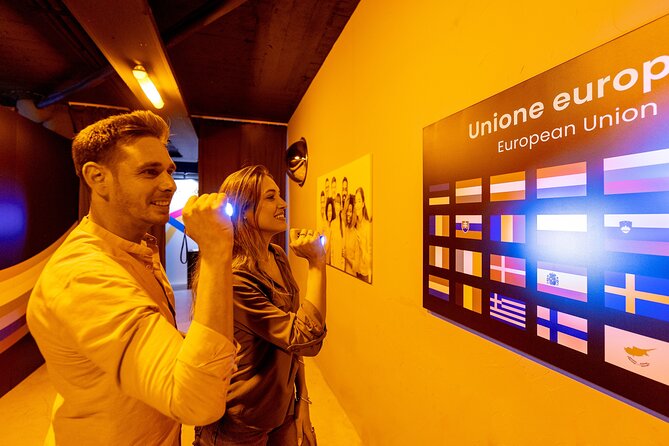
Photography is central to the visit. You are encouraged to capture the effects, and the assistants are happy to help. This makes the museum a practical choice for couples, families, and friends who want pictures of everyone together.
Give yourself time for more than one attempt. The first photograph may not show the illusion clearly, especially if the effect depends on a particular position. Ask an assistant for help rather than guessing. The small maximum group of 10 also helps keep the photo process more manageable than it might be in a crowded attraction.
The pictures are not just souvenirs. They show the illusion from the viewpoint that makes it work. That is part of the explanation: the camera records an image that your eyes and brain interpret in a surprising way.
If you dislike posing for photos, you can still take part in the exhibits and enjoy the explanations. But photography is a major part of the experience, so you should expect some activities to involve arranging people carefully for the best result.
Is $22.98 a fair price?
The listed price is $22.98 per person. That is not a bargain basement ticket for a 60 to 90 minute visit, so I would judge the value by the type of experience you want rather than by time alone.
The price makes more sense if you use the museum actively. Try the exhibits, ask questions, allow staff to explain the science, and take the photographs. A rushed visit that lasts only a short time will feel less worthwhile.
For a family, the attraction offers a shared activity where different ages can take part in the same displays. Children can experiment, adults can help with the puzzles, and older visitors can enjoy the science without needing to keep up with a long walking route.
For a solo visitor, the value may depend more on your interest in optical illusions and whether you are comfortable asking for photo help. The staff can assist, but the experience is naturally more social when two or more people can test the displays together.
I would also compare it with your other Alicante plans. If you want an interactive change of pace, the ticket can be a good use of part of your afternoon. If your schedule is packed and you only have time for a fast visit, the price may feel high for the amount of time inside.
Who will enjoy it most
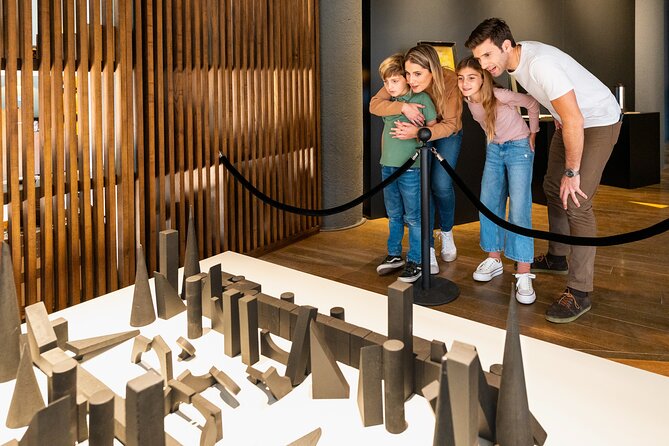
This museum suits families especially well. The activities are made for people of different ages, and the scientific experiments do not depend on advanced reading or specialist knowledge. You can explain the basic idea to a child, then let them see the result for themselves.
It also works for adults who enjoy puzzles, visual art, photography, or science presented in a casual way. You do not have to be a museum enthusiast. Curiosity is enough.
Older visitors can take part too. The exhibits are not presented as children-only entertainment, and the scientific side gives adults a reason to engage. The visit also avoids the need to spend hours walking through a huge collection.
Couples and friends may enjoy the photo element. You can take turns creating the illusion, then leave with pictures that are more unusual than standard holiday snapshots.
I would be less likely to recommend it to someone seeking a major historical collection or a long, quiet museum visit. It is a focused attraction with a playful purpose. You come for interaction, surprise, and simple explanations.
Timing, transport, and arrival advice
The meeting point is Av. de Ramón y Cajal, 8, in Alicante. The site is near public transportation, which makes it practical to reach without arranging a separate transfer.
The activity starts and ends at the same address. That makes it easy to fit before lunch, between other city stops, or during an afternoon break. Since the visit lasts roughly an hour and a half, you can plan around it without giving up an entire day.
Your booked entry time matters, but the museum may be able to admit you earlier or handle a late arrival when capacity allows. Do not count on that as a guarantee. The sensible approach is to arrive close to your scheduled time, while knowing that a quieter period may offer some flexibility.
The maximum group size is 10 people. That is small enough to make explanations and photographs easier to manage, though the number of people inside at any particular moment can still affect how quickly you move through the displays.
Confirmation is provided at booking, and the ticket is mobile, so you can keep it on your phone. Service animals are allowed, and most people can participate.
Cancellation and planning flexibility
You can cancel free of charge up to 24 hours before the experience begins and receive a full refund. That is useful if your Alicante plans depend on weather, transport, or changing family needs.
The 24-hour limit is firm. Cancellations made less than 24 hours before the start time are not refunded, and changes inside that period are not accepted. The cut-off follows local Alicante time, so check the time carefully if you are changing plans from another time zone.
The activity is booked an average of seven days in advance. That suggests planning ahead is sensible, particularly if you need a specific time during a busy visit. It does not mean you cannot find a later booking, but you should avoid leaving it until the last minute if this museum is important to your schedule.
The main strengths and limitations
The strongest part of the experience is the mix of play and explanation. You are not simply told that an illusion works. You can test it, watch someone else try it, and ask an assistant to explain the effect.
The second strength is the staff support. Help with photography may seem minor, but it improves the visit because the pictures are part of many illusion-based displays. Clear explanations also make the activities more than quick photo opportunities.
The main limitation is the short, focused format. One to one and a half hours is enough for the exhibition, but it will not fill a full day. The price may feel high if you expect a large museum or a long program.
Another consideration is personal taste. Some people love visual tricks and hands-on experiments. Others prefer historic objects, paintings, or a slower museum atmosphere. This attraction makes its best case when you want something active and light.
Should you book Museum of Illusions Alicante?
Book it if you want an interactive break from standard sightseeing, especially if you are traveling with children, enjoy taking unusual photographs, or like science explained through simple experiments. The staff support and modest group limit add real value.
Think twice if you want a large collection, extensive historical information, or an inexpensive way to spend several hours. At $22.98 per person, you should plan to use the exhibits fully and allow close to 90 minutes.
My practical advice is to book a suitable time, keep the mobile ticket ready, and arrive prepared to participate. If you treat the museum as a hands-on activity rather than a quick gallery stop, it offers a fun and useful change of pace in Alicante.
FAQ
Where is Museum of Illusions Alicante located?
The meeting point is Av. de Ramón y Cajal, 8, 03003 Alicante, Spain. The visit ends back at the same address.
How long does the experience last?
The visit lasts approximately 1 hour and 30 minutes. Allow between one hour and 90 minutes to work through the exhibition.
What is included in the museum experience?
You receive entry to the permanent exhibition of illusions, artistic expression, and scientific inventions. Interactive activities, museum assistant support, explanations, and help taking photographs are part of the experience.
Is the ticket available on a mobile phone?
Yes. The experience includes a mobile ticket.
Can museum assistants take photographs?
Yes. Museum assistants are available to explain the displays and help you take pictures.
How many people can join the activity?
The maximum group size is 10 people.
Can I cancel for a full refund?
Yes, if you cancel at least 24 hours before the experience start time. Cancellations made less than 24 hours before the start are not refunded, and changes within that period are not accepted.
Just added in Alicante
- Paella & Sangria Class with Tapas and Market Visit★ 5.0 · 122 reviews
- Parasailing in Alicante★ 4.5 · 116 reviews
- Alicante: Small-Group Countryside Wine Tour with 4 Tastings★ 5.0 · 162 reviews
- Guadalest and Algar Waterfalls Tour from Alicante or Benidorm★ 4.5 · 140 reviews
- Guadalest & Algar Falls Excursion – From Albir, Benidorm & Calpe★ 4.5 · 380 reviews
- Alicante Wine Tasting and Tapas Club★ 5.0 · 126 reviews
- From Albir & Benidorm: Guadalest Village Excursion★ 4.5 · 150 reviews
- Alicante City & Beach Bike Tour★ 5.0 · 113 reviews
Museums, compared.

FC Barcelona Museum “Barça Immersive Tour” Ticket
Read our review →

Park Güell and Gaudí House Museum Entry Ticket
Read our review →
Puro Flamenco Show with Optional Museum Ticket
Read our review →
Girona & Dali Museum Small Group Tour with Pick-up from Barcelona
Read our review →
Oceanogràfic, Hemisfèric & Science Museum Combo
Read our review →Browse the lists this tour appears in