
Reviewed · MUSEUMS
Madrid: Reina Sofía Museum Entrance Ticket
Picasso’s Guernica is the main reason many people enter the Reina Sofía, and it is a good reason. The huge black-and-white painting carries the force of a public protest, not just a famous name on a wall. The museum gives it room to breathe, along with studies and related works that help you understand how Picasso built the final image.
I like the ticket for two clear reasons: it can save valuable time at the entrance, and it gives you a full day to tackle one of Madrid’s largest art collections. I also like the range, from Dalí and Miro to photography, film, sound, and political posters. The drawback is that the museum can be confusing to navigate, and galleries or whole floors may be closed during your visit.
Key points to know before you go
- Guernica is the central attraction: Picasso’s masterpiece is the museum’s most powerful single work and worth planning around.
- More than 21,000 works are available in the main building: You will find painting, photography, film, sound, and other forms of modern art.
- The collection goes beyond Picasso: Look for about 20 works by Salvador Dalí and colorful paintings by Joan Miro.
- Paid tickets can save time: Online ticket holders have often gone straight in while the general line grew.
- Allow several hours: The building is large, and visitors who stop to read the labels may need half a day or more.
- Check what is open: Some galleries and floors may be unavailable, and temporary exhibitions requiring timed entry are not included.
Why Guernica deserves your first stop
If you see only one work at the Reina Sofía, make it Guernica. Picasso painted this enormous canvas in response to the 1937 bombing of the Spanish town of Guernica during the Spanish Civil War. You do not need a long art lecture to feel its impact, but the nearby material helps you see the painting as a constructed argument rather than a wall of random shapes.
The figures are fractured, the light is harsh, and the scene offers no comfortable place for your eye to rest. A mother cries over her dead child. A wounded figure reaches across the lower part of the canvas. A bull, horse, lamp, and broken body add layers that you can study for a long time.
Give yourself space in front of the painting. The room can become crowded, especially around the central viewing area. Selfies and group photos may make it harder to get a clear look, so patience helps. You may want to visit early in the day, then return later if your ticket and energy allow.
The ticket is especially useful here because it can reduce the time spent in the entrance queue. Several people who arrived around late morning found that paid online tickets allowed direct entry while other lines grew. This is not a promise of instant access at every hour, but it is a strong reason to reserve ahead when your Madrid schedule is tight.
A few more things to do in Madrid worth a look
- Madrid: Prado Museum Entry Ticket
★ 4.6 · 17,509 reviews - Madrid: Small Group of Prado Museum Tour & Optional Tapas
★ 4.6 · 2,437 reviews - Madrid: Prado Museum Guided Tour with Skip-the-Line Ticket
★ 4.5 · 2,018 reviews
The second-floor collection: Picasso and Dalí
The collection is spread across a large building, and the second floor is often the main target for people coming to see Picasso and Dalí. The exact display can change, and some works may be temporarily absent, but this is the area many people prioritize.
Do not rush past Picasso’s other paintings simply because Guernica is nearby. Seeing related works gives you a better sense of his changing methods and the way he moved between recognizable figures and fractured forms. The museum’s presentation encourages you to connect paintings with photographs, documents, and other media rather than treating each canvas as an isolated object.
Salvador Dalí receives substantial attention, with around 20 canvases in the collection. El gran masturbador is the headline Dalí work, and its strange, dreamlike imagery makes a sharp contrast with Picasso’s political urgency.
I find Dalí particularly useful for visitors who are new to modern art. His paintings give you a clear example of Surrealism, where ordinary forms are rearranged into unsettling scenes. You do not have to agree on one explanation for every symbol. The pleasure comes from noticing how the image keeps slipping away from a single answer.
The labels can help, but they may not always be easy to follow. An audio guide is available inside for €4.50, and it can make the major works easier to place. You can also walk independently, but plan extra time if you want to read the information beside each piece.
Miro’s bright colors and a wider Spanish story
Joan Miro’s work brings a different mood to the collection. His paintings are known for bright primary colors, simplified shapes, and marks that can feel playful at first glance. Look longer and the images become more deliberate, with balance, tension, and open space doing much of the work.
Miro is a useful counterpoint to both Picasso and Dalí. Picasso often breaks the visible world apart. Dalí reshapes it through dreams and strange associations. Miro reduces the image to signs, colors, and gestures. Seeing all three within the same museum makes the development of 20th-century Spanish art easier to follow.
The Reina Sofía also includes works by many other Spanish artists. That matters because this is not simply a greatest-hits stop for three famous names. You can use Picasso, Dalí, and Miro as anchors, then branch out into less familiar artists, photography, film, sound, and political material.
Some of the most memorable parts may not be paintings. The collection treats traditional art forms alongside moving images and recorded sound. If you usually skip video installations in museums, give them a chance here. The modern Spanish story is not told through canvas alone.
Finding your way through a very large museum
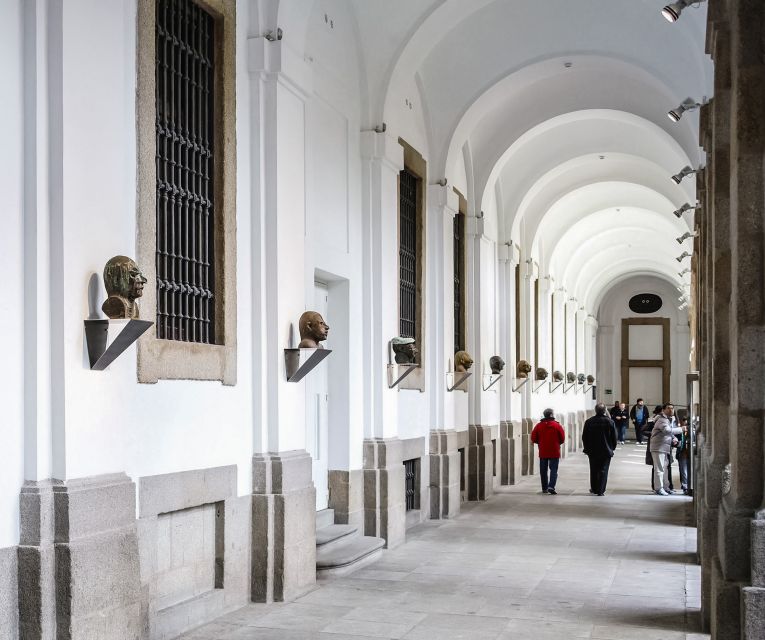
The Reina Sofía is large enough to make a plan worthwhile. Some people spend half a day here, while those who want to read every label could use most of a full day. The one-day ticket gives you room to set your own pace, but it does not solve the building’s navigation.
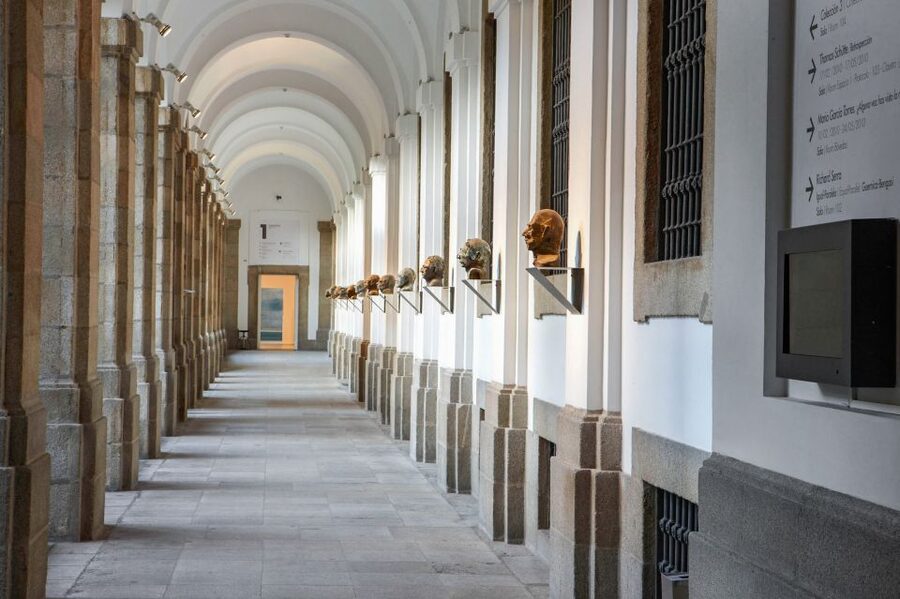
Maps and signs may not always make the route obvious. Several parts of the museum can feel disconnected, and the floor layout may take time to understand. Do not assume every floor will offer the same amount of art. Some visitors have found empty galleries or closed levels, including the third and fourth floors, while the second floor held the main concentration of Picasso and Dalí.
That uncertainty makes a quick visit harder. If your schedule allows only one hour, go directly to Guernica, then focus on the Dalí and Picasso rooms. If you have three hours or more, follow the collection’s wider story and include Miro, photography, film, and poster displays.
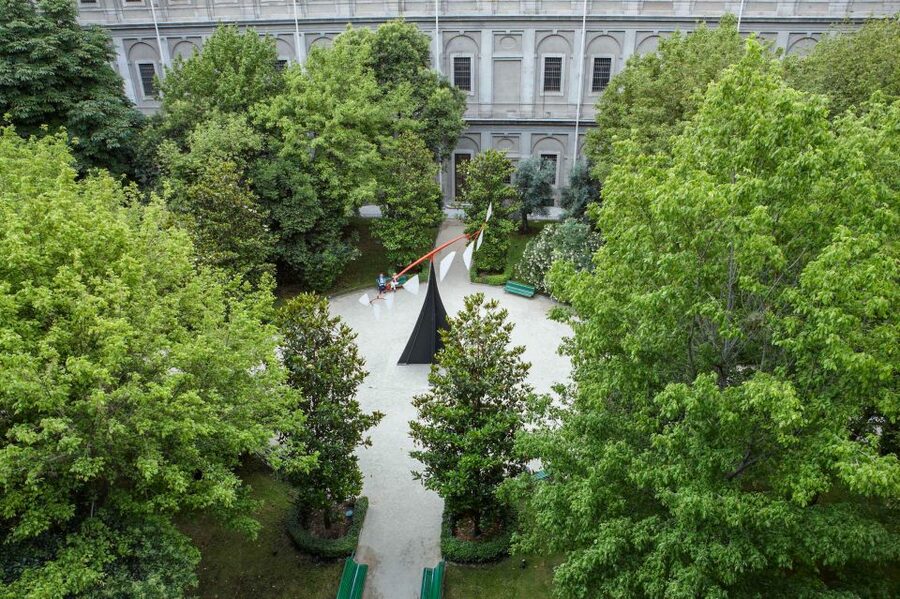
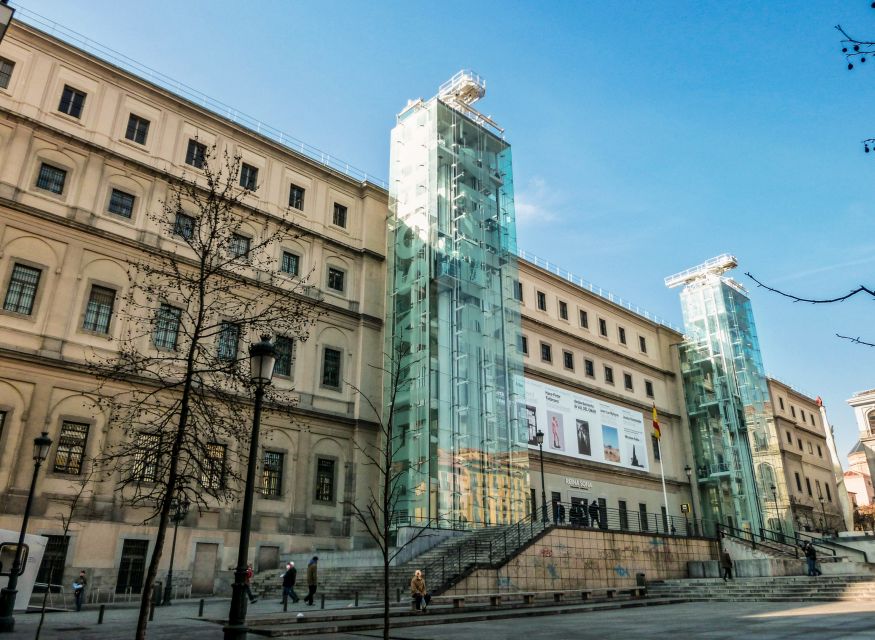
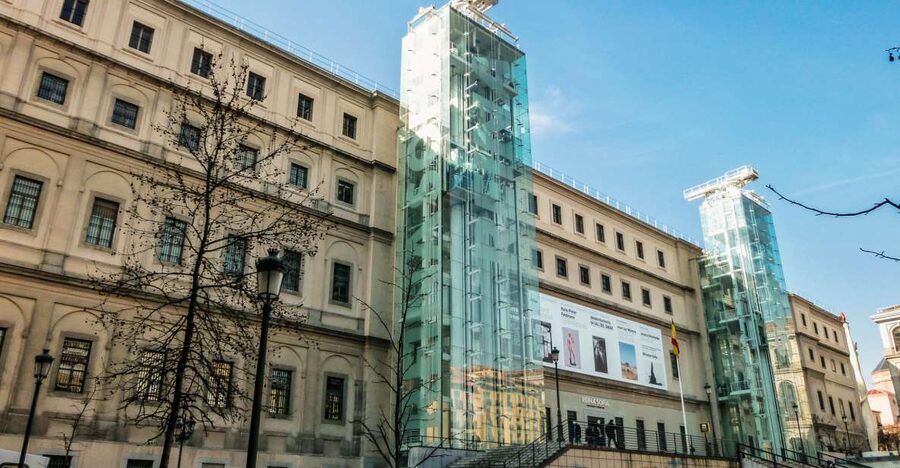
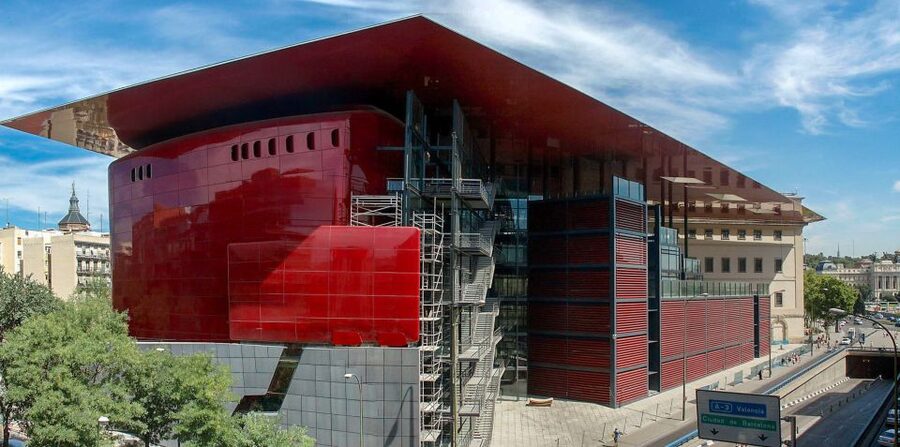
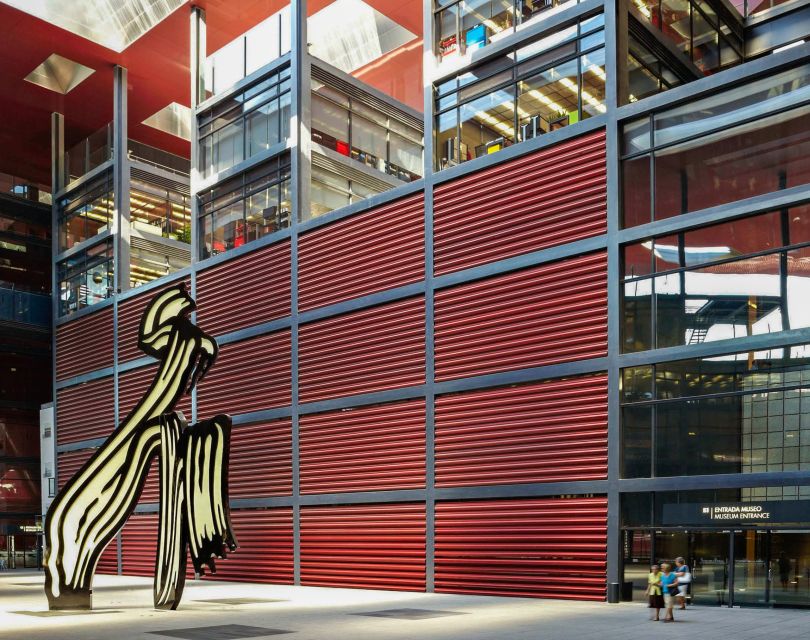
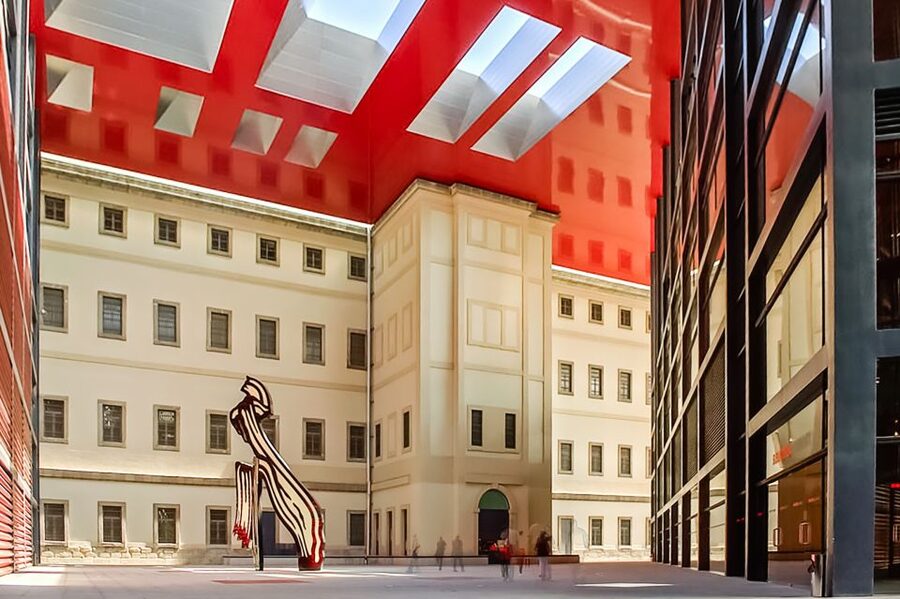
The building itself is part of the experience. The entrance is through the Nouvel courtyard at Ronda de Atocha 2. The museum brings older architectural spaces and newer additions together, creating a setting that feels different from Madrid’s more traditional art museums.
Same base, a different kind of day out:
- Madrid: Tour Bernabéu Entry Ticket
★ 4.5 · 21,573 reviews - Madrid: “Emociones” Live Flamenco Performance
★ 4.8 · 12,866 reviews - Madrid: Panoramic Route City Tour
★ 4.1 · 12,259 reviews - Madrid: Live Flamenco Show with Food and Drinks Options
★ 4.5 · 9,901 reviews
How much time should you allow?
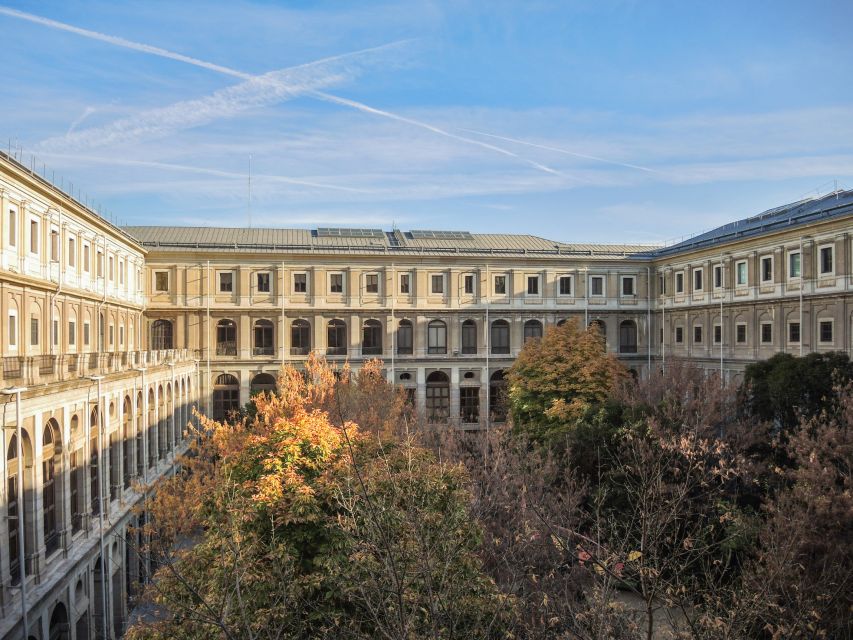
For a focused visit, plan at least two hours. That gives you time for Guernica, the main Picasso and Dalí works, and a quick look at Miro.
Three to four hours is a better target if you want to read labels and look at works beyond the famous names. The collection contains more than 21,000 works in the main building, so no normal visit will cover everything.
A full day makes sense for serious art fans. You can take a slower route through the galleries, return to a favorite work, and include film or sound presentations without watching the clock. The ticket is valid for one day, so you are not forced into a short, hurried circuit.
I would avoid planning the museum immediately before an important dinner or timed activity. You may find yourself wanting more time once you reach the Picasso and Dalí rooms, especially if a floor is closed and you need to adjust your route.
Is the $14 ticket good value?
At $14 per person, this is a reasonable purchase for anyone who wants a planned museum visit and may not qualify for the free admission periods. The price includes the entrance ticket, booking fee, and handling fee. It does not include the €4.50 audio guide or temporary exhibitions that require their own hourly schedule.
The biggest value is time. If you arrive when the entrance line is long, avoiding a wait can matter more than the admission price. A paid ticket has often allowed direct entry, including around 11:30 in one reported visit, although you should not treat that as a guarantee for every day.
The museum also offers free admission during specific periods:
- Monday to Saturday, 7 PM to 9 PM
- Sundays and public holidays, 12:30 PM to 2:30 PM
If one of those windows fits your plans, you may prefer to enter without buying a ticket. The tradeoff is obvious: the free periods are short, and Sundays close early. You may spend part of your limited time in line or moving through crowded rooms.
The paid ticket is the better choice when you have limited time, want a calmer plan, or hope to visit during a busy part of the day. It is less compelling if you are flexible and can comfortably use the free hours.
Opening hours and the best time to arrive
The museum is open Monday from 10 AM to 9 PM, Wednesday through Saturday from 10 AM to 9 PM, and Sunday from 10 AM to 2:30 PM. It is closed every Tuesday, and occasional Sunday closures can occur.
It also closes on January 1 and 6, May 1 and 15, November 9, and December 24, 25, and 31. Check the date before you build your day around the museum.
An early arrival is a sensible choice. The museum may become harder to navigate as more people arrive, and the line can grow around late morning. An evening visit can also work on the days with late hours, but remember that the free admission period begins at 7 PM, so that window may be particularly busy.
Sunday gives you less time overall. If you choose Sunday, arrive as early as possible and make Guernica your first target.
Bags, food, children, and accessibility
You cannot bring food or drinks into the museum. Large bags and luggage are not permitted, and recommended dimensions for bags, purses, or backpacks are 40 by 30 by 10 centimeters. Only closed folding umbrellas are allowed.
Sharp objects, knives, scissors, tools, and other items that could threaten people or museum property are not permitted. Toys, balls, and entertainment items are also barred. Assistance dogs are allowed, as are emotional support dogs when properly justified.
The museum is wheelchair accessible. Children should remain under adult supervision, and everyone must follow staff instructions. These rules are basic, but they matter in a museum with fragile works, narrow viewing areas, and busy galleries.
There is a café downstairs. The service area can feel disorganized, but it offers a practical place to pause if you need food after your visit. Since food and drink are not permitted in the galleries, plan your break outside the exhibition rooms.
Audio guide or self-guided visit?
The audio guide costs €4.50 and can be purchased inside. It is a useful add-on if you want a clearer route through the highlights or need context for art that feels unfamiliar.
A self-guided visit works well if you already know what you want to see. You can concentrate on Guernica, Dalí, Miro, and the works that catch your eye without following someone else’s sequence.
The audio guide may also help with the museum’s uneven signage. Navigation can be confusing, and some labels or routes may not make the collection’s logic obvious. If this is your first modern art museum, the small extra fee can make the visit more satisfying.
You do not need the audio guide to appreciate the major works. The choice comes down to how much background you want and how closely you intend to follow the museum’s suggested highlights.
Who will get the most from this ticket?
This ticket suits first-time visitors to Madrid who want to see Guernica without gambling on a long entrance line. It also works for art fans who want several hours with Picasso, Dalí, Miro, and other Spanish artists.
Families can use it, but the large building and modern art may test younger children’s patience. Keep children close, especially in crowded rooms, and consider a short, focused route rather than trying to see everything.
The ticket is less necessary for someone with a flexible schedule who can visit during the free admission periods. It is also less useful if you only want a brief look at one work and do not care about the wider collection.
The non-refundable policy is important. Buy only when your date and plans are firm. Also check temporary exhibition details before paying, since some special displays require a separate hourly schedule and are not included.
Should you book the Reina Sofía ticket?
Book it if Guernica is high on your Madrid list, your time is limited, or you want the security of a paid entry during a busy period. The $14 price is fair for access to a huge collection, and the chance to bypass a long entrance line can be worth more than the ticket itself.
Skip the advance purchase if you can visit during the free hours and do not mind a shorter, possibly busier visit. Either way, go with a plan: start with Guernica, allow time for Dalí and Miro, and check which floors and exhibitions are open when you arrive.
FAQ
Where is the Reina Sofía Museum entrance?
The museum entrance for this activity is through the Nouvel courtyard at Ronda de Atocha 2 in Madrid.
How long is the ticket valid?
The ticket is valid for one day.
What does the $14 ticket include?
It includes admission to the Reina Sofía Museum, along with the booking and handling fee.
Is the audio guide included?
No. You can purchase the audio guide inside the museum for €4.50.
Is a museum guide included?
No. This is an entrance ticket without a tour guide inside the museum.
Does the ticket include temporary exhibitions?
Temporary exhibitions that require an hourly schedule are not included.
When is the museum free?
Admission is free from 7 PM to 9 PM Monday through Saturday, and from 12:30 PM to 2:30 PM on Sundays and public holidays.
Is the museum open every day?
No. It is closed every Tuesday and occasionally on Sundays. Opening hours are Monday from 10 AM to 9 PM, Wednesday through Saturday from 10 AM to 9 PM, and Sunday from 10 AM to 2:30 PM.
Can I bring luggage or a large backpack?
No. Luggage and large bags are not permitted. Recommended bag dimensions are 40 by 30 by 10 centimeters.
Is the museum wheelchair accessible?
Yes. The Reina Sofía Museum is wheelchair accessible.
Just added in Madrid
- Banksy Museum Madrid: Entrance Ticket★ 4.7 · 335 reviews
- From Madrid: Day Trip to Ávila and Salamanca w/ Guided Tour★ 4.5 · 456 reviews
- Madrid Countryside Wineries Guided Tour with Wine Tasting★ 5.0 · 740 reviews
- Madrid Segway Private Tour in Retiro Park★ 5.0 · 336 reviews
- Madrid Private Segway tour. Retiro Park – Centro Historico★ 4.9 · 636 reviews
- Madrid Segway Tour★ 4.5 · 364 reviews
- Madrid: Iconic Retiro Park Segway Tour★ 4.9 · 848 reviews
- Paella Workshop with Bottomless Sangria in Central Madrid★ 5.0 · 763 reviews
Museums, compared.

FC Barcelona Museum “Barça Immersive Tour” Ticket
Read our review →
Park Güell and Gaudí House Museum Entry Ticket
Read our review →
Puro Flamenco Show with Optional Museum Ticket
Read our review →
Girona & Dali Museum Small Group Tour with Pick-up from Barcelona
Read our review →
Oceanogràfic, Hemisfèric & Science Museum Combo
Read our review →
Small Group of Prado Museum Tour & Optional Tapas
Read our review →Browse the lists this tour appears in