
Reviewed · MUSEUMS
Jerez de la Frontera: Andalusian Horse Dance and Museums
The main event is a graceful, highly controlled horse ballet at Jerez’s Royal Andalusian School of Equestrian Art. Andalusian horses perform piaffe, passage, Spanish walk, pirouettes, carriage work, and even jumps above the ground while riders wear 18th-century-style costumes and work to Spanish music.
I like the way the visit combines the 90-minute performance with the school’s museums and training areas. I also like the chance to see the horses being groomed, schooled, and prepared, which gives the polished show a human and animal side. The main drawback is timing: some areas close earlier than others, the seating may be uncomfortable, and cameras are not permitted.
Key points to know before you go
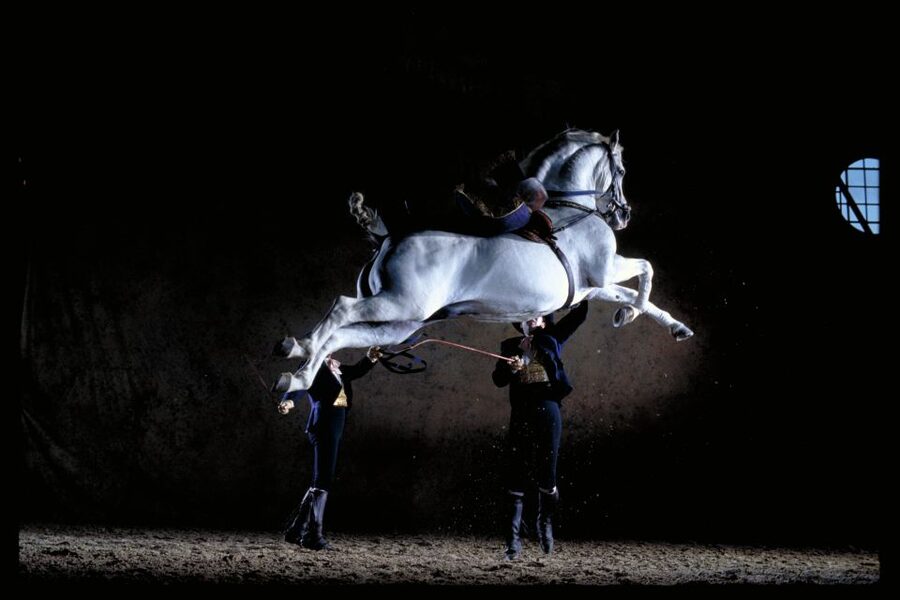
- The horse ballet is the centerpiece: Expect six to eight choreographies, including Pas de Deux, Passage and Piaffe, Airs Above the Ground, and Fantasy.
- Arrive well before noon: The audio-visual presentation begins before 11:00 AM, while the museums open from 10:00 AM.
- The training areas add real value: You may see horses warming up, being groomed, or working with young riders before the formal show.
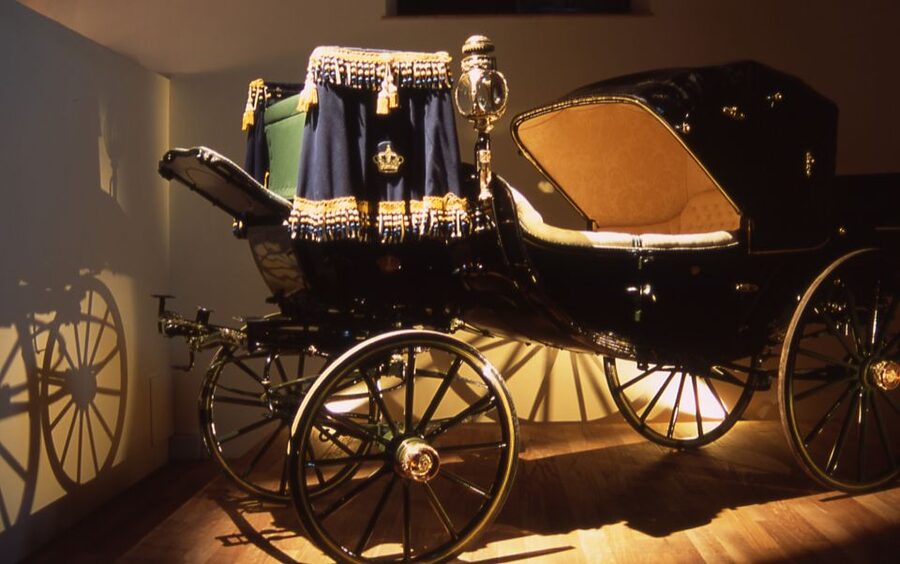
- The museums explain the tradition: See saddles, harnesses, costumes, old carriages, and the long connection between horses and Andalusian life.
- Plan around closing times: The Art Equestrian Museum closes at 2:00 PM, and the Carriage Museum at 3:00 PM.
- Bring identification, not a camera: A passport or ID card is required, while cameras and video recording are not allowed.
Why the Jerez horse show feels different
This is not simply a performance of trained horses circling an arena. It is a carefully arranged presentation of Andalusian riding traditions, from formal classical dressage to rural working skills and carriage driving.
The horses move to classical music with a calm precision that can look almost unreal. A passage becomes a slow, floating trot. A piaffe keeps the horse nearly in place while its legs move with exact timing. In the Spanish walk, the horse lifts each foreleg high and deliberately. These are small movements when viewed from far away, but their control is the whole point.
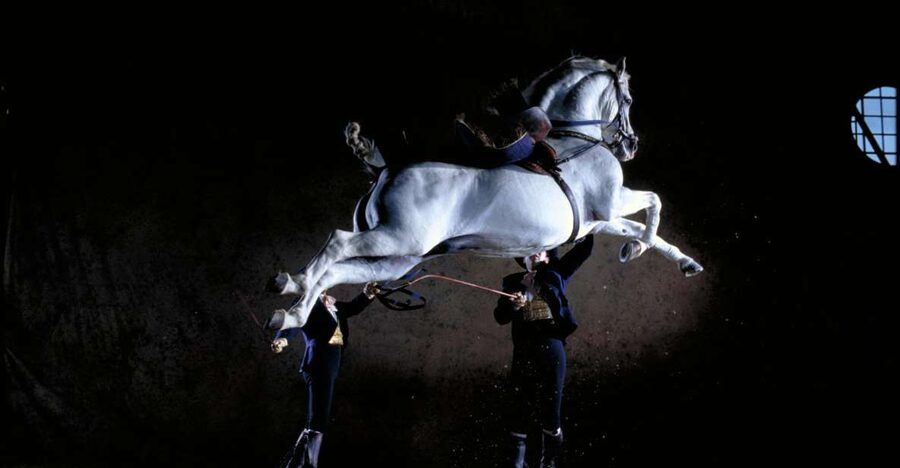
The show also includes more dramatic work. Levades, caprioles, courbettes, and other airs above the ground ask the horse to gather its strength and balance in short bursts. You may also see riders handle horses in unison, making a line or group look like one moving machine.
I especially like the contrast between the formal and practical parts of the program. One moment feels like courtly dressage from another age. The next brings in Doma Vaquera, the working riding tradition associated with Andalusian ranch life. Carriage driving adds another skill, as horses pull vehicles originally used for transport, now presented as sport and ceremony.
A few more things to do in Spain worth a look
- Jerez de la Frontera: How the Andalusian Horses Dance
★ 4.6 · 6,168 reviews - El Salobre: Horse Riding Adventure with Transfer Options
★ 4.5 · 1,609 reviews - Andalusian Horses Dance Show
★ 4.5 · 483 reviews
Arriving at the Royal Andalusian School
The meeting point is the Royal Andalusian School itself. Go to the ticket office when you arrive and exchange your booking confirmation for entry.
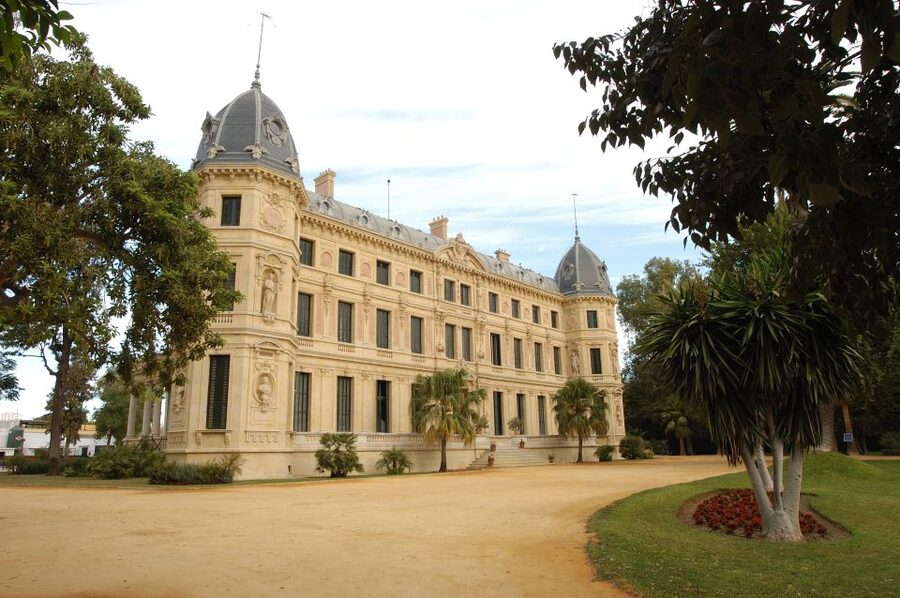
The grounds are part of the experience, not just a waiting area. The palace is a handsome 19th-century building set above gardens with exotic plants. You can take your time here before the show, especially if you arrive early enough to use the morning museum hours.
The site is easy to reach by taxi from Jerez station. One direct account described the ride as about 10 minutes. If you are staying in central Jerez, walking may also be practical, with one visitor putting the walk at about 25 minutes from the station area. Parking can be harder, and fines apply on surrounding streets, so I would not make a car your first choice unless you have checked the parking plan in advance.
If you arrive by train with luggage, ask about storage at the site. Staff have helped visitors with bags, but I would not rely on this without checking when you exchange your ticket.
Start with the audio-visual presentation
The Visitor Reception Centre includes a digital cinema with an audio-visual presentation on Andalusian equestrian art and the school. It is available until 11:00 AM, so this is one of the first things to handle.
The film gives useful background before you see the horses. That matters because the performance includes specialized movements that can otherwise seem like a parade of impressive tricks. With some context, you begin to notice the aims behind the display: balance, obedience, rhythm, posture, and the partnership between rider and horse.
The early schedule requires some thought. The show runs from noon to 1:30 PM, while the film ends before 11:00 AM. The museums open at 10:00 AM. For the fullest visit, aim to arrive near opening time rather than walking in shortly before the show.
The palace, gardens, and working areas
The palace gives the visit a formal setting, but the training areas are often where I would spend extra time. The polished arena performance is the final product. Around the school, you may see horses being schooled, warming up, or prepared by their grooms.
Several people found this behind-the-scenes look especially rewarding. You might see horses in the stables, on a horse walker, or being groomed before the show. You can also observe young equestrians working with horses in the training areas. This is a useful reminder that the 90-minute ballet depends on daily practice, patience, and a great deal of care.
The public areas do not always have perfect directions between them. One visitor had trouble finding the museum after being told to leave the main venue and walk along the street. Keep your ticket materials with you and ask staff for the next location rather than assuming every entrance leads to the same building.
Same base, a different kind of day out:
- Barcelona: Sagrada Familia Entry Ticket with Audio Guide
★ 4.6 · 105,312 reviews - Barcelona: Park Güell Admission Ticket
★ 4.4 · 76,534 reviews - Seville: Royal Alcázar Entry Ticket
★ 4.6 · 28,378 reviews - Barcelona: Casa Batlló Entry with Self-Audioguide Tour
★ 4.7 · 25,359 reviews
The Art Equestrian Museum and saddlery
The Art Equestrian Museum occupies 11 rooms in the basement. It explains the origins and development of equestrian art in Andalusia, along with the role of the horse in the region.
The displays include film clips and written material in both English and Spanish. You will see saddlery and learn how harnesses are made and repaired. This practical detail makes the museum more useful than a simple display of beautiful objects. You get a sense of how much equipment, craft, and maintenance sit behind the riding traditions on show.
The museum is open from 10:00 AM to 2:00 PM. Since the horse performance ends at 1:30 PM, do not leave it until the very end unless you are prepared to move quickly. If you arrive early, the museum is an easy first stop.
The saddlery and palace have more limited access, closing on Saturdays and public holidays. Check the opening conditions for your date, especially if these rooms are important to you.
The Carriage Museum is worth your time
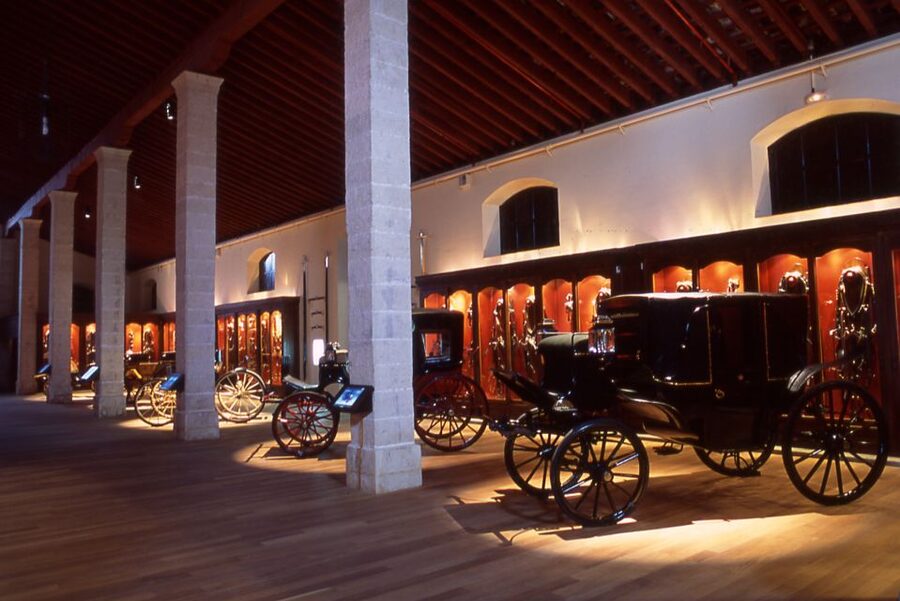
The Carriage Museum comes near the end of the visit and displays vehicles, harnesses, and equestrian clothing. The carriages range from practical transport to ornate exhibition pieces, and their scale helps explain why carriage driving is treated as a serious discipline here.
This museum is particularly good for visitors who are not horse specialists. You can appreciate the workmanship, the costumes, and the engineering even if terms such as piaffe and courbette mean nothing to you yet.
The Carriage Museum is open from 10:00 AM to 3:00 PM, giving you the most generous visiting window. Photography is not permitted in the museums according to the stated rules. That is frustrating when you see a fine carriage or a detailed harness, but it also keeps the rooms quieter and more focused.
The 12:00 PM horse ballet
The show lasts about 90 minutes and uses six to eight choreographies. The exact sequence can include The Colts, Airs on Horseback, Pas de Deux, Passage and Piaffe, Domino on Horseback, Airs Above the Ground, and Fantasy.
The names hint at the variety. The Colts section presents younger horses and the early stages of training. Pas de Deux pairs two horses and riders in a coordinated display. Passage and Piaffe focuses on the fine control of the horse’s steps. Domino on Horseback brings a more theatrical touch, while Airs Above the Ground provides the boldest leaps and jumps.
The carriage section changes the pace. Coachmen guide the vehicles with dexterity, and the horses work in classical harnesses. It is a good counterpoint to the close control of the ridden exercises.
The final group work brings several horses and riders together for advanced movements in unison. The effect is formal and grand, but the pleasure comes from watching small corrections happen without breaking the pattern.
The riders wear costumes inspired by the 18th century, and Spanish music shapes the mood. The presentation has some connection to bullfighting culture through its Doma Vaquera elements, although the main focus remains the riding school and its equestrian traditions.
Seating, photography, and comfort
All seats are reported to have good views, and some seating areas offer generous legroom. Other seating has been described as uncomfortable, so expectations should be modest. If you have back problems or need extra comfort, check the seating arrangement when possible.
The stated rules prohibit cameras, video recording, smoking, glass objects, weapons, sharp objects, and pets. Do not plan on bringing a camera for the show or the museums. One practical benefit is that you can watch without phones constantly rising in front of you.
Heat matters in Jerez. A summer visit can be very warm, and one performance took place in temperatures around 37C. Bring water for the day, though remember that glass objects are not allowed. The on-site snack bar offers drinks and light food, and it can be useful after the show.
Is $38 a good value?
At $38 per person, this is a strong value if you want more than a short horse performance. The ticket combines the main show with the audio-visual presentation, palace access when open, the saddlery when open, the Art Equestrian Museum, and the Carriage Museum.
The value depends on how you use the schedule. Arrive late and you may see only the show plus a rushed museum visit. Arrive early and you can turn the same ticket into a half-day visit with gardens, film, collections, training areas, and the arena performance.
Horse lovers will find the price easy to justify. The chance to see Andalusian horses up close, then watch them perform advanced work, is the main draw. For general visitors, the cost still makes sense if you enjoy Spanish culture, historic costume, design, or traditional sports.
The only caution is that some parts can close earlier or be unavailable on Saturdays and public holidays. Confirm what will be open on your date before treating the museum package as the main reason to book.
Who should book this experience?
I would recommend it first to people who already enjoy horses, riding, dressage, or carriage driving. You will notice the precision and training behind each movement, and the school gives you plenty of material to study before and after the show.
It also works well for families. Children as young as two and three have been captivated by the horses, and the visual action does not require a long explanation. The dramatic music, costumes, carriages, and leaps give non-riders plenty to watch.
It is a good choice for a day trip from Seville or a shore excursion from Cádiz. From the port, the drive is about 30 minutes by taxi according to the supplied experience details. From Seville, trains are practical, but buy return tickets ahead of time because afternoon services can sell out.
I would be more cautious if your schedule is tight, you dislike formal performances, or you need guaranteed access to every museum room. The site can take most of a morning and afternoon, and the show itself is only one part of the visit.
Should you book the Andalusian Horse Dance?
Yes, if you can give it at least three and a half hours and care about seeing the horses in context. The performance is the highlight, but the training areas, saddlery, palace, and carriage collection explain why the show has substance beyond its polished surface.
Book it for the relationship between horse and rider, not just for a few dramatic jumps. Arrive early, plan the museums around their closing times, reserve return rail tickets in advance, and bring identification instead of a camera. At $38, this is one of the more useful ways to experience Jerez’s equestrian culture.
FAQ
How long does the experience last?
The activity lasts about 3.5 hours. The main horse show runs from 12:00 PM to 1:30 PM, with the other visits arranged around it.
What does the horse show include?
The program uses six to eight choreographies based on classical dressage, Doma Vaquera, traditional equestrian work, and carriage driving. Examples include Pas de Deux, Passage and Piaffe, Spanish walk, levades, caprioles, courbettes, and Airs Above the Ground.
What time should I arrive?
Arrive before 11:00 AM if you want to see the audio-visual presentation. The museums open from 10:00 AM, so an early arrival gives you time for the film, palace, gardens, and collections before the noon show.
Is the experience wheelchair accessible?
Yes, the activity is listed as wheelchair accessible.
What identification do I need?
Bring a passport or ID card.
Can I take photographs or record the show?
The stated rules prohibit cameras and video recording. Flash photography is also not permitted. Follow the instructions given by staff on the day.
Are the museums included?
Yes. The Art Equestrian Museum and Carriage Museum are included. Palace and saddlery access is also included when those areas are open.
Are the palace and saddlery open every day?
No. The palace and saddlery are closed on Saturdays and public holidays according to the supplied information.
Can I cancel the booking?
You can cancel up to 24 hours in advance for a full refund. A reserve-now, pay-later option is also available.
Just added in Spain
- Bizkaia Bridge, Gaztelugatxe, Bermeo and Gernika from Bilbao★ 4.5 · 299 reviews
- Benalmadena: City Sightseeing Hop-On Hop-Off Bus Tour★ 3.5 · 379 reviews
- Welcome to Barcelona: Private Tour with a Local★ 4.6 · 200 reviews
- Barcelona: White Rabbit Catalonia’s Top Immersive Experience★ 4.7 · 359 reviews
- Bean to Bar Chocolate Workshop in Barcelona★ 5.0 · 172 reviews
- Barcelona: Walking tour with Montjuic Castle & Cable Car★ 4.7 · 832 reviews
- Barcelona: Welcome to Barcelona Segway Tour★ 4.9 · 153 reviews
- Barcelona: Helicopter Flight with Optional Yacht Cruise★ 4.7 · 224 reviews
Museums, compared.
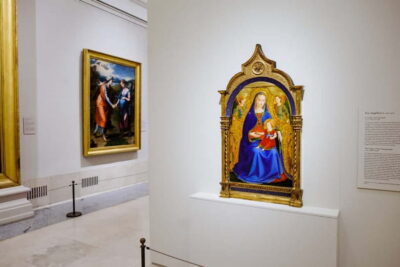

FC Barcelona Museum “Barça Immersive Tour” Ticket
Read our review →
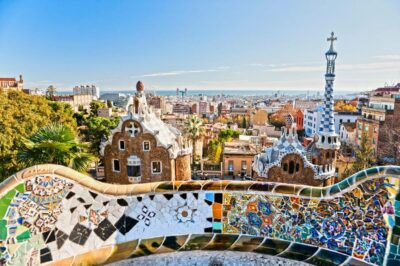
Park Güell and Gaudí House Museum Entry Ticket
Read our review →
Puro Flamenco Show with Optional Museum Ticket
Read our review →
Girona & Dali Museum Small Group Tour with Pick-up from Barcelona
Read our review →
Oceanogràfic, Hemisfèric & Science Museum Combo
Read our review →Browse the lists this tour appears in