
Reviewed · TOURS IN GRANADA
Granada: Cathedral and Royal Chapel Private tour with ticket
Granada’s Cathedral and Royal Chapel tell the story of the city after the Catholic Monarchs conquered it. The real prize here is not simply entering two grand buildings, but understanding why they were placed at the center of Granada’s new Christian identity. Isabella’s crown, Ferdinand’s sword, and the royal tombs give the history a very human focus.
I like the private format, which gives you room to ask questions instead of trailing behind a large crowd. I also like the compact 2.5-hour plan: you get the two essential monuments without giving up an entire day. The main drawback is price. At $170 per person, this makes the most sense if your group values personal guiding and historical context, not just admission.
Key points
- Two major monuments in one visit: Granada Cathedral and the Royal Chapel sit close together, making this an efficient central-city tour.
- Royal objects with real political weight: Isabella’s crown and scepter, plus Ferdinand’s sword, connect the buildings to the rulers who changed Spain.
- Three artistic periods in one cathedral: Look for the shift from Gothic beginnings to Renaissance design and later Baroque decoration.
- Private English or Spanish guiding: You can ask for clarification and shape the pace around your interests.
- Good for first-time visitors: The guide explains the monuments as part of Granada’s larger story, rather than treating them as isolated rooms.
- Plan for security and walking: Large bags are not allowed, comfortable shoes are sensible, and you should arrive 15 minutes early.
Why these two buildings matter in Granada
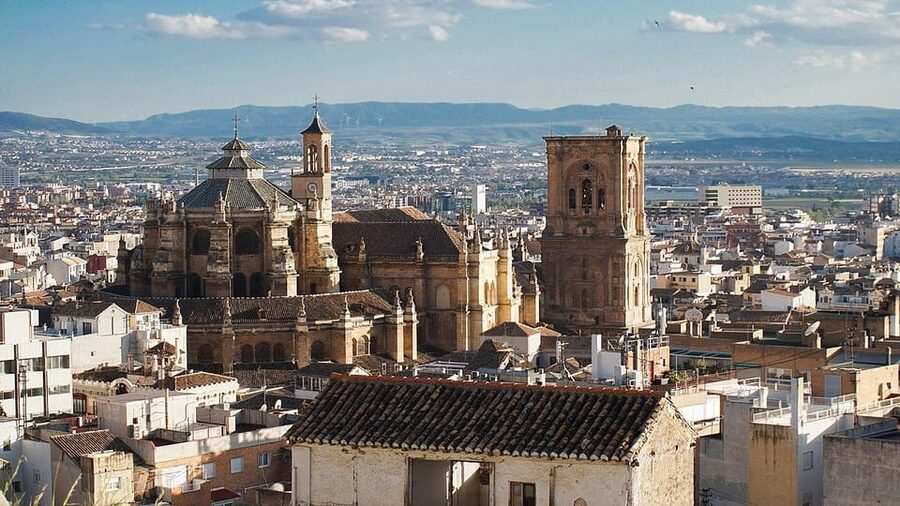
Granada is often introduced through its Islamic past, but the Cathedral and Royal Chapel explain what happened after 1492. The Catholic Monarchs, Ferdinand and Isabella, chose Granada as the place for their burial. That decision gave the city special status in the Christian monarchy and made these buildings powerful symbols as well as places of worship.
The tour begins with architecture, but it quickly becomes a lesson in power. You see how a new ruling order marked its presence through monumental building, royal burial, religious art, and public ceremony. That connection is useful because the buildings can otherwise blur into a long list of dates and names.
I would choose this tour early in a Granada stay if you want a firm base for understanding the city. Afterward, the old Christian center, the former Muslim quarters, and the Alhambra make more sense as parts of one complicated story.
A few more things to do in Granada worth a look
- Granada: Alhambra & Nasrid Palaces Tour with Tickets
★ 4.7 · 19,801 reviews - Granada: Alhambra and Nasrid Palaces Entry Ticket
★ 4.6 · 15,130 reviews - Granada: Alhambra Entry Ticket with Audio Guide
★ 4.1 · 5,950 reviews
Meeting at Plaza Nueva
The meeting point is beside the fountain in Plaza Nueva, directly in front of the pharmacy. This is a central location, but do not leave it until the last minute. Plaza Nueva has several nearby streets and meeting places, so use the pharmacy as your visual marker and arrive 15 minutes before departure.
There is no hotel pickup or drop-off. You make your own way to the square, which is simple enough if you are already exploring central Granada, but less convenient if you have just arrived with luggage. Large bags are not allowed inside, so leave suitcases at your hotel or another approved storage point before meeting the guide.
The tour is listed as wheelchair accessible. You should still mention any mobility needs when booking, since historic monuments can involve controlled entrances and busy interior spaces.
Inside Granada Cathedral: three styles under one roof
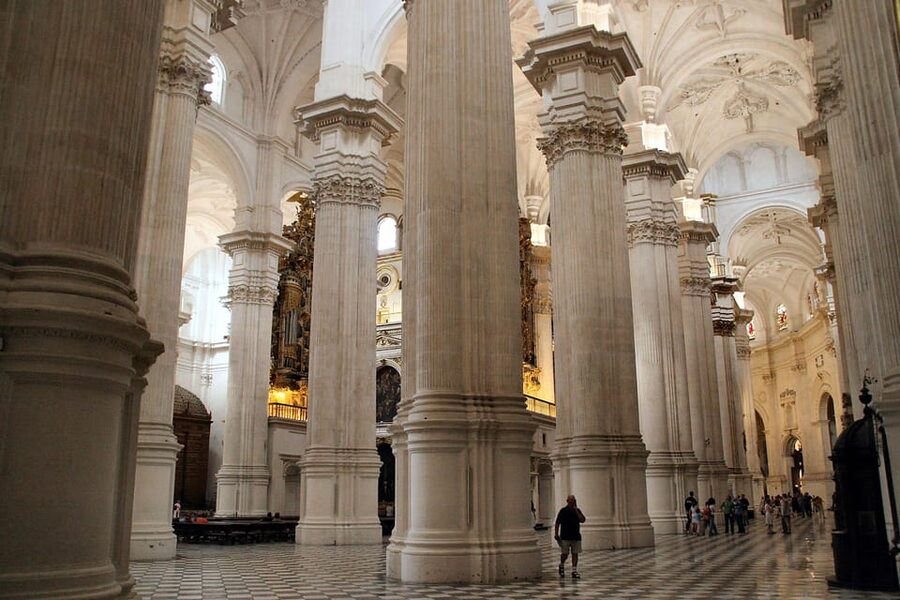
Granada Cathedral is the larger and more visually varied stop. Its design developed over time, so you are not looking at one perfectly uniform style. The building begins with a Gothic foundation, moves into the more measured forms of the Renaissance, and later gains Baroque details.
That succession is the cathedral’s best lesson. Instead of seeing Gothic, Renaissance, and Baroque as separate textbook labels, you can watch the priorities change. Gothic design reaches upward and emphasizes structure. Renaissance work seeks balance and proportion. Baroque decoration adds movement, drama, and visual richness.
A guide is especially useful here because much of the interest is overhead or tucked into architectural details. The soaring columns, carved surfaces, chapels, and artwork reward someone who knows where to direct your attention. Without help, you may notice that the cathedral is grand without understanding how its parts developed.
Give yourself time to look upward. The height and scale can make smaller details easy to miss, particularly if the group is moving from one area to another. This is also the point where the tour’s pace matters. A good private guide can explain a detail, answer a question, and then keep the route moving before the visit becomes a lecture.
The practical limitation is photography time. A guided visit naturally divides your attention between listening and looking. If you want a large collection of pictures, you may need to take quick shots during pauses or return independently if entry rules and opening hours allow. The tour is built around interpretation, not a slow photography session.
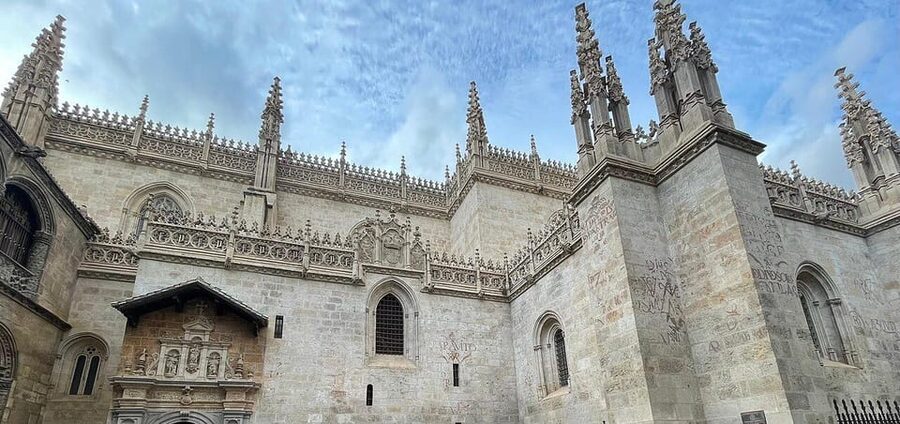
The Royal Chapel and the Catholic Monarchs
The Royal Chapel is smaller in scale but heavier with political meaning. It is the burial place of Ferdinand and Isabella, along with other members of their family. Their tombs turn an abstract chapter of Spanish history into something immediate: two rulers chose this city as their final resting place after the conquest of Granada.
The chapel also contains a museum with Gothic and Renaissance paintings and sculptures by Spanish and foreign artists. The collection adds depth to the visit because it shows the religious and artistic world surrounding the monarchy, not only the tombs themselves.
The most memorable objects are likely to be Isabella’s crown and scepter and Ferdinand’s sword. These are not decorative curiosities. They represent royal authority, ceremony, military power, and the public image of the monarchs. A guide can connect the objects to the people who used them and explain why they matter in the story of Granada.
You will want to keep the scale of the stop in mind. The Royal Chapel is not a sprawling museum. Its strength is concentration. In a relatively short visit, you encounter royal burial, political symbolism, sacred art, and personal objects tied to the rulers who shaped Spain.
The atmosphere also calls for a quieter approach. This is an active religious site as well as a historical monument, so follow instructions about silence, photography, and where you may stand. The experience works best when you give the chapel time to register rather than treating it as a quick checkmark between other sights.
Same base, a different kind of day out:
- Granada: Alhambra & Generalife Fast-Track Guided Tour
★ 4.7 · 8,313 reviews - Granada: Alhambra & Gardens Tour w/Nasrid Palaces Option
★ 4.5 · 6,437 reviews - Fast-Track Alhambra & Nasrid Palaces Guided Tour
★ 4.7 · 4,379 reviews - Skip The Line Alhambra and Generalife Guided Tour
★ 4.0 · 3,825 reviews
How the 2.5-hour route works
The scheduled duration is 2.5 hours, usually enough to cover both monuments at a steady pace. You are not paying for a full-day outing with transport, meals, or extra sights. You are paying for focused access and explanation in two places that sit at the heart of Granada.
The exact order may depend on entry arrangements and the guide’s route, but the experience is built around the Cathedral and Royal Chapel rather than a wider city walk. That is a strength if you have limited time. It also means you should not expect an extended tour of Granada’s streets or a visit to the Alhambra.
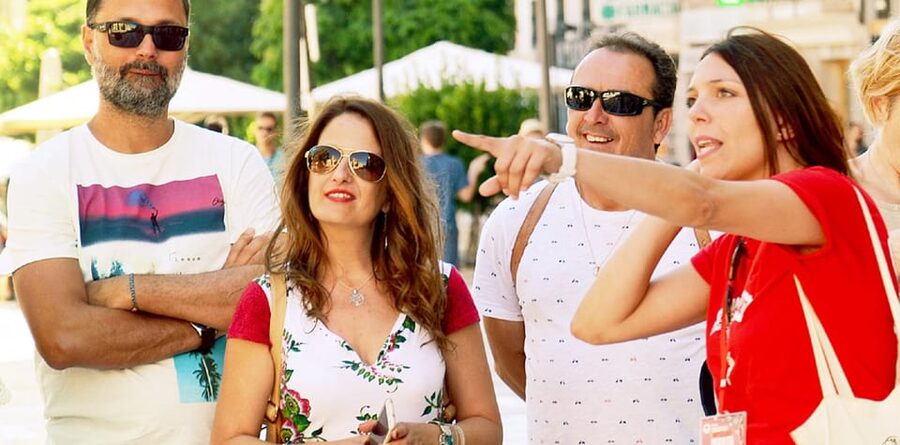
A private group format can make the timing more comfortable. You can ask about the monarchs, the architecture, or the artwork without worrying that your question will hold up a large group. If your party has different levels of interest, tell the guide early. Some people want dates and political context; others prefer art, architecture, or personal stories.
There is an audio system for groups of seven or more. That matters when the interior is busy or when the group needs to spread out. Smaller private groups may hear the guide directly, while larger parties can use the equipment to avoid missing explanations.
What the $170 price buys you
At $170 per person, this is a premium tour. The price includes an official guide and admission to both the Cathedral and Royal Chapel. It does not include food, drinks, transportation, or hotel service.
The value depends on your priorities. If you already know Granada’s history and enjoy reading labels at your own pace, buying entry and exploring independently may cost less. If you want the buildings explained in clear sequence, the guide can save you from piecing together dates, rulers, and artistic styles on your own.
The private format is the most important part of the value calculation. For one person or a couple, the price may feel high. For a family or small group that would otherwise hire a guide separately, the cost can be easier to justify, especially if everyone wants to ask questions.
The included tickets also remove one small source of friction. You are not stopping to work out admissions once the tour begins. Skip-the-ticket-line access is advertised, though you should not assume there will always be a long queue. Demand changes by season and time of day. The useful benefit is having the entry arrangements handled, not a guarantee that you will bypass every delay.
The guide makes the difference
This tour depends heavily on the guide. The buildings are impressive on their own, but an explanation can connect the architecture to the conquest of Granada, the Catholic Monarchs, and the artistic changes visible inside the Cathedral.
You should expect guiding in English or Spanish. Ask questions as you go. A private tour is most useful when you make it personal: ask about the crown, the sword, the royal burials, or the difference between the cathedral’s architectural periods.
The best approach is to treat the guide as an interpreter rather than a walking audio track. Listen for the reasons behind the design choices and the role of these monuments in Granada’s Christianisation. That context is what you cannot get as easily from a quick visit with a printed leaflet.
There is one caution. A tour with too much information can feel long, especially in a building where you want quiet time to look. If the presentation becomes dense, ask for a pause to take in the interior. The private setting should make that easy.
Comfort, clothing, and small practical details
Wear comfortable shoes. The tour involves standing and walking through historic interiors, and you will enjoy it more if you are not thinking about sore feet.
Summer in Granada can be hot, so bring water and use sunscreen while walking to and from the meeting point. Food and drinks are not included, but the central location makes it easy to arrange refreshments before or after the tour.
Leave luggage and large bags behind. This is not just a matter of convenience. Monument entrances often have security rules, and a bulky bag can slow your group or prevent entry.
Keep your booking details handy at the meeting point. The guide will need to identify your party, and arriving early gives you time to solve any confusion before the start time rather than during it.
Cancellation is limited: you can cancel up to two days in advance for a 50 percent refund. That is worth noting before you commit, particularly if your Granada schedule is still changing.
Who should book this private visit
I would recommend this tour to first-time visitors who want a clear explanation of Granada’s Christian monuments. It also suits families, couples, and small groups who prefer conversation over a large organized crowd.
It is a good choice if you enjoy art but do not want to research every painting and architectural term beforehand. The Cathedral’s combination of Gothic, Renaissance, and Baroque work gives you plenty to see, while the Royal Chapel provides a direct link to Ferdinand and Isabella.
You may want to skip it if your main goal is independent photography, quiet contemplation, or the lowest possible admission cost. A guided schedule means you will need to listen, keep moving, and share the rhythm set by the guide.
Do not book this expecting the Alhambra or a general tour of every major sight in Granada. This is a concentrated visit to two central monuments. Its strength is focus.
Should you book it?
Book this tour if the history behind a building matters as much to you as the building itself. The combination of royal tombs, Isabella’s crown and scepter, Ferdinand’s sword, and the Cathedral’s changing artistic styles gives you a compact way to understand Granada after 1492.
At $170 per person, I would compare the price with the size of your private group before booking. For a group that will ask questions and make good use of the guide, it can be worthwhile. For solo visitors on a tight budget, independent entry may be the better deal.
Arrive early, bring comfortable shoes, leave large bags at your accommodation, and allow yourself time after the tour to revisit the surrounding streets with the new context in mind.
FAQ
How long does the Cathedral and Royal Chapel tour last?
The tour lasts 2.5 hours.
What does the price include?
The price includes an official tour guide, admission to Granada Cathedral, and admission to the Royal Chapel of Granada.
Is hotel pickup included?
No. Hotel pickup and drop-off are not included.
Where do I meet the guide?
Meet beside the fountain in Plaza Nueva, directly in front of the pharmacy.
How early should I arrive?
Arrive 15 minutes before the scheduled start time.
What languages are available?
The live guide is available in English or Spanish.
Is the tour private?
Yes. The experience is arranged for a private group.
Is the tour wheelchair accessible?
Yes, the activity is listed as wheelchair accessible.
Can I bring luggage or a large bag?
No. Luggage and large bags are not allowed.
What can I see at the Royal Chapel?
You can see the tombs of Ferdinand and Isabella and other family members, along with a museum containing Gothic and Renaissance art. The collection also includes Isabella’s crown and scepter and Ferdinand’s sword.
Just added in Granada
- Granada: Alhambra and Nasrid Palaces Private Tour★ 4.9 · 242 reviews
- Granada: Sacromonte Caves Flamenco Show with Dinner★ 4.4 · 156 reviews
- From Granada: Alpujarra Villages Guided Day Tour★ 4.8 · 217 reviews
- From Granada: Alpujarra Mountain Villages Tour★ 4.7 · 298 reviews
- Granada: Historic Center and Lower Albaicin Walking Tour★ 4.7 · 136 reviews
- Granada: Traditional Flamenco Show at Tablao Casa Ana★ 4.8 · 390 reviews
- Granada: Alhambra Palace Guided Tour★ 4.3 · 224 reviews
- Granada: 1-Hour Traditional Flamenco Show at Palacio★ 4.7 · 256 reviews
Tours in Granada, compared.

Alhambra & Gardens Tour w/Nasrid Palaces Option
Read our review →
Fast-Track Alhambra & Nasrid Palaces Guided Tour
Read our review →
Skip The Line Alhambra and Generalife Guided Tour
Read our review →
Alhambra Ticket and Guided Tour with Nasrid Palaces
Read our review →Browse the lists this tour appears in