
Reviewed · TOURS IN GRAN CANARIA
Gran Canaria: Maspalomas Surf Lessons
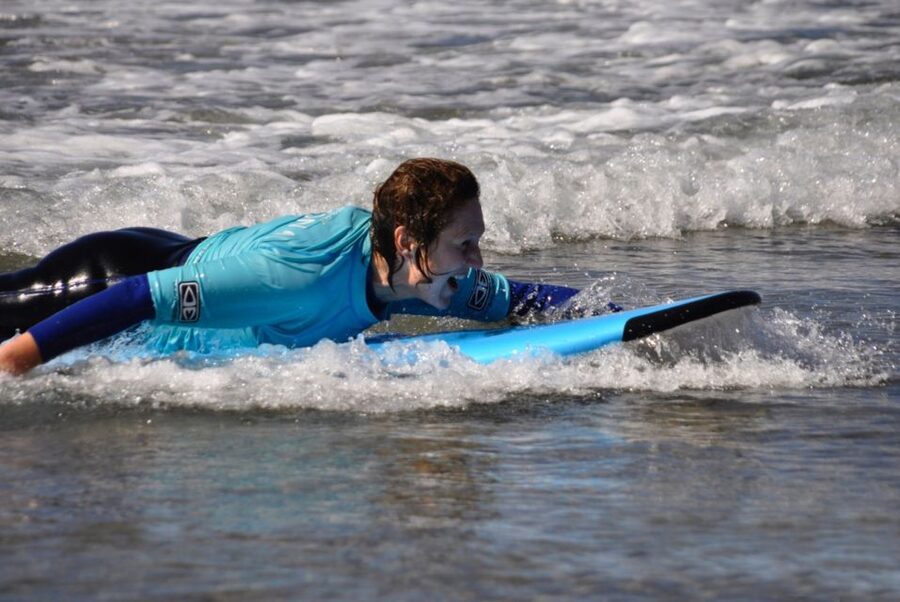
Gran Canaria’s Maspalomas surf lesson gets you from beach sand to breaking waves in a single morning. Canary Wave’s instructors begin with simple theory and practice before taking you into the water, then keep correcting your technique as you try to catch a wave. Small groups of up to eight help the lesson feel personal, not like a crowded school assembly.
I like the flexible beach choice and the friendly, encouraging teaching style. Instructors including Rayco and Tony have helped first-timers stand up quickly, while lessons can also suit intermediate and advanced surfers. The main thing to note is that the sea decides the schedule: the meeting time is usually around 8:30 a.m., but the provider may change it, and busy conditions can mean waiting for a safe wave.
Key points at a glance
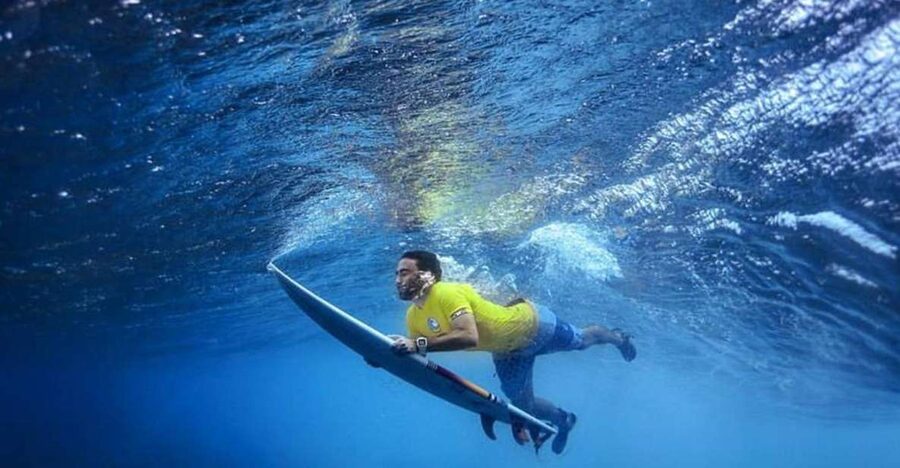
- Morning surf at Maspalomas or Meloneras: The lesson usually takes place near Maspalomas Beach or Meloneras Beach, with the exact spot guided by sea conditions.
- Instruction for every level: Beginners learn the basics, while intermediate and advanced surfers can work on technique and wave choice.
- Groups capped at eight: This gives you a better chance of receiving corrections and encouragement in the water.
- Equipment is supplied: Expect a surfboard, leash, rash guard, short or long wetsuit, bodyboard, sun cream, insurance, and drinking water.
- A mobile approach: If Maspalomas is not producing good waves, the air-conditioned surf van may take the group to another suitable spot.
- A flexible booking: You can cancel up to 24 hours before the activity for a full refund, and reserve now while paying later.
Why Maspalomas is a useful place to learn
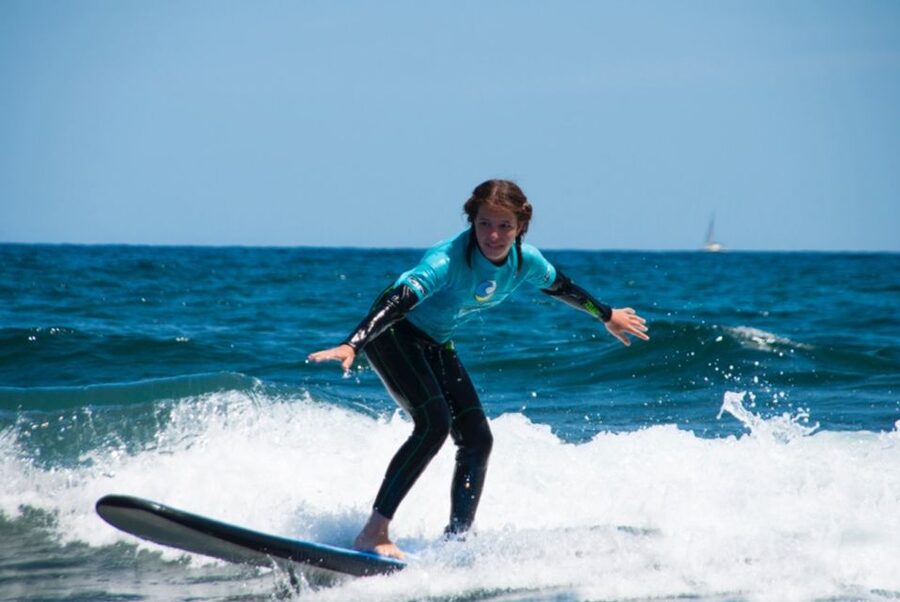
Maspalomas is a practical base for a first surf lesson because the school meets close to the beach, near the Lighthouse and behind the Red Cross lifeguard tower. You do not need to arrange your own board, wetsuit, or leash, and the lesson begins with preparation rather than sending you straight into the water.
The area also gives the instructors room to choose between nearby beaches. The activity normally takes place at Maspalomas Beach or Meloneras Beach, but the location can change if the swell, wind, or general sea conditions are better elsewhere. That flexibility matters more than a fixed postcard location. A perfect-looking beach is not much use if the waves are wrong for learning.
You meet at the Canary Wave Surf School by Nixon in the Oasis Shopping Center at Maspalomas Beach. The meeting point is next to the Red Cross lifeguard tower, a useful landmark if you are finding your way on foot. Pick-up from accommodation may be available, but you need to ask the school. Pick-up outside the Maspalomas and Playa del Ingles area is not included as a standard arrangement.
A few more things to do in Gran Canaria worth a look
- Playa del Inglés Maspalomas: High Quality Surf Classes
★ 4.9 · 304 reviews - Gran Canaria Maspalomas: Surf lessons all levels
★ 5.0 · 197 reviews - Playa del Inglés surf lessons
★ 4.8 · 121 reviews
The morning begins on land
The start time is usually in the morning, often around 8:30 a.m., though the final time depends on the condition of the sea. Canary Wave contacts you if the time needs to change, so keep your morning free rather than booking another early activity right after this one.
The first part combines theory with practical preparation. You learn the basic mechanics of surfing before getting wet: how to position yourself, how to handle the board, and how to move from lying down to standing. The supplied information does not set out a minute-by-minute schedule, so expect the instructors to adjust the balance between beach instruction and water time to match the group and the waves.
This land-based start is especially useful if you have never surfed. The first attempt can feel awkward even before the board reaches the water, and a clear demonstration lets you focus on one movement at a time. It also gives the instructor a chance to explain safety and basic water awareness.
Sun cream is provided before the lesson. Bring swimwear and a towel, but you do not need to pack the specialist equipment. Water to drink is also included.
What happens once you reach the water
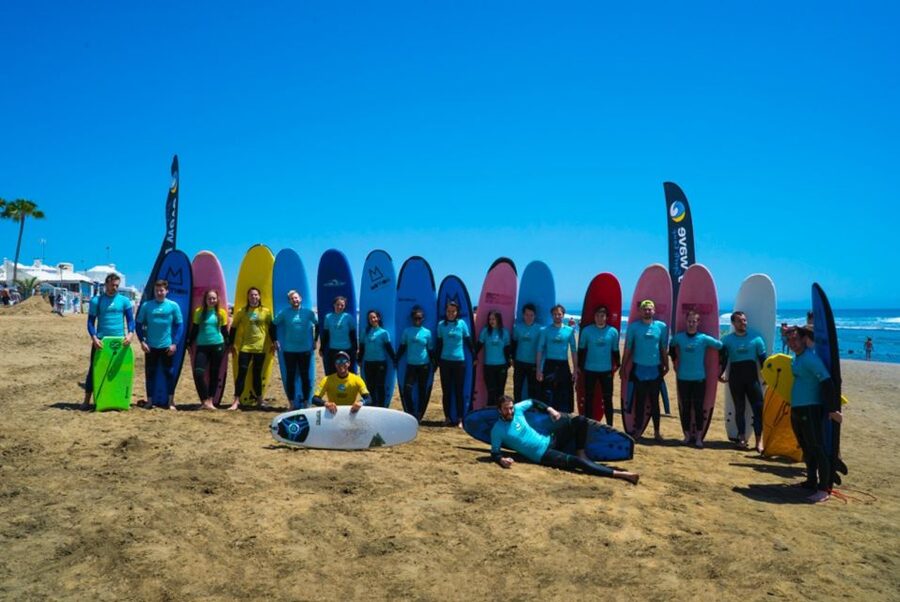
After the introduction, you put on the supplied wetsuit, attach the leash, and take the board into the sea. You may receive a short or long wetsuit depending on conditions, and the school also has rash guards, surfboards, bodyboards, and the other basic equipment needed for the lesson.
The aim is not simply to stand once by luck. The instructors work on the movements that help you repeat the attempt with better control. In the water, you can expect reminders about timing, position, and how to respond when a wave arrives. The strongest praise for this school centers on attention and encouragement. Beginners have found the instructors willing to keep helping when an attempt fails, then celebrate when a student finally catches a wave.
That personal support is where the group limit matters. With no more than eight participants, an instructor has a better chance of seeing what you are doing and giving a useful correction. It is not the same as a private lesson, and the amount of individual time still depends on the sea and the number of people waiting, but the format is more focused than a large class.
One beginner reported standing on the board on the second try with Tony’s detailed corrections. Another first-time surfer, Melanie, described learning the basics and catching waves within the two-hour session despite being over 50 and not athletic. Those results are not promises, but they show what good instruction can make possible. You should still expect to fall, paddle, wait, and try again.
The instructors keep the tone friendly
Canary Wave’s team teaches in Spanish, English, and Italian. That makes the lesson easier to follow for a mixed international group, especially during safety instructions and technical corrections.
Rayco received praise for making a beginner feel comfortable and for keeping the lesson fun. Tony was singled out for his energy, detailed explanations, and steady corrections. The school does not rely only on showing a movement once and moving on. The useful part of the teaching is the repeated feedback while you are actually trying to surf.
That tone can make a real difference. Surfing is physical, and the first session can be tiring. You need an instructor who can correct you without making you feel clumsy. The strongest evidence here points to a patient, upbeat approach, with plenty of encouragement when the board does not cooperate.
The multilingual setup is also helpful for couples or friends who do not share the same surfing experience. A beginner can work on the basics while a more experienced participant asks for more technical guidance. The school advertises lessons for beginners, intermediate surfers, and advanced surfers, so tell the instructor your level at the start.
Same base, a different kind of day out:
- Poema del Mar Skip-the-Line Ticket
★ 4.8 · 3,856 reviews - Puerto de Mogán: Submarine Tour
★ 4.4 · 3,792 reviews - Maspalomas: Guided Camel Ride in the Maspalomas Sand Dunes
★ 4.4 · 3,690 reviews - Guided tour of the Banana World
★ 5.0 · 3,431 reviews
Choosing between a fixed beach and a better wave
The home beach is Maspalomas, but the school may use Meloneras or another surf spot if conditions are better. The surf van has air conditioning and can take the group around the island when the waves at the home beach are not suitable.
This is one of the best features for learning, but it also adds some uncertainty. You cannot treat the meeting beach as a guaranteed final location. Sea conditions determine the plan, and the provider may contact you with a different starting time. Check your messages before leaving your accommodation.
The movable format can also mean extra time in the van if the group needs to find better waves. That is a fair trade if it gives you safer or more useful water time, but it is worth knowing if you want an activity with a completely fixed schedule.
Crowding in the water is another consideration. One first-time surfer found that many people from other schools made the sea feel busy, with longer waits for a safe wave and some concern about bumping into others. A small group with Canary Wave does not control every surfer around it. On a popular beach, the water can still feel crowded.
Is the two-hour lesson really three hours?
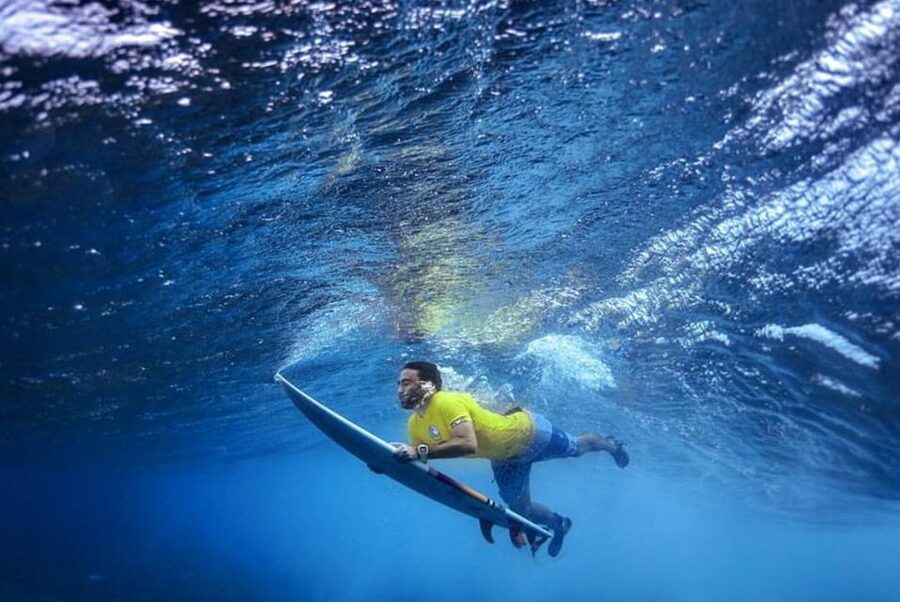
The activity is advertised as lasting two hours, while the included details also refer to three hours of surf class. Since those figures do not match, I would confirm the expected total duration with Canary Wave before booking, especially if you have transport or another reservation afterward.
The two-hour figure likely describes the main activity time, while the longer figure may include preparation, changing, transport, or a different operating format. The supplied information does not explain the difference, so do not build a tight schedule around either number until the provider confirms it.
Either way, this is a compact introduction rather than a full-day surf program. You will have enough time to learn the basic movements, make repeated attempts, and find out if surfing suits you. If you want sustained practice across several days, a single lesson will be only the beginning.
What the $58 price covers
At $58 per person, the value depends on how much equipment and support you would otherwise need to arrange. The fee includes the surfboard, leash, rash guard, short or long wetsuit, bodyboard, sun cream, insurance, instruction on land and in the water, and drinking water. That makes the price easier to justify than a lesson fee that covers only the instructor.
Photos may also be sent to you after the class, but ask about availability rather than assuming they are guaranteed. Accommodation pick-up may be possible, too, though it needs to be arranged separately and does not cover addresses outside Maspalomas and Playa del Ingles as a standard service.
The price is strongest for a first-time visitor who wants a straightforward introduction without buying or renting separate gear. It is less compelling if you already have equipment and only want independent water time. For a beginner, the value comes from the instruction, safety support, and access to a suitable beach as much as from the board itself.
The insurance included in the package is another practical plus, though you should check the provider’s exact terms if you have a specific concern. The same applies to transport and photographs. Ask before the day if these details matter to your plans.
Who will enjoy this most
This lesson fits you best if you want to try surfing without committing to a multi-day course. It also suits solo visitors, couples, and friends at different levels because the school works with beginners, intermediate surfers, and advanced surfers.
It is a good match for:
- First-time surfers who want patient instruction and supplied equipment.
- Adults who worry that they are not especially fit or athletic.
- Families or friends who want a shared activity with multilingual teaching.
- Intermediate surfers who want corrections rather than a basic beach introduction.
- Visitors staying around Maspalomas or Playa del Ingles who can reach the meeting point easily.
- People with flexible mornings who can handle a weather-based start time.
It may not suit you if you need a guaranteed start time, a private instructor, or a quiet stretch of water. The group is small, but the wider beach can still be busy. Advanced surfers looking for powerful, challenging waves should also ask what conditions are expected, since the lesson is designed for mixed ability levels.
Practical preparation for the beach
Bring swimwear and a towel. Wear the swimwear under the wetsuit, and arrive ready to change at the surf school or beach facilities available that day. Sun cream is supplied, but extra protection is sensible for a morning near the water, particularly if you burn easily.
Keep your schedule open after the stated meeting time. The school normally starts in the morning, but the sea can change the plan. Watch for a message from the provider confirming the exact start.
If you need accommodation pick-up, ask before booking. The standard meeting point is the Canary Wave Surf School by Nixon in the Oasis Shopping Center, close to the Maspalomas Lighthouse and behind the Red Cross lifeguard tower. Pick-up outside the Maspalomas and Playa del Ingles area is not included.
The cancellation terms are friendly: cancel up to 24 hours in advance for a full refund. You can also reserve now and pay later, which helps if your Gran Canaria plans are still moving around.
Should you book Canary Wave?
I would book this lesson if you want a well-supported first attempt at surfing near Maspalomas, especially if you value patient coaching more than a rigid itinerary. The strongest reasons are the small group size, multilingual instruction, supplied equipment, and willingness to move to a better surf spot.
Go in expecting a real lesson, not a guaranteed string of perfect rides. You may spend time waiting for a safe wave, sharing the water with other schools, and repeating the same movement several times. That is part of learning, not a flaw in the activity, but it helps to know before you arrive.
The $58 price is fair for a first session because it includes the main gear, insurance, sun cream, water, and instruction. Confirm the two-hour versus three-hour duration and ask about photos and pick-up if those details affect your plans. If you can accept a weather-led start and a little uncertainty about the exact beach, Canary Wave offers a practical, friendly way to find out if Gran Canaria’s surf is for you.
FAQ
Where does the surf lesson meet?
Meet at Canary Wave Surf School by Nixon in the Oasis Shopping Center at Maspalomas Beach, behind the Red Cross lifeguard tower.
How long does the activity last?
The activity information gives a duration of two hours. The included details also mention three hours of surf class, so contact Canary Wave to confirm the expected duration before booking.
What time does the lesson start?
The lesson usually starts in the morning, often around 8:30 a.m. The exact time depends on sea conditions, and the provider will contact you if it changes.
Which beaches are used?
The lesson is usually held at Meloneras Beach or Maspalomas Beach near the Lighthouse. The location can change according to weather and sea conditions.
What languages do the instructors speak?
The instructors teach in Spanish, English, and Italian.
Is equipment included?
Yes. The package includes a short or long wetsuit, rash guard, surfboard, leash, bodyboard, sun cream, insurance, and theoretical and practical instruction.
What should I bring?
Bring swimwear and a towel. Drinking water is included, and sun cream is provided.
Is accommodation pick-up available?
Pick-up may be available from your accommodation, but you need to ask Canary Wave about availability. Pick-up from outside the Maspalomas and Playa del Ingles area is not included as standard.
Just added in Gran Canaria
- The Red Canyon Tour – Small Group Trip with Local Food Tasting ツ★ 5.0 · 798 reviews
- Full Day Rainforest Tour with Tasting and Swimming Time ツ★ 5.0 · 607 reviews
- Full Day Ticket at Perchel Beach Club with Lunch★ 5.0 · 316 reviews
- 3 Wheel Motorcycle like Quad/Buggy Tour Gran Canaria (Maspalomas)★ 5.0 · 237 reviews
- Arucas, Teror, Viewpoint Roque Nublo – Highlights Gran Canaria★ 4.5 · 170 reviews
- Gran Canaria Highlights Private Tour VIP★ 5.0 · 106 reviews
- Full day Hiking Gran Canaria Peaks of Gran Canaria★ 5.0 · 130 reviews
- Coastering in Gran Canaria (Aquatic Route in the ocean cliffs)★ 5.0 · 135 reviews
Tours in Gran Canaria, compared.


Maspalomas: Guided Camel Ride in the Maspalomas Sand Dunes
Read our review →
From Puerto Rico de Gran Canaria: Dolphin Watching Cruise
Read our review →


El Salobre: Horse Riding Adventure with Transfer Options
Read our review →Browse the lists this tour appears in