
Reviewed · TOURS IN GRAN CANARIA
From Las Palmas: Full-Day Tour of the North
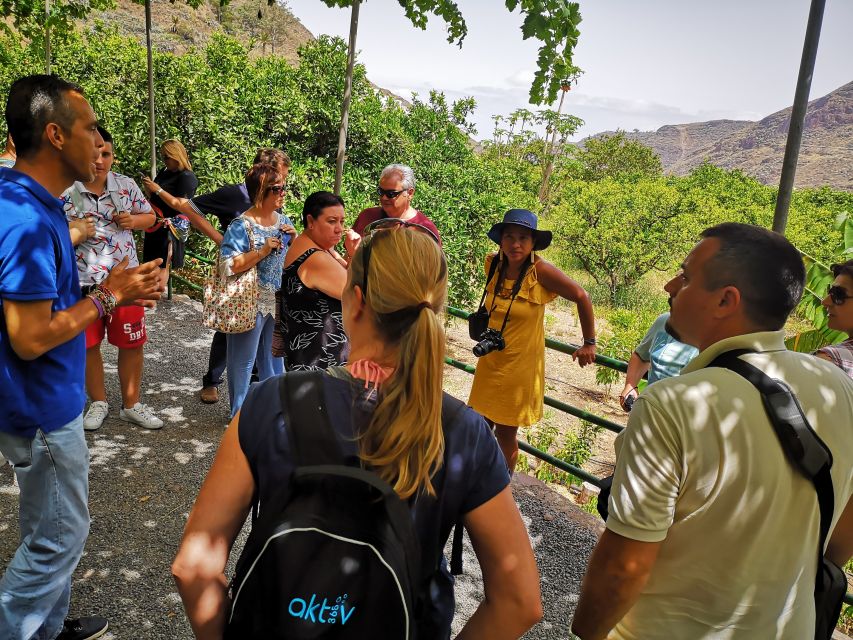
Northern Gran Canaria gets more interesting as the city gives way to old villages, banana fields, mountain valleys, and the fishing port of Puerto de las Nieves. This full-day route links several very different places without asking you to plan the roads or parking yourself.
I like the mix of local food and scenery, especially the Agaete coffee, and I like the guides’ steady stream of information on the bus. The main drawback is the pace: Firgas and Puerto de las Nieves can feel short, while the coffee and wine stop may take longer than some people prefer.
Key points to know before booking
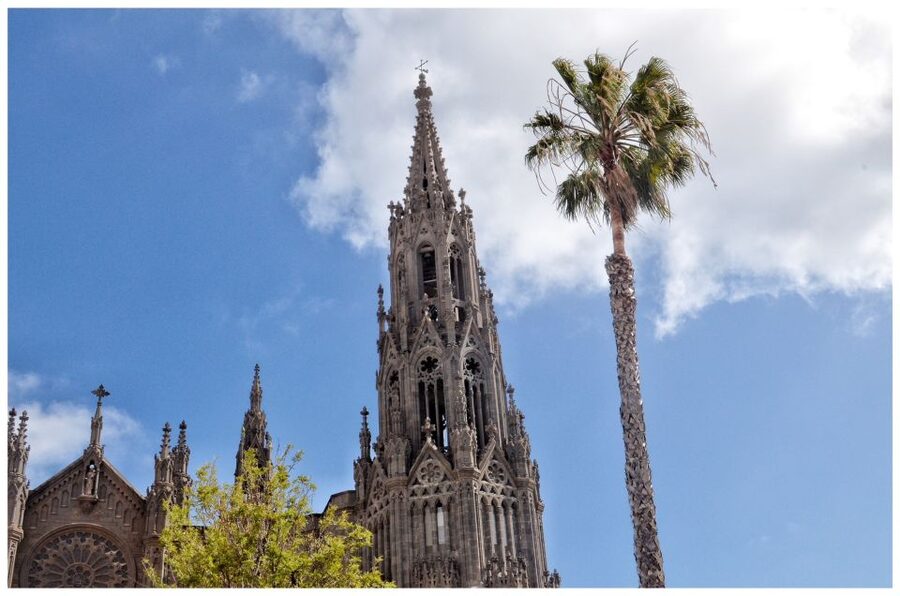
- Arucas begins the day with architecture and banana country, including the impressive neo-Gothic Church of St. John.
- Firgas offers quick photo stops, especially along its ceramic benches street and elevated valley views.
- Agaete combines coffee, wine, cheese, and mountain scenery, with an optional tasting costing €7.50.
- Puerto de las Nieves is the lunch stop, with a small fishing port and dramatic coastal views.
- The guide speaks English and Spanish at the same time, so explanations are shared between both language groups.
- The tour costs $54, including transport, guide, coffee, and pickup and drop-off from Las Palmas, but not lunch or the optional tasting.
A useful day out from Las Palmas
At $54 per person, this is a strong-value way to see northern Gran Canaria in one day. You get a guide, a bus or minivan, coffee, and pickup and drop-off from Las Palmas. You still pay for lunch, and the wine and cheese tasting costs an additional €7.50, but the basic price covers a lot of ground.
The tour lasts about 7.5 hours. That is long enough to reach the north coast and mountain valleys, but short enough to fit into a normal holiday schedule. I would give it a full day rather than pair it with another major activity.
The vehicle is described as comfortable and air-conditioned, and the route has been handled by both buses and smaller minivans. A minivan can make the narrow village roads easier, though the exact vehicle may vary. Pickup from Las Palmas is included, which saves you the trouble of finding an early meeting point.
The main practical issue is pickup timing. Collecting people from several locations can take a while at the start. If you prefer a fast departure and a strict schedule, a central meeting point would be more efficient. If convenience matters more, hotel or local pickup is useful.
A few more things to do in Gran Canaria worth a look
- Full Day Rainforest Tour with Tasting and Swimming Time ツ
★ 5.0 · 607 reviews - Gran Canaria: Full-Day VIP Tour by Bus
★ 4.2 · 322 reviews - Full Day Ticket at Perchel Beach Club with Lunch
★ 5.0 · 316 reviews
Arucas and the Church of St. John
Arucas is a good opening stop because it gives you an immediate sense of northern Gran Canaria’s character. The town is known for the Church of St. John, a large neo-Gothic building that looks far grander than you might expect from a stop on a day tour.
The church gives Arucas a clear visual focus, while the surrounding area brings you closer to the island’s agricultural side. This is not just a postcard village visit. The town sits among banana-growing areas, and the next part of the route explains how important bananas are to the island.
You should bring a camera, but do not expect a long, slow museum visit. This is a guided overview, not a deep architectural tour. The value is in seeing the church, getting a feel for Arucas, and then connecting the town to the farms outside it.
Banana farming beyond the town
The banana farm adds useful context to a crop you may otherwise take for granted. You learn about one of Gran Canaria’s important exports and see how cultivation fits into the northern part of the island.
I like this stop because it turns a familiar fruit into part of the island’s working life. The experience is more meaningful when you understand the growing process and the role bananas play in local agriculture. It also gives the day a practical balance: you are not only looking at churches and viewpoints, but also seeing how people use the land.
The stop may feel a little long if your main interest is architecture or coastal scenery. One visitor specifically felt the banana visit could have been shorter, while Firgas and Puerto de las Nieves deserved more time. That is a fair criticism of a packed route. You get useful information here, but the tour has several competing highlights.
Firgas and the ceramic benches street
Firgas is one of the more distinctive village stops. Its ceramic benches street provides colorful, very photogenic details, and the higher position gives you views down into the valley.
This is the kind of place that rewards a short walk with your camera ready. The ceramic work gives the town a local identity, rather than making it feel like just another viewpoint. You can also use the stop to stretch your legs after time on the bus.
The tradeoff is time. Around 20 minutes may be enough for a quick look and photos, but it does not leave much room to explore. I would like to see 30 minutes here, especially if you enjoy small-town streets and decorative details. Keep your walking efficient, and follow the guide’s timing closely so you do not miss the departure.
Same base, a different kind of day out:
- Poema del Mar Skip-the-Line Ticket
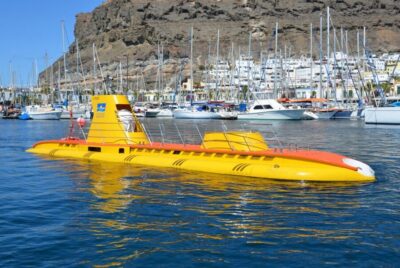
★ 4.8 · 3,856 reviews - Puerto de Mogán: Submarine Tour
★ 4.4 · 3,792 reviews - Maspalomas: Guided Camel Ride in the Maspalomas Sand Dunes
★ 4.4 · 3,690 reviews - Guided tour of the Banana World
★ 5.0 · 3,431 reviews
Wine, cheese, and coffee in the Agaete area
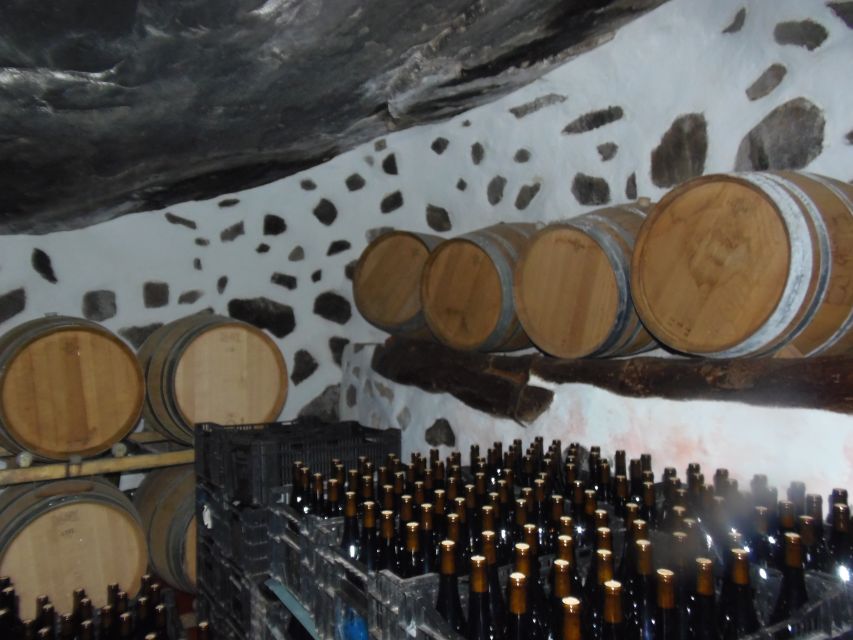
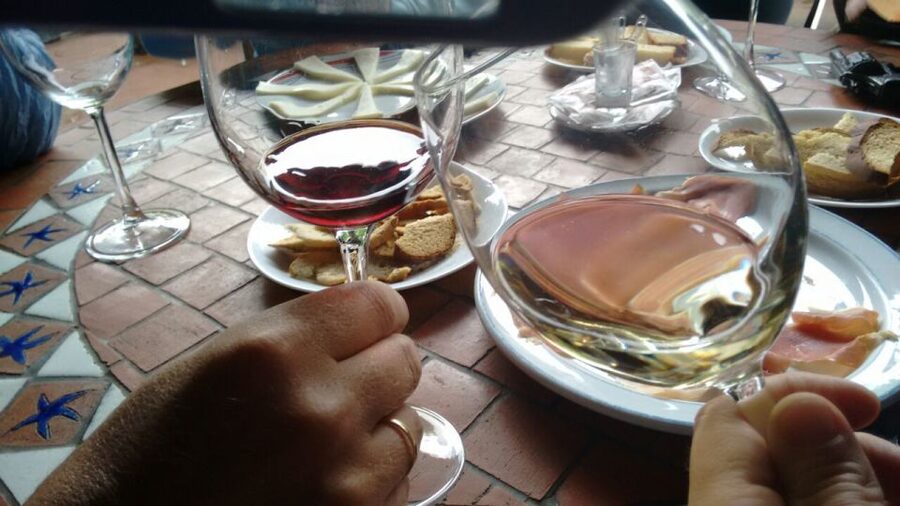
The food and drink portion is one of the strongest reasons to choose this tour. In the west of the island, you stop at a vineyard for local wine and cheese. The optional tasting costs €7.50 and includes three cups of wine, local cheese, and small appetizers.
At that price, the tasting is reasonable if you enjoy trying regional products. It also gives you a chance to sit down and sample something rather than simply taking photographs. I would include it unless you do not drink wine or are trying to keep every extra cost out of the day.
The tasting is not presented as a formal wine course. Think of it as a relaxed introduction to local flavors. Some people may find it modest rather than special, so do not book the tour solely for a gourmet experience. Its real value comes from the combination of food, scenery, and explanation.
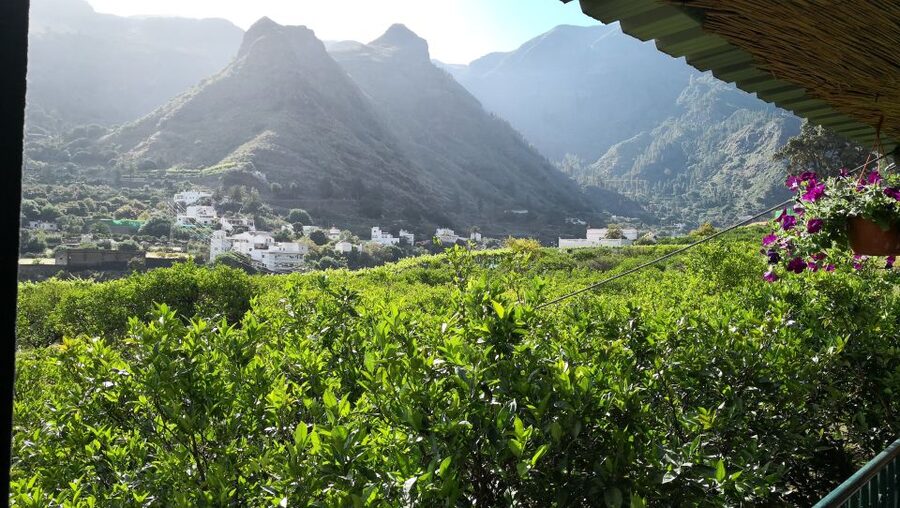
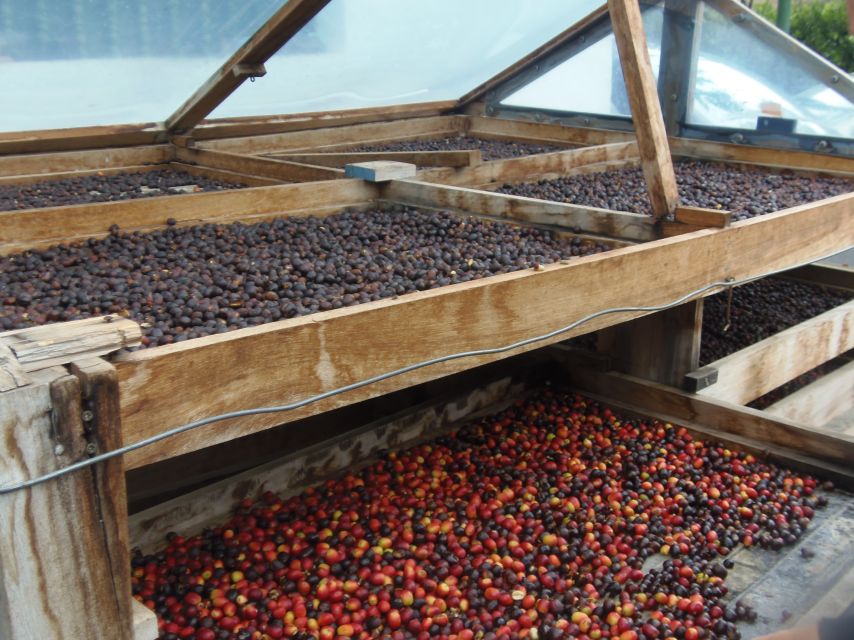
The coffee stop is more unusual. Agaete is known for Arabica Typica coffee, with coffee fields described as unique in Europe. You visit the beautiful Berrazales valley and taste the coffee, along with coffee and cake according to the day’s arrangements.
This is where the route becomes more than a standard north-coast sightseeing trip. Coffee production in Gran Canaria is not the first thing most people associate with the island, so the stop adds a genuine sense of discovery. The valley setting also provides some of the day’s most striking scenery.
The order can vary. On one occasion, filming at the coffee plantation meant the coffee visit came before lunch. That created a long stretch of wine, cheese, coffee, and cake before a proper meal. If you are sensitive to late lunches, carry water and a small snack, and ask the guide when the meal stop is expected.
The tasting section can also take longer than some people want. If you prefer more time by the sea, you may find the balance slightly off. If local produce is a major reason you book, the extra time here will probably feel worthwhile.
Puerto de las Nieves and the north coast
Puerto de las Nieves is the day’s coastal anchor. This small fishing village has a more relaxed feel than the larger resort areas, and it is the planned place for lunch.
You buy lunch separately, so the price and choice depend on what is available during the stop. The important point is to treat this as your main meal opportunity. On a tightly timed day, lunch can happen later than expected, and one account of the route found that there was not much chance to eat until late afternoon.
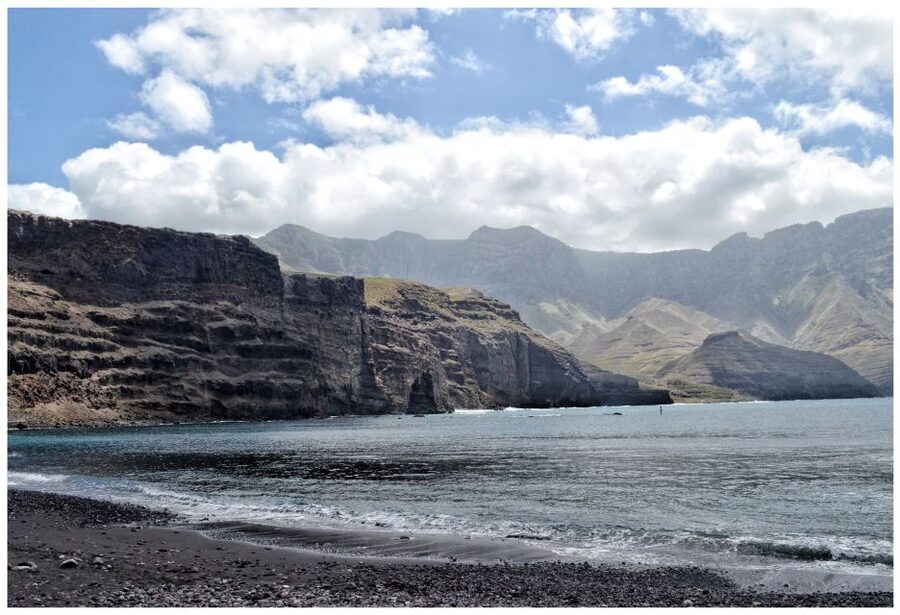
The port itself is worth seeing even if you keep lunch simple. You get views from the waterfront toward the high cliffs, described as among the highest in Europe. The contrast with the inland villages is the point: after churches, farms, and mountain roads, you finish beside the sea.
Time here is the biggest question. Some schedules leave a generous stop, while other parts of the day can feel rushed. If you care most about the coast, use the stop for a short walk and photographs before settling in for lunch. If lunch is your priority, sit down quickly rather than spending all your time at the water.
What the guide adds to the day
The guide can make or break a route with this many stops. Francisco, often called Fran, is repeatedly praised for explaining the places clearly, answering questions, and keeping the group on schedule. Maria is also singled out for sharing plenty of interesting facts.
You receive information on the bus as well as at the stops. That matters because much of the route passes through scenery you would otherwise experience only as a blur through the window. A good guide turns those drives into part of the visit by explaining the villages, farming, coffee, and geography.
The tour is conducted in English and Spanish at the same time. That keeps the experience open to both language groups, but it also means each explanation is shared between two audiences. Most people should manage well, though the pace may feel slower than on a single-language tour.
There has been one practical sound issue: the microphone was not always loud enough for everyone to hear. Sitting closer to the guide or toward the front may help if clear commentary matters to you. The guides and drivers receive strong praise overall, but a shared-language tour in a moving vehicle is never as easy to follow as a quiet private explanation.
Transport, pace, and comfort
The vehicle is air-conditioned and generally considered comfortable. That is important here because the route includes several drives between villages, farms, valleys, and the coast. You should still expect a full day in a vehicle, not a walking tour with occasional transport.
The roads in Gran Canaria can be winding, and some passengers have felt that buses and coaches travel faster than they would prefer. If you are prone to motion sickness, sit where you usually feel most stable, look out toward the horizon when possible, and bring anything you normally use for a winding road.
The schedule is full. You see a church, a farm, a village, a vineyard, coffee fields, and a port in one day. That variety is the tour’s strength, but it also means no single stop receives unlimited time.
I would not choose this experience if you want long, unhurried visits in two or three places. I would choose it if you want a broad picture of the north and prefer someone else to handle the driving.
Who will get the most from this tour
This tour suits you if you are staying in Las Palmas and want to reach the north without renting a car. It is also useful early in a holiday, when you want to understand the island’s villages, farming, food, and coast before deciding where to return independently.
It works well for couples, solo visitors, and families with older children. Children under six are not permitted, and the tour is not suitable for wheelchair users. The amount of walking is not presented as extreme, but the route includes village streets, viewpoints, and stops where you will be on your feet.
Food lovers will appreciate the coffee, wine, cheese, and local appetizers. Photographers will have plenty to work with, from the Church of St. John and ceramic benches to valley views and the fishing port. You will get more from the day if you enjoy variety rather than a single major attraction.
It is less suited to anyone who needs an exact lunch time, dislikes winding roads, or wants a fully private guide. The optional tasting also means the advertised price is not the final cost if you want every food stop included.
Practical advice for a smoother day
Bring sunscreen. One February visitor still found it important, and the route includes outdoor stops with limited shade. Comfortable shoes are sensible for Firgas, Arucas, and the port.
Keep some cash or a payment card available for lunch and the €7.50 tasting. Lunch is not included, and the tasting is optional, so you can control the extra spending.
Do not fill the day with other plans. Pickup, multiple stops, and traffic can shift the timing. The tour usually runs for 7.5 hours, but the final stop and return to Las Palmas deserve some flexibility.
If the guide offers a choice between more time at lunch and more time for photographs, decide based on your priorities. The day’s design favors variety, not perfect timing at every stop.
Free cancellation is available up to 24 hours before departure, and you can reserve now and pay later. Those terms are useful if your plans around Las Palmas are still changing.
Should you book the northern Gran Canaria tour?
Book it if you want good geographic variety for $54 and prefer a guided day to arranging several northern stops yourself. The strongest parts are the combination of Arucas, Firgas, Agaete coffee, local wine and cheese, and Puerto de las Nieves. Guides such as Fran and Maria add real value by explaining what you are seeing between stops.
Skip it if you want long visits, a guaranteed early lunch, or a quiet single-language tour. The schedule can feel compressed, the microphone may be hard to hear from the back, and the food stops may take time away from Firgas or the port.
For most people staying in Las Palmas, I would book it as a practical first look at northern Gran Canaria. Add the tasting if local food and drink interest you, bring sunscreen and water, and keep the day open enough to accept the route’s busy rhythm.
FAQ
How long does the northern Gran Canaria tour last?
The tour lasts 7.5 hours, including pickup and drop-off from Las Palmas.
What is included in the price?
The $54 price includes an English and Spanish-speaking guide, bus or minivan transport, coffee, and pickup and drop-off from Las Palmas.
Is lunch included?
No. Lunch is not included, and you can purchase it during the stop at Puerto de las Nieves.
How much does the wine and cheese tasting cost?
The optional tasting costs €7.50. It includes three cups of wine, local cheese, and small appetizers.
What languages does the guide speak?
The tour is conducted in English and Spanish at the same time.
Can children under six or wheelchair users join?
Children under six are not permitted, and the tour is not suitable for wheelchair users.
Just added in Gran Canaria
- The Red Canyon Tour – Small Group Trip with Local Food Tasting ツ★ 5.0 · 798 reviews
- Full Day Rainforest Tour with Tasting and Swimming Time ツ★ 5.0 · 607 reviews
- Full Day Ticket at Perchel Beach Club with Lunch★ 5.0 · 316 reviews
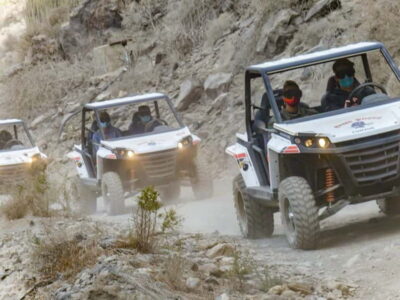
- 3 Wheel Motorcycle like Quad/Buggy Tour Gran Canaria (Maspalomas)★ 5.0 · 237 reviews
- Arucas, Teror, Viewpoint Roque Nublo – Highlights Gran Canaria★ 4.5 · 170 reviews
- Gran Canaria Highlights Private Tour VIP★ 5.0 · 106 reviews
- Full day Hiking Gran Canaria Peaks of Gran Canaria★ 5.0 · 130 reviews
- Coastering in Gran Canaria (Aquatic Route in the ocean cliffs)★ 5.0 · 135 reviews
Tours in Gran Canaria, compared.

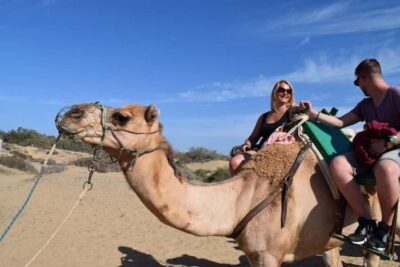
Maspalomas: Guided Camel Ride in the Maspalomas Sand Dunes
Read our review →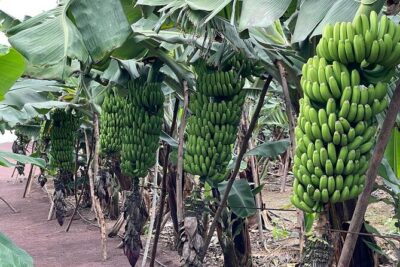
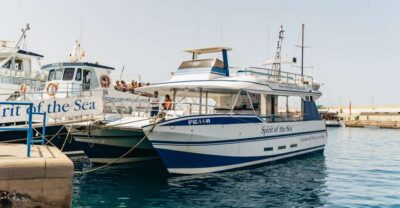
From Puerto Rico de Gran Canaria: Dolphin Watching Cruise
Read our review →
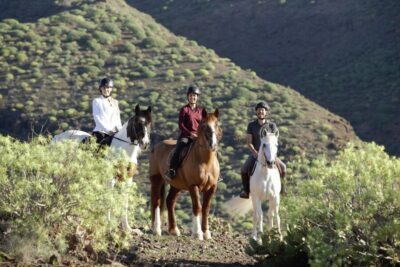
El Salobre: Horse Riding Adventure with Transfer Options
Read our review →Browse the lists this tour appears in