
Reviewed · MUSEUMS
Barcelona: Museum of Forbidden Art Entry Ticket
The most interesting thing here is the question behind every artwork: why was this piece forbidden? At Barcelona’s Museu de l’Art Prohibit, censorship is the subject, with more than 200 works connected to political pressure, public offense, legal disputes, or cultural taboos.
I like the strong mix of artists, from Picasso, Goya, and Gustav Klimt to Andy Warhol, Banksy, Ai Weiwei, and Robert Mapplethorpe. I also like the free digital guide, which lets you read and watch background material in English at your own pace. The main drawback is that this is a self-guided museum, not a guided tour, and the subject matter is not aimed at children under 13.
Key points
- Over 200 censored works: See art linked to censorship involving Picasso, Warhol, Goya, Banksy, Ai Weiwei, and others.
- A central Barcelona address: The museum occupies Casa Garriga Nogués, close to Passeig de Gràcia, Casa Batlló, and La Pedrera.
- Free English digital guide: Use your own phone or device to access text and multimedia about the works.
- A $14 cultural stop: The ticket includes the exhibition, terrace, and Wi-Fi, but not food, drinks, transport, or a personal guide.
- Best for mature visitors: The museum is not considered suitable for children under 13, and some works may be challenging.
- Allow flexible time: The ticket is valid for a period of 1 to 180 days, with starting times checked during booking.
Why censored art makes a good museum subject
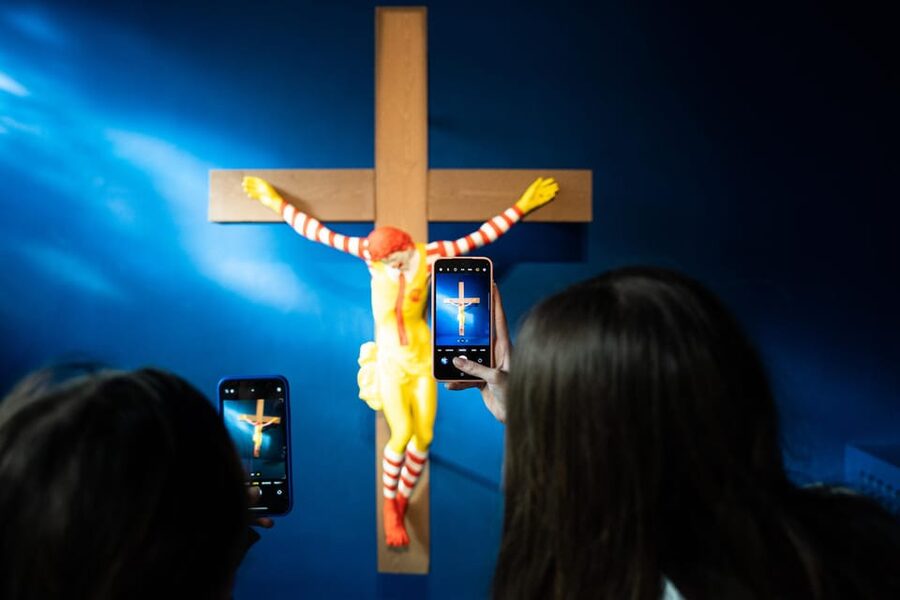
Most art museums ask you to look at style, technique, or historical importance. This museum adds a sharper question: who decided that a work should be removed, hidden, altered, or banned?
That question gives the collection a clear purpose. You are not simply moving from one famous name to another. You are considering the pressure around each work and how art can collide with religion, politics, morality, law, and public opinion.
The collection includes more than 200 artworks. The artists named in the exhibition range from older figures such as Francisco de Goya to modern and contemporary artists including Pablo Picasso, Andy Warhol, Gustav Klimt, Keith Haring, Miquel Barceló, Robert Mapplethorpe, Tania Bruguera, Ines Doujak, Abel Azcona, Ai Weiwei, and Banksy.
That range matters. It keeps the museum from feeling like a single-issue display focused only on modern political protest or only on shocking images. You get a broad look at how restrictions on art have appeared across different periods and artistic styles.
A few more things to do in Barcelona worth a look
- Barcelona: FC Barcelona Museum “Barça Immersive Tour” Ticket
★ 4.4 · 10,944 reviews - Barcelona: Park Güell and Gaudí House Museum Entry Ticket
★ 4.5 · 6,326 reviews - Barcelona: Picasso Museum Skip-the-Line Guided Tour
★ 4.5 · 3,355 reviews
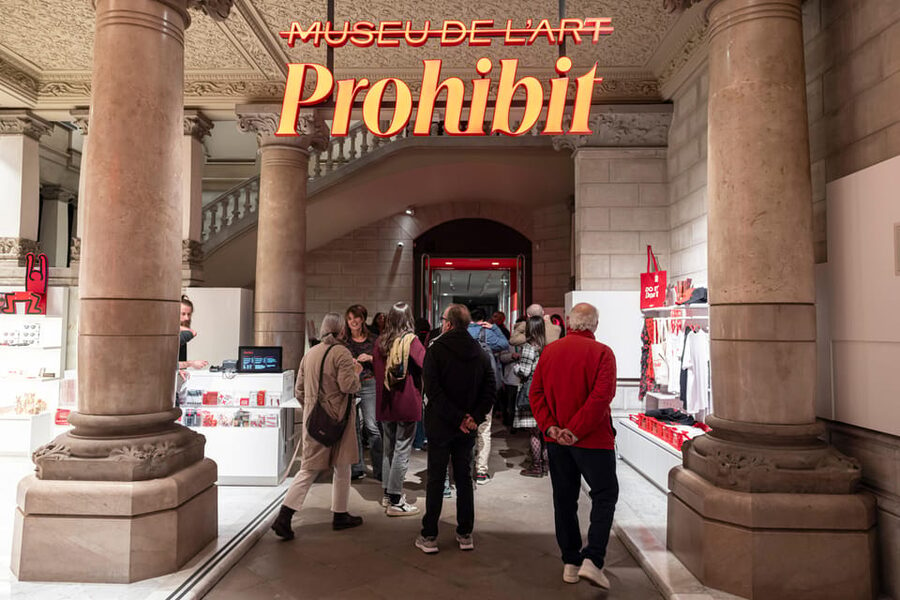
Entering Casa Garriga Nogués near Passeig de Gràcia
The museum is set inside Casa Garriga Nogués, an early 20th-century modernist building. Its location is one of the easiest parts of the visit: it is about a one-minute walk from Passeig de Gràcia.
You can fit this museum into a central Barcelona day without making a special trip across the city. Casa Batlló and La Pedrera are nearby, so the museum works well before or after seeing those famous buildings. It also gives you a different kind of cultural experience from the polished architecture along Passeig de Gràcia.
The building itself adds atmosphere, though the main reason to enter is the exhibition. You also have access to a terrace, a pleasant extra if you want a short pause after reading and thinking through the displays.
Security control is required for everyone. Bags are not allowed, and food and drinks are prohibited inside. Bring your passport or identity card, including the required identification for children, and plan to travel light.
Moving through more than 200 prohibited works
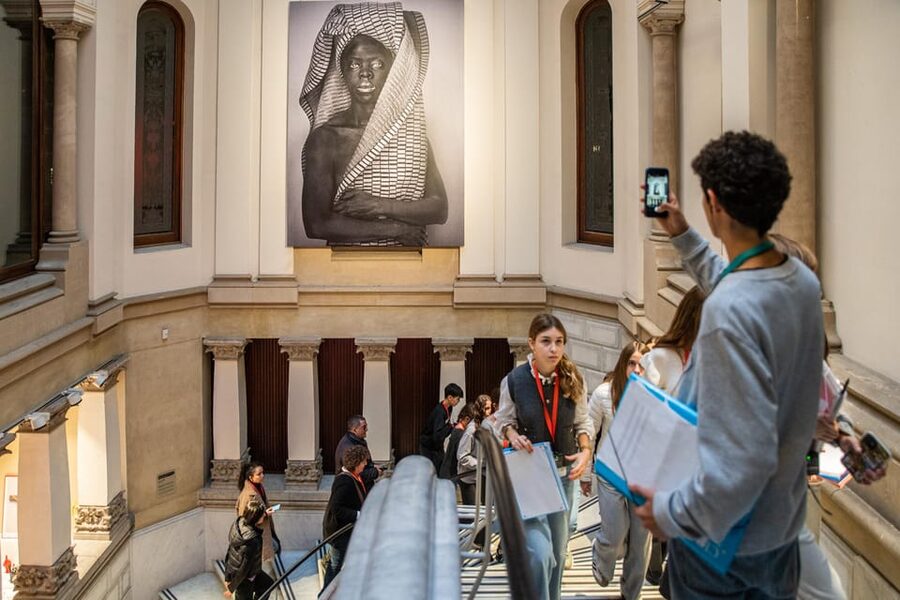
There is no personal guide leading you from room to room. Instead, your general admission ticket gives you access to the exhibition, and the free digital guide supplies added information on your own device.
This arrangement suits you if you like setting your own pace. You can spend more time with a work that catches your attention, or move along quickly when a piece or its background is not your main interest. It also means you need to take some responsibility for your visit. The museum experience depends partly on how much of the digital material you choose to use.
The guide is available in Catalan, Spanish, and English. That is important because the reasons behind censorship can require more explanation than a standard wall label offers. Context helps you understand whether a work was removed because of political pressure, legal action, public protest, institutional policy, or a dispute over content.
Use your phone or personal device to access the guide. Free Wi-Fi is included, which is useful if you do not want to rely entirely on your mobile data. Charge your phone before arriving, since the digital material is a central part of the visit.
Picasso, Goya, Warhol, and the power of famous names
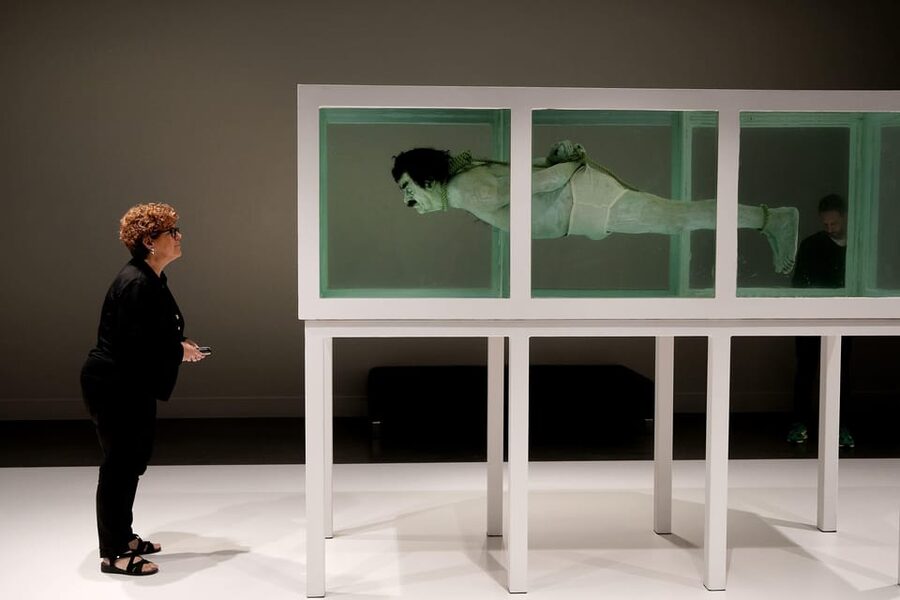
The inclusion of Picasso, Goya, Warhol, Klimt, and Haring gives the museum immediate appeal for anyone interested in major figures of European and American art.
But the famous names are not the whole point. The value comes from seeing well-known art through a different frame. You are asked to think about what happens when an artist’s work meets a government, a court, a museum policy, a religious authority, or an offended audience.
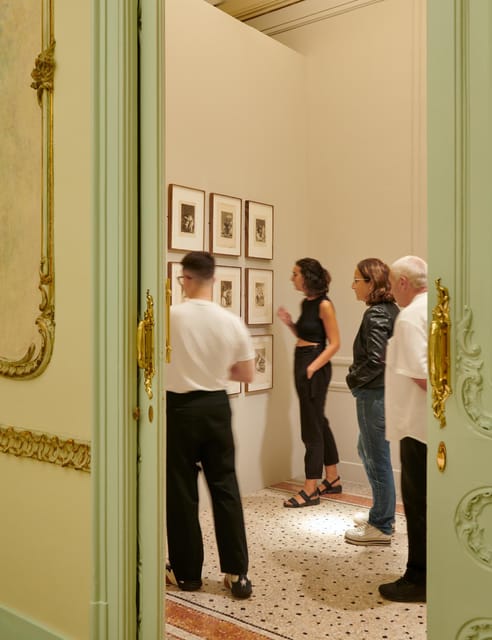
Goya and Picasso connect the museum to earlier traditions of political and social criticism. Warhol and Haring bring questions about popular culture, public imagery, and artistic boundaries. Mapplethorpe’s inclusion points toward disputes around sexuality and public funding. Ai Weiwei and Banksy bring the discussion into more recent debates about authority, protest, and public expression.
The collection also includes artists who may be less familiar to you, such as Abel Azcona, Ines Doujak, and Tania Bruguera. That is useful. You are not limited to a greatest-hits display, and the museum gives you reasons to consider the circumstances around works you may not already know.
Same base, a different kind of day out:
- Barcelona: Sagrada Familia Entry Ticket with Audio Guide
★ 4.6 · 105,312 reviews - Barcelona: Park Güell Admission Ticket
★ 4.4 · 76,534 reviews - Barcelona: Casa Batlló Entry with Self-Audioguide Tour
★ 4.7 · 25,359 reviews - Barcelona: 24 or 48-Hour Hop-On Hop-Off Bus Tour
★ 4.4 · 20,872 reviews
The digital guide is worth your time
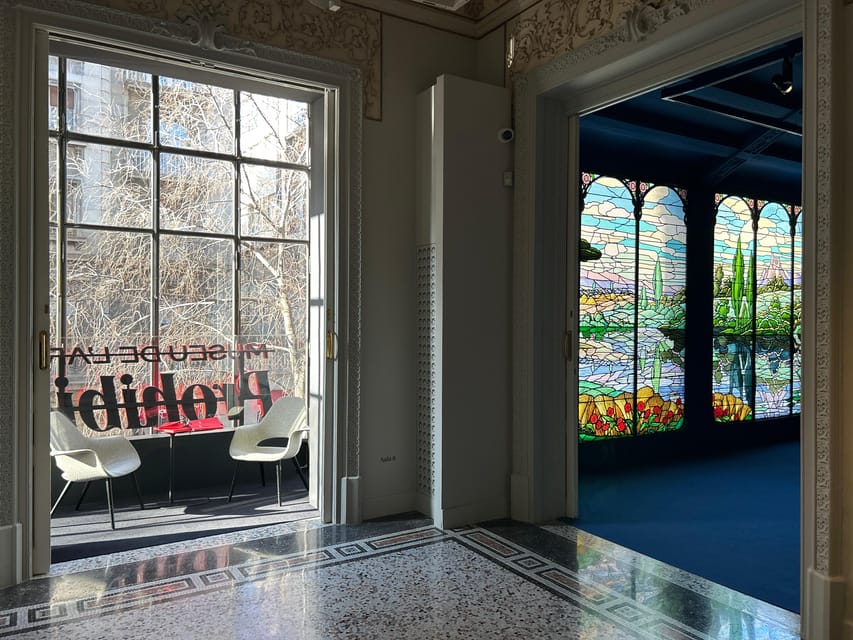
The digital guide is included, so you do not need to pay extra for the background material. Its text and multimedia content are designed to explain both the art and the consequences of its censorship.
I would not treat the guide as optional if you want the full point of the museum. A prohibited artwork can look puzzling when seen without context. The guide helps connect the object to the event, decision, or controversy that made it controversial.
English access makes the museum easy to use for international visitors. You can read the information in your preferred language rather than depending on a short translation or guessing at the meaning of a display.
The tradeoff is screen time. If you prefer museums that let the objects speak without a phone in your hand, you may find this format less natural. Still, the guide gives you control, and you can choose how much information you want for each work.
A thoughtful visit, not a quick photo stop
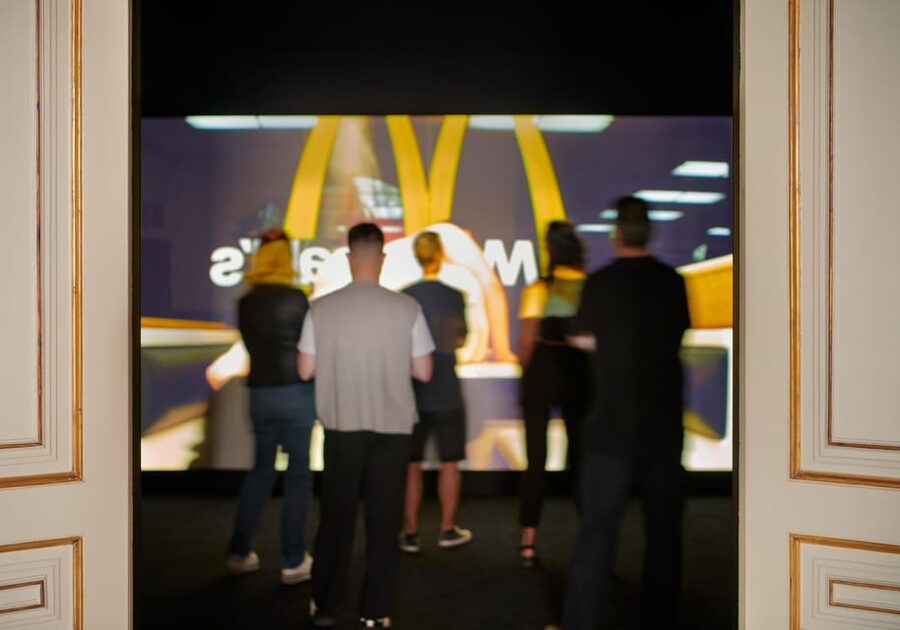
This is not the sort of museum where you simply take a few photographs and move on. The subject encourages you to pause and consider what censorship actually means.
A work might be prohibited because of its subject, the way it treats religion, its political message, its sexual content, its treatment of public figures, or the reaction it causes. The museum presents censorship as a question about power and control, not just a list of famous disputes.
That makes the visit especially useful for adults and older teenagers who enjoy current affairs, art, free expression, or social debate. The museum can also work for anyone who has already spent a morning looking at Barcelona’s architecture and wants a more challenging indoor stop.
The subject matter may not suit every mood. Some works and their stories can be disturbing or confrontational. The information provided does not identify every sensitive theme in advance, so you should choose this museum with an awareness that it is not designed as a light, family entertainment stop.
How the $14 ticket measures up
At $14 per person, this is a reasonably priced cultural stop in central Barcelona. The ticket includes entry to the exhibition, the terrace, free Wi-Fi, and the digital guide in three languages.
The value is strongest if you take time with the material. You are paying not only to see individual works, but also to access the explanations that connect them to censorship and public debate. If you rush through the rooms, the price may feel less worthwhile.
The location adds practical value. Since you can combine the museum with Passeig de Gràcia, Casa Batlló, or La Pedrera, you do not need to spend extra time or money reaching an out-of-the-way attraction. Transportation is not included, but the museum’s central address makes that less of a concern.
Food and drinks are not included, and they are not allowed inside. There is a gift shop near the entrance, which gives you a chance to browse before or after the exhibition, but you should plan refreshments elsewhere.
Timing, tickets, and a useful scheduling warning
The ticket can be valid from 1 to 180 days, with starting times checked through availability. That gives you some flexibility when arranging a Barcelona itinerary, especially if weather or other bookings change your plans.
I would still check the selected date and opening information carefully before you go. One booking problem involved a Tuesday date even though the museum was closed that day, and the admission was used the following day instead. That situation worked out, but it is a good reason to confirm the schedule rather than relying on a calendar entry without checking.
Free cancellation is available up to 24 hours in advance for a full refund. You can also reserve and pay later, which is helpful when you are still arranging the rest of your trip.
The experience is wheelchair accessible. Everyone must pass through security, and bags are not allowed, so a small, simple load is the easiest approach.
Who should book the Museum of Forbidden Art?
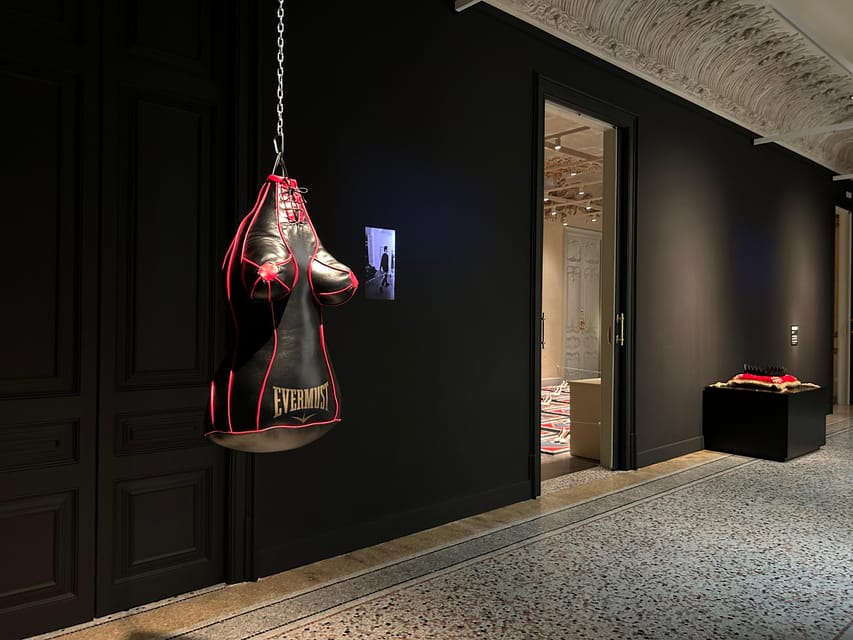
I would choose this museum if you want an art experience with a clear argument behind it. It is a good fit for adults, older teenagers, museum fans, and anyone interested in censorship, freedom of expression, politics, or controversial art.
It is also a smart choice when you are already near Passeig de Gràcia. The museum gives you a change of pace from Barcelona’s modernist houses, and the free digital guide makes the collection easier to understand without paying for a private tour.
I would skip it if you want a relaxed, purely visual museum with little reading. I would also avoid planning it as a child-focused activity, since the museum is not suitable for children under 13 and the subject matter can be challenging.
Should you book it?
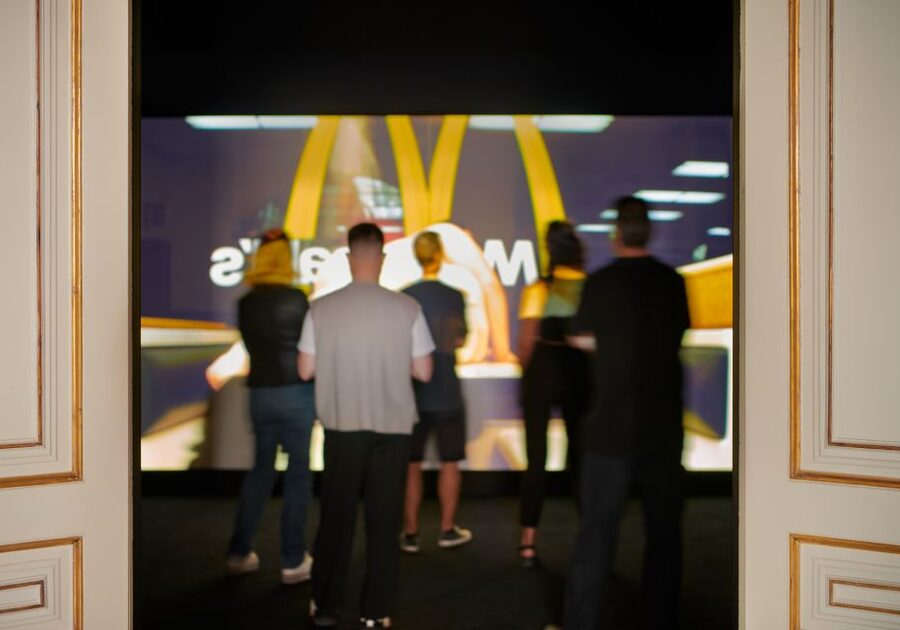
Book it if the idea of seeing art through the story of its censorship interests you. The $14 price is fair, the central location is convenient, and the collection brings together an unusual range of artists, from Goya and Picasso to Banksy and Ai Weiwei.
Before booking, check the date carefully, travel without bags if possible, and allow enough time to use the English digital guide. This is a visit for thinking as much as looking, and that is exactly why it can become one of Barcelona’s more memorable museum stops.
FAQ
Where is the Museum of Forbidden Art located?
It is inside Casa Garriga Nogués in Barcelona, about a one-minute walk from Passeig de Gràcia. Casa Batlló and La Pedrera are nearby.
How much does admission cost?
The listed price is $14 per person.
What does the general admission ticket include?
It includes access to the exhibition and terrace, free Wi-Fi, and a free digital guide with text and multimedia content.
Is the digital guide available in English?
Yes. The guide is available in Catalan, Spanish, and English.
Is this a guided tour?
No. A personal guided tour is not included. You explore the museum independently with the digital guide.
How many artworks are in the collection?
The collection includes more than 200 artworks connected with censorship or prohibition.
Which artists are represented?
The collection includes artists such as Picasso, Warhol, Goya, Ai Weiwei, Banksy, Gustav Klimt, Tania Bruguera, Miquel Barceló, Keith Haring, and Robert Mapplethorpe.
Is the museum suitable for children?
The experience is not suitable for children under 13.
Is the museum wheelchair accessible?
Yes, the activity information states that the museum is wheelchair accessible.
Can I cancel my ticket?
You can cancel up to 24 hours in advance for a full refund. You can also reserve now and pay later.
Just added in Barcelona
- Welcome to Barcelona: Private Tour with a Local★ 4.6 · 200 reviews
- Barcelona: White Rabbit Catalonia’s Top Immersive Experience★ 4.7 · 359 reviews
- Bean to Bar Chocolate Workshop in Barcelona★ 5.0 · 172 reviews
- Barcelona: Walking tour with Montjuic Castle & Cable Car★ 4.7 · 832 reviews
- Barcelona: Welcome to Barcelona Segway Tour★ 4.9 · 153 reviews
- Barcelona: Helicopter Flight with Optional Yacht Cruise★ 4.7 · 224 reviews
- Barcelona: The Original Barcelona Boat Party★ 3.9 · 254 reviews
- Barcelona Wine Tasting: Catalan and Spanish Wines★ 4.8 · 625 reviews
Museums, compared.
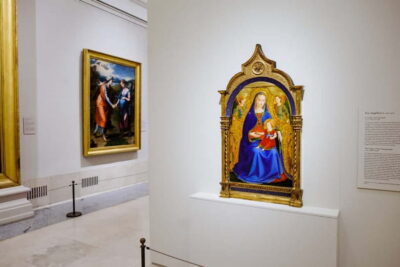

FC Barcelona Museum “Barça Immersive Tour” Ticket
Read our review →
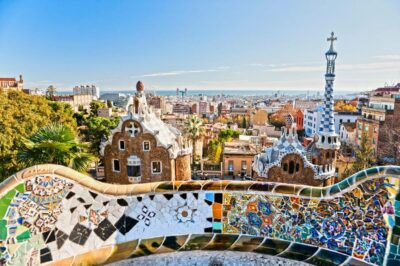
Park Güell and Gaudí House Museum Entry Ticket
Read our review →
Puro Flamenco Show with Optional Museum Ticket
Read our review →
Girona & Dali Museum Small Group Tour with Pick-up from Barcelona
Read our review →
Oceanogràfic, Hemisfèric & Science Museum Combo
Read our review →Browse the lists this tour appears in