
Reviewed · TOURS IN CORDOBA
Cordoba: Equestrian Show General Entry
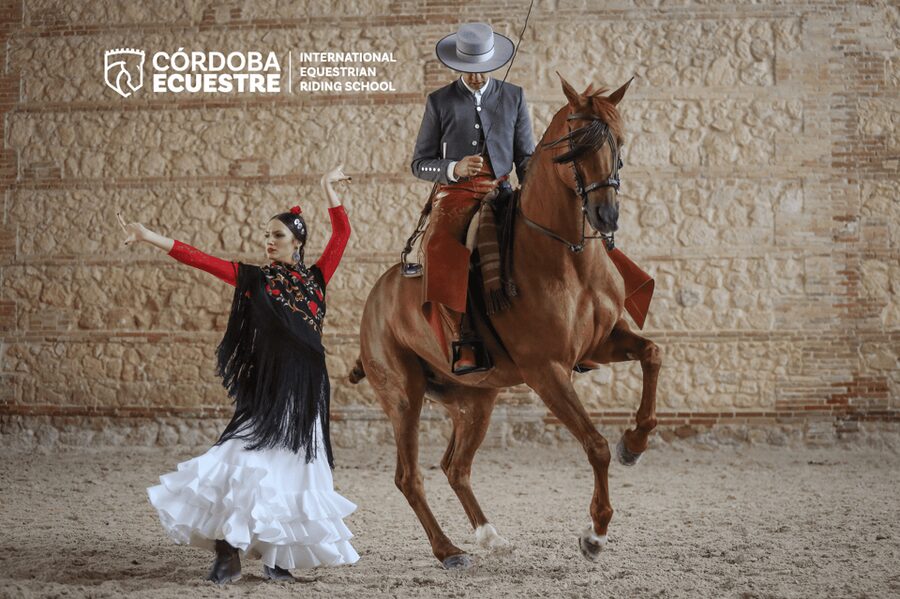
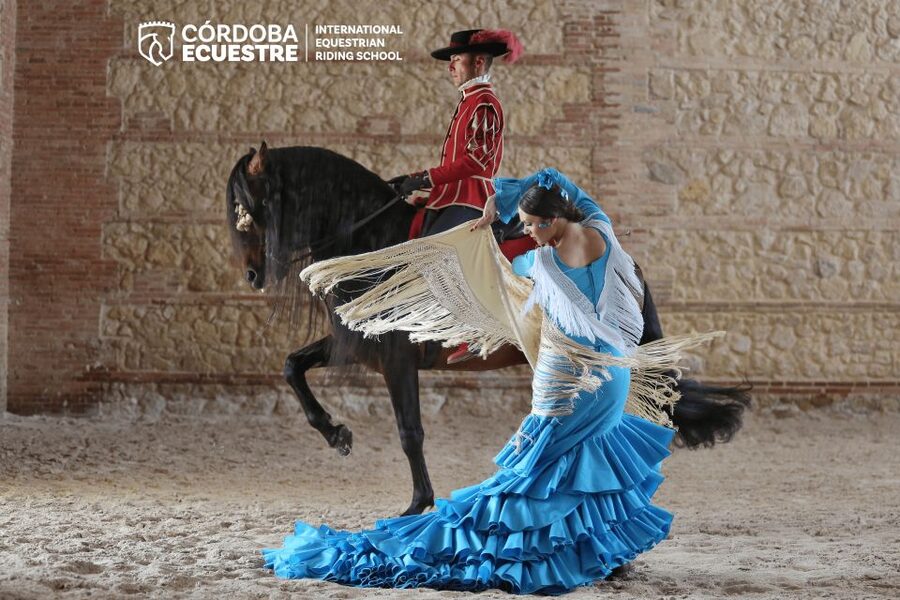
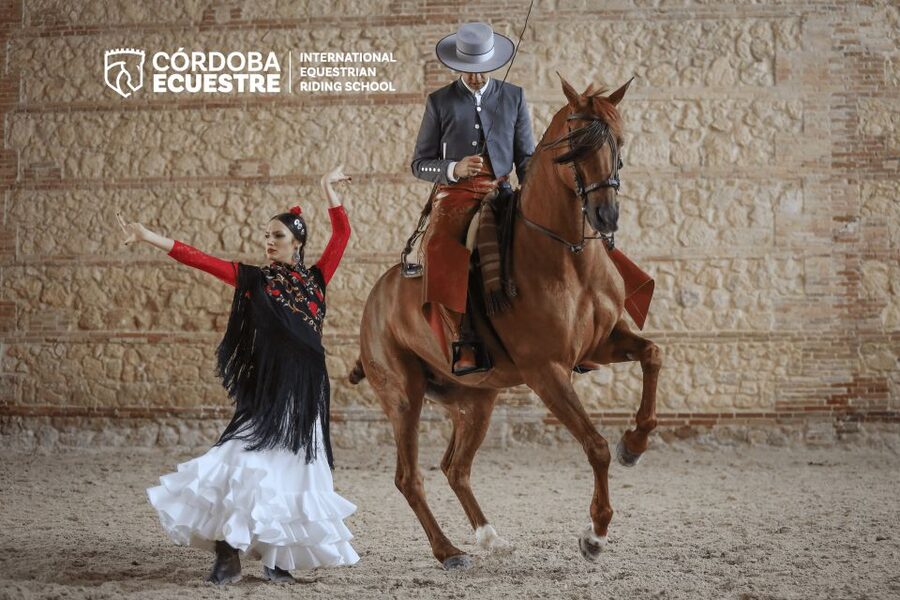
The heart of this show is the meeting of Andalusian horsemanship and flamenco inside Córdoba’s sixteenth-century Royal Stables. Horses perform classical dressage, vaquera riding, and alta escuela while a flamenco dancer works alongside them. It is part equestrian display, part Spanish stage performance, and very much tied to local culture.
I like the historic setting and the close connection between horse and rider. I also like the way the flamenco dancer changes the mood from a formal riding demonstration into something more theatrical. The main drawback is practical: general seating may be on hard, backless stone benches, and the entry process can feel unclear if you bought through a third-party ticket seller.
Key points to know before you book
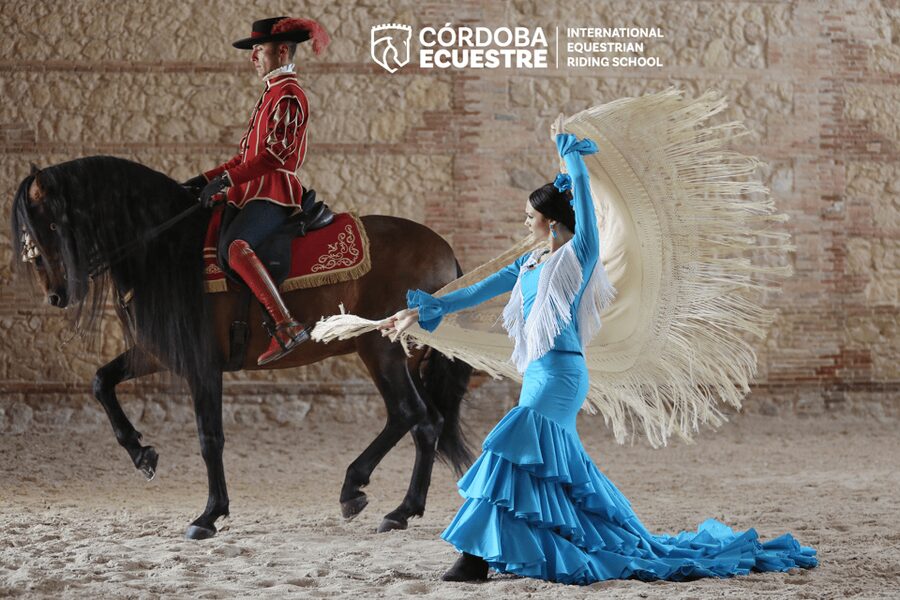
- Sixteenth-century setting: The Royal Stables give the show a strong sense of place, not just a rented arena.
- Three riding traditions: Expect classical dressage, vaquera, and alta escuela, presented with music and flamenco.
- About 70 minutes: The show is long enough to feel substantial, but short enough to fit neatly into an evening in Córdoba.
- No photography or video: Cameras, drinks, photography, and video recording are not allowed inside during the show.
- Seat choice matters: Some options include designated seats, while general entry may involve less comfortable seating.
- Good value at $21: For a short cultural performance in a historic building, the price is modest, especially if you enjoy horses or Spanish traditions.
Why the Royal Stables make the show special
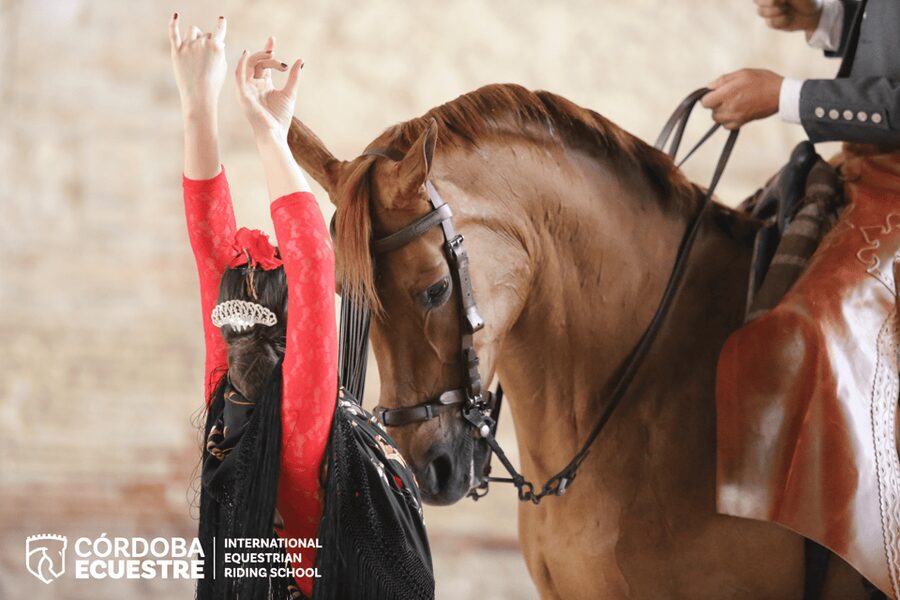
Córdoba has no shortage of historic buildings, but the Royal Stables offer a setting that fits the performance unusually well. The building was created in the sixteenth century for the presentation and training of horses. Its arched stone spaces, warm lighting, and enclosed arena help you feel that the horses belong here.
You are not watching an equestrian show in an ordinary sports hall. The architecture gives the evening a ceremonial feel before a horse even enters the ring. The setting is part of the experience, and it is one reason I would choose this over a generic dinner show if you want something rooted in Córdoba.
The Royal Stables are in the historic center, so the show works well after sightseeing near the Mezquita-Catedral and the old Jewish quarter. You do not need to build a whole day around it. A 70-minute performance fits easily after an afternoon of walking, though you should allow extra time for finding the correct queue and entering the venue.
The building is attractive enough to deserve a few minutes of attention before the show starts. Look at the stonework and the shape of the riding space rather than treating the venue as a simple waiting area. The atmosphere grows as the audience settles and the arena lights come up.
Other trips people book in Cordoba:
- Córdoba: Skip-the-Ticket-Line Mosque-Cathedral Guided Tour
★ 4.6 · 9,634 reviews - Cordoba Mosque-Cathedral: Skip-the-Line Guided Tour
★ 4.7 · 6,610 reviews - Córdoba: Jewish Quarter, Mosque, and Alcázar Tour
★ 4.7 · 4,279 reviews
What happens during the 70-minute performance
The show presents several forms of Andalusian riding rather than offering one repeated trick. Its main ingredients are classical dressage, vaquera, and alta escuela, joined by flamenco music and dance.
Classical dressage provides the polished center of the program. The horses respond to small signals from their riders, and the performance depends on balance, posture, precision, and control. You may not need to know the technical names of every movement to appreciate the central idea: the rider appears to guide the horse with remarkable restraint, and the horse’s responses look measured rather than forced.
Vaquera riding connects the show with the working traditions of Andalusia. It has a more rural, cowboy-style character than formal dressage. The program also includes demonstrations described as alta escuela, or high school riding, where the horse’s training and controlled movements become the main spectacle.
You may see sections involving a horse and spear, along with moments when riders dismount and the horses perform actions such as rearing or jumping on command. These portions can be exciting, but they may not appeal to everyone. One important point for an animal-conscious audience is that the presentation can feel more theatrical and forceful during these sections than during the quieter dressage work.
The strongest moments usually come when the horse and rider share the same rhythm. Several performances pair the horse with a flamenco dancer, creating an unusual visual contrast. The horse moves with measured power while the dancer brings sharp footwork, posture, and dramatic expression. This combination is what makes the program more than a standard dressage exhibition.
The flamenco element is not just background decoration. It gives the performance a distinctly Andalusian character and helps vary the pace. The show can move from quiet concentration to bold movement, then back to the calm control of a rider guiding a horse around the arena.
The horses and the bond with their riders
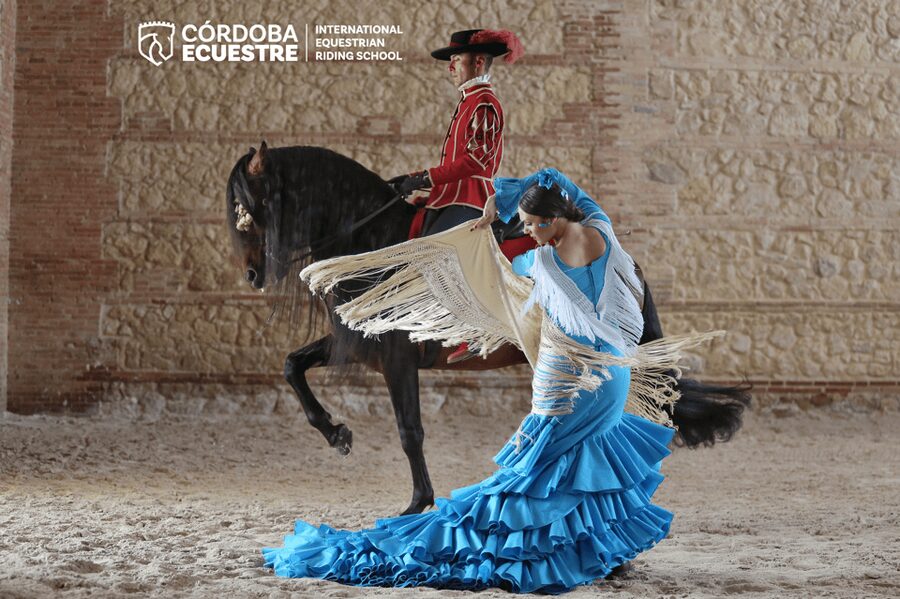
The Andalusian horse is the star of the evening. These horses are known for their elegant appearance, strong build, and controlled movement, and the program gives you a close look at those qualities.
The relationship between horse and rider is especially clear in the slower sequences. You can watch the rider’s posture, hand position, and timing, then see how the horse responds. The display is not only about making an animal perform. It is also about showing the result of sustained training and trust.
That said, I would not pretend every part of the program will feel comfortable to every person. The more dramatic moments, including rearing and jumping, can raise questions about training methods and animal welfare. One performance left an audience member concerned because a horse appeared frightened during a dismounted trick section. That does not define the entire show, but it is a fair consideration if you are sensitive to staged animal performances.
Most of the program emphasizes control, care, and close partnership. Riders are attentive to their horses, and the horses are beautifully presented. If you ride yourself, you will likely notice the difficulty of asking for such precise movements. If you do not ride, you can still appreciate the patience and coordination required.
Flamenco gives the equestrian show its Spanish character
A pure dressage performance can be graceful but formal. The flamenco dancer adds warmth, tension, and a stronger link to Córdoba and Andalusia.
The most memorable pairing is often the dancer moving close to a horse and rider. The dancer’s gestures and footwork create a second kind of rhythm, while the horse answers with controlled movement. It is an expressive scene, and it helps explain why the show appeals even to people who are not especially interested in equestrian sport.
The performance also gives you a taste of Spanish stage traditions without requiring a separate flamenco evening. Do not expect a full flamenco concert or a long dance program. The dance is woven into the horse show, so the horses remain the main focus.
I appreciate this balance. The flamenco prevents the program from becoming too technical, while the riding gives the dance a setting you will not find in an ordinary tablao. Together, they create a short cultural performance that feels closely linked to the city and region.
Same base, a different kind of day out:
- Cordoba: Mosque-Cathedral E-Ticket with Audio Guide
★ 4.1 · 2,124 reviews - Cordoba Mosque & Jewish Quarter Tour with Tickets
★ 4.6 · 1,996 reviews - Cordoba: Alcazar Guided Tour and Skip-the-Line Ticket
★ 4.2 · 1,792 reviews - Córdoba: Skip-the-Line Great Mosque-Cathedral History Tour
★ 4.7 · 1,690 reviews
Seating, queues, and how to make arrival easier
The ticket information says that the meeting point can vary by booking option, so check your confirmation carefully. Entry procedures can be confusing, particularly for online tickets purchased through a third party.
If your ticket does not show a seat number, look for the correct queue rather than joining the first line you see. One useful detail is that some ticket types have assigned seats, so you may not need to rush for a place once you have collected or confirmed your ticket. Other options may work differently.
General entry can involve stone plinths or benches without backs. These seats give a clear view of the arena, but they are not especially comfortable for everyone. If comfort matters to you, check the available ticket categories before booking. A premium option has been praised for its designated seating and strong view, though the exact arrangement depends on the option you select.
The arena itself is arranged so that spectators can see the performance clearly. The show is not a vast outdoor stadium experience. Its enclosed design helps you feel close to the horses, which is a strength for viewing fine riding detail. It also means you should take the seating information seriously if you prefer more space or back support.
A practical arrival plan is simple: reach the area early, confirm your entry instructions, and do not assume that the digital ticket alone tells you where to go. If there is a long queue, a nearby tavern opposite the entrance has been used as a convenient place to wait, though you should still keep an eye on the door and opening time.
Photography is not allowed inside
You cannot use cameras, phones for photography, or video during the show. Drinks are also not allowed inside. This rule may disappoint you, especially because the horses and historic building are highly photogenic.
The restriction is worth knowing before you arrive, not after you have taken your seat. It also means you can watch without a forest of raised phones in front of you. The reason given for the camera rule is that flashes or recording activity could disturb the horses, so plan to enjoy the performance in the moment.
If stable access or training viewing is offered with your booking, photography may be possible in those areas, but do not assume it is included. Some people have been able to visit the stables before the performance and watch training, which adds useful context. Treat this as an extra opportunity connected to certain arrangements, not as a guaranteed part of every general-entry ticket.
Price and overall value at $21
At about $21 per person, this is fairly priced for Córdoba. You receive a 70-minute performance in a historic venue, with trained Andalusian horses, several riding styles, and flamenco dance.
The value is strongest if you enjoy horses, dressage, or Spanish culture. A dedicated horse enthusiast may want more explanation about each animal, the riders’ backgrounds, and the training methods. The presentation can feel light on personal commentary, so do not book it expecting a detailed educational lecture.
For a casual evening activity, though, the ticket offers a lot. You get a polished show without committing to a full dinner package or a long excursion outside the city. It is also a useful change of pace after Córdoba’s museums, churches, and narrow old streets.
The price becomes less attractive if you dislike animal performances, need padded seating, or expect extensive narration. In that case, the artistic and historic setting may not overcome those concerns. A premium seat can improve comfort and sight lines, but it will cost more than the general entry price.
Who will enjoy this most
I would recommend this show to several kinds of visitors:
- Horse lovers: You will notice the training, rider control, and quiet communication between horse and rider.
- Flamenco fans: The dance adds a strong cultural layer and gives the show more feeling than a standard riding display.
- First-time visitors to Andalusia: The performance brings together horses, flamenco, historic architecture, and regional traditions in one compact evening.
- Families with older children: The movement and spectacle are easy to follow, though the ban on photography and the hard seating may require patience.
- Visitors with limited time: The 70-minute format fits neatly between other Córdoba sights and dinner.
I would hesitate to recommend it to anyone who dislikes staged animal shows or wants a detailed lesson in equestrian history. I would also check the seating arrangement carefully if you have back problems or need a fully supported chair.
The venue is wheelchair accessible, which makes the experience possible for a broader range of visitors. Still, because ticket arrangements and meeting points can vary, confirm the details for your specific option before arrival.
Booking tips for a smoother evening
Book ahead if the show is an important part of your Córdoba plans, but the flexible cancellation policy gives you some breathing room. You can cancel up to 24 hours before the performance for a full refund, and a reserve-now, pay-later option is available.
Read the ticket instructions closely. The exact meeting point may depend on the option, and a third-party digital voucher may need to be exchanged or checked at the venue. Do not wait until the last minute to work this out.
Arrive early enough to identify the queue and look at the building before the doors open. If a stable visit or training session is offered, it can be a worthwhile addition because you may see the horses in a quieter setting. During the main performance, put your phone away and settle in for the full effect of the music, riding, and dance.
Should you book the Córdoba Equestrian Show?
Yes, if you want an evening activity that feels specific to Andalusia rather than interchangeable with a show anywhere else. The Royal Stables, elegant horses, skilled riding, and flamenco create a memorable combination, and $21 is a reasonable price for the length and setting.
Go in with clear expectations. This is a staged cultural performance, not a behind-the-scenes lesson in horse care. Seating may be hard, entry can take a little sorting out, and you will not be able to take photos or video. If those points are acceptable, I think the show is one of Córdoba’s better short evening experiences, especially for anyone who appreciates horses or wants a taste of Andalusian style.
FAQ
How long does the Córdoba Equestrian Show last?
The performance lasts approximately 70 minutes.
How much does general entry cost?
The listed price is about $21 per person.
What types of riding are included?
The show combines classical dressage, vaquera riding, and alta escuela with flamenco dance.
Can I take photos or record video during the show?
No. Cameras, photography, and video recording are not allowed during the performance.
Is the venue wheelchair accessible?
Yes, the activity is listed as wheelchair accessible.
Can I cancel my booking?
Yes. You can cancel up to 24 hours before the activity for a full refund. A reserve-now, pay-later option is also available.
Just added in Cordoba
- Alcazar of Cordoba Entry Ticket and Guided Tour★ 4.3 · 372 reviews
- Córdoba: Medina Azahara 3-Hour Guided Tour★ 4.6 · 969 reviews
- Cordoba: Jewish Quarter and Mosque-Cathedral Guided Tour★ 4.6 · 996 reviews
- Córdoba: Guided Tour of Azahara Medina★ 4.5 · 1,042 reviews
- Córdoba: Mosque-Cathedral, Jewish Quarter and Alcázar Tour★ 4.7 · 1,426 reviews
- Córdoba: Skip-the-Line Great Mosque-Cathedral History Tour★ 4.7 · 1,690 reviews
- Mosque-Cathedral of Córdoba Guided Tour with Tickets★ 4.5 · 1,649 reviews
- Cordoba: Alcazar Guided Tour and Skip-the-Line Ticket★ 4.2 · 1,792 reviews
Tours in Cordoba, compared.
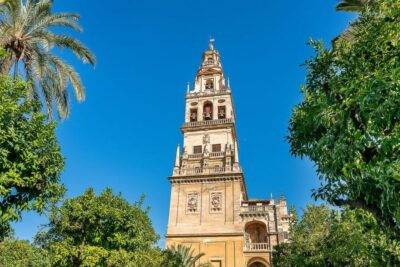
Skip-the-Ticket-Line Mosque-Cathedral Guided Tour
Read our review →
Cordoba Mosque & Jewish Quarter Tour with Tickets
Read our review →
Skip-the-Line Great Mosque-Cathedral History Tour
Read our review →
Mosque-Cathedral of Córdoba Guided Tour with Tickets
Read our review →
Browse the lists this tour appears in