
Reviewed · MUSEUMS
Valencia: Principe Felipe Science Museum Entry Ticket
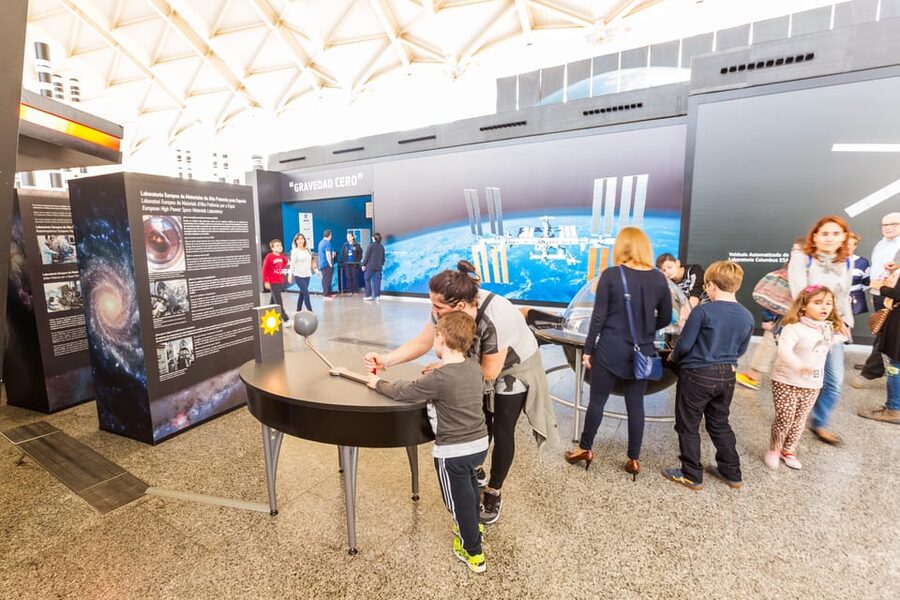
The most unusual thing about the Príncipe Felipe Science Museum is its hands-on rule: you are meant to touch the exhibits. Inside Santiago Calatrava’s whale-skeleton building, you learn about electricity, climate change, biometrics, and space by testing ideas rather than simply reading labels.
I like the Electricity Theatre, where an eccentric scientist demonstrates electrical principles and may leave your hair standing up. I also like the generous full-day admission, especially at about $11 per person. The main drawback is that some displays may feel more interesting to children and teenagers than to adults who want a tightly guided museum visit.
Key points
- Touch-friendly science: The museum encourages you to handle exhibits, test controls, and learn through simple physical demonstrations.
- The Electricity Theatre: A live demonstration turns the principles of electricity into an entertaining show for an auditorium of up to 50 people.
- More than 40,000 square meters: You have several floors to explore, so allow more than a quick hour.
- Leonardo da Vinci in 2025: The special exhibition links Renaissance inventions with present-day and future technology.
- Great setting: The museum sits inside Valencia’s City of Arts and Sciences, one of the city’s most striking architectural areas.
- Good family value: Children aged 4 to 12 receive a reduced rate, and children aged 0 to 3 enter free.
The whale-skeleton building sets the tone
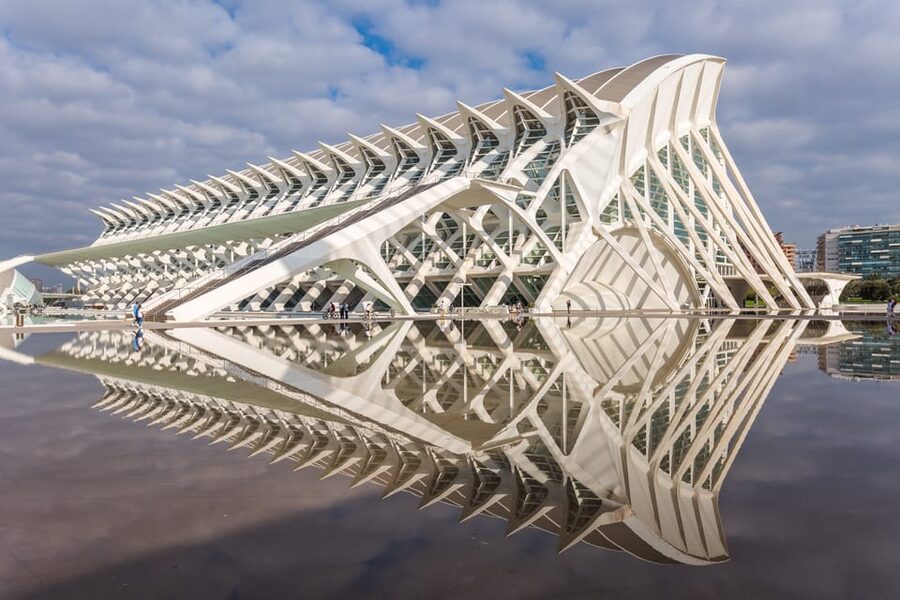
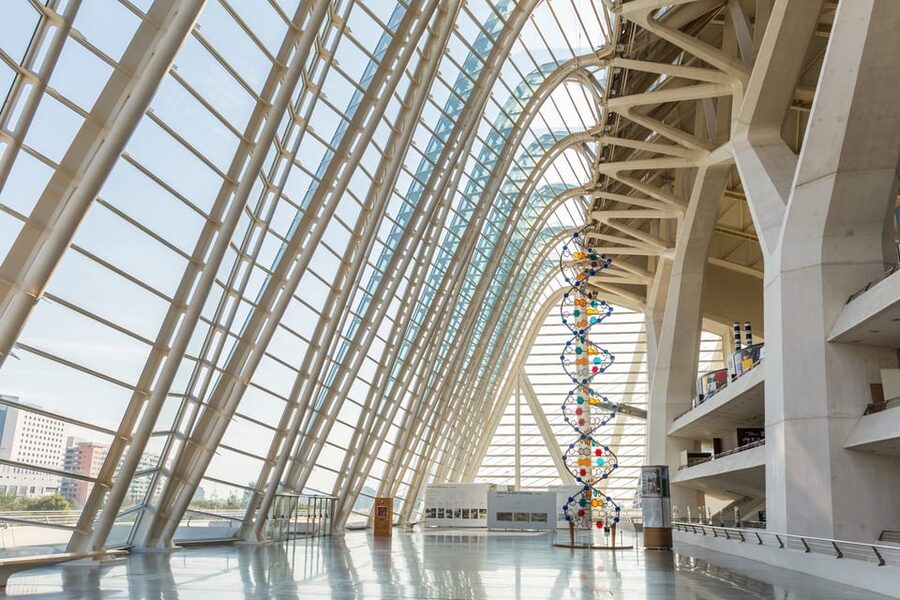
The Príncipe Felipe Science Museum is part of Valencia’s City of Arts and Sciences, a large complex in the city center designed by Santiago Calatrava. The museum’s long, curved structure looks like the skeleton of a huge whale, with white ribs and broad open spaces that make the building itself part of the visit.
Give yourself a few minutes outside before you enter. The architecture is a major reason to come here, even if you are not a committed science fan. You can take striking photographs around the complex, then step indoors for a very different experience: less about admiring objects behind glass, more about pressing buttons, testing forces, and seeing scientific ideas at work.
The museum’s motto is forbidden not to touch, not to feel, and not to think. That tells you exactly what kind of place this is. You should expect an active visit, with displays designed to make a difficult idea easier to grasp through movement and direct contact.
The building is large, with more than 40,000 square meters of exhibition space. That size is useful, but it also means you should not expect to see everything in a rushed visit. A family can easily spend several hours here, and one couple found about four hours to be a comfortable amount of time.
A few more things to do in Valencia worth a look
- Valencia: Oceanogràfic, Hemisfèric & Science Museum Combo
★ 4.4 · 2,959 reviews - Madrid: Prado Museum Entry Ticket
★ 4.6 · 17,509 reviews - Barcelona: FC Barcelona Museum “Barça Immersive Tour” Ticket
★ 4.4 · 10,944 reviews
Hands-on exhibits make science easier to understand
The strongest part of the museum is its physical approach. You do not simply stand in front of a panel about a scientific principle. You might touch an exhibit, operate a mechanism, or watch a process unfold in front of you.
That works particularly well for children aged around nine and up, along with teenagers. A nine-year-old can follow a simple cause-and-effect demonstration without needing advanced science knowledge. Older children can spend more time thinking about why something happens and how it relates to everyday life.
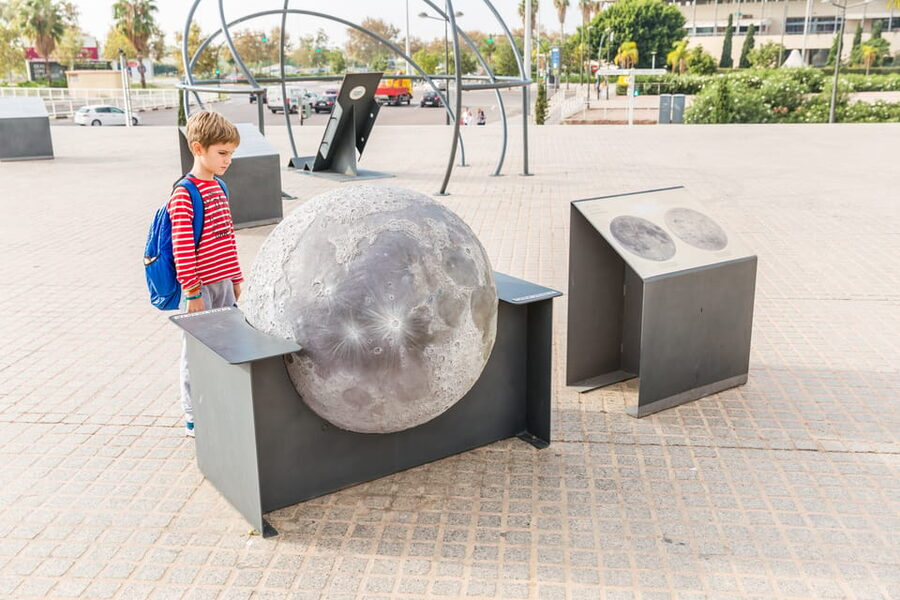
You will find subjects such as climate change, surveillance technology, biometrics, and space. The explanations are designed to be understandable, so you do not need a technical background. The museum is not trying to turn you into a scientist in one afternoon. Instead, it gives you small, clear encounters with big subjects.
I would plan your visit around curiosity rather than a strict route. Move from one display to another, stop when something catches your attention, and allow extra time for exhibits that invite you to try more than once. The open format gives you freedom, but it can also make the museum feel less structured than a traditional gallery.
That is one point to keep in mind. If you prefer a guide leading you from room to room, explaining the story in order, you may find the experience a little loose. Guided tours are not included, so you are responsible for setting your own pace.
The Electricity Theatre brings the science to life
The Electricity Theatre is the museum’s most memorable live feature. It takes place in an auditorium with seating for up to 50 people, where an eccentric inventor demonstrates the physical principles of electricity.
The presentation is meant to entertain as well as explain. The image of hair literally standing on end gives you a good idea of the show’s playful tone. You are not simply watching a recorded film or reading a display. A live demonstration gives the subject a sense of risk and surprise, even when the underlying lesson is straightforward.
This is a good stop for families because it gives everyone a shared moment after time spent exploring separate displays. Younger children can enjoy the spectacle, while older children and adults can focus on the science behind it.
Check the schedule when you arrive if a particular session matters to you. The ticket includes access to the exhibition floors, but complementary activities are not included. The information provided does not specify that the Electricity Theatre requires a separate payment, so treat it as a highlight to look for inside the museum rather than assuming every presentation or extra activity is covered.
Leonardo da Vinci takes the museum in a new direction in 2025
In 2025, the museum adds Leonardo da Vinci. 500 Years of Genius, created with the Leonardo da Vinci Museum in Rome. This exhibition connects art, science, engineering, and technology through Leonardo’s ideas.
The exhibition includes more than 50 large-scale machines made by Italian artisans. These models help you see Leonardo not only as a painter, but as someone who studied mechanics, invention, and the workings of the natural world.
The display also uses SENSORY4 technology, combining moving images, surround sound, and high-definition projections. That gives the exhibition a more theatrical presentation than the hands-on science galleries.
The best reason to add time for this section is the link between old ideas and current technology. Leonardo’s work is presented as a starting point for thinking about how inventions develop and how ideas can remain useful long after their creator is gone.
Keep in mind that the Leonardo exhibition is specifically identified for 2025. If you are booking for another year, check what special exhibitions are running at that time. The general museum admission includes access to all exhibition floors, but the information provided does not say whether every temporary exhibition or complementary activity follows the same admission rules.
Same base, a different kind of day out:
- Valencia: Oceanogràfic Entry Ticket
★ 4.7 · 9,893 reviews - Valencia: 24 or 48-Hour Hop-on Hop-off Bus Ticket
★ 3.9 · 5,611 reviews - Valencia: Palosanto Flamenco Show Ticket
★ 4.8 · 3,876 reviews - Valencia: Catamaran Cruise with Sunset Option
★ 4.0 · 3,566 reviews
Climate change and biometrics give the visit a modern focus
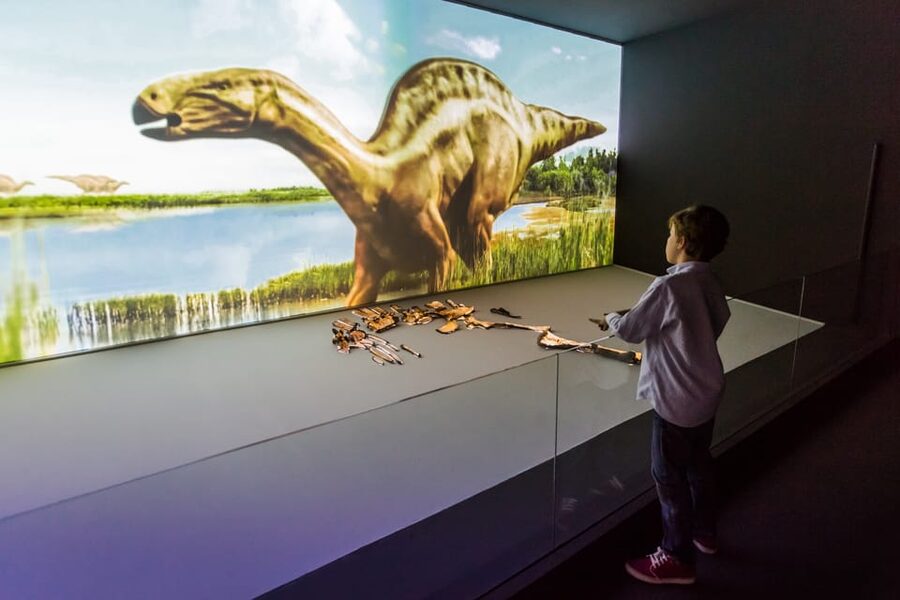
The museum does not limit itself to classic experiments. Its subjects include climate change, surveillance technology, and biometrics, which makes the visit more relevant to daily life.
Climate change can feel too large and abstract when you only encounter it in news reports. A hands-on museum display gives you a chance to examine the basic ideas in a more direct way. The same applies to biometrics, a subject connected to the ways technology identifies and tracks people.
The surveillance displays may be especially useful for older children and teenagers, since they connect science with questions about privacy and modern technology. You can treat these sections as conversation starters rather than expecting a complete course in any one topic.
The museum’s strength is its ability to introduce complicated subjects in plain language. Its limitation is that a short display cannot cover every side of an issue. I would use the exhibits as a way to spark questions, then discuss the subjects together as you walk around Valencia afterward.
How much time should you allow?
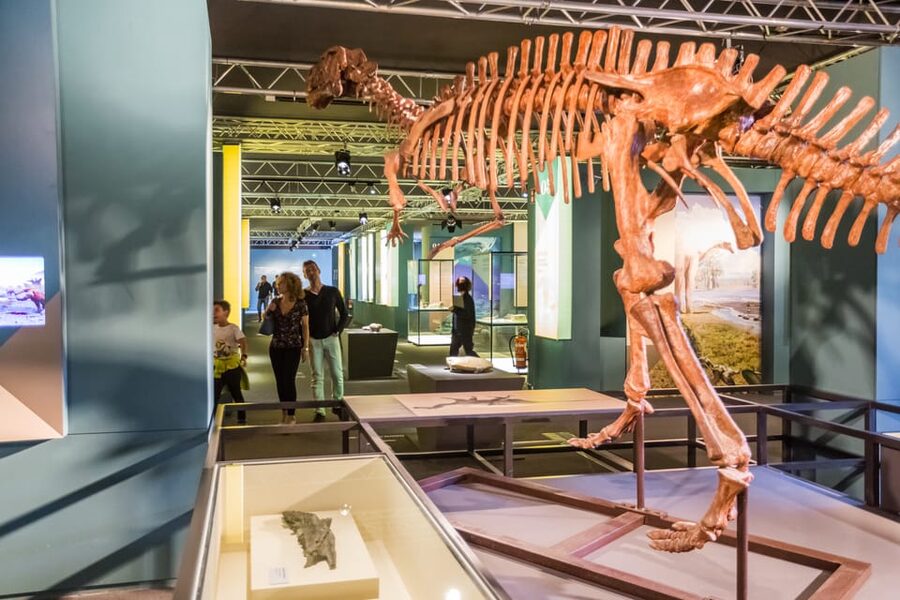
Your ticket is valid for one day, and that matters because the museum is too large for a quick pass. A four-hour visit is a sensible target if you want to explore several areas without feeling rushed.
Families with children may need longer because hands-on exhibits take time. You may queue briefly for a popular demonstration, repeat an activity, or stop to explain what is happening. Younger children can tire before you reach every floor, so it is better to enjoy the strongest sections than to force a complete circuit.
If science is your main interest, you could spend most of the day inside. If you are visiting the City of Arts and Sciences for the architecture as well, plan a half-day at the museum and use the remaining time to walk around the complex and take photographs.
The seasonal opening hours affect how much time you have:
- From January 7 to March 21 and October 16 to December 23, the museum opens from 10 a.m. to 6 p.m. Monday through Thursday, and from 10 a.m. to 7 p.m. Friday through Sunday.
- From January 2 to January 6, March 25 to June 23, September 11 to October 15, and December 26 to December 30, it opens from 10 a.m. to 7 p.m.
- From June 24 to September 10, it opens from 10 a.m. to 9 p.m.
The exact dates matter during a Valencia visit, especially in summer when the later closing time gives you more room to combine the museum with the surrounding complex.
The $11 ticket is strong value for a full day
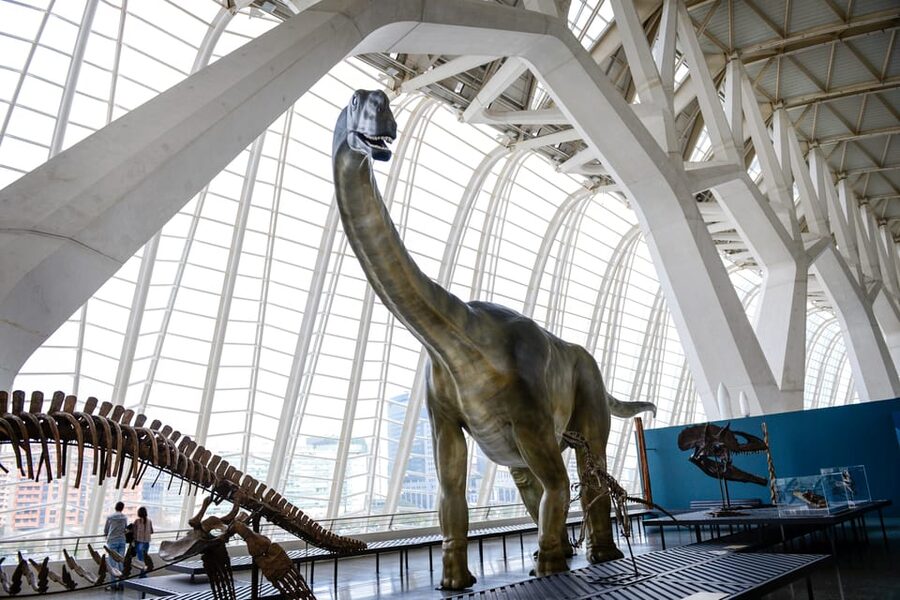
At about $11 per person, admission is reasonably priced for the amount of space and time available. The value is strongest if you plan to spend several hours inside and make use of the interactive displays rather than treating the museum as a short photo stop.
Children aged 4 to 12 receive a reduced rate, and children from 0 to 3 enter free. That makes the museum easier to fit into a family budget, particularly if you are building a full day around the City of Arts and Sciences.
A student discount is available for EURO 26 cardholders, but there is an important catch: the discount applies only to tickets bought at the kiosk. If you are eligible, compare the online price with the on-site option before paying.
The admission includes access to all exhibition floors. Guided tours and complementary activities are not included, so you are paying for independent exploration rather than a guided lesson or a package with several add-ons.
For a solo adult who plans to spend only an hour, the value is less convincing. For a family, a couple interested in science, or anyone combining the museum with the surrounding architectural complex, the price is easier to justify.
Getting in and getting your bearings
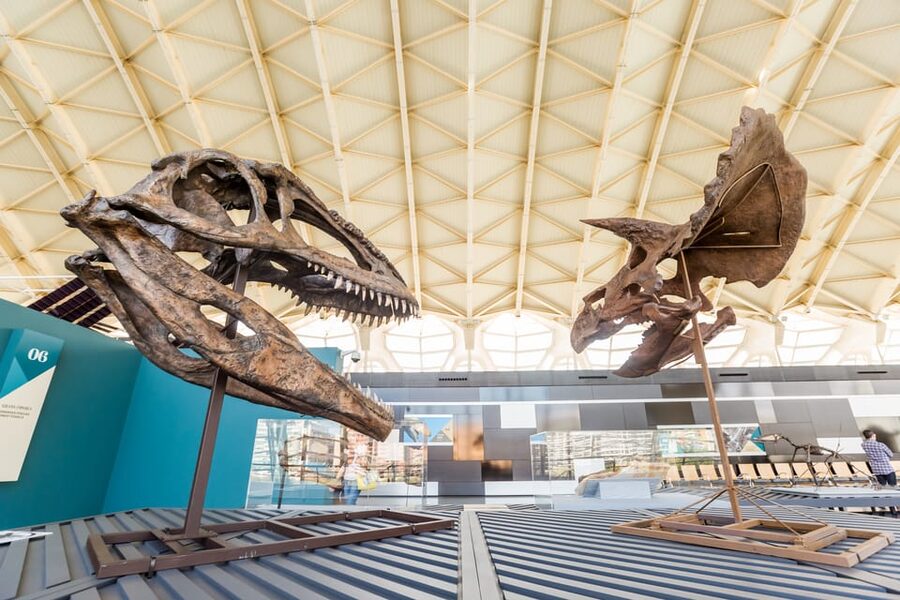
You present your voucher at the entrance of Ciudad de Las Artes y Las Ciencias. The complex is in the city center, a few minutes from downtown, so the location is convenient for adding the museum to a day in Valencia.
Allow a little time to identify the correct entrance and understand the queues. One booking experience involved confusion over three different lines, and an attempt to book online resulted in a duplicate booking. That does not mean you should avoid the museum, but it does mean you should pause, read the signs, and confirm where voucher holders should go before joining a queue.
The digital voucher is scanned at the entrance. Keep it ready on your phone, and check that the correct booking is open before you approach the desk or gate.
The museum is wheelchair accessible. The large interior and broad exhibition areas also make it relatively easy to walk around, although the amount of space means you may cover a lot of ground during the day.
Food and breaks inside the complex
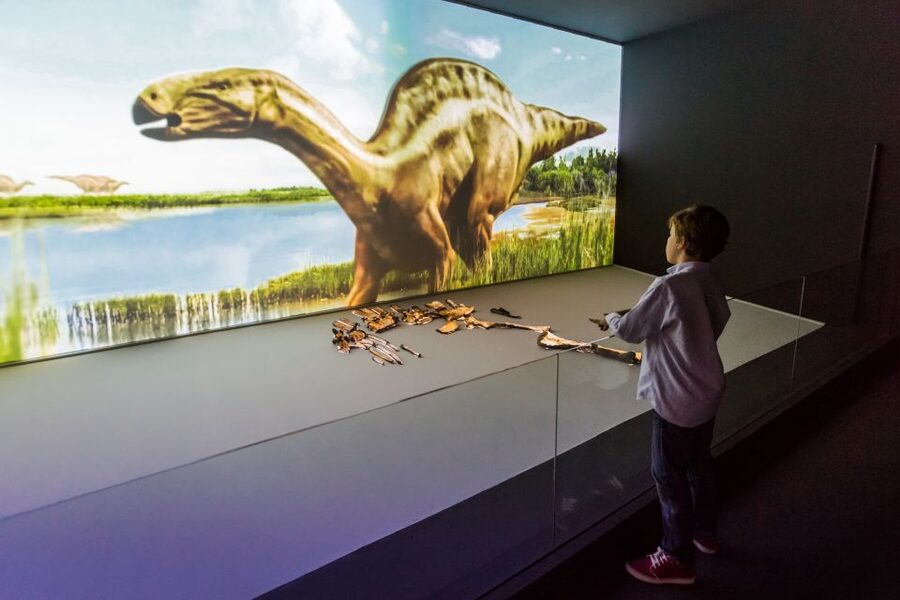
The museum is large enough that you may want a break before you finish. A cafeteria is available on the main floor, but the food selection may not suit you if you are looking for healthy choices.
For a full-day visit, plan your eating time rather than waiting until everyone is tired. The supplied details do not specify the full cafeteria menu or outside food rules, so check the current arrangements before relying on a particular meal plan.
The surrounding City of Arts and Sciences gives you a useful option after the museum. You can leave, walk around the striking buildings, take photographs, and continue your day nearby. That is also a good way to give children a change of pace after several hours indoors.
Who will enjoy this museum most?
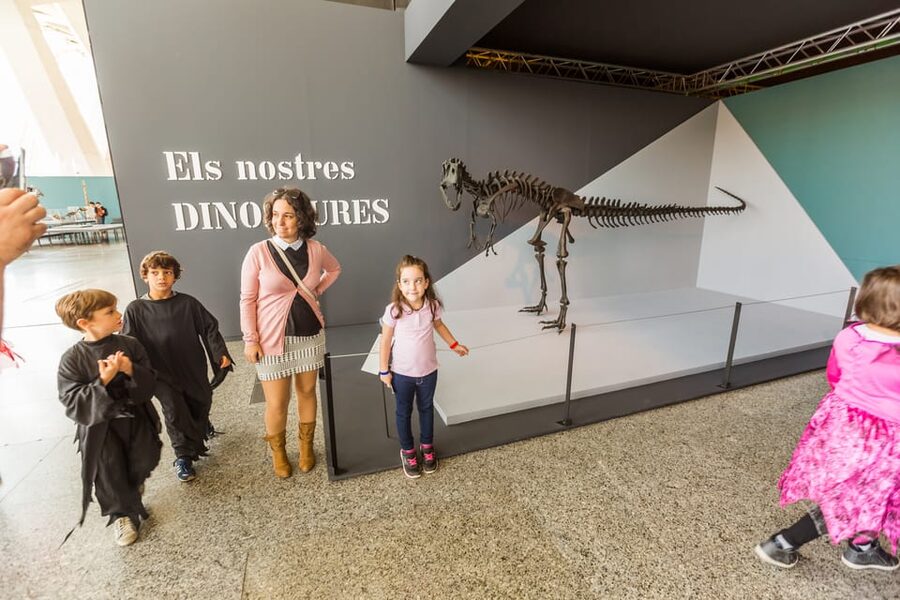
I would recommend it first to families with older children and teenagers. A nine-year-old can enjoy the touchable exhibits, while teenagers have enough subject matter to keep the visit from feeling childish. The Electricity Theatre gives the group one shared attraction, and the building itself adds a strong visual reward.
It also suits adults who like science museums and do not need a guide to tell them where to go. You can spend time at the subjects that interest you, from electricity to biometrics, without being tied to a group schedule.
It is less ideal if you want a quiet art museum, a short guided tour, or a carefully ordered historical story. The displays cover many topics, and some areas may feel more engaging than others. One adult couple found the visit good but thought it could have been more interesting, which is a fair warning for anyone without a strong interest in interactive science.
The architecture makes the museum worthwhile even for a mixed group. Someone who is less interested in the exhibits can still enjoy the building, the surrounding complex, and the chance to take photographs outside.
Should you book the Príncipe Felipe Science Museum?
Book it if you want a family-friendly science experience with plenty of touching, testing, and moving around. The $11 price is good for a full day, the City of Arts and Sciences setting is memorable, and the Electricity Theatre gives the visit a live feature that most standard museums do not offer.
I would give it extra weight when traveling with children aged 4 to 12 or with teenagers. If you are visiting in 2025, the Leonardo da Vinci exhibition adds another strong reason to go.
Skip it if you want a short, tightly guided museum or if interactive displays are not your thing. For everyone else, set aside at least half a day, arrive with your voucher ready, and leave time to explore the remarkable buildings outside.
FAQ
How much does admission to the Príncipe Felipe Science Museum cost?
The listed price is $11 per person. Children aged 4 to 12 receive a reduced rate, and children from 0 to 3 enter free.
How long is the ticket valid?
The ticket is valid for one day. You can use that day to explore the exhibition floors at your own pace.
What does the admission include?
Admission includes access to all exhibition floors of the Príncipe Felipe Science Museum.
Are guided tours included?
No. Guided tours are not included in the admission.
Is the museum wheelchair accessible?
Yes. The activity is wheelchair accessible.
Where do I present the voucher?
Present your voucher at the entrance of Ciudad de Las Artes y Las Ciencias in Valencia. The complex is located in the city center, a few minutes from downtown.
What are the museum’s seasonal opening hours?
In the low season, from January 7 to March 21 and October 16 to December 23, hours are 10 a.m. to 6 p.m. Monday through Thursday and 10 a.m. to 7 p.m. Friday through Sunday. Medium-season hours are generally 10 a.m. to 7 p.m., and high-season hours from June 24 to September 10 are 10 a.m. to 9 p.m. Check availability for the date you plan to visit.
Just added in Valencia
- Valencia: Pobla de Farnals JetSki Rental, photos &BeachClub★ 4.8 · 179 reviews
- Albufera of Valencia: Guided boat ride around the Albufera★ 4.5 · 197 reviews
- Valencia: Tapas and Drinks Evening Tour★ 4.7 · 334 reviews
- Valencian paella cooking class, tapas and visit to Ruzafa market.★ 5.0 · 828 reviews
- Valencia: Catamaran Cruise, Paella Lunch and Swim Stop★ 4.0 · 445 reviews
- Valencia: Paella Cooking Class with Central Market Tour★ 5.0 · 721 reviews
- Valencia: Top 25 Highlights Guided Bike Tour★ 4.8 · 644 reviews
- Valencia Bike Tour★ 4.6 · 826 reviews
Museums, compared.

FC Barcelona Museum “Barça Immersive Tour” Ticket
Read our review →
Park Güell and Gaudí House Museum Entry Ticket
Read our review →
Puro Flamenco Show with Optional Museum Ticket
Read our review →
Girona & Dali Museum Small Group Tour with Pick-up from Barcelona
Read our review →
Oceanogràfic, Hemisfèric & Science Museum Combo
Read our review →Browse the lists this tour appears in