
Reviewed · MUSEUMS
Barcelona: Small Group Picasso Tour with Picasso Museum
Picasso’s Barcelona comes alive before you even enter the museum. You’ll walk past the cafés, schools, streets, and meeting places that shaped him as a young artist, then see that early work in the Picasso Museum. The clever part is the order: first the city, then the paintings.
I like the nine-person group limit, which gives the guide room to answer questions. I also like the stop at Els Quatre Gats, where Picasso held his first exhibition and designed the café’s menu. The main consideration is time: two hours gives you a strong introduction, but only about an hour inside a museum with more than 4,200 works.
Key points to know before booking
- Picasso’s early Barcelona is the focus: The route follows his teenage years and young adulthood rather than trying to cover his entire life.
- Els Quatre Gats is a standout stop: This famous café linked Picasso with Barcelona’s artists, poets, and other bohemian figures.
- The museum visit is tightly guided: You’ll see key works, including the Las Meninas series, childhood drawings, portraits, ceramics, and engravings.
- Small groups make a difference: With a maximum of nine people, it is easier to hear the guide in busy old-town streets.
- The walking route uses headphones: Bring a charged phone and headphones, and wear shoes suited to uneven city streets.
- The value is strongest for first-time visitors: At $46, you are paying for a guide, museum admission, skip-the-line access, and a focused introduction to Picasso.
Why this tour works better than visiting the museum alone
The Picasso Museum can be hard to read without context. Its displays are arranged across five Gothic palaces, and its collection is especially strong in Picasso’s early work. If you enter without a plan, you may admire the famous name while missing the changes in skill, mood, and technique that make the collection worthwhile.
This tour gives you a framework before you see the art. You begin in the city where Picasso studied, worked, socialized, and formed his first artistic circle. By the time you reach the museum, his paintings are no longer isolated objects behind glass. You have already heard why Barcelona mattered to him.
I particularly like this approach for anyone who knows Picasso mainly through Cubism. The tour spends time on the young artist, his technical command, his friends, and the city around him. That helps you see the later experiments as part of a long development, not as a sudden break from traditional painting.
The format also suits visitors who want an introduction without committing to a full-day art program. Two hours is short enough to fit before lunch or another central Barcelona sight. The tradeoff is that you will not see every room in detail, especially the museum’s ceramics and sculpture. One visitor specifically wanted more time with those works, so keep that in mind if three-dimensional art is your main interest.
A few more things to do in Barcelona worth a look
- Barcelona: FC Barcelona Museum “Barça Immersive Tour” Ticket
★ 4.4 · 10,944 reviews - Barcelona: Park Güell and Gaudí House Museum Entry Ticket
★ 4.5 · 6,326 reviews - Barcelona: Picasso Museum Skip-the-Line Guided Tour
★ 4.5 · 3,355 reviews
Starting at Plaça de Catalunya
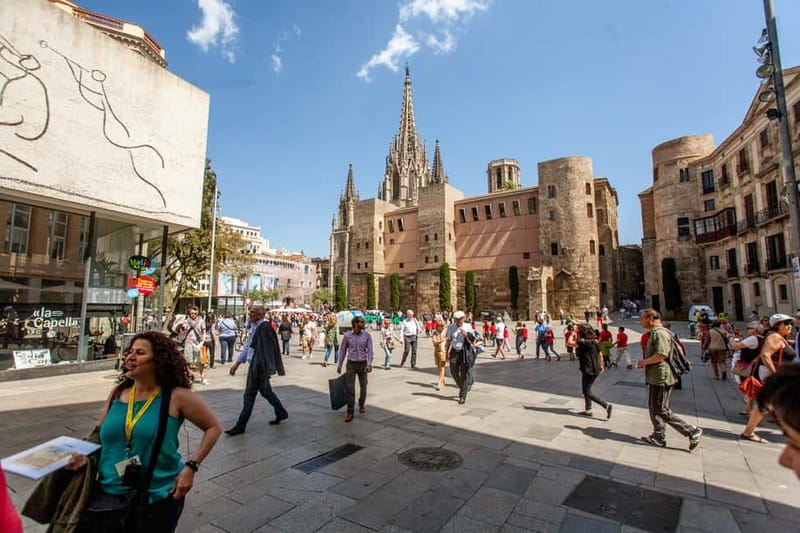
The meeting point is the Tourist Information Point at Plaça de Catalunya, 17-S. Look for the escalators between two large pillars and go down to reach the office. Give yourself extra time to find it, since the square has several entrances, busy pedestrian flows, and more than one tourist information area.
The route begins in central Barcelona and then moves into the Gothic Quarter. This is a practical starting point because Plaça de Catalunya is easy to reach and puts you close to the old city. It also gives the guide a chance to explain how modern Barcelona connects with the older streets below.
Bring comfortable shoes. The walk is only about 50 minutes, but old-town paving and frequent stops can make a short route feel longer than expected. Large bags and luggage are not allowed, so this is not a good activity to schedule while carrying suitcases.
Plaça Reial and the young Picasso
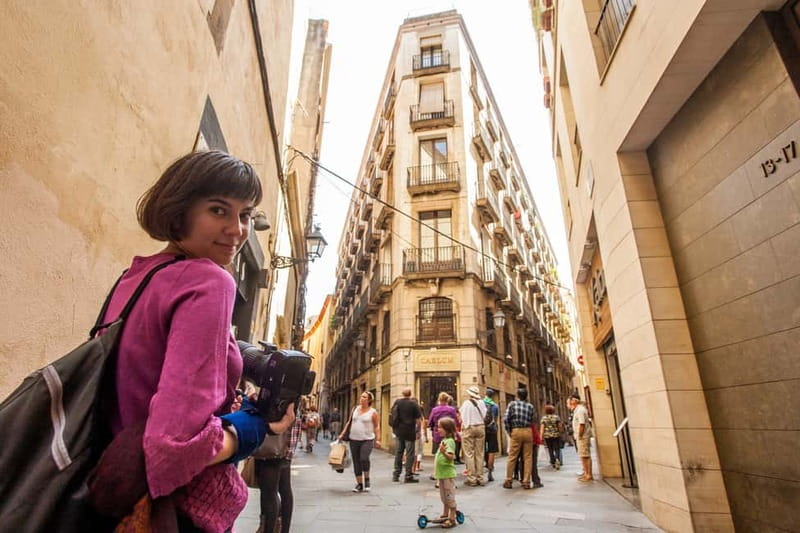
Plaça Reial is one of the early places connected with Picasso’s Barcelona. The tour uses the square to help you picture the young artist watching café life and sketching the people around him. The setting gives you a useful link between ordinary street scenes and the subjects that later appeared in his work.
This part is less about seeing a famous Picasso painting on location and more about understanding how he looked at the city. Your guide may connect the square with the social world that influenced his Blue Period, along with the cafés, street life, and less polished corners of the old city.
That city context is one of the strongest parts of the experience. The tour is not limited to museum labels. It shows you how Picasso’s surroundings could feed his imagination, especially during a period when Barcelona was full of artists, political ideas, nightlife, and competing styles.
Llotja de Mar and Picasso’s remarkable training
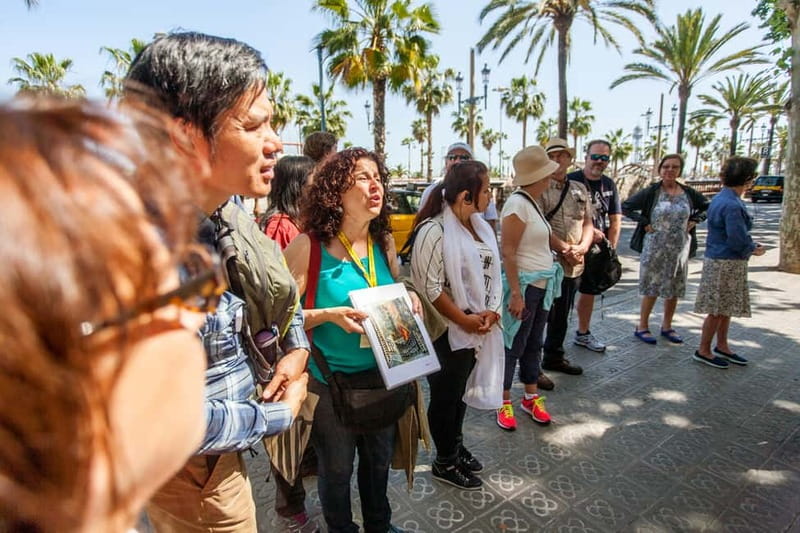
The route continues to Llotja de Mar, the prestigious art academy where Picasso entered at age 13. That detail matters. It places him in Barcelona not simply as a gifted child, but as a very young student already capable of impressing established teachers.
The stop helps explain the technical control visible in his early drawings and paintings. Picasso is often presented as an artist who broke rules, but the museum’s early works show someone who first learned the rules extremely well. Seeing that progression makes his later choices easier to understand.
Your guide’s job here is to connect the building and the young student with the works you will see later. Several guides praised during the tour experience, including Olga Escribano, Jorge, Julie, Pilar, Ali, Jordi, and Sylvie, were singled out for clear storytelling and strong command of Picasso’s life. Guides can vary, but the format is designed around a live English or French-speaking guide rather than a simple audio recording.
Same base, a different kind of day out:
- Barcelona: Sagrada Familia Entry Ticket with Audio Guide
★ 4.6 · 105,312 reviews - Barcelona: Park Güell Admission Ticket
★ 4.4 · 76,534 reviews - Barcelona: Casa Batlló Entry with Self-Audioguide Tour
★ 4.7 · 25,359 reviews - Barcelona: 24 or 48-Hour Hop-On Hop-Off Bus Tour
★ 4.4 · 20,872 reviews
Els Quatre Gats, Picasso’s bohemian meeting place
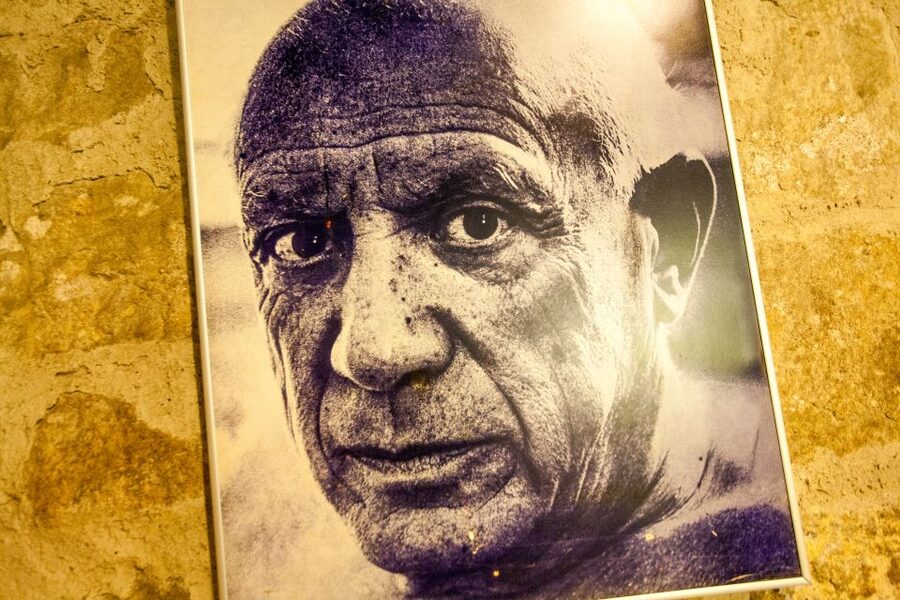
Els Quatre Gats is one of the most memorable stops because it connects Picasso with a real gathering place rather than just a school or museum. At age 18, he held his first exhibition there. He also designed the café’s menu, a small but telling detail that shows how closely art and everyday life mixed in this circle.
The café became a meeting place for Barcelona’s artistic rebels. The tour uses it to explain the people Picasso knew, the arguments and ideas circulating around him, and the role of cafés in creative life at the time. You will spend about 10 minutes here, so expect an atmospheric introduction rather than a long sit-down visit.
This is also where the tour can feel most personal. The guide may tell stories about Picasso’s friendships with poets, anarchists, and fellow artists, along with the less respectable sides of old Barcelona, including brothels, circuses, and street life. Those details help explain why the city appealed to an ambitious young artist.
Do not expect Els Quatre Gats to carry the whole tour. The stop is brief, and the café is one piece of a larger route. Its value comes from the connection between the room, Picasso’s first exhibition, and the creative circle that surrounded him.
Picasso’s only public artwork in Barcelona
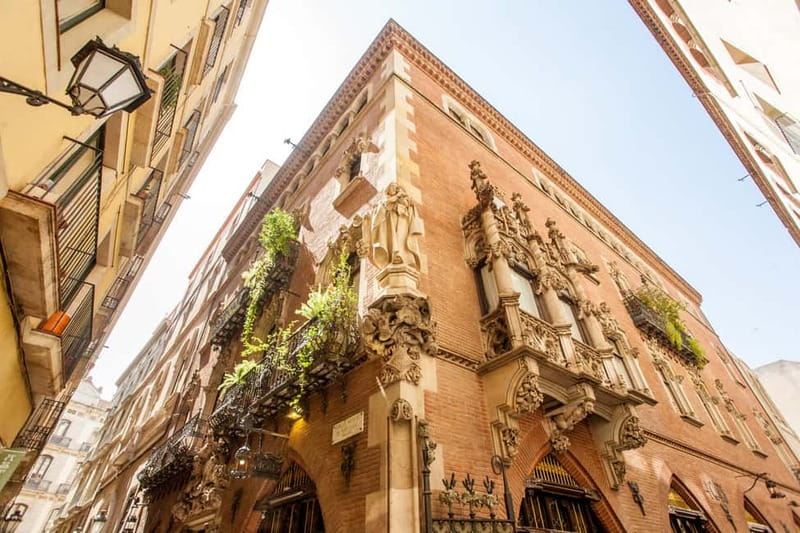
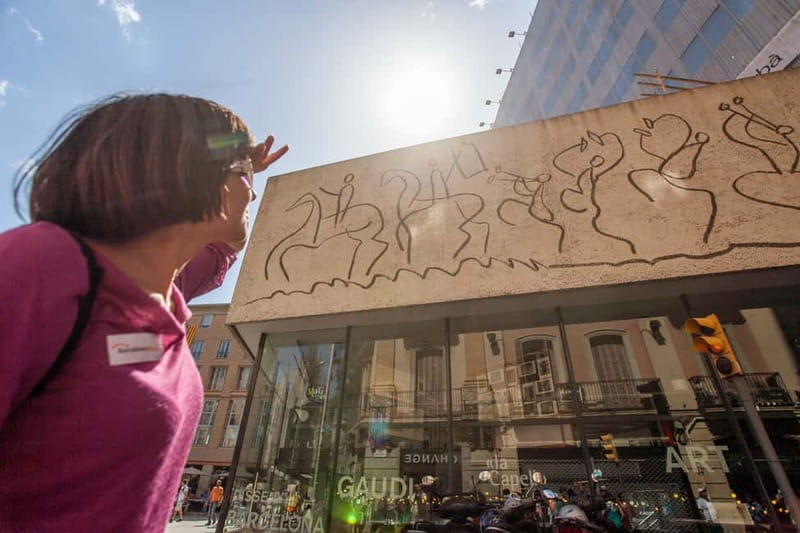
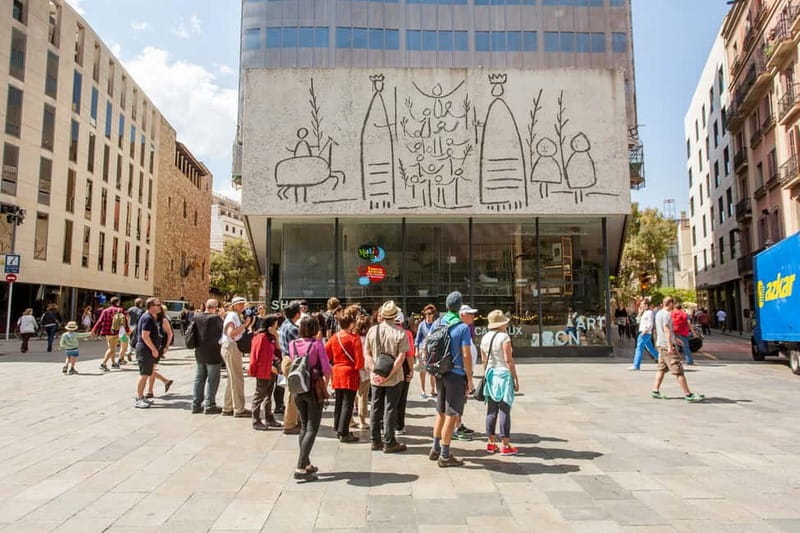
The walking route includes the Architects’ Association Building, where you can see Picasso’s only public artwork. It is easy to miss if you are moving through the city without a guide, which makes this stop especially useful.
The work is a frieze, and the guide gives it a place within Picasso’s wider career. You do not need to be an art specialist to appreciate the point: this is a rare chance to see Picasso’s work in a public setting rather than inside a museum.
The stop also breaks up the museum-heavy part of the experience. You are not just being taken from one ticketed attraction to another. You are seeing how Picasso’s presence appears in Barcelona’s streets and buildings, sometimes in places that are not obvious from a standard sightseeing route.
Inside the Picasso Museum’s five Gothic palaces
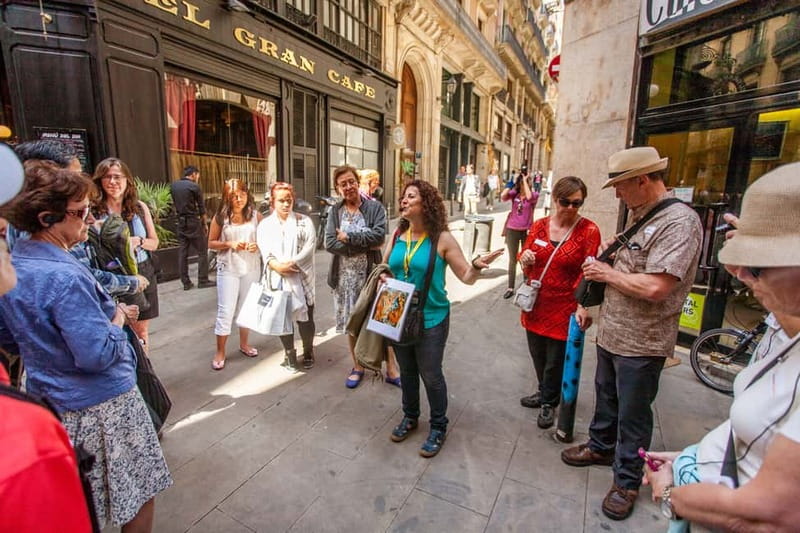
The final major section is the guided visit to Museu Picasso, lasting about an hour. Skip-the-line entry is included, which matters at a popular Barcelona museum. You spend less time waiting and more time looking, though security and museum procedures can still affect the exact pace.
The museum contains more than 4,200 works across five Gothic palaces. That is far too much to cover properly in one hour, so the guide has to make choices. The benefit is a focused route through important stages of Picasso’s development. The cost is that you will leave many rooms unexplored.
Expect to see childhood sketches, early paintings, portraits of friends and lovers, ceramics, engravings, and Picasso’s complete Las Meninas series. The 1957 series is especially useful because it shows Picasso returning to Velázquez and reworking a major Spanish painting through his own visual language.
The early drawings deserve close attention. They show a level of control that can be overlooked when people focus only on Picasso’s most radical work. The museum visit works best when you compare these precise early studies with the later distortions, rearrangements, and changes in color and form.
A good guide will also explain how Picasso’s style shifted with events in his life. Several guides were praised for making those connections clear, including Olga Escribano, who was noted for explaining the reasons behind Picasso’s different periods. That kind of explanation is more useful than a list of dates because it gives you a way to look at the paintings.
At the end, you may be left to continue exploring the museum on your own. This is helpful if you want to linger, but plan your expectations carefully. The included guided portion is about an hour, not an all-day museum pass with extended commentary on every medium.
What the $46 price really buys you
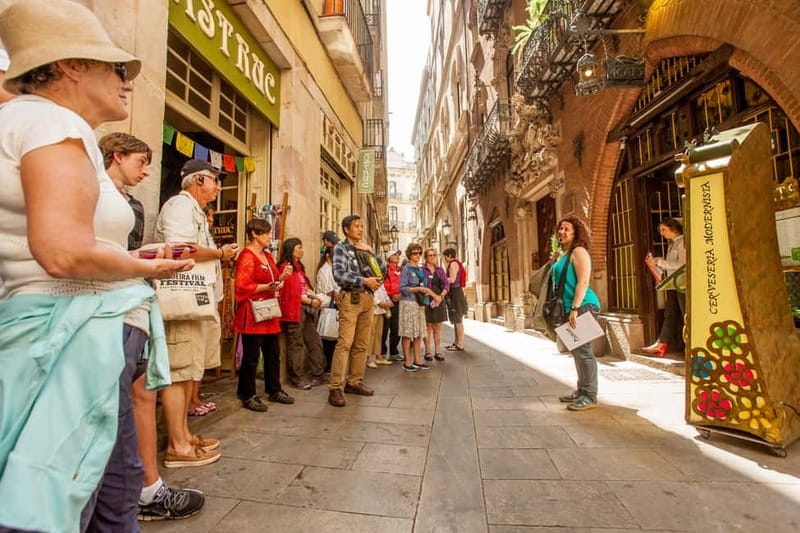
At $46 per person, this is not the cheapest way to enter the Picasso Museum. You are paying for more than admission, though. The price includes the bohemian Barcelona walk, a live guide, museum entry, and skip-the-line access, with the group limited to nine people.
I consider that fair value if you want the city connection. A museum ticket alone cannot show you Els Quatre Gats, Llotja de Mar, Plaça Reial, or Picasso’s public frieze. A general Gothic Quarter walk may show you the streets but not explain how they relate to Picasso’s training and artistic circle.
The small group is important. In a large group, a narrow street or busy museum room can make it hard to hear. Here, the limit of nine allows for questions and a more flexible pace. Several highly rated guides, including Jorge, Olga, Catarina, and Stephen, were praised for making the subject clear and engaging, though the guide you receive depends on the date and language.
The value drops if you already know the museum well or mainly want independent time with the collection. In that case, the one-hour guided visit may feel too selective. You may prefer to visit alone and set your own pace.
Timing, meeting details, and simple preparation
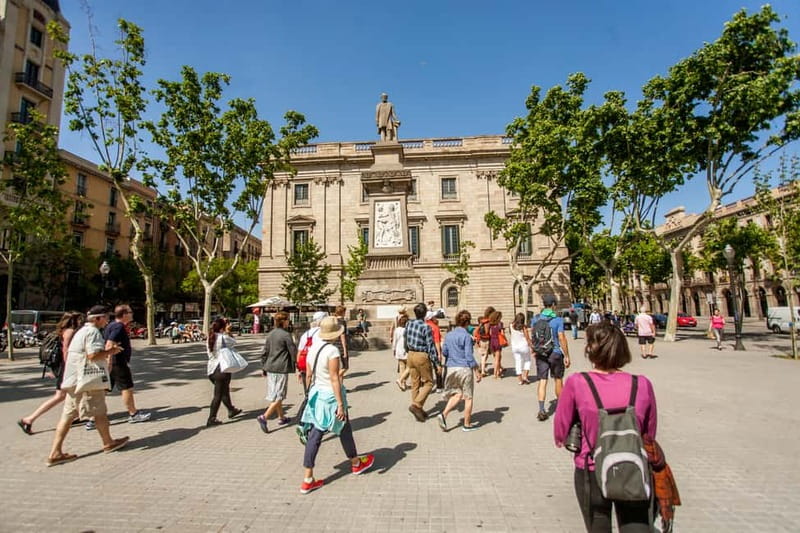
The activity lasts two hours, with starting times shown when you check availability. English and French live guides are offered, and an English audio guide is optional. Headphones and a charged smartphone are listed among the items to bring, so prepare those before leaving your hotel.
Arrive early. One person missed the first walking section after going to the wrong place at the wrong time, though the museum portion still went ahead. That is an avoidable loss, since the neighborhood walk is half the point of booking this experience.
The route ends at the Picasso Museum according to the stated itinerary. The meeting information also describes the activity as ending back at the meeting point, so confirm the final location when you book or meet the guide. Either way, the museum is the key final stop, and you should not schedule a tight connection immediately afterward.
The tour does not allow pets, luggage, or large bags. If you are arriving from a train station or checking out of a hotel, store your bags first.
Who will enjoy this Picasso walk
This tour suits you if you want a clear introduction to Picasso and Barcelona in the same outing. It is especially useful for first-time visitors, art lovers who want more context, and anyone who finds modern art easier to understand when a guide explains the steps that led to it.
It also works well for couples or small families who prefer conversation over a large group lecture. The walking section is short, and the museum portion is focused rather than exhausting.
You may want another plan if you need a wheelchair-friendly route, although no accessibility details are provided. You should also choose a different format if you want a long, specialist examination of ceramics, sculpture, or every period of Picasso’s career. The tour is an introduction with selected highlights, not a complete art course.
Should you book the Picasso Museum tour?
Book it if you want to understand how Barcelona shaped Picasso, not merely look at his best-known paintings. The combination of Plaça Reial, Llotja de Mar, Els Quatre Gats, the public frieze, and the museum gives you a useful story in a compact two-hour format.
I would especially choose it early in a Barcelona visit. The route gives you a better sense of the Gothic Quarter and leaves you at the museum with enough context to continue looking on your own.
Skip it if you already know the Picasso Museum well, need a slow museum visit, or care mainly about sculpture and ceramics. For most first-time visitors with a serious interest in Picasso, though, the $46 price is reasonable because it joins the city and the collection instead of treating them as separate sights.
FAQ
How long does the Picasso tour last?
The activity lasts two hours. The Gothic Quarter walking section takes about 50 minutes, Els Quatre Gats about 10 minutes, and the guided Picasso Museum visit about one hour.
Where does the tour start?
It starts at the Tourist Information Point at Plaça de Catalunya, 17-S, Barcelona. Go down the escalators between two large pillars to reach the information point.
Where does the tour finish?
The stated route finishes at the Museu Picasso de Barcelona. The meeting information also describes the activity as ending back at the meeting point, so confirm the final location when you book.
Is museum admission included?
Yes. The guided visit to the Museu Picasso and entrance fees are included, along with skip-the-line access.
What languages are available?
Live guides are available in English and French. An optional English audio guide is also listed.
How large is the group?
The tour is limited to nine participants, making it a small-group experience.
What should I bring?
Bring comfortable shoes, headphones, and a charged smartphone. Pets, luggage, and large bags are not allowed.
Just added in Barcelona
- Welcome to Barcelona: Private Tour with a Local★ 4.6 · 200 reviews
- Barcelona: White Rabbit Catalonia’s Top Immersive Experience★ 4.7 · 359 reviews
- Bean to Bar Chocolate Workshop in Barcelona★ 5.0 · 172 reviews
- Barcelona: Walking tour with Montjuic Castle & Cable Car★ 4.7 · 832 reviews
- Barcelona: Welcome to Barcelona Segway Tour★ 4.9 · 153 reviews
- Barcelona: Helicopter Flight with Optional Yacht Cruise★ 4.7 · 224 reviews
- Barcelona: The Original Barcelona Boat Party★ 3.9 · 254 reviews
- Barcelona: Banksy Museum, Permanent Exhibition Ticket★ 4.7 · 392 reviews
Museums, compared.

FC Barcelona Museum “Barça Immersive Tour” Ticket
Read our review →
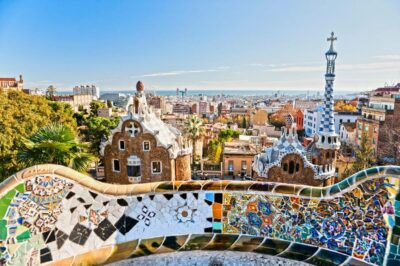
Park Güell and Gaudí House Museum Entry Ticket
Read our review →
Puro Flamenco Show with Optional Museum Ticket
Read our review →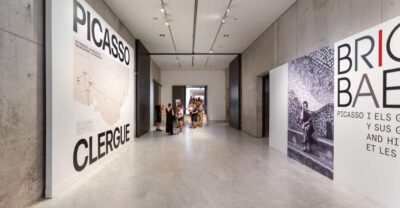
Girona & Dali Museum Small Group Tour with Pick-up from Barcelona
Read our review →
Oceanogràfic, Hemisfèric & Science Museum Combo
Read our review →Browse the lists this tour appears in