
Reviewed · MUSEUMS
Picasso Small Group Walking Tour with Museum Skip the Line Ticket
Picasso’s Barcelona comes into focus on foot. This two-hour tour links the cafés, school, streets, and old-city corners that shaped him as a young painter, then takes you into the Picasso Museum with a skip-the-line ticket. The real payoff is seeing his early work in the setting that helped form it.
I like two things here: first, the route gives you a useful introduction to the Gothic Quarter and La Ribera instead of dropping you straight at a museum door. Second, the guide-led museum visit helps you follow Picasso’s development from gifted boy to daring young artist. The small group, capped at 10, should also make it easier to ask questions.
The main caution is pace. Two hours is enough for an intelligent introduction, not a slow study of every gallery. English is offered, but one booking error resulted in a French-language guide, so confirm your language and meeting details before setting your schedule.
Key points to know before booking
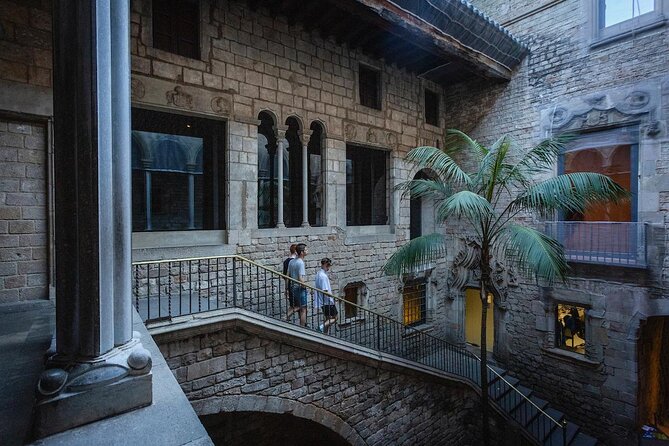
- Picasso’s Barcelona runs from 1895 to 1905: The tour focuses on the years when the young artist studied, painted, and found his creative circle in the city.
- El Quatre Gats adds social context: This famous café was a meeting place for Barcelona’s avant-garde artists and an important stop on Picasso’s early path.
- The museum visit centers on his formative years: Your guide points out key works from a collection of more than 4,000 Picasso pieces.
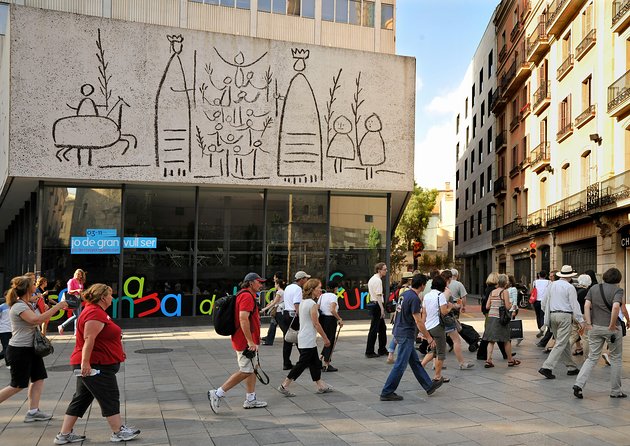
- The walk includes Picasso’s only open-air works: The three friezes at Frisos del Col-legi d’Arquitectes are unusual stops on an art tour.
- The group is limited to 10 people: That is a useful size for questions and for keeping together in the old city.
- The price is $48.06 per person: With museum admission included, it can be good value if you want context rather than a quick self-guided visit.
Why this tour makes Picasso easier to understand
Picasso is often presented through his most famous later paintings: fractured faces, bold colors, and forms that seem to ignore ordinary rules. This walk starts earlier, when he was still learning how to draw, studying old masters, testing ideas, and finding his place among Barcelona’s artists.
That choice gives the tour a clear purpose. You are not simply looking at famous paintings. You are following the young Picasso through the city during periods when he lived there between 1895 and 1905. His Barcelona years helped shape his eye, his friendships, and his view of art.
I find this useful because the Picasso Museum is strongest when you understand the stages of his early work. A guide can point out what changed from one period to the next and explain how family, friends, schooling, and the city affected his direction. Several guides, including Alex, Sylvia, Pilar, Danielle, Iris, and Alli, have been singled out for keeping that story lively and personal.
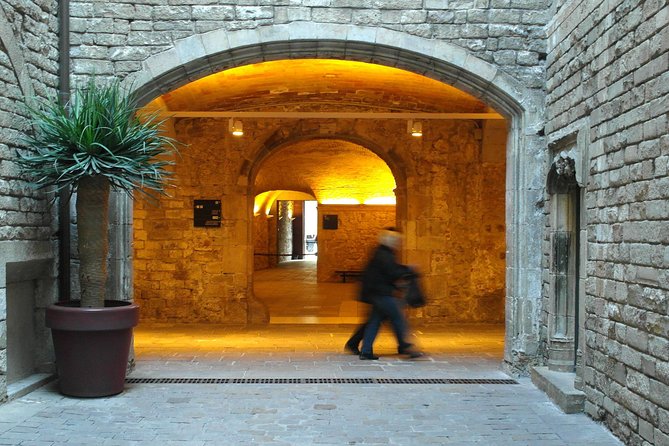
The tour also gives you a short introduction to old Barcelona. You pass through streets in the Gothic Quarter and La Ribera, where medieval lanes and later artistic life sit close together. Picasso’s story becomes part of the city rather than an isolated museum subject.
A few more things to do in Barcelona worth a look
- Barcelona: FC Barcelona Museum “Barça Immersive Tour” Ticket
★ 4.4 · 10,944 reviews - Barcelona: Park Güell and Gaudí House Museum Entry Ticket
★ 4.5 · 6,326 reviews - Barcelona: Picasso Museum Skip-the-Line Guided Tour
★ 4.5 · 3,355 reviews
Starting at Plaça de Catalunya
The meeting point is the Oficina d’Atenció Turística at Plaça de Catalunya, 17. This is a practical central location near public transportation, but allow time to find the exact office and meet the guide before the departure time.
The opening section sets the period. Your guide explains Picasso’s connection to Barcelona and the creative climate he encountered as a young man. This context matters because the tour is less about the mature celebrity and more about the artist in formation.
You will be walking through central streets, so comfortable shoes are sensible. The route is approximately two hours and ends at Carrer de Montcada, 23, in Ciutat Vella. There is no hotel pickup, and food and drinks are not included.
The small-group limit of 10 is one of the strongest practical features. A large art walk can become a procession, with the guide speaking to the front while everyone else tries to hear. A group this size should make it easier to stay together and ask about a painting, a street, or a detail you do not understand.
El Quatre Gats and Picasso’s creative circle
One of the early stops is El Quatre Gats, the well-known Barcelona café where Picasso socialized with other creative people. The café is important because it helps explain the social side of his development. Art was not made in a vacuum, and Picasso’s contact with Barcelona’s avant-garde scene gave him a place to exchange ideas and test his identity as an artist.
Your guide uses the stop to connect the physical setting with Picasso’s early career. You learn about the people and events that influenced him, rather than hearing only a list of dates and paintings.
This is also a good point to ask questions. The guides who have received the strongest praise, including Alex and Sylvia, are described as welcoming and willing to encourage conversation. Pilar has also been noted for her passion for both Picasso and the city’s past.
The café stop is viewed from the route, but the supplied details do not promise a meal or a long interior visit. Think of it as a historical marker within the walk, not a café reservation.
Llotja Mar, the school where Picasso trained
The walk continues to Llotja Mar, the art school where Picasso worked on his training as a painter. This stop helps balance the popular image of Picasso as an effortless rule-breaker. Before he transformed modern art, he learned the discipline of drawing and painting.
That distinction is valuable inside the museum. You can better appreciate the contrast between technically controlled early pieces and later works that appear to reject conventional form. A guide can show you that experimentation came after serious study, not instead of it.
The route also pauses at places connected with Picasso’s own painting. The details of each stop can vary with the guide and the flow of the streets, but the point is consistent: you are seeing Barcelona through the locations connected to his youth.
The walk is not only an art lesson. It is also a gentle orientation to the old city. If you are new to Barcelona, you will get a first look at the Gothic Quarter and La Ribera before spending time in the museum.
Same base, a different kind of day out:
- Barcelona: Sagrada Familia Entry Ticket with Audio Guide
★ 4.6 · 105,312 reviews - Barcelona: Park Güell Admission Ticket
★ 4.4 · 76,534 reviews - Barcelona: Casa Batlló Entry with Self-Audioguide Tour
★ 4.7 · 25,359 reviews - Barcelona: 24 or 48-Hour Hop-On Hop-Off Bus Tour
★ 4.4 · 20,872 reviews
Picasso’s three open-air friezes
The Frisos del Col-legi d’Arquitectes are among the tour’s most distinctive stops. These three friezes represent Picasso’s only open-air works, so they offer something different from the paintings inside the museum.
Public art changes how you encounter an artist. Instead of standing in a quiet gallery, you see Picasso’s work as part of Barcelona’s streets and buildings. It gives the walking portion a clear reason to exist, rather than making it feel like a long transfer to the museum.
Your guide explains the significance of the friezes and places them within Picasso’s wider career. Since the tour concentrates on his connection to Barcelona, this stop also shows how the artist remained linked to the city beyond his early education and friendships.
The friezes are one reason I would not treat this as a standard museum ticket with a short introduction. The route adds places that a museum visit alone cannot provide.
Through La Ribera to the museum
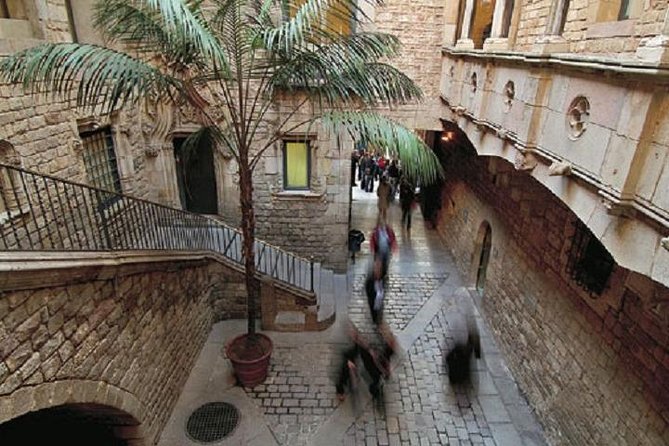
From the Picasso-related stops, the group moves through La Ribera toward the museum. This is a pleasant part of the experience because the old streets give you time to connect the separate pieces of Picasso’s story.
You may hear about places where he painted, people he knew, and events that affected his work. The guide also adds information about the surrounding district, which several guides have done particularly well. Alex, for example, has been praised for explaining both Picasso and the Gothic Quarter, while Danielle has been noted for connecting Picasso’s life in Barcelona with the city itself.
The walk is leisurely rather than a race, but it is still a guided city walk. Expect standing, pavement, and regular movement between stops. The tour information says most people can participate, and service animals are allowed. It does not give a detailed accessibility description, so you should contact the operator if you need specific route information.
This section also helps you arrive at the museum with a mental map. You have heard about Picasso’s school and social circle, seen a public work, and walked through the old neighborhoods tied to his Barcelona years.
Entering the Picasso Museum with a skip-the-line ticket
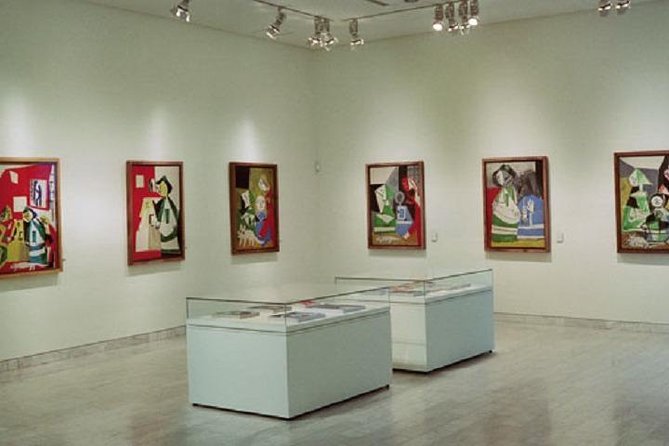
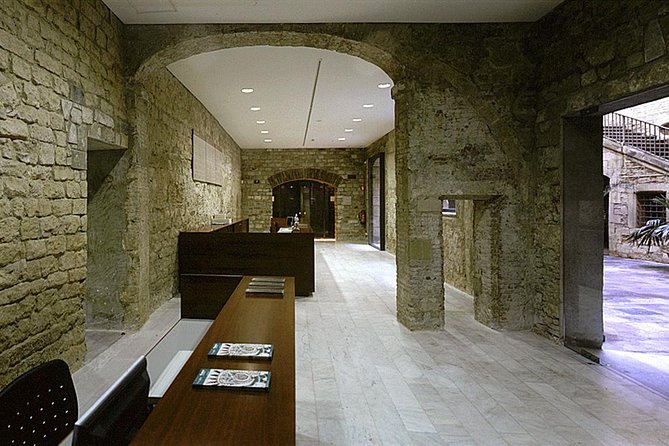
The tour ends at the Picasso Museum on Carrer de Montcada, 23. Your admission ticket is included, and the tour is designed to let you bypass the usual entry queue. That can save valuable time, particularly because the museum is known for long lines.
The collection contains more than 4,000 Picasso works. That number sounds impressive, but it also explains why a guide is useful. You could spend hours moving from room to room without a clear sense of what matters most. During the guided portion, you are directed toward important works, especially those connected with Picasso’s early life and artistic development.
The strongest part of the museum visit is the explanation of change. Your guide discusses Picasso’s methods, the way his work evolved, and the people and events behind particular choices. Guides such as Danielle, Iris, and Sylvia have been praised for making the museum visit clear and engaging, while Alli has been especially warmly remembered for her art-history approach.
You should not expect a private museum opening or an empty building. Other people will be inside, and the museum can feel warm. One person found the heat uncomfortable during the visit, so dress with the indoor conditions in mind, especially in warmer months.
The ticket lets you enter with the group, but you are not required to leave the moment the guided portion ends. The tour finishes at the museum, and you can continue exploring on your own or depart when you are ready.
What the $48.06 price really buys
At $48.06 per person, this is not the cheapest way to enter the Picasso Museum. The value comes from combining three things: a guided old-city walk, a small group, and museum admission.
If you already plan to buy a museum ticket and enjoy reading every label yourself, the added cost may not seem necessary. You could prefer to explore independently and set your own pace.
I think the price works better for you if Picasso is a main interest, if you want help making sense of his early work, or if you have limited time in Barcelona. The guide turns a large collection into a shorter, more manageable visit and adds places outside the museum that you would not fully understand from a gallery map alone.
The strongest value is the connection between the street route and the collection. You learn about the young painter’s education and social world, then see works that reflect that period. The skip-the-line entry is another practical benefit, since time spent waiting is time lost in Barcelona.
The tour is usually booked about 32 days in advance. That suggests planning ahead is sensible, especially if you need a particular day or time. It is offered in English, but check the confirmed language carefully. One booking problem involved a French-language guide, leaving the participants unable to use the tour as planned.
Which guide style suits you best
The experience depends heavily on the person leading it. The guide names connected with especially strong feedback include Alex, Sylvia, Pilar, Danielle, Iris, and Alli. Their praised qualities include clear explanations, enthusiasm, a good walking pace, and a willingness to answer questions.
That matters because Picasso can be difficult to explain. A guide who simply lists facts will leave you with dates and famous titles. A strong guide connects his family, friends, education, and surroundings to the work, then helps you recognize artistic changes in the galleries.
The tour also seems suitable for mixed ages and backgrounds. One guide was praised for talking easily with a group of seven people from different age groups and interests. That is a useful sign if your party includes both serious art fans and people who only know Picasso by name.
Still, guides are individuals, and no two tours will sound exactly alike. If you want a quiet, self-directed museum visit, the ongoing commentary may feel like too much structure. If you enjoy asking questions and hearing stories behind the art, the format should suit you well.
Booking advice and who should take it
Book this tour if you want Picasso’s Barcelona to feel like a connected story rather than a list of sights. It is especially good for a first visit to the Gothic Quarter, a short stay in Barcelona, or anyone who wants a guide to select the museum’s most useful highlights.
It is also a good choice for people who like art explained in plain language. You do not need to arrive as a Picasso specialist. The route begins with his early life and training, so the museum visit has a clear starting point.
You may want another plan if you prefer to spend half a day in the museum, move at your own speed, or return to favorite works several times. Two hours gives you an introduction, not an exhaustive study. The museum is large, and the included visit focuses on selected highlights.
Free cancellation is available up to 24 hours before the start time. Changes or cancellations inside that window are not accepted for a refund, so keep your Barcelona schedule firm once the deadline passes.
Should you book the Picasso walking tour?
I would book it if the combination of old Barcelona streets and early Picasso appeals to you. The café, school, friezes, La Ribera walk, and museum visit work together, and the skip-the-line ticket removes one common hassle.
The best reason to go is not simply the number of paintings. It is the chance to understand why Barcelona mattered to Picasso before he became a household name. At $48.06, the tour offers solid value when you want context, a small group, and a guide who can make a large museum easier to read.
Skip it only if you want a long, independent museum session or cannot commit to the scheduled meeting point and English-language format.
FAQ
How long does the Picasso walking tour last?
The tour lasts approximately two hours.
Where does the tour begin?
It begins at the Oficina d’Atenció Turística, Plaça de Catalunya, 17, in Barcelona.
Where does the tour end?
It ends at the Picasso Museum, at Carrer de Montcada, 23, in Ciutat Vella.
Is admission to the Picasso Museum included?
Yes. A Picasso Museum admission ticket is included in the tour price.
Does the tour include skip-the-line entry?
Yes. The tour includes skip-the-line entrance to the Picasso Museum.
What language is offered?
The tour is offered in English. Check your confirmed booking language carefully, since a language error has caused problems for some bookings.
How large is the group?
The maximum group size is 10 people.
What places connected with Picasso are included?
The route includes El Quatre Gats, Llotja Mar, the three friezes at Frisos del Col-legi d’Arquitectes, places linked with Picasso’s painting, and the La Ribera quarter.
Is food or drink included?
No. Food and drinks are not included.
Can you cancel for a full refund?
Yes, if you cancel at least 24 hours before the experience starts. Cancellations or changes made less than 24 hours before the start time are not accepted for a refund.
More Skip the Line in Barcelona
- Barcelona: Park Guell Guided Tour with Skip The Line Entry
★ 4.7 · 17,563 reviews - Barcelona: Sagrada Familia Skip-the-Line Entry Ticket & Tour
★ 4.8 · 12,789 reviews - Park Guell Guided Tour with Skip the Line Ticket
★ 4.5 · 6,996 reviews - Park Guell and Sagrada Familia Tour with Skip the Line Tickets
★ 5.0 · 6,384 reviews
Just added in Barcelona
- E-Bike tour in Barcelona with English Guide★ 5.0 · 128 reviews
- Barcelona Luxury Yacht Cruise – Day or Sunset, Open Bar & Snacks★ 5.0 · 154 reviews
- Barcelona: Wine Tasting and 5 Course Tapas Pairing Dinner★ 4.5 · 129 reviews
- Barcelona Gothic Quarter Walking Tour with Tapas★ 5.0 · 248 reviews
- Andorra Original History and Sightseeing Tour (Private, Pickup)★ 5.0 · 350 reviews
- Wine Tasting Experience in Barcelona★ 5.0 · 172 reviews
- Entrance to the Mirador Torre Glories Barcelona★ 4.5 · 193 reviews
- Barcelona Wax Museum Admission Ticket★ 4.5 · 237 reviews
Museums, compared.

FC Barcelona Museum “Barça Immersive Tour” Ticket
Read our review →
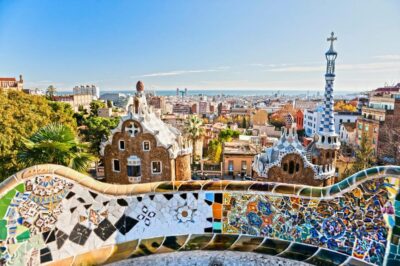
Park Güell and Gaudí House Museum Entry Ticket
Read our review →
Puro Flamenco Show with Optional Museum Ticket
Read our review →
Girona & Dali Museum Small Group Tour with Pick-up from Barcelona
Read our review →
Oceanogràfic, Hemisfèric & Science Museum Combo
Read our review →Browse the lists this tour appears in