
Reviewed · MUSEUMS
Seville: Museum of Illusions Entry Ticket
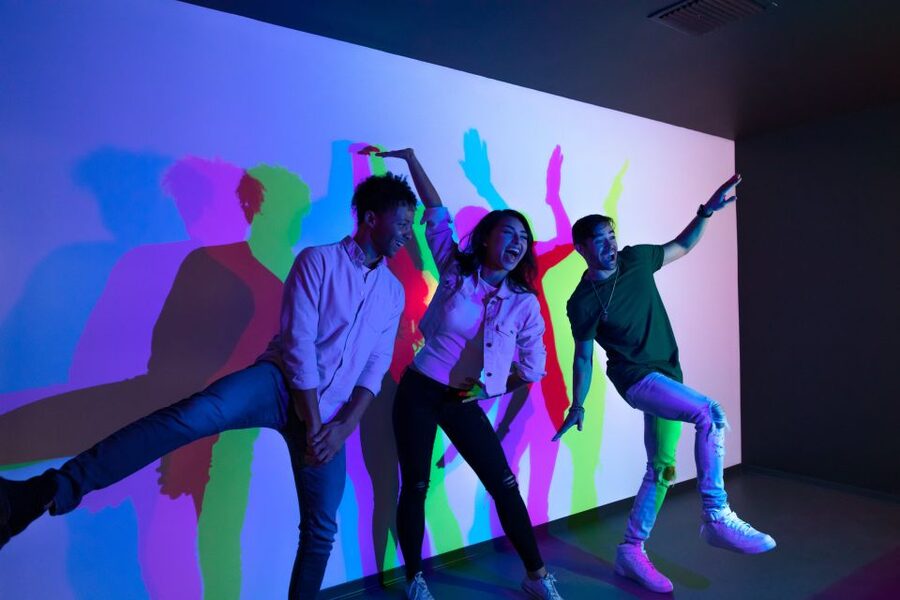
Seville’s Museum of Illusions turns a short indoor visit into a playground for your eyes. You can walk through a vortex tunnel, pose as if gravity has failed in the upside-down room, and take photos that make ordinary perspective look wonderfully silly. It is part science lesson, part photo stop, and part family comedy act.
I like the hands-on exhibits, since you do not simply look at displays behind glass. I also like the friendly staff, who can explain a puzzle or take your picture when you need both hands for the illusion. The main drawback is clear: this is a small, one-floor museum, and some people finish in about 40 to 60 minutes.
Key points to know before you go
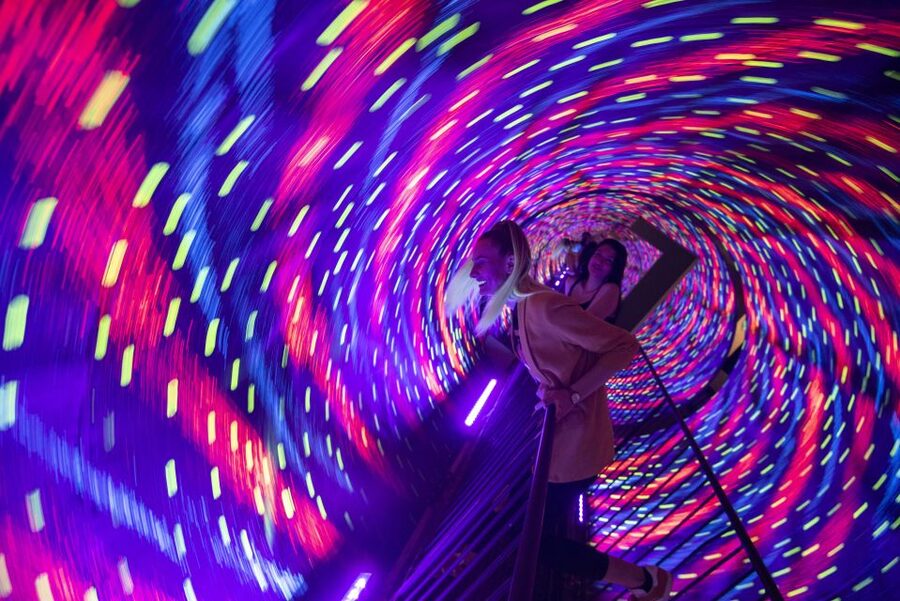
- The vortex tunnel is the big physical hit: Expect your balance and eyes to disagree as you cross it.
- The upside-down and perspective rooms make the best photos: Bring a camera or phone and be ready to retake a few shots.
- This is a self-guided visit: There is no included guide, though staff can help in Spanish or English.
- The museum suits families with children: Puzzles, touchable displays, and visual tricks keep children involved.
- Allow 45 to 75 minutes for a normal visit: You may stay close to two hours if you repeat favorite exhibits and take lots of photos.
- The $17 price is fair only if you value interaction: The museum is entertaining, but its small size may feel costly for a quick stop.
What the Museum of Illusions in Seville is really like
This is not a traditional museum with long labels and a quiet procession from room to room. You move from one visual trick to another, testing what your eyes tell you and then checking that answer against what your body feels.
The displays are designed for participation. You may need to stand in a certain spot, look through a particular angle, touch part of an installation, or ask someone else to take a photo. That makes the visit more social than a standard gallery visit.
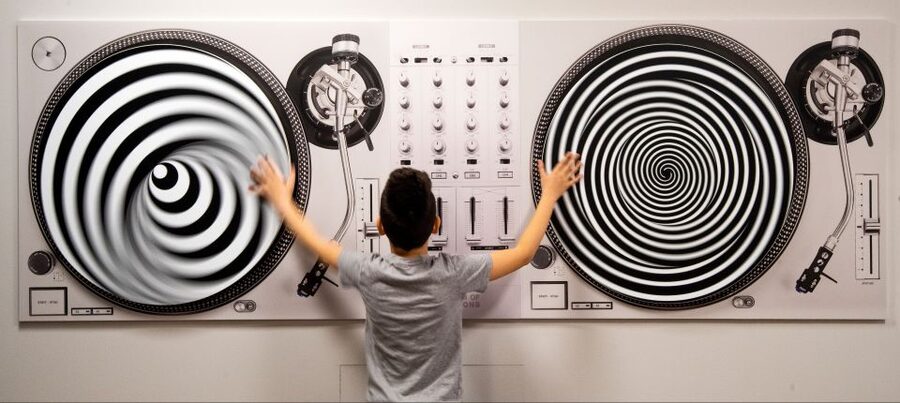
The educational side is simple but useful. You get a practical sense of how scale, light, reflection, movement, and perspective can fool your brain. Children often understand the lesson without needing a formal explanation because the illusion is right in front of them, and they can test it again.
The museum is compact, which is both its strength and its weakness. You can see the main exhibits without spending half a day indoors. On the other hand, a busy visit can feel cramped, especially when several groups are waiting for the same photo point.
A few more things to do in Seville worth a look
- Seville: Puro Flamenco Show with Optional Museum Ticket
★ 4.8 · 6,088 reviews - Madrid: Prado Museum Entry Ticket
★ 4.6 · 17,509 reviews - Barcelona: FC Barcelona Museum “Barça Immersive Tour” Ticket
★ 4.4 · 10,944 reviews
Starting at the reception desk
Your visit begins by showing your voucher at the Museo de las Ilusiones. This is a straightforward entry rather than a scheduled walking tour, and there is no guide leading you from room to room.
Staff speak Spanish and English. Their role matters more than you might expect because many illusions work best when someone takes the photo from the correct place. Staff can also help you understand how to use a puzzle or position yourself for a visual effect.
Do not rush through the first room. The displays may look easy at a glance, but several require you to look closely or try more than one angle. If you are with children, let them test the exhibit before explaining it. The surprise is part of the lesson.
The vortex tunnel and the trouble with balance
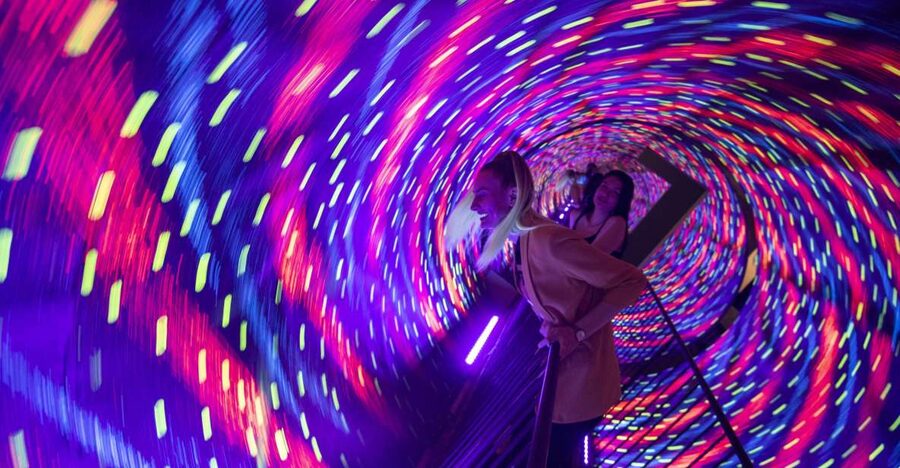
The vortex tunnel is one of the most memorable stops. As you cross it, the moving pattern creates the sensation that the room is turning around you. Your feet are on a solid floor, but your eyes send a very different message to your brain.
Some people find it wonderfully funny. Others feel dizzy, so take your time and step out if the effect becomes uncomfortable. The tunnel is easy to repeat, and one visitor enjoyed going through it several times, which gives you a good idea of its appeal.
This is also where the museum feels most physical. You are not just looking at an optical illusion on a wall. Your balance, vision, and sense of movement all get involved.
The upside-down room and camera tricks
The upside-down room is built for photographs. With the camera held at the right angle, someone can appear to stand on a ceiling or hang from the wrong side of the room. The trick depends on perspective, so the person taking the photo should follow the staff’s instructions.
This room works best with two or more people. One person poses while another takes the picture, then you switch places. Solo visitors can still enjoy it, but they may not get the full comic effect unless another visitor or a staff member helps with the photo.
You will find similar opportunities elsewhere in the museum. The point is not simply to collect a few funny pictures. The photos help you understand how your brain fills in missing information and assumes that a room must work the way an ordinary room works.
Same base, a different kind of day out:
- Seville: Live Flamenco Dancing Show Ticket at the Theater
★ 4.7 · 16,396 reviews - Seville: 1-Hour Guadalquivir River Sightseeing Eco Cruise
★ 4.2 · 10,281 reviews - Seville: Cathedral, Giralda, and Royal Alcázar Guided Tour
★ 4.7 · 9,165 reviews - Seville: Setas de Sevilla Entry Ticket
★ 4.6 · 8,901 reviews
Infinity, holograms, and changing scale
The Infinity Room plays with reflections and repeated images. It gives you the feeling of looking into a space that keeps going, even though you are standing in a limited room. This is a good place to slow down and look at how the reflections change as you move.
The holograms deserve patience. A quick glance may not reveal much, but changing your position can alter what you see. The same advice applies across the museum: move closer, step back, and check the display from the side instead of accepting the first view.
Other installations play with gravity and size. Objects may appear larger, smaller, heavier, or positioned differently than they really are. These displays are especially good for children because the result is immediate. You can see the trick, laugh at it, and then try to work out why it happened.
Puzzles and 3D brain teasers
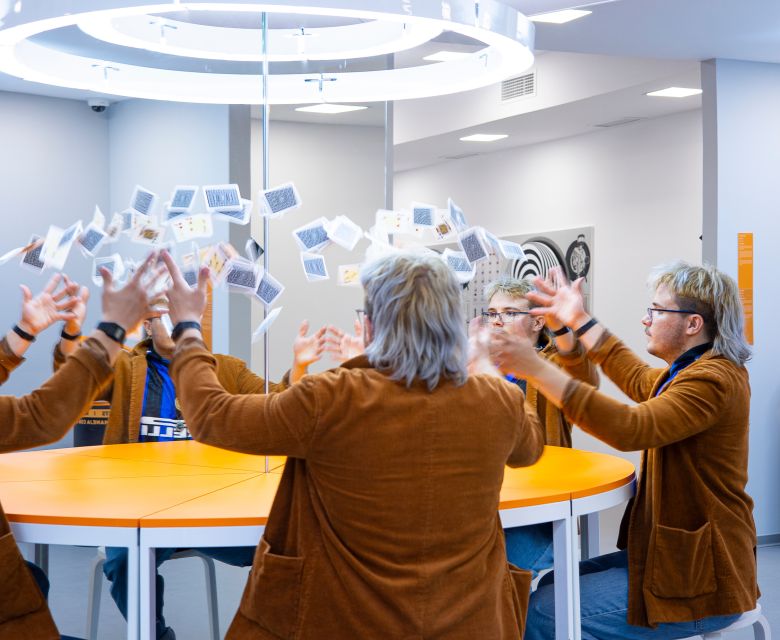
Not every stop is about posing for a photograph. The museum also includes puzzles and 3D challenges that ask you to solve a problem with your hands and eyes.
These are useful if your group includes children who like figuring things out more than posing. They also give adults something to do while waiting for a popular photo room. Some puzzles are quick, while others may hold your attention for a few attempts.
I would not expect a large science center filled with dozens of complex experiments. The puzzles are part of a compact collection, not the main attraction. Still, they add variety and prevent the visit from becoming a series of photo backdrops.
How long should you plan to stay?
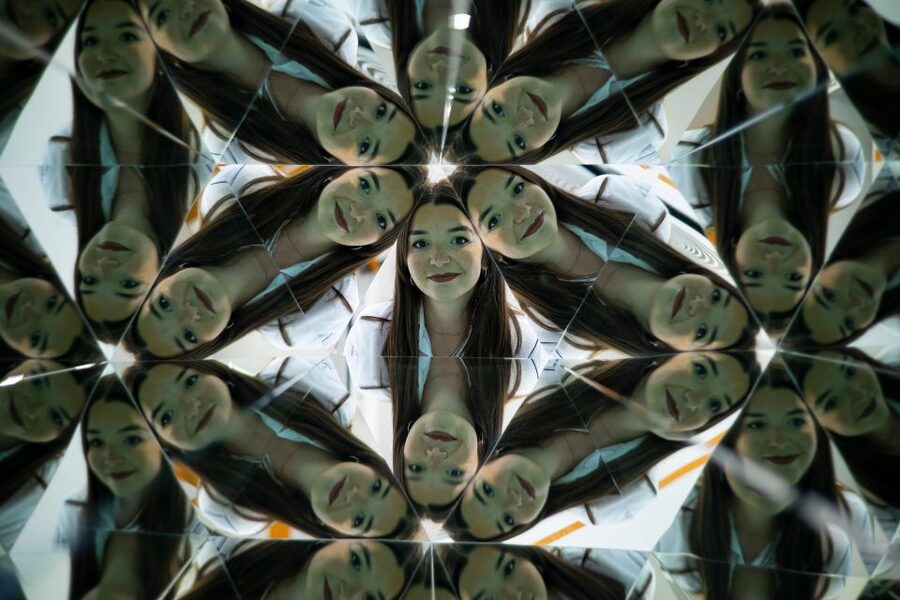
Your visit may take around 40 to 60 minutes if you move steadily through the exhibits. Families with children often need about 60 to 75 minutes, especially if the children repeat the vortex, return to a favorite puzzle, or take several pictures.
You can stretch the visit toward two hours if you examine each illusion carefully and take your time with the photography. That longer visit depends on your pace, not on a large number of rooms.
This timing makes the museum easy to fit into a Seville day. You can use it as a short indoor break from the heat, a family activity between sightseeing stops, or a light change of pace after visiting more serious historic sites.
Do not treat the one-day validity as a promise of a full-day attraction. The ticket is valid for one day, but the actual visit is much shorter. The wording refers to when you can use the ticket, not how long you will stay inside.
The small-space problem
The museum’s size is the one issue you should weigh before paying. It occupies a small area on one floor, and several displays are designed for one person or one group at a time.
When the museum is busy, you may wait for a photo spot or view an exhibit from the side while another group finishes. Some visitors found the crowding awkward, though they still enjoyed the visit. Children can make the space feel even tighter when they are excited and eager to try everything at once.
A quieter period will make the visit smoother, but no exact low-traffic time is provided. If you have flexibility, avoid arriving with the expectation that every installation will be immediately available. Give yourself patience, especially around the vortex and the most popular photo setups.
The compact layout does have a benefit. You will not lose track of your children or spend much time walking between rooms. You can also revisit an exhibit without committing to another long circuit.
Is $17 a good value?
At the stated price of $17 per person, the museum is best judged as a short, interactive activity rather than a major Seville attraction.
I think the price works well for a family that wants an hour of hands-on fun, especially on a hot day or when children need a break from churches, plazas, and historic buildings. The staff’s help with photos adds real value, since a badly framed picture can ruin the effect.
For adults seeking a large collection or a serious science museum, the price may feel high. The venue is small, and some people finish in 45 minutes. One useful detail is that a past visitor reported paying less through a booking app than the price at the door, so it is worth checking the available rates before committing. Prices can change, so compare the current online price with the on-site price rather than assuming one will always be cheaper.
The museum’s value also improves when you visit as a group. A child posing in the upside-down room, an adult trying the vortex, and everyone taking turns with the puzzles gives you more to do than a solo walk through the displays.
Who will enjoy this most?
I would recommend it first to families with children around school age. Children aged 5 and 8 were able to enjoy the exhibits, and children aged 7 and 9 found enough hands-on activity to stay occupied for roughly an hour. Younger children may enjoy the colors and movement, though not every illusion will make sense to them.
It also works for adults who enjoy playful photo stops. You do not need a child as an excuse to try the rooms. The humor comes from seeing a friend appear to defy gravity and from realizing that your own balance is less reliable than you thought.
It can be a good option for a solo visitor, but the experience is more limited. You can try the displays and ask staff to help with pictures, yet many effects are more fun when you have someone with you.
The museum may also suit you if you want a simple indoor activity close to Seville’s historic center. It is not a replacement for the city’s major monuments, but it can provide an hour of silliness between them.
Practical tips for a better visit
Bring a camera or phone. This is not an optional extra if you want the full effect of the upside-down room and the perspective displays.
Wear comfortable shoes and move carefully through the vortex. Even if you find it funny, the visual movement can make you feel dizzy. Take a short pause after leaving it rather than rushing straight to the next puzzle.
Go slowly at the holograms and perspective exhibits. Look from more than one angle, and read the available explanations before deciding that you have seen everything.
If you are visiting with children, agree on a simple order for taking turns. The museum is small, and a little patience helps everyone get a chance at the same popular display.
Keep your expectations in proportion. You are paying for a compact, playful activity that may last less than an hour, or longer if you enjoy repeating the exhibits. You are not buying entry to a large museum with a full day of galleries.
Booking, cancellation, and access
The ticket includes entrance to the Museum of Illusions only. A guide is not included, and the visit is self-guided. Spanish and English-speaking staff are available, and their help with photos can be useful.
You can reserve now and pay later, which helps if your Seville plans are still shifting. Free cancellation is available up to 24 hours in advance for a full refund. The activity is wheelchair accessible.
The ticket is valid for one day, and you should check the available starting times when booking. Bring your voucher to the museum reception desk.
Should you book the Seville Museum of Illusions?
Book it if you want a short, cheerful, hands-on break with children, friends, or a camera in your pocket. The vortex, upside-down room, holograms, and puzzles give you more to do than a simple photo exhibit, and the staff can help make the pictures work.
Skip it if you want a large museum, a guided lesson, or several hours of substantial sightseeing. At $17, the compact size may feel expensive if you finish in 45 minutes.
For most families, I would call it a good add-on rather than a central Seville attraction. Plan for about an hour, keep your expectations realistic, and treat the visit as a chance to laugh at your eyes and your balance.
FAQ
Is a guide included with the ticket?
No. The ticket includes museum entry only, and the visit is self-guided. Spanish and English-speaking staff are available to help with exhibits and photographs.
How long does a visit usually take?
The visit can take about 40 to 60 minutes at a steady pace. Families may spend 60 to 75 minutes, while visitors who repeat exhibits and take many photographs may stay close to two hours.
What exhibits are at the museum?
You can expect optical illusions, holograms, 3D puzzles, a vortex tunnel, an upside-down room, an Infinity Room, and displays involving perspective, gravity, and size.
Is the Museum of Illusions suitable for children?
Yes. The exhibits are family-friendly and interactive, and children around ages 5 to 9 have enjoyed the puzzles, visual tricks, and hands-on displays.
Should I bring a camera?
Yes. A camera or phone is recommended because many exhibits are designed for perspective-based photographs. Staff can help take pictures.
Is the museum wheelchair accessible?
Yes. The activity information states that the museum is wheelchair accessible.
Can I cancel my booking?
Yes. You can cancel up to 24 hours in advance for a full refund.
Can I reserve now and pay later?
Yes. The reserve-now, pay-later option lets you hold your plans without paying at the time of booking.
Just added in Seville
- Seville: Alcázar Guided Palace Tour with Priority Access★ 4.4 · 994 reviews
- Seville Segway Guided Tour★ 5.0 · 367 reviews
- Seville City Tour 2 Hour Monumental Segway Tour★ 5.0 · 472 reviews
- Private Tour Jewish Quarter, center and Plaza de España★ 5.0 · 127 reviews
- Seville: Small-Group Jewish Quarter Discovery Walking Tour★ 4.9 · 499 reviews
- Seville: Small Group Jewish Quarter Tour with Tapas & Drinks★ 5.0 · 119 reviews
- VIP Guided Seville Alcazar Pre-Opening, Cathedral & Old Town★ 5.0 · 191 reviews
- Seville: 1, 2 or 3 Hour Segway Tour★ 4.9 · 674 reviews
Museums, compared.

FC Barcelona Museum “Barça Immersive Tour” Ticket
Read our review →

Park Güell and Gaudí House Museum Entry Ticket
Read our review →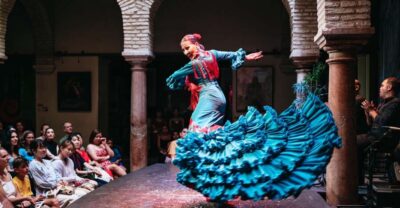
Puro Flamenco Show with Optional Museum Ticket
Read our review →
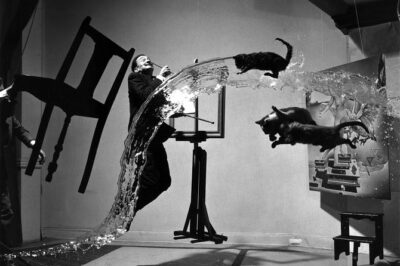
Girona & Dali Museum Small Group Tour with Pick-up from Barcelona
Read our review →
Oceanogràfic, Hemisfèric & Science Museum Combo
Read our review →Browse the lists this tour appears in