
Reviewed · TOURS IN MALAGA
Málaga: Alcazaba and Roman Theatre Guided Tour With Entry
Málaga’s Roman Theatre and Alcazaba sit side by side, making this one of the city’s smartest short tours. You begin at the glass pyramid, learn how Málaga functioned under Roman rule, then move uphill into an 11th-century Moorish fortress-palace filled with courtyards, gardens, arches, and sea views. The fast-track group entry matters here, especially when the monument is busy.
I like two things right away: the tour ends inside the Alcazaba, so you are not hurried out after the guided portion, and the guides make a real effort to keep the experience lively. Cristina is praised for her humor and theatrical storytelling, while Salvador, Lucía, Imma, and Belén are known for clear explanations and helpful local tips. The main consideration is the terrain. This is not suitable for wheelchair users or people with mobility impairments, and comfortable shoes are essential.
Key points to know before booking
- Two major monuments in 90 minutes: See the Roman Theatre and Alcazaba in one compact visit.
- A useful meeting point: Find the guide beside the glass pyramid with a red umbrella, directly in front of the theatre.
- Fast-track group access: Enter through the preferred route instead of spending your sightseeing time waiting in line.
- Story-led guiding: Expect Roman facts, Moorish architecture, local legends, and the Christian conquest of Málaga.
- Free time at the end: Stay inside the Alcazaba after the guided tour to take photos or continue looking around.
- Good value at $14: The price includes the guide and entrance tickets, making this an inexpensive introduction to Málaga’s past.
Why this Málaga pairing works so well
Málaga’s historic center gives you several layers of the city within a very small area. The Roman Theatre sits below the Alcazaba, while the fortress rises behind it. That physical arrangement helps you understand the city as a place built and rebuilt over many centuries, rather than as a collection of unrelated sights.
You begin with Roman remains, then walk into the world of Al-Andalus. That change in setting is the heart of the tour. The theatre gives you the foundation, while the Alcazaba provides the grander visual experience with its defensive walls, gardens, towers, and palace spaces.
At $14 per person, this is a strong value if you want basic orientation before exploring Málaga on your own. The price includes both entry tickets and a live guide. You are not paying for a full-day excursion or a highly specialized architectural seminar, but you are getting a focused introduction to two of the city’s main monuments for less than many museum admissions.
The 1.5-hour length also suits a busy city break. You can fit it between lunch, the cathedral, the harbour, or an afternoon at the beach. The trade-off is that the Roman Theatre receives less time than the Alcazaba. If the theatre is your main interest, you may wish the balance were different.
A few more things to do in Malaga worth a look
- From Málaga: Caminito del Rey Day Trip & Guided Tour
★ 4.8 · 3,117 reviews - From Malaga: Ronda and Setenil Guided Tour Day Trip
★ 4.5 · 3,072 reviews - Malaga Wine & Tapas Small Group Guided Tour
★ 5.0 · 1,972 reviews
Meeting at the glass pyramid
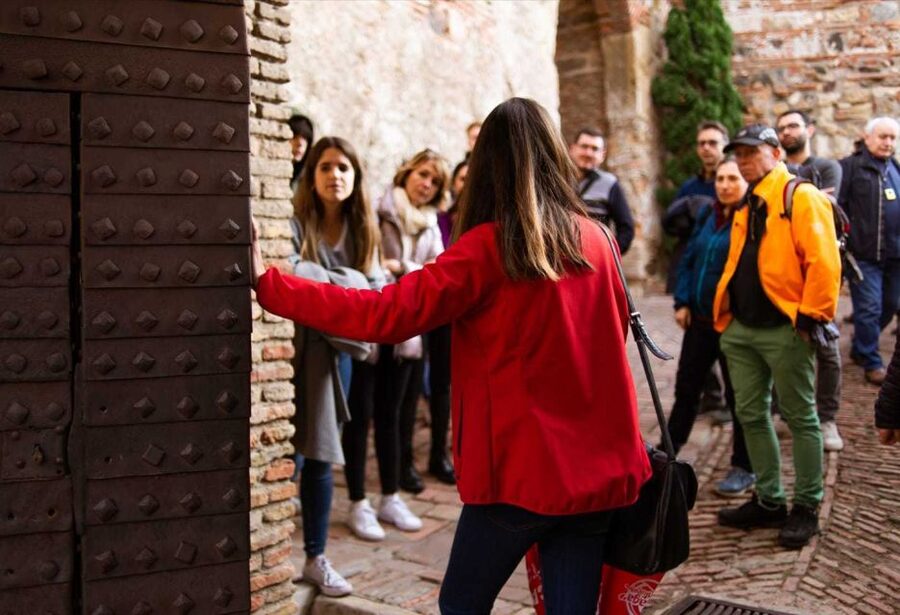
The starting point is the glass pyramid in front of the Roman Theatre. The guide waits on one side of the pyramid with a red umbrella, which gives you a clear visual marker in a busy part of central Málaga.
Arrive with enough time to locate the pyramid and identify the correct guide. Several guides lead this experience, and the language options are English, Spanish, and Italian. Recent guide names associated with the tour include Cristina, Salvador, Lucía, Imma, and Belén.
The meeting point is practical because it places you directly beside the first monument. You do not waste time walking across town or boarding transport. That is especially useful if you are visiting Málaga for only a day or arriving from a cruise ship with a limited window.
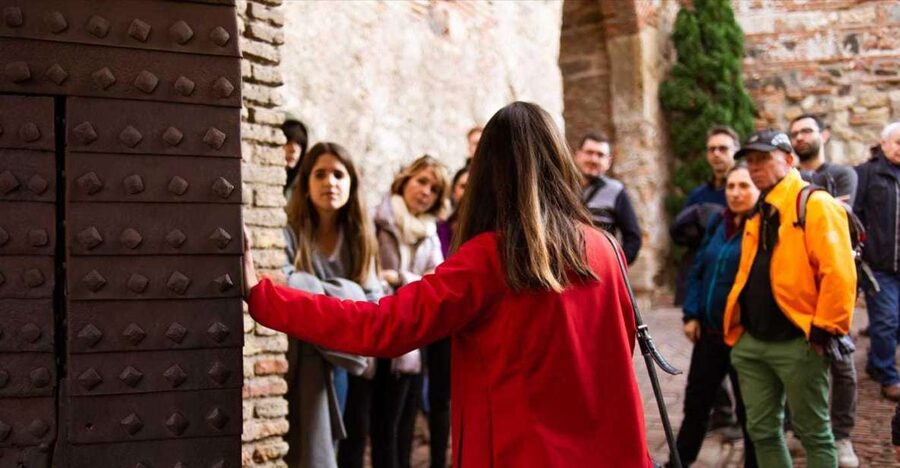
The tour is organized as a group visit, so the pace is shared. Guides make a point of gathering everyone together before explaining a site, and several have been praised for ensuring that nobody falls behind. Still, you should stay alert to the guide’s position, particularly around the monument’s open spaces and busy entrances.
The Roman Theatre: Málaga’s Roman starting point
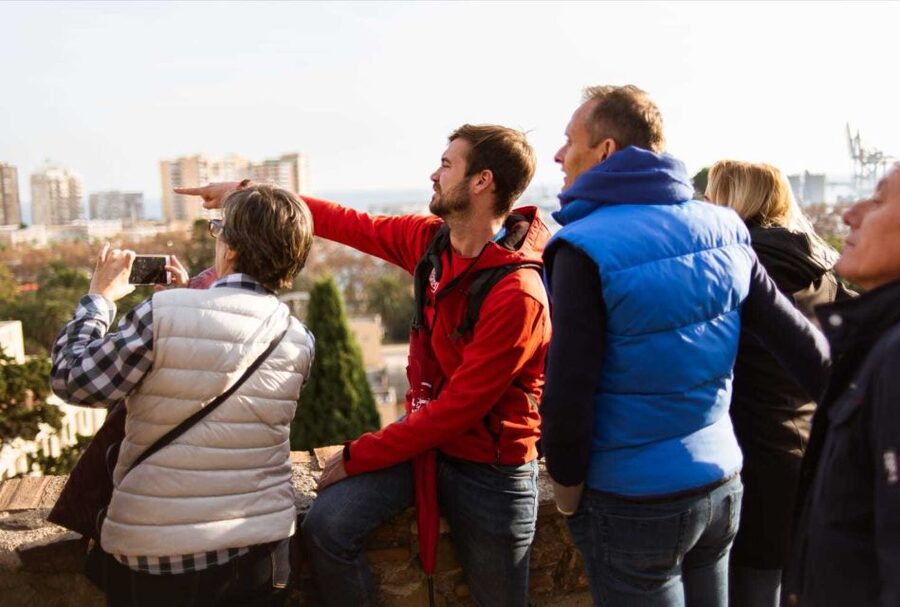
The first stop is the Roman Theatre, where you examine the surviving remains and hear how the structure worked. The guide explains its design and purpose, placing the ruins within Málaga’s Roman period.
This part of the tour is relatively brief. That is the biggest limitation of the combined format. One visitor felt the theatre deserved more time, particularly during a crowded late-morning visit. School groups and other visitors can make it harder to hear, so the guide may need to move the group toward quieter corners or keep the explanation moving.
Even so, the theatre is an important opening because it gives you a clear sense of the city’s age. Without some context here, the Alcazaba can seem like a beautiful isolated fortress. With the Roman stop first, you begin to see Málaga as a place shaped by different powers and periods.
The guide may also connect the theatre to the wider area, including the development of Málaga and the region. That wider framing is useful if this is your first visit to Andalusia. You get more than a list of dates, but the Roman section remains an introduction rather than a detailed archaeological lesson.
Walking up into the Alcazaba
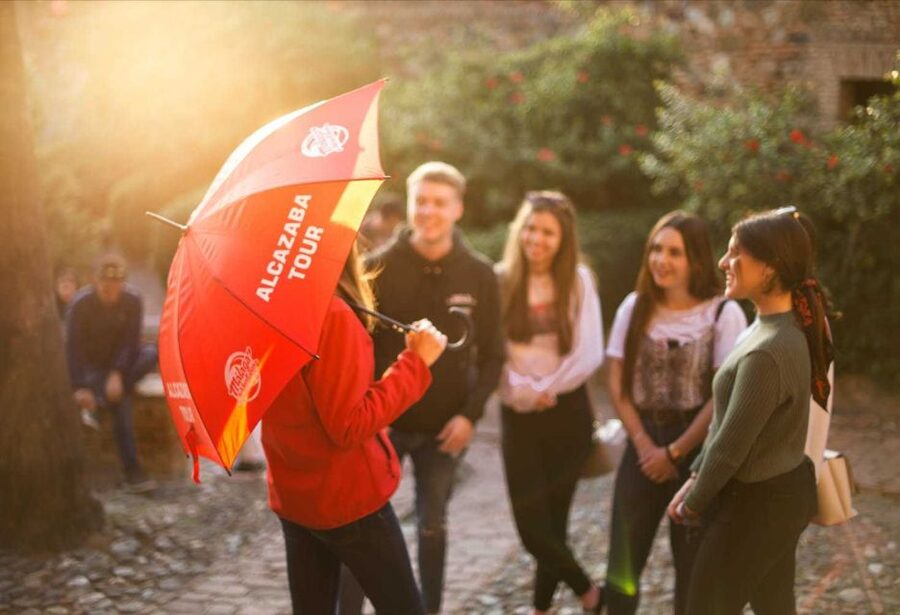
From the theatre, the tour continues into the Alcazaba. The route involves walking uphill, and the monument itself requires steady movement through its defensive and palace areas. Comfortable shoes are not just a polite suggestion here. Choose footwear that feels secure and suitable for uneven historic surfaces.
The setting changes quickly. The exposed Roman remains give way to fortress walls, towers, arches, and enclosed courtyards. The Alcazaba combines military purpose with the calmer spaces of a palace, so the guide can explain both defense and daily life.
This is also where the guiding style matters most. A dry list of rulers and dates would miss much of the appeal. The strongest guides use anecdotes, legends, humor, and small details to help you picture the people who used the site. Cristina, in particular, is known for an energetic style that includes a little acting. Salvador mixes comedy with historical explanation, while Lucía is praised for making complex points easy to follow.
The group moves at a moderate pace, with pauses for explanations and photographs. That balance works well for most people. Belén, for example, has been especially attentive to visitors who need occasional rests. You should not treat that as a guarantee of a slow or fully accessible tour, but it does suggest a considerate approach to pacing.
Same base, a different kind of day out:
- Malaga: Teatro Flamenco Malaga Live Flamenco Show
★ 4.7 · 4,254 reviews - From Málaga: Ronda+Setenil de las Bodegas with Little Train
★ 4.6 · 4,115 reviews - From Malaga: Granada Full-Day Trip with Alhambra
★ 4.6 · 3,235 reviews - Málaga: Sunset Catamaran Trip
★ 4.6 · 3,200 reviews
Courtyards, gardens, and Moorish design
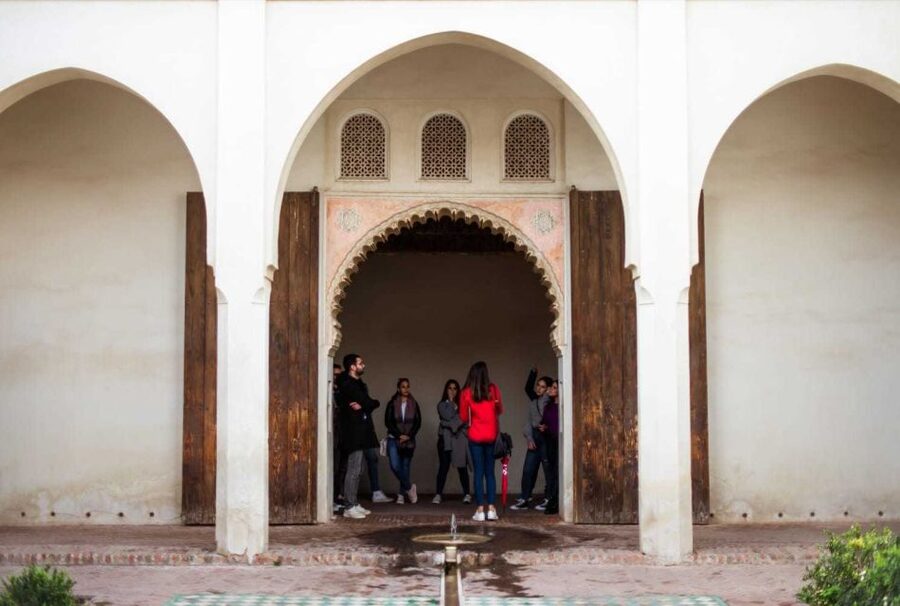
The Alcazaba’s courtyards and gardens are the visual center of the experience. Here you see how water, plants, shade, and geometric architecture softened the harder military function of the fortress.
The guide explains features of Muslim art and architecture, including elegant arches and the layout of the palace spaces. You are encouraged to look beyond the postcard view. Notice how the route connects enclosed courtyards with defensive areas, and how the building controls movement from one space to the next.
These details are easier to appreciate with a guide because the Alcazaba can otherwise feel like a pleasant series of attractive corners. The guide gives those spaces a purpose. You learn why the fortress was built where it was, how it protected Málaga, and how its palace character reflected the power of Al-Andalus.
The storytelling also includes legends connected with the walls. Legends are not the same as documented history, so a good explanation should help you understand the difference. The guides associated with this tour appear to use such stories as a way to bring the setting to life, rather than presenting every tale as proven fact.
If you enjoy architecture, this is the section where the tour earns its price. If you are not drawn to historical detail, the gardens and views provide a visual reward even when the dates begin to blur.
From Muslim Málaga to the Christian conquest
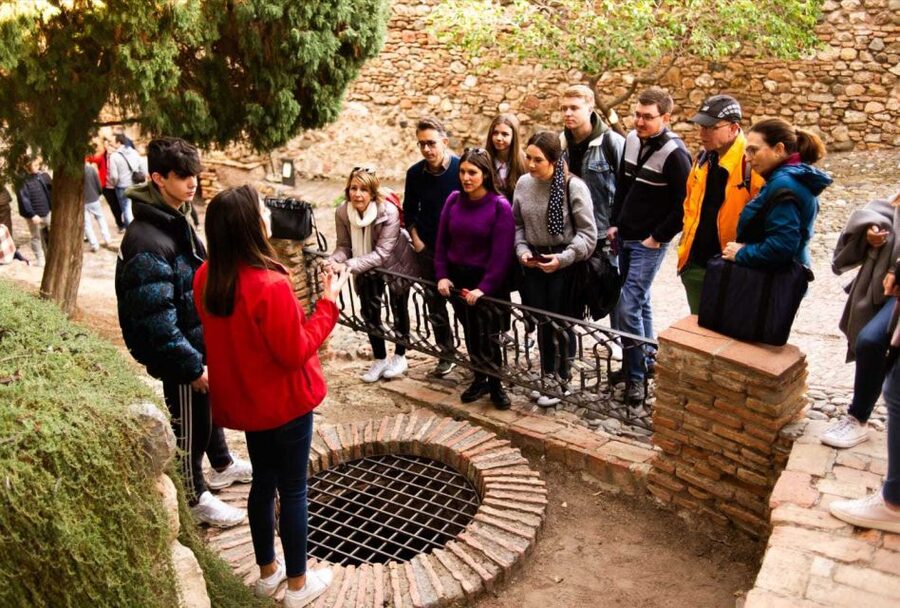
The tour also covers the Christian conquest of Málaga. This can be a complicated subject, since the change in power affected the city’s rulers, population, religion, and buildings.
The best approach is to listen for the sequence of events and the way the fortress changed over time. Guides such as Belén have been praised for handling difficult subjects with care, while other guides connect the Alcazaba’s story to the wider history of Málaga and Spain.
You do not need a specialist background to follow the tour. The explanations are designed for a broad audience, with enough detail for history fans and a lighter tone for people who mainly want to understand what they are seeing. Several guides also answer questions, so you can ask about a feature that catches your attention.
This part of the visit gives the Alcazaba more weight than a scenic walk. You begin to understand that the site was not simply decorative. It was a place of power, defense, administration, and changing identity.
The views over Málaga and the sea
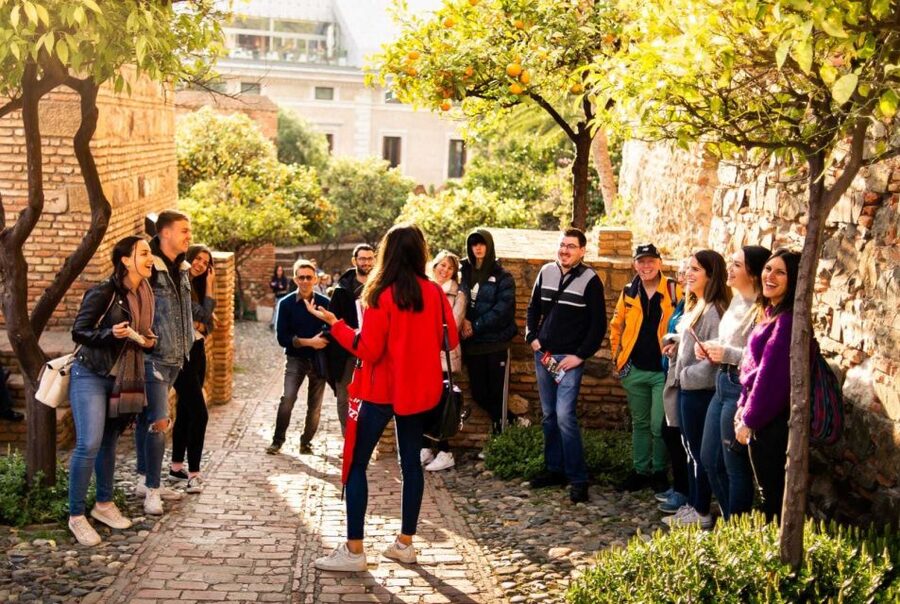
As the route reaches higher points, you get broad views over Málaga, the harbour, and the sea. These are among the tour’s strongest rewards and give you a useful sense of the city’s position.
The views also explain the fortress’s location. From above, the relationship between the Alcazaba, the historic center, and the waterfront becomes easier to read. Bring a camera, but do not spend the whole visit looking through it. The changing angles are part of what makes the walk enjoyable.
Photography time is built into the experience, and the tour ends inside the Alcazaba rather than at the exit. That detail gives you more freedom than a tour that leads everyone directly back to the street. After the guided portion, you can stay to take more pictures, sit in the gardens, or revisit a courtyard you passed quickly.
The end point is particularly useful for independent visitors. You can continue exploring at your own pace and then leave when ready. If you have another appointment, you can also depart promptly without waiting for the group to return to the original meeting point.
How the guides shape the experience
The guide is the main variable in any short historical tour, and this one has drawn strong praise for its personal style. Cristina is frequently associated with humor, warmth, expressive storytelling, and careful group management. She has also been praised for waiting briefly when people were delayed and checking that everyone could hear.
Salvador brings a friendly manner, local recommendations, and stories about Málaga beyond the monuments. If you want restaurant suggestions or ideas for what to see next, he appears willing to help.
Lucía is known for an easy, clear delivery, while Imma has led Italian-language groups with careful explanations and firm organization. Belén has received praise for patience and thoughtful attention to visitors managing an injury. These details matter because the same monument can feel either flat or memorable depending on how well the guide connects the parts.
The experience is offered in English, Spanish, and Italian. Check the language and starting time when booking, since the available sessions can vary.
Who should book this tour?
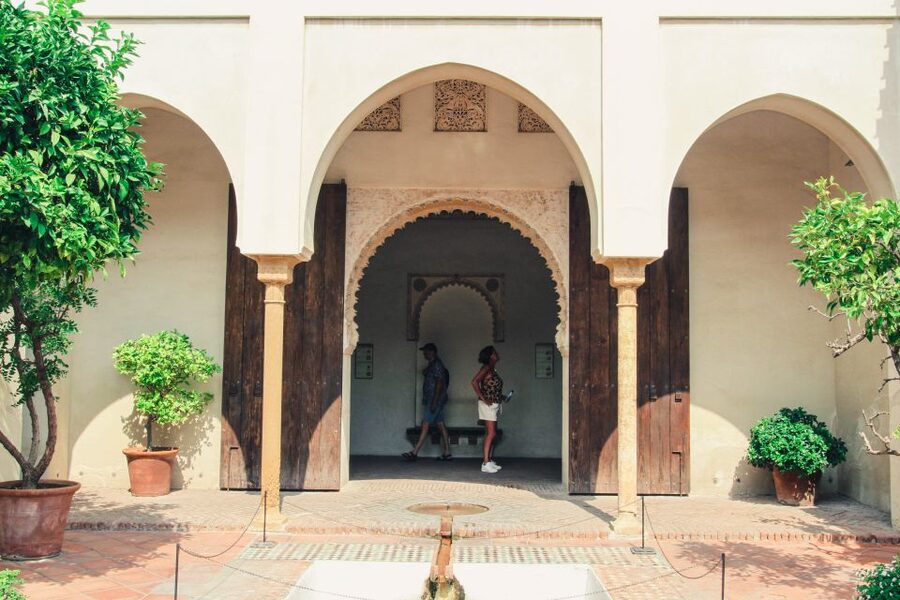
I would choose this tour if you want a short, affordable introduction to Málaga’s major historic site and prefer to understand what you are seeing rather than simply walk through it. It suits first-time visitors, couples, families with older children, and anyone with only a day or two in the city.
It also works well for people who enjoy stories more than formal lectures. The guides use humor, anecdotes, and local suggestions alongside the historical material. That keeps the 90 minutes moving.
You may want a different arrangement if the Roman Theatre is your main reason for booking. The combined schedule gives the Alcazaba more attention. Likewise, anyone with significant mobility limitations should take the warning seriously. The route includes uphill walking, and the activity is not suitable for wheelchair users or people with mobility impairments.
Pet owners should also note that pets are not allowed. The tour includes entry tickets, so you do not need to arrange those separately.
Practical value, timing, and expectations
Fast-track access is useful, but it does not mean you have a private visit. You join a group, and busy periods can still affect how easily you hear the guide or move through a space. Midday visits may be livelier, with school groups and more foot traffic.
The 1.5-hour schedule is long enough to cover the essential story without taking over your day. It is not long enough to examine every architectural detail or linger at every viewpoint. Think of it as a well-priced orientation, followed by your own time inside the Alcazaba.
The free cancellation period is up to 24 hours before the start time, with a full refund, and you can reserve now and pay later. Those terms are useful when your Málaga plans may change. They do not remove the need to check the meeting instructions carefully, especially the red umbrella and glass pyramid.
Should you book the Málaga Alcazaba tour?
Book it if you want the Roman Theatre and Alcazaba explained in clear, lively language, with entry included and time left to explore independently. At $14, the combination of access, local context, and a guide who can point out details you might miss is hard to fault.
Skip it if you need a fully accessible route, want a long specialist visit to the Roman Theatre, or prefer to wander without a group. For most visitors who want a reliable first look at Málaga’s past, this is a practical choice. Wear comfortable shoes, arrive at the glass pyramid early, look for the red umbrella, and save time after the tour for the Alcazaba’s views and gardens.
FAQ
How long is the Málaga Alcazaba and Roman Theatre tour?
The tour lasts 1.5 hours.
What is included in the price?
The price includes a guided tour of the Alcazaba and entrance tickets.
How much does the tour cost?
The listed price is $14 per person.
Where is the meeting point?
Meet at the glass pyramid in front of the Roman Theatre. The guide waits beside the pyramid with a red umbrella.
Which languages are available?
The tour is offered in English, Spanish, and Italian.
Does the tour include the Roman Theatre?
Yes. The experience begins with a visit to the Roman Theatre before continuing into the Alcazaba.
Can I stay inside the Alcazaba after the guided tour?
Yes. The tour ends inside the Alcazaba, allowing you to continue exploring and take photographs.
Is the tour suitable for wheelchair users?
No. The activity is not suitable for wheelchair users or people with mobility impairments.
Can I cancel the booking?
You can cancel up to 24 hours in advance for a full refund. The reserve-now, pay-later option is also available.
Just added in Malaga
- Malaga City Tour 2 Hours Monumental Segway Tour★ 5.0 · 896 reviews
- Taste of Malaga Tour : Tapas, History and Local Customs★ 5.0 · 758 reviews
- Malaga: Show and Food at Alegría Flamenco and Restaurant★ 4.6 · 740 reviews
- Malaga: Sailing Catamaran Sunset Cruise with Live DJ & Drink★ 4.6 · 912 reviews
- Authentic flamenco show. Alegria and gastronomy Malaga★ 5.0 · 390 reviews
- Malaga: Authentic Flamenco Show at El Gallo Ronco★ 4.7 · 885 reviews
- Málaga: Wine & Tapas Tour★ 4.8 · 1,039 reviews
- Malaga Bike Tour – Old Town, Marina & Beach★ 4.7 · 1,150 reviews
Tours in Malaga, compared.

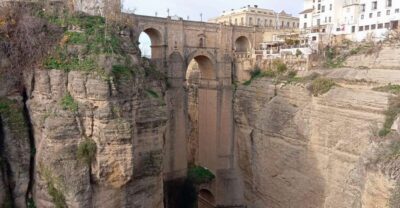
Ronda+Setenil de las Bodegas with Little Train
Read our review →



Browse the lists this tour appears in