
Reviewed · PRADO MUSEUM TOURS
Madrid: Prado & Reina Sofía Museums Guided Tour
The best reason to book this tour is simple: you get Spain’s two essential art museums in one focused day. At the Prado, you meet Velázquez, Goya, Rubens, Raphael, and other European masters. At the Reina Sofía, the story shifts to Picasso, Dalí, Cubism, Surrealism, Modernism, and El Guernica. I like the clear two-part view of Spanish art and the fact that admission to both museums is included. I also like having a guide explain why these works matter instead of leaving you to wander through grand rooms without a plan.
The drawback is the schedule. Four hours includes a 15-minute walk to the Prado, a 45-minute walk between museums, and a group visit that may use both English and Spanish. You get a strong introduction, but not enough time to see everything. A few people also found the Reina Sofía portion too large or too short, so this works best if you want the major works rather than a slow, complete museum visit.
Key points to know before you book
- Two national art museums in four hours: The Prado covers the 12th century through the end of the 20th century, while the Reina Sofía focuses on Spain’s modern masters.
- Las Meninas and El Guernica are the anchors: You see two of Spain’s most important paintings, along with works by Goya, Velázquez, Picasso, and Dalí.
- The Prado visit lasts about 90 minutes: That includes a 1.5-hour guided visit and roughly 30 minutes of free time.
- Expect a lot of walking: The route includes a 15-minute walk to the Prado and a 45-minute walk to the Reina Sofía.
- Guide quality matters: Guides named Gabriela, Elena, Javier, Enrique, Yanni, Stefy, and Jose, also called J.J., have been praised for clear explanations, humor, passion, and strong English.
- The tour can run in two languages: English and Spanish may be combined, especially at the Reina Sofía, which can make the commentary slower.
Why this Prado and Reina Sofía pairing works
Madrid gives you two very different museum experiences within easy reach of one another. The Prado presents court painters, religious art, royal portraits, and major European traditions. The Reina Sofía moves into the political and artistic shocks of the 20th century. Seen together, they form a useful timeline rather than two unrelated stops.
I like this pairing because it shows how Spanish art changes over time. At the Prado, you might study how Velázquez used space and presence in Las Meninas, or how Goya moved from formal royal portraiture toward darker, more unsettling subjects. At the Reina Sofía, you see artists responding to new ideas, war, photography, abstraction, and fractured forms.
This is not a tour for seeing every room. It is a guided introduction to the works most likely to stay with you. The guide selects important paintings and provides the background that helps you look at them with more purpose.
The overall rating is 4.5 from 180 bookings, and the strongest pattern is praise for the guides. The names vary, but the useful qualities are consistent: clear English, strong art knowledge, friendly delivery, and the ability to tell a story without making the tour feel like a lecture. Guides including Gabriela, Elena, Javier, Enrique, Yanni, Stefy, Minerva, and Jose, known as J.J., have received especially warm comments.
Other galleries worth booking in Madrid:
- Madrid: Prado Museum Entry Ticket
★ 4.6 · 17,509 reviews - Madrid: Small Group of Prado Museum Tour & Optional Tapas
★ 4.6 · 2,437 reviews - Madrid: Prado Museum Guided Tour with Skip-the-Line Ticket
★ 4.5 · 2,018 reviews
Meeting Velázquez before entering the Prado
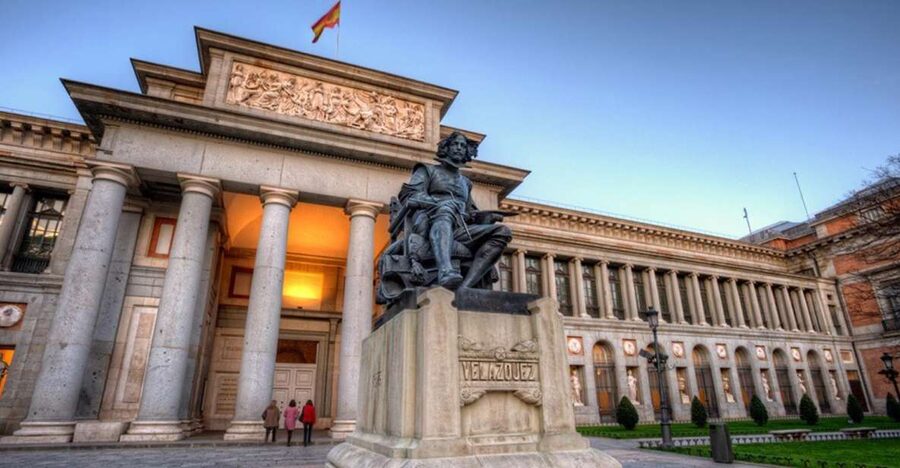
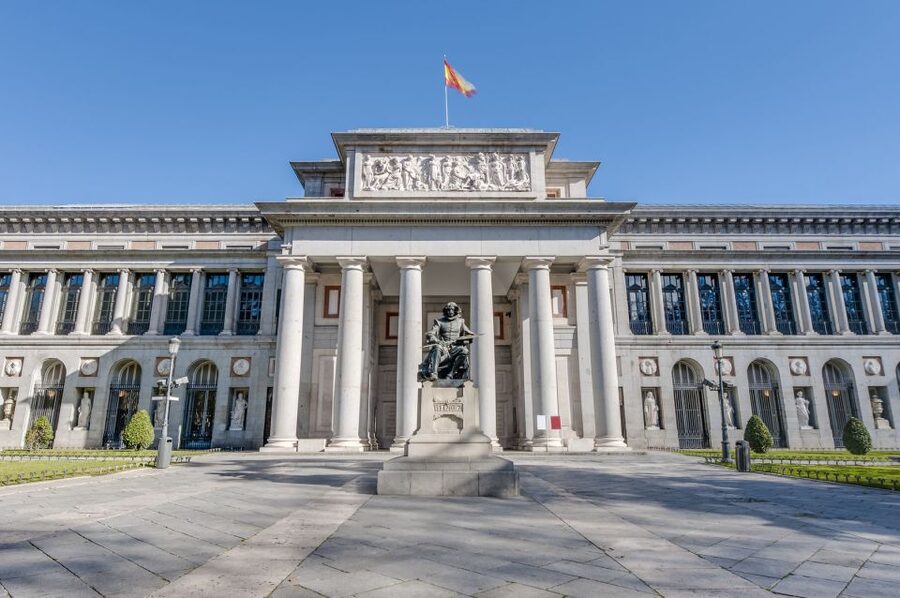
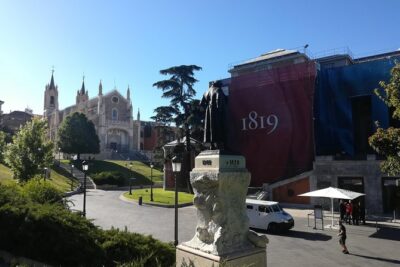
The tour begins beside the Statue of Velázquez on Paseo del Prado, 11, along one of the side areas of the Prado Museum. Look for the guide holding an Amigo Tours sign. This is a practical meeting point, but give yourself enough time to find the statue and identify the correct group.
From there, you walk about 15 minutes to the museum entrance. The short walk gives the guide a chance to set the scene and explain the Prado’s place in Spain’s cultural life. It also means the tour does not begin with a hotel pickup, so you need to make your own way to the meeting point.
The Prado is one of Europe’s great collections, with works dating from the 12th century to the end of the 20th century. That range is far too large for a single visit. Your guide will concentrate on major painters and selected works, likely including the Spanish masters and leading European artists named in the tour plan.
The Prado in 90 minutes: Velázquez, Goya, Raphael, and Rubens
The guided Prado section lasts about 1.5 hours, followed by around 30 minutes of free time. That is a sensible structure. The guide gives you a route through the museum, then you get a short chance to return to something you want to see again or move at your own pace.
Velázquez is central to the visit, and Las Meninas is one of the key works. The painting is famous, but fame alone does not explain why it matters. A good guide can direct your attention to the unusual arrangement of figures, the role of the viewer, and the way the painting plays with seeing and being seen.
Goya gives you a different kind of encounter. His work can move from official portraiture to scenes marked by fear, violence, or psychological tension. Looking at him after Velázquez helps you notice that Spanish painting is not one fixed style. It shifts with politics, taste, and the artist’s own view of society.
The Prado also holds major works from outside Spain. Raphael, Rubens, and other European masters help place Spanish painting in a wider setting. This is one of the tour’s useful features. You are not only shown famous Spanish names, you are given a basic map of the European traditions surrounding them.
The free period is valuable, but it is short. If the guided visit runs slowly because of museum capacity or crowd conditions, the available time may change. The tour information specifically notes that the Prado visit depends on availability and the number of other groups. You should not expect a guaranteed block of uninterrupted time.
Photography is not allowed inside the Prado. Large bags, luggage, selfie sticks, flash photography, and tripods are also prohibited. Plan to carry only what you need, since arriving with a large bag can complicate entry.
The 45-minute walk to the Reina Sofía
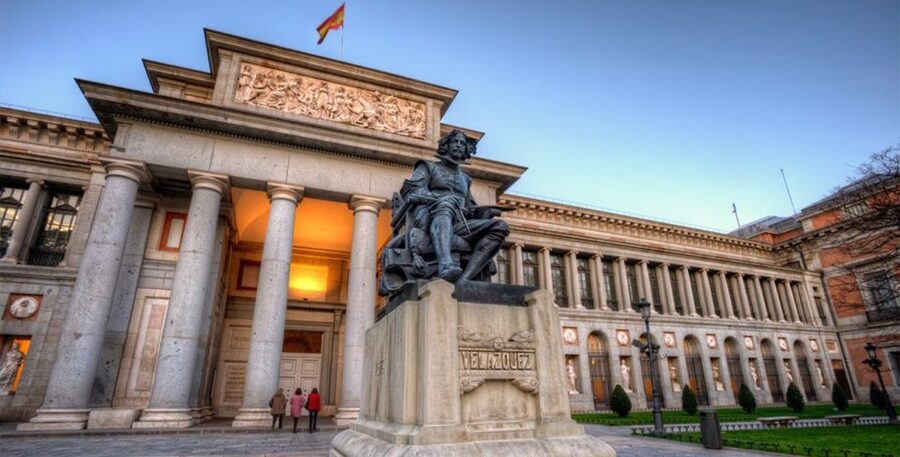
The route between the museums takes about 45 minutes on foot. This is the part of the day that deserves the most attention when you plan your schedule. It is not a quick move from one gallery to the next, and you should wear comfortable shoes.
The walk can help break up the Prado visit, but it also adds time and fatigue. You will want water and a practical snack plan, especially because there is no stated lunch break between the two museums. One person specifically found a meal break would have helped, while another felt there was barely time for a bathroom stop between the visits.
The walking connection also shapes the experience. You are moving from an older collection of royal and European art toward a museum built around modern Spanish art. That change can feel useful, but the pace is fixed. If you prefer long meals, quiet coffee stops, or unhurried museum visits, two separate days may suit you better.
A few more things to do in Madrid worth a look
- Madrid: Reina Sofía Museum Entrance Ticket
★ 4.5 · 6,889 reviews - Madrid: Prado Museum Guided Tour With Fast Access
★ 4.8 · 1,785 reviews - Prado Museum Small Group Tour with Skip the Line Ticket
★ 5.0 · 1,738 reviews - Royal Palace & Prado Museum Skip the Line Guided Tour
★ 4.5 · 1,347 reviews
El Guernica and the Reina Sofía’s modern art
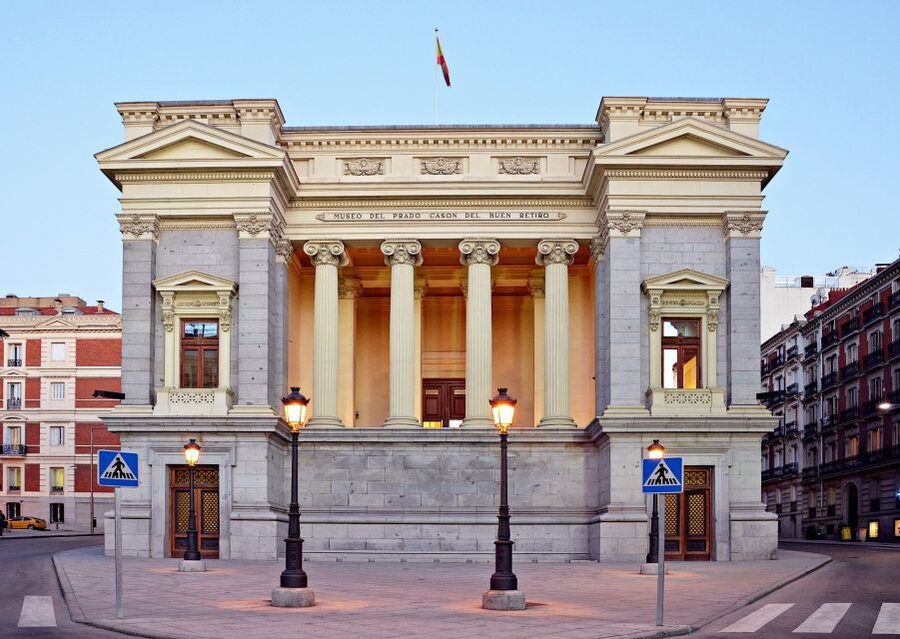
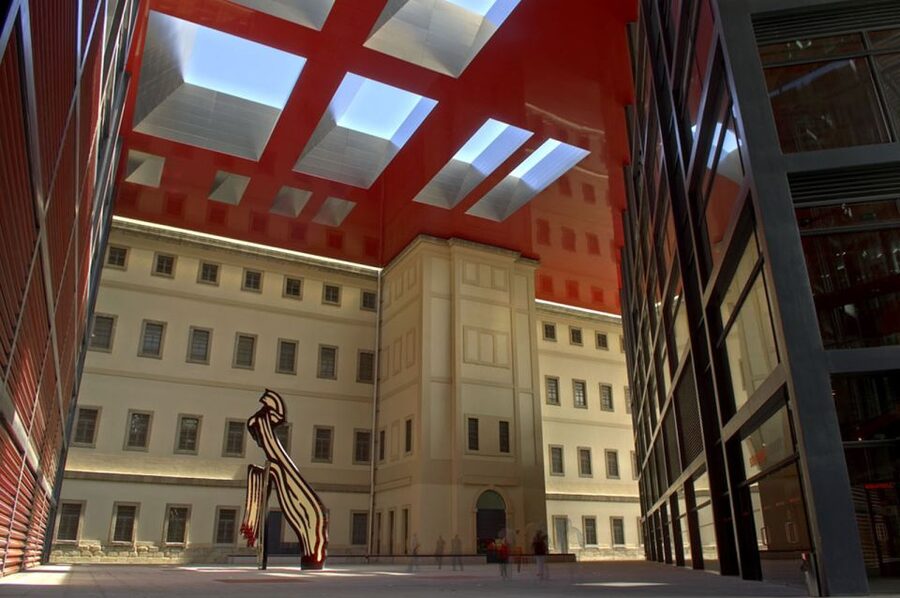
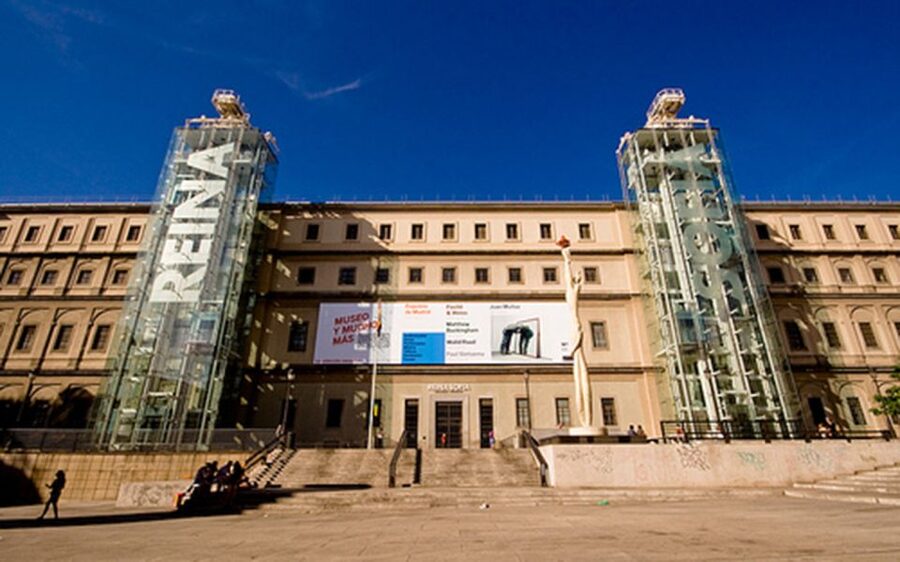
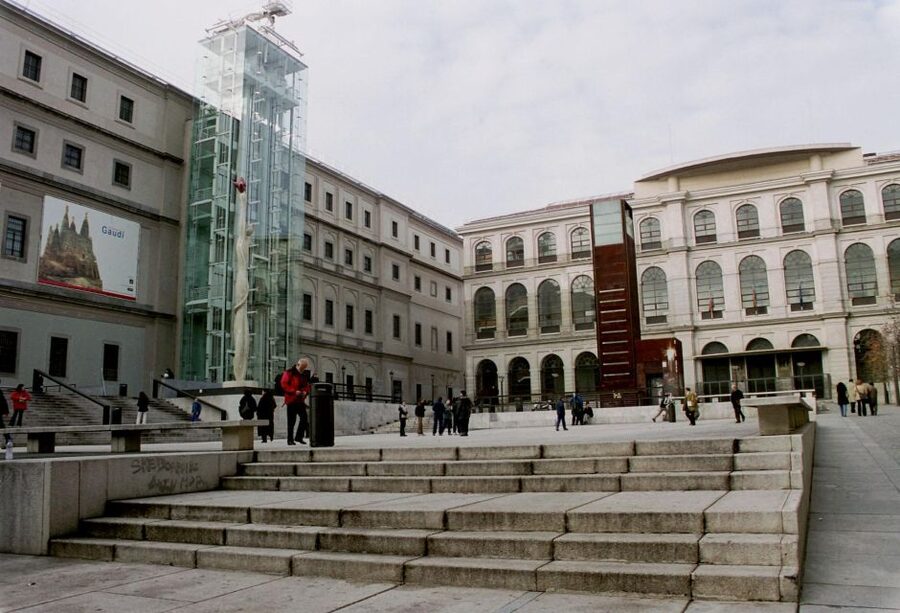
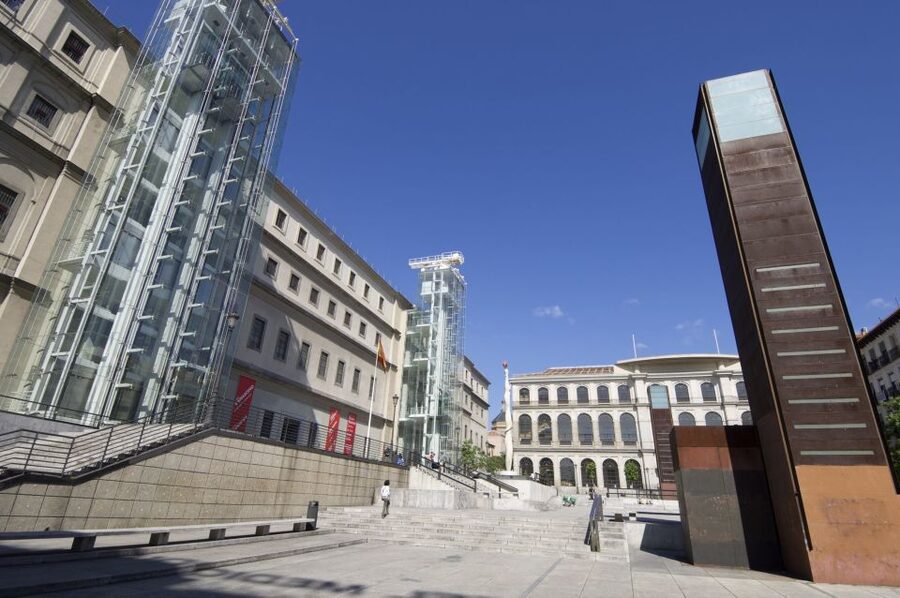
The Reina Sofía visit lasts about 75 minutes. The main prize is Picasso’s El Guernica, one of the most important works in modern Spanish art. Seeing it in person gives the painting a physical scale and presence that reproductions cannot fully provide.
A guide can help you read the fractured forms, harsh contrasts, and figures caught in distress without reducing the painting to a simple slogan. Its connection to war and Spanish history gives the work weight, but the painting also works as a study in grief, confusion, and fear.
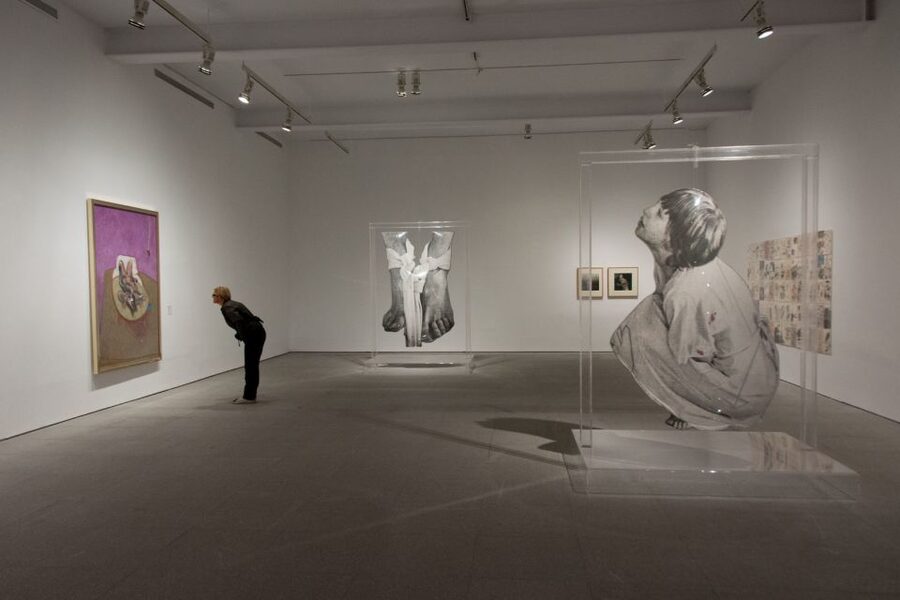
The museum also includes work by Salvador Dalí and other leading Spanish artists. The commentary covers movements including Abstract Art, Cubism, Surrealism, and Modernism. This section is especially useful if you know the names but not the differences between the movements.
The Reina Sofía can feel less orderly than a traditional old-master museum because the ideas and styles change quickly. One room may present a recognizable figure, while the next asks you to consider shape, color, distortion, or pure abstraction. A guide gives you a route through those changes and explains what you are looking at.
There are two practical limitations. First, 75 minutes is not enough to see the full museum. Second, the tour may run in English and Spanish at the same time. Some people found the mixed-language format confusing, particularly at the Reina Sofía. If the group is large, you may stand farther from the guide or spend more time waiting for the group to gather.
Photography is allowed at the Reina Sofía, but flash is forbidden. You also cannot use tripods, selfie sticks, or other camera stabilization equipment. The rules differ from the Prado, where photography is not allowed at all, so keep that distinction in mind.
The guides make the largest difference
The strongest part of this experience is the guide. Art museums can be tiring when every room contains famous names and there is no help deciding where to look. The best guides turn a painting into a question, a story, or a connection to the period around it.
Gabriela has been praised for guiding visitors through the museum maze. Elena has been described as clear, passionate, and fluent in English. Javier was appreciated for his friendly and professional manner, while Enrique was praised for detailed explanations.
Yanni brought humor and an easy personality to the tour. Stefy was credited with explaining paintings from the Flemish, Italian, and Spanish schools without becoming boring. Jose, or J.J., was praised for detailed, kind, and helpful guidance. These comments point to the quality you should hope for: not just facts, but a guide who keeps the group together and gives you a way to remember what you saw.
Guide quality can vary from one departure to another, and the tour does not promise a specific person. Still, the pattern is encouraging. If you are new to art museums, this kind of commentary can make a major difference.
Group size, language, and pace
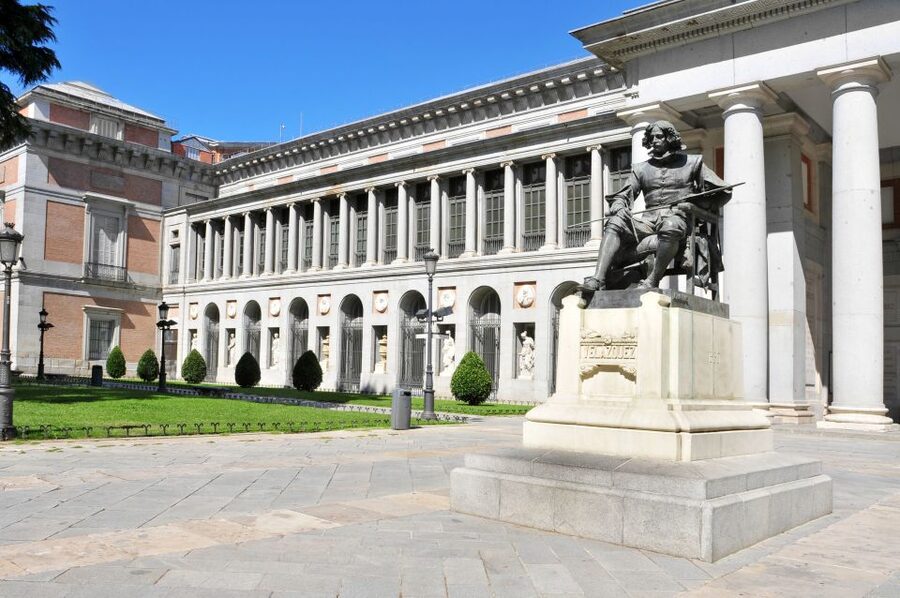
The group format is the main variable. Some departures have been large, with more than 20 people at the Reina Sofía. One booking also ran into an overbooking problem at the Prado, which caused a delay while the guide sorted out tickets. That appears to have been an exception, but it shows why a group tour can be less predictable than a private visit.
The tour is offered in English and Spanish. It may run in both languages at once, and the two groups are not always separated at every museum. If you need every explanation in English, confirm the language arrangement when you book or at the meeting point.
The schedule is brisk. You should expect time spent gathering the group, entering the museums, and moving between rooms. You will see the major works, but you will not have time to linger over every painting.
Is $80 a fair price?
At $80 per person, the price includes admission to both museums, guided visits, and live commentary in English or Spanish. The value depends on how much help you want.
If you already know both museums well, buying admission separately and visiting alone may give you more freedom and potentially cost less. You can choose your own route, take breaks, and spend an hour with one painting if you wish.
If the Prado and Reina Sofía are new to you, the fee can be sensible. You are paying for a route through two large collections, explanations of major works, and help with the practical challenge of fitting both museums into one day. The value is strongest for first-time visitors who want context and do not want to spend hours deciding what to see.
The tour also offers free cancellation up to 24 hours before the start time and a reserve-now, pay-later option. Wheelchair access is listed as available. These details make the booking easier to adjust, but the walking distance and four-hour pace still matter for your personal comfort.
Who should book this museum day?
Book it if you have one day in Madrid and want a guided introduction to the country’s major art collections. It suits first-time visitors, couples, families with older children, and anyone who feels lost in large museums.
It is also a good fit if you want to see Las Meninas and El Guernica without spending a full day in each museum. The guide’s explanations add the most value when you do not already know much about art.
Choose separate museum visits instead if you want a slow pace, a long lunch, extensive photography at the Reina Sofía, or time to explore beyond the main works. You should also think twice if a mixed English and Spanish group would frustrate you or if a 45-minute walk between museums is too much.
Final verdict: a strong first look, not a full museum study
I would choose this tour for a first Madrid visit when time is limited. It gives you two major collections, two defining paintings, and a helpful story connecting old-master painting with modern Spanish art.
The best reason to book is the guidance. Names such as Elena, Gabriela, Javier, Yanni, Stefy, and J.J. appear in the tour’s praise for good reason: clear explanations can turn a crowded museum into a memorable visit. The main caution is pace. You may wait, walk, share the guide with a large group, and hear both languages.
Book it for orientation and the essential works. Skip it if you want to study the museums slowly and independently.
FAQ
Where does the tour meet?
The guide waits next to the Statue of Velázquez at Paseo del Prado, 11, on one of the lateral sides of the Prado Museum. The guide carries an Amigo Tours sign.
How long does the experience last?
The tour lasts four hours. The schedule includes a 15-minute walk to the Prado, a 1.5-hour guided Prado visit, about 30 minutes of Prado free time, a 45-minute walk to the Reina Sofía, and a 75-minute Reina Sofía visit.
Are museum tickets included?
Yes. Admission to both the Prado Museum and the Reina Sofía Museum is included.
What languages are available?
Live commentary is available in English and Spanish. The tour may run in both languages at the same time.
Can I take photographs?
Photography is not allowed in the Prado. At the Reina Sofía, photography is allowed, but flash, tripods, selfie sticks, and camera stabilization equipment are not permitted.
Is the tour wheelchair accessible?
Yes, the activity is listed as wheelchair accessible.
Can I cancel the booking?
You can cancel up to 24 hours in advance for a full refund. A reserve-now, pay-later option is also available.
Just added in Madrid
- Madrid: Don Quixote de la Mancha Windmills & Toledo Tour★ 4.9 · 254 reviews
- Tour Madrid: Secrets in a Electric Tuk Tuk★ 4.6 · 155 reviews
- Madrid: Toledo Day Trip with Winery Visit and Wine Tasting★ 4.4 · 177 reviews
- Madrid: Guided Tour of Toledo with Cathedral Visit★ 4.3 · 399 reviews
- Madrid: 6-Hour Day Trip to Toledo with Guided Walking Tour★ 4.0 · 865 reviews
- Madrid: Tasty Tapas Tour & Visit to a Terrace with Views★ 4.5 · 118 reviews
- Madrid: Flamenco Show&Drink at Tablao 1911 (World’s Oldest)★ 4.7 · 253 reviews
- Madrid: Street Art Tour with Local Graffiti Hunter★ 4.8 · 270 reviews
Prado Museum Tours, compared.

Small Group of Prado Museum Tour & Optional Tapas
Read our review →
Prado Museum Guided Tour with Skip-the-Line Ticket
Read our review →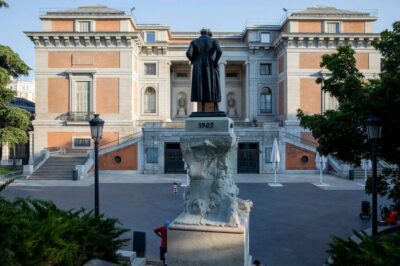
Prado Museum Small Group Tour with Skip the Line Ticket
Read our review →
Royal Palace & Prado Museum Skip the Line Guided Tour
Read our review →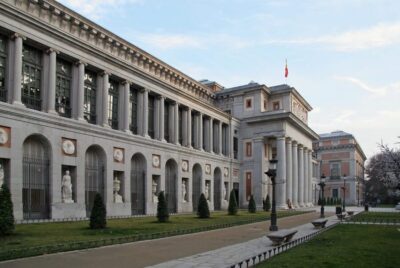
Browse the lists this tour appears in