
Reviewed · MUSEUMS
Guided Tour of the Factory + Anchovy Museum
The best part of this Santoña visit is that it connects the anchovy on your plate with the hard, careful work behind it. You may see production in progress, then follow the fish from the Cantabrian Sea through sorting and preservation inside the Ana María cannery.
I like two things here: the chance to watch a craftswoman make an octavillo, the traditional tin container used for anchovies, and the tasting at the end. The main caution is timing. Live factory work is offered only at 12:30 p.m. on Monday through Friday when the artisans are working, and the tour is conducted in Spanish.
Key points to know before you book
- Live factory work is time-sensitive: The working cannery visit is available at 12:30 p.m. from Monday to Friday, subject to the production calendar.
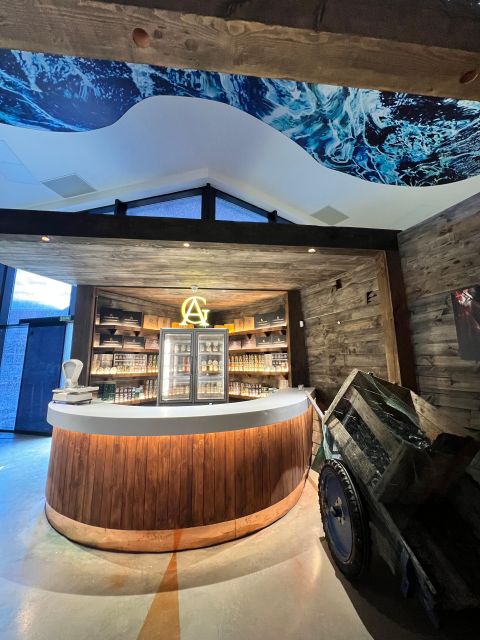
- The museum uses all five senses: You hear a fish-market auction, see a recreated seabed and shipwreck, smell the setting, touch historic tools, and taste the finished anchovies.
- Octavillo making is the craft highlight: A craftswoman demonstrates how anchovies are packed into their traditional tin container.
- The tasting is simple but well chosen: You receive Cantabrian anchovies with a wine pintxo, making the final sample part of the lesson rather than an afterthought.
- Spanish is the only listed tour language: The experience may be difficult if you do not understand Spanish.
- The price is modest: At $8 per person, the visit offers a working-food experience, museum admission, explanation, and tasting in one short stop.
Why Santoña is the right place for an anchovy tour
Santoña is closely tied to fishing and anchovy preservation, so this is not a generic food museum placed in an unrelated town. The subject belongs here. The tour gives you a look at a local trade that is easy to miss when you simply order a plate of anchovies in a restaurant.
I find food tours most useful when they explain process, not just product. That is what this visit aims to do. You see how fish arrives from the sea, how it is handled, and how it becomes the small, carefully packed fillets sold in jars or tins. The focus is practical and local.
The experience takes place at Conservas Ana María, beginning at C. Baldomero Villegas, 38. One useful arrival tip comes from the location itself: the number 38 may not be clearly marked on the street. Give yourself a few extra minutes to find the entrance rather than arriving at the last second.
The total time is listed as 45 minutes, while the museum portion is described as lasting about one hour. Plan for roughly an hour, especially if the factory portion is operating and you want time for the tasting and shop. The schedule matters more than the small difference in published duration.
A few more things to do in Spain worth a look
- Madrid: Prado Museum Entry Ticket
★ 4.6 · 17,509 reviews - Barcelona: FC Barcelona Museum “Barça Immersive Tour” Ticket
★ 4.4 · 10,944 reviews - Madrid: Reina Sofía Museum Entrance Ticket
★ 4.5 · 6,889 reviews
The 12:30 p.m. factory visit
If you book the morning visit on a Monday through Friday and the factory is working that day, the tour begins with live production. This is the most valuable part for anyone who wants to see an actual food business rather than a display of old equipment.
You can observe the anchovy or bonito production process and hear an explanation of the full chain, from fishing to preservation. The point is not simply to watch machines or workers. It is to understand how much handling goes into a product that arrives at the table looking so small and neat.
The factory schedule is a real limitation. Live production is offered only at 12:30 p.m. and only when the artisans are working. A visit outside that window may still include the museum and tasting, but you should not assume you will see active canning.
That distinction is important when comparing this with a standard museum visit. If the working factory is your main reason for coming, choose the 12:30 p.m. Monday to Friday option and check availability before building your day around it. The working calendar can affect what is shown.
The factory portion also gives useful context for the tasting later. Once you have seen the care involved in preparation and packing, the final anchovy is less of a quick snack and more of a sample of the trade you have just been introduced to.
Entering the Ana María Anchovy Art Gallery
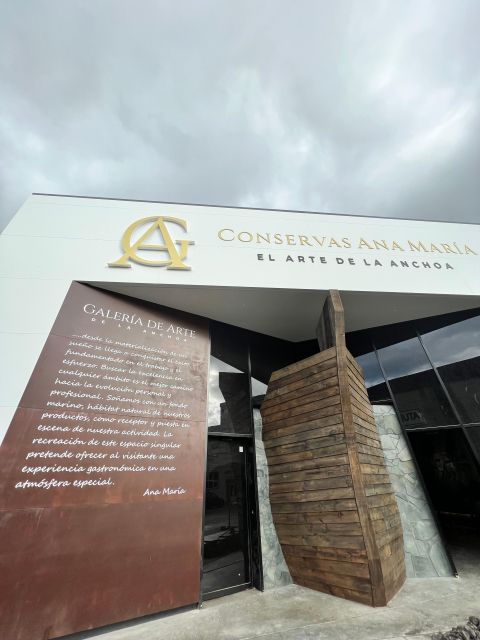
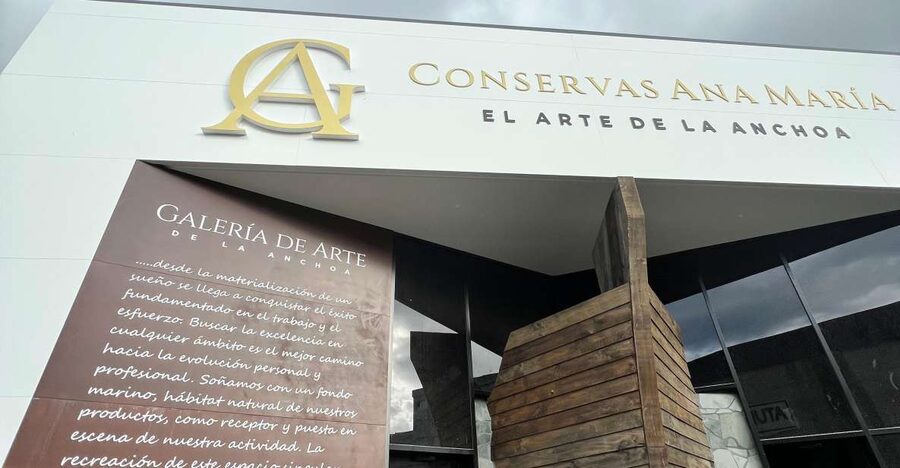
After the factory, you go to the Ana María Anchovy Art Gallery, also known as the Santoña Anchovy Museum. The museum is designed around the seabed, a playful setting that gives the visit more character than a row of framed labels.
A stranded ship is part of the exhibition. You can explore the wreck as part of the museum route, which helps connect the display to the dangers and working world of the sea. This is not a large national museum, so you should come expecting a compact, focused presentation rather than hours of independent viewing.
The gallery is built as a sensory experience. You hear, see, smell, taste, and touch elements of the story. That approach works well for families and for anyone who finds machinery and written panels less memorable on their own.
The sensory design also gives the tour a clear rhythm. You do not simply walk through a collection at your own pace. The guide leads you through sounds, objects, images, and demonstrations, giving the visit a beginning, middle, and end.
Hearing the Santoña fish-market auction
The tour begins with the sound of an auction. Three sirens from the Santoña fish market signal that the fish is about to be sold. It is a small detail, but it gives the museum an authentic local sound rather than opening with a generic welcome speech.
For you, this helps explain where the factory story begins. The anchovy does not appear at the cannery by magic. It first moves through a fishing and auction system, and the sirens mark that moment of sale.
The auction sound is also a good reminder that this trade depends on timing. The factory visit itself is tied to the working calendar, and the museum’s opening scene quietly reinforces the same idea. Fishing and preservation follow real schedules, not just visitor convenience.
Same base, a different kind of day out:
- Barcelona: Sagrada Familia Entry Ticket with Audio Guide
★ 4.6 · 105,312 reviews - Barcelona: Park Güell Admission Ticket
★ 4.4 · 76,534 reviews - Seville: Royal Alcázar Entry Ticket
★ 4.6 · 28,378 reviews - Barcelona: Casa Batlló Entry with Self-Audioguide Tour
★ 4.7 · 25,359 reviews
Seeing tools from the last century
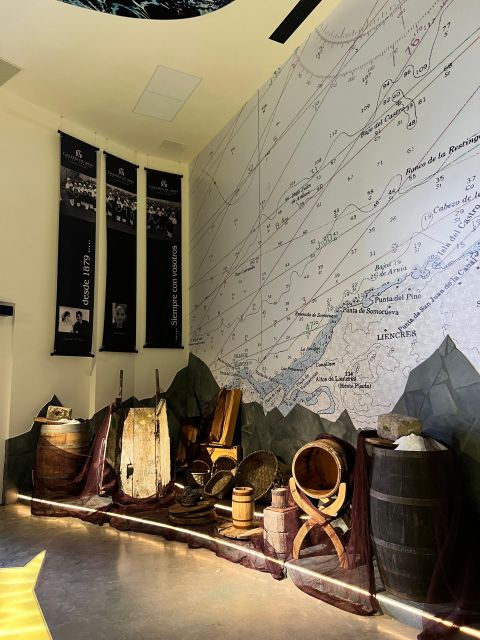
The next part of the display presents utensils used during the last century for fishing and preserving Cantabrian anchovies. These objects show the manual side of the work, before you see or hear about the finished product.
I like this section because it keeps the story grounded. You are not only told that anchovy preservation is traditional. You see the kinds of tools that made the work possible and gain a clearer sense of how skill and repetition shaped the trade.
The objects are especially useful if you know little about canning. The guide explains their role, so you do not need prior knowledge of fishing or food production to follow along. Since the tour is in Spanish, though, understanding the explanation will make a noticeable difference.
If you speak Spanish, you should get the most from the detail and humor of the guide’s presentation. If you do not, the objects, setting, video, and demonstration still provide visual clues, but one Dutch visitor found the language barrier difficult. There is no listed English-language tour.
Watching the anchovy journey on screen
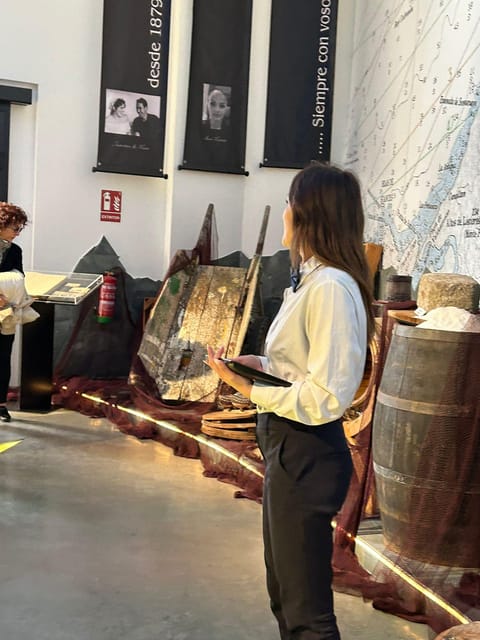
A video in the projection room traces the anchovy from its capture at sea to its preservation in a jar or can. This gives you the full sequence in a compact form and fills in the parts that cannot be shown safely or practically inside the factory.
The film is useful because the tour combines several stages of the trade. The factory shows current work when production is active, while the video explains the broader process from fishing onward. Together, they make the visit easier to understand than either part by itself.
You will also learn why packaging matters. Anchovies are not merely placed in a container at the end. The product must be handled and preserved in a way that protects its quality, and the tour puts that final package into the wider story of the fish.
The octavillo demonstration
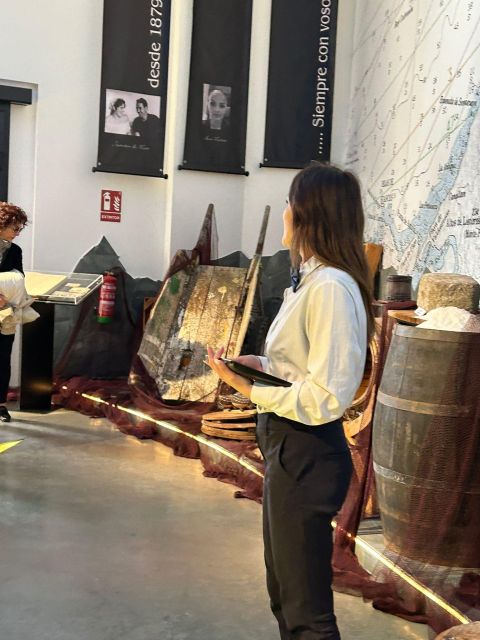
The most distinctive demonstration is the making of an octavillo. A craftswoman shows you how this traditional tin container is made and used for anchovy preservation.
This is the moment when the museum’s historical material becomes a live skill. Instead of looking only at an old utensil or finished tin, you watch a person demonstrate the work directly. That makes the craft easier to remember.
The octavillo also helps explain why the packaging is part of the identity of the product. The container is not just a practical box. It is part of the traditional presentation of Cantabrian anchovies and a visible link between the craft and the finished food.
The demonstration should appeal to anyone interested in traditional manufacturing, not only seafood lovers. It gives the tour a human scale and shows that the work depends on trained hands as well as factory equipment.
The anchovy and wine tasting
The tour ends with a tasting of Conservas Ana María anchovies, served with wine as a pintxo. This is a sensible finish because you taste the product after learning how it is made.
Do not expect a full meal. The anchovy and wine skewer is a sample, not a substitute for lunch. If you schedule the tour around midday, keep that in mind. The tasting adds value to the visit, but you may still want a separate meal in Santoña afterward.
The tasting is also where the production story becomes personal. You can pay more attention to texture, salt, and presentation because you now know the steps behind the tin or jar. A good tasting does not need a large portion to make its point.
Conservas Ana María has received national and international prizes for its Cantabrian anchovies in recent years. That recognition gives the sample extra interest, but the useful part is that you can judge the product yourself after seeing the work that goes into it.
What the $8 price really covers
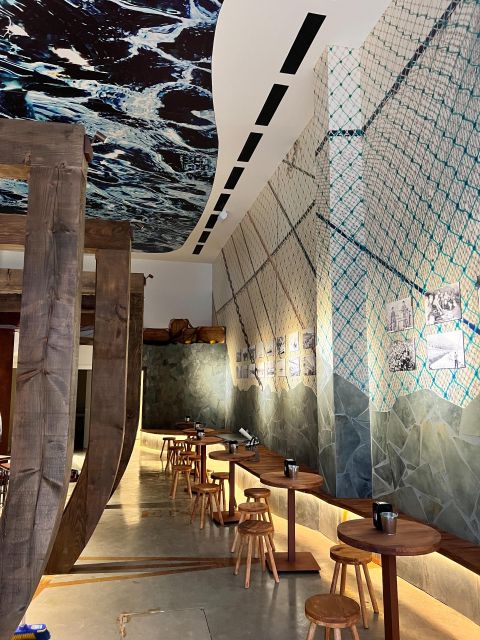
At $8 per person, this is an inexpensive cultural stop. You receive a guided cannery visit, an explanation of the anchovy or bonito production process, access to the anchovy gallery, a craft demonstration, a tasting, and the chance to shop for products afterward.
The value is strongest if you are already visiting Santoña or nearby Cantabria and want a short activity that fits into a larger day. It is not a full-day excursion, and there is no transport or larger regional tour included. You make your own way to the factory.
The low price also makes this easy to add without taking a major risk. If you enjoy local food production, the combination of live work, museum displays, and tasting is strong for the cost. If you are not interested in seafood, the visit may feel narrow, since nearly every part returns to anchovies, fishing, or preservation.
The shop at the end gives you a chance to buy products from the establishment. That can be useful if you want to take home tins or jars, but shopping is an option, not a required part of the tour.
Who will enjoy this short visit
I would recommend this experience to you if you like local food, traditional crafts, working businesses, or small museums with a clear subject. It also suits a morning in Santoña when you want something structured but not exhausting.
Families may appreciate the shipwreck setting, auction sounds, video, and hands-on sensory approach. Children who enjoy seeing how food is made may get more from the factory than from a standard history display.
Spanish speakers will have the easiest time. The guide language is Spanish, and the explanatory parts are central to the experience. If you speak another language, you can still see the factory, tools, video, and demonstration, but you should not book expecting English interpretation.
The tour is wheelchair accessible, which removes one common barrier for a short museum and factory visit. The supplied information does not describe the exact route or any limits inside the working area, so you may want to confirm practical details if you need specific access arrangements.
Timing, cancellations, and arrival advice
The key time is 12:30 p.m. for the live factory visit. It operates Monday through Friday when artisans are working. Check the available start times and the working calendar before booking.
You can cancel up to 24 hours in advance for a full refund. The reserve-now, pay-later option lets you hold a place without paying at the time of booking, which is useful when your Cantabria plans are still shifting.
Arrive at C. Baldomero Villegas, 38, at the entrance to the Ana María Canned Food Anchovy Art Gallery. Because the street number may not be clearly posted, allow a few minutes to locate the doorway.
The listed duration is 45 minutes, but the museum description gives approximately one hour. I would not schedule another fixed appointment immediately afterward. A little breathing room protects you from rushing the tasting or missing the next part if the factory explanation runs longer.
Should you book the Santoña anchovy experience?
Book it if you want an affordable, local look at how Cantabrian anchovies are produced, especially if you can attend at 12:30 p.m. on a working weekday. The live factory access, octavillo demonstration, sensory museum, and wine tasting give the short visit a clear purpose.
Think twice if you need an English-language guide or if you want a substantial food experience. The tour is in Spanish, the tasting is small, and active production is not guaranteed outside the working schedule.
For most people already spending time in Santoña, $8 is an easy value. Check the factory timing, bring enough Spanish to follow the explanation if possible, and leave room for a separate lunch. That is the best way to get the full benefit from this compact look at one of Cantabria’s signature foods.
FAQ
Where does the tour begin?
The meeting point is at C. Baldomero Villegas, 38, at the entrance to the Ana María Canned Food Anchovy Art Gallery, also known as the Santoña Anchovy Museum.
How long does the experience last?
The activity is listed as 45 minutes. The museum visit is also described as lasting approximately one hour, so allow about an hour overall.
When can I see live factory production?
The live factory visit is available at 12:30 p.m. from Monday to Friday, subject to the working calendar and the presence of artisans at work.
Is the tour offered in English?
No. The listed live tour language is Spanish.
Is the experience wheelchair accessible?
Yes, the activity is listed as wheelchair accessible.
What food is included?
The visit includes an anchovy and wine pintxo, followed by a tasting of Conservas Ana María anchovies.
Can I buy products after the tour?
Yes. You have the possibility of purchasing products at the establishment at the end of the visit.
Can I cancel for a refund?
Yes. You can cancel up to 24 hours in advance for a full refund.
Just added in Spain
- The Red Canyon Tour – Small Group Trip with Local Food Tasting ツ★ 5.0 · 798 reviews
- Full Day Rainforest Tour with Tasting and Swimming Time ツ★ 5.0 · 607 reviews
- Full Day Ticket at Perchel Beach Club with Lunch★ 5.0 · 316 reviews
- 3 Wheel Motorcycle like Quad/Buggy Tour Gran Canaria (Maspalomas)★ 5.0 · 237 reviews
- Arucas, Teror, Viewpoint Roque Nublo – Highlights Gran Canaria★ 4.5 · 170 reviews
- Gran Canaria Highlights Private Tour VIP★ 5.0 · 106 reviews
- Full day Hiking Gran Canaria Peaks of Gran Canaria★ 5.0 · 130 reviews
- Coastering in Gran Canaria (Aquatic Route in the ocean cliffs)★ 5.0 · 135 reviews
Museums, compared.

FC Barcelona Museum “Barça Immersive Tour” Ticket
Read our review →
Park Güell and Gaudí House Museum Entry Ticket
Read our review →
Puro Flamenco Show with Optional Museum Ticket
Read our review →
Girona & Dali Museum Small Group Tour with Pick-up from Barcelona
Read our review →
Oceanogràfic, Hemisfèric & Science Museum Combo
Read our review →Browse the lists this tour appears in