
Reviewed · TAPAS & FOOD TOURS
Granada: Walking Food Tour
Granada’s food story is best understood one bite at a time. This 3.5-hour walking tour links tapas bars, family-run shops, restaurants, and old taverns while explaining how Roman, Berber, Sephardic, and Nasrid traditions shaped the city’s cooking. You may taste Serrano and Iberian ham, local wine, vermouth, olive oil, regional dishes, and sweets.
I like two things in particular. First, the tour treats food as part of Granada’s culture, not just a string of restaurant visits. Second, the small group, with a maximum of 10 people, gives guides such as Katia, Laura, Bruce, and Marcel room to answer questions and respond to allergies or dietary needs. The main consideration is that this is not a good fit for wheelchair users, and the Saturday evening tour does not include the Iberian ham tasting.
Key points to know before you book
- Granada ham gets proper attention: Learn how ham is cured in Alpujarra villages and dried by cool Sierra Nevada air.
- Chikito adds literary and local flavor: Taste regional recipes at a historic restaurant linked to Granada’s artists, writers, and poets.
- The food replaces a full meal: Food and drinks are sufficient for lunch or dinner, with generous portions reported at several stops.
- Guides bring different strengths: Katia draws on years in Granada’s restaurant trade, while Laura, Bruce, Marcel, Kate, Emma, and Molly have led tours praised for food, wine, and city knowledge.
- You get more than tapas: Stops can include olive oil, herbs, turrón, vermouth, local wines, ham, cheese, croquettes, and regional meat dishes.
- Book early in your stay if possible: The tour helps you get your bearings and gives you restaurant ideas for later meals.
Why Granada’s food makes a good walking tour
Granada’s cuisine carries several layers of influence. The tour connects Sephardic, Berber, Nasrid, and Roman traditions with the food you actually eat, making the history easier to remember than a list of dates. You learn why certain ingredients and methods remain important in Andalusia.
The format also works well for Granada. The meeting point is near Puerta Real, at the kiosk by Teatro Isabel La Catholica on the Casino sidewalk. From there, you walk between central food stops rather than sitting in one restaurant for the entire evening.
I like this approach because it gives you a useful sense of the city center. You are not simply handed a plate and told what it is. You hear how ingredients are produced, how dishes developed, and how local drinking customs fit into daily life.
The walking itself is manageable for most people who are comfortable on city streets, but this is still a food crawl. You will be moving between places, standing at some stops, and eating several times. Wear shoes you can walk in and arrive hungry.
Other eating and drinking walks in Granada:
- Montserrat Half-Day Tour with Tapas and Gourmet Wines
★ 5.0 · 7,359 reviews - Montserrat & Cogwheel Train, Gourmet Wine Tasting & Tapas/Lunch
★ 5.0 · 6,290 reviews - Barcelona Tapas and Wine Experience Small-Group Walking Tour
★ 5.0 · 5,804 reviews
Ham from the Alpujarra and Andalusia
Ham is one of the clearest reasons to choose this tour. Granada province is known for ham cured in mountain villages of the Alpujarra, where the Sierra Nevada air helps dry the meat. The tour explains the curing process and lets you compare different styles rather than treating all Spanish ham as the same product.
You may taste Serrano ham from Granada alongside the more prestigious Iberian ham produced in Andalusia. That comparison gives you a better sense of price, texture, flavor, and production. It also helps when you later see jamón on a menu or in a market and need to decide what is worth ordering.
The ham tasting is not just a luxury-food moment. It is a practical lesson in Spanish food culture. Ham is part of everyday eating, bar snacks, celebrations, and serious gastronomy. Understanding the difference between varieties makes future tapas orders more rewarding.
Take note of the schedule if Iberian ham is a priority. The Iberian ham tasting is not included on Saturday evenings. The tour still includes food and drinks sufficient for a full meal, but this particular feature is left out at that time.
Local drinks, from Granada wine to Tinto de Verano
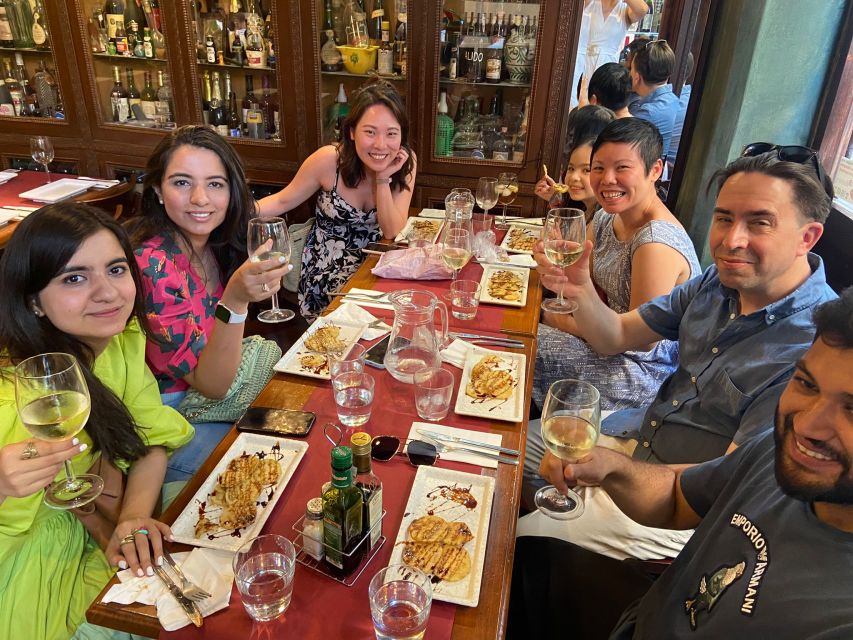
Wine is a major part of the experience. You taste wines from the Granada region and learn how they pair with the food on the table. The tour also introduces Tinto de Verano, a simple red wine drink that is common across Spain, along with vermouth on some routes.
The local wine discussion is useful because Andalusia is often reduced to sherry in the minds of visitors. Granada has its own wine production, and tasting it alongside local dishes gives you a clearer picture of the province’s food identity.
You can expect a social pace rather than a formal tasting-room lesson. Drinks arrive with food, and the guide explains what you are drinking and why it works with the dish. Guides have also handled groups that did not drink wine, so the food and olive oil portions remain important parts of the tour.
Additional drinks are not included. The listed food and drinks cover enough for lunch or dinner, but you should not assume every drink ordered beyond the planned tastings is covered in the $82 price.
Tapas bars and the old tavern atmosphere
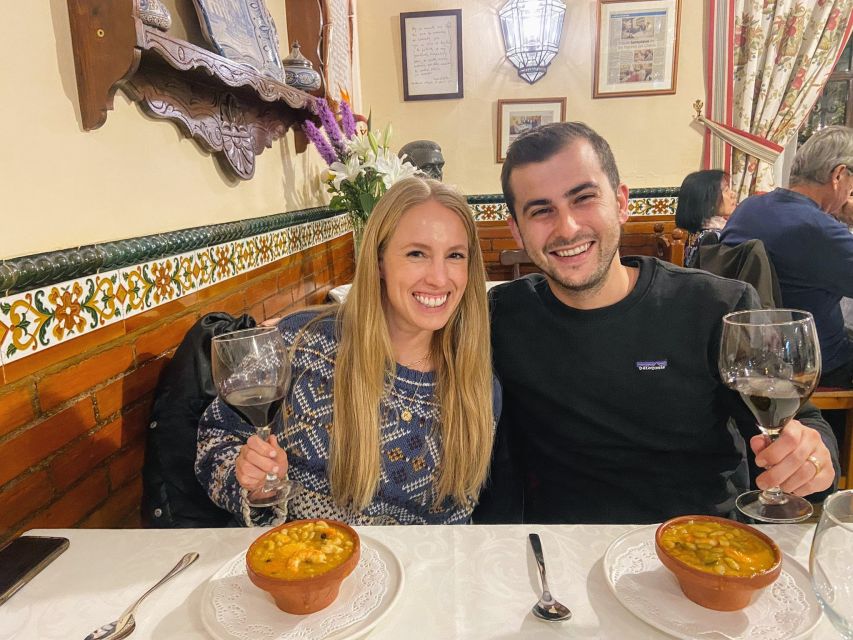
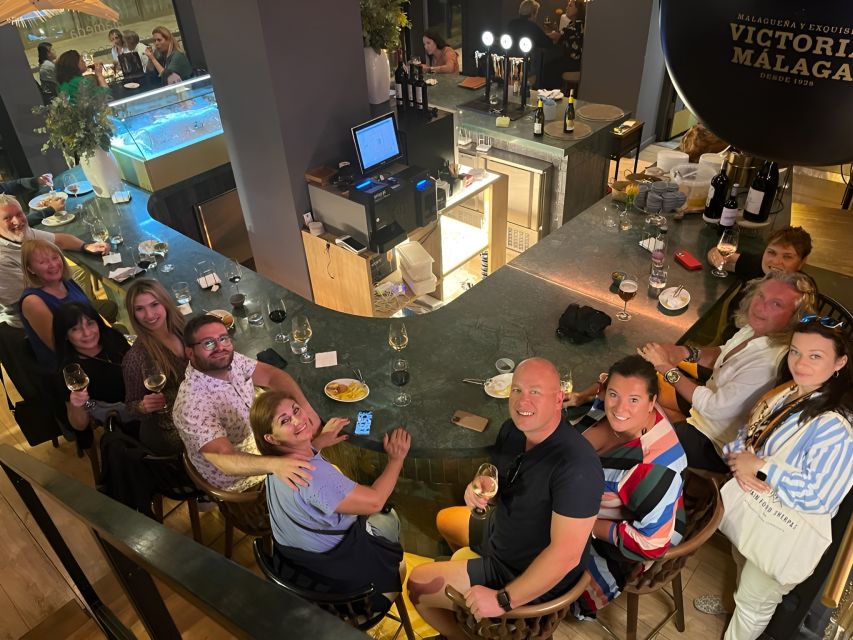
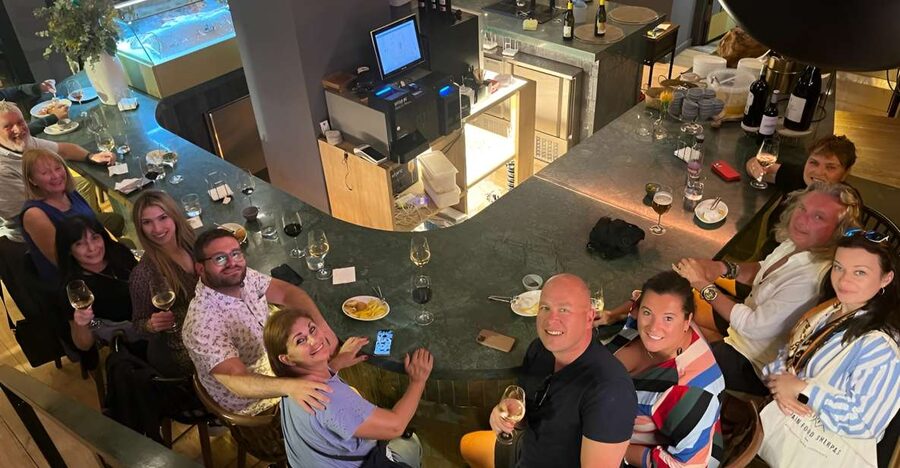
Granada is famous for its tapas tradition, and the tour takes you beyond the idea of grabbing one small plate at a random bar. You visit selected tapas bars, restaurants, and food shops, with the guide explaining what makes each stop worth your time.
One stop is an old Granada tavern, where the setting matters as much as the drink. This is the sort of place that helps you understand how locals use bars as meeting points, not merely as dining rooms. You get a feel for the city through its habits: a small drink, a plate to share, a quick conversation, then on to the next stop.
Food examples mentioned by participants include oxtail croquettes, Iberian pork, cheese, regional ham, and pork with saffron. The exact dishes can change, so do not book expecting a fixed menu. That flexibility is useful for a small operator working with local businesses, though it means your experience may not match every dish described here.
The portions sound substantial. Several people found there was enough food for a full dinner, and one person noted there was no need to eat again that day. Still, appetites vary, and the tour is not designed as a precise restaurant tasting menu with a guaranteed list of courses.
A few more things to do in Granada worth a look
- Madrid: Live Flamenco Show with Food and Drinks Options
★ 4.5 · 9,901 reviews - Ibiza Beach Hopping Cruise with Paddleboards, Drinks and Food 6h
★ 5.0 · 5,588 reviews - Barcelona: Tapas Walking Tour with Food, Wine, and History
★ 4.8 · 4,261 reviews - Sevilla Food Tour: Tapas, Wine, History & Traditions
★ 5.0 · 3,468 reviews
Chikito, Granada’s historic restaurant stop
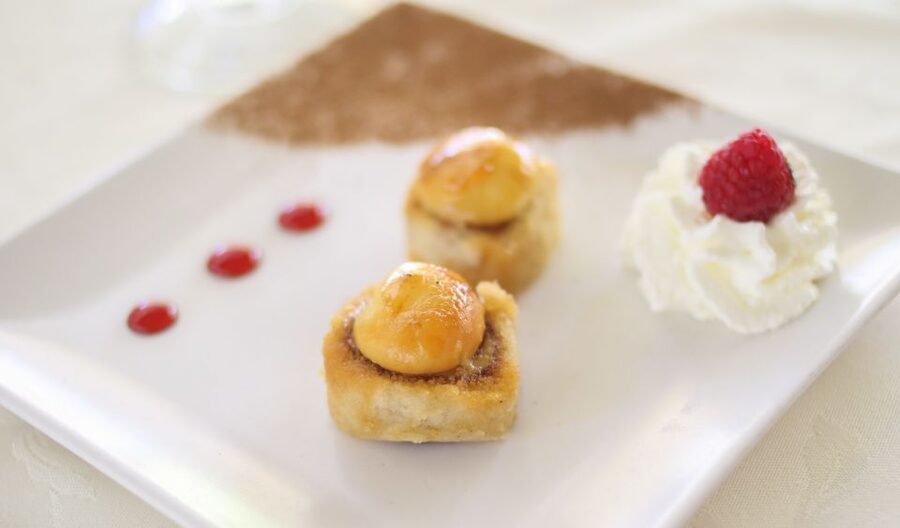
Chikito is the most clearly defined restaurant stop. The restaurant is known as a meeting place for local artists, writers, and poets in the early 1900s, so it gives the tour a cultural setting as well as a meal.
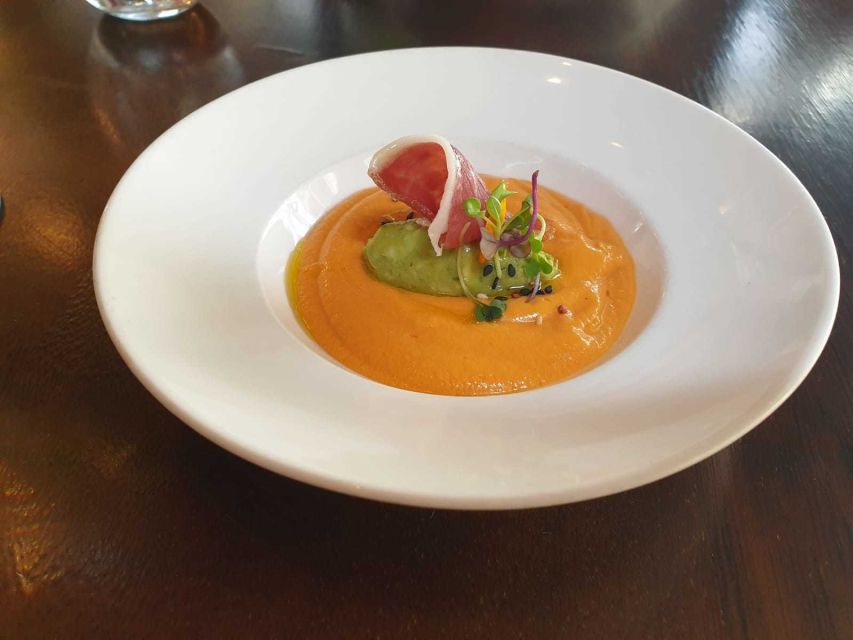
Here, you sample traditional Granada recipes. Past dishes have included presa ibérica, a tender cut of Iberian pork, and other regional preparations. The guide places the food in context, explaining ingredients and methods rather than letting the restaurant speak for itself.
I like the inclusion of Chikito because it adds a sense of continuity. You are not only visiting new bars chosen for a tour group. You are also eating in a place connected to Granada’s creative life and local memory.
The restaurant may be especially appealing if you want a comfortable seated stop. Some food tours rely heavily on standing at counters, while this route includes restaurants with seating and, in warm months, air-conditioned comfort according to the experience details provided.
Olive oil, spices, sweets, and the food beyond the plate
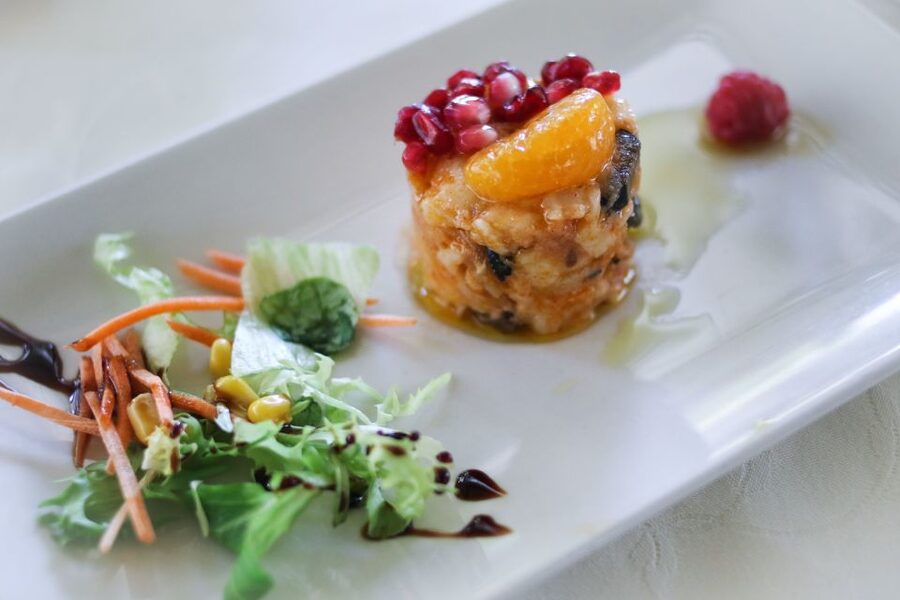
The tour is broader than ham and tapas. It may include an olive oil tasting at a local shop, where you compare different oils and learn how olive oil is made. This was a particularly useful part for families and for anyone who plans to buy Spanish oil during the trip.
You may also visit spice shops, sweet shops, or the souk area. One route included herbs and turrón, the Spanish nougat often associated with festive eating. These stops help you see what people take home from Granada, not just what they consume at a bar.
I find this variety important. A tapas-only tour can leave you with a narrow picture of local cuisine. Adding oil, spices, sweets, and cured products shows how food moves from producer to shop to kitchen.
The shopping stops are not guaranteed as a fixed sequence, so treat them as an added benefit rather than the main reason to book. If you are interested in Spanish pantry products, tell your guide. The small group makes that sort of conversation easier.
The guides shape the experience
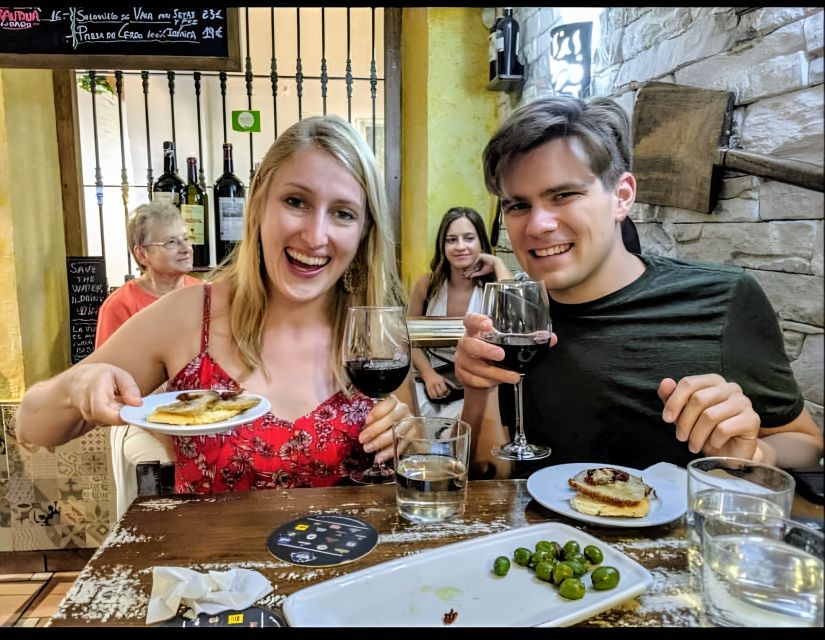
The operator, Spain Food Sherpas, uses several guides, so the tone can vary. Katia has restaurant experience in Granada and is particularly strong on food, wine, olive oil, and the history of dishes. Laura is a local guide praised for warmth, clear explanations, and knowledge of the city’s bars and restaurants.
Bruce is known for a relaxed manner, city history, restaurant choices, and a clear speaking style. Marcel brings a broad view of Spanish food, history, and politics, along with a lively sense of humor. Other named guides include Kate, Emma, Molly, and Lara.
This matters because a food tour depends heavily on the person leading it. The guide must manage timing, explain unfamiliar dishes, watch for allergies, and keep a mixed group involved. The strong feedback for these guides points to a consistent focus on friendliness and subject knowledge, though your exact guide will depend on the date.
Tell the operator about dietary requirements when booking. One guide took special care with a walnut allergy, and the experience is better when the guide knows your needs in advance instead of discovering them at the table.
Is $82 fair for 3.5 hours?
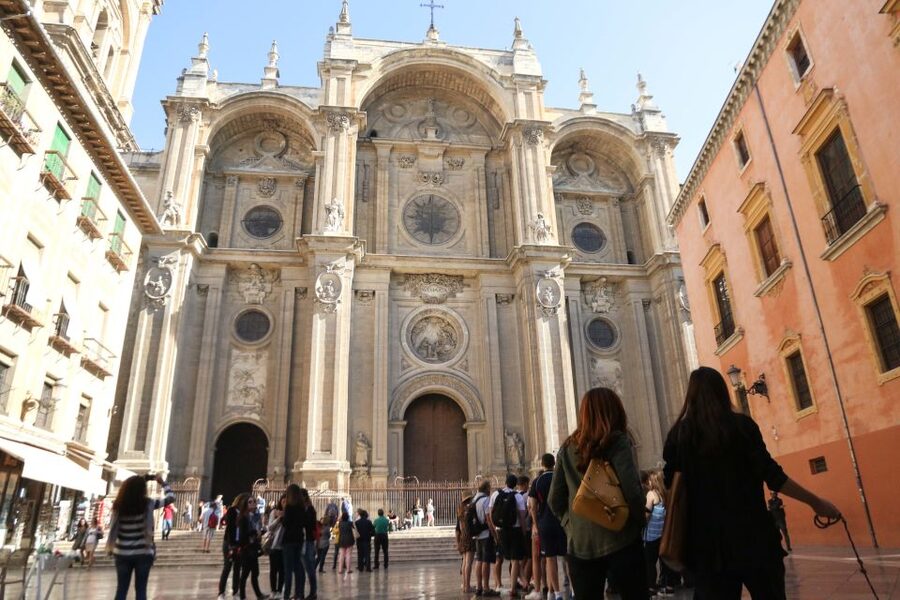
At $82 per person, this is not the cheapest way to eat tapas in Granada. You can order small plates on your own for much less, especially when a bar includes a tapa with a drink.
The value comes from what the price bundles together: a guide, several stops, a full lunch or dinner’s worth of food and drinks, local wine, ham tastings, cultural background, and the chance to find places you might not choose on your own. You also save the work of translating menus and deciding which specialties are worth ordering.
The price looks strongest for people who want a proper introduction to Granada’s food. Several dishes and drinks are served, and portions can be generous. It is also good value if you plan to use the guide’s recommendations for later meals.
It is less compelling if you already know Granada well, speak Spanish comfortably, and prefer to explore bars without a set schedule. You may also want to compare the cost with your usual dinner budget. This is a guided culinary experience, not simply a three-hour meal.
When to schedule it in Granada
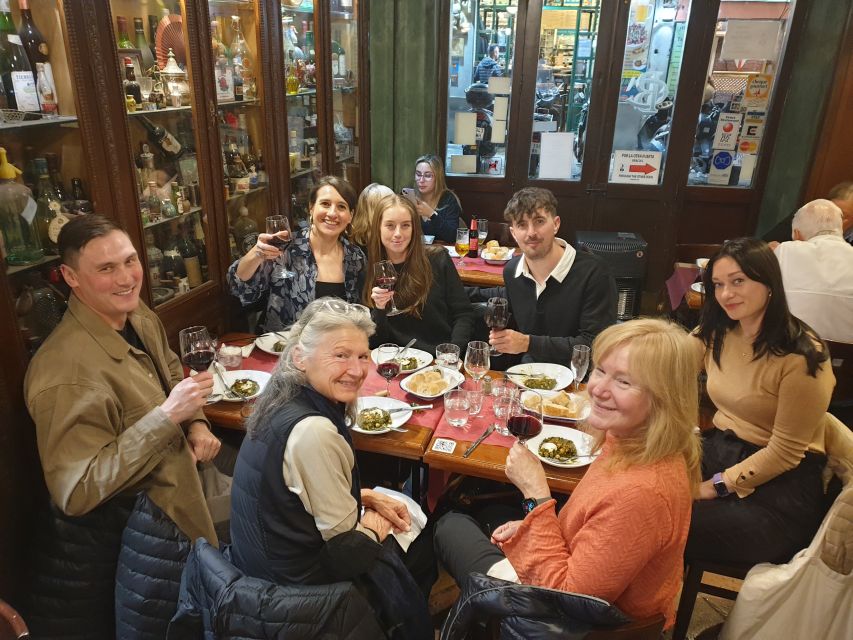
I would book this near the start of your stay. You get an orientation to the central area, learn what local dishes to order, and receive suggestions for restaurants and bars to try later. Several people found the tour useful for getting their bearings.
Arrive five minutes before the start time. The operator cannot wait more than 15 minutes after the scheduled departure, and the meeting point near Puerta Real can be busy enough that you should not cut it close.
Check the start time when booking, since availability changes. A daytime tour works well as a long lunch, while an evening departure turns the experience into dinner with stops along the way. In either case, skip a large meal beforehand.
The tour is offered in English. The small group maximum is 10, which is a sensible size for moving through bars and keeping conversation possible.
Who should book this food walk?
This tour suits you if you want to connect Granada’s cuisine with its history. It works especially well for first-time visitors, couples, families with older children, and people who would rather have local dishes explained than order at random.
It is also a good match for food and wine fans who want to compare ham, learn about regional wine, taste olive oil, and try dishes beyond standard tourist tapas. The tour can still work for non-drinkers because food, cultural information, and olive oil are central parts of the route.
You may want to skip it if you need a wheelchair-accessible activity, dislike walking between stops, or prefer a fixed menu with guaranteed dishes. It is also not ideal if you want a private tour, since the standard experience is a small shared group.
Cancellation is flexible up to 24 hours before the activity for a full refund, and you can reserve now and pay later. Those terms help if your Granada plans are still shifting.
Should you book the Granada Walking Food Tour?
I would book it if you want a full meal, a city orientation, and a useful lesson in Andalusian food rather than a quick succession of generic tapas. The best parts are the ham comparison, regional wines, olive oil, Chikito, and the guides’ ability to connect each dish with Granada’s past.
Choose an early date in your stay, arrive hungry, and mention every dietary requirement when booking. If Iberian ham matters most, avoid Saturday evening. For a first taste of Granada’s food culture, $82 is a reasonable price for the amount of food, drink, guiding, and local context included.
FAQ
How long does the Granada walking food tour last?
The tour lasts 3.5 hours.
How much does the tour cost?
The listed price is $82 per person.
What food and drinks are included?
Food and drinks are sufficient for a full lunch or dinner. The experience includes local ham, regional dishes, tapas, wines, and drinks such as Tinto de Verano. Some routes also include vermouth, olive oil, cheese, sweets, or other local products.
Is Iberian ham included on every tour?
No. Iberian ham tasting is not included on Saturday evening tours.
Where does the tour meet?
Meet at the kiosk by Teatro Isabel La Catholica, on the Casino sidewalk near Puerta Real.
How early should I arrive?
Arrive five minutes before the scheduled start. The operator cannot wait longer than 15 minutes after the start time.
Can I tell the operator about dietary requirements?
Yes. You should provide any specific dietary requirements when booking.
Is the tour suitable for wheelchair users?
No. The activity is listed as not suitable for wheelchair users.
More Walking Tours in Granada
- Granada: Albaicín and Sacromonte Guided Sunset Walking Tour
★ 4.9 · 2,962 reviews - Granada: Albaicín and Sacromonte 2.5-Hour Walking Tour
★ 4.7 · 777 reviews - Granada: Albaicín and Sacromonte Walking Tour
★ 4.5 · 665 reviews - Granada: Albaicín, Sacromonte & Museum of Caves Walking Tour
★ 4.9 · 244 reviews
Just added in Granada
- Granada: Alhambra and Nasrid Palaces Private Tour★ 4.9 · 242 reviews
- Granada: Sacromonte Caves Flamenco Show with Dinner★ 4.4 · 156 reviews
- From Granada: Alpujarra Villages Guided Day Tour★ 4.8 · 217 reviews
- From Granada: Alpujarra Mountain Villages Tour★ 4.7 · 298 reviews
- Granada: Historic Center and Lower Albaicin Walking Tour★ 4.7 · 136 reviews
- Granada: Traditional Flamenco Show at Tablao Casa Ana★ 4.8 · 390 reviews
- Granada: Alhambra Palace Guided Tour★ 4.3 · 224 reviews
- Granada: 1-Hour Traditional Flamenco Show at Palacio★ 4.7 · 256 reviews
Tapas & Food Tours, compared.

Montserrat Half-Day Tour with Tapas and Gourmet Wines
Read our review →
Montserrat & Cogwheel Train, Gourmet Wine Tasting & Tapas/Lunch
Read our review →
Barcelona Tapas and Wine Experience Small-Group Walking Tour
Read our review →
Montserrat with Black Madonna & Medieval Winery with Tapas/Lunch
Read our review →
Montserrat and Winery Tour with Tapas or Lunch
Read our review →
Tapas Walking Tour with Food, Wine, and History
Read our review →
Sevilla Food Tour: Tapas, Wine, History & Traditions
Read our review →
Valencia Old Town Tour with Wine & Tapas in 11th Century Historic Monument
Read our review →Browse the lists this tour appears in