
Reviewed · WINE TOURS
Gran Canaria: Winery Tour, Wine Museum, and Tasting
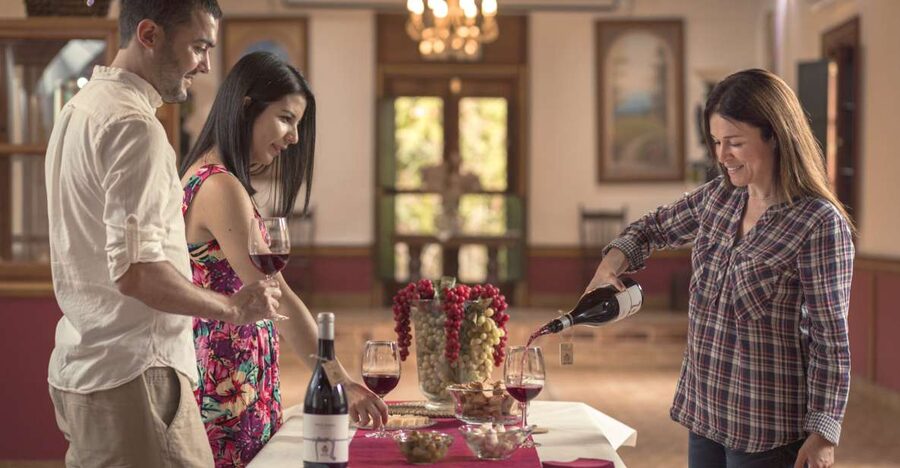
A 100-year-old stone wine press, wooden casks, old machinery, and a garden tasting make this one of Gran Canaria’s more personal food-and-drink outings. I like the way the tour connects family history with the actual work of growing grapes, and I like that the final tasting includes local cheese, toasted bread, and olives rather than just a small pour of wine. The setting also gives you plenty of good photo opportunities.
The main consideration is transport. You must make your own way to Bodega San Juan at Finca El Mocanal, since hotel pickup is not included. The meeting point needs careful checking before you leave, especially if you plan to use the bus. The tour runs rain or shine, and one early comment also points to some confusion about where the visit began, so allow time to get your bearings.
Key points at a glance
- Five generations of winemaking: Learn how one Gran Canaria family has adapted its vineyard and cellar over more than a century.
- Gran Canaria’s only wine museum: See old machinery and tools that show how wine production changed from handwork to modern methods.
- A 100-year-old stone lagar: Look at the traditional stone basin where grapes were once trodden.
- Organic vineyard and volcanic soil: Walk among local grape varieties and hear how the island’s soil and sunny climate affect the crop.
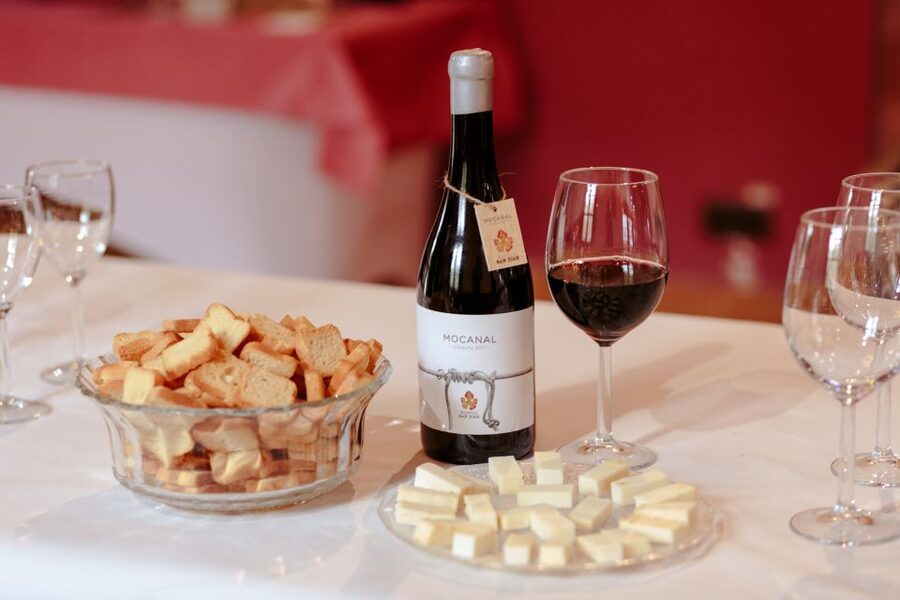
- Two wines with island produce: Finish with wine, Gran Canaria cheese, toasted bread, and olives in a relaxed tasting area.
- A compact 1.5-hour visit: This fits neatly into a holiday schedule, but it is too brief for a full winery day or extensive tasting.
A family winery with real working roots
Bodega San Juan is not presented as a large commercial wine attraction. It is a family-run estate with five generations tied to the property, and that changes the tone of the visit. You are not simply shown a polished tasting room. You are taken through the places where the family’s wine story actually unfolded.
The tour begins at the winery, where your English-speaking guide introduces the estate and its background. Old family photographs help put names and faces to the property. This is a useful start because the machinery, stone buildings, and cellar make more sense once you know how the family has used them over time.
Guide Maria has led many of the visits, and the strongest part of her guiding style is the mixture of clear explanations, humor, and family stories. She has also switched between languages to help groups follow along, although the advertised tour language is English. If Maria is leading your session, expect a warm and informal presentation rather than a formal wine lecture.
The family connection gives the tour its character. You can ask about the estate, the grape varieties, and the way production has changed. That personal element is especially valuable if you have already visited large wineries elsewhere in Spain and want something smaller and less commercial.
Other bodegas within reach of Gran Canaria:
- Montserrat & Cogwheel Train, Gourmet Wine Tasting & Tapas/Lunch
★ 5.0 · 6,290 reviews - Montserrat with Black Madonna & Medieval Winery with Tapas/Lunch
★ 5.0 · 5,209 reviews - Barcelona: Montserrat and Winery Tour with Tapas or Lunch
★ 4.8 · 4,695 reviews
Walking through the organic vineyards
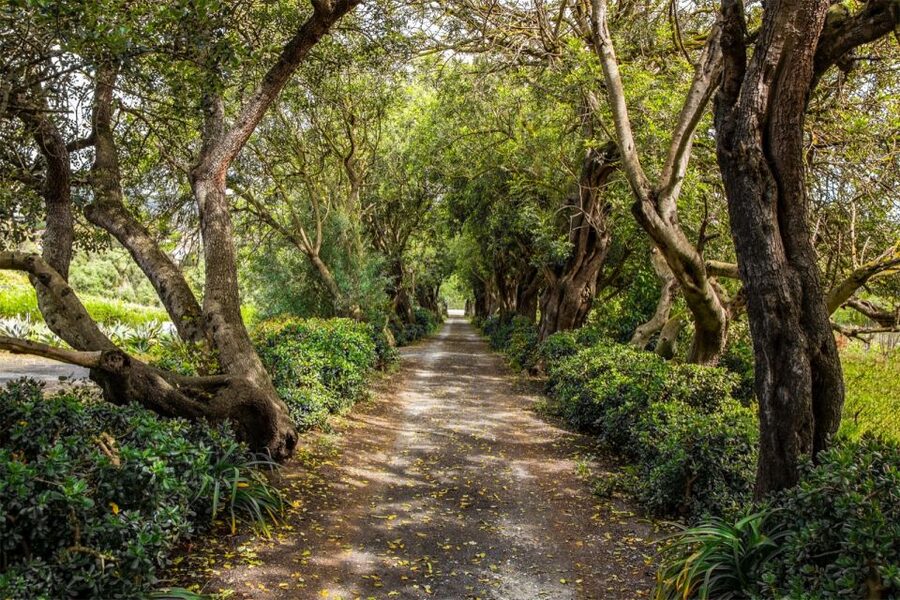
The outdoor portion takes you into the organic vineyards, where you learn about the grapes before they become wine. The tour explains the role of the island’s sunlight, the local climate, and the volcanic soil. These details matter because Gran Canaria does not produce wine in the same setting as mainland Spain.
You also hear about endemic grape varieties and the work needed to keep the vines in good condition. The tour does not treat organic growing as a vague label. It connects the idea to crop maintenance and the effort required to keep the plants productive.
I like this part because it gives you a better reason to taste the wine later. Instead of treating the bottle as a souvenir with a local name, you understand some of the conditions behind it. You can also take photographs of the rolling rows of vines and the historic buildings around the estate.
Do not expect a long countryside walk. The total visit lasts about 90 minutes, so the vineyard portion is one part of a compact route that also includes the museum, cellar, and tasting. You get an introduction to the estate rather than a full agricultural tour.
The outdoor setting can also affect your comfort. The visit runs rain or shine, so bring practical clothing for the forecast. The information provided does not promise shade, seating, or a particular walking surface, so comfortable shoes and sun protection are sensible choices for a vineyard visit.
The old stone lagar and traditional wine work
One of the most memorable objects on the route is the 100-year-old stone lagar. This is where grapes were once trodden by foot. The lagar gives you a direct link to the physical work of older winemaking, before modern pumps and machinery made the process faster and more controlled.
For me, this is more interesting than simply seeing rows of bottles. A stone basin shows how much effort once went into producing even a modest amount of wine. It also makes the family’s long connection to the estate feel concrete.
The guide explains how the process has changed from those earlier methods to current production. You see the old approach as part of a working story, not as a staged historical display. That comparison is one of the tour’s best features, especially if you are curious about the practical side of wine rather than just the tasting.
Photography is encouraged by the setting, and the old buildings, stonework, vines, and family material provide a varied backdrop. If you are traveling with someone who is less interested in wine, these physical details help keep the visit engaging.
Gran Canaria’s only wine museum
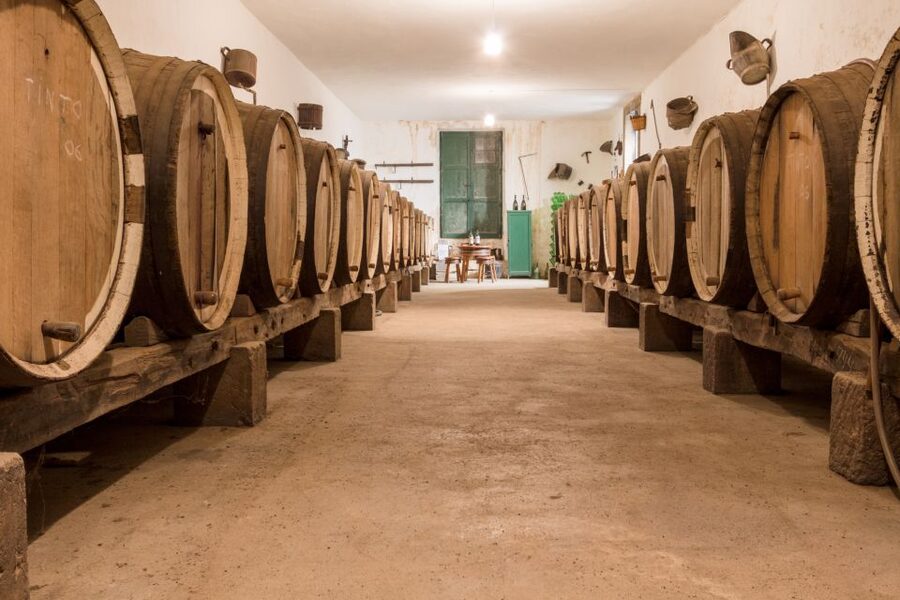
The small wine museum adds context without taking over the experience. You see older machinery and objects connected with production, then hear how the process developed into the modern facility.
Calling it the only wine museum in Gran Canaria makes this a distinctive stop, but keep expectations sensible. This is a compact museum within a winery, not a large institution requiring hours to explore. Its value comes from the connection to the estate and the chance to see equipment in the place where wine was made.
The old machinery helps you understand the transition from manual work to modern production. It also prevents the tour from becoming a simple walk through a picturesque property. You are shown how grapes moved from harvest to fermentation and, eventually, to the bottle.
If you enjoy industrial history, traditional tools, or family businesses, you may find this section just as appealing as the tasting. If you only want to sample several wines, the museum and historical material will take up time that could otherwise be spent at the table.
A few more things to do in Gran Canaria worth a look
- Gran Canaria: Camel Ride Safari w/ Optional Food & Transport
★ 4.2 · 1,167 reviews - The Volcano Heart Tour: Hiking, Tasting and Sunset Experience
★ 5.0 · 1,120 reviews - Gran Canaria: Fun Catamaran Cruise with Food and Drinks
★ 4.6 · 1,019 reviews - Gran Canaria: Catamaran Day Trip with Food and Drinks
★ 4.8 · 845 reviews
Wooden casks and the modern facility
The cellar is one of the more atmospheric stops. As you enter, you can smell wine fermenting in wooden casks. That aroma gives you a strong sense of the production process, even if you have never visited a winery before.
The tour also lets you compare the older cellar with the modern facility. This side-by-side contrast is practical and easy to understand. You can see that the winery has kept links to its past while changing the equipment and methods used for current production.
The visit explains the process from grape to bottle, including the care needed at different stages. You learn what happens after the grapes are harvested and why keeping the crop and wine in good condition takes steady attention.
The cellar is not described as a long technical session, so serious wine students should not expect detailed instruction on every fermentation variable or a large range of vintages. Still, the explanation is enough to give a first-time visitor a clear outline of how organic wine is made at this small estate.
The tasting: two wines and island snacks
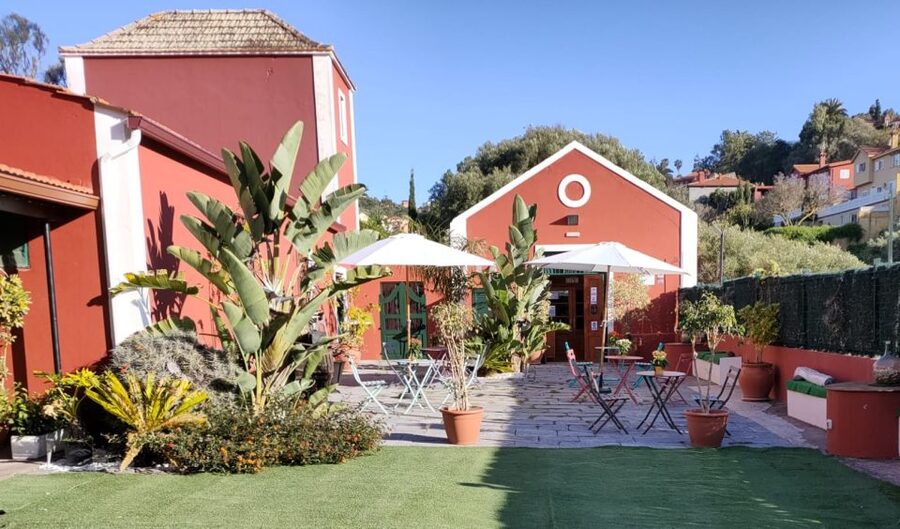
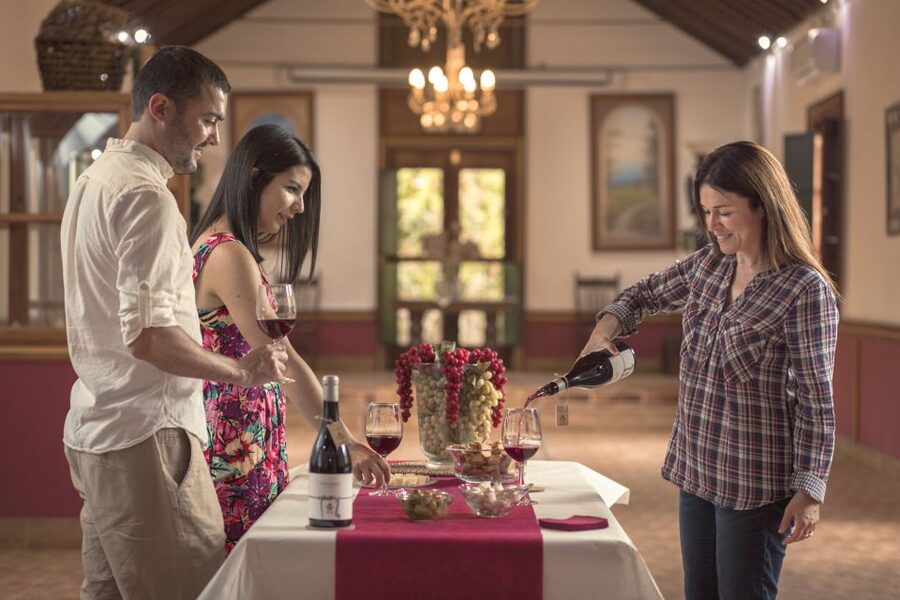
The final tasting takes place after the guided portion. You sample two wines with Gran Canaria cheese and toasted bread, with olives also included. The food matters here because it turns the tasting into a simple island snack rather than a bare wine sample.
The tasting area may be in the estate garden, depending on the arrangement that day. The garden setting is one of the most appealing details associated with the experience, with butterflies and the winery buildings adding to the relaxed mood.
Do not expect a large tasting flight. You receive two wines, so this is an introduction to the bodega’s production rather than a serious comparison of many labels. The limited number also suits the 1.5-hour schedule and keeps the activity manageable for people who do not consider themselves wine experts.
The wines have been a highlight for many people, and several visitors have chosen to buy bottles afterward. Availability can vary, though. On one occasion, the winery’s own red wine was not available for purchase despite being a favorite of the person tasting it. If you hope to take home a particular bottle, ask about stock before you leave.
The cheese, toast, and olives make the tasting more satisfying, but this is not lunch. Plan another meal if you are joining around midday or in the afternoon and need something substantial.
Is $34 a fair price?
At $34 per person, the experience offers good value if you want more than a quick tasting. You get a farm and vineyard visit, a historical introduction, the wine museum, the old lagar, the cellar, an explanation of production, two wines, and several local snacks.
The value is strongest for anyone who enjoys small family businesses and local food. Much of the appeal comes from the setting and the personal connection, not from the quantity of wine. You are paying for access to a historic working property and a guided explanation, with tasting included at the end.
It is less compelling if your only goal is to taste as many wines as possible. Two wines is a modest selection, and the whole visit is short. For a larger tasting menu or a full-day wine excursion, you would need a different kind of activity.
The price also does not include hotel transportation. Add the cost and time of reaching Finca El Mocanal when comparing this with a tour that collects you from your accommodation. The direct meeting point keeps the activity affordable, but it places more responsibility on you.
Getting to Finca El Mocanal
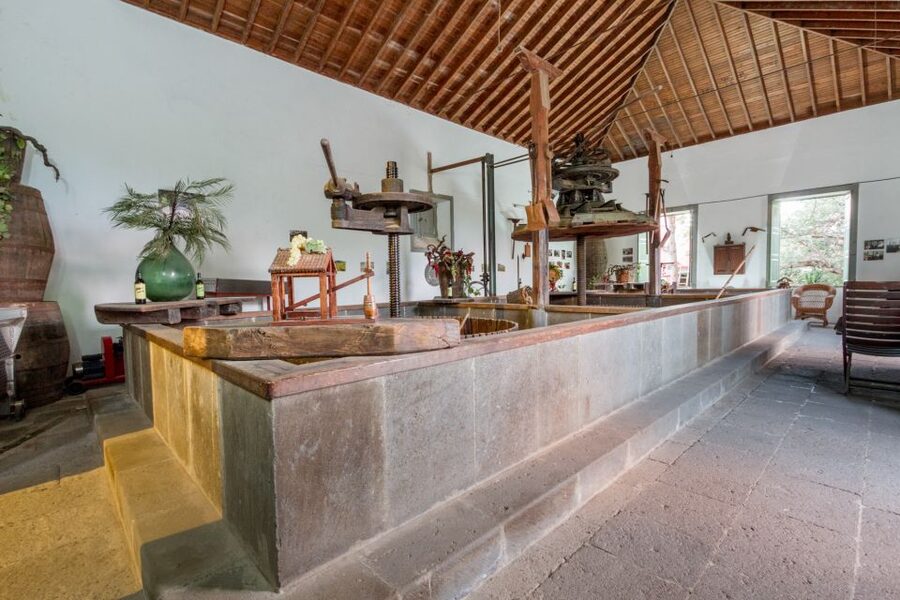
You meet at Bodega San Juan, Finca El Mocanal. Hotel pickup and drop-off are not included, so check the route carefully before setting out.
Using the bus is possible, but it may be a little complicated. Give yourself extra time and confirm the exact winery entrance and start point. One session also had a delayed arrival caused by an accident on the GC-1, and the booking was moved to a later tour. That suggests the operator can be flexible when major road problems interfere, but you should not rely on being late without contacting them.
The meeting instructions repeat the winery name and estate address, so save the details before leaving your hotel. If you are driving, remember that the tour includes wine tasting. Arrange a sober driver or use another way to return.
The start time depends on availability, and the activity lasts 1.5 hours. That makes it easy to pair with other plans, but leave room for transportation on both ends. The estate visit itself is short; the journey can determine how much of your day it occupies.
What kind of experience is this?
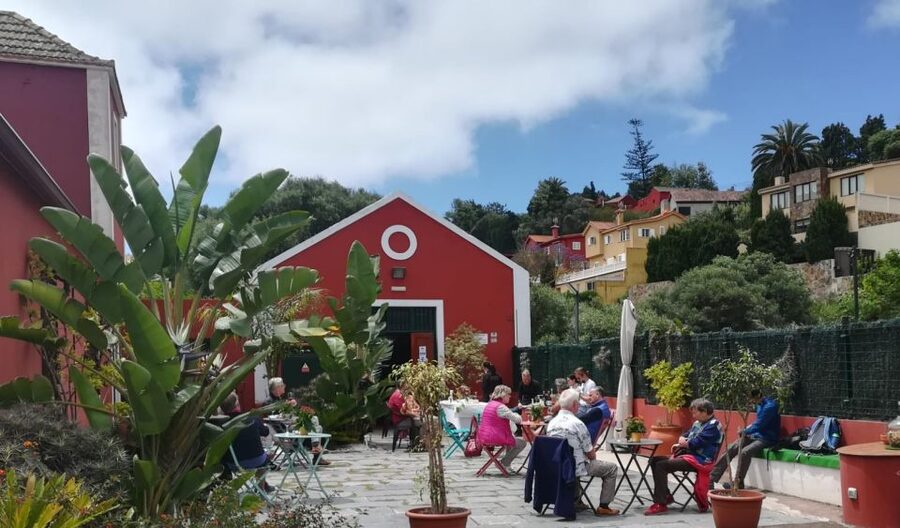
I would choose this tour for:
- Couples looking for a quiet food-and-drink outing
- Visitors interested in family businesses and local production
- Wine beginners who want a clear introduction without a full technical course
- People who enjoy historic buildings, old machinery, and photography
- Anyone with a free 90-minute period near the winery
It also works well for a birthday or a relaxed afternoon. A guide may take photographs for you, which can be useful if you are visiting as a couple and want more than a few quick phone shots.
I would think twice if you dislike alcohol, want a large meal, or prefer a long vineyard walk. The route is compact and focused on the winery’s story. It is also not the best choice if you need hotel transportation included.
The tour is advertised in English, and the guide or greeter speaks English. Maria has been praised for explaining the material clearly and for helping groups that include different languages, but guide assignments can change. If a particular guide matters to you, confirm this before booking.
Booking details worth knowing
You can cancel up to 24 hours before the activity for a full refund. A reserve-now, pay-later option is also available, which helps if you are still arranging your Gran Canaria plans.
The visit operates in all weather. Since part of the experience takes place outdoors, check the forecast and dress sensibly. The estate itself provides the setting, so the weather may affect how comfortable the vineyard portion feels even though the tour continues.
The activity has a rating of 4.7 from 131 ratings, with especially strong praise for the guides, the historic estate, the wine and cheese tasting, and the relaxed pace. One less positive point concerns unclear directions at the start, so treat the meeting point as something to verify, not a detail to skim.
Should you book the Bodega San Juan tour?
Book it if you want a personal introduction to Gran Canaria wine, a small family winery, and a tasting tied to local food. The combination of the old lagar, wine museum, wooden casks, organic vines, and garden table gives the 90 minutes a pleasing variety.
I especially recommend it to visitors who prefer a real working property over a polished attraction. The tour does not offer a huge selection of wines, and you must arrange your own transport, but the $34 price is fair for the guided access, history, and food included.
Before booking, confirm the route to Finca El Mocanal, allow extra time, and check whether the wines you hope to buy are available. If those details suit your plans, this is a compact and worthwhile way to spend an afternoon on Gran Canaria.
FAQ
How long does the winery tour last?
The tour lasts 1.5 hours.
How much does the experience cost?
The listed price is $34 per person.
Where does the tour meet?
You meet at Bodega San Juan, Finca El Mocanal, in Gran Canaria.
Is hotel pickup included?
No. Hotel pickup and drop-off are not included, so you must arrange your own transportation to and from the winery.
What is included in the activity?
The experience includes a farm and vineyard tour, a guided winery visit, wine tasting, cheese, toasted bread, and olives.
How many wines do you taste?
The tasting includes two wines.
What language is the tour offered in?
The host or greeter speaks English, and English is the listed tour language.
Does the tour operate in bad weather?
Yes. The activity takes place rain or shine.
More Museums in Gran Canaria
- Madrid: Prado Museum Entry Ticket
★ 4.6 · 17,509 reviews - Barcelona: FC Barcelona Museum “Barça Immersive Tour” Ticket
★ 4.4 · 10,944 reviews - Madrid: Reina Sofía Museum Entrance Ticket
★ 4.5 · 6,889 reviews - Barcelona: Park Güell and Gaudí House Museum Entry Ticket
★ 4.5 · 6,326 reviews
Just added in Gran Canaria
- Full Day Rainforest Tour with Tasting and Swimming Time ツ★ 5.0 · 607 reviews
- The Red Canyon Tour – Small Group Trip with Local Food Tasting ツ★ 5.0 · 798 reviews
- Full Day Ticket at Perchel Beach Club with Lunch★ 5.0 · 316 reviews
- 3 Wheel Motorcycle like Quad/Buggy Tour Gran Canaria (Maspalomas)★ 5.0 · 237 reviews
- Arucas, Teror, Viewpoint Roque Nublo – Highlights Gran Canaria★ 4.5 · 170 reviews
- Gran Canaria Highlights Private Tour VIP★ 5.0 · 106 reviews
- Full day Hiking Gran Canaria Peaks of Gran Canaria★ 5.0 · 130 reviews
- Coastering in Gran Canaria (Aquatic Route in the ocean cliffs)★ 5.0 · 135 reviews
Wine Tours, compared.

Montserrat & Cogwheel Train, Gourmet Wine Tasting & Tapas/Lunch
Read our review →
Montserrat with Black Madonna & Medieval Winery with Tapas/Lunch
Read our review →
Montserrat and Winery Tour with Tapas or Lunch
Read our review →
Madrid Tapas & Wine Tour with Rooftop Views and Local Guide
Read our review →
Barcelona Gothic Quarter Tapas & Taverns Food & Wine Tour
Read our review →
Gaztelugatxe, Bermeo, Mundaka, Gernika, & Wine Tour
Read our review →Browse the lists this tour appears in