
Reviewed · TOURS IN GRAN CANARIA
South Gran Canaria: Off-Road Valleys & Villages Jeep Tour
Gran Canaria’s best scenery begins when the beach resorts fall behind. This five-hour jeep trip takes you up rough tracks and narrow mountain roads toward Lake Chira, San Bartolomé de Tirajana, Fataga, and the Valley of the Thousand Palms. You get big views, old villages, and a real taste of the island’s dry, rugged interior.
I like the way the tour combines off-road fun with local history, rather than simply driving from one lookout to another. I also like the hotel pickup from the southern resorts and the guides’ easy humor, with people such as Juan, Luis, Paco, Karolis, and Eduardo praised for keeping the trip lively across several languages. The main caution is simple: some tracks are bumpy, narrow, and exposed, so this is not a good fit if you dislike heights or rough roads.
Key points at a glance
- A proper mountain route: Leave the resort coast for Salobre, Lake Chira, Tirajana, Fataga, and high viewpoints.
- Real off-road driving: Expect dusty tracks, jolts, tight turns, and stretches beside steep drops without crash barriers.
- Excellent scenery: Look for Roque Nublo views, palm-filled valleys, pine country, canyons, and changing mountain colors.
- Useful stop in Tirajana: You have time for coffee, a drink, a snack, photos, and a look at the historic church.
- Good value at $74: Transport, guide, and southern hotel pickup are included, while lunch costs extra if you choose it.
- Best for active sightseers: Families, solo visitors, and couples can all enjoy it, but wheelchair users cannot join.
Leaving Maspalomas for the island’s rough side
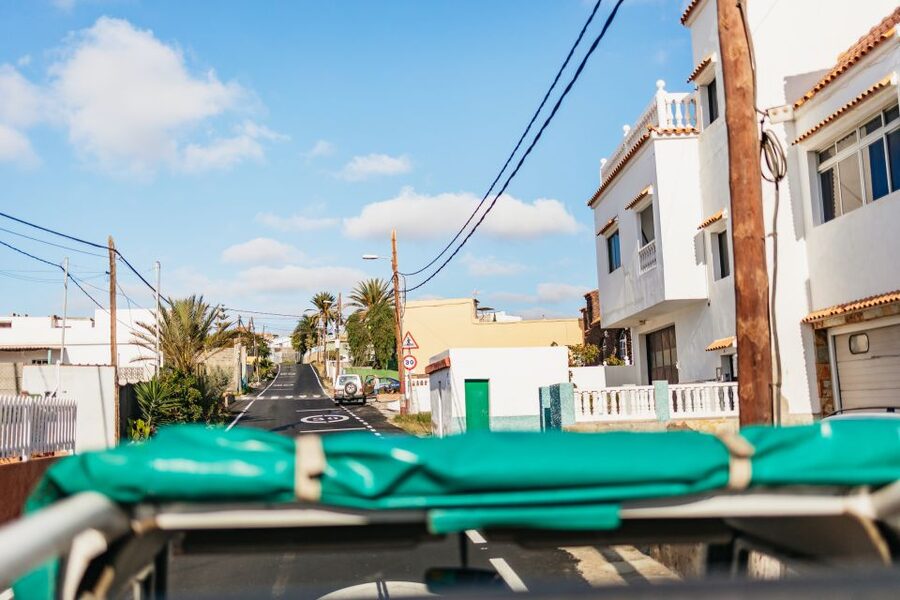
The day starts with pickup at selected hotels and meeting points in the south, including Maspalomas, Puerto de Mogán, Playa del Inglés, Meloneras, and nearby resort areas. You need to be in the lobby 10 minutes early, since the exact time is confirmed after booking and pickup is limited to the listed places.
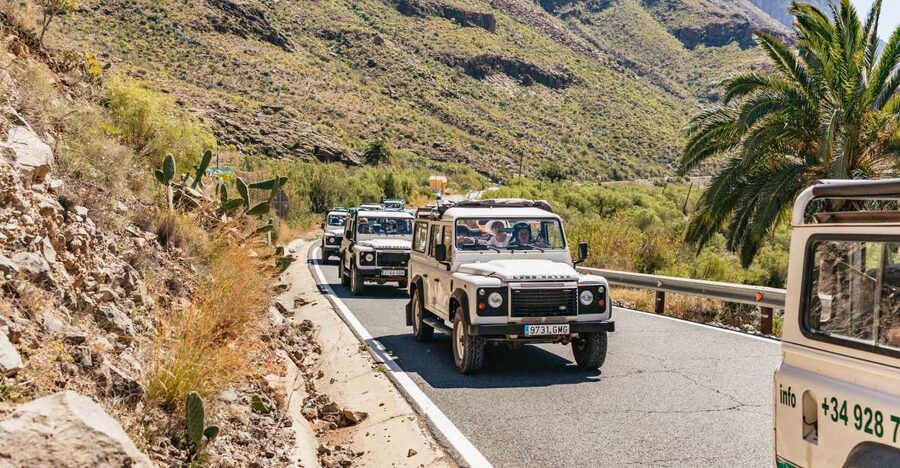
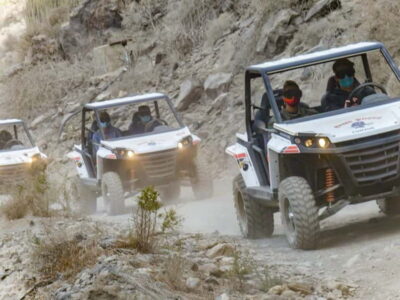
At Maspalomas, the group receives a safety briefing before the jeeps head inland. The vehicles are described as air-conditioned, but you should read that in practical terms: some departures use open-sided or open-roof vehicles, and one report humorously noted that fresh air can mean no roof and open windows. Bring sunscreen, and pack a light layer for the higher ground.
This opening section matters because it shows how quickly Gran Canaria changes. Around the resorts, you have hotels, beaches, and busy roads. Within a short time, the route reaches dry hills, cactus plants, rocky gullies, and winding roads that climb into the center of the island.
The tour is not a self-drive safari. You sit back while a driver handles the rough tracks and the steep bends. That is a real advantage here. The roads can be intimidating, and you can pay attention to the views instead of watching every turn.
Other trips people book in Gran Canaria:
- Poema del Mar Skip-the-Line Ticket
★ 4.8 · 3,856 reviews - Puerto de Mogán: Submarine Tour
★ 4.4 · 3,792 reviews - Maspalomas: Guided Camel Ride in the Maspalomas Sand Dunes
★ 4.4 · 3,690 reviews
The Salobre to Lake Chira drive
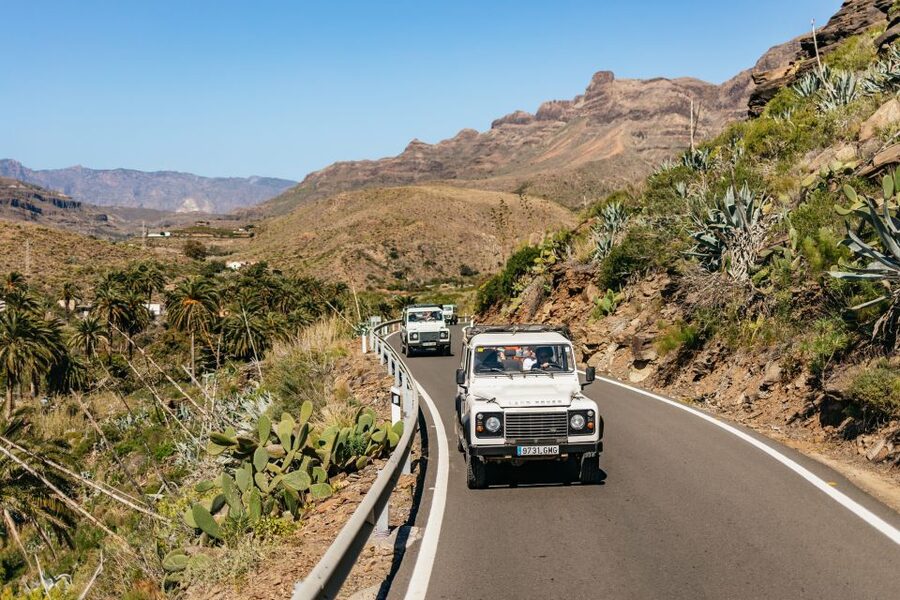
The route from Salobre toward Lake Chira is one of the main reasons to book. You leave the easier paved roads for rougher tracks, where the jeep gives you the jolting, roller-coaster feel promised by the trip.
I would not call this extreme off-roading. The tracks are used by local and emergency vehicles, but they can still feel adventurous. Some stretches are dusty and uneven, with sharp bends and steep drops close to the road. Drivers have been praised for taking care around exposed sections, but you should still be comfortable with heights before booking.
The reward is the view. You look across folded hills, dry ravines, cactus-covered slopes, and scattered villages. On a clear day, the route offers striking views toward Roque Nublo, one of Gran Canaria’s best-known rock formations. The exact sightline depends on weather and the day’s route, so do not treat it as a guaranteed close-up visit.
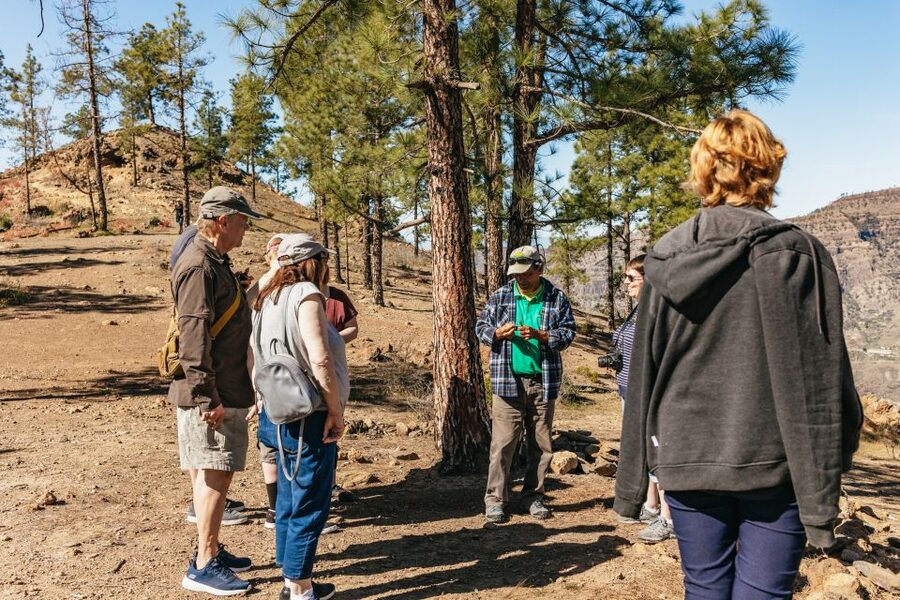
The vehicles usually stop at scenic points for photographs. These pauses break up the drive and give the guide time to explain the island’s plants, rock formations, villages, and past. Guides have pointed out cave openings and unusual shapes in the canyon walls, as well as the contrast between the arid coast and greener inland areas.
Lake Chira and the changing mountain scenery
Presa de Chira, or Chira Reservoir, gives the trip a different mood from the dry slopes below. The water sits among high ridges, and the road provides broad views across the interior. The reservoir is not presented as a long walking stop, so expect to see it mainly as part of the scenic drive and photo route.
This is where the variety of Gran Canaria becomes clear. The island is compact, but its height changes quickly. You can pass from cactus country to pine woods, then reach palm-filled valleys and rocky ravines. After rain, waterfalls may appear along the route, though that depends entirely on recent weather.
I like this part because it does not feel like a standard resort excursion. You are not just being taken to one famous viewpoint. The drive connects working villages, reservoirs, tracks, and mountain passes, giving you a better sense of how much of the island lies beyond the coast.
Keep your camera ready, but do not expect every stop to be long. This is a moving tour with several viewpoints, not a full-day hiking trip. You get time to step out, look around, and take photographs, then return to the jeep for the next section.
Coffee, church, and a pause in San Bartolomé de Tirajana
The longest planned stop is in San Bartolomé de Tirajana, also called Tirajana. The schedule allows roughly 95 minutes, although the time can vary with the day’s arrangements. This is the practical center of the trip, with time for a drink, food, toilets, photographs, and a look around.
The historic church gives the stop some substance. You are not simply being taken to a roadside café. The village offers old buildings and a chance to see how communities fit into the mountain valleys. Guides use this pause to explain local history and daily life, often switching between English, Spanish, German, French, Italian, and other languages as needed.
Food is the point that needs careful planning. Lunch is not included in the $74 price. Some departures offer an optional buffet for about €15, sometimes including drinks such as water and sangria. It has been described as a practical meal with salad, fish, and simpler choices, but you can also look for a local café or bring a packed lunch.
Do not assume that a coffee stop automatically means a later lunch stop. One departure finished around early afternoon after the village break, leaving little time for a separate meal. I would carry a sandwich or other snack, especially if you have children with you or prefer not to pay for the optional buffet.
Same base, a different kind of day out:
- Guided tour of the Banana World
★ 5.0 · 3,431 reviews - From Puerto Rico de Gran Canaria: Dolphin Watching Cruise
★ 4.3 · 2,520 reviews - Gran Canaria: Dolphin and Whale Watching Cruise
★ 4.3 · 1,855 reviews - Gran Canaria Guided Buggy Tour
★ 4.7 · 1,743 reviews
Through the Valley of the Thousand Palms and Fataga
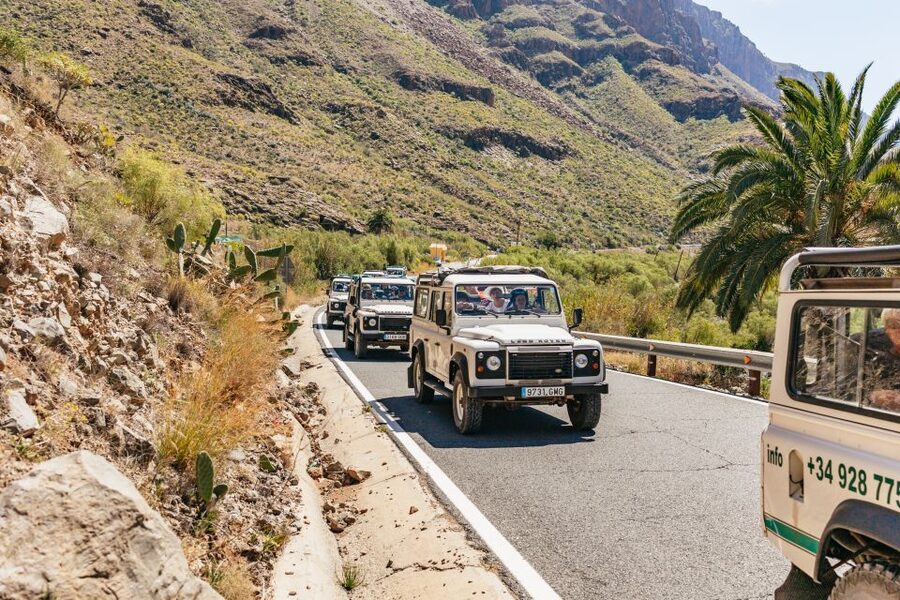
After Tirajana, the route continues through the Valley of the Thousand Palms. This section is a strong contrast to the dry, bare hills. Tall palms line the valley, and the road threads through a setting that feels quieter and more sheltered.
Fataga is another appealing stop or pass-through village. Its traditional buildings and mountain setting give you a glimpse of old Gran Canaria, far from the large hotels around Maspalomas. You may have time to walk briefly, take pictures, or listen while the guide explains the area, but the tour does not promise a long village visit.
The route also passes through canyons and rocky valleys. The scenery is not polished or landscaped for sightseeing, which is part of its appeal. You see rough stone, old tracks, palms, pines, and dry slopes in close succession.
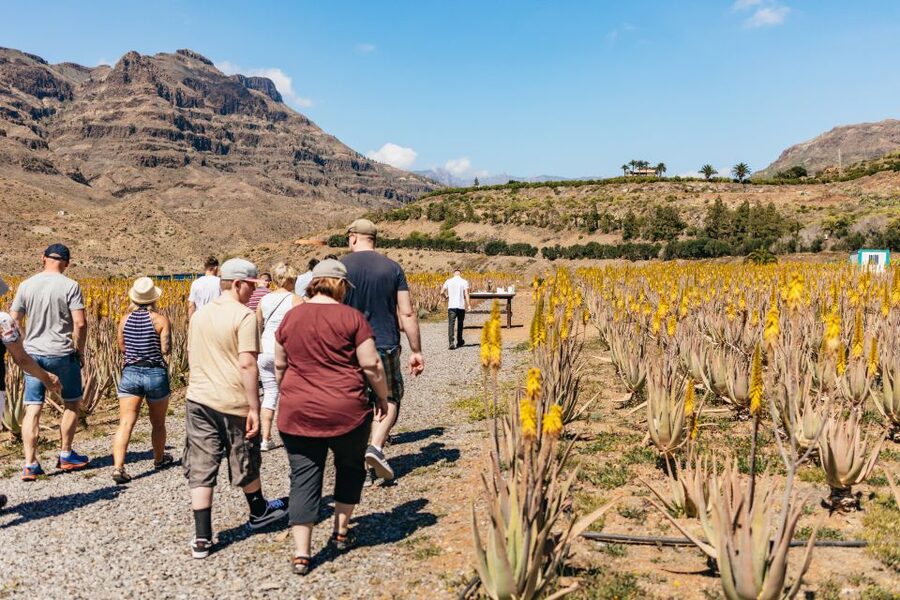
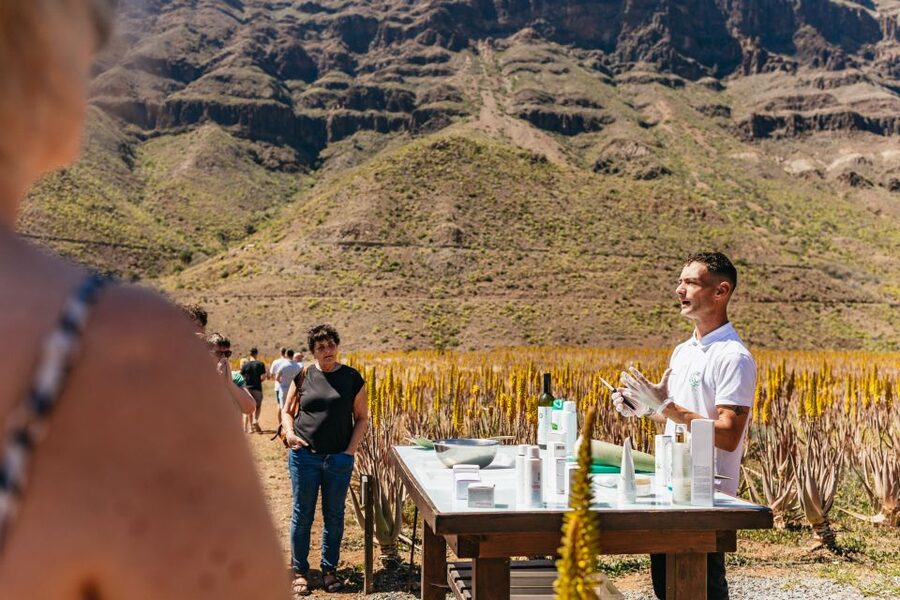
Some departures have also included an aloe vera farm, where you can hear how the plant is grown and used before browsing products. This can be interesting if you want a short look at a local industry, but it is also a sales stop, and the products may seem expensive. A camel park has appeared on some versions of the route as well, so ask for the exact schedule if you want to avoid optional commercial stops.
The final views at Las Moscas
The last major viewpoint is Mirador Las Moscas, identified in the itinerary as the Mirador Astronómico de la Degollada de las Yeguas. The stop is short, around 15 minutes, but the setting gives you one final wide look over the southern part of the island.
This is a good place to appreciate the scale of the route. You have moved from the resort coast into high valleys, reservoirs, palm groves, and canyon country, then returned toward the southern viewpoints. The name suggests an astronomy viewpoint, but the main daytime appeal is the open view and the chance to take photographs.
The timing here is useful. After several hours in the jeep, you can stretch your legs, get a final set of pictures, and enjoy the air before the return drive. Do not expect a lengthy walk or a guided astronomy session during this daytime tour.
Drop-off follows at the southern pickup points, including hotels and meeting places around Maspalomas, Meloneras, Playa del Inglés, Puerto de Mogán, and nearby areas. Pickup from Las Palmas, the capital, is not available.
What the $74 price really buys you
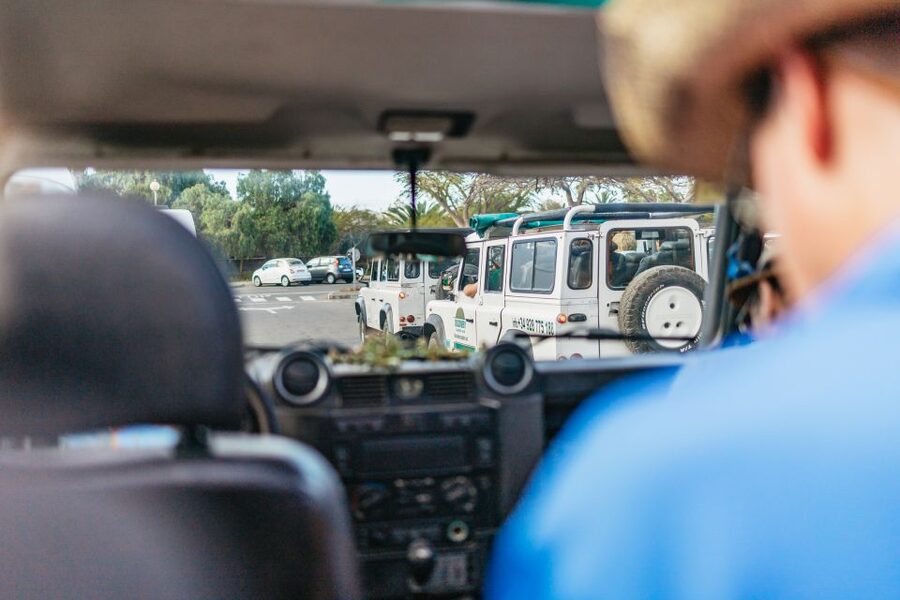
At $74 per person, the trip is good value if you want to see the interior without renting a car. You get southern hotel pickup and drop-off, the jeep, the driver-guide, the safety briefing, and a route covering several distinct parts of the island.
The price is especially fair for solo visitors. You can join a shared jeep rather than paying for a private vehicle, and the guides generally make an effort to include people who arrive alone. The same applies to families, provided everyone can manage a bumpy ride and the group’s pace.
The price does not cover lunch. Set aside about €15 if you choose the optional buffet, or carry food and use the village stop for a café. Aloe vera products, a group photograph, and any other optional purchases also cost extra.
The tour lasts about five hours as advertised, but some departures have run closer to six hours. That is worth allowing for if you have an evening reservation or airport transfer. The schedule is affected by pickup runs, road conditions, photo stops, and the number of jeeps operating that day.
Comfort, safety, and who should skip it
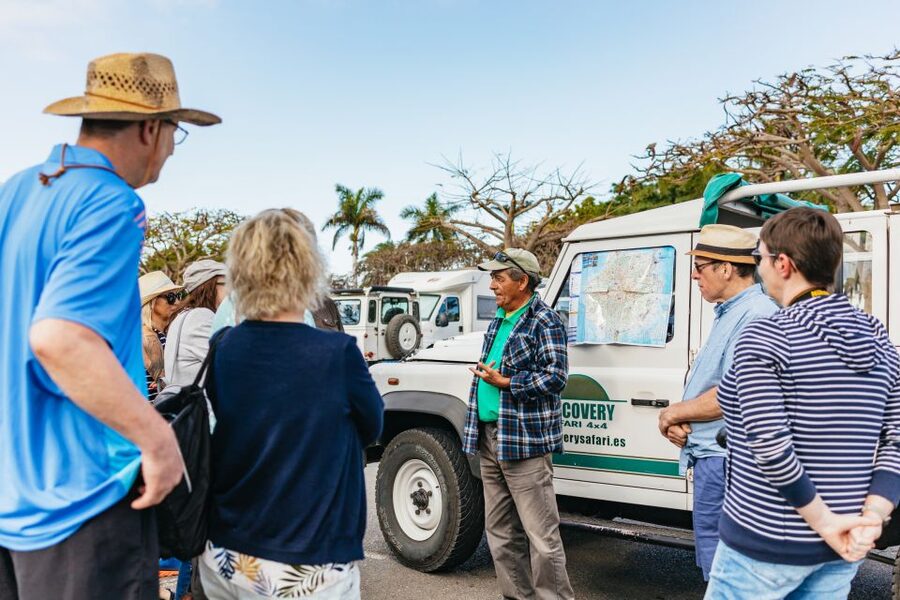
The jeeps are intended for mountain roads, not luxury touring. You should expect dust, engine noise, jolts, and limited room for stretching out. The open-air setup can be pleasant in warm weather, but it makes sunscreen and a warmer layer useful. Mountain temperatures can feel noticeably cooler than at the coast.
The steep tracks are the main concern. Several sections run close to the edge, with no crash barrier. Competent driving matters, and drivers such as Juan, Luis, Karolis, Paco, Eduardo, and others have been praised for keeping control and explaining what lies ahead. Still, no guide can remove the basic fact that the roads are narrow and exposed.
I would skip this tour if you have a strong fear of heights, motion sickness, or a medical reason to avoid jolting. It is also not suitable for wheelchair users. Smoking is not allowed inside the vehicle.
For everyone else, the roughness is part of the experience. You are not paying for a smooth coach ride. You are paying to reach places that are awkward to visit by standard transport, with someone else driving the difficult sections.
Guide style and language support
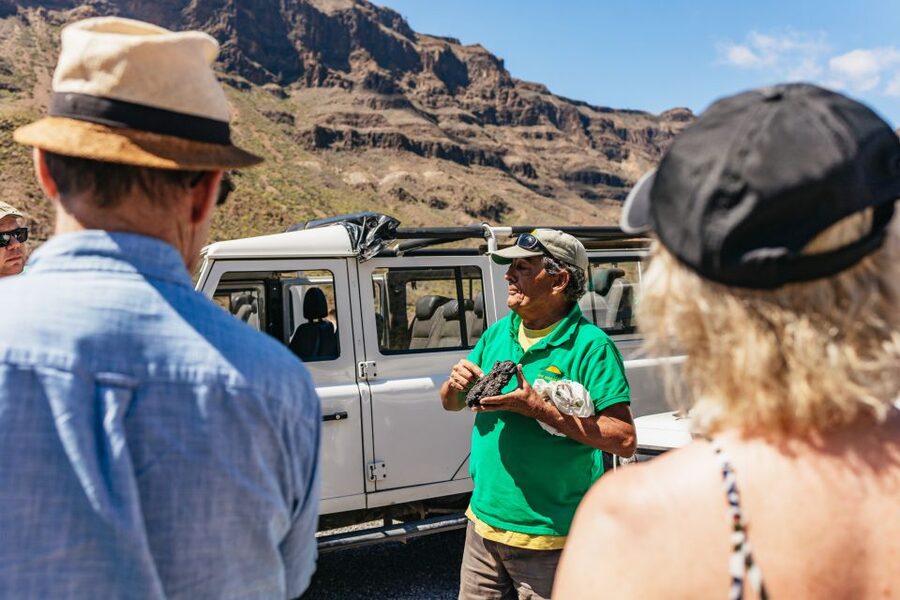
The guide can speak English, Spanish, German, French, or Italian. Groups may include several languages, and the guides often translate explanations between them. This can make the narration less continuous than a private tour, but it also lets couples and families from different countries share the same route.
The strongest guides add local stories, jokes, and practical explanations rather than reciting a list of place names. Luis, Juan, Paco, Karolis, Eduardo, and others have been singled out for their humor, patience, and ability to keep people involved. A driver may speak less English than the main guide, so do not worry if every part of the day is not narrated by the person behind the wheel.
The trip also works for a solo visitor. You are placed with other people in a shared jeep, and the frequent stops make it easy to chat without spending five hours in one long conversation.
Should you book this Gran Canaria jeep tour?
Book it if you want mountains, villages, and rough tracks in one half-day outing, especially if you are staying in the south and do not want to drive unfamiliar roads. The combination of Lake Chira, Tirajana, Fataga, palm valleys, Roque Nublo views, and high lookouts gives you much more than a standard coast trip.
Think twice if you need a quiet, smooth ride, a guaranteed restaurant lunch, or a precise finish time. Bring sunscreen, a light jacket, water, and a packed snack. If the thought of a bumpy track beside a steep drop sounds exciting rather than alarming, $74 is a sensible way to see the wilder side of Gran Canaria.
FAQ
How long does the jeep tour last?
The advertised duration is five hours. Some departures may run close to six hours because of hotel pickups, stops, road conditions, and the pace of the group.
Where does pickup take place?
Pickup is available from selected hotels and meeting points in southern Gran Canaria, including areas around Maspalomas, Meloneras, Playa del Inglés, and Puerto de Mogán. You must use one of the listed locations.
Can I join the tour from Las Palmas?
No. Pickup from Las Palmas, the capital, is not available.
Is lunch included?
No. Lunch is not included in the $74 price. An optional buffet costing about €15 has been available on some departures, and you can also buy food locally or bring a packed lunch.
Is the tour suitable for people afraid of heights?
Some roads are narrow, bumpy, and close to steep drops without crash barriers. If you strongly dislike heights, this may not be the right excursion.
What languages are available?
Guides may provide the tour in English, Spanish, German, French, or Italian. Multilingual guides may translate information for different people in the group.
Is the tour accessible for wheelchair users?
No. The activity is not suitable for wheelchair users.
Just added in Gran Canaria
- Las Palmas: City Sightseeing Hop-On Hop-Off Bus Tour★ 3.7 · 888 reviews
- 3h Boat Trip + Snorkeling in Puerto de Mogan★ 5.0 · 785 reviews
- Scuba Diving Experience for Beginners in Gran Canaria★ 5.0 · 561 reviews
- Puerto de Mogan: Boat and Snorkeling Trip★ 4.9 · 855 reviews
- Dolphin and Whales watching cruise from Puerto Rico de Gran Canaria★ 4.0 · 508 reviews
- Sailing Trip and Snorkeling (max. 8 people)★ 5.0 · 181 reviews
- From Puerto de Mogán: Sailboat Trip with Food and Drinks★ 4.8 · 250 reviews
- Gran Canaria: Catamaran Day Trip with Food and Drinks★ 4.8 · 845 reviews
Tours in Gran Canaria, compared.

Maspalomas: Guided Camel Ride in the Maspalomas Sand Dunes
Read our review →
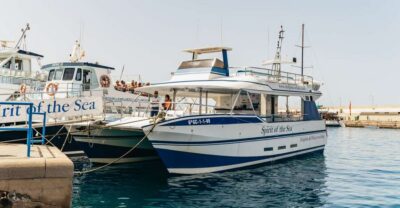
From Puerto Rico de Gran Canaria: Dolphin Watching Cruise
Read our review →
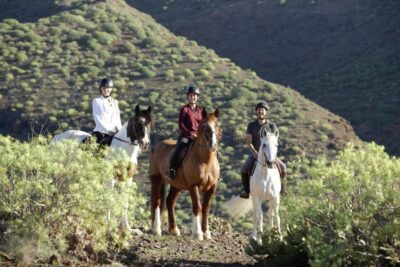
El Salobre: Horse Riding Adventure with Transfer Options
Read our review →Browse the lists this tour appears in