
Reviewed · TEIDE NATIONAL PARK TOURS
Tenerife: Mount Teide Observatory Astronomical Tour
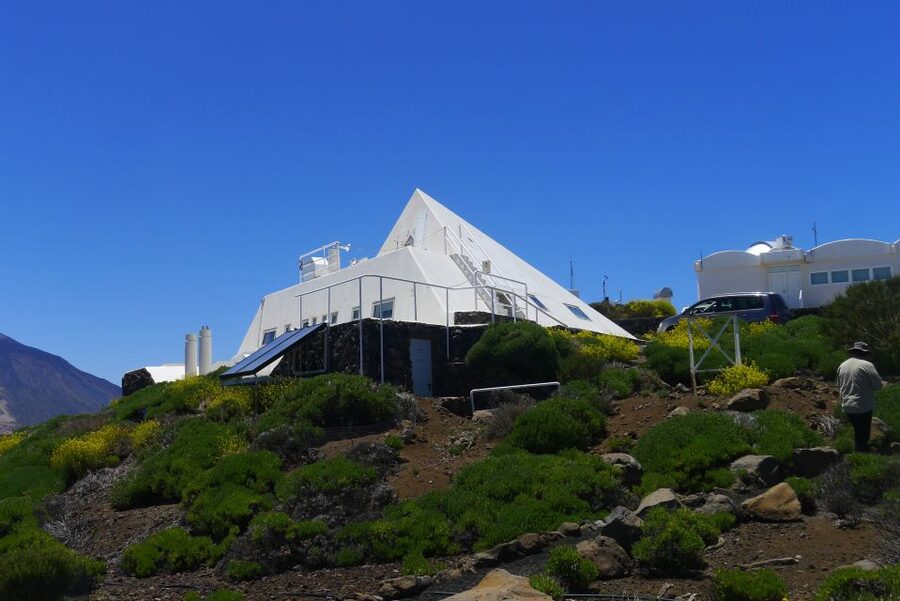
Mount Teide turns into an astronomy classroom on this eight-hour small-group tour, with an afternoon visit to the world’s largest solar observatory followed by sunset and stargazing after dark. You can watch solar activity, learn how major telescopes work, and use powerful equipment to study the night sky from one of the world’s top stargazing sites.
I like the mix of science and scenery, especially the chance to see the observatory in daylight before the stars take over. I also like the practical format: transport, guides, the observatory visit, and telescope viewing are bundled together. The main catch is the cold, and the strict clothing rules are serious. At altitude, Tenerife’s warm coast can give way to strong wind and temperatures near 7°C.
Key points to know before booking
- Two kinds of astronomy in one day: Learn about solar research in the afternoon, then study stars and planets after sunset.
- Expert-led observatory access: Guides from the observatory explain the telescopes, solar science, and night sky in Spanish or English.
- Small-group transport: Pickup is available from selected hotels in north Tenerife, though several stops can make the road journey longer.
- Cold-weather rules are enforced: You need long trousers, a long-sleeved shirt, warm clothing, and closed shoes. Sandals, shorts, short skirts, and sleeveless tops are not allowed.
- Weather can change the program: Poor conditions may replace telescope viewing with two nocturnal telescopes or an audiovisual presentation.
- Best for astronomy fans aged eight and up: The tour is rewarding if you enjoy asking questions and spending time outdoors at night.
Why Mount Teide is such a good place for stargazing
Mount Teide gives this outing more purpose than a standard evening excursion. You are not simply driven to a dark viewpoint and handed a quick look through a telescope. The day connects the island’s volcanic setting with the science carried out above the clouds.
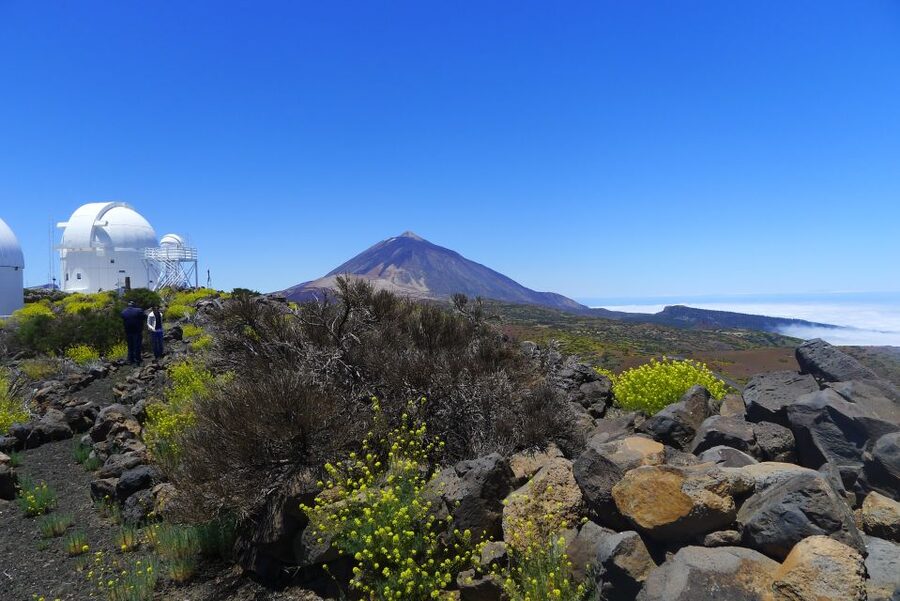
The observatory sits high on Mount Teide, where clear air and limited light pollution help astronomers study the sun and the night sky. The setting also creates a sharp contrast with coastal Tenerife. You may leave your hotel in bright, warm weather and reach a cold, windy mountain environment later in the day.
That change is part of the experience, but it is also the biggest practical issue. Pack for the mountain, not the beach. Warm layers matter more than the forecast at your hotel, and the clothing rules are not a suggestion. Anyone arriving in sandals, shorts, short skirts, or a sleeveless shirt may be refused entry to the excursion.
The tour is designed for small groups, which makes a real difference during the explanation stops. Astronomy can become a long lecture when you are standing at the back of a crowd. Here, you should have a better chance to hear the guide and ask questions, though the exact group size is not stated.
Other volcano and park days near Tenerife:
- Tenerife: Mount Teide Tour with Cable Car Ticket & Transfer
★ 4.3 · 5,094 reviews - Tenerife: Sunset and Stargazing at Teide National Park
★ 4.7 · 2,826 reviews - Teide National Park Sunset & Stargazing with Dinner (Star Safari)
★ 5.0 · 2,601 reviews
The ride up from north Tenerife
Pickup is offered from selected north Tenerife hotels, including Parque San Antonio, GF Noelia, Hotel Magec, Hotel Concordia, Tucán, Coral Teide Mar, Riu Garoé, CC La Cúpula, and Kiosko Paragüitas. Your exact pickup time changes with the season because the evening schedule is built around sunset.
The road journey is more than a transfer. You travel through changing scenery as the bus climbs toward the mountain, and the route can include broad views of Tenerife’s volcanic terrain. One reported itinerary followed the west coast and offered views toward the Los Gigantes cliffs before heading inland.
The small-group minibus is comfortable for this kind of day, but pickup from many hotels can add time. One account estimated that multiple collection points added nearly two hours to the overall journey. That is not guaranteed, yet it is worth allowing for a long day with a fair amount of driving.
The driver also helps set the tone. Frederico was singled out for careful driving, while another guide added explanations about the natural scenery along the way. You are not left with a silent transfer, although the amount of commentary may depend on who leads your departure.
Inside the world’s largest solar observatory
The observatory visit is the tour’s most unusual feature. Many Mount Teide evening trips focus on sunset and stars. This one adds a guided afternoon visit to a working scientific site, giving you a look at how researchers study the sun.
An observatory guide explains the design and purpose of the telescopes, including how they capture solar activity. You can learn how scientists examine the sun in real time and, depending on the conditions and equipment used that day, see solar flares through a telescope.
The tour also gives you a chance to look inside a telescope. That small detail helps turn an abstract explanation into something you can understand. Instead of hearing only about distant instruments, you get a closer sense of their size, structure, and function.
Guides such as Lucas and Micaela have been praised for making difficult ideas easy to follow. The best part of this outing is not simply the equipment. It is having someone explain what you are seeing, why the instruments are designed that way, and how astronomers use them.
If you are already interested in astronomy, bring questions. The guides are prepared to discuss telescope design, star formation, navigation by the stars, and how scientists identify elements in distant stars and planets. If you are new to the subject, the explanations are aimed at general audiences rather than professional astronomers.
Sunset on the volcanic mountain
After the observatory, the timing moves toward sunset. You stop at a viewpoint in the volcanic mountain area and watch the light change across the high country.
This is a useful pause between the scientific and nighttime parts of the day. You have time to take photographs, enjoy the scenery, and get used to the colder air before the star program begins. The sunset is not an extra rushed photo stop. It helps mark the change from solar astronomy to night astronomy.
The setting can be windy, so bring a jacket even if you are more interested in telescopes than sunsets. The mountain’s conditions may be very different from those at your hotel. One particularly useful temperature comparison put the hotel at 30°C while the cable car station was around 7°C with strong winds.
The tour information does not promise a cable car ride, and you should not book this excursion expecting one. The focus is the observatory, sunset, and nighttime observation around Mount Teide.
Same base, a different kind of day out:
- Siam Park Entry Tickets
★ 4.5 · 15,710 reviews - Tenerife: Eco-Yacht Whale and Dolphin Watching and Swimming
★ 4.7 · 15,619 reviews - Los Cristianos Respectful No-Chase Whale and Dolphin Safari
★ 4.6 · 12,782 reviews - Tenerife: Loro Parque Entry Ticket
★ 4.8 · 12,411 reviews
What happens after dark
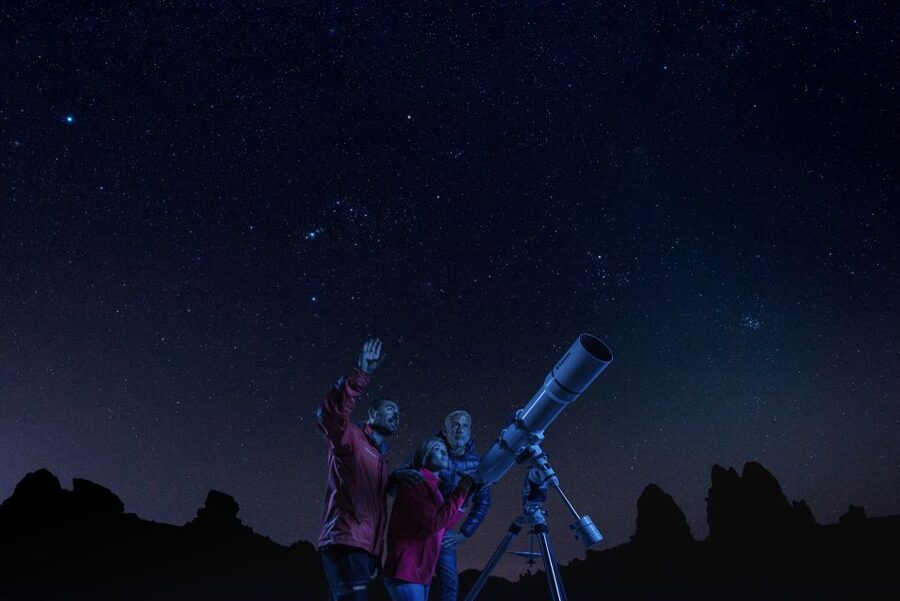
Once night arrives, the guide begins with unaided stargazing. This matters because you first learn to look at the sky without equipment. The guide can point out constellations and explain how to use the stars for navigation before you move to the telescopes.
You then use a long-range telescope to examine prominent objects in the night sky. Depending on the program and conditions, you may study the moon, stars, planets, or other visible objects. The exact objects change with the season and the weather, so no responsible tour can promise a particular planet or celestial event.
Past outings have included several telescope stations and a short planetarium presentation. The published inclusions specify astronomical observation with a long-range telescope, while weather plans refer to two nocturnal telescopes if the normal solar telescope arrangement is not possible. Expect guided telescope viewing, but not a fixed number of instruments every night.
The guide’s commentary is central here. You learn what you are looking at instead of simply waiting for your turn at an eyepiece. One especially strong program included explanations of how telescopes work, how stars form and die, and how elements are identified in other stars and planets.
Clear conditions can produce memorable surprises. A comet and shooting stars have been seen during past outings, but these are luck, not promises. The same is true of the Milky Way and particular planets. The tour places you in a good setting, but the sky decides what appears.
What happens if the weather turns bad
Weather is the key variable. If clouds, wind, or other conditions make proper observation unsafe or impossible, the itinerary changes.
If the solar telescopes cannot be used properly, you may visit two nocturnal telescopes instead of one. If the stars cannot be seen, the guides use audiovisual equipment for a virtual tour of the night sky, constellations, and prominent objects that might otherwise have been visible.
That backup plan keeps the science going, but it cannot replace a clear night. You should book this tour because you want the observatory and expert explanations as well as the stars, not because you need a guaranteed telescope view.
The cancellation policy gives you some protection: you can cancel up to 24 hours ahead for a full refund. The reserve-now, pay-later option also helps if your Tenerife plans are still shifting. It does not remove the weather risk on the day, but it makes booking less rigid.
The real cost of an eight-hour outing
At $121 per person, this is not the cheapest way to see Mount Teide after dark. The value comes from combining several separate elements: hotel pickup, small-group transport, a guided observatory visit, sunset, professional astronomy instruction, and telescope viewing.
If you only want a quick look at stars, a shorter evening trip may suit you better. This outing earns its price when you want the observatory access and the explanations that go with it. You are paying for the full day structure and specialist guidance, not just a ride to a dark mountain viewpoint.
Food and drinks are not included. Bring something to eat and water for the long day. A cafe may be available near the mountain facilities, but supplies can be limited and demand may be high. Do not assume you will find a full meal exactly when you want one.
The eight-hour duration also affects value. You get more time for science and scenery, but this is not a light evening activity. With hotel pickups, the drive, the observatory, sunset, and stargazing, you may return late. Plan your next morning gently.
Who will enjoy this tour most
This is a strong choice for adults and children aged eight or older who enjoy science, photography, stars, or volcanic scenery. It suits curious beginners as well as people who already know the difference between a nebula and a planet.
The tour is especially good if you like asking questions. Guides including Lucas, Micaela, and others have been praised for clear explanations, patience, and enthusiasm. That human element is what turns the equipment into an experience.
It is less suitable if you dislike cold, long drives, or outdoor waiting. It is also not recommended for children under eight, people with mobility impairments, or anyone with a health condition that could make a high-mountain excursion difficult. Consult your doctor if you have concerns before booking.
What to wear and pack for Mount Teide
Treat the clothing list as essential. Bring:
- Warm clothing and several layers
- A long-sleeved shirt
- Long trousers
- Closed-toe shoes
- Comfortable clothing
- Food and drinks for the day
Do not bring sandals, flip flops, shorts, short skirts, or sleeveless shirts. The operator states that people without the required clothing will not be allowed to join.
Closed shoes are particularly important because the tour includes walking around the observatory and outdoor viewing areas. You may be standing outside while waiting for telescope time, so warm socks and an extra layer are sensible additions, even though they are not specifically listed.
Should you book the Mount Teide Observatory tour?
Book it if you want more than a sunset photo and a quick star talk. The combination of a working solar observatory, a mountain sunset, and guided night observation gives you a full astronomy day that is hard to match with a basic evening excursion.
I would be cautious if your main goal is a guaranteed list of celestial objects. Weather can change the viewing plan, and the exact telescope program varies. The trip also asks you to give up eight hours, carry warm clothing, and manage a potentially long pickup route.
For an astronomy enthusiast, the observatory access is the deciding feature. For a curious first-timer, the clear explanations and backup audiovisual program make the day approachable. At $121, it is fair value when you want the science, transport, and night sky experience together.
FAQ
How long does the Mount Teide Observatory tour last?
The tour lasts eight hours. Pickup time changes with the season and the sunset time.
What languages are available?
The tour is offered with a live guide in Spanish or English.
Is hotel pickup included?
Yes. Pickup is available from selected hotels in north Tenerife, including Parque San Antonio, GF Noelia, Hotel Magec, Hotel Concordia, Tucán, Coral Teide Mar, Riu Garoé, CC La Cúpula, and Kiosko Paragüitas.
Is food included?
No. Food and drinks are not included. Bringing food is sensible because the mountain cafe may not have a wide supply available.
What clothing do I need?
You need warm clothing, comfortable clothes, a long-sleeved shirt, long trousers, and closed-toe shoes. Sandals, flip flops, shorts, short skirts, and sleeveless shirts are not allowed.
What happens if the stars cannot be seen?
The guides use audiovisual equipment to provide a virtual tour of the night sky, constellations, and prominent objects that could have been visible.
What happens if the solar telescope cannot be used?
If conditions prevent proper visibility through the solar telescopes, the program may include two nocturnal telescopes instead of one.
Can children join the tour?
Children aged eight and older can join. Children must confirm their age with a passport or ID card. The tour is not recommended for children under eight.
Just added in Tenerife
- Las Galletas: Whale & Dolphin Tour with Local Skipper★ 4.8 · 397 reviews
- Tenerife: Surfing Lesson for All Levels, Photos included★ 4.9 · 861 reviews
- Tenerife: Loro Parque & Siam Park Entry Ticket with Transfer★ 4.6 · 732 reviews
- Tenerife: Sunset Night Tour and Stargazing at Teide + Dinner★ 3.8 · 316 reviews
- Tenerife: Teide, Icod de los Vinos & Garachico Full Day Tour★ 4.3 · 602 reviews
- Tenerife: Sunset Catamaran Tour with Transfer, Buff & Drinks★ 4.8 · 570 reviews
- Tenerife: Half-Day Snorkeling Tour★ 4.6 · 154 reviews
- Tenerife: Snorkeling Tour in a Marine Protected Area★ 4.9 · 636 reviews
Teide National Park Tours, compared.
Mount Teide Tour with Cable Car Ticket & Transfer
Read our review →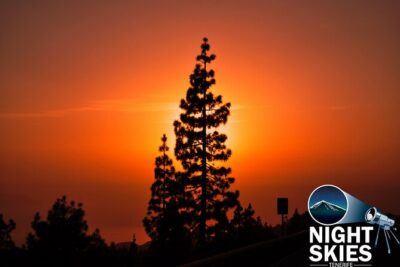
Teide National Park Sunset & Stargazing with Dinner (Star Safari)
Read our review →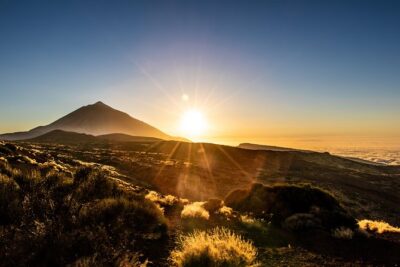
Teide by Night: Sunset & Stargazing with Telescopes Experience
Read our review →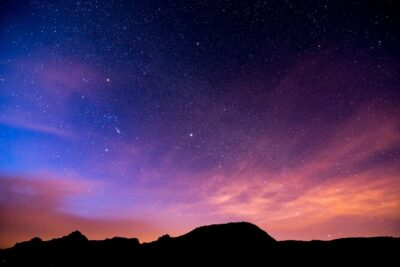
Mount Teide Summit Hiking Adventure with Cable Car
Read our review →
Teide, Icod de los Vinos & Garachico Full Day Tour
Read our review →
Teide National Park: Guided Large Telescope Stargazing Tour
Read our review →
Sunset Night Tour and Stargazing at Teide + Dinner
Read our review →Browse the lists this tour appears in