
Reviewed · AQUARIUMS
Seville Aquarium Admission Ticket
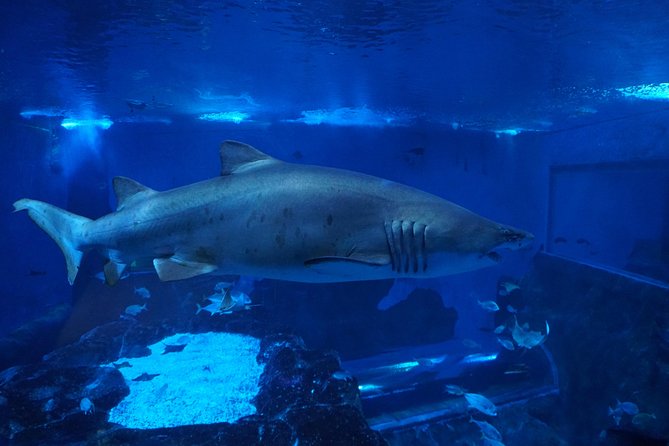
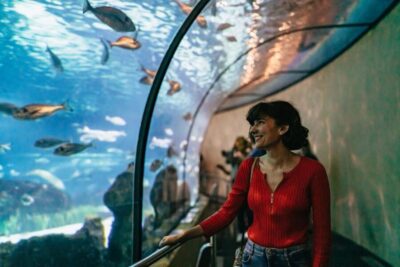
Seville Aquarium’s best feature is the nine-meter shark tank, where you walk below sharks, rays, and sea turtles as they glide overhead. The whole aquarium follows the route of Magellan and Elcano’s first circumnavigation, moving from the Guadalquivir River through the Atlantic, Amazon, Pacific, and Indo-Pacific.
I like the clear layout and the wide mix of animals, especially the jellyfish displays and the huge central tank. I also like that the signs are in Spanish and English, and that the aquarium stays cool on a hot Seville afternoon. The main drawback is size: most people finish in about 75 to 90 minutes, so this is not a full-day attraction.
Key points to know before you go
- The 9-meter shark tank is the centerpiece, with a walk-through section and several viewing platforms.
- Five themed areas trace a route from the Guadalquivir River to the Atlantic, Amazon, Pacific, and Indo-Pacific.
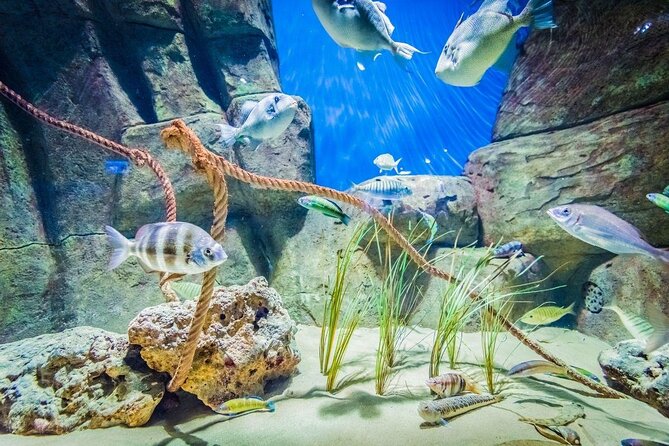
- More than 7,000 animals represent about 400 species across 40 aquariums.
- The axolotl installation adds a close look at a critically endangered amphibian known for regenerating limbs and some organs.
- A visit takes about 90 minutes, making this a useful break from Seville’s heat, rain, or crowded historic center.
- The aquarium is wheelchair accessible, with bus, bicycle, metro, and parking options nearby.
A voyage through Seville’s only sea
The Seville Aquarium uses a clever idea to give its collection a sense of direction. Instead of presenting tanks as unrelated rooms, it follows the path of the first voyage around the world, beginning with local waters and moving toward distant oceans.
You start with the Guadalquivir section, a fitting introduction in a city shaped by its river. The displays connect Seville to the waterways that helped make its port important. This opening area is less about grand ocean animals and more about seeing how aquatic life begins close to home.
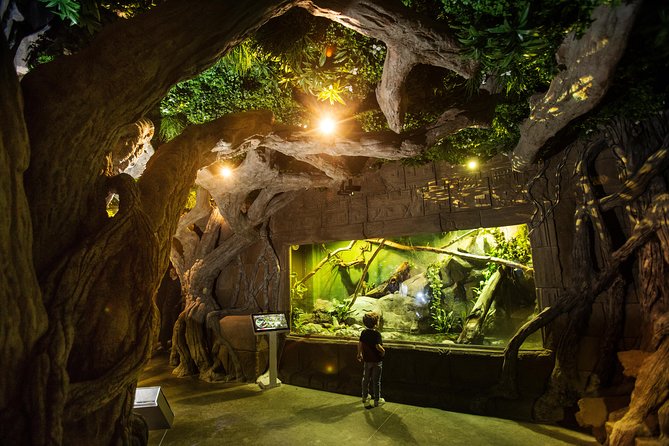
From there, the route moves through the Atlantic and into the Amazon area. The Amazon section broadens the visit beyond saltwater fish, with rainforest creatures including frogs, snakes, and South American reptiles. If you are visiting with children, this change of setting helps keep the hour moving. There is always something different around the next corner.
The Pacific and Indo-Pacific sections bring larger marine displays and more tropical species. The route is not a substitute for a major European aquarium with several enormous halls, but it is easy to follow and well arranged. I appreciate that you can walk through without constantly checking a map.
The Magellan theme also gives younger visitors a simple story to follow. You are not only looking at an animal in a tank. You are moving from river to ocean and from one part of the world to another. That small bit of structure makes the exhibits easier to remember.
A few more things to do in Seville worth a look
- Barcelona Aquarium: Entry Ticket
★ 4.3 · 13,335 reviews - Mallorca: Palma Aquarium Entry Ticket w/ Optional 3D Cinema
★ 4.5 · 2,280 reviews - Madrid: Zoo Aquarium Madrid Ticket
★ 4.6 · 1,663 reviews
The shark tunnel is the main event
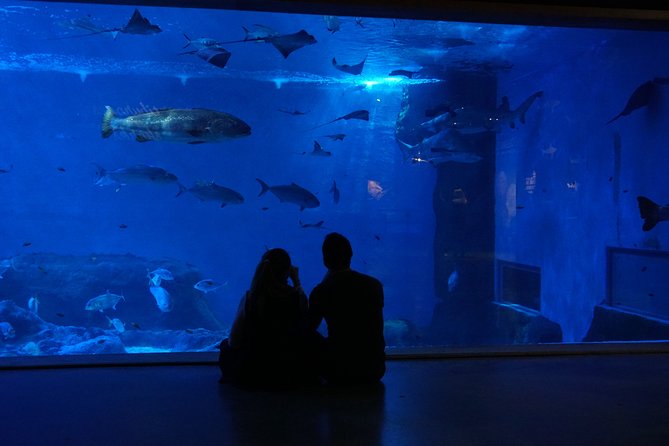
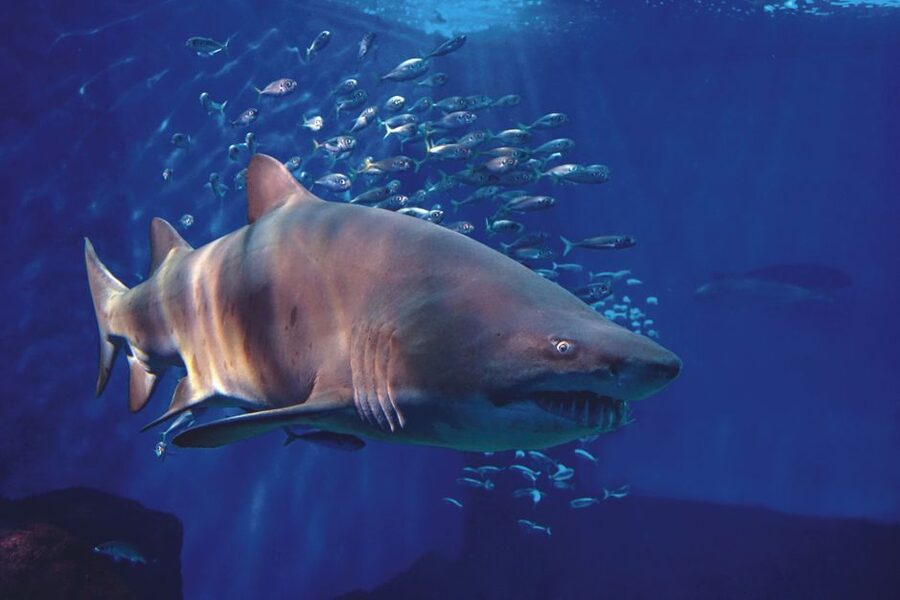
The aquarium’s largest attraction is the deep central tank. At nine meters, it is described as the deepest shark tank in the Iberian Peninsula, and the design lets you see it from several angles.
The most memorable viewpoint is beneath the water, where the glass creates the feeling of walking along the seabed. Sharks, rays, and sea turtles move through the water above you. The tank also contains smaller fish, so the scene has movement at several levels rather than being a single display of large animals.
Give this area time instead of simply walking through. A quiet seat or viewing platform lets you watch the tank change as different animals pass. This is one of the few places in the aquarium where the scale feels genuinely impressive, and it is also the most relaxing part of the visit.
The tank works well for families because the larger animals are easy to spot. It also rewards adults who enjoy sitting quietly and watching animal behavior. The main practical tip is simple: if the aquarium is busy, wait for a clear position at the glass rather than rushing past.
Jellyfish, seahorses, and the smaller displays
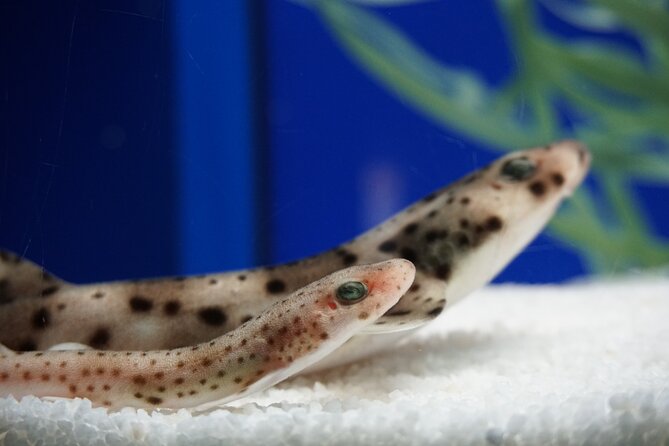
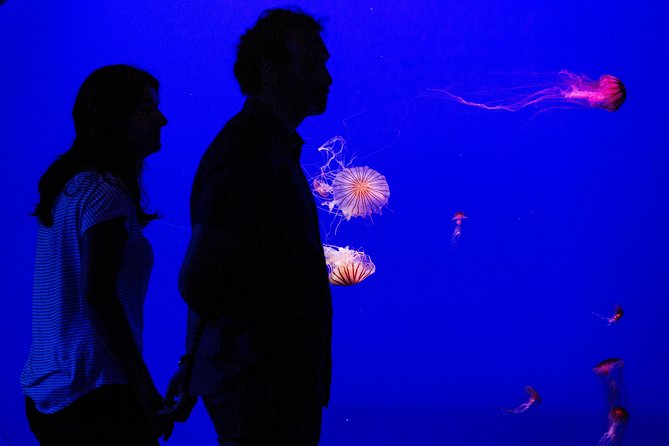
The large tank gets the attention, but the smaller aquariums provide much of the collection’s variety. You can see jellyfish, seahorses, octopuses, piranhas, rays, and many kinds of fish.
The jellyfish area is especially effective. The slow movement and soft lighting give it a calm feel, and it is a good place to pause after the busier sections. If you enjoy photography, these displays may be more rewarding than the fast-moving fish, though you should expect reflections on the glass.
The seahorse displays offer a quieter change of pace. Piranhas bring a different mood, while the octopuses and rays add familiar favorites. The collection includes more than fish, which is useful if one person in your group is less interested in standard aquarium exhibits.
Information panels are available in Spanish and English. That makes the visit easier for international visitors and gives the displays more value than a simple walk past tanks. You can learn what you are seeing without needing a guide.
There is no guide included, and you explore independently. For most people, that is an advantage because you can spend extra time at the sharks or jellyfish and move quickly through sections that interest you less.
The new axolotl installation
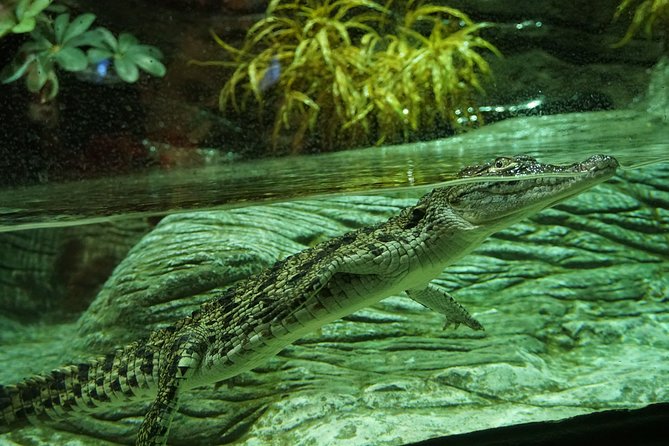
The axolotl display adds a more unusual subject to the visit. This amphibian has a distinctive dragon-like appearance and is known for regenerating its limbs, organs, and part of its brain.
The feature also explains the animal’s conservation situation. Axolotls are critically endangered, so the display is not only about an unusual-looking creature. It connects the animal to the wider problem of protecting freshwater habitats and species.
The installation sits alongside other rainforest creatures, including frogs and reptiles. That makes it a good stop for children who enjoy animals that are less familiar than sharks and turtles. It also gives the aquarium a conservation message without turning the entire visit into a lecture.
I would make time for this section even if you have already seen the main tank. The axolotl is one of the more distinctive parts of the collection, and the information about regeneration gives you something to discuss after leaving.
Same base, a different kind of day out:
- Seville: Live Flamenco Dancing Show Ticket at the Theater
★ 4.7 · 16,396 reviews - Seville: 1-Hour Guadalquivir River Sightseeing Eco Cruise
★ 4.2 · 10,281 reviews - Seville: Cathedral, Giralda, and Royal Alcázar Guided Tour
★ 4.7 · 9,165 reviews - Seville: Setas de Sevilla Entry Ticket
★ 4.6 · 8,901 reviews
How long the visit really takes
The advertised visit time is about 90 minutes, and that is a sensible plan. Some people finish in roughly an hour, while others take closer to an hour and a half by sitting at the large tank and reading the signs.
This matters when you plan your day. The aquarium is easy to add between other Seville sights, rather than an attraction that needs most of an afternoon. It can also fill a gap on a rainy day. Several visitors have found it useful as a cool retreat from the summer sun.
You will probably spend the most time at the shark tank, jellyfish, and any exhibit that catches your children’s attention. If you want to read every panel, allow the full 90 minutes. If you are making a quick stop, one hour may be enough.
The ticket is valid for one day, and the listed price is about $20 per person. That is fair if you want a well-organized indoor activity with several animal zones and a strong central tank. It feels less compelling if you expect the size of a major international aquarium or want an attraction that occupies half a day.
Getting there from central Seville
The aquarium is at the southern end of central Seville, beside the Guadalquivir. You can reach it in several ways.
By bicycle, you can use Seville’s bike-lane network, and a bike rack is available at the entrance. By bus, Tussam lines 3, 6, and 34 stop at La Palmera.
The nearest metro station is Puerta Jerez, about a 15-minute walk away. That walk may be pleasant in mild weather, but it can feel less appealing during Seville’s hottest hours. If you are already near the river, the route also fits naturally with a walk toward the aquarium.
Drivers can use the public underground car park next to the building, with access from Avenida Molini. Parking is not free, so include that cost when comparing transport options.
The aquarium is wheelchair accessible. The visit is self-guided, and there is no included tour leader or special guide service.
Plan around opening details and refreshments
The ticket office closes one hour before the aquarium itself closes. Check the day’s opening time before setting out, particularly if you are planning a late visit.
Schedules can change because of special activities at the aquarium. That is worth keeping in mind if you are arranging a tight sequence of Seville sights.
The gift shop is open from 10:30 until closing. It sells souvenirs and a selection of unusual items, though it is small. Refreshments include coffee, soft drinks, and snacks. Do not plan on a full restaurant meal inside, since food service may be limited or closed at times.
The aquarium can be a good final stop after a morning outdoors. You get a cooler interior, a slower pace, and places to pause at the larger tanks. On a rainy day, it works just as well as a practical shelter with something worthwhile to see.
Who will enjoy it most
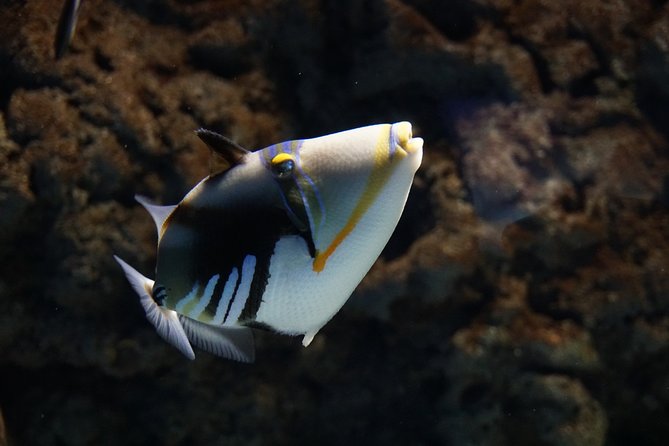
Families with young children are the clearest match. The tanks are varied, the route is manageable, and large animals such as sharks and turtles provide easy points of interest. The visit is long enough to feel worthwhile without demanding several hours of concentration.
It also suits adults who enjoy aquariums but do not want to spend an entire day inside one. The jellyfish, large tank, and unusual axolotl offer enough variety for a pleasant short outing.
I would also consider it for a hot afternoon when outdoor sightseeing becomes tiring. Seville has plenty of grand monuments, but a cool aquarium can be a useful change from churches, plazas, and sun-baked streets.
The attraction may disappoint you if size is your main priority. It is described as a good-sized, well-arranged aquarium, but it is smaller than some major European facilities. A few areas outside the main tank may also be unavailable depending on the season or current operations.
Booking, cancellation, and value
At about $20, the ticket offers reasonable value for a 60 to 90-minute visit, particularly when you make full use of the large tank and the bilingual information. The strongest value comes from the quality of the central display and the range of animals packed into a compact route.
Free cancellation is available up to 24 hours before the visit, and you can reserve now and pay later. That flexibility helps if your Seville plans depend on the weather.
The ticket includes aquarium admission only. Extra activities and a guide are not included. Bring enough time to read, sit at the main tank, and visit the smaller displays rather than treating the aquarium as a quick photo stop.
Should you book the Seville Aquarium?
Book it if you want a well-organized indoor activity with sharks, turtles, jellyfish, rainforest animals, and a strong family appeal. It is especially useful during hot or rainy weather, and its location works well with a walk along the river or a visit to nearby Maria Luisa Park.
Skip it if you are looking for a huge aquarium that will fill most of your day. At roughly 90 minutes, it is a compact attraction. For the right visitor, though, that is the point: the Seville Aquarium gives you a cool, easy break with a memorable shark tank and enough variety to make the $20 ticket worthwhile.
FAQ
How much does admission to Seville Aquarium cost?
The listed price is $20 per person.
How long does a visit take?
The visit takes approximately 90 minutes. Some people may finish in about an hour, while those who read the displays and spend time at the large tank may take longer.
What animals can I see at Seville Aquarium?
You can see sharks, sea turtles, rays, jellyfish, piranhas, seahorses, octopuses, frogs, snakes, reptiles, and many other fish. The aquarium houses more than 7,000 animals representing about 400 species.
How deep is the shark tank?
The main shark tank is nine meters deep. You can walk beneath it and view the animals from several windows and platforms.
What areas are included in the aquarium route?
The route includes five themed areas: Guadalquivir, Atlantic, Amazon, Pacific, and Indo-Pacific.
Is the aquarium wheelchair accessible?
Yes, Seville Aquarium is wheelchair accessible.
How can I reach the aquarium by public transport?
Tussam bus lines 3, 6, and 34 stop at La Palmera. The nearest metro station is Puerta Jerez, about a 15-minute walk away.
Is parking available?
Yes. A public underground car park is located next to the aquarium, with entry from Avenida Molini. Parking is not free.
Is food available inside the aquarium?
Coffee, soft drinks, and snacks are available. The aquarium also has a gift shop, open from 10:30 until closing. Food service may be limited, so do not rely on it for a full meal.
Can I cancel my ticket?
You can cancel up to 24 hours in advance for a full refund. You can also reserve now and pay later.
Just added in Seville
- Seville: Alcázar Guided Palace Tour with Priority Access★ 4.4 · 994 reviews
- Seville City Tour 2 Hour Monumental Segway Tour★ 5.0 · 472 reviews
- Private Tour Jewish Quarter, center and Plaza de España★ 5.0 · 127 reviews
- Seville: Small-Group Jewish Quarter Discovery Walking Tour★ 4.9 · 499 reviews
- Seville: Small Group Jewish Quarter Tour with Tapas & Drinks★ 5.0 · 119 reviews
- VIP Guided Seville Alcazar Pre-Opening, Cathedral & Old Town★ 5.0 · 191 reviews
- Seville: 1, 2 or 3 Hour Segway Tour★ 4.9 · 674 reviews
- Seville City Tour: 1-Hour Panoramic Segway Tour★ 4.9 · 365 reviews
Aquariums, compared.

Palma Aquarium Entry Ticket w/ Optional 3D Cinema
Read our review →
Browse the lists this tour appears in