Reviewed · TOURS IN BARCELONA
Sant Pau Recinte Modernista Entrance Ticket in Barcelona
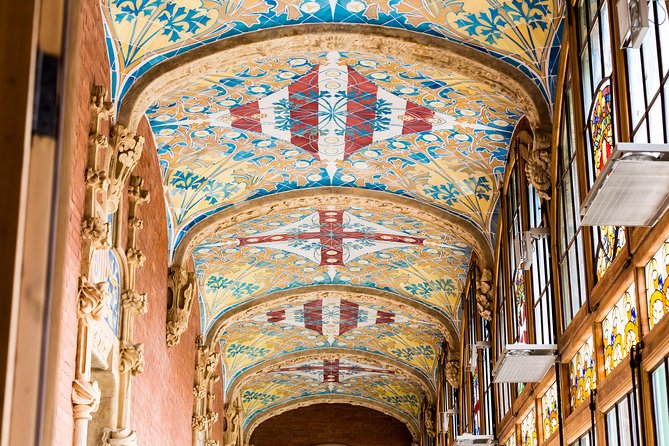
Sant Pau is not simply another pretty Barcelona building. It is a former hospital complex where mosaics, stained glass, domes, and gardens were designed to make medical care feel more humane. You can walk through restored pavilions, old treatment spaces, and underground tunnels without being tied to a group schedule.
I like the freedom to set my own pace, and I like the quieter feel compared with Barcelona’s busiest sights. The admission also includes access to the Sant Salvador Pavilion, where the hospital’s story runs from its founding in 1401 into the 21st century. The main drawback is that the self-guided route can be confusing, especially if some areas are closed or event setups block a passage.
Key points to know before you go
- A former hospital built as an artistic complex: Explore restored pavilions, a surgery room, hospital rooms, underground tunnels, and formal gardens.
- A useful stop near Sagrada Família: Sant Pau is a short distance from Barcelona’s famous basilica and can be paired with that visit.
- A self-guided visit with flexible timing: You can enter during opening hours and spend roughly one to two hours exploring.
- A mobile ticket saves time: Show your phone at the entrance and proceed without relying on a large guided group.
- An audio guide costs extra: The ticket includes admission only. An audio device has been available for €4, and several visitors found it worthwhile.
- Beautiful but not perfectly signposted: Carry the paper map, allow time to find every pavilion, and expect that some areas may occasionally be closed.
Why Sant Pau is more than a Modernist façade
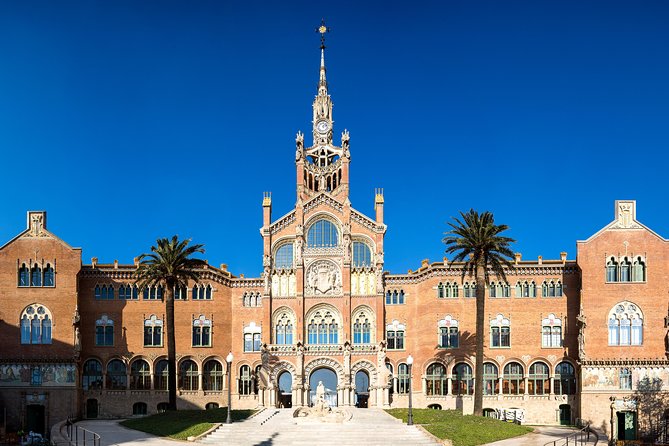
Barcelona is full of buildings that look wonderful from the street. Sant Pau rewards you for going inside. Its exterior details are only the beginning, because the complex opens into a planned group of pavilions joined by gardens and underground passageways.
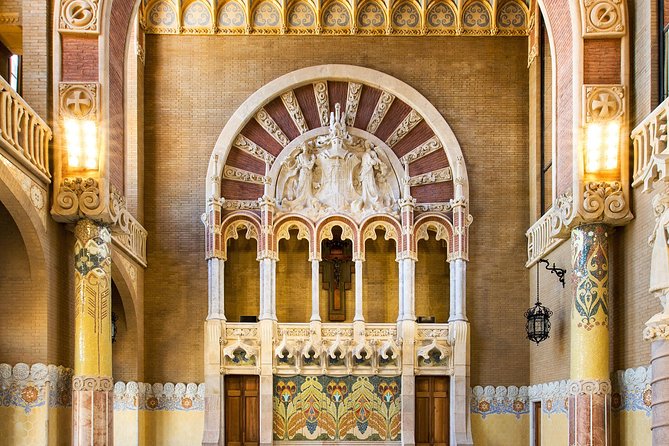
The site was created as a hospital, but it does not feel like a plain medical institution. Colorful tilework, stained glass, sculpted decoration, and domes give the buildings a ceremonial quality. You can still see the practical purpose beneath the decoration, especially in the tunnels and old clinical rooms.
That contrast is what makes the visit worthwhile. I can admire the artistic work, then turn a corner and see how patients and hospital services moved through the complex. You are not only looking at architecture. You are also seeing an older idea of healthcare, one that placed importance on light, open gardens, and the surroundings patients experienced.
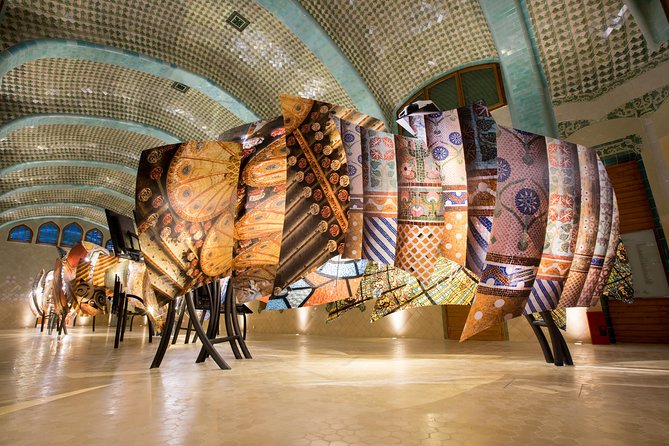
The complex is linked to Lluís Domènech i Montaner, a major figure in Catalan Modernisme, Barcelona’s form of Art Nouveau. A contemporary installation on the upper floor of the Sant Salvador Pavilion takes the shape of a dragon as a tribute to his work. It is an unusual modern touch inside a historic site.
A few more things to do in Barcelona worth a look
- Barcelona: Sagrada Familia Entry Ticket with Audio Guide
★ 4.6 · 105,312 reviews - Barcelona: Park Güell Admission Ticket
★ 4.4 · 76,534 reviews - Barcelona Aquarium: Entry Ticket
★ 4.3 · 13,335 reviews
Starting in the Sant Salvador Pavilion
Your visit begins in the Sant Salvador Pavilion, which presents the history of the Hospital de la Santa Creu i Sant Pau. The story reaches back to 1401 and continues into the 21st century, making this more than a short architectural display.
The exhibition explains the hospital’s development and its contribution to medicine. An interactive touch table and video presentation help you get oriented before you begin walking through the wider complex.
I recommend spending a little time here instead of rushing straight to the gardens. The displays give meaning to the buildings you see later. Without that context, the tunnels may look like attractive tiled corridors and the pavilions may seem like separate decorative structures. With it, the whole plan makes more sense.
The upper-floor dragon installation is also worth seeking out. It connects the site’s modern presentation with Domènech i Montaner’s role in shaping its artistic identity.
Following the tunnels and pavilions
The underground tunnels are one of the most distinctive parts of the visit. They connect the pavilions and extend toward the gardens, giving you a sense of how the hospital functioned as a complete system rather than a single building.
The tiled passageways are visually memorable, but their practical role matters just as much. They were used to move patients between buildings. That detail changes the way you see the complex, since the ornate architecture was tied to daily medical work.
From the tunnels, you can move among the restored pavilions and outdoor areas. The visit is not a single straight corridor with one viewpoint at the end. You need to keep an eye on the map and pay attention to signs, since the route can feel less obvious than expected.
The gardens provide a welcome pause. They give you a clear view of the buildings as a group and let you appreciate the spacing between them. The site is often calmer than Barcelona’s most famous attractions, so you can take photographs and read the displays without the same pressure found at heavily visited landmarks.
The restored hospital rooms and main interiors
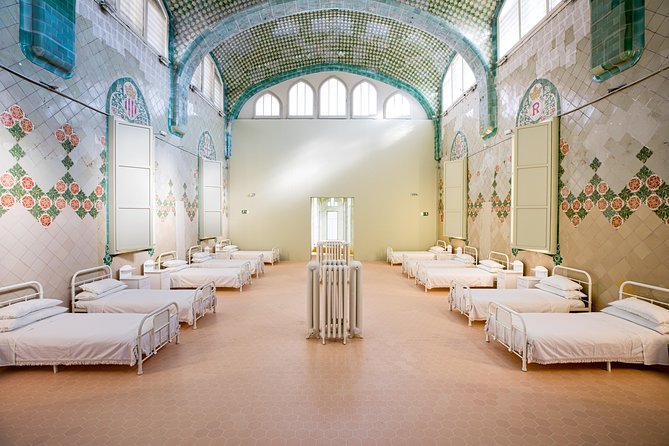
The restored Sant Rafael Pavilion shows the hospital in a more intimate way. You also visit the old Surgery Room, the Lluís Domènech i Montaner Room, the Pau Gil Room, and the Main Hall.
Each space adds something different. The surgery room connects the beauty of the complex with the realities of treatment. The named rooms reveal the ceremonial and institutional side of the hospital, while the larger hall helps you understand the scale of the project.
The old hospital equipment adds another useful layer. It is easy to focus on tile roofs and frescoes, but these objects remind you that the buildings were used for real medical care. The hospital was still in use in the 1990s, which makes the transition from working hospital to cultural site particularly striking.
The restored interiors are not merely empty rooms dressed up for photographs. The displays explain how care changed over time and how the site moved from its historic function into its current public role.
Same base, a different kind of day out:
- Barcelona: Casa Batlló Entry with Self-Audioguide Tour
★ 4.7 · 25,359 reviews - Barcelona: 24 or 48-Hour Hop-On Hop-Off Bus Tour
★ 4.4 · 20,872 reviews - Barcelona: Park Guell Guided Tour with Skip The Line Entry
★ 4.7 · 17,563 reviews - Barcelona in 1 Day: Sagrada Familia, Park Guell,Old Town & Pickup
★ 5.0 · 13,541 reviews
Ending at the Sant Jordi Pavilion
The Sant Jordi Pavilion hosts rotating temporary exhibitions. What you see here will depend on the current program, so it is best to treat this as an additional stop rather than the main reason to buy your ticket.
The pavilion gives the visit a changing element. You may find that the temporary display adds a modern cultural angle after the historical and architectural sections. If you are short on time, focus first on the permanent areas, the tunnels, and the gardens.
The full visit normally takes about one to two hours. I would allow closer to two hours if you want to read the panels, watch the presentation, follow the tunnels carefully, and pause for photographs.
What the $21.78 ticket is worth
At $21.78 per person, this is not Barcelona’s cheapest admission. The value depends on how much you care about architecture, hospital history, and self-guided sightseeing.
For the price, you receive access to a large Modernist complex rather than one room or one viewpoint. You can see the pavilions, gardens, tunnels, restored rooms, historical displays, and temporary exhibition areas. If you enjoy moving at your own pace, that breadth makes the ticket easier to justify.
The ticket does not include food, drinks, a guide, or an audio guide. You may be able to rent an audio device at the entrance for €4. I consider that a sensible extra if you want more explanation, since the architecture is easy to admire but the hospital’s layout and history benefit from guidance.
One useful point is that the admission price has been reported as the same as booking directly through the Sant Pau website, with the booking option offering flexibility to change or cancel. Check the terms at the time you book, since the important condition is that cancellation must be made at least 24 hours before the start time for a full refund.
Getting there and planning your visit
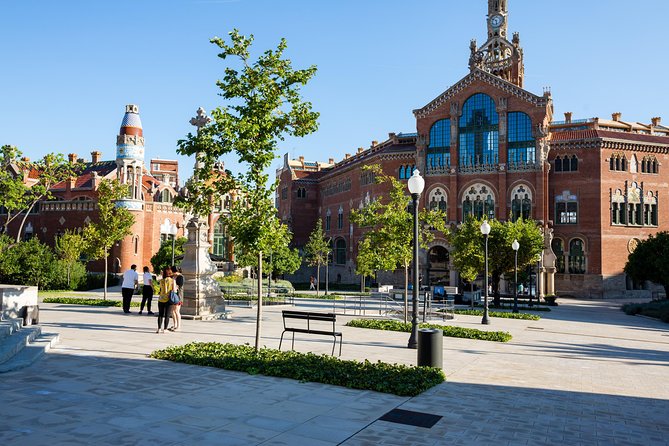
Sant Pau is on Sant Antoni Maria Claret in central Barcelona and is near public transportation. The Hop-On Hop-Off green line has a stop directly outside, listed as stop 12.
Its location also makes it practical to combine with Sagrada Família, which is a short distance away. You can see the basilica and Sant Pau on the same day without treating them as one rushed attraction. Sant Pau needs its own time because the complex spreads across several buildings.
The mobile ticket is simple to use. Show your phone at the front desk, where the staff can process the admission. Advance booking guarantees entry during busy periods, even though there may be little or no line on a quiet weekday.
You can begin the self-guided visit at the Administration Pavilion during opening hours. The ticket information does not specify a tightly fixed tour departure, so you are not joining a scheduled group. That is helpful if your Barcelona plans change during the day.
Arrive with enough battery on your phone. The ticket is mobile, and you may also want to photograph details or consult information while walking through the site.
The self-guided route: where it works and where it does not
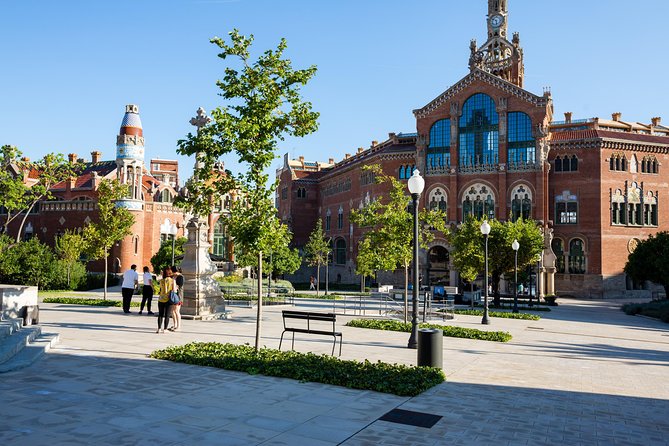
The freedom is a real advantage. You can linger over the mosaics, move quickly through text-heavy displays, or sit in the gardens without waiting for a group.
The paper guide handed out at entry is useful, especially because the complex is large. Still, the signs are not always perfectly clear. You might miss a pavilion or find yourself retracing your steps if you do not check the map as you go.
This is where the audio guide can help. It adds structure and gives more explanation than the building labels alone. The extra €4 is modest compared with the admission price, and I would consider it for a first visit.
There are also practical limitations. Some areas may be closed, and temporary events can block parts of the route. One reported influencer event restricted access to several areas, making the admission feel less worthwhile that day. This is not a normal part of the experience, but it shows why you should allow some flexibility and ask staff which sections are open.
The complex is generally manageable for most people, and service animals are allowed. Still, the route includes stairs, and access to lifts may not always feel straightforward. If stairs are difficult for you, ask the staff about lift access when you arrive rather than waiting until you are already inside the route.
Who will enjoy Sant Pau most
I would choose Sant Pau if you like architecture with a practical story behind it. It suits people who want more than the usual Barcelona checklist and who are happy to read, look closely, and set their own pace.
It is also a good choice if you have already seen Gaudí’s best-known work and want another expression of Catalan Modernisme. The complex has its own character, with hospital pavilions, tiled tunnels, gardens, and medical displays rather than a single private residence or church.
History-minded visitors will find plenty to hold their attention. The hospital’s development from 1401 into the modern era gives the site a long timeline, while the restored rooms and equipment keep the story connected to everyday treatment.
Families can also make good use of the visit if children enjoy tunnels, unusual buildings, and visual details. The amount of reading may not suit everyone, and the self-guided format means you will need to keep the group moving yourself.
I would be less enthusiastic if your only goal is a fast photo stop. You can see impressive exteriors quickly, but the ticket earns its value when you explore the interiors, tunnels, exhibitions, and hospital story.
Should you book the Sant Pau ticket?
Book it if you want a quieter architectural visit with real historical substance. The strongest reasons are the restored pavilions, the underground network, the colorful tilework, and the rare chance to see a former hospital that remained in use into the 1990s.
Use the paper map, consider paying €4 for the audio guide, and allow about two hours. Pairing Sant Pau with Sagrada Família is practical, but do not squeeze both into a rushed hour.
Skip it if you want a guided experience included in the price, need perfectly clear directions, or dislike sites where occasional closures can affect the route. For most architecture and history fans, though, the $21.78 admission buys a thoughtful change of pace from Barcelona’s busiest sights.
FAQ
How long does the Sant Pau visit take?
The visit takes approximately one to two hours, depending on how carefully you read the displays, explore the tunnels, and view the pavilions.
Is the Sant Pau ticket self-guided?
Yes. The admission ticket is for a self-guided visit. A guide is not included.
Does the ticket include an audio guide?
No. An audio device is not included in the admission price. An audio guide has been available at the entrance for €4.
Can I use a mobile ticket?
Yes. The experience includes a mobile ticket. You can show your phone at the entrance.
What buildings and rooms can I see?
The route includes the Sant Salvador Pavilion, Sant Rafael Pavilion, the old Surgery Room, the Lluís Domènech i Montaner Room, the Pau Gil Room, the Main Hall, and the Sant Jordi Pavilion, along with gardens and underground tunnels.
Does Sant Pau have temporary exhibitions?
Yes. The Sant Jordi Pavilion hosts rotating temporary exhibitions.
Is Sant Pau near public transportation?
Yes. The complex is near public transportation. The Hop-On Hop-Off green line has a stop outside, listed as stop 12.
Are service animals allowed?
Yes. Service animals are allowed.
Can I cancel the ticket for a refund?
Yes, if you cancel at least 24 hours before the experience start time. Cancellations made less than 24 hours in advance are not refunded, and changes during that period are not accepted.
Is a guide included in the $21.78 price?
No. The price includes admission to Sant Pau Recinte Modernista but does not include a guide, food, or drinks.
Just added in Barcelona
- E-Bike tour in Barcelona with English Guide★ 5.0 · 128 reviews
- Barcelona: Wine Tasting and 5 Course Tapas Pairing Dinner★ 4.5 · 129 reviews
- Barcelona Gothic Quarter Walking Tour with Tapas★ 5.0 · 248 reviews
- Barcelona Luxury Yacht Cruise – Day or Sunset, Open Bar & Snacks★ 5.0 · 154 reviews
- Andorra Original History and Sightseeing Tour (Private, Pickup)★ 5.0 · 350 reviews
- Wine Tasting Experience in Barcelona★ 5.0 · 172 reviews
- Entrance to the Mirador Torre Glories Barcelona★ 4.5 · 193 reviews
- Barcelona Wax Museum Admission Ticket★ 4.5 · 237 reviews
Tours in Barcelona, compared.
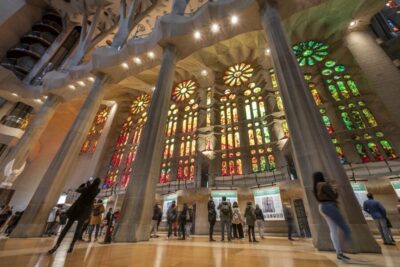
Sagrada Familia Entry Ticket with Audio Guide
Read our review →
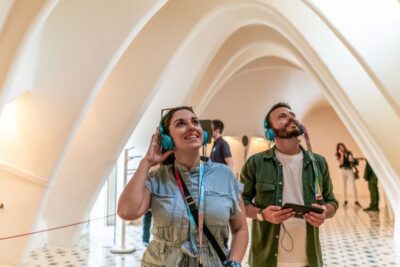

Park Guell Guided Tour with Skip The Line Entry
Read our review →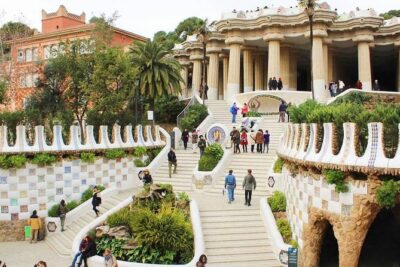
Barcelona in 1 Day: Sagrada Familia, Park Guell,Old Town & Pickup
Read our review →
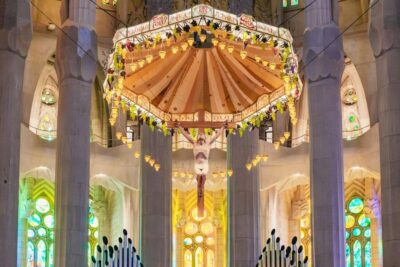
Sagrada Familia Skip-the-Line Entry Ticket & Tour
Read our review →