
Reviewed · TAPAS & FOOD TOURS
Madrid: 10 Tapas 2.5-Hour Cooking Class
Madrid’s A Punto Cooking School turns Spain’s regional cooking into a single 2.5-hour tapas workshop. You’ll help prepare 10 small dishes, from Basque gilda skewers to Catalan pan tumaca, then sit down to eat the food your class made.
I like the practical mix of cooking, cultural background, and dinner in one sitting. I also like the social setup: you work in teams of three or four, and chefs such as Gustavo, Homer, Omero, and Diego have been praised for keeping the room friendly and lively.
The main consideration is that you won’t personally prepare every tapa. Several dishes are made at once, so your attention may be focused on one assigned task while another team handles the next recipe.
Key points at a glance
- Ten tapas from around Spain: The menu gives you a broad taste of Spanish cooking rather than one narrow regional style.
- Hands-on, but shared: You cook in teams of three or four, so expect cooperation instead of an individual cooking station.
- A full meal at the end: The class finishes around a table with your food and Spanish sangría.
- English instruction: Chefs explain techniques, ingredients, and cultural background in English.
- Good take-home value: You receive the recipes you prepared and a souvenir apron.
- Important menu limits: About half the dishes are vegetarian, but plates cannot be changed, and children under 14 are not allowed.
Cooking ten tapas in one Madrid evening
The appeal here is range. Instead of spending two hours learning one elaborate dish, you move through a small collection of Spanish classics and regional specialties. That makes the class useful for a first visit to Spain, especially if you want a quick introduction to the way Spanish food varies from one part of the country to another.
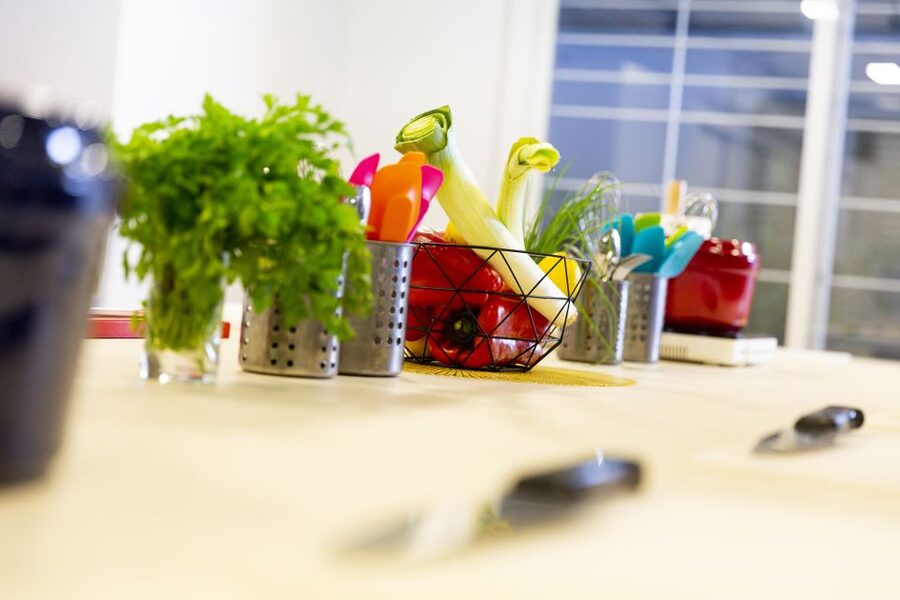
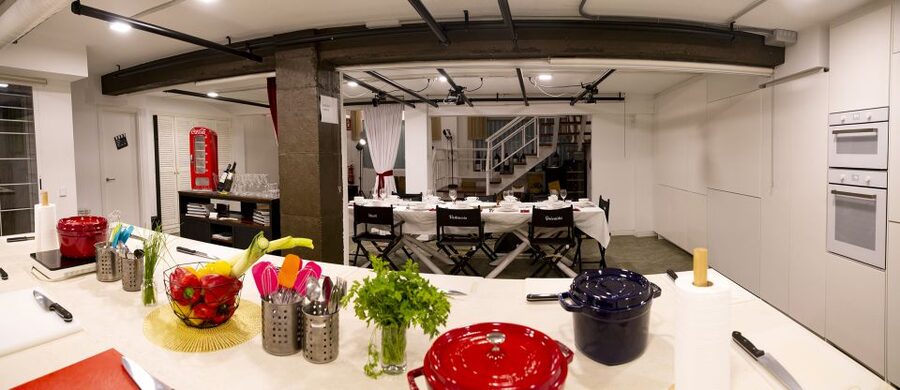
The cooking takes place in a fully equipped kitchen at A Punto Cooking School. You do not need previous experience. The chef explains the steps, demonstrates traditional methods, and assigns tasks to small teams. Expect an active class, but not a private lesson where the chef watches only you.
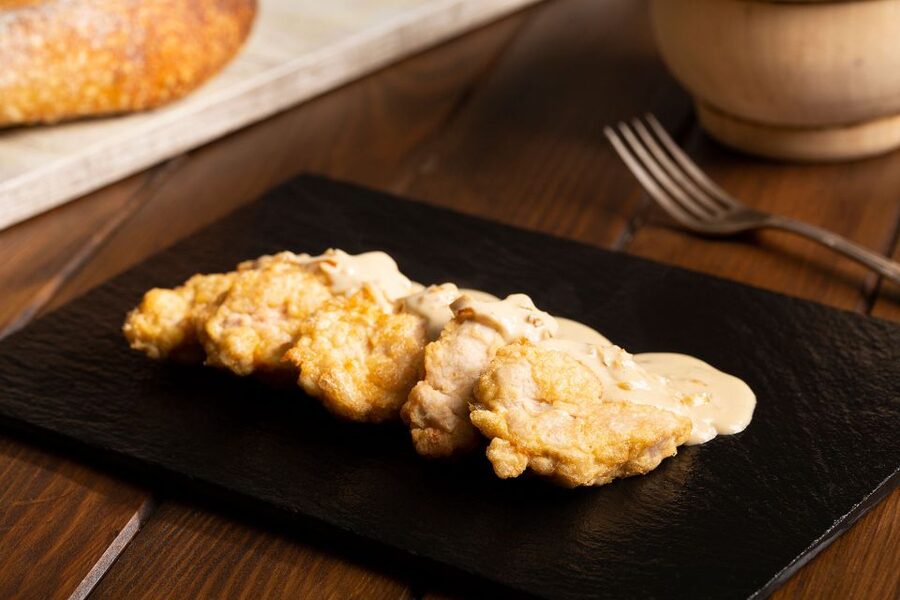
The menu includes dishes such as gilda, a Basque combination of pepper, anchovy, and other simple ingredients assembled on a skewer. You also prepare pan tumaca, the Catalan habit of rubbing or topping bread with tomato, usually finished with olive oil and seasoning. These dishes are simple on paper, yet they show how Spanish food often depends on good ingredients and careful proportions rather than complicated technique.
The class also covers Spanish tortilla, a dish several participants singled out as a highlight. Learning to make tortilla properly gives you a useful skill to take home, since the dish looks easy but depends on timing, texture, and confidence when turning or finishing it.
Because the menu draws from different parts of Spain, you get more than a set of party snacks. You learn how ingredients and customs connect with place. The chef also explains the cultural role of tapas and the background of selected recipes, adding context that a standard recipe card cannot provide.
More Cooking Classes in Madrid
- Spanish Cooking Class Paella Tapas and Sangria in Madrid
★ 5.0 · 1,340 reviews - Madrid: Paella and Sangria Workshop in the City Center
★ 4.9 · 1,264 reviews - Paella Cooking Class in Madrid with Bottomless Wine Pairing
★ 5.0 · 985 reviews
How the shared kitchen works
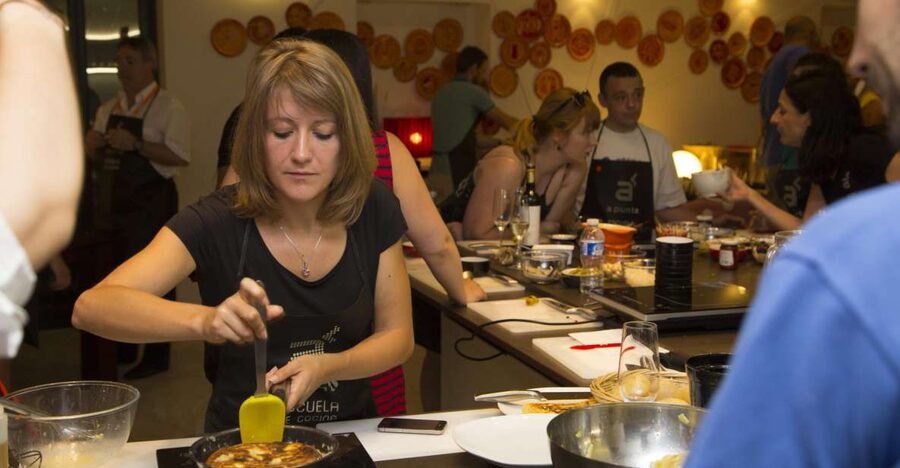
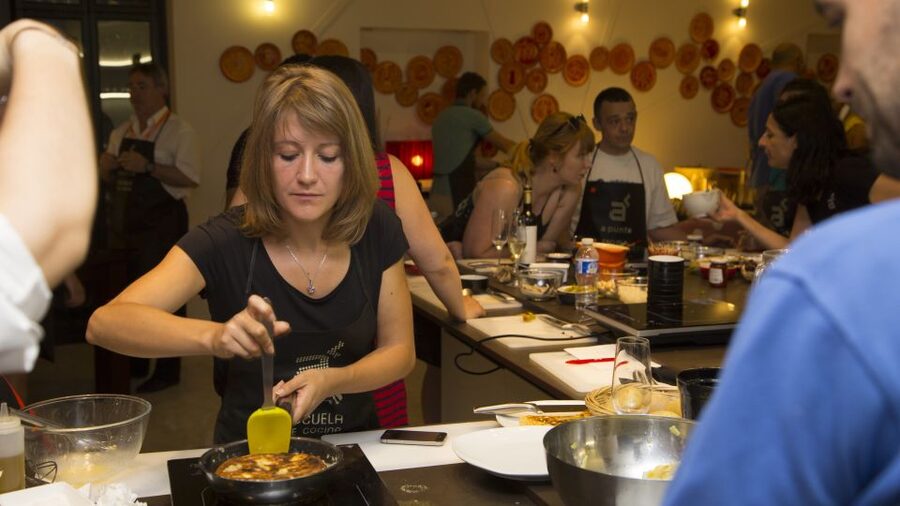
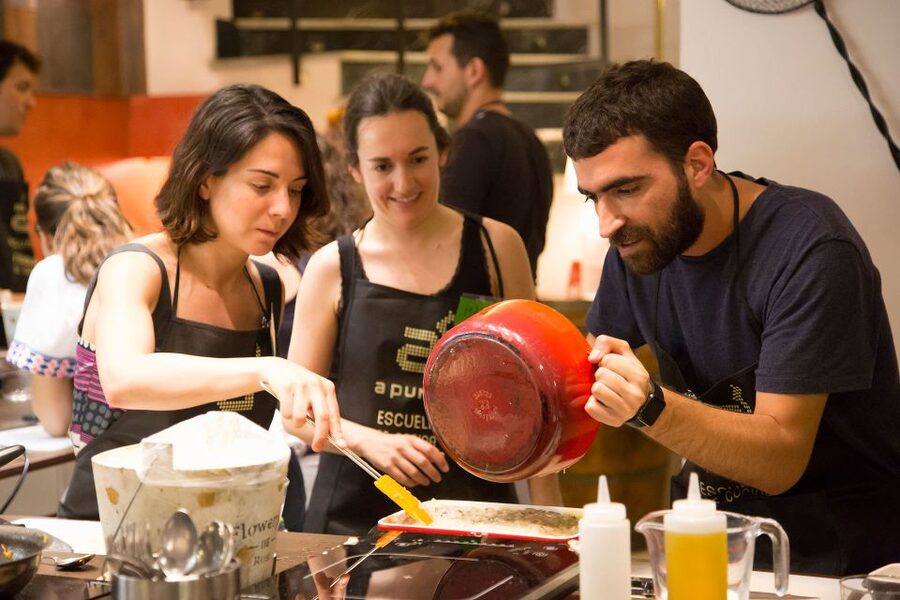
You should think of this as a cooperative cooking session. Teams of three or four handle different parts of the menu, and the whole class works toward one shared meal. You may chop, assemble, stir, season, or help with a dish before moving on to another task.
This format has a real advantage. It makes it easy to meet people from different countries, and the meal feels like something you built together. The best classes seem to gain energy from the room: people talk while they work, exchange tips, and often continue the conversation at the table.
There is also a tradeoff. Since several tapas are prepared at roughly the same time, you cannot watch every detail closely. If another group is making a dish across the kitchen, you might miss part of the explanation while concentrating on your own assignment. One instructor has to divide attention among the entire room, so this is not the right pick if your main goal is intensive training in every recipe.
A previous session had about 16 people, while another had 12. The exact class size can vary, but you should prepare for a social group rather than a very quiet, intimate workshop. The small-team format helps, although one extra instructor moving around the room could make it easier to follow every step in a larger session.
Meeting Gustavo, Homer, Omero, and the teaching team
The chef makes a big difference in a cooking class. A Punto’s instructors have included Gustavo, Homer, Omero, Diego, Anette, and Eosa. Gustavo is often noted for his warm humor, clear explanations, and ability to remember names. Homer has been praised for organizing the lesson in a sensible order, while Omero has earned credit for sharing useful tips and cultural details.
You may not have the same instructor listed in advance, so it is better to focus on the teaching style the class is designed to provide. Instruction is in English, and the chef explains both what to do and why the technique matters. That combination helps you avoid the common cooking-class problem of following steps without understanding the food.
The atmosphere is relaxed. The chef may use humor to help break the ice, which is useful when you arrive alone or with only one companion. The class is social without being built around a formal performance. You are there to cook, ask questions, and eat.
A few practical habits will improve your experience. Pay close attention when the chef gives the first instruction for a dish, then ask questions as soon as something is unclear. Since the room may have several tasks underway, waiting until the final minute can make it harder to catch up.
From preparation to dinner at the shared table
The class ends with a meal made from the dishes prepared by everyone. This is more substantial than a quick tasting. You sit down together, sample the full spread, and have Spanish sangría with the food.
That final meal is where the format pays off. You have seen the ingredients handled, helped with at least some of the preparation, and watched separate dishes come together. Eating at the end gives the class a natural finish and turns a lesson into a complete evening activity.
Sangría is included, but wine is not. If you are hoping to pair the meal with several Spanish wines, budget for that separately. The included sangría keeps the arrangement simple, but it also means the advertised drink is limited to what is specified.
The food is intended to be shared, so portions depend on the amount prepared by the whole class. One participant found there was plenty of food at the end, and the class is designed as a meal rather than a token sample. Still, this is not a restaurant tasting menu with individually plated courses.
More Tapas and Food Tours in Madrid
- Madrid: Small Group of Prado Museum Tour & Optional Tapas
★ 4.6 · 2,437 reviews - Madrid: Tapas & Wine Tasting Tour with Local Guide
★ 4.8 · 2,171 reviews - Madrid Tapas & Wine Tour with Rooftop Views and Local Guide
★ 5.0 · 2,047 reviews - Madrid by Night Small Group Tour: Stories, Sights and Tapas Bites
★ 5.0 · 1,956 reviews
What you can take home
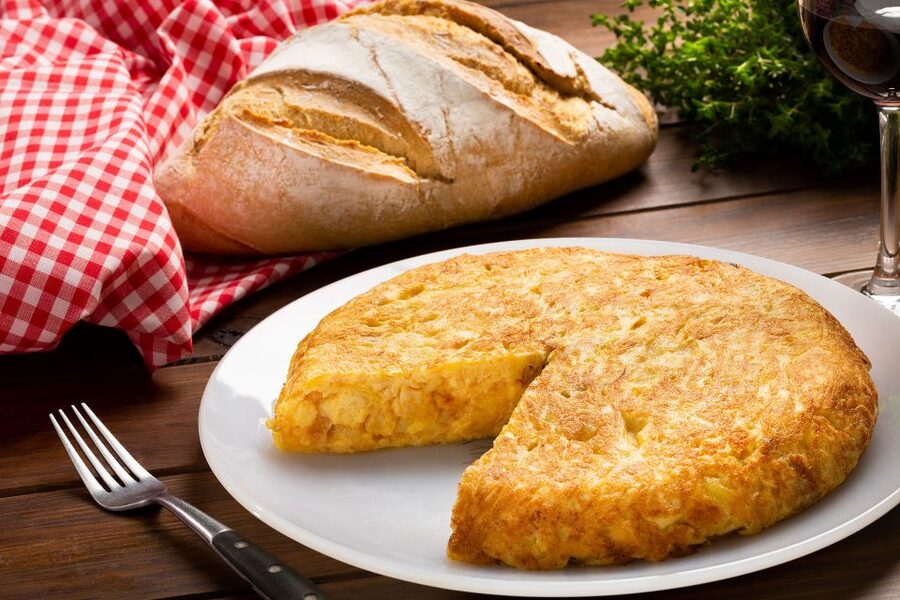
The recipe copy is one of the most useful parts of the package. You receive the recipes for the tapas prepared in class, giving you a clear way to recreate the meal at home. Several participants valued this because the recipes were familiar enough to use in an ordinary kitchen, yet different enough to bring back a taste of Madrid.
The recipe pages also help with memory. After a full day of sightseeing, it is easy to forget a chef’s exact measurements or the order of a technique. Having the recipes in writing lets you revisit the details later.
The souvenir apron is a modest but practical keepsake. It is tied directly to the activity, rather than being a generic Madrid purchase. If you are packing light, it is worth remembering that an apron takes up some room in your luggage.
The class also gives you ideas for Spanish food beyond the meal itself. You can use the techniques for casual dinners, snacks, or a tapas spread for friends. The dishes are small, but the cooking lessons can be repeated at home without special professional training.
Vegetarian options and food restrictions
About half of the menu is vegetarian, which makes the class more workable for people who avoid meat. The vegetarian dishes are part of the planned menu, not a separate custom course.
There is an important limit: plates cannot be changed. If you have a serious allergy or avoid several ingredients, check the menu and suitability before booking. A participant with food allergies had a good experience, and an instructor helped accommodate someone who did not eat meat or shellfish, but the stated policy still means you should not assume every dish can be replaced.
The class is not suitable for children under 14. Baby strollers and baby carriages are not allowed, and smoking and audio recording are also prohibited. These rules make sense in a working kitchen, but they matter if you are planning a family outing or hoping to record the lesson.
Is $80 a fair price?
At $80 per person, this is not the cheapest way to eat tapas in Madrid. You can order small plates in a bar for much less, especially if your only goal is to sample food.
The value comes from combining instruction, a full meal, sangría, recipes, and an apron in one booking. You are also paying for a chef-led class in a properly equipped kitchen, plus the time and organization needed to prepare 10 dishes. If you enjoy cooking or want an activity that gives you skills to use later, the price is easier to justify.
I would compare it with the cost of a standard evening activity, not only with the price of restaurant food. The class fills 2.5 hours, gives you a meal, and offers a social setting where you can meet other people. For a couple or solo visitor who wants an evening with structure, that can be good value.
The price is less appealing if you want private instruction or expect to personally cook all 10 tapas from start to finish. You are sharing tasks, and part of the experience is watching the group work together. Know what you are buying, and the cost becomes easier to judge fairly.
Location and timing details that matter
The meeting point is outside the A Punto shop at Calle de la Farmacia, 6. Do not go inside the building looking for the class. Meet at street level, outside the shop.
Transportation is not included, so you need to make your own way there. Check the available start times when booking, then allow enough time to reach the address. Arriving late could mean missing the opening instructions, which are especially useful when teams are assigned and several recipes begin at once.
The class lasts 2.5 hours. That makes it easy to fit into a Madrid itinerary, but you should not schedule a major attraction immediately afterward. The cooking may finish at the planned time, yet the shared meal is the part many people most enjoy, so rushing away would undercut the experience.
Cancellation is free up to 24 hours before the activity for a full refund. You can also reserve now and pay later, which helps if your Madrid plans are still shifting.
Who should book this tapas class?
I would recommend it to you if you want to do more than sit at a tapas bar. It suits couples, solo visitors, friends, and adults who enjoy a little teamwork. The English instruction makes it accessible if you do not speak Spanish, and no cooking background is needed.
It is especially useful early in a Spain trip. Afterward, you will recognize dishes such as gilda, pan tumaca, and tortilla with more understanding, and you may feel more comfortable ordering unfamiliar tapas.
You should think twice if you dislike group activities, have strict dietary needs, or want to master every recipe yourself. The menu is fixed, the class may include a fairly large group, and your hands-on role is shared rather than fully individual.
Should you book the A Punto tapas class?
Book it if you want a friendly, practical introduction to Spanish food and like the idea of eating dinner in a kitchen you helped run. The combination of 10 regional tapas, sangría, recipes, and a souvenir apron gives the $80 price solid value for the right person.
Skip it if your priority is a private chef lesson, a wine-focused evening, or complete control over every dish. For everyone else, this is a lively way to spend 2.5 hours in Madrid, with enough cooking to feel involved and enough food to make it a real meal.
FAQ
How long does the Madrid tapas cooking class last?
The class lasts 2.5 hours.
How many tapas will I prepare?
The class prepares 10 different tapas connected with regions of Spain.
Is the cooking class taught in English?
Yes. The activity is conducted in English.
Do I need previous cooking experience?
No. Previous cooking experience is not required.
Will I prepare every tapa myself?
No. You work in small groups of three or four, and the class shares responsibility for the dishes.
Is a vegetarian option available?
Yes. About half of the menu is vegetarian. The plates cannot be changed, so check the fixed menu if you have dietary restrictions.
What is included in the price?
The price includes the meal, Spanish sangría, a souvenir apron, and a copy of the recipes prepared during the class. Wine and transportation are not included.
More Workshops in Madrid
- Barcelona Paella Cooking Class with Market Visit, Tapas & Sangria
★ 5.0 · 2,531 reviews - Paella Cooking Class, Wine Tasting & Central Market in Valencia
★ 5.0 · 1,150 reviews - Group Surfing Lesson at Playa de las Américas, Tenerife
★ 5.0 · 1,072 reviews - Seville: Flamenco Dance Class with Optional Costume
★ 4.9 · 1,032 reviews
More paella cooking classes in Madrid
- Paella Workshop with Bottomless Sangria in Central Madrid
★ 5.0 · 763 reviews - Madrid: Half-Day Spanish Cooking Class
★ 5.0 · 345 reviews - Madrid: Paella and Sangria Workshop with Tapas
★ 4.9 · 128 reviews - Barcelona: Paella Cooking Experience & Boqueria Market Tour
★ 4.8 · 3,661 reviews
Just added in Madrid
- Madrid: Don Quixote de la Mancha Windmills & Toledo Tour★ 4.9 · 254 reviews
- Tour Madrid: Secrets in a Electric Tuk Tuk★ 4.6 · 155 reviews
- Madrid: Toledo Day Trip with Winery Visit and Wine Tasting★ 4.4 · 177 reviews
- Madrid: Guided Tour of Toledo with Cathedral Visit★ 4.3 · 399 reviews
- Madrid: 6-Hour Day Trip to Toledo with Guided Walking Tour★ 4.0 · 865 reviews
- Madrid: Tasty Tapas Tour & Visit to a Terrace with Views★ 4.5 · 118 reviews
- Madrid: Flamenco Show&Drink at Tablao 1911 (World’s Oldest)★ 4.7 · 253 reviews
- Madrid: Street Art Tour with Local Graffiti Hunter★ 4.8 · 270 reviews
Tapas & Food Tours, compared.

Montserrat Half-Day Tour with Tapas and Gourmet Wines
Read our review →
Montserrat & Cogwheel Train, Gourmet Wine Tasting & Tapas/Lunch
Read our review →
Barcelona Tapas and Wine Experience Small-Group Walking Tour
Read our review →
Montserrat with Black Madonna & Medieval Winery with Tapas/Lunch
Read our review →
Montserrat and Winery Tour with Tapas or Lunch
Read our review →
Tapas Walking Tour with Food, Wine, and History
Read our review →
Sevilla Food Tour: Tapas, Wine, History & Traditions
Read our review →
Valencia Old Town Tour with Wine & Tapas in 11th Century Historic Monument
Read our review →Browse the lists this tour appears in