
Reviewed · SPAIN
Jerez de la Frontera: Palacio Domecq Entrance Ticket
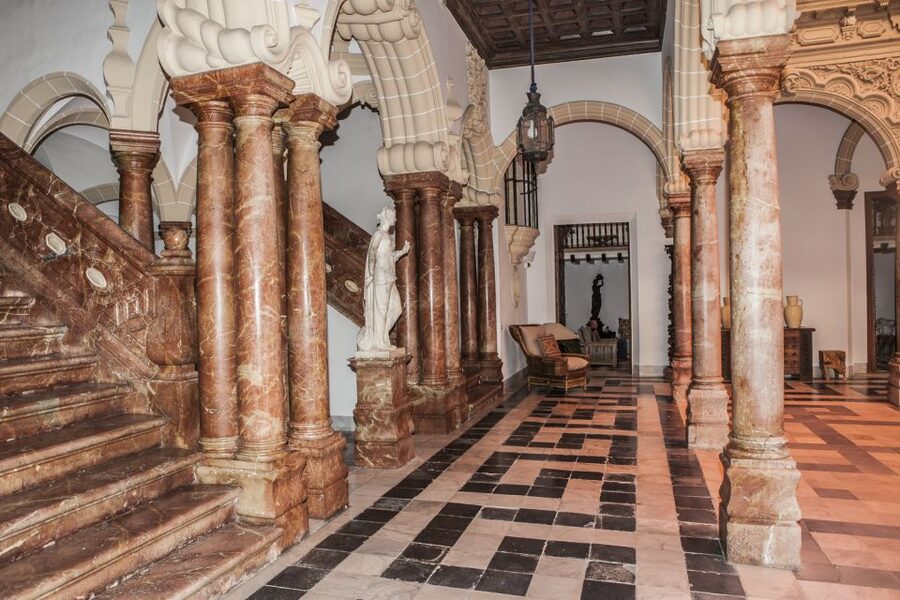
Palacio Domecq gives you a close look at the 18th-century world of Jerez’s wine families, not just another grand building with a fancy doorway. Its Italian-marble courtyard, ornate rooms, balconies, and noble materials show how aristocrats and prosperous winemakers lived when sherry helped shape the city.
I like the compact 45-minute visit and the chance to see paintings, sculptures, wall hangings, and architectural details at your own pace with an audio guide. I also like the views from the palace balconies. The main drawback is the no-photography rule, which can feel strict when every room seems designed for a camera.
Key points to know before entering
- A real Jerez bourgeois mansion: The palace reflects the taste and social power of aristocrats and wealthy winemakers in the latter half of the 18th century.
- A central Italian-marble courtyard: The quadrangular plan is organized around a handsome open court that gives the building its structure and elegance.
- A short, focused visit: Allow about 45 minutes, making this easy to fit between a bodega visit, lunch, or a walk through central Jerez.
- Audio commentary in three languages: You can listen in English, Spanish, or French, though the presentation may feel less lively than a personal guide.
- Balcony views over Jerez: The upper levels offer some of the palace’s best visual rewards.
- Strict visit rules: Photography, food, drinks, large bags, strollers, pets other than assistance dogs, and touching exhibits are not allowed.
Entering a palace shaped by Jerez wine
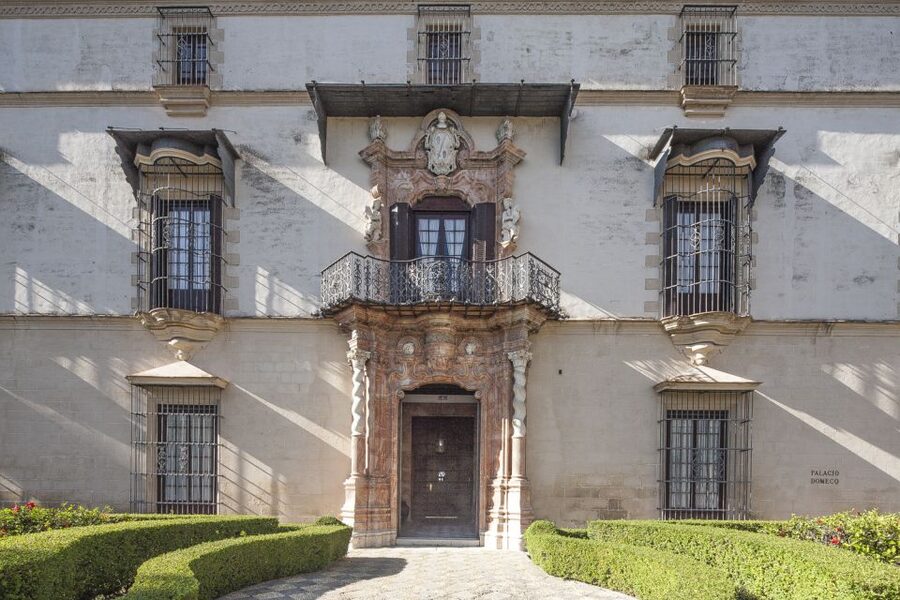
The story of Palacio Domecq is tied to one of Spain and Europe’s longest winemaking traditions. That matters because this is not simply a noble residence preserved for decoration. The building reflects the commercial success of families whose wine business helped give Jerez its place on the map.
As you enter through the main entrance, you are stepping into a home built to display status. In the second half of the 18th century, Jerez’s aristocracy and prosperous wine merchants used architecture, art, fine materials, and carefully arranged rooms to show their position.
I find that context useful. A palace can otherwise become a parade of polished floors and decorated ceilings. Here, the rooms tell you something about the people who commissioned them. Wine created wealth, and wealth created a home meant to impress.
The building is described as an Andalusian-Baroque jewel, but it is also a practical example of a typical Jerez bourgeois house from the period. That combination is part of its appeal. You get decorative ambition without losing sight of the building’s role as a working urban residence.
A few more things to do in Spain worth a look
- Barcelona: Sagrada Familia Entry Ticket with Audio Guide
★ 4.6 · 105,312 reviews - Barcelona: Park Güell Admission Ticket
★ 4.4 · 76,534 reviews - Seville: Royal Alcázar Entry Ticket
★ 4.6 · 28,378 reviews
The Italian-marble courtyard
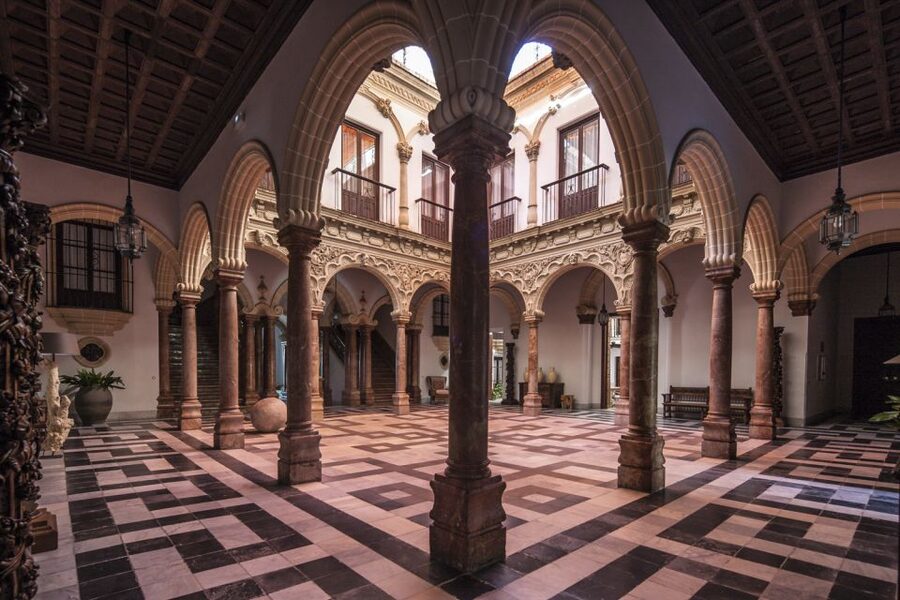
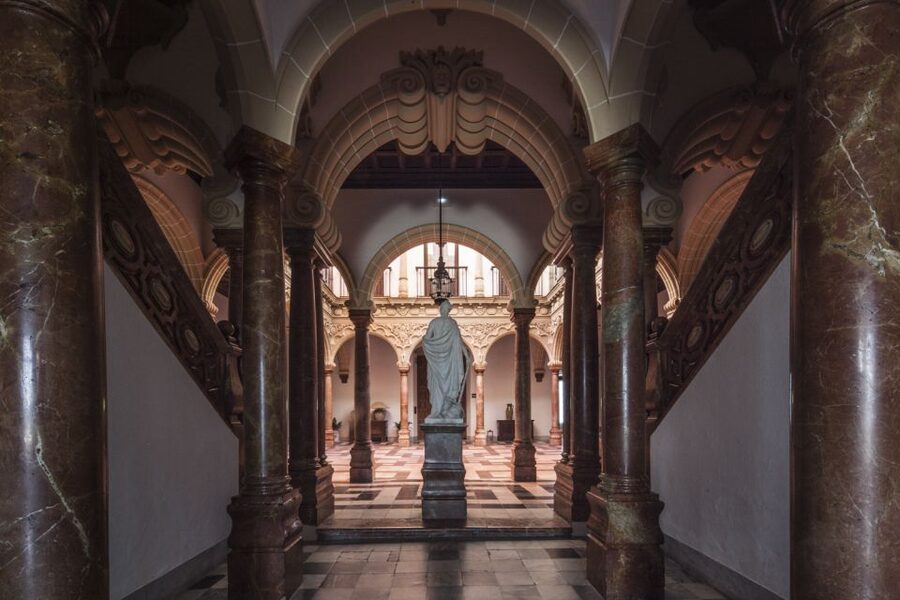
The palace has a quadrangular floor plan, with the rooms arranged around a large central courtyard. This courtyard is the clearest architectural feature to look for first.
Its Italian marble gives the center of the house a cool, formal appearance. In an Andalusian home, an interior courtyard is not merely decoration. It helps organize the building, brings light into the surrounding rooms, and provides the visual center for the house.
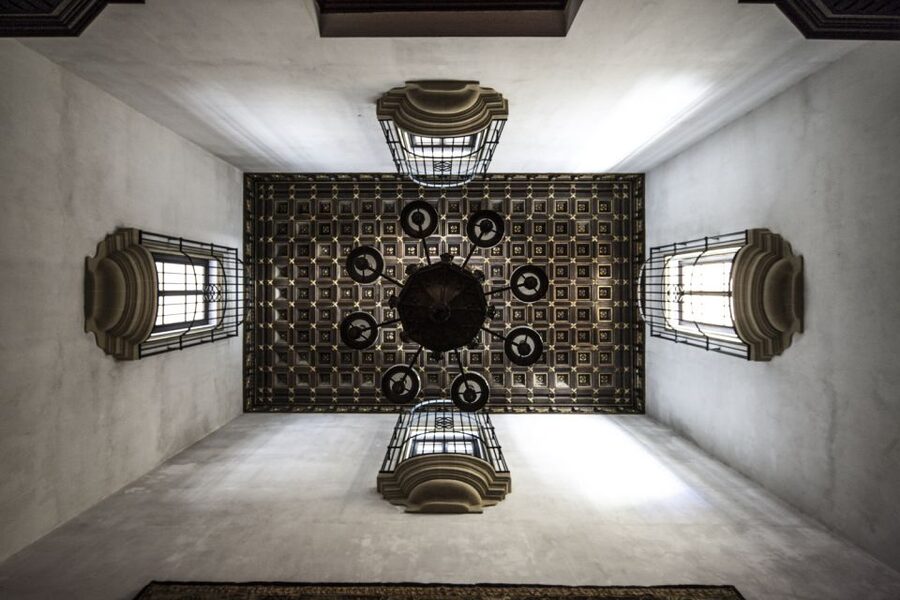
Take a moment here before rushing toward the decorated interiors. Look up, study the proportions, and notice how the rooms and balconies relate to the open space. The courtyard helps you understand the palace as a complete house rather than a collection of unrelated rooms.
This is also where the building’s Baroque character becomes easiest to read. The design is formal and ornamental, but its layout remains clear. You can see how the palace was planned around one central space, with the facade, balconies, and interior rooms working together.
Rooms filled with art and costly materials
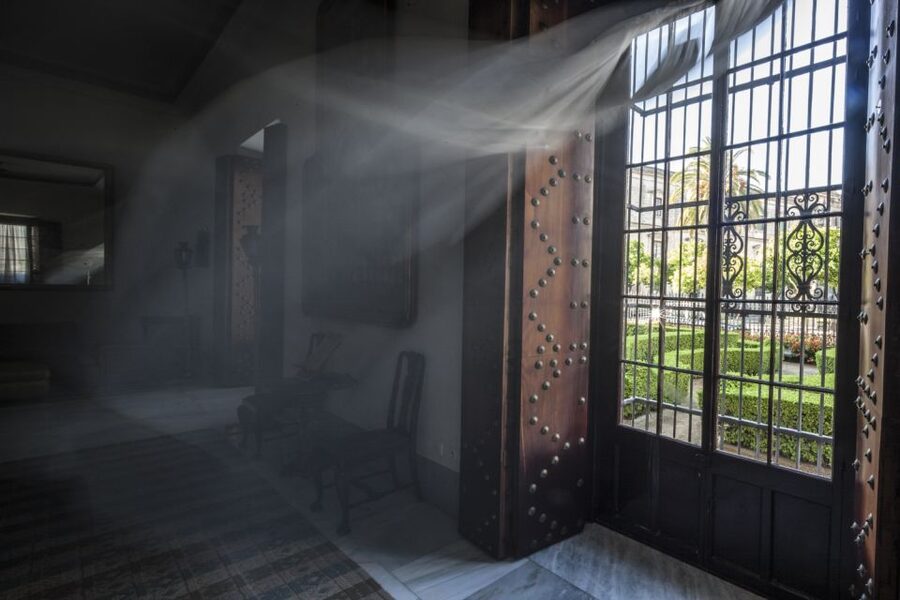
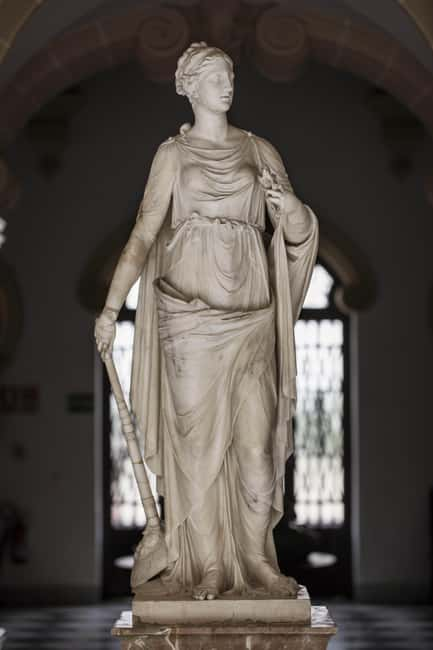
The interior is the main reason to buy the ticket. You’ll see paintings, sculptures, wall hangings, and other noble materials used to decorate the home.
The supplied information does not identify individual artists or name particular works, so I would not come expecting a museum-style collection with long labels and famous masterpieces. The pleasure is more direct: you are seeing how art and materials were used inside an aristocratic and commercial household.
The wall hangings help soften the formal rooms. The sculptures add visual weight. Paintings contribute to the sense that this was a family home built to display taste and rank. Look at the combination rather than hunting for one single showpiece.
I like this kind of visit because the architecture and furnishings explain each other. Marble, decorative objects, balconies, and formal rooms all support the same message: this family had money, connections, and a public role in Jerez.
The no-photography rule changes the experience. You will need to look carefully instead of recording every room on your phone. That may be frustrating, especially since the palace is visually impressive, but it also encourages you to pay attention to details while you are there.
If photography is important to you, treat this as a serious consideration before booking. You can bring your phone, but you cannot use it to photograph the interior.
The facade and balconies above Jerez
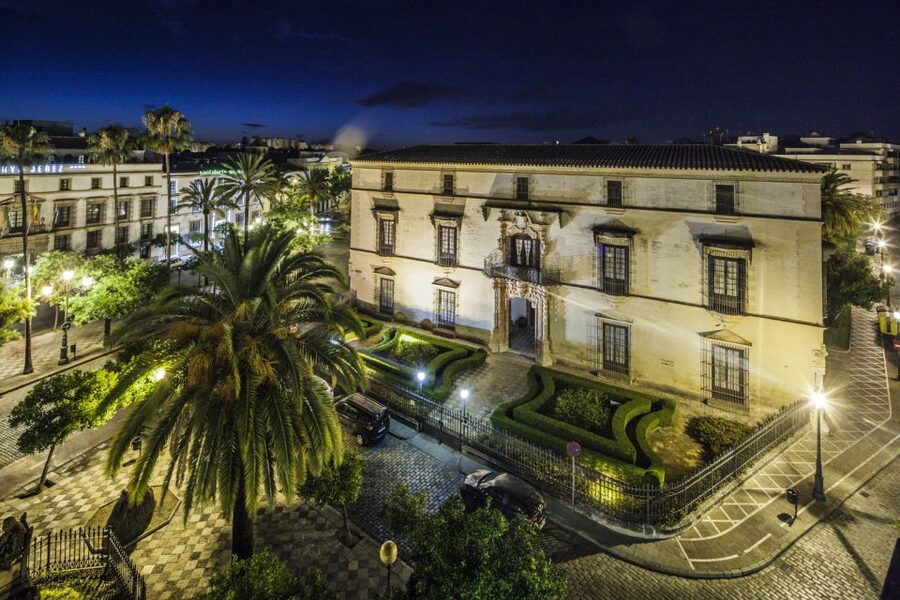
The palace has a three-story facade with majestic balconies. These upper levels give the building a strong presence from outside, while the balconies provide some of the best views connected with the visit.
The views are not described in detail, so I would keep expectations sensible. You are not buying a rooftop panorama or a long city sightseeing tour. The value lies in seeing Jerez from a historic palace and understanding how the building relates to the city around it.
The balconies also help explain the social role of the house. A grand facade announced importance to the street, while the balconies offered the family a place to look out over the city. Architecture here had a public face as well as a private one.
When you reach these areas, look back at the building itself. The facade is not an empty shell. It is the exterior expression of the same wealth and ambition shown inside.
Same base, a different kind of day out:
- Barcelona: Casa Batlló Entry with Self-Audioguide Tour
★ 4.7 · 25,359 reviews - Seville: Cathedral and La Giralda Entry Ticket
★ 4.5 · 24,592 reviews - Madrid: Tour Bernabéu Entry Ticket
★ 4.5 · 21,573 reviews - Barcelona: 24 or 48-Hour Hop-On Hop-Off Bus Tour
★ 4.4 · 20,872 reviews
How the 45-minute visit works
The experience is designed as a short palace visit, not a full-day attraction. You go to the main entrance, present your ticket, and enter. An audio guide is included, with Spanish, English, and French available.
The 45-minute duration is useful if you are planning a larger day in Jerez. You can fit the palace into a schedule that includes other city sights without giving up half a day. It also suits you if you enjoy historic interiors but prefer a focused visit rather than a long guided program.
The audio guide lets you move through the palace at your own pace. English commentary is available, and one English-speaking visitor specifically praised the commentary through earphones. That makes the ticket a practical choice if you want information without relying on Spanish.
Still, the audio format will not suit everyone. One visitor found the system dull and felt it took away some of the palace’s charm. That is a fair criticism. A personal guide can react to questions, change the pace, and bring a room to life. Here, your experience depends more on how much attention you give the recorded commentary.
I suggest listening closely for the connection between the building and the Domecq family’s wine tradition. If you treat the audio as background noise, the palace may feel like a series of rooms. If you use it to connect architecture with business and social power, the visit has more meaning.
Is the $17 ticket good value?
At $17 per person, the ticket is not a bargain-basement attraction, but the price can be reasonable for a short visit to a distinctive historic interior. You are paying for access to a palace with an unusual architectural character, an audio guide, and balcony views, not for a broad museum collection or a wine tasting.
The value depends on what you want from Jerez. If you are already interested in sherry, wine families, Andalusian homes, or Baroque architecture, the palace adds useful context to the city. If you are looking mainly for a tasting, cellar tour, or a longer guided experience, this ticket may feel expensive for 45 minutes.
One comment referred to a higher price of 25 euros for a guided visit with an audio guide. Since prices can vary by booking channel or date, check the amount shown when you select your time. At the stated $17 price, I would consider the palace worthwhile for architecture-minded visitors, but less compelling for someone who wants a major museum or an extended tour.
The short length helps the value calculation. You are unlikely to lose an entire afternoon, and the palace can fill a gap in your Jerez schedule. The no-photography rule works against the value if taking pictures is part of your reason for visiting.
Practical rules that affect your visit
You must bring a passport or identity card. Have it ready at the entrance, along with your ticket.
The palace does not allow baby strollers, luggage, large bags, food, drinks, smoking, alcohol, drugs, or pets. Assistance dogs are allowed. You also cannot touch the exhibits or make excessive noise.
These rules are strict but understandable inside a decorated historic residence. The large-bag restriction is especially important if you are arriving directly from transport or carrying shopping. Plan to visit when you can travel light.
Unaccompanied minors are not allowed. Families should make sure a responsible adult is present for the entire visit.
The palace is wheelchair accessible, but there is an important condition: wheelchair access must be arranged at least 24 hours before the visit because of logistical requirements. Do not assume that buying a standard ticket on short notice will provide the same access arrangements.
The activity is non-refundable. Check your date and starting time before paying, since changing plans later may not be possible.
Who will enjoy Palacio Domecq most?
I would recommend this experience to you if you like historic houses more than large museums. It is especially suitable if you want to understand how Jerez’s wine economy shaped the city’s upper class.
The palace also works well for:
- Visitors with a spare 45 minutes in central Jerez
- Architecture fans interested in Andalusian Baroque design
- People who prefer audio commentary to a live group tour
- English, Spanish, and French speakers
- Visitors who want a quiet look at a formal historic interior
- Anyone combining several short sights in one day
I would hesitate if you need a highly interactive guide, want to take interior photographs, or expect a wine tasting. The palace is connected to a major winemaking family, but the experience described here is an architectural and cultural visit, not a tasting program.
It may also be a poor fit for people with visual or hearing impairments, since the activity is listed as unsuitable for both. No alternative format is specified, so ask the provider before booking if you need adapted access.
My call: book it for architecture, not entertainment
I would book Palacio Domecq if I had an interest in Jerez’s wine families and wanted to see an authentic 18th-century residence without committing to a long tour. The Italian-marble courtyard, ornate rooms, art, balconies, and city views give the visit enough substance for its 45-minute length.
I would skip it if my main goal were a lively personal guide, interior photography, or an in-depth wine experience. The audio guide can feel dry, and the no-photo rule is a genuine limitation.
For the right visitor, this is a tidy, focused way to connect Jerez’s architecture with its commercial past. Go in expecting a refined palace visit, keep your camera in your bag, and give the audio commentary your attention. At the stated $17 price, it earns a place on a Jerez itinerary built around history, design, and wine culture.
FAQ
How long does the Palacio Domecq visit last?
The visit lasts 45 minutes.
What is included with the entrance ticket?
The ticket includes entry to Palacio Domecq and an audio guide.
Which languages are available for the audio guide?
The audio guide is available in Spanish, English, and French.
Where do I enter the palace?
Go to the Palacio Domecq main entrance and show your ticket to gain access.
Is Palacio Domecq wheelchair accessible?
Yes, the palace is wheelchair accessible. For logistical reasons, wheelchair access must be arranged at least 24 hours in advance.
Can I take photographs inside the palace?
No. Photography inside is not allowed.
What identification should I bring?
Bring your passport or identity card.
Can I bring a stroller, large bag, food, or a pet?
Baby strollers, luggage or large bags, food, drinks, and pets are not allowed. Assistance dogs are permitted.
Just added in Spain
- The Red Canyon Tour – Small Group Trip with Local Food Tasting ツ★ 5.0 · 798 reviews
- Full Day Rainforest Tour with Tasting and Swimming Time ツ★ 5.0 · 607 reviews
- Full Day Ticket at Perchel Beach Club with Lunch★ 5.0 · 316 reviews
- 3 Wheel Motorcycle like Quad/Buggy Tour Gran Canaria (Maspalomas)★ 5.0 · 237 reviews
- Arucas, Teror, Viewpoint Roque Nublo – Highlights Gran Canaria★ 4.5 · 170 reviews
- Gran Canaria Highlights Private Tour VIP★ 5.0 · 106 reviews
- Full day Hiking Gran Canaria Peaks of Gran Canaria★ 5.0 · 130 reviews
- Coastering in Gran Canaria (Aquatic Route in the ocean cliffs)★ 5.0 · 135 reviews