
Reviewed · NATIONAL PARKS
From Seville: Doñana National Park Day Trip
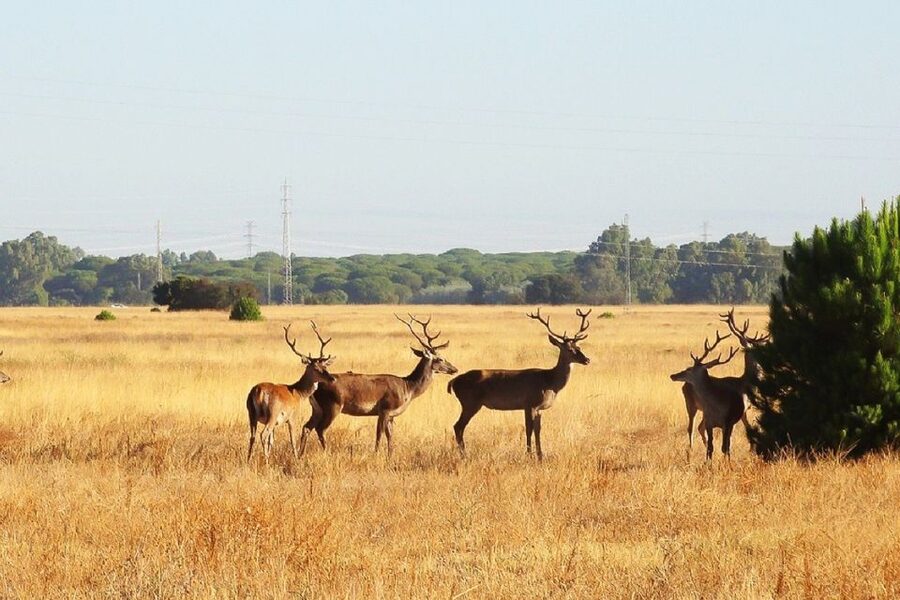
Doñana is not a quick photo stop. It is a huge sweep of marsh, pine forest, pasture, dunes, and Atlantic shore, and this 10-hour trip from Seville gives you a useful taste of all of it. You may see flamingos, storks, deer, wild boar, and a long list of smaller birds. A lynx is possible, but never count on one.
I like the range of habitats and the guides who make the difference. José, Sergio, Luismi, Patricia, and others have earned praise for spotting birds, changing position for a better view, and explaining the park’s plants, wildlife, and local traditions. I also like the route’s variety: marshes in the morning, the white village of El Rocío, then dunes and an Atlantic beach.
The tradeoff is time in the vehicle. You cover a large area, so this is partly a wildlife road trip rather than a walking tour. The back seats of a full van can limit your view, and some roads are bumpy. Lunch is not included, so bring food or plan to buy it during the day.
Key points to know before booking
- Doñana’s habitats change constantly: You move from rice fields and wetlands to pine woods, dunes, and open beach.
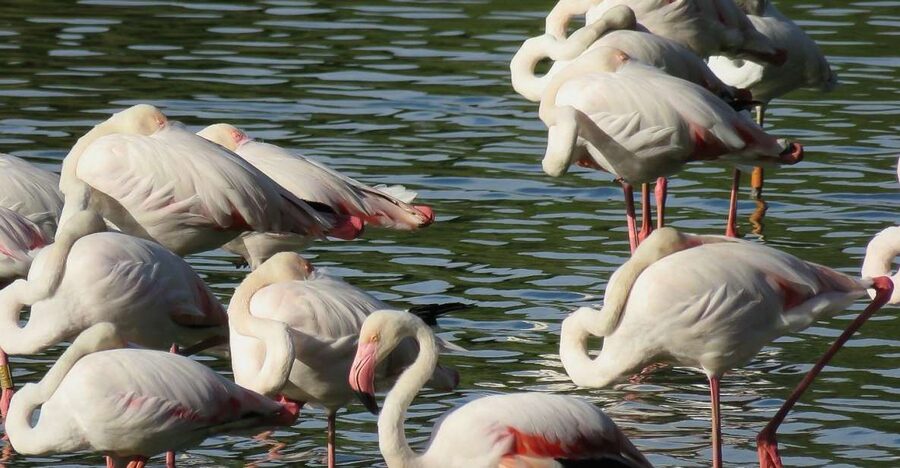
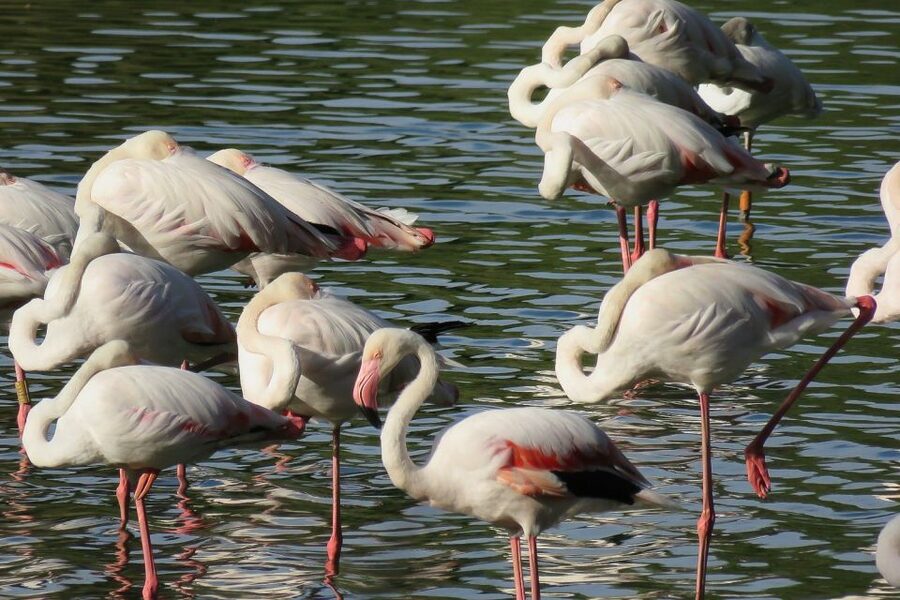
- Birdwatching is the strongest reason to go: Flamingos, storks, egrets, ibis, herons, kites, and many other species may appear.
- The guide matters: José, Sergio, Luismi, Diego, Patricia, and other guides are praised for sharp wildlife spotting and strong local knowledge.
- El Rocío adds culture to the nature day: Its famous chapel, sandy streets, and observatory make a welcome change from the park roads.
- Lynx sightings are rare: You might find tracks or get close to a sighting, but the tour cannot promise this elusive cat.
- The $105 price buys a full day: Hotel pickup, transport, a guide, and binoculars are included, but meals are extra.
Why Doñana makes a worthwhile day from Seville
Seville gives you grand buildings, tiled courtyards, and lively plazas. Doñana gives you open space and a very different side of Andalusia. The park spreads across a large area near the Guadalquivir River and the Atlantic coast, with marshes that attract birds and dry woodland that supports deer, wild boar, and the Iberian lynx.
The appeal is not a single landmark. It is the change in scenery as you cross the park. A rice field can give way to a wetland full of storks. Farther on, pine trees frame sandy tracks. Near the coast, the ground turns into dunes and the horizon opens to the sea.
At $105 per person, the trip is fairly priced for a full day that includes hotel pickup and drop-off, transport, a live guide, and binoculars. You are also paying for the distance covered. Doñana is too spread out for a short visit from Seville, and arranging the same route independently would require a car, careful planning, and a good understanding of access points.
The value is strongest for people who want a broad introduction. If you are a serious birdwatcher seeking long hours beside one wetland, a specialist excursion may suit you better. If you want to understand how the park fits together, this route offers more.
A few more things to do in Seville worth a look
- Tenerife: Sunset and Stargazing at Teide National Park
★ 4.7 · 2,826 reviews - Teide National Park Sunset & Stargazing with Dinner (Star Safari)
★ 5.0 · 2,601 reviews - Arrecife/Playa Blanca: Timanfaya National Park Area Day Tour
★ 4.4 · 856 reviews
From Seville to the Guadalquivir marshes
Pickup takes place in Seville, with hotel collection available. Wait in your hotel reception or lobby about 10 minutes before the scheduled time. One practical point: the operator may contact you through WhatsApp, so check your messages before departure and make sure the phone number on your booking is active.
The first drive passes through Coria del Río, a town on the Guadalquivir. This early stretch is mainly transport, but it helps you leave the city behind and reach the agricultural and wetland country around Doñana.
The vehicle is usually a modern van or small group vehicle. One recent party found all seven seats occupied, with a comfortable van but less useful visibility from the back. If wildlife viewing matters greatly to you, ask about the group size or private option before booking. A private trip costs more, but it can give you more control over stops and seating.
The trip also includes some rougher roads. You should expect a few jolts, particularly on tracks within the park. Comfortable clothes and shoes help, but this is not a polished coach excursion.
Dehesa de Abajo and the northern marshes
The first major stop is the visitor center at Dehesa de Abajo, in the northern part of the marshes. Here you begin to see why Doñana is such an important bird area. Water, open ground, pine trees, and pasture create different feeding and nesting places close together.
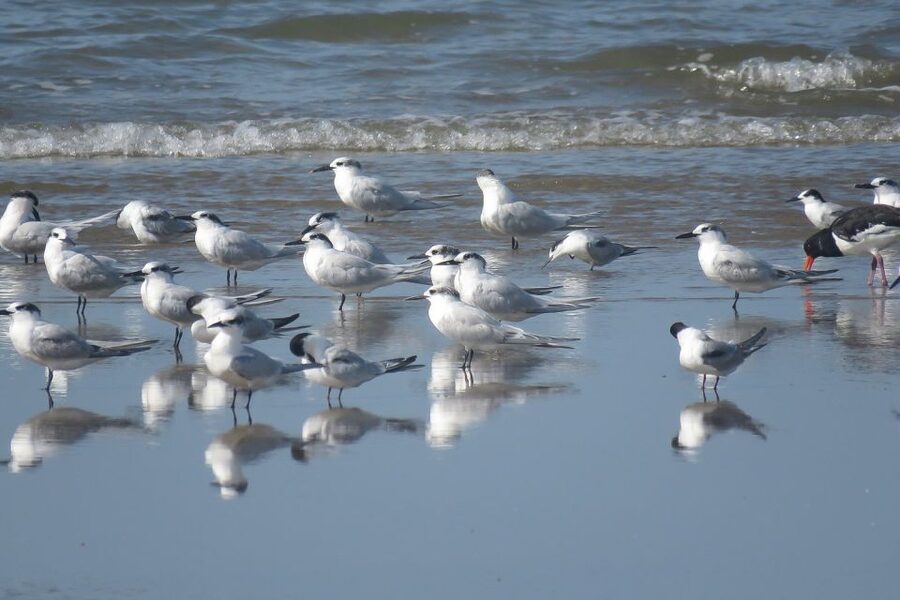
The park supports around 300 bird species. Depending on the season and conditions, you might see flamingos, Spanish imperial eagles, herons, egrets, black kites, glossy ibis, spoonbills, purple swamp hens, ospreys, or storks. One keen birdwatcher recorded around 70 species during a single day, including a barn owl at close range, though that should be treated as an especially successful outing rather than a normal promise.
The supplied binoculars are useful for casual viewing, but bring your own pair if you have them. Some of the shared equipment has seen plenty of use, and serious birdwatchers will want their own optics. Sunglasses can also help when you are looking over bright water or pale sand.
Your guide is important here. Guides such as José and Sergio have been praised for spotting movement before anyone else notices it. They may stop, reverse, or reposition the vehicle so everyone gets a better view. That kind of flexibility is worth more than a long speech about birds.
Rice fields, storks, and the slow art of spotting wildlife
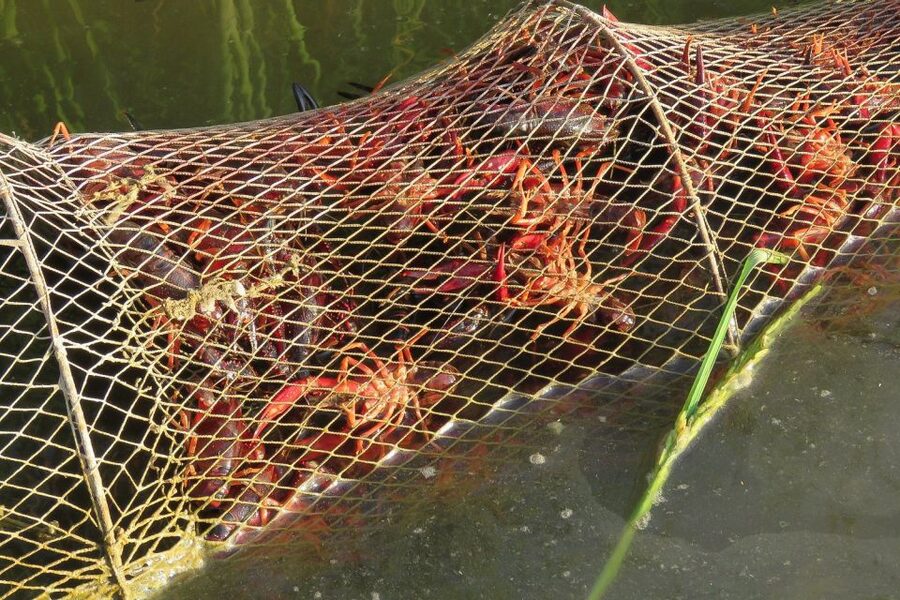
The route passes a rice-growing area known for Europe’s largest colony of storks. This is one of the more unusual details of the trip, because the park is not only about untouched wetlands. Farming and protected nature meet around Doñana, and the rice fields can attract large numbers of birds.
You need patience here. Wildlife does not appear on command, and the view from a vehicle may change quickly. One person may see a bird that disappears before the rest of the group has their binoculars ready. A guide who knows where to pause can make a big difference.
Doñana rewards quiet observation. Look for movement along the waterline, birds standing in shallow pools, and larger animals at the edge of woodland. Deer and wild boar are realistic possibilities. The imperial eagle is a special sight, but it may remain high in the sky or far across the marsh.
The tour is not a zoo visit. That is part of its value, but it also means you should arrive with the right expectations. You may see a dozen species in a short time, or spend a stretch driving through apparently empty country before a sudden flock appears.
Same base, a different kind of day out:
- Seville: Live Flamenco Dancing Show Ticket at the Theater
★ 4.7 · 16,396 reviews - Seville: 1-Hour Guadalquivir River Sightseeing Eco Cruise
★ 4.2 · 10,281 reviews - Seville: Cathedral, Giralda, and Royal Alcázar Guided Tour
★ 4.7 · 9,165 reviews - Seville: Setas de Sevilla Entry Ticket
★ 4.6 · 8,901 reviews
El Rocío, the chapel, and a welcome change of pace
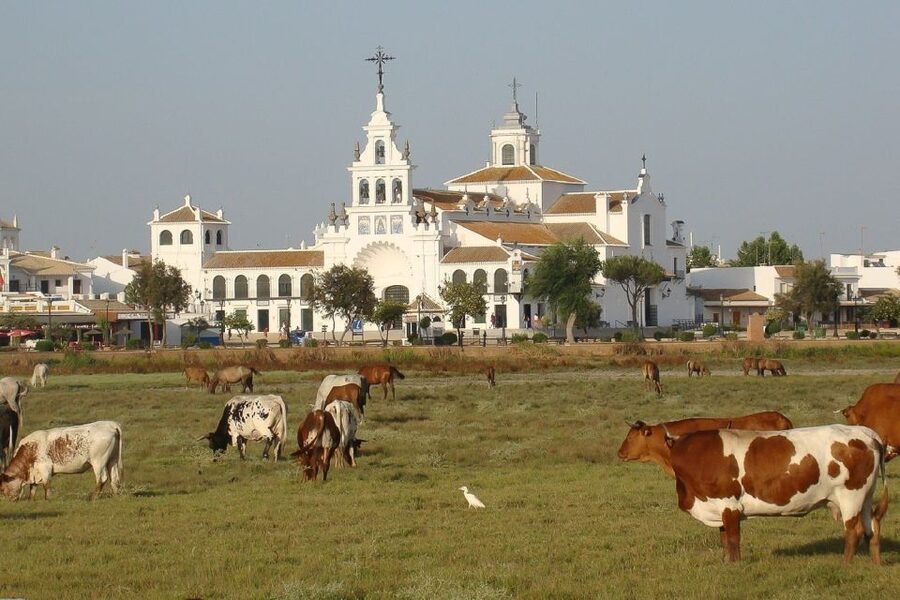
El Rocío is one of the day’s most distinctive stops. The village is famous for its chapel and its connection to the annual pilgrimage, and its sandy streets give it a look unlike the towns around Seville. You also visit an observatory and have time to take photographs.
I would enjoy this stop as a cultural pause rather than treating it as the main event. After marshes and birdwatching, the village gives you a sense of local tradition and a chance to stretch your legs. The chapel is the focus, but the village itself is worth noticing.
Time here can feel limited. Some people want a longer look at the history and more independent time around El Rocío, while the route has to keep moving toward the coast. If the village matters as much to you as the wildlife, ask your guide how the day will be divided.
This is also a practical place to think about lunch. Meals and drinks are not included. You should bring snacks and water, or use the available break to buy something. One full-day outing allowed roughly an hour and a half for lunch and relaxation, but the exact timing can change with the group and wildlife conditions.
La Rocina and the park’s woodland paths
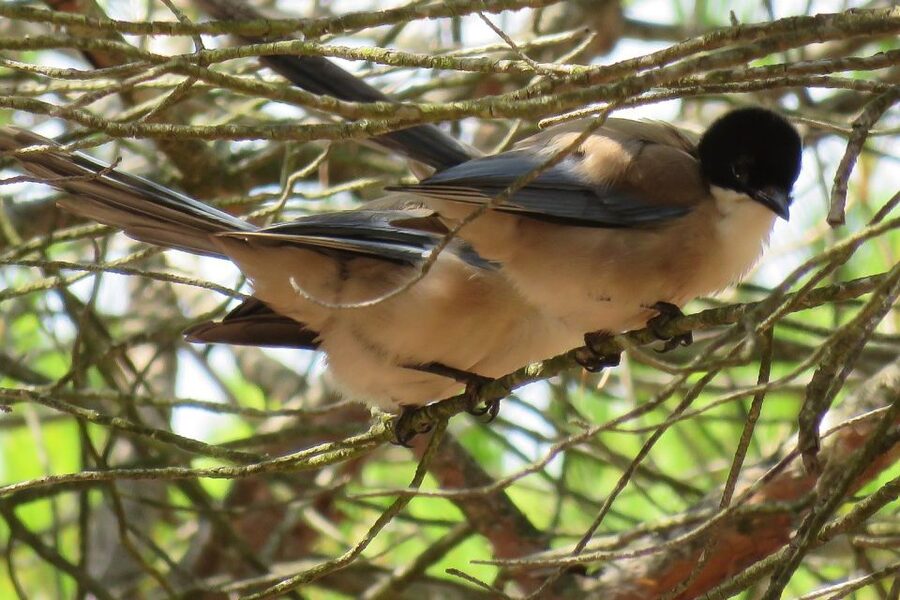
Near the stream of La Rocina, you leave the vehicle for a walk along trails. This is one of the best parts for anyone who wants more than roadside viewing. The walking section helps you notice the smaller details of Doñana: plants, insects, tracks, and the feel of the pine forest.
Do not expect a strenuous hike. The information supplied describes trails and guided walking, not a demanding trek. Still, wear proper shoes. Sand, uneven ground, and heat can make a short walk tiring, especially in summer.
The woodland also offers a better chance to see the park as an ecosystem rather than a list of animals. Guides explain how the different habitats fit together and point out signs of wildlife. Even when the lynx stays hidden, tracks or pawprints can make the search feel worthwhile.
This is where the tour’s driving-heavy design has a useful counterpoint. You cover distance in the van, then get out for selected walks where the guide expects you to see something meaningful.
Matalascañas, the dunes, and the Atlantic
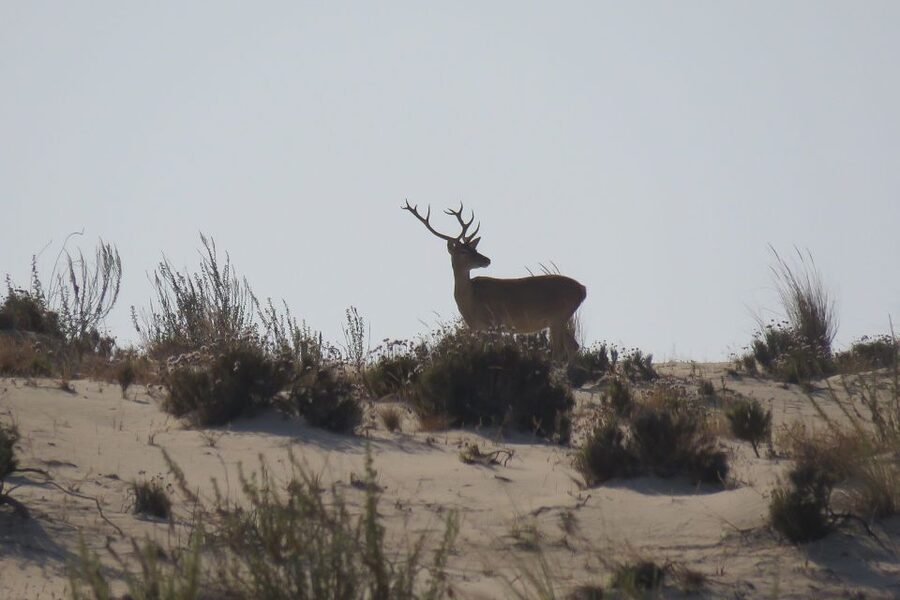
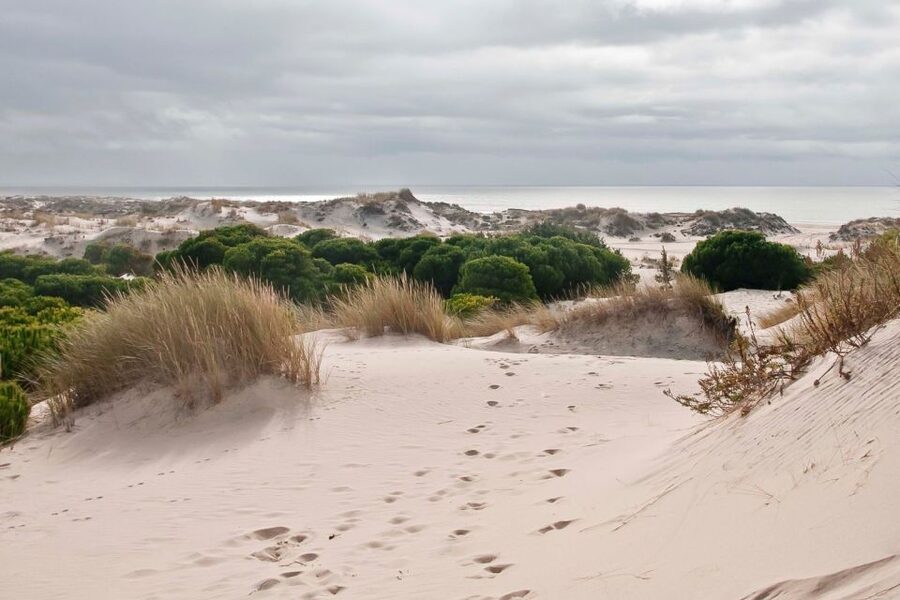
After El Rocío and La Rocina, the route heads south toward Matalascañas. Here you encounter Spain’s largest dune system and a broad Atlantic beach. The scenery shifts again, from wetlands and woodland to pale sand, wind-shaped ridges, and open sea.
The beach is a strong part of the day for many people, especially after hours of wildlife watching. In summer, you may take a dip in the Atlantic, so bring swimwear and a small towel if that appeals to you. The supplied essentials list focuses on shoes, sunglasses, a hat, and sunscreen, but beach time makes sun protection even more important.
Keep your expectations flexible about how long you will spend on the sand. The published route allows about two and a half hours around Matalascañas, including guided sightseeing, but the time may be divided between dunes, beach, photos, and transport. One person found the beach and dunes portion too short, with only around 35 minutes for that part. The exact balance can depend on the day.
The dunes are worth seeing even if swimming is not your plan. They show how quickly the park changes from wetland to coast. You can take photographs, walk a little, and enjoy one of the most open views of the trip.
The return through Asperillo at sunset
The journey back to Seville takes about 75 minutes from the coast, with a planned look through the pine forest in the Asperillo area. If timing works, the late light can be beautiful among the trees and dunes.
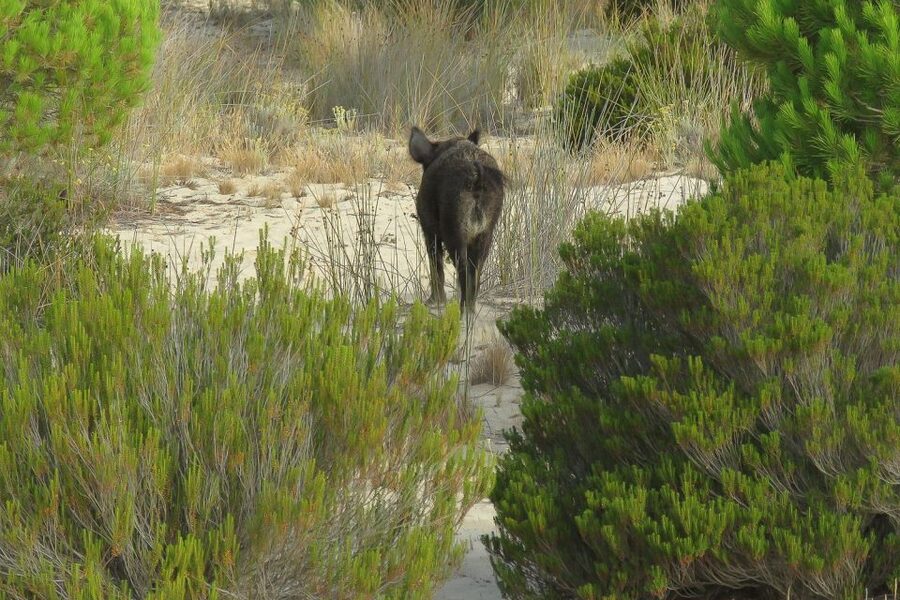
This is also another chance for larger mammals. Deer and wild boar may appear, while the lynx remains the great prize. The park is one of the places associated with this rare cat, but no responsible guide can guarantee a sighting. A good day may bring tracks, a distant glimpse, or simply an explanation of where the animal lives.
The return can feel long after a full day outdoors. Still, the route’s size is the reason the tour works. You are not visiting one small reserve and going straight back. You are crossing several parts of a major protected area.
Guides, languages, and group size
The experience is available in English, French, Italian, and Spanish. For a specific language, at least four people who speak it are required. If that minimum is not met, the operator may offer another language, date, or a full refund, so check this point carefully if language is important to you.
The guide names associated with strong experiences include José, Sergio, Luismi, Diego, Patricia, Ramón, Javier, and Luis Miguel. The common thread is not a scripted presentation. The best guides adjust the pace, answer questions, spot wildlife, and explain both nature and local customs.
Small groups are available, and private trips can be arranged. A private outing makes sense if you have a strong interest in birds, want more walking, or need a particular pace. A shared group is the better value if you simply want a broad day in nature.
You may hear two languages during a small group trip if the group requires it. One person found that the balance leaned more toward Spanish, so confirm the language arrangement before setting off.
Who should book this day trip?
I would choose this trip if you want a full day away from Seville and enjoy changing scenery. It suits birdwatchers, photographers, families who can manage a long day, and anyone curious about Andalusia beyond its cities.
It is also a good choice for people who do not want to rent a car. Pickup, transport, a guide, and binoculars are handled for you, and you get a route that would be awkward to organize alone.
I would hesitate if you want long, quiet walks. You spend a good part of the day in a vehicle, and the park’s size makes that unavoidable. I would also think twice if your main goal is a lynx. Treat that as a lucky extra, not the reason to pay for the trip.
Bring comfortable shoes, a hat, sunscreen, sunglasses, water, snacks, and a camera. Add binoculars if you own them. In summer, pack swimwear. Pets are not allowed, and infant seats are available if requested in advance.
Should you book the Doñana day trip from Seville?
Book it if you want the broadest possible introduction to Doñana in one day. The route gives you marshes, birdlife, woodland, El Rocío, dunes, and beach, while guides such as José and Sergio add the sharp eyes that can turn a distant shape into a memorable sighting.
Skip it if you need a slow walking holiday or a guaranteed close look at a lynx. For most people who enjoy nature and do not mind several hours on the road, the $105 cost is reasonable for the distance, guidance, and variety. Choose a private or small group option if wildlife is your main priority, and bring your own binoculars for the best chance of seeing what the guide spots.
FAQ
How long does the Doñana National Park trip last?
The activity lasts about 10 hours, including pickup from Seville, travel between the different areas, guided visits, and the return journey.
Is hotel pickup and drop-off included?
Yes. Hotel pickup and drop-off in Seville are included. You should wait in the hotel reception or lobby about 10 minutes before the scheduled pickup.
What languages are available?
The tour can be offered in English, French, Italian, or Spanish. A minimum of four people speaking a requested language is needed. If that minimum is not reached, another language, date, or a full refund may be offered.
Are meals and drinks included?
No. Meals and drinks are not included. Bring snacks and water, or plan to buy food during the day.
Will I see a lynx?
A lynx sighting is possible but not guaranteed. You might instead see deer, wild boar, tracks, or pawprints, along with many bird species.
Are binoculars provided?
Yes. Binoculars are included, though you may prefer to bring your own if you are serious about birdwatching.
Can I swim during the tour?
During summer, you may be able to swim in the Atlantic at the beach near Matalascañas. Bring suitable swimwear if you want to take advantage of that opportunity.
Can I book a private tour?
Yes. Private and small group options are available. A private trip may suit you better if you want a more flexible pace or have a strong interest in particular wildlife.
Just added in Seville
- Seville: Sunset Roof Top Walking Tour★ 4.5 · 122 reviews
- Seville: Authentic and Romantic Horse-Drawn Carriage Ride★ 4.5 · 341 reviews
- Seville: VIP Exclusive Early Access Tour of The Alcazar★ 4.8 · 276 reviews
- Seville: Tapas, Taverns and History Guided Walking Tour★ 4.9 · 515 reviews
- Seville: Flamenco Show at Tablao Almoraima in Triana★ 4.6 · 483 reviews
- Seville: Tapas, Taverns, and History Walking Tour★ 4.9 · 676 reviews
- Seville: Stand Up Paddle Board Rental★ 4.6 · 134 reviews
- Seville: Small-Group Cathedral and Giralda Tour with Tickets★ 4.9 · 203 reviews
National Parks, compared.
Teide National Park Sunset & Stargazing with Dinner (Star Safari)
Read our review →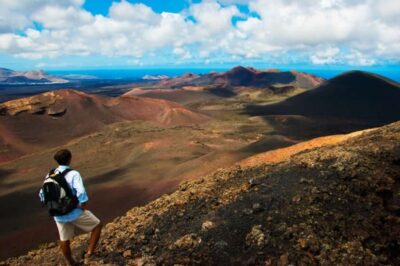
Arrecife/Playa Blanca: Timanfaya National Park Area Day Tour
Read our review →
Jávea: Cala Tango and San Antonio Nature Reserve Kayak Tour
Read our review →
Teide National Park: Guided Large Telescope Stargazing Tour
Read our review →
Browse the lists this tour appears in