
Reviewed · SPAIN
From A Coruña: Costa da Morte & Cape Finisterre Day Tour
The road to Costa da Morte is the real star here: steep capes, lonely lighthouses, sea legends, and places tied to sailors, Celts, Romans, and pilgrims. This 10-hour trip gives you a useful first look at a difficult region to cover without a car.
I like the efficient route and the mix of famous places with a quieter sanctuary in Muxía. I also like the generous free time in Fisterra, where you can choose your own lunch instead of being pushed into a group meal.
The tradeoff is that the guide’s explanations may be brief once you leave the bus. You may get the history before each stop, then explore on your own. At $58, the value comes mainly from transport, route planning, and access to several distant points in one day.
Key points to know before booking
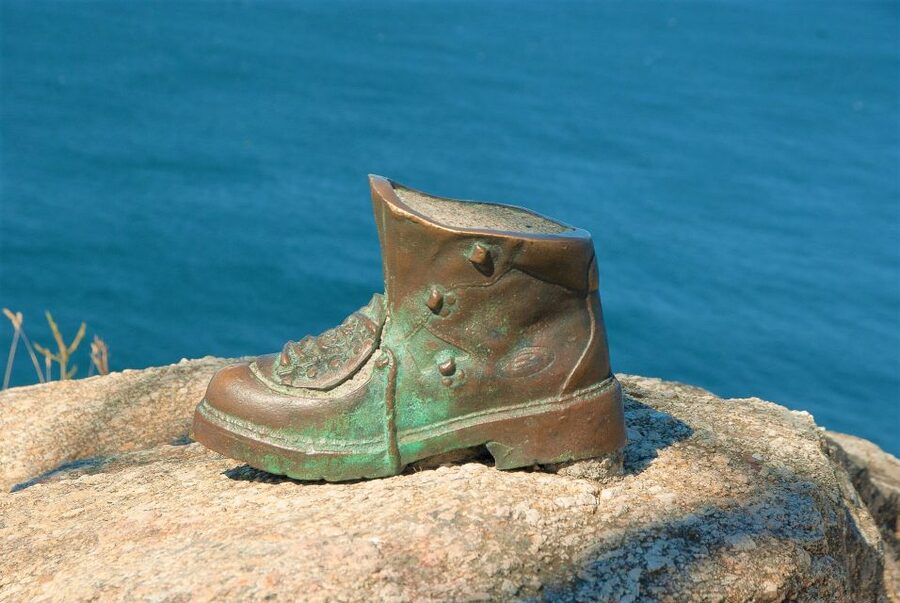
- Cabo Vilán opens the day with dramatic cliffs and lighthouse stories about shipwrecks and the sea.
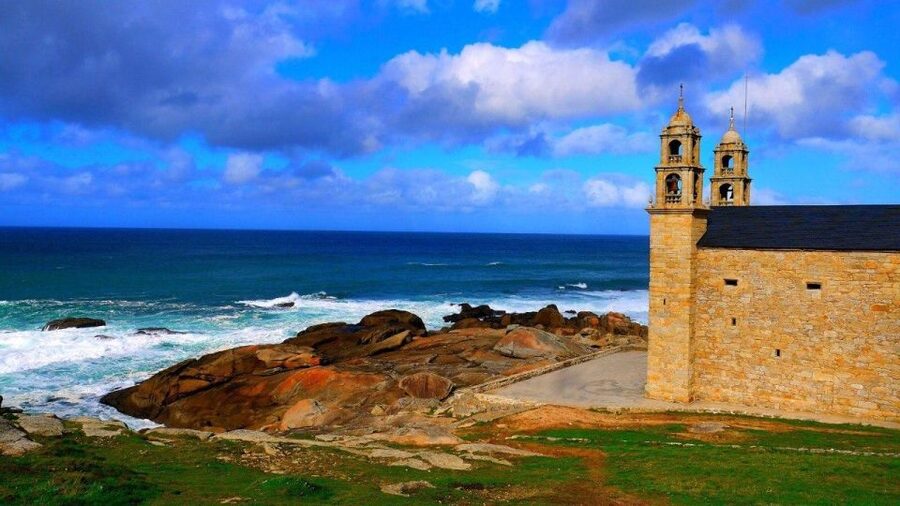
- Muxía’s Sanctuary of the Virgin of the Boat connects faith, sailors, and Celtic tradition in a striking coastal setting.
- Fisterra gives you 90 minutes of free time, enough for lunch and a look around town.
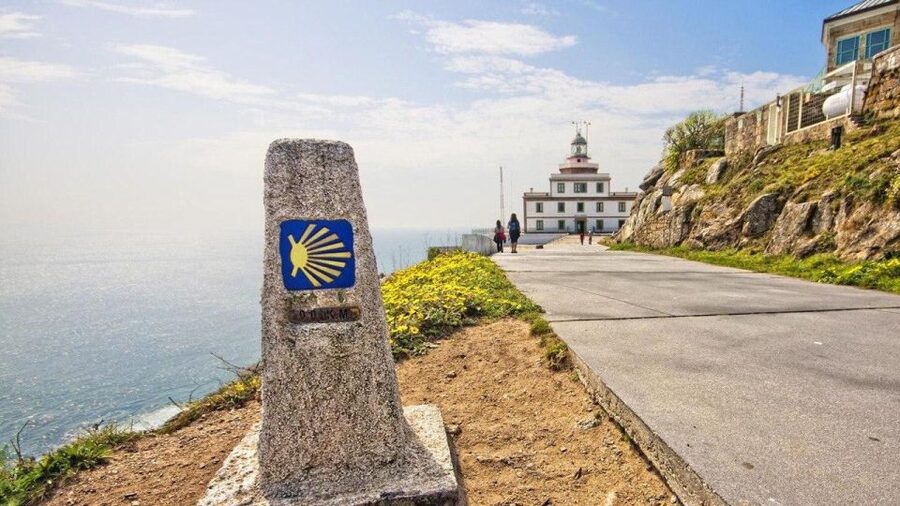
- Cape Finisterre Lighthouse adds the classic end-of-the-world viewpoint and more time for local legends.
- Ézaro Waterfall is a short final stop, though its impact can vary depending on water flow.
- The tour suits visitors without a car, but independent drivers may find the same route easier to tailor.
Why this Costa da Morte route works
Galicia’s Costa da Morte is spread across the western edge of the region. The places are not lined up beside a city train station, and public transport will not make a one-day visit easy. This tour solves the main problem: it carries you between remote coastal points while a guide supplies background in Spanish or English.
You leave from Rúa Payo Gómez, 18, in A Coruña. Arrive 15 minutes early and look for a guide wearing a red shirt. The first ride takes about 90 minutes, so bring comfortable clothes, sunglasses, and shoes you can walk in.
The day is long, but the route has a sensible rhythm. You spend time on the bus, then get out for a lighthouse, a sanctuary, a town, another lighthouse, and a waterfall. That variety keeps the trip from becoming a string of similar viewpoints.
The main caution is the guided format. The guide provides information on the bus and before stops, but you may not receive a full walking tour at every site. If you prefer a guide beside you at each monument, this may feel light on explanation. If you like room to wander and take photographs, it works better.
Other trips people book in Spain:
- Barcelona: Sagrada Familia Entry Ticket with Audio Guide
★ 4.6 · 105,312 reviews - Barcelona: Park Güell Admission Ticket
★ 4.4 · 76,534 reviews - Seville: Royal Alcázar Entry Ticket
★ 4.6 · 28,378 reviews
Cabo Vilán: a strong first stop
After the long opening ride, the Lighthouse of Cabo Vilán gives you an immediate sense of why this coast earned its grim name. The lighthouse sits on a steep cape, with open sea and exposed rock around it. The setting is more about raw coastal power than polished sightseeing.
You have about 30 minutes here. That is enough for photographs, a look at the lighthouse surroundings, and a short walk, but not enough for a slow exploration. Listen closely before getting off the bus because this is where the guide explains the area’s mystical character, dangerous waters, and shipwrecks.
The stop works best when the weather is clear enough to show the shape of the cape. Even in less friendly weather, the place has a stark quality that fits the stories of sailors and wrecked ships. Just keep your expectations realistic: this is a compact visit, not an extended hike.
I like the choice of Cabo Vilán early in the day. It gives the route a sense of place before the more cultural stop at Muxía. The coast is not merely pretty here. It feels exposed, serious, and closely tied to the sea.
Muxía and the Sanctuary of the Virgin of the Boat
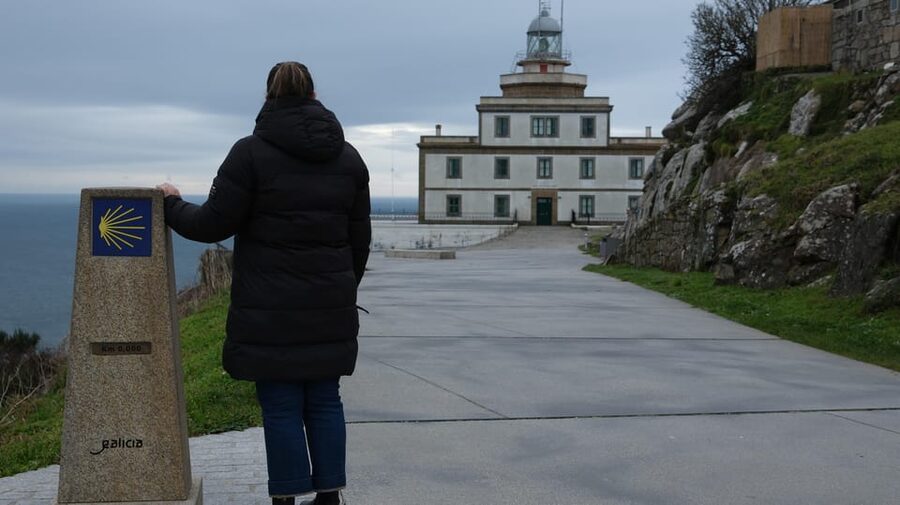
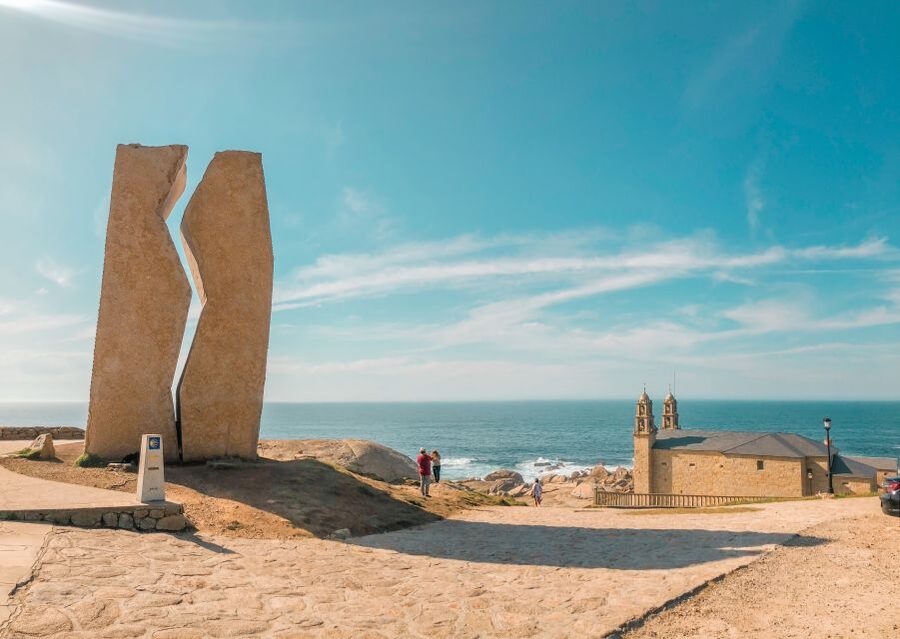
The coach ride from Cabo Vilán to Muxía takes about 50 minutes. The Sanctuary of the Virgin of the Boat, also known as the Santuario da Virxe da Barca, is one of the most meaningful stops on the route.
You get about 45 minutes at the sanctuary. The site is linked with Galician culture, sailors, people who work at sea, and older Celtic traditions. The tour uses this place to explain how religious belief and coastal folklore overlap in Galicia.
This is a good stop for travelers who want more than a lighthouse checklist. The sanctuary gives the day a human and spiritual side. You can look around the grounds, take in the coastal setting, and consider why this particular place has drawn people for so long.
The guide may introduce the background before letting you explore. That means you should pay attention during the briefing, then use your free time to focus on the details that interest you. The visit is not described as a formal guided tour inside every part of the sanctuary.
One practical point matters here: lunch arrangements are not built into this stop. The tour leaves you to choose where to eat later in Fisterra, and you should not expect the guide to assign a restaurant. The eating options in Muxía are concentrated in the same general area, but the planned lunch break comes in Fisterra.
Fisterra: lunch and the end of the known world
From Muxía, the coach reaches Fisterra in about 30 minutes. You have 90 minutes of free time in town, which is the longest independent portion of the day.
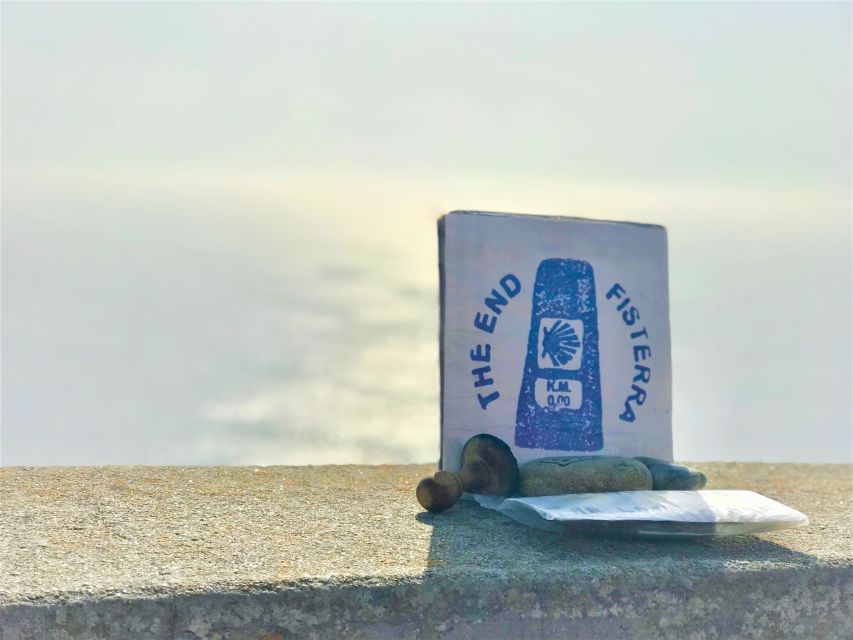
Fisterra, or Finisterre, means end of the world in the familiar tourist sense. For Celts, Romans, and pilgrims, this western point held powerful meaning. The tour uses the town and nearby cape to explain legends, naval battles, pilgrimage traditions, and the long pull of the Atlantic horizon.
The town is your best chance to choose a local meal. Food and drinks are not included, so budget separately for lunch. With only an hour and a half, keep the meal practical. A long sit-down lunch could leave little time to explore.
I like this free-time block because it gives you control. You can eat, browse, walk, or simply slow down after several organized stops. The drawback is that you are responsible for the timing. Watch the meeting instructions carefully and return to the coach promptly.
Fisterra is also a good place to decide what matters most to you. If you care about local food, use the time for lunch. If the cape is your priority, eat quickly and save your attention for the lighthouse visit that follows.
Same base, a different kind of day out:
- Barcelona: Casa Batlló Entry with Self-Audioguide Tour
★ 4.7 · 25,359 reviews - Seville: Cathedral and La Giralda Entry Ticket
★ 4.5 · 24,592 reviews - Madrid: Tour Bernabéu Entry Ticket
★ 4.5 · 21,573 reviews - Barcelona: 24 or 48-Hour Hop-On Hop-Off Bus Tour
★ 4.4 · 20,872 reviews
Cape Finisterre Lighthouse and its old legends
A 10-minute coach ride brings you from town to Cape Finisterre. You spend about 50 minutes at the lighthouse, giving you more time here than at Cabo Vilán.
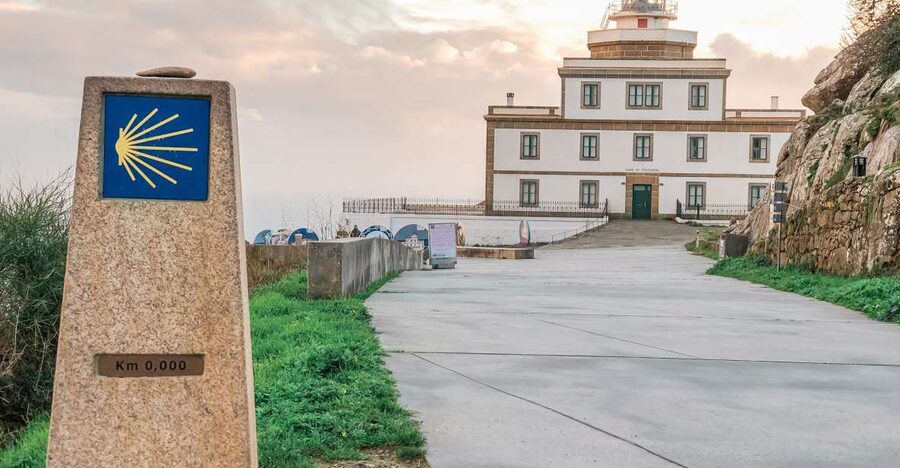
This is the classic viewpoint associated with Finisterre. The cape’s power comes from its position at the edge of the Atlantic and from the stories attached to it. The guide covers the Celts, Romans, pilgrims, legends, and naval battles that have shaped the place in people’s minds.
The second lighthouse stop complements Cabo Vilán rather than repeating it exactly. Cabo Vilán is introduced through its steep cape and shipwrecks. Finisterre carries the broader idea of the world’s western edge and the destination reached after a pilgrimage.
Fifty minutes is enough to see the site at a comfortable pace, take photographs, and listen to the explanation. Still, this is a group schedule, not a personal walking day. You will not have unlimited time to linger at every viewpoint.
The famous name can create oversized expectations. Finisterre is not a theme park or a single grand monument. Its appeal comes from the sea, the location, and the layers of belief and history attached to it. If you enjoy places where setting and story matter as much as architecture, this stop should be one of the day’s highlights.
Ézaro Waterfall: a brief final change of pace
After Finisterre, the coach travels for about 30 minutes to Fervenza do Xallas, better known as Ézaro Waterfall. You get roughly 30 minutes for a visit and photographs.
The waterfall adds inland scenery to a day dominated by the sea. It is a welcome change of pace, especially after the two lighthouse stops and the open cape views. But keep your expectations measured. The waterfall may not look especially dramatic on every visit, and its impact can vary.
This is best treated as a short photo stop rather than the main reason to book the tour. One review described it as less spectacular than the rest of the route, while still rating the overall day highly. That assessment makes sense: Muxía and Finisterre carry more cultural weight, while Ézaro offers a quick nature break near the end.
The final ride back to A Coruña takes about 105 minutes. By then, you will have spent a full day on the road, so the return trip is a good time to rest.
Transport, guide style, and the pace of the day
The tour uses an air-conditioned vehicle, with a professional guide and entrance fees included. The schedule covers a lot of ground, so transport is not a minor detail. Without a car, reaching Cabo Vilán, Muxía, Fisterra, and Ézaro in one day would be difficult.
The guide speaks Spanish and English. One guide named Laura received specific praise for being friendly, and another review described the guide as kind, approachable, and excellent. The overall pattern is a warm human touch, paired with a relatively light guiding style at the sites.
You should expect explanations during the bus rides and before getting off. At several stops, you are then free to look around independently. This format can suit you if you prefer not to move as one tight group. It may disappoint you if you want detailed commentary inside each site or a guide-led walk from start to finish.
The timing is fairly tight but not frantic. Cabo Vilán gets 30 minutes, Muxía 45 minutes, Fisterra 90 minutes, Cape Finisterre 50 minutes, and Ézaro 30 minutes. The long coach rides make the 10-hour length understandable.
This is not a good choice for people with mobility impairments. The tour involves multiple outdoor stops and walking on a coastal route, so comfortable shoes are important even though the exact walking distances are not specified.
Is $58 a fair price?
At $58 per person, the cost is reasonable if you do not have a car and want to cover this much territory in one day. You are paying for an air-conditioned vehicle, a professional guide, route planning, and the convenience of returning to A Coruña without handling the driving.
The value is less obvious if you already have a car and enjoy planning your own stops. Many of the main attractions are outdoor places, and food and drinks are not included. One critical assessment viewed the price as high because the main benefit was transport plus short explanations.
That is the right way to judge it. This is not an admission-heavy tour. Its cost pays for distance, coordination, and access to four separate areas in a single day. If you would otherwise rent a car, pay for fuel, navigate unfamiliar roads, and organize parking, $58 can look attractive.
If your priority is deep interpretation at each stop, the value drops. You may want more time at Cabo Vilán or a longer guided visit around the sanctuary. Independent visitors can also adjust the day around weather, lunch, and personal interests.
Practical details that make the day easier
Book with the weather in mind if you can. The major appeal is outdoor scenery, and the capes are best appreciated when you can see across the coast. The activity allows free cancellation up to 24 hours before departure and offers the option to reserve now and pay later, which gives you some flexibility.
Arrive 15 minutes before departure at Rúa Payo Gómez, 18. Look for the red shirt worn by the guide. Since the opening and closing coach rides are long, bring anything you need to stay comfortable during a full day out.
Food and drinks are your responsibility. The planned 90-minute break in Fisterra is the clearest opportunity to eat, so do not assume lunch is included or arranged for you.
Pack:
- Comfortable walking shoes
- Sunglasses
- Comfortable clothing
The tour is offered with a live guide in Spanish or English. All entrance fees are included, though the important value of the day is the transport between widely separated places and the explanations provided along the way.
Who should book this day trip?
I would choose this tour if you are staying in A Coruña without a car and want a broad introduction to Costa da Morte. It is also a good fit if you like dramatic coastlines, lighthouses, legends, and a flexible lunch stop more than formal museum visits.
You should also book it if you want to see both Muxía and Finisterre in one day. Those two stops provide the strongest mix of Galician culture, pilgrimage, maritime tradition, and memorable scenery.
I would hesitate if you already have a car, want to set your own pace, or expect a detailed guided tour at every location. The waterfall is a minor stop, and the guide’s commentary may be concentrated on the bus rather than delivered as a full walk at each site.
For most visitors without independent transport, I think the route earns its place in an A Coruña itinerary. Just treat it as a well-planned scenic overview, not an intimate, heavily guided study of every stop.
FAQ
How long does the Costa da Morte tour last?
The tour lasts 10 hours, including coach travel from A Coruña and the return journey.
Where does the tour start?
The meeting point is Rúa Payo Gómez, 18, in A Coruña. You should arrive 15 minutes before departure.
How can I identify the guide?
The guide will be wearing a red shirt.
Which languages are available?
The live guide offers the tour in Spanish and English.
Are food and drinks included?
No. Food and drinks are not included. You have 90 minutes of free time in Fisterra, where you can choose a restaurant for lunch.
What places does the tour visit?
The route includes Cabo Vilán Lighthouse, the Sanctuary of the Virgin of the Boat in Muxía, Fisterra, Cape Finisterre Lighthouse, and Ézaro Waterfall.
Is the tour suitable for people with mobility impairments?
No. The activity is not suitable for people with mobility impairments. Comfortable shoes and clothing are recommended.
Should you book it?
Book this tour if you want the easiest way to reach Costa da Morte from A Coruña without renting a car. You will see the region’s key coastal sights, hear the stories that give them meaning, and have enough free time in Fisterra to make the day feel partly your own. Skip it if you want a slow, deeply guided visit or already have the freedom of your own vehicle.
Just added in Spain
- Full Day Rainforest Tour with Tasting and Swimming Time ツ★ 5.0 · 607 reviews
- The Red Canyon Tour – Small Group Trip with Local Food Tasting ツ★ 5.0 · 798 reviews
- Full Day Ticket at Perchel Beach Club with Lunch★ 5.0 · 316 reviews
- 3 Wheel Motorcycle like Quad/Buggy Tour Gran Canaria (Maspalomas)★ 5.0 · 237 reviews
- Arucas, Teror, Viewpoint Roque Nublo – Highlights Gran Canaria★ 4.5 · 170 reviews
- Gran Canaria Highlights Private Tour VIP★ 5.0 · 106 reviews
- Full day Hiking Gran Canaria Peaks of Gran Canaria★ 5.0 · 130 reviews
- Coastering in Gran Canaria (Aquatic Route in the ocean cliffs)★ 5.0 · 135 reviews