
Reviewed · SPAIN
Complete Roman Tour in Merida (Spain)
Mérida gives you something rare in Spain: a Roman city where the major monuments are spread through the modern town, not sealed away in one isolated park. This three-hour walking tour links a Roman villa, circus, baths, temple, amphitheater, and theater into one clear story of daily life, public spectacle, religion, and imperial power.
I like two things right away. First, Lucía brings visual aids, jokes, myths, and practical explanations instead of leaving you to decode bare stones. Second, the route covers the major Roman sights in a single morning, with photo advice and a radio guide so you can hear without crowding around her.
The main catch is simple: the $29 price does not include the archaeological-site ticket. You buy that separately at the start, and the final cost varies by age, group, family status, date, and festivities. Also, plan on about three hours of walking, stairs, sun, and uneven ground.
Key points at a glance
- See Mérida’s Roman life in sequence: Begin in a home, then move through entertainment, bathing, worship, and theater.
- Lucía is the main reason to book: Her English and Spanish explanations are clear, lively, and packed with Roman detail. French and Portuguese are also advertised for the wider guiding service.
- The Roman Circus is a major highlight: Its size and surviving seating areas make ancient chariot racing easy to picture.
- Your site ticket keeps working after the tour: Use it later for places such as the Alcazaba, the Muslim quarter, and the Basilica of Saint Eulalia.
- The route is active, not leisurely: Comfortable shoes, sunscreen, and a good tolerance for heat matter, especially in summer.
- The optional museum visit adds objects to the ruins: At the National Museum of Roman Art, you can see sculpture, mosaics, toys, jewelry, and other finds.
Why Mérida works best with a Roman story
Mérida can feel like a collection of impressive ruins if you visit each monument alone. The value of this tour is the order. You start with the home, move to mass entertainment, see how people bathed and worshipped, and finish with the two grand performance spaces.
That sequence gives you a useful question to carry from stop to stop: who used this place, and what did it say about Roman society? The villa shows private life. The circus and amphitheater show mass spectacle. The baths reveal engineering and social habits. The Temple of Diana connects the city to religion and imperial rule. The theater brings the public world together through drama.
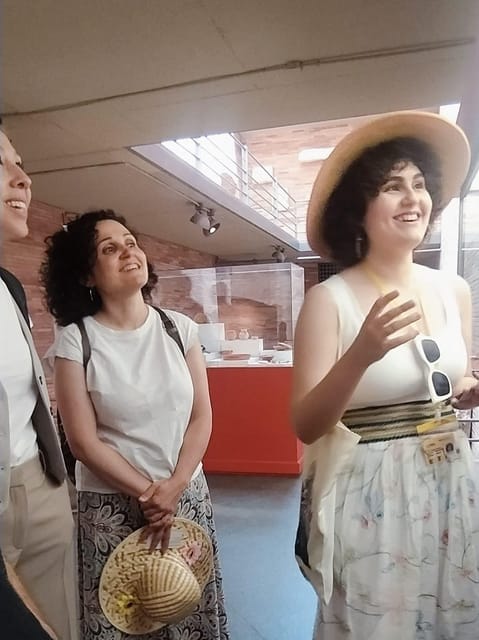
Lucía’s approach also suits visitors who want more than dates. She uses images to show how missing parts may have looked and adds small details about food, toys, gardens, pets, and household life. That helps you picture Mérida as a lived-in city rather than a set of abandoned walls.
Other trips people book in Spain:
- Barcelona: Sagrada Familia Entry Ticket with Audio Guide
★ 4.6 · 105,312 reviews - Barcelona: Park Güell Admission Ticket
★ 4.4 · 76,534 reviews - Seville: Royal Alcázar Entry Ticket
★ 4.6 · 28,378 reviews
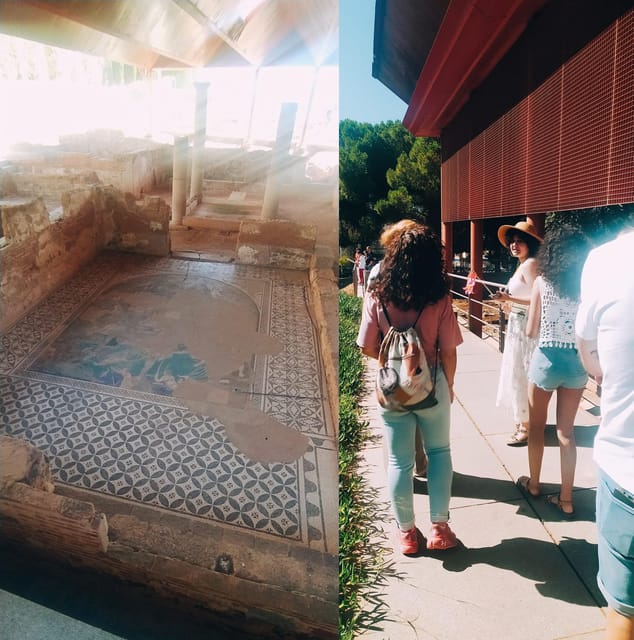
Starting at the House of the Amphitheater
Meet in front of the Casa del Anfiteatro, marked by the large MÉRIDA lettering. This is a practical starting point because the first stop is already inside the archaeological area, and you purchase your site ticket before the walking portion begins.
The House of the Amphitheater is one of the best places to begin because it deals with ordinary Roman life. You walk through rooms, bedrooms, gardens, and colorful mosaics that once belonged to a prosperous home. The tour points toward everyday subjects that are easy to overlook: food, children’s toys, household animals, and the setting for formal banquets.
I find this a better opening than beginning with the biggest monument. A grand theater impresses you at once, but a home gives you a human scale. After seeing where people slept, ate, and entertained friends, the public buildings feel less abstract.
Allow about 30 minutes here. The guide supplies a radio system with earphones and illustrative images, which is useful in a large group or when the site is busy. The route includes some steps and uneven surfaces, so sturdy footwear is more than a polite suggestion.
The Roman Circus and the world of chariot racing
The Roman Circus of Mérida is one of the route’s most memorable stops. It is described as the largest and best-preserved Roman circus in Europe, and its long open form makes the purpose immediately clear: this was built for fast, noisy chariot races watched by large crowds.
You can still see seating areas and pathways, which help you understand how people entered, found their place, and watched the action. Lucía uses the setting to explain the excitement of the races and the role of spectacle in Roman public life. This is one of the places where a guide adds real value, since the structure is huge but its original activity is not always obvious at first glance.
The circus comes early in the day, a sensible choice in Mérida’s hot weather. There is little reason to hurry through it, but the schedule allows about 30 minutes. If you are fascinated by racing, you may want more time to study the site afterward with your ticket.
Roman baths, furnaces, and the snow well
The Roman baths show a quieter side of city life. The tour explains how the pools were heated or cooled through furnaces, turning what may look like a pile of walls into a working public facility.
The snow well is a particularly useful detail. It points to the effort Romans made to control temperature and offer different bathing experiences. This is the sort of feature that can disappear in a guidebook summary, but it becomes memorable when you see the remains and hear how it fit into the baths.
The stop lasts around 30 minutes and follows a route through peaceful parks back toward central Mérida. That change of pace is welcome after the open circus. Still, do not confuse peaceful surroundings with an easy stroll: the whole tour covers a lot of ground, and summer heat can make the walking feel harder than the timetable suggests.
Same base, a different kind of day out:
- Barcelona: Casa Batlló Entry with Self-Audioguide Tour
★ 4.7 · 25,359 reviews - Seville: Cathedral and La Giralda Entry Ticket
★ 4.5 · 24,592 reviews - Madrid: Tour Bernabéu Entry Ticket
★ 4.5 · 21,573 reviews - Barcelona: 24 or 48-Hour Hop-On Hop-Off Bus Tour
★ 4.4 · 20,872 reviews
The Temple of Diana and Mérida’s public center
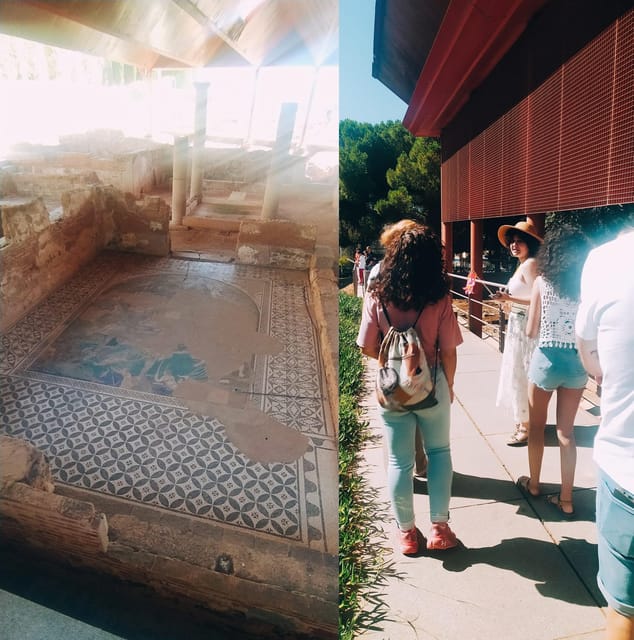
The Temple of Diana is one of Mérida’s most recognizable Roman monuments. Its columns rise among later buildings in the modern city, making the ancient past feel unusually close to daily life.
Here, the focus shifts to worship of the gods and the emperor. That matters because Roman religion was not simply a private matter. Public rituals helped connect the city to imperial authority, and the temple formed part of the Roman Forum, the civic center where business, politics, religion, and social life met.
On the way, you pass remains of the Forum and modern shops selling handmade terracotta and mosaic crafts. This combination can feel slightly touristy, but it also shows how Mérida continues to draw on its Roman identity. The tour keeps the ancient setting at the center while giving you a chance to notice local craftwork.
The Temple of Diana is another 30-minute stop. Lucía’s anecdotes and mythology games are especially useful here if you are visiting with children or if Roman gods tend to blur together. The tour includes games for children, though the content and format can vary.
The amphitheater: gladiators, beasts, and staged drama
At the amphitheater, the subject turns to combat. This was a setting for gladiatorial contests and fights with wild animals, spectacles designed to thrill large crowds and display power.
The remains make the scale of the audience easier to grasp. You can imagine the movement of people into the seating areas and the pressure placed on performers who entered the arena. The tour also discusses boat battles, an unusual form of staged entertainment associated with Roman arenas. The precise experience depends on how much time the group spends at earlier sites, so treat this as an introduction rather than a full archaeological lecture.
The amphitheater is physically demanding in places, with stairs and uneven ground. One visitor specifically advised preparing for three hours of walking and cautioned that the route may not suit anyone with knee, foot, or mobility problems. That is useful advice. The tour is not presented as fully accessible, and no special accessibility arrangements are described.
The Roman Theater and Mérida’s living classical tradition
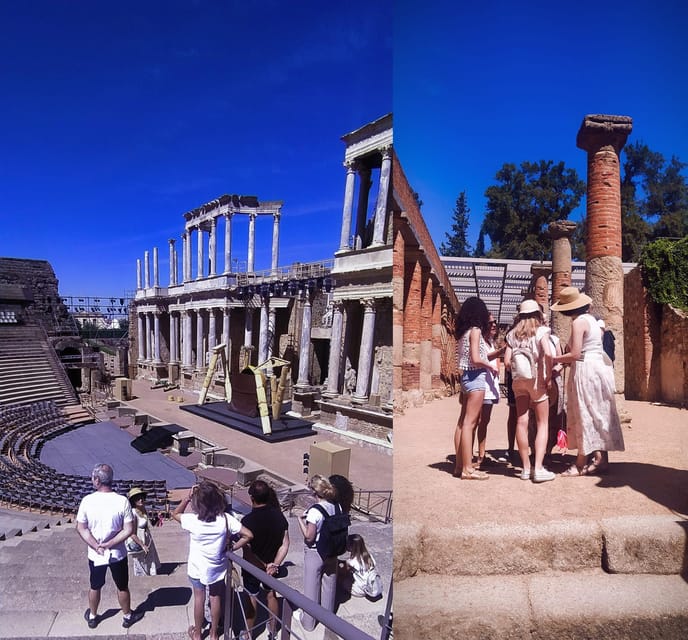
The Roman Theater is the grand finale. It is considered the largest and best-preserved Roman theater in Spain, and its surviving stage architecture gives the site a strong sense of place.
This stop works well at the end because the theater brings together many themes from the morning. Roman power shaped the city, public events drew people together, and performance helped spread cultural ideas. The theater is not only an archaeological site. Each summer, the International Classical Theatre Festival carries on the tradition with well-known actors.
You receive about 30 minutes here, followed by a break. The surrounding area has restaurants and bars, so this is a practical point to stop for lunch or refreshments. The tour ends around the Roman Theater, with a second possible drop-off at the National Museum of Roman Art.
One limitation is time. Three hours is enough for a strong introduction, but not enough to read every sign or examine every object at length. If you prefer a slow archaeological visit, plan to return later with your ticket.
Adding the National Museum of Roman Art
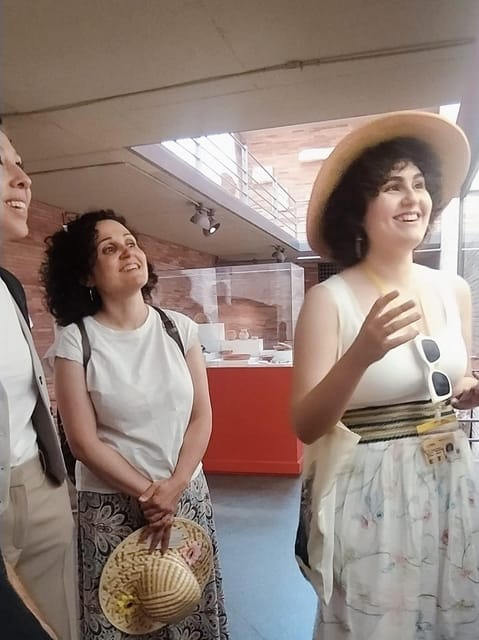
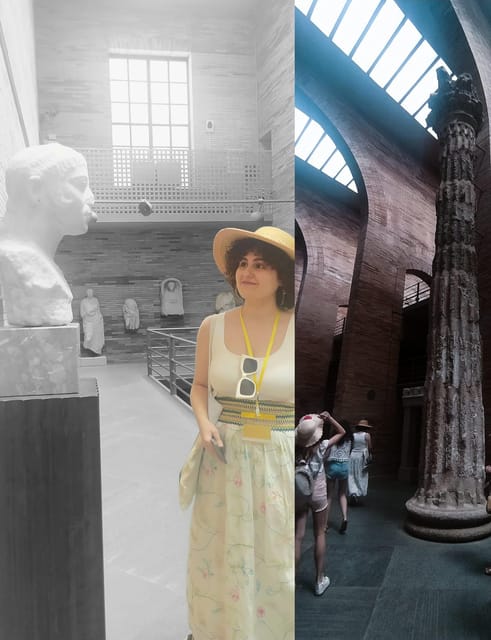
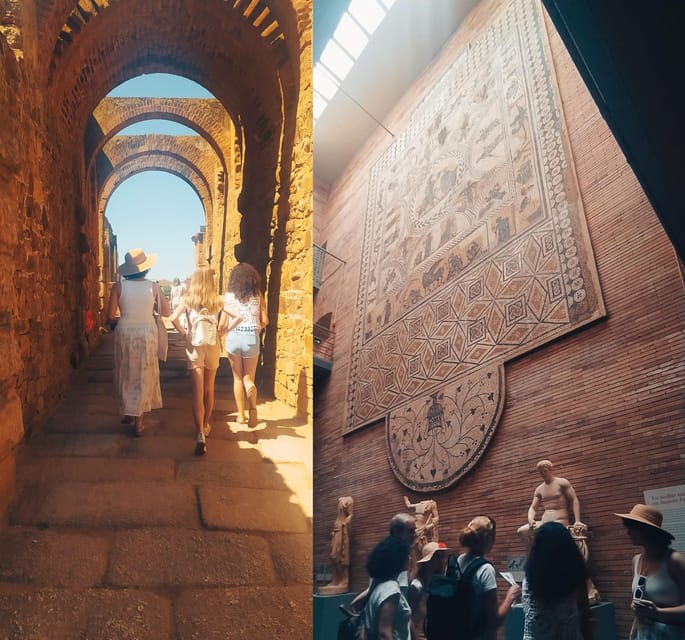
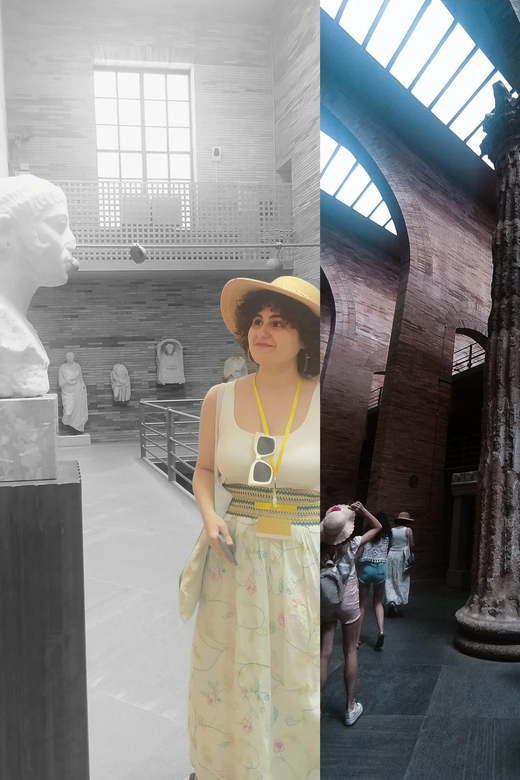
The optional museum choice adds about one hour at 1 p.m., after a break for snacks and refreshments. It is a useful extension because the outdoor sites show buildings, while the museum preserves the smaller objects and decorative details that explain how people used them.
You can expect displays of jewelry, toys, mosaics, and large sculptures from excavations in Mérida. Lucía’s Latin skills are particularly helpful with inscriptions and short messages, since small words carved into stone can reveal names, roles, beliefs, and social customs.
I would choose the museum option if you have a strong interest in Roman art or want more context for the outdoor ruins. If you are already tired from the walking route, the extra hour may feel like too much, especially in hot weather. The museum is best treated as a separate decision, not as a reason to rush through the morning.
The $29 price and the separate admission ticket
At $29 per person, the guiding fee is reasonable for a three to four-hour route covering several major sites. You are paying for a connected explanation, a live guide, radio equipment, images, children’s activities, and help finding good photo positions. The value is strongest if this is your first time in Mérida and you want the city’s Roman remains to make sense quickly.
The archaeological ticket is extra. This is important because the tour cannot resell that ticket. You buy it through the Archaeological Consortium of Mérida at the start, and the price changes according to age group, number of people, family status, date, and festivities. The guide provides information about possible discounts and free admission.
The ticket can still save you money and planning effort across your visit because it also allows access to archaeological places not included in the walking route. These include the Muslim citadel and quarter and the Basilica of Saint Eulalia. Check the ticket details at the time of purchase so you know exactly what remains available after the tour.
Language, pace, and the guide’s personal touch
The advertised live tour languages are English and Spanish. The wider description also lists French and Portuguese, so confirm your preferred language when booking if that matters to you.
Lucía receives especially strong praise for clear English, easy switching between languages, warmth, humor, and detailed answers. She is described as a translator by profession, which helps explain why international visitors find her explanations easy to follow. She also shares personal insight into growing up and living in Mérida, adding a local voice to the Roman subject.
The pace is generally steady rather than rushed. Lucía has adjusted timing for groups with older members, and on one occasion she began early because the only participant was already affected by the heat. That suggests a personal style rather than a rigid script, though you should still expect the advertised route and walking demands.
The radio guide is helpful, but you will still get more from the tour if you stay reasonably close to the group. Bring water, sunscreen, and comfortable shoes. A light jacket or scarf can also help in very hot weather, when shade and temperature changes may catch you off guard.
Who should book this tour?
I would recommend it to first-time visitors, families, history fans, and anyone who wants a clear introduction before exploring Mérida alone. It is also a good choice if you have only one day in the city and want to see the major Roman monuments without working out the sequence yourself.
The tour suits you less if you dislike walking, need a fully accessible route, or prefer to spend long periods reading every sign. Independent visitors may want to buy the archaeological ticket and explore at their own pace instead.
For photographers, the tour offers useful help with picture locations, and the route includes some of Mérida’s most striking settings. Just remember that photo stops are part of a moving group, not an extended photography workshop.
Should you book the Complete Roman Tour in Mérida?
Book it if you want the Roman Mérida story in one morning, with a warm guide who can explain both the monuments and the daily lives behind them. Lucía’s humor, language skills, images, and local connection add more than a list of dates.
Before committing, budget for the separate site ticket and assess your ability to handle three hours of walking, stairs, and sun. If that works for you, the $29 guiding fee offers a practical way to turn Mérida’s scattered ruins into a readable, memorable city.
FAQ
How long does the Complete Roman Tour in Mérida last?
The tour lasts about three to four hours. The main walking portion is generally around three hours, with an optional one-hour museum visit.
What sites are included in the guided route?
The guided route includes the House of the Amphitheater, Roman Circus, Roman Baths, Temple of Diana, Amphitheater, and Roman Theater.
Is the archaeological-site ticket included in the $29 price?
No. You purchase the archaeological-site ticket separately at the beginning of the tour. Its price varies according to age group, group size, family status, date, and festivities.
Can I use the archaeological ticket after the tour?
Yes. The ticket also allows you to visit archaeological places not included in the walking route, including the Muslim citadel and quarter and the Basilica of Saint Eulalia.
Is the museum visit included?
The museum visit is an optional add-on. It takes about one hour and begins at 1 p.m. after a break for snacks and refreshments.
What languages are available?
The live tour is offered in English and Spanish. The wider tour information also lists French and Portuguese, so confirm the language available for your date.
What should I bring?
Bring comfortable shoes and sunscreen. You should also prepare for several hours of walking and stairs, particularly during hot weather.
Just added in Spain
- The Red Canyon Tour – Small Group Trip with Local Food Tasting ツ★ 5.0 · 798 reviews
- Full Day Rainforest Tour with Tasting and Swimming Time ツ★ 5.0 · 607 reviews
- Full Day Ticket at Perchel Beach Club with Lunch★ 5.0 · 316 reviews
- 3 Wheel Motorcycle like Quad/Buggy Tour Gran Canaria (Maspalomas)★ 5.0 · 237 reviews
- Arucas, Teror, Viewpoint Roque Nublo – Highlights Gran Canaria★ 4.5 · 170 reviews
- Coastering in Gran Canaria (Aquatic Route in the ocean cliffs)★ 5.0 · 135 reviews
- Gran Canaria Highlights Private Tour VIP★ 5.0 · 106 reviews
- Full day Hiking Gran Canaria Peaks of Gran Canaria★ 5.0 · 130 reviews