
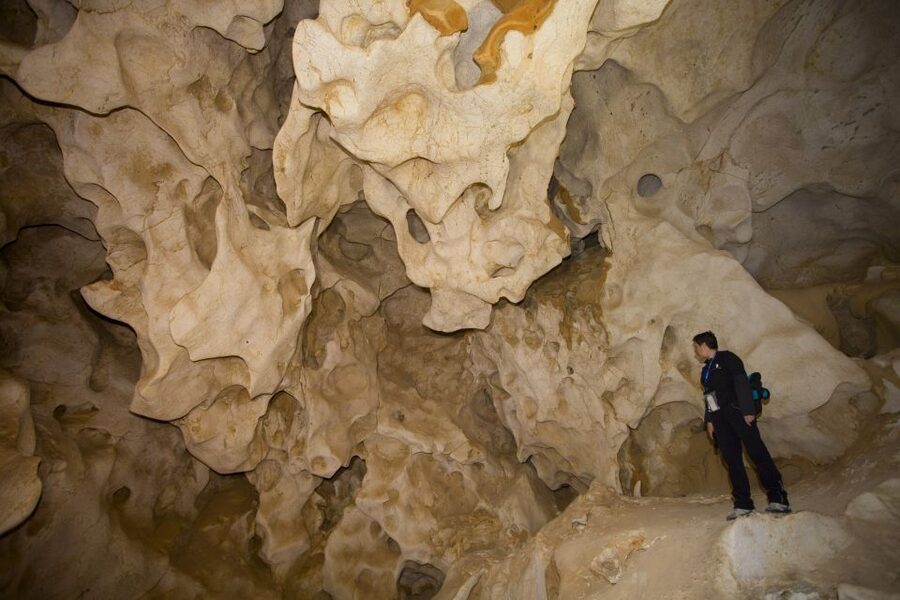
Reviewed · SPAIN
Calasparra: Cueva del Puerto Entry Ticket with Guided Tour
The most memorable part of Cueva del Puerto is not simply going underground. It is crossing bridges suspended 20 meters above the cave floor, with shadows from LED lights changing the look of the rock around you. The cave is about 15 million years old, yet the route feels lively and dramatic rather than like a dusty geology lesson.
I like the way the tour mixes natural formations with a little suspense, and I like having a guide explain what you are looking at instead of wandering past it blindly. The main drawback is comfort: the cave can feel humid and warm, despite the advice to bring warm clothing, and anyone uneasy in enclosed spaces should think twice.
Key points before you book
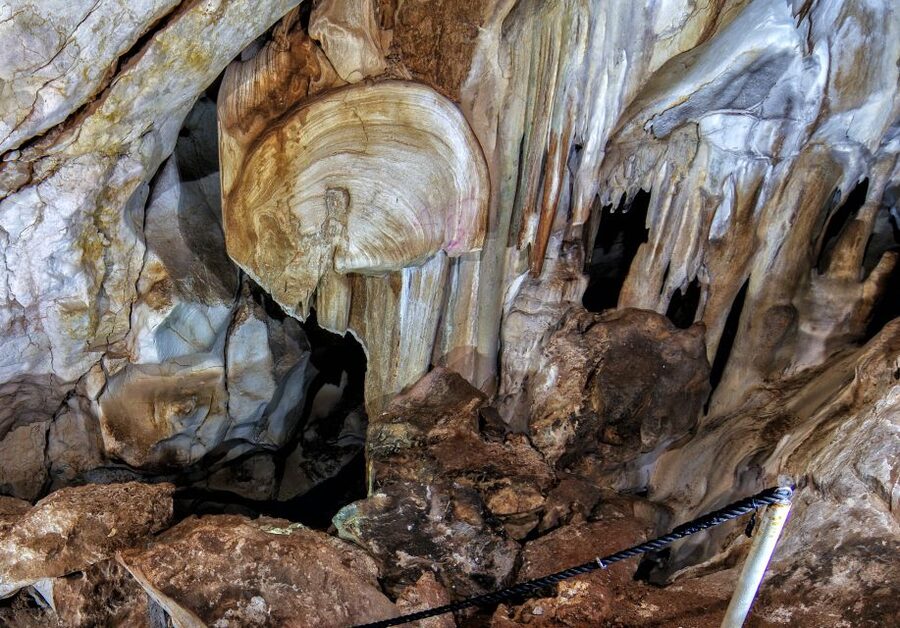
- Cross high bridges underground: Several walkways sit 20 meters above the cave floor, adding a real thrill to the visit.
- See 700 meters of cave galleries: The route passes stalactites, root-like formations, popcorn-shaped growths, and sculpted ceilings.
- Descend 50 meters below ground: You get a proper underground experience, not just a short decorated tunnel.
- Hear the geology in Spanish: A live guide explains how water shaped the cave over thousands of years.
- Visit the Gaudí gallery and mineral room: These are two of the more distinctive stops along the route.
- Allow 1.5 hours and wear proper shoes: There are illuminated paths, bridges, and a short flight of stairs.
Entering Cueva del Puerto near Calasparra
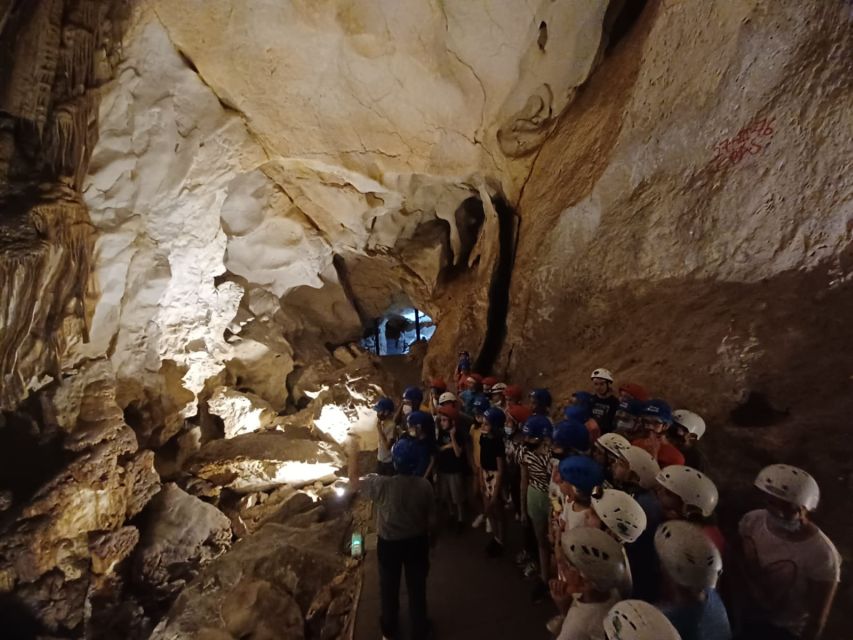
You meet your guide at the main entrance to the cave in the Murcia region. The experience begins there, with no separate transport or meeting point described, so you need to arrange your own way to the entrance.
From the reception area, the route leads down into the cave. The total underground section extends for about 700 meters, and you descend roughly 50 meters below the surface. That change matters. This is not a quick look into a small cavern. You spend enough time underground to see several distinct galleries and get a sense of how large the system is.
The cave is estimated to be around 15 million years old. That number can sound abstract, so the guide’s explanation helps connect it to what you see on the walls. Water has worked through the rock over immense spans of time, leaving behind folds, hanging shapes, ridges, and small deposits.
The story of the cave’s discovery in 1966 also gives the visit a human edge. You can imagine the first explorers finding their way through an underground network that now has lighting, paths, and bridges. The modern route makes the cave easier to visit, but the basic sense of entering an unknown place remains.
A few more things to do in Spain worth a look
- Barcelona: Sagrada Familia Entry Ticket with Audio Guide
★ 4.6 · 105,312 reviews - Barcelona: Park Güell Admission Ticket
★ 4.4 · 76,534 reviews - Seville: Royal Alcázar Entry Ticket
★ 4.6 · 28,378 reviews
Reading the cave’s natural shapes
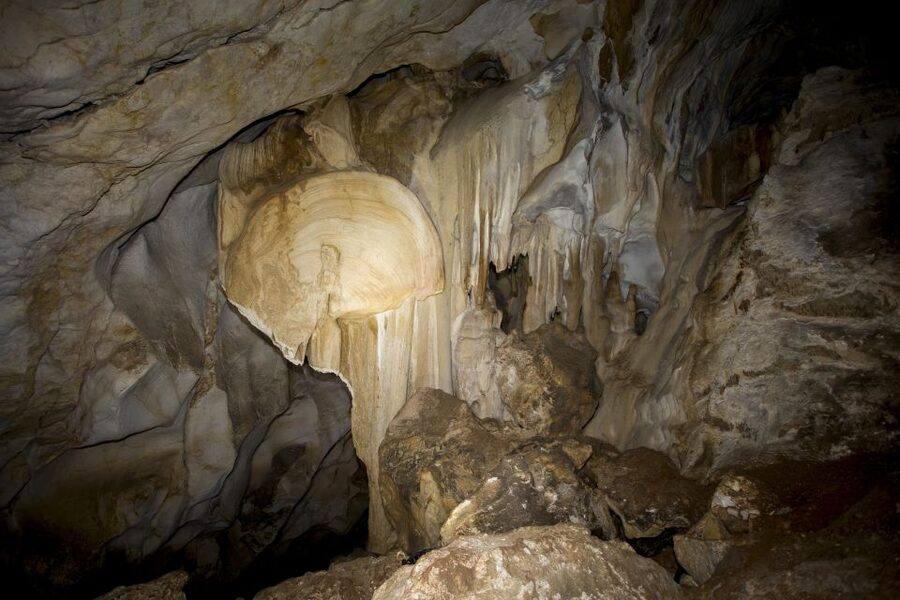
The cave’s main appeal is its variety of formations. You see stalactites that look like roots, along with small shapes compared to popcorn. Ceilings and walls carry naturally sculpted forms that can resemble figures, folds, or other familiar objects depending on the angle of the light.
Your guide explains that these patterns formed through water action over thousands of years. That detail is useful because cave formations can otherwise blur into one another. Once you understand the basic process, you start noticing the difference between a hanging deposit, a rough wall texture, and a rounded mineral growth.
The route also includes a gallery named after Antoni Gaudí. The name points to the unusual, almost architectural forms found there. You should not expect a replica of one of Gaudí’s buildings. Instead, the connection comes from the organic shapes and imaginative lines created by nature.
This is where the Spanish-language guiding matters most. The cave has plenty to look at, but the explanations give the visit structure. Recent tours have been led by guides including Manolo, Ana, and Mavi. Guide assignments can change, but the experience is designed around a live Spanish-speaking guide rather than an audio device or a self-guided route.
Bridges, walkways, and the 20-meter drop
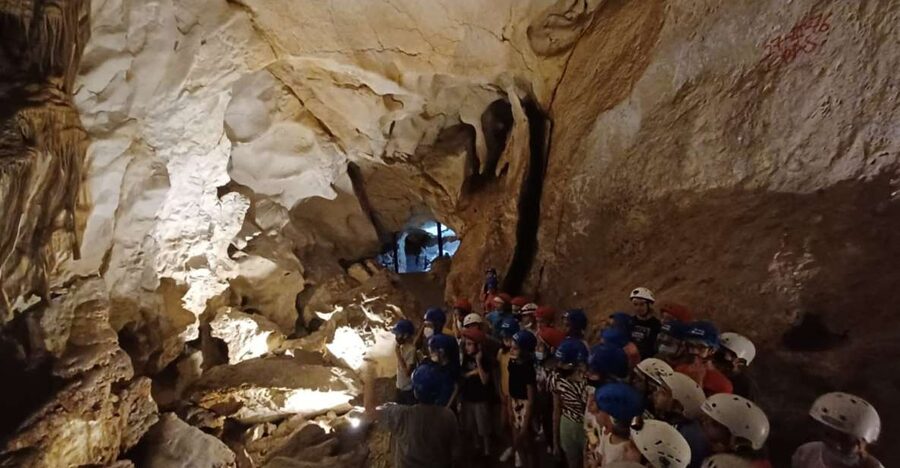
The most exciting section comes when the route leaves the simplest cave paths and crosses bridges suspended high above the floor. Some are 20 meters up, which gives the tour a mild Indiana Jones feeling without requiring technical climbing.
You are walking on prepared walkways and bridges, not scrambling through an unmarked cave. Still, the height is noticeable. If you dislike looking down from high platforms, this part may be more stressful than fun. If you enjoy a touch of adrenaline, it gives the visit a welcome change of pace.
The bridges also help you see the cave in three dimensions. From a lower path, you mainly study walls and ceilings. From above, you can look across open sections and understand how the galleries connect vertically. The route uses the height as part of the experience rather than treating the cave as a flat corridor.
LED lighting adds another layer. Lights cast shadows across the rock, making some shapes look sharper and others more dramatic. The lighting helps you see where you are going, but it also changes the mood of each chamber. You will notice that the cave is presented as a natural space with a theatrical quality, not simply lit like a public hallway.
The luminescent minerals room
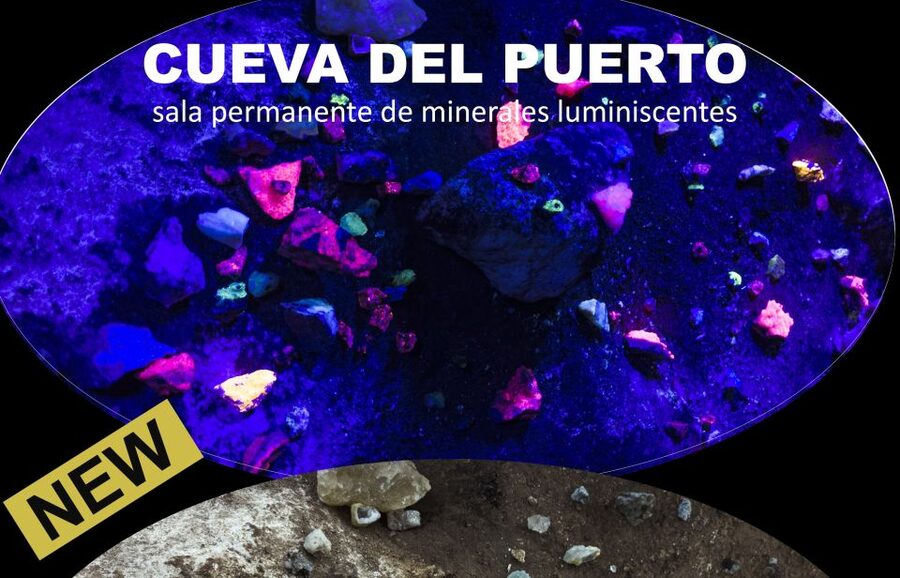
The luminescent minerals room is one of the tour’s more unusual features. It gives you a chance to see mineral material under a different lighting effect from the standard illuminated walkways.
The supplied details do not specify exactly which minerals are displayed or how the room’s effects work, so I would treat it as a visual stop rather than expect a full scientific exhibition. Its value comes from showing another side of cave geology and breaking up the sequence of stalactites and rock formations.
For families and first-time cave visitors, this sort of room can help keep the tour varied. For serious geology enthusiasts, the guide’s explanation will likely be more important than the display itself. The main route remains focused on the cave galleries and their natural shapes.
Same base, a different kind of day out:
- Barcelona: Casa Batlló Entry with Self-Audioguide Tour
★ 4.7 · 25,359 reviews - Seville: Cathedral and La Giralda Entry Ticket
★ 4.5 · 24,592 reviews - Madrid: Tour Bernabéu Entry Ticket
★ 4.5 · 21,573 reviews - Barcelona: 24 or 48-Hour Hop-On Hop-Off Bus Tour
★ 4.4 · 20,872 reviews
Temperature, humidity, and physical demands
The advice to bring warm clothing deserves some explanation. Underground caves often feel cool, but one recent visit found the interior warm with a high level of humidity. Conditions can vary in how they feel to you, yet you should not assume that a sweater will always be necessary.
A light layer is sensible because you cannot easily adjust the cave’s conditions once the tour begins. Closed-toe shoes matter more consistently. The route includes walkways, bridges, and a short flight of stairs, so sandals or shoes with poor grip would be a bad choice.
The tour is not described as a strenuous hike. Still, you are on your feet for about 1.5 hours, and you need to manage the stairs and elevated bridges. People with claustrophobia may find the enclosed setting uncomfortable. The cave is illuminated and arranged for visitors, but it remains an underground space with limited openness.
Pets are not allowed. That is worth noting if you are touring the Murcia area with an animal and had hoped to include the cave in the day’s plans.
What the Spanish guide adds
The tour is conducted in Spanish. That makes the experience a better match for Spanish speakers, while anyone else should consider how much they want to depend on visual impressions rather than spoken explanation.
The guide’s role is not limited to pointing out formations. You learn how the caves developed, why water created the patterns in the rock, and how the network was discovered in 1966. A good guide also helps you notice shapes that would be easy to miss on your own.
The strongest praise for the guiding has focused on clear explanations and complete tours. Manolo was specifically noted for explaining the formation of the different rooms in detail, while Ana and Mavi have also led highly regarded visits. These names give you a sense of the staff’s role, but they do not guarantee who will lead your particular departure.
If you understand Spanish, this is a useful way to get more from the ticket. If you do not, you can still enjoy the formations, bridges, shadows, and mineral room, but the geological context will be less accessible.
Is $22 a fair price?
At $22 per person, the price is reasonable for a 1.5-hour guided cave visit with entry included. You are paying for access to a developed underground route, a live guide, lighting, bridges, and a visit that covers a substantial section of the cave rather than only its entrance.
The value is strongest if you care about interpretation. A self-guided walk might let you see similar rock shapes, but it would not explain the water-made formations, the 1966 discovery, or the way the galleries fit together. The guide turns a scenic stop into a learning experience.
The price is less compelling if you are only looking for a quick photo stop or if enclosed spaces make you uncomfortable. You will spend the full visit underground, and the experience is built around walking through several chambers. The bridges and unusual lighting add interest, but they do not change the basic fact that this is a cave tour.
Free cancellation up to 24 hours before the start gives you some flexibility, and the reserve-now, pay-later option can help if you are still arranging a Murcia itinerary. Those booking terms are useful, but the main value comes from the length, access, and guided interpretation.
Who will enjoy this cave tour most?
I would recommend Cueva del Puerto to you if you like natural attractions with a little built-in drama. The high bridges make it more memorable than a standard cave walk, while the geology explanations keep it from becoming a simple procession through dark rooms.
It also suits families and couples who want a change from city sightseeing. The route offers plenty to point out, and the lighting makes the cave visually easy to follow. Anyone fascinated by how water changes rock over time will find the explanations worthwhile.
You should be more cautious if you have claustrophobia, dislike heights, or are uncomfortable walking for 90 minutes. The short flight of stairs is manageable for many people, but the available information does not describe the tour as fully step-free.
Because the guide speaks Spanish, Spanish-speaking visitors will get the most from the explanations. If you speak little or no Spanish, decide if the visual side of the experience is enough for you. The natural formations and bridges remain accessible as sights, but the storytelling will be harder to follow.
Practical advice for your visit
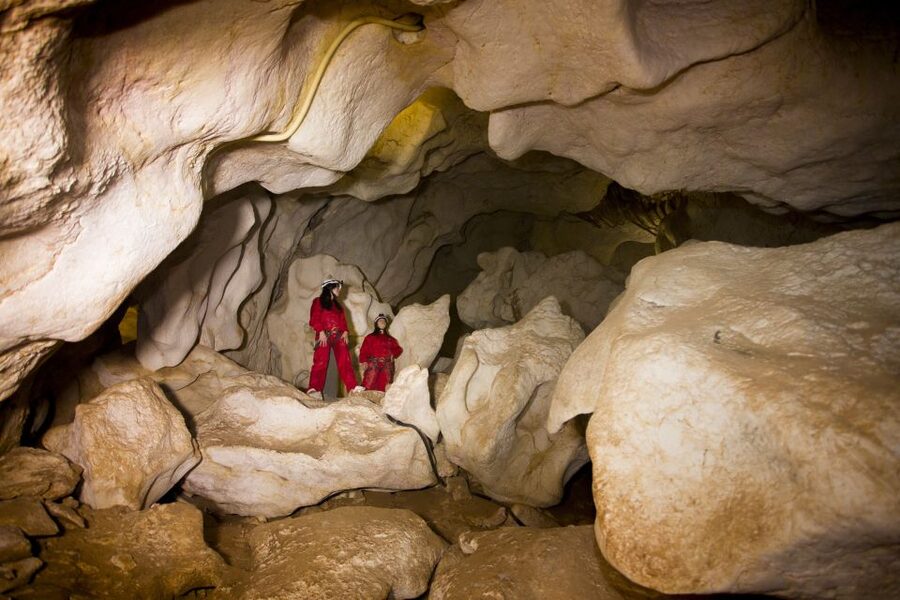
Wear closed-toe shoes with a secure sole. The tour uses walkways and bridges, but you are still moving through a natural underground environment.
Bring a light layer, but do not dress as if you are guaranteed to enter a freezing cave. Humidity may make the interior feel warm. One recent visit found the cave notably warm, so flexible clothing is the best approach.
Arrive at the main entrance and allow the entire 1.5-hour period. The experience includes the descent, galleries, formations, bridges, lighting effects, and mineral room, so it is not a quick entry and exit.
If you are planning your day around the cave, remember that the tour is in Calasparra, in the Region of Murcia. No transportation is included in the activity details, so your route to the cave entrance needs to be arranged separately.
Should you book Cueva del Puerto?
Book it if you want an underground experience with more variety than a basic cavern walk. The combination of 700 meters of galleries, 20-meter bridges, natural formations, LED shadows, the Gaudí gallery, and the luminescent minerals room gives the 90-minute visit a good mix of scenery and story.
I would skip it if you are strongly claustrophobic, uncomfortable with high bridges, or unable to follow a Spanish-language tour. For everyone else, $22 is a fair price for a guided look at one of Murcia’s more unusual natural sites. Bring sensible shoes, keep your clothing adaptable, and expect the cave to feel humid rather than perfectly cold.
FAQ
Where is Cueva del Puerto located?
Cueva del Puerto is in Calasparra, in the Region of Murcia, Spain.
How long does the guided tour last?
The tour lasts approximately 1.5 hours.
How far underground does the route go?
The route descends about 50 meters underground.
How much of the cave can I visit?
The tour follows a route through roughly 700 meters of cave galleries.
What language is the tour conducted in?
The live tour guide speaks Spanish.
Is entry included in the price?
Yes. The entry ticket, walking tour, and local guide are included.
Are there stairs on the route?
Yes. The tour includes a short flight of stairs.
Should I wear special clothing?
Bring warm clothing and wear closed-toe shoes. The cave may also feel humid and warm during the visit.
Are pets allowed?
No. Pets are not allowed on the tour.
Can I cancel the booking for a refund?
Yes. You can cancel up to 24 hours in advance for a full refund. You can also reserve now and pay later.
Just added in Spain
- The Red Canyon Tour – Small Group Trip with Local Food Tasting ツ★ 5.0 · 798 reviews
- Full Day Rainforest Tour with Tasting and Swimming Time ツ★ 5.0 · 607 reviews
- Full Day Ticket at Perchel Beach Club with Lunch★ 5.0 · 316 reviews
- 3 Wheel Motorcycle like Quad/Buggy Tour Gran Canaria (Maspalomas)★ 5.0 · 237 reviews
- Arucas, Teror, Viewpoint Roque Nublo – Highlights Gran Canaria★ 4.5 · 170 reviews
- Gran Canaria Highlights Private Tour VIP★ 5.0 · 106 reviews
- Full day Hiking Gran Canaria Peaks of Gran Canaria★ 5.0 · 130 reviews
- Coastering in Gran Canaria (Aquatic Route in the ocean cliffs)★ 5.0 · 135 reviews