
Reviewed · HISTORICAL TOURS
Barcelona: The Spanish Civil War Historical Walking Tour
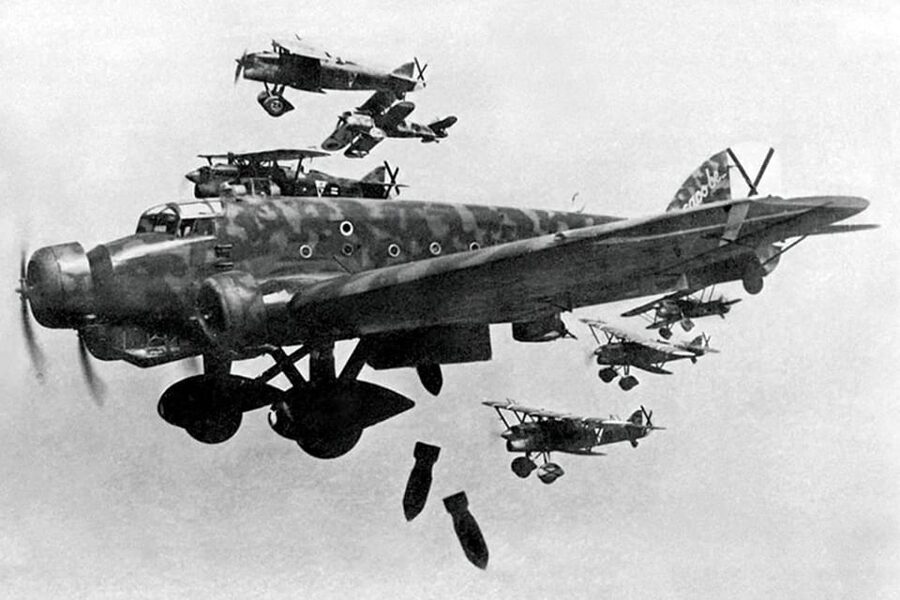
Barcelona’s old town carries a second story beneath its Roman walls, elegant squares, and busy shopping streets. This Spanish Civil War walking tour brings that story into view, tracing the streets where political conflict, street fighting, and fascist bombing shaped modern Barcelona. It also explains the 36-year dictatorship that followed.
I like two things right away: the guide uses photographs to connect past events with the streets around you, and the tour tackles the rival factions without reducing the war to a simple good-versus-bad tale. The main drawback is the subject itself. Politics, war, repression, and dictatorship make this a serious outing, and you stand for much of the 2.5 hours, even though the walking pace is gentle.
Key points to know before booking
- George Orwell’s Barcelona: See locations connected with Homage to Catalonia and the street battles Orwell described.
- A clear guide to tangled politics: Learn how fascists, republicans, anarchists, labor groups, the Catholic Church, and foreign powers fit into the story.
- A street-level view: The route uses Barcelona’s old town, including places marked by fighting and bombing, rather than relying on a museum display.
- Strong English-language guiding: Guides including Javier, Chrisa, Yannis, Filipa, Henrieta, Evan, and Chryssa are praised for clear explanations and thoughtful answers.
- A manageable walk: You move between stops, then pause while the guide talks, so this is not 2.5 hours of nonstop walking.
- Useful practical details: Meet by the Foot Locker on Plaça de Catalunya, look for the white umbrella, and expect a possible €1 charge for the wireless listening system.
Why this tour adds something different to Barcelona
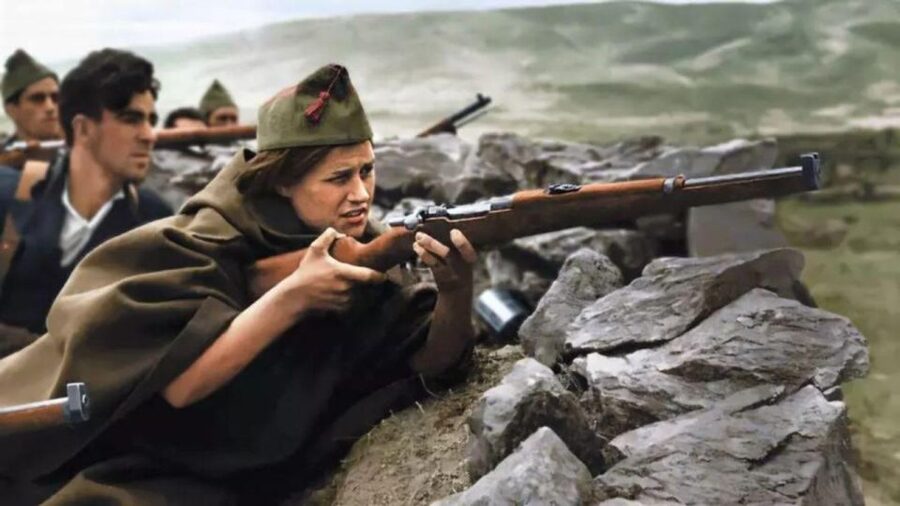
Barcelona is easy to read as a city of Gaudí, tapas, beaches, and medieval lanes. Those are real parts of the place, but they tell only the public-facing story. The Civil War left political and social scars that are less obvious to a first-time visitor, and many of the places connected with the conflict do not have large signs or formal memorials.
That is where a walking guide earns the €46 price. You are not simply hearing a list of dates. You are standing in the old town while someone explains what happened in these streets, how ordinary people experienced the conflict, and why the period still matters in Spain.
The tour also covers the years before the war. That matters because the conflict did not appear from nowhere. Industrial growth in Barcelona, class divisions, labor movements, political unrest, competing ideas about the future of Spain, and the tensions of the Second Republic all form part of the background.
You do not need to arrive with a degree in Spanish history. The guides are used to explaining the subject to people who know almost nothing about it. At the same time, the tour can reach an advanced level, so anyone who has read about the war should still find useful detail and room for questions.
A few more things to do in Barcelona worth a look
- Barcelona: Tapas Walking Tour with Food, Wine, and History
★ 4.8 · 4,261 reviews - Barcelona Tapas Walking Tour: Food, Wine & History
★ 4.5 · 1,928 reviews - Barcelona: 2.5-Hour Bike or E-Bike Historical Tour
★ 4.5 · 1,262 reviews
Starting at Plaça de Catalunya
The meeting point is on the sidewalk in front of the Foot Locker on Plaça de Catalunya. Look for a guide carrying a white umbrella. This is a large, familiar square, but give yourself time to find the exact spot, especially if you are arriving from another part of the city.
From here, the route heads toward the old town. The opening section sets up the forces that shaped the conflict and explains why Barcelona became such an important setting. This early context is essential. Without it, the names of the factions can blur together quickly.
The tour deals with fascists, loyalists, anarchists, labor unions, and other political groups. Your guide also explains the role of the Catholic Church, the International Brigades, Hitler, Mussolini, and the response of the Western Allies.
That list sounds heavy, but the best guides make it workable by returning to the human choices behind the labels. Javier is praised for making a difficult subject accessible, while Chrisa is noted for explaining the competing motivations clearly. Yannis is especially associated with a broad account that includes industrial Barcelona, the background to the war, and its effects after the fighting ended.
Reading Barcelona through the fighting
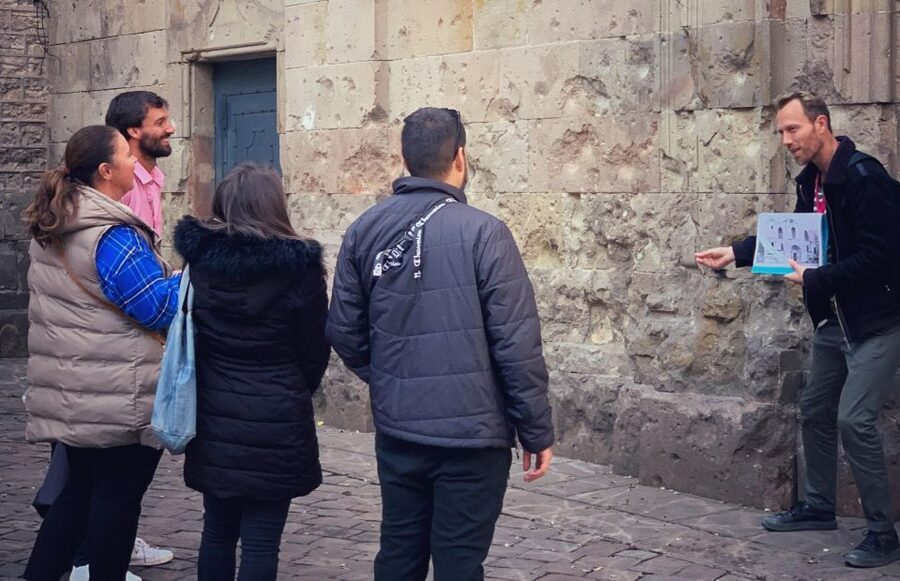
The old town is the heart of the experience. You walk through streets where much of the fighting took place and see locations linked to the fascist bombing of Barcelona. The route does not turn the city into a battlefield set, and you should not expect preserved trenches or a large Civil War museum. Its strength is subtler.
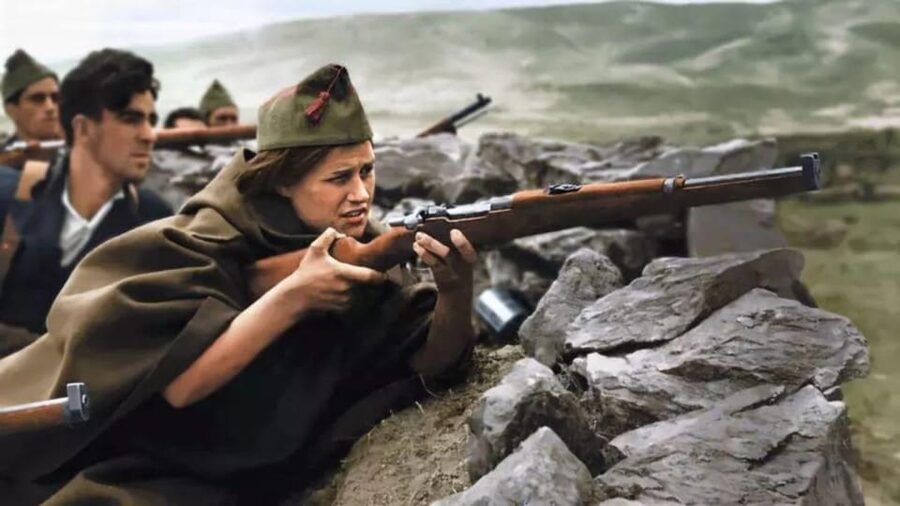
A doorway, street corner, or building can look ordinary until the guide explains what happened there. The photographs help bridge the gap between the present-day city and the period being discussed. You can compare the modern view with images of barricades, crowds, soldiers, and damaged buildings.
This is also where the tour moves beyond the usual facade of Barcelona’s historic attractions. You still see the Gothic Quarter as a living part of the city, but you are asked to consider who controlled these streets, how political loyalties shaped daily life, and what the conflict meant for people who were not famous leaders.
The pace suits the setting. You walk a little, stop for an explanation, then move on. One useful point from the experience is that the 2.5 hours do not mean constant movement. You will spend a good deal of time standing while the guide talks, so comfortable shoes help, but the physical demand is moderate.
Making sense of the factions
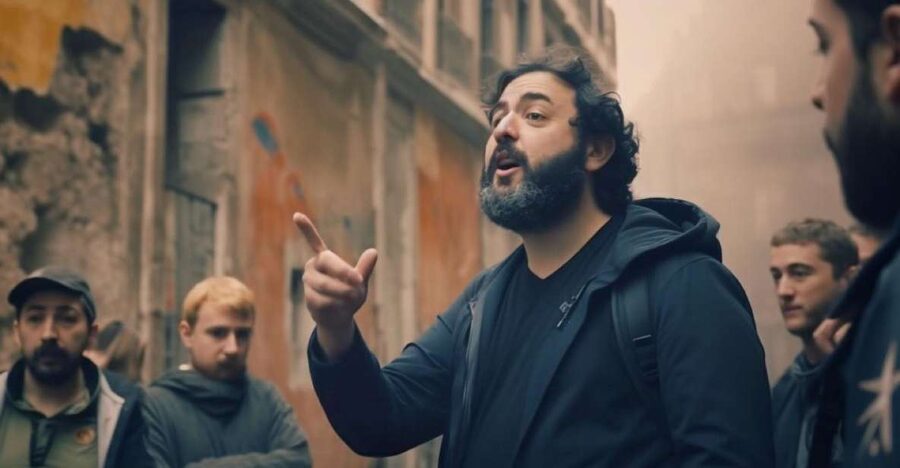
The Spanish Civil War is difficult to explain because several conflicts were happening at once. There was a military uprising against the Republican government, a struggle over political power, a class conflict, a fight over social change, and a wider European clash between fascism, communism, liberal democracy, and anarchism.
Barcelona adds another layer. Anarchist and labor movements had a powerful presence, and the city’s politics did not always fit neatly into the broad labels used for the national war. The guide’s job is to show how these groups sometimes cooperated, sometimes competed, and often pursued different goals even when they were fighting the same enemy.
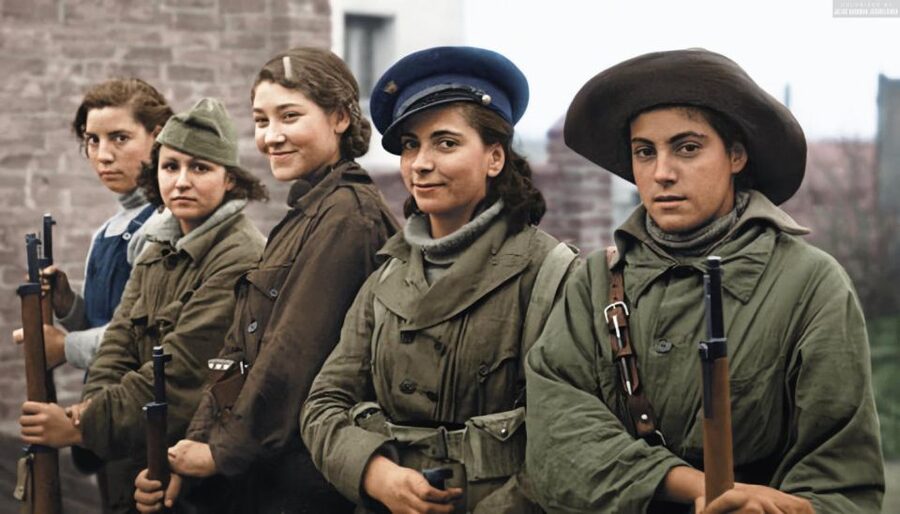
I particularly value the attention given to everyday people and women. The discussion can include the Mujeres Libres movement and the role of women in the Second Republic and Civil War. That widens the story beyond well-known male politicians and generals.
The tour aims for a fair account rather than a slogan. Evan, for example, is praised for presenting the many factions in an even-handed way while still allowing space for moral and political questions. That balance is useful because the subject can easily become a lecture for one side.
You should still expect a point of view. No explanation of this period is entirely detached, especially when discussing dictatorship, repression, or the loss of democracy. The practical benefit here is that the guides explain their context and invite questions instead of pretending the subject is simple.
Same base, a different kind of day out:
- Barcelona: Sagrada Familia Entry Ticket with Audio Guide
★ 4.6 · 105,312 reviews - Barcelona: Park Güell Admission Ticket
★ 4.4 · 76,534 reviews - Barcelona: Casa Batlló Entry with Self-Audioguide Tour
★ 4.7 · 25,359 reviews - Barcelona: 24 or 48-Hour Hop-On Hop-Off Bus Tour
★ 4.4 · 20,872 reviews
Following George Orwell’s Barcelona
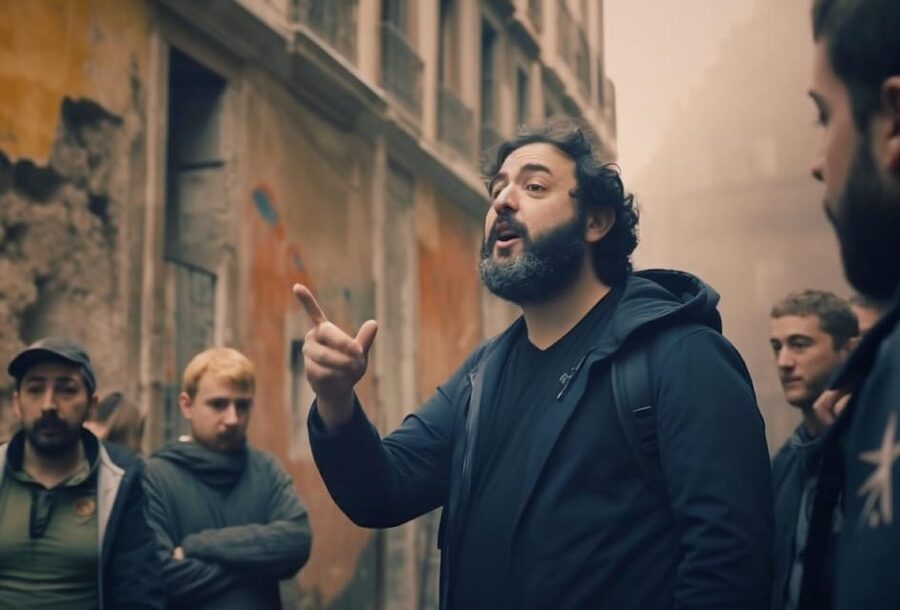
George Orwell’s Homage to Catalonia gives many readers their first personal connection to the Spanish Civil War. The book describes Orwell’s time in Spain and the political tensions he encountered in Barcelona.
This tour visits places Orwell mentions, helping you match his account to the city around you. The connection is useful even if you have not read the book. Your guide can explain why Orwell’s experience was shaped not only by the main war against Franco’s forces but also by conflict between factions on the Republican side.
If you have read Homage to Catalonia, the route gives the book a physical setting. If you have not, you may want to read it later, after the tour has given you the basic framework. Several people have left with an interest in reading more, which makes sense: the walk gives you enough questions to continue the subject on your own.
Do not book this expecting a literary tour focused only on Orwell. He is one thread in a wider story that includes Barcelona’s residents, political movements, foreign intervention, religion, and the dictatorship that followed.
From war to Franco’s 36-year dictatorship
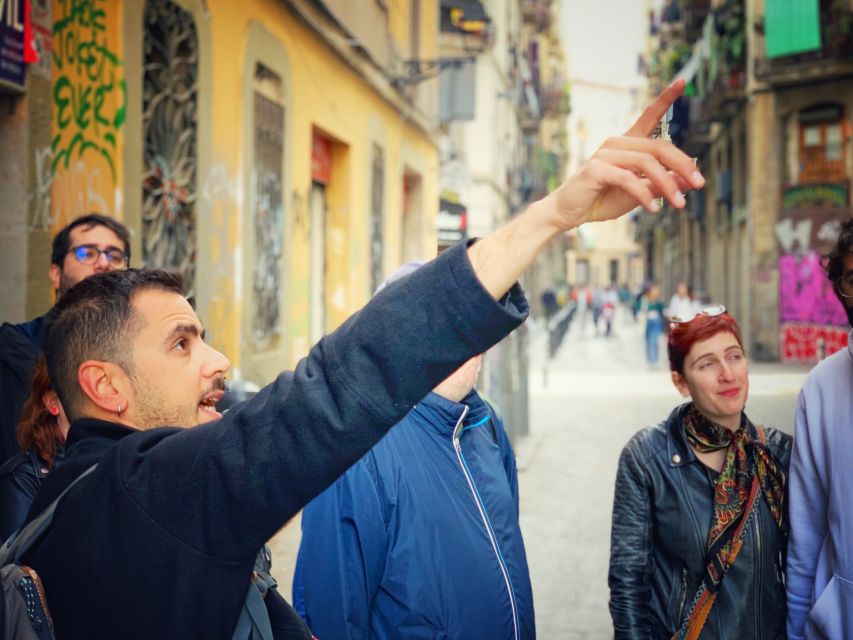
The experience does not stop in 1939. It explains how Franco’s victory led to a military dictatorship that lasted 36 years and ended less than 50 years ago.
This part is vital because the Civil War is not a sealed historical episode. The dictatorship affected public memory, politics, religion, family stories, and the way Spain has dealt with the past. The tour asks how Spain remembers this period now and why official memorials and museums are limited.
For many people, this is the most useful part of the walk. You begin by asking what happened in Barcelona during the war, then end up considering why the subject still carries weight in present-day Spain. The guides can connect the period with current politics and the importance of historical memory in a democracy.
Chryssa is praised for making those links without losing sight of the history itself. Other guides, including Yannis and Filipa, are noted for explaining the years before and after the war rather than treating the fighting as an isolated event.
The tone is serious, but it does not have to be grim every minute. Several guides use restrained humor to keep the group focused, which helps during a long explanation. The subject deserves respect, and the better approach is a calm, clear one.
What the guide and listening system are like
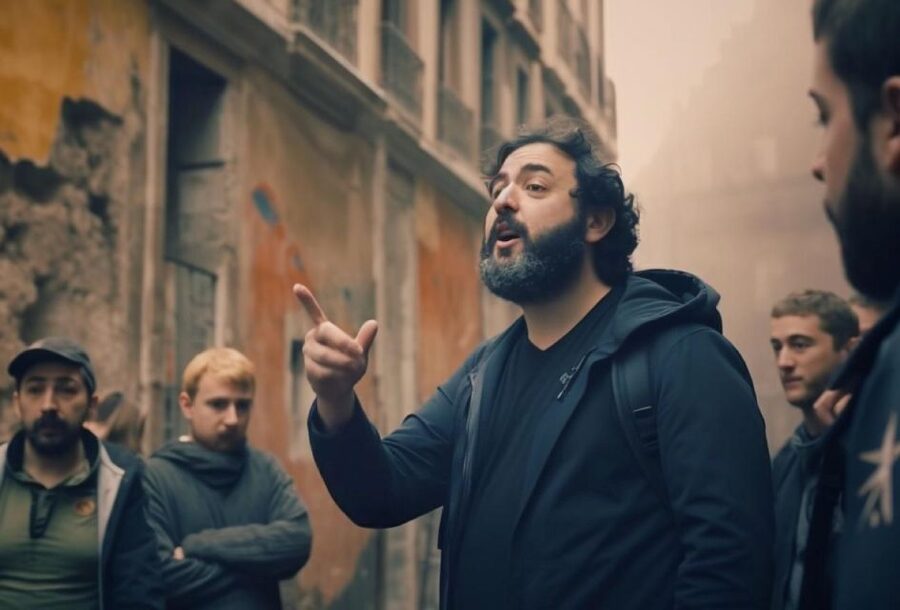
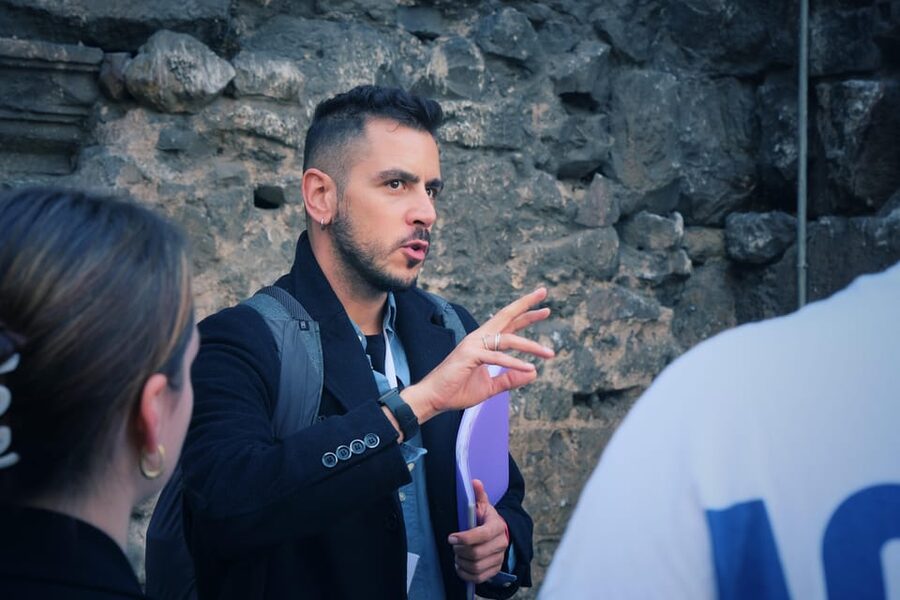
The activity includes a professional English-speaking guide. Different departures may be led by Javier, Chrisa, Yannis, Filipa, Henrieta, Evan, or Chryssa. The names matter because the guiding style can vary, but the repeated strengths are clear: strong command of the subject, clear structure, good voice projection, and willingness to answer questions.
A guide may show printed or digital photographs during the walk. These visual aids are not decoration. They help you see how streets and buildings looked during the war, and they give shape to events that can otherwise remain abstract.
Wireless tour systems are typically used, depending on the guide. There is an additional €1 charge per person at the beginning, payable by cash or card. This small cost can be worthwhile in a busy old-town street, where it is easy to lose a sentence while people, bicycles, and city noise pass by.
The tour is offered in English. An optional English audio guide is also listed. A private group can be arranged, which may suit families, study groups, or friends who want more control over questions and pace.
Is $46 fair value?
At $46 per person, this is not the cheapest way to spend a morning or afternoon in Barcelona. You can walk through the Gothic Quarter for free, and many city tours cost less.
The value comes from the specialist subject and the interpretation. Barcelona does not offer a long chain of clearly marked Civil War memorials that you can follow alone. Without a guide, you may pass the relevant streets without realizing what happened there.
You are paying for two and a half hours of structure, research, photographs, local context, and answers to questions. That is good value if the Civil War, Franco, Orwell, or Spanish politics is a real interest. It is less compelling if you want a light introduction to Barcelona or prefer architecture and food over political history.
The tour can also improve the rest of your visit. Once you understand the social and political pressures behind the city, ordinary streets and historic buildings may feel less like scenery and more like evidence of a complicated past.
Practical advice for the 2.5-hour walk
Wear comfortable shoes, but do not assume you need to walk at a fast pace. You will stroll between locations and stand during explanations. The bigger comfort issue is weather.
The tour runs rain or shine. A cold day can feel uncomfortable because you may wait at the meeting point and spend time standing outdoors. Bring a coat in winter and rain protection when needed. On wet days, the route continues, so plan accordingly.
Children may join, but the activity is not advised for young children because the subjects include politics, war, and dictatorship. Teenagers with an interest in history may enjoy it, but parents should judge their readiness for difficult material.
The walk finishes in the middle of the Gothic Quarter, near Barcelona city hall. That is a useful end point because you can continue sightseeing or stop for food nearby. Guides may also offer restaurant and activity suggestions after the tour.
Cancellation is free up to 24 hours before the start, and you can reserve now and pay later. The tour is wheelchair accessible, though old-town streets and periods of standing may still be worth discussing with the operator before booking if you need specific assistance.
Who should take this Barcelona history tour?
I would choose it if you want to understand Barcelona beyond its famous architecture. It suits history enthusiasts, readers of Orwell, students, politically curious visitors, and anyone who wants context for modern Spain.
It also works well for beginners. The tour can explain the basics clearly, then add detail for people who already know the main outline. That range is difficult to manage, but the guides appear comfortable adjusting their answers to the group.
I would be more cautious if you want a relaxed sightseeing walk with only occasional historical comments. This is a serious subject, and the guide may discuss repression, ideology, violence, and national memory at length.
Should you book it?
Book this tour if you want Barcelona’s Civil War story explained on the streets where it unfolded. The strongest reasons are the clear breakdown of rival factions, the Orwell connections, the photographs, and the attention to life under Franco as well as the war itself.
Skip it if you are looking only for Gaudí, markets, or a cheerful overview of the old town. For everyone else, $46 buys a focused history lesson that can change how you see the rest of Barcelona. I would schedule it early in your stay, so the city’s streets carry more meaning during the days that follow.
FAQ
Where does the Spanish Civil War walking tour meet?
It meets on the sidewalk in front of the Foot Locker on Plaça de Catalunya. Your guide will be carrying a white umbrella.
Where does the tour finish?
The tour finishes in the middle of the Gothic Quarter, by Barcelona city hall.
How long does the tour last?
The walking tour lasts about 2.5 hours.
What language is the tour in?
The live tour guide speaks English. An optional English audio guide is also available.
What does the tour cover?
It covers the causes and factions of the Spanish Civil War, the roles of Hitler and Mussolini, the International Brigades, the Catholic Church, the Western Allies, Franco’s dictatorship, and Spain’s current approach to this period.
Does the tour visit places connected with George Orwell?
Yes. The route includes places George Orwell mentions in Homage to Catalonia.
Is the tour suitable for children?
Children are allowed to join, but the tour is not advised for children because it deals with politics, war, and dictatorship.
Does the tour run in bad weather?
Yes. The tour takes place rain or shine.
Is there an extra charge for the wireless listening system?
Wireless tour systems are typically used, depending on the guide. When used, there is an additional €1 per person, payable by cash or card at the beginning of the tour.
Just added in Barcelona
- Welcome to Barcelona: Private Tour with a Local★ 4.6 · 200 reviews
- Barcelona: White Rabbit Catalonia’s Top Immersive Experience★ 4.7 · 359 reviews
- Bean to Bar Chocolate Workshop in Barcelona★ 5.0 · 172 reviews
- Barcelona: Walking tour with Montjuic Castle & Cable Car★ 4.7 · 832 reviews
- Barcelona: Welcome to Barcelona Segway Tour★ 4.9 · 153 reviews
- Barcelona: Helicopter Flight with Optional Yacht Cruise★ 4.7 · 224 reviews
- Barcelona: The Original Barcelona Boat Party★ 3.9 · 254 reviews
- Barcelona Wine Tasting: Catalan and Spanish Wines★ 4.8 · 625 reviews
Historical Tours, compared.
Madrid Essential: Historic Center, Plaza Mayor & Royal Palace
Read our review →
Tapas Walking Tour with Food, Wine, and History
Read our review →
Sevilla Food Tour: Tapas, Wine, History & Traditions
Read our review →
Valencia Old Town Tour with Wine & Tapas in 11th Century Historic Monument
Read our review →
Ultimate Seville Tapas, Wine & History Small Group Tour
Read our review →
Skip-the-Line Great Mosque-Cathedral History Tour
Read our review →
Taste of Malaga Tour : Tapas, History and Local Customs
Read our review →Browse the lists this tour appears in