
Reviewed · TOURS IN MADRID
From Madrid: El Escorial and Valley’s Basilica Half Day Tour
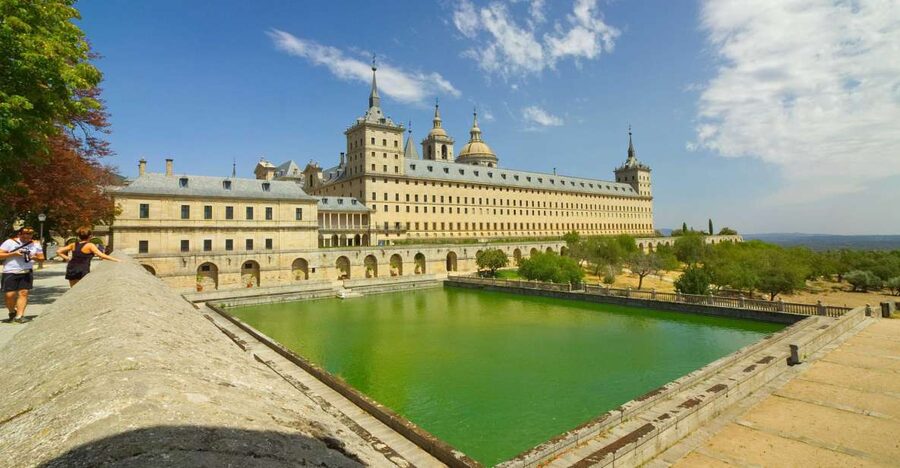
El Escorial is the main event here: part royal palace, part monastery, part tomb for Spain’s kings. The Royal Pantheon and Philip II’s private quarters turn a grand building into a very human story about power, religion, and royal family life. Then the tour shifts sharply to the Valley of the Fallen, a massive and somber Civil War memorial cut into a mountain.
I like the efficient pairing of these two sites and the comfortable coach ride from Madrid. I also like the five-hour length, which gives you a serious look without consuming your whole day. The main consideration is pace: the Valley of the Fallen gets about 45 minutes, and bilingual guiding can sometimes mean less English detail.
Key points to know before booking
- Two very different monuments: El Escorial explains Spain’s monarchy, while the Valley of the Fallen confronts the country’s Civil War past.
- A useful half-day from Madrid: The trip takes five hours, including roughly one hour each way on the return route.
- Strong guide potential: Pilar, Carlos, Ana, and Sylvia have been praised for clear explanations, good pacing, and friendly group management.
- Important interior sights: Expect the Cloister of the Four Evangelists, the Palace of Philip II, the Royal Pantheon, and the Valley basilica.
- Comfortable but active: Wear good walking shoes, and remember that the tour is not suitable for wheelchair users.
- Value depends on the language mix: English and Spanish are offered, but some groups have found the English portion too brief or hard to hear.
Why El Escorial makes a strong first stop
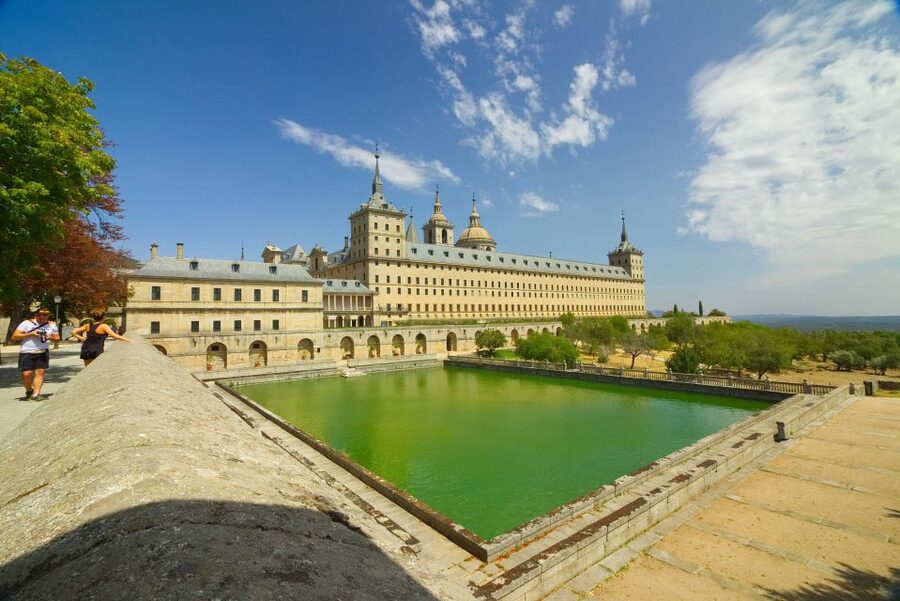
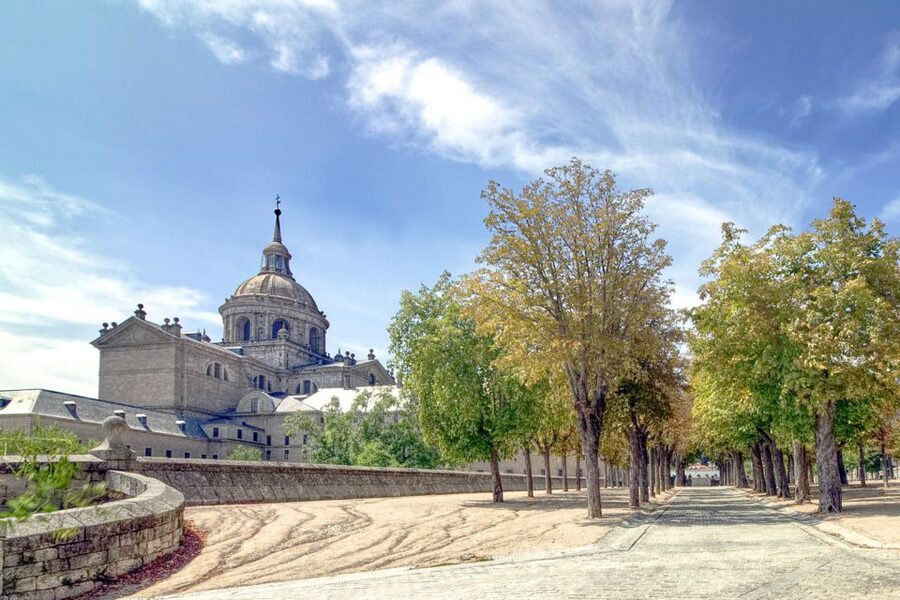
The Monastery of San Lorenzo de El Escorial is not simply an old palace that happens to contain a church. Philip II commissioned it as a royal residence, monastery, and burial place, creating one enormous statement about Spanish power in the 16th century.
That combination gives the visit more substance than a standard palace tour. You move through spaces linked to the court, religion, and royal death. The building tells you how closely those three parts of life were tied together under Spain’s monarchy.
The tour allows about two hours at El Escorial. That is enough time to see the major interiors with a guide, though you will not have unlimited time to wander or study every room. Guides such as Pilar, Carlos, and Sylvia have received particular praise for explaining the history in a clear way and keeping the group moving at a comfortable pace.
You’ll visit the Cloister of the Four Evangelists, one of the monastery’s architectural highlights. Its orderly design reflects the serious, controlled character of the complex. This is a place where the building’s scale and symmetry matter as much as any single object.
The Palace of Philip II adds a more personal layer. Instead of seeing only ceremonial rooms, you get a sense of the king’s private world and the disciplined setting in which he lived. One particularly useful detail from the tour reports is that the Royal Pantheon includes burial monuments for kings, queens, and royal children who died young. That makes the visit less about grand names and more about the family cost of monarchy.
The Royal Pantheon is one of the most memorable stops. It is formal and ornate, but also quiet and heavy with meaning. Your guide’s explanation is important here because the names and family connections can otherwise blur together.
The library is another point to keep in mind. Access may not be included or available on a particular visit, so do not book this tour solely for that room. Its absence would be disappointing if it is a major priority, but the palace rooms, cloister, church-related spaces, and royal tombs provide plenty to see.
Other trips people book in Madrid:
- Madrid: Tour Bernabéu Entry Ticket
★ 4.5 · 21,573 reviews - Madrid: Prado Museum Entry Ticket
★ 4.6 · 17,509 reviews - Madrid: “Emociones” Live Flamenco Performance
★ 4.8 · 12,866 reviews
The guide can shape the whole morning
A good guide matters more at El Escorial than at a simple viewpoint. The monument is large, and its significance is not always obvious from the architecture alone. A clear explanation helps you understand why the palace, monastery, and tomb were placed together.
The strongest guide experiences described here include Pilar’s thorough explanations, Carlos’s steady pace and enthusiasm, Ana’s relaxed approach, and Sylvia’s friendly handling of the group. Jose, the driver, was also praised for comfortable transport between stops.
The tour offers live guiding in English and Spanish. That is useful for mixed groups, but it can affect the amount of detail you receive. Some people found the English presentation too limited, while others had trouble hearing through the headset. One person also reported that a receiver did not work properly.
For the best chance of following the commentary, stay close to the guide and check your audio headset before the walking portion begins. If you cannot hear, say so early. The group may be large enough that a quiet voice or faulty receiver becomes a real problem.
Not every guide will suit every listener. One account found the guide’s personal opinions distracting, while another found the guide difficult to understand because of an accent. These are not reasons to reject the tour, but they are fair reminders that a bilingual group tour can be less polished than a private visit.
The 15-minute ride to the Valley of the Fallen
After El Escorial, the coach takes about 15 minutes to reach the Valley of the Fallen, roughly 9 kilometers away. The short transfer keeps the two visits neatly connected and avoids the trouble of arranging separate transport.
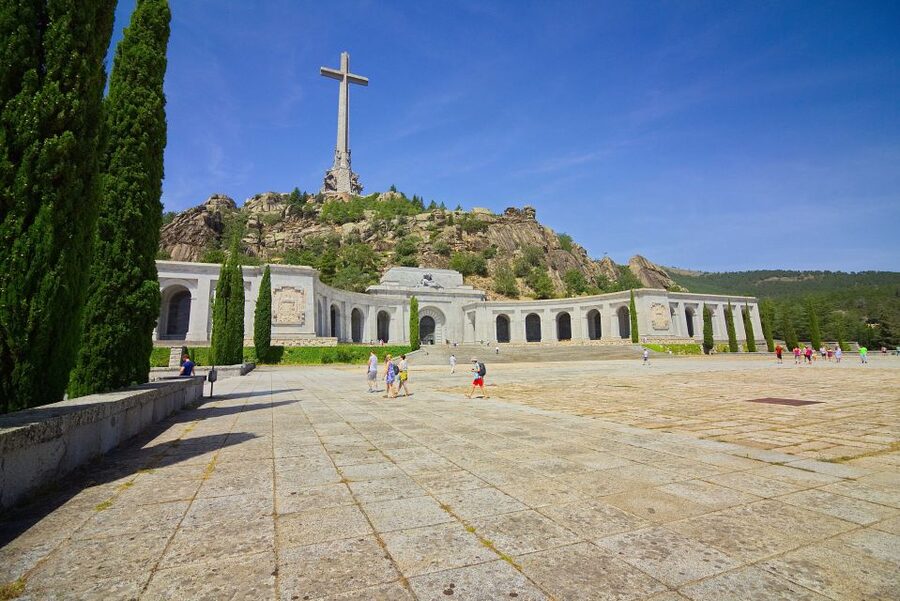
The mood changes as soon as you arrive. El Escorial is tied to royal ceremony and centuries of monarchy. The Valley of the Fallen was built as a memorial to those who died in the Spanish Civil War. Its setting in the Guadarrama Mountains is striking, but the site also carries difficult political and historical meaning.
The monument includes a cross more than 150 meters high. You will also enter the basilica and crypt, which were built into the hard rock beneath the mountain. The scale is hard to grasp from photographs alone. Even with limited time, you can see why this site leaves such a strong impression.
You should not expect a light or casual sightseeing stop. The Valley of the Fallen is solemn, and its connection to Francisco Franco and the use of political prisoners in its construction make it a place that deserves careful explanation. A thoughtful guide can help you understand both the engineering and the painful context.
What 45 minutes at the basilica really means
The Valley visit lasts about 45 minutes. That is enough for admission and a guided look inside the basilica, but it leaves little room for lingering. One person felt that an extra 10 minutes would have helped.
I agree that this is the tour’s tightest section. The basilica and crypt are the focus, and you should follow the guide rather than expect free time for a long personal exploration. If you want extended time at the Valley, this half-day excursion may feel too compressed.
Still, the short stop has an advantage. You get the essential experience without allowing the darker subject matter to take over your entire day. The tour then returns to Madrid in about 50 minutes, bringing the total outing to five hours.
Photography rules are strict. Flash photography and video recording are not allowed. Food and drinks are also not allowed in the vehicle, and large bags or oversize luggage should be left behind.
Same base, a different kind of day out:
- Madrid: Panoramic Route City Tour
★ 4.1 · 12,259 reviews - Madrid: Live Flamenco Show with Food and Drinks Options
★ 4.5 · 9,901 reviews - Avila & Segovia Tour with Tickets to Monuments from Madrid
★ 5.0 · 9,762 reviews - Three Cities in One Day: Segovia, Avila and Toledo from Madrid
★ 5.0 · 8,402 reviews
Transport, timing, and the real value of $78
At $78 per person, the tour is priced as a practical guided excursion rather than a bare transfer. Your fee covers transportation, the guide, entry and guided access at El Escorial, admission to the Valley of the Fallen and its basilica, and an audio headset.
That matters because the two monuments are outside central Madrid and are awkward to combine independently in a short morning. The coach removes the need to plan separate connections, and the guide gives structure to a large palace where it would be easy to miss the key rooms.
The coach has been described as clean, comfortable, and air-conditioned. That is especially useful during warm months and for anyone who prefers not to manage regional transport. The trip is also manageable for older people if the walking pace remains steady, though the sites themselves require walking and standing.
The schedule begins at VPT Tours and returns there after the final ride. Starting times vary, so check the available departure when booking. The tour includes no meals or drinks, so eat before departure or plan food for after you return. Since food and drinks are not allowed in the vehicle, do not count on snacking during the ride.
Free cancellation is available up to 24 hours before departure, and you can reserve now and pay later. Those terms are useful if your Madrid plans are still shifting.
Who will get the most from this excursion
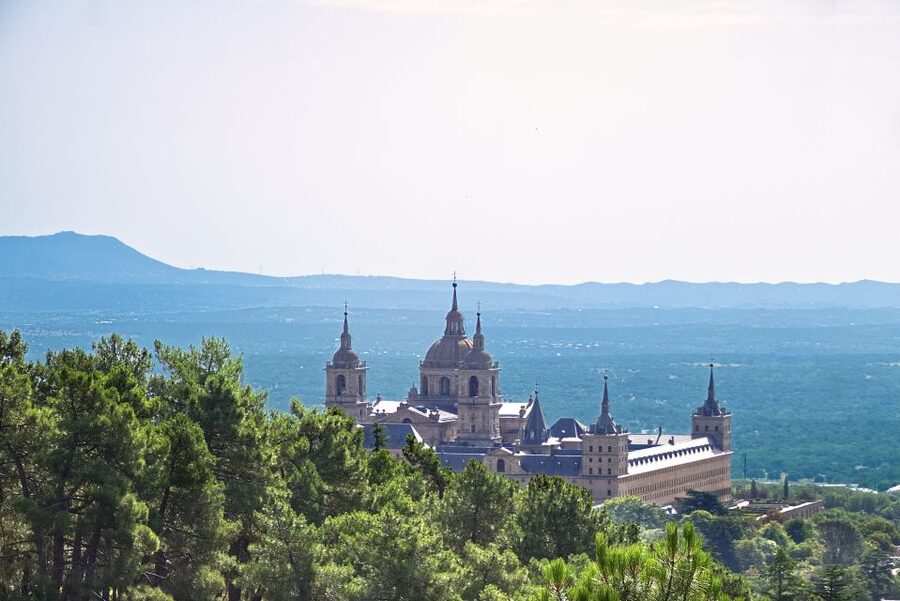
I would choose this tour if you want Spanish history beyond Madrid’s art museums and city streets. It is especially suitable for a first or second day in Spain, when a well-organized trip can give you useful context for the monarchy, the Civil War, and the country’s religious traditions.
History-minded visitors will get the most from El Escorial. You will appreciate the tour more if royal succession, burial customs, and the relationship between church and crown interest you.
The Valley of the Fallen suits you if you are willing to face a complicated memorial rather than search for a cheerful sightseeing stop. Its scale and mountain setting are impressive, but its meaning is tied to war, dictatorship, grief, and political memory.
I would be cautious about booking this if you want a slow, independent visit. The group moves on a fixed schedule, and the Valley stop is brief. It is also not suitable for wheelchair users, and comfortable shoes are strongly recommended.
Practical ways to make the morning better
Arrive ready to leave on time. The coach schedule is compact, and a late start would cut into the already limited time at the monuments.
Wear shoes with solid support. El Escorial is large, and the Valley visit involves moving through a monumental interior rather than simply stepping off the bus for a photograph.
Pay attention to the first explanation at El Escorial. The guide’s overview will help you connect the cloister, palace, church spaces, and royal tombs instead of seeing them as unrelated rooms.
Check your headset as soon as it is handed out. If the sound is weak, ask for help before the group gets deep inside the monastery. This small step can make the difference between following the story and hearing only fragments.
Keep the Valley of the Fallen in the right frame of mind. You are seeing a major work of architecture, but also a memorial linked to one of Spain’s most painful periods. The quiet atmosphere is part of the experience.
Should you book it?
Book this tour if you want two major historical sites handled in one efficient half-day, with transport and admission taken care of. The strongest reasons to go are El Escorial’s royal interiors, the Royal Pantheon, the scale of the Valley basilica, and the chance to hear the background from a guide such as Pilar, Carlos, Ana, or Sylvia.
Think twice if you require a slow pace, perfect audio, or a fully English-only presentation. The bilingual format can reduce English detail, and the Valley’s 45 minutes may feel short.
For most visitors with a free morning in Madrid, I see this as good value at $78. It gives you a sharp contrast: one monument built to express royal power, another built to commemorate a national wound. That contrast is exactly what makes the outing worth your time.
FAQ
How long does the tour last?
The tour lasts five hours, including coach travel from Madrid and the return to the starting point.
Where does the tour begin?
The meeting point is VPT Tours, listed as VPT TRAVEL FOR ALL.
What languages are available?
Live guiding is offered in English and Spanish.
What is included in the price?
The price includes transportation, a tour guide, admission and guided access to the Monastery of San Lorenzo de El Escorial, entry to the Valley of the Fallen and its basilica, and an audio headset.
How much time is spent at El Escorial?
The scheduled visit to San Lorenzo de El Escorial lasts about two hours.
How much time is spent at the Valley of the Fallen?
The scheduled visit lasts about 45 minutes and includes the interior of the basilica.
Can I bring food or a large bag?
Food and drinks are not allowed in the vehicle. Pets, oversize luggage, luggage, and large bags are also not allowed.
Is the tour accessible to wheelchair users?
No. The experience is listed as not suitable for wheelchair users. Comfortable shoes are recommended.
Just added in Madrid
- Madrid: Don Quixote de la Mancha Windmills & Toledo Tour★ 4.9 · 254 reviews
- Tour Madrid: Secrets in a Electric Tuk Tuk★ 4.6 · 155 reviews
- Madrid: Toledo Day Trip with Winery Visit and Wine Tasting★ 4.4 · 177 reviews
- Madrid: Guided Tour of Toledo with Cathedral Visit★ 4.3 · 399 reviews
- Madrid: 6-Hour Day Trip to Toledo with Guided Walking Tour★ 4.0 · 865 reviews
- Madrid: Tasty Tapas Tour & Visit to a Terrace with Views★ 4.5 · 118 reviews
- Madrid: Flamenco Show&Drink at Tablao 1911 (World’s Oldest)★ 4.7 · 253 reviews
- Madrid: Street Art Tour with Local Graffiti Hunter★ 4.8 · 270 reviews
Tours in Madrid, compared.

Live Flamenco Show with Food and Drinks Options
Read our review →
Avila & Segovia Tour with Tickets to Monuments from Madrid
Read our review →
Three Cities in One Day: Segovia, Avila and Toledo from Madrid
Read our review →
Segovia and Toledo Tour, Alcazar, and Cathedral
Read our review →
Royal Palace Expert Guided Tour with Skip-the-Line
Read our review →Browse the lists this tour appears in