
Reviewed · WINE TOURS
Barcelona Wine Tasting: Catalan and Spanish Wines
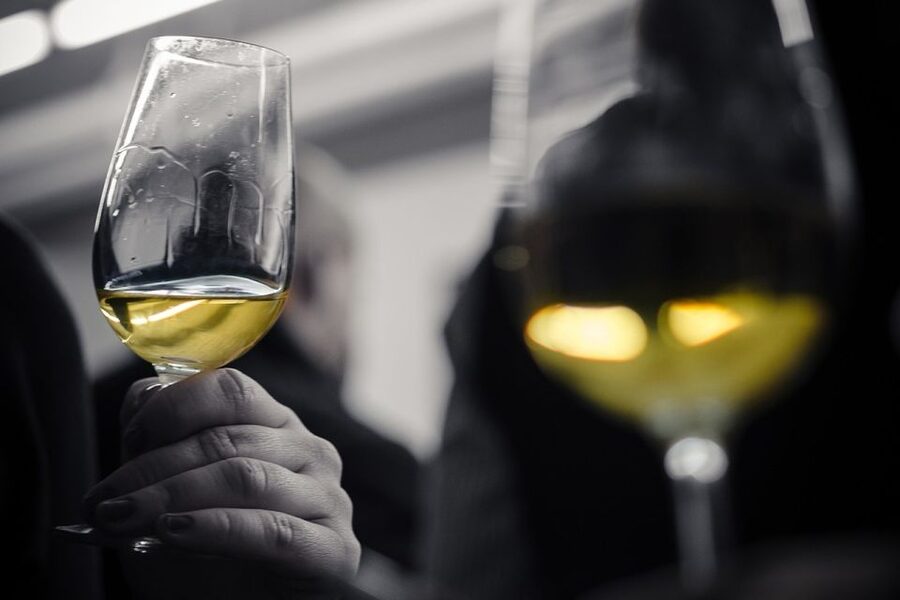
Catalonia gives this tasting a clear sense of place, but the glasses take you well beyond the region. In 90 minutes, you try five Spanish wines, including one sparkling, two whites, and two reds, while learning how grapes, climate, and local customs shape each bottle. It is a useful introduction before you start ordering wine at Barcelona restaurants.
I especially like the casual teaching style and the practical food pairings. Guides such as Robert, Omar, Vivien, and Christina have made the session friendly rather than stiff, and the look, smell, and taste method gives beginners something concrete to follow. The main consideration is the food: the included snacks or cheese pairing can be modest, so do not book this as a full meal.
Key points at a glance
- Five wines in 90 minutes: Taste one sparkling, two white, and two red regional wines.
- A Spain-wide introduction: Learn how Catalan wine fits into the country’s wider wine culture.
- Practical tasting lessons: Use sight, aroma, and taste instead of simply drinking and guessing.
- Pairings make the lesson memorable: Cheese, olives, charcuterie, or other snacks show how food changes a wine.
- A relaxed Old Town setting: The venue is near the Picasso Museum and easy to pair with an evening in the Gothic Quarter.
- Good value at $41: The price covers the sommelier, five pours, water, and pairing guidance, though the snack portion may not satisfy a hungry diner.
Five glasses, from Catalonia to the wider country
This is not a single-vineyard tasting built around rare bottles. It is a guided tour of Spanish wine in miniature, with Catalonia as the starting point. That makes it a strong choice if you want useful context rather than a highly technical tasting aimed at wine professionals.
The five-wine format gives the session a pleasing rhythm. The sparkling wine provides a bright opening, the two whites let you compare different styles, and the two reds bring the tasting to a fuller finish. The exact labels can change, so you should think of the experience as a lesson in regions and grapes rather than a promise to taste specific producers.
The central benefit is comparison. A single glass tells you what one wine tastes like. Five wines, tasted with guidance, help you notice how acidity, fruit, body, aroma, and finish can vary. Even if you rarely drink wine, you can leave with a better idea of what to order with seafood, cheese, meat, or a plate of local snacks.
The tasting also gives you a starting point for Catalonia’s place within Spain. You hear about different wine regions and their produce, then connect that geography to what sits in your glass. I like this approach because it keeps the discussion tied to drinking, not just maps and dates.
More Wine Tours in Barcelona
- Montserrat & Cogwheel Train, Gourmet Wine Tasting & Tapas/Lunch
★ 5.0 · 6,290 reviews - Montserrat with Black Madonna & Medieval Winery with Tapas/Lunch
★ 5.0 · 5,209 reviews - Barcelona: Montserrat and Winery Tour with Tapas or Lunch
★ 4.8 · 4,695 reviews
What the sommelier actually teaches
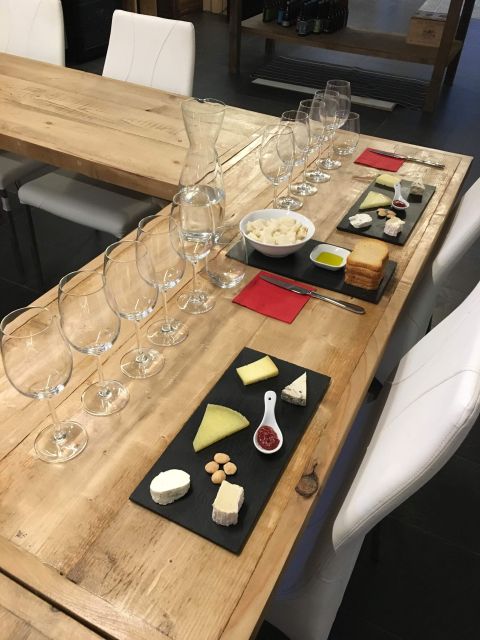
The English-speaking sommelier is the heart of the experience. The guide explains basic tasting technique, grape varieties, regional differences, and ways to pair food with wine. The best part is that you are not expected to arrive knowing technical terms.
The tasting method follows a simple pattern: look at the wine, smell it, and then taste it. This sounds basic, but it changes how you pay attention. Color can suggest age or grape style, aroma can reveal fruit and other notes, and the taste helps you judge acidity, body, sweetness, and finish.
You also get a chance to ask questions. That matters more than a prepared speech, especially in a small group. Guides named in past sessions include Robert, Omar, Vivien, Vivian, and Christina, and the teaching style can vary by date. The consistent aim is clear: make Spanish wine easier to understand and easier to enjoy.
Several guides have been praised for being warm, funny, and willing to explain a point more than once. Omar, in particular, has led groups of friends and mixed groups with an easy manner. Robert has been singled out for his wine knowledge and welcoming approach. Vivian and Vivien have hosted lively sessions for celebrations and first-time tasters.
You should not expect a formal wine-school class. This is a social introduction with useful facts. If you want a detailed study of soil types, fermentation chemistry, or a narrow region, you may find the content too broad. If you want to stop feeling lost when a restaurant presents a Spanish wine list, the level is well judged.
The pairing plate is part of the lesson
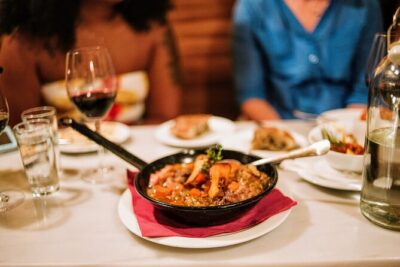
The food is not simply an extra snack. It shows you why pairing matters. Cheese, olives, charcuterie, and other regional bites have been used with the wines, allowing you to taste the same wine before and after eating. A sip can seem sharper, softer, fruitier, or more balanced depending on what you eat with it.
This is where the session becomes more useful than a simple flight at a bar. You are not only told that a wine works with a food. You get to test the idea yourself. That hands-on comparison is particularly helpful if you are new to wine, since pairing advice can otherwise sound vague.
The exact food depends on the option you book. One option includes snack pairings, while another focuses on cheese and wine pairing tips. Some sessions have included cheese, olives, and charcuterie, and a vegetarian selection has also been available in at least some bookings.
Do not assume the plate will replace lunch or dinner. One person specifically felt the snacks could have been more substantial for the price. I would treat the food as a teaching aid and appetite teaser, then plan a proper meal afterward. That is easy to do in the Old Town, where the tasting puts you close to plenty of food options.
If you have allergies, mention them when booking or before the tasting. A past session handled several food allergies successfully, but the supplied details do not promise a fixed menu or guaranteed accommodation for every dietary need.
Finding the venue in Barcelona’s Old Town
The meeting point is in the heart of Barcelona’s Old Town. Look for the big wooden doors. That instruction is simple, but allow a little extra time because Old Town streets can be confusing, and the meeting point is not described by a prominent landmark beyond those doors.
The setting has been described as cozy and relaxed, with the Picasso Museum nearby. This location works well in a day plan. You could visit the museum first, take a short walk through the Gothic Quarter, then settle in for the tasting. Or schedule the wine session before dinner and use it to decide what kind of Spanish wine you want to order later.
There is no transport component. You make your own way to the meeting point, and the whole activity stays in the venue. That is an advantage if you want a compact experience without losing time to a countryside transfer. It is also a limitation if you hoped to see vineyards, cellars, or winemaking facilities.
The Old Town location makes the tasting feel connected to Barcelona’s food culture, even though the wines come from different Spanish regions. You are learning about the country’s wine at a table in the city, then can continue the evening on foot.
Other bodegas within reach of Barcelona:
- Barcelona: Coastline Boat Trip with Snacks and Cava
★ 4.9 · 1,905 reviews - Barcelona Gothic Quarter Tapas & Taverns Food & Wine Tour
★ 5.0 · 1,470 reviews - Montserrat Full Day Tour with Farmhouse Lunch and Winery Visit
★ 5.0 · 1,068 reviews - Montserrat & Winery Visit Tour with Traditional Farmhouse Lunch
★ 4.5 · 1,035 reviews
A 90-minute itinerary that keeps moving
The experience lasts about 1.5 hours. The session begins with an introduction to Spanish wine and the main regions represented in the tasting. You then learn how grape varieties and regional conditions affect the finished wine.
The five wines are served as a guided sequence: one sparkling, two whites, and two reds. The sommelier explains what to notice in each glass and gives you time to taste rather than rushing from one bottle to the next. Past sessions have been described as generous with pours, though the amount can depend on the guide and the group.
As the glasses arrive, you compare appearance, aroma, and flavor. You may also discuss how the wine is made, a topic that has been especially useful for people who had never received a clear explanation of winemaking before. The pace leaves room for questions and conversation.
The final part connects the wines to food. You try the selected snacks or cheeses and consider how each pairing changes the experience. The session often becomes more social at this point, with people comparing favorites and asking where to buy a bottle.
Ninety minutes is long enough to learn something but short enough to fit around sightseeing. It is also worth remembering that five wines in one sitting can affect you more than the modest price and short duration suggest. Eat beforehand if needed, drink the water provided, and avoid scheduling a demanding activity immediately afterward.
Group size and atmosphere
The atmosphere is one of the strongest reasons to choose this tasting. Past groups have often been around 10 people, though the exact size can vary. That is large enough for conversation but small enough for the sommelier to answer questions.
The format suits solo visitors, couples, friends, and small celebrations. It has worked as a hen-do activity because the wine keeps the group entertained while the guide provides structure. It also works for people who do not know much about wine, since you can listen, taste, and ask basic questions without needing to perform as an expert.
The social side is real. You may share a table with people from several countries, and the wines give everyone an easy topic. Some sessions have continued in conversation after the official tasting ended. That is not a scheduled part of the activity, but it shows how the relaxed setting can encourage people to linger.
There is a small tradeoff. If you prefer a quiet, private tasting with detailed attention to one couple, a group format may feel less tailored. A past booking became a private tasting only because the other participants did not arrive, so you should not count on that. Book this for friendly interaction, not guaranteed privacy.
Is $41 a fair price?
At $41 per person, the value is good if you would otherwise pay for several individual glasses and still want an explanation of what you are drinking. The price includes five regional wines, a sommelier guide, water, and either snack pairing or cheese-focused guidance depending on the option.
The educational part is what makes the cost worthwhile. You are paying for a framework that helps you taste, compare, and order with more confidence later. You also receive restaurant and wine-bar tips, which can be useful when you are exploring Barcelona on your own.
The value is less convincing if you expect a full meal, premium collector bottles, or a winery visit. The food portions may be light, and the activity stays in the city. One practical frustration is that the venue may not sell the wines tasted there, so you might need to use the nearby wine-store advice if a particular bottle catches your attention.
Still, the cost compares well with a standard Barcelona evening activity. It gives you a focused cultural experience without taking half a day, and it can lead directly into dinner in the Gothic Quarter.
Who should book this tasting?
You should book it if you want a friendly introduction to Catalan and Spanish wine, especially if wine lists usually leave you guessing. Beginners get the clearest benefit, but regular wine drinkers can still enjoy comparing regional styles and tasting bottles they may not find at home.
It is a good fit for:
- Couples looking for a low-key evening activity
- Friends planning a food and drink day
- Solo visitors who enjoy meeting people around a shared table
- First-time visitors who want local context before ordering wine in Barcelona
- Small celebrations, including hen parties
- Wine drinkers who want pairing ideas rather than a technical lecture
I would be more cautious if you are pregnant, under 18, looking for a substantial meal, or hoping to tour vineyards outside Barcelona. The activity is not suitable for pregnant women or children under 18, and the format is firmly a city tasting.
The tasting is also not the best choice if you need a guaranteed specific bottle, producer, or menu. The wines and food selection can vary, and the experience is designed around learning the broad differences between Spanish wines.
Practical details before you reserve
The activity is conducted in English, with an English-speaking instructor. Starting times vary, so check availability for your chosen date. The meeting point uses the big wooden doors as its main identifying detail.
You can cancel up to 24 hours in advance for a full refund. A reserve-now, pay-later option is available, which helps if your Barcelona plans are still shifting.
I recommend eating something light before you arrive, particularly if you are sensitive to alcohol. Water is included, and the tasting is only 90 minutes, but five pours can add up. Afterward, you can walk to dinner or continue exploring the Old Town.
Should you book it?
Book this Barcelona wine tasting if you want five Spanish wines, a friendly sommelier, and practical lessons you can use at dinner that same night. The strongest features are the relaxed pace, the useful tasting method, and the food comparisons that turn abstract pairing advice into something you can judge yourself.
Skip it if you want a winery visit, a full meal, or a serious study of one narrow wine region. For most visitors, though, $41 buys a pleasant and genuinely useful introduction to Spain’s wine culture, with enough local character to make it more than a flight of anonymous glasses.
FAQ
How long does the Barcelona wine tasting last?
The experience lasts 1.5 hours.
How many wines are included?
Five regional wines are included: one sparkling wine, two white wines, and two red wines.
Is the tasting held in Catalonia?
Yes. It takes place in Barcelona, in Catalonia, in the city’s Old Town.
What language is the experience conducted in?
The instructor and tasting are in English.
What food is included?
The booking includes either snack pairings or cheese and wine pairing tips, depending on the option selected. Food examples used in sessions include cheese, olives, and charcuterie.
Where is the meeting point?
Meet in Barcelona’s Old Town and look for the big wooden doors.
Is the activity suitable for children?
No. Children under 18 are not permitted.
Can I cancel the booking?
Yes. You can cancel up to 24 hours in advance for a full refund. A reserve-now, pay-later option is also available.
More Food & Drink in Barcelona
- Barcelona: Tapas Walking Tour with Food, Wine, and History
★ 4.8 · 4,261 reviews - Barcelona Tapas Walking Tour: Food, Wine & History
★ 4.5 · 1,928 reviews - Barcelona: Tapas Food Crawl Walking Tour with Tastings
★ 4.9 · 1,798 reviews - Barcelona Food Tour: Tapas, Paella, Sangria & 8+ Local Tastings
★ 5.0 · 1,275 reviews
Just added in Barcelona
- Welcome to Barcelona: Private Tour with a Local★ 4.6 · 200 reviews
- Barcelona: White Rabbit Catalonia’s Top Immersive Experience★ 4.7 · 359 reviews
- Bean to Bar Chocolate Workshop in Barcelona★ 5.0 · 172 reviews
- Barcelona: Walking tour with Montjuic Castle & Cable Car★ 4.7 · 832 reviews
- Barcelona: Welcome to Barcelona Segway Tour★ 4.9 · 153 reviews
- Barcelona: Helicopter Flight with Optional Yacht Cruise★ 4.7 · 224 reviews
- Barcelona: The Original Barcelona Boat Party★ 3.9 · 254 reviews
- Barcelona: Banksy Museum, Permanent Exhibition Ticket★ 4.7 · 392 reviews
Wine Tours, compared.
Montserrat & Cogwheel Train, Gourmet Wine Tasting & Tapas/Lunch
Read our review →
Montserrat with Black Madonna & Medieval Winery with Tapas/Lunch
Read our review →
Montserrat and Winery Tour with Tapas or Lunch
Read our review →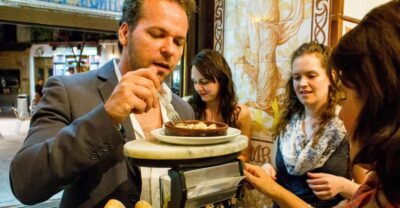
Madrid Tapas & Wine Tour with Rooftop Views and Local Guide
Read our review →
Barcelona Gothic Quarter Tapas & Taverns Food & Wine Tour
Read our review →
Gaztelugatxe, Bermeo, Mundaka, Gernika, & Wine Tour
Read our review →Browse the lists this tour appears in