
Reviewed · WINE TOURS
Barcelona: Casa Codorníu Guided Tour with Cava Tastings
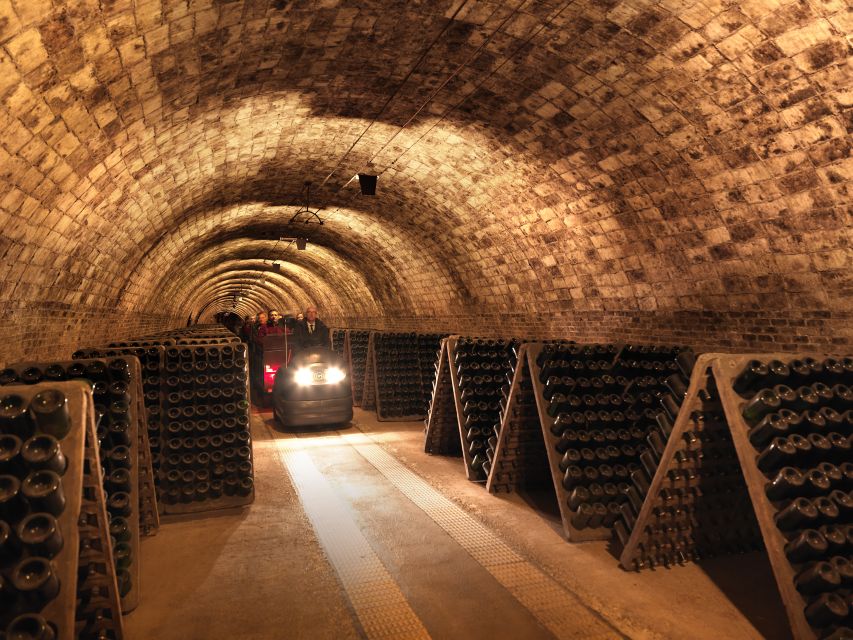
The most unusual part of this Codorníu visit comes below ground. After seeing the estate and learning how cava is made, you descend more than 20 meters and ride an electric train through the old cellar tunnels. It feels less like a standard winery stop and more like a short history tour with a sparkling-wine finale.
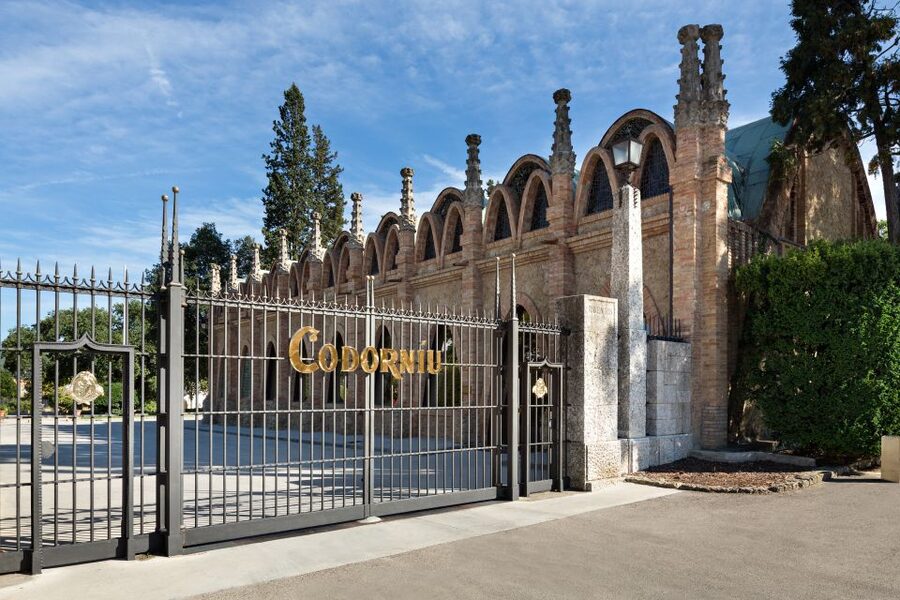
I like the mix of modernist architecture and wine history, especially the work of Josep Puig i Cadafalch in Sala Puig, known here as the Cathedral of Cava. I also like the final tasting: three premium cavas served with three types of chocolate give you a clear reason to pay attention during the production explanation.
The main drawback is time. Ninety minutes passes quickly, and the tour may feel light on explanation if your guide keeps things brief. Bad weather can also prevent a visit to the gardens, and transport to Caves Codorníu is not included.
Key points at a glance
- A nearly 500-year-old cava story: Codorníu traces its winemaking history back almost five centuries, giving the tour more depth than a simple tasting.
- Puig i Cadafalch’s Cathedral of Cava: Sala Puig provides the architectural centerpiece, with a short introductory film to set the scene.
- An electric train 20 meters underground: You travel through cellar tunnels rather than simply looking at barrels or bottles from above.
- Three premium cavas with three chocolates: The tasting is the main finish, with a small appetizer also included.
- English and Spanish guides: You can choose between the two listed tour languages, subject to the available departure.
- A $35, 1.5-hour visit: The price is fair if you value the building, cellar ride, and tasting together, but less compelling if you only want a quick drink.
Why Codorníu is more than a cava tasting
Cava is Catalonia’s traditional sparkling wine, and Codorníu is one of the names most closely tied to its development. This visit gives you a look at the company’s long story without turning the experience into a full-day wine excursion.
That matters because sparkling wine can seem simple from the outside. You see a bottle, hear the pop, and take a sip. Inside the winery, you get a better sense of the work behind it: the estate, the production process, the underground storage areas, and the role of time in the finished wine.
The tour is built for people who want a compact introduction. At 1.5 hours, it will not cover every corner of the property or offer a long technical class. Instead, it gives you several different ways to understand Codorníu. You see the architecture, watch a short film, hear the story of the company, walk through the museum and gardens, ride into the cellars, and taste three cavas.
I consider that a smart format for a day in Catalonia when you want something beyond Barcelona’s central sights but do not want to commit to a full vineyard day.
Other bodegas within reach of Spain:
- Montserrat & Cogwheel Train, Gourmet Wine Tasting & Tapas/Lunch
★ 5.0 · 6,290 reviews - Montserrat with Black Madonna & Medieval Winery with Tapas/Lunch
★ 5.0 · 5,209 reviews - Barcelona: Montserrat and Winery Tour with Tapas or Lunch
★ 4.8 · 4,695 reviews
Sala Puig and the Cathedral of Cava
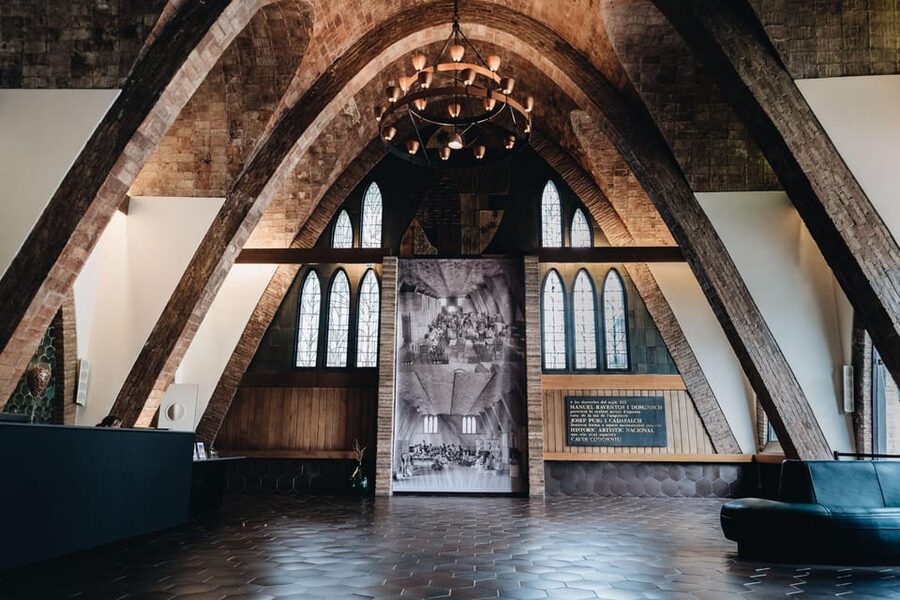
Your visit begins in Sala Puig, the room presented as the Cathedral of Cava. The name is not subtle, and that is part of the fun. This is meant to feel grand, not like a plain industrial tasting room.
A short film introduces Codorníu’s past and explains the basics of winemaking. I like this opening because it gives you a framework before the walking portion begins. You are not dropped into a large property with no idea what you are looking at.
The room also sets up the architectural side of the visit. Josep Puig i Cadafalch was a major figure in Catalan modernism, and Codorníu allows you to see that style in a working winery rather than only in a city museum or mansion.
You should keep your expectations in check. The supplied details do not promise a long architectural lecture or a private look at every design feature. The value here is the combination of setting and story. You are learning about cava in a building designed to make the production feel important.
That approach may please you if you enjoy architecture as much as wine. If you care only about tasting, the opening may feel like a delay before the glasses arrive.
Museum, gardens, and the modernist estate
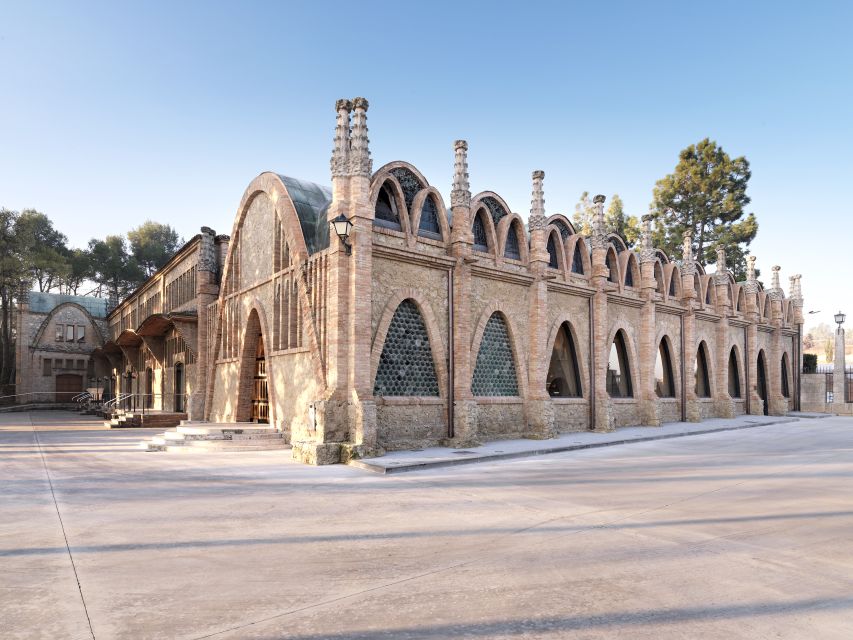
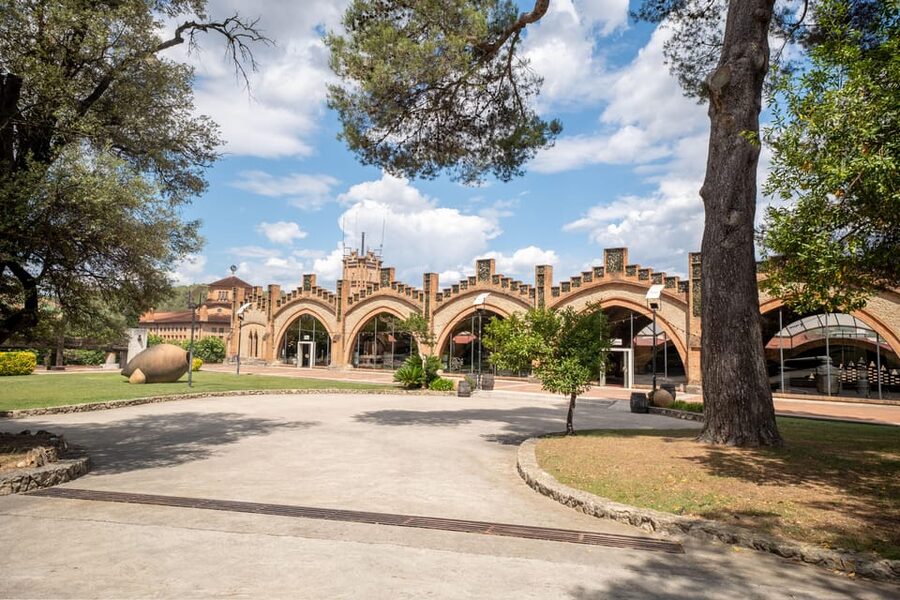
After Sala Puig, the guide takes you to the museum and then outside through the gardens. This part gives the tour some breathing room after the indoor introduction.
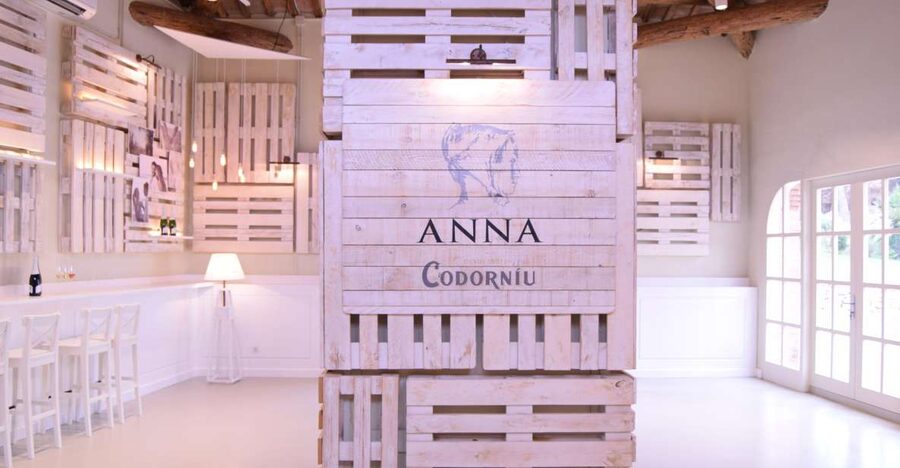
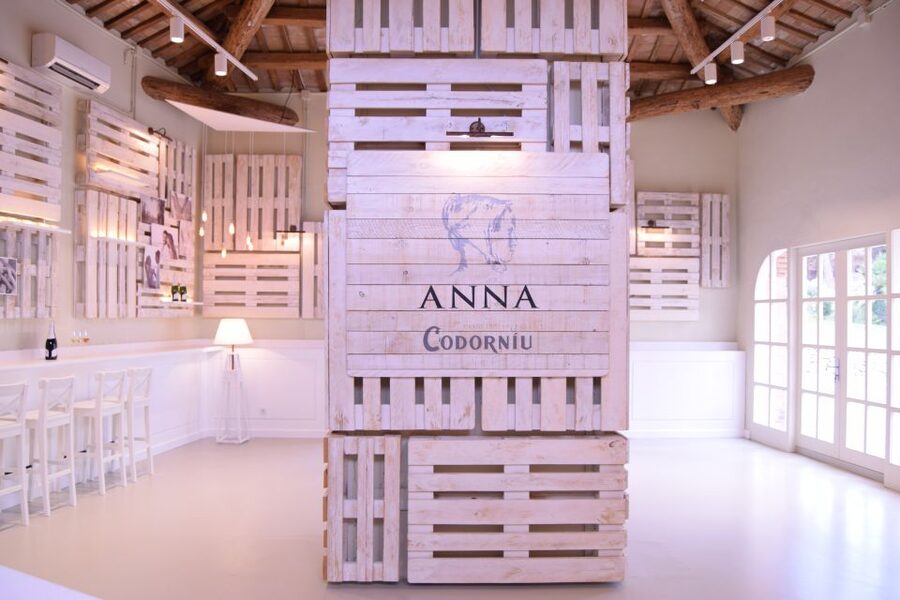
The museum helps connect Codorníu’s business with the people and places behind it. The tour also includes stories about Anna, a figure tied to the Codorníu story, and those personal details add a human side to the company’s long history. One guide was praised for explaining the full process clearly and answering questions, so it is worth speaking up if something catches your attention.
The gardens are weather dependent. In poor conditions, they may be skipped, as happened during one particularly wet visit. That does not cancel the rest of the tour, since the winery and underground cellars remain the main attractions, but it does reduce the architectural walk.
For that reason, I would avoid treating the outdoor portion as guaranteed. If you are choosing clothing for the day, prepare for both indoor and outdoor time. The available information does not specify a detailed dress code, but sensible shoes and a layer make practical sense for a property that includes gardens and underground areas.
The outdoor stop is also where the visit can feel least predictable. The route, length, and content may change because of weather or equipment problems. That is standard for a working historic site, but it is worth knowing before you book.
What you learn about making cava
The guide explains the cava-making process before you go underground. You learn enough to understand why Codorníu needs such an extensive cellar system and why the final tasting is more useful after the production talk.
The exact technical depth depends on the guide. I would expect an accessible introduction rather than an advanced seminar for wine professionals. One recent visit was described as pleasant but a little short on explanation, while another guide made the process clear and kept the group interested. That tells you something important: the quality of the spoken portion can vary with the person leading the tour.
You can make the most of it by asking direct questions. Ask about the stages of cava production, how the cellar supports the process, and what distinguishes the three wines you will taste. The tour is live in English or Spanish, so you have a chance to interact rather than rely only on recorded narration.
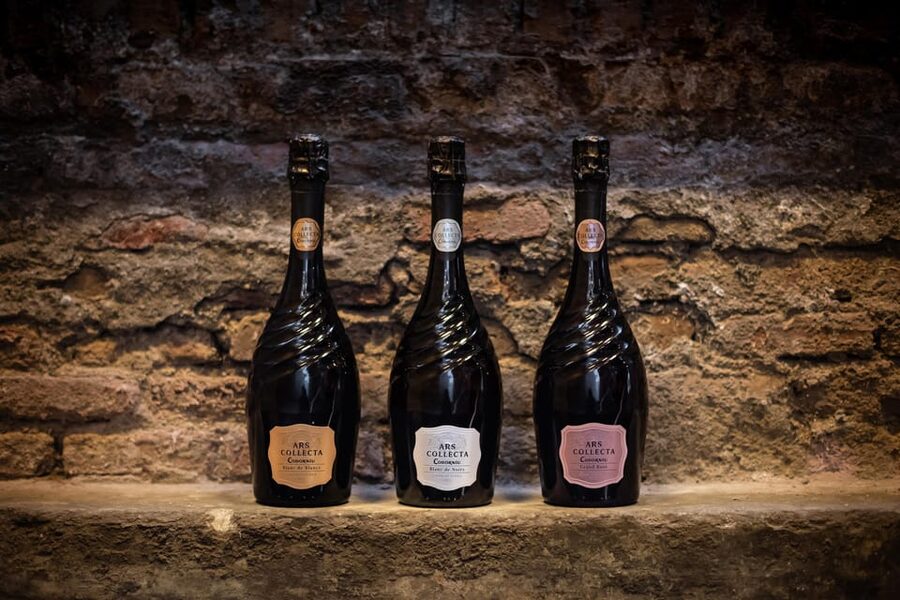
The tasting includes three premium cavas, not just one house pour. That makes the production explanation worthwhile because you can compare the wines at the end. The description also refers to two particularly good cavas from the premium range, though the precise labels are not listed and may vary.
A few more things to do in Spain worth a look
- Barcelona: Sagrada Familia Entry Ticket with Audio Guide
★ 4.6 · 105,312 reviews - Barcelona: Park Guell Guided Tour with Skip The Line Entry
★ 4.7 · 17,563 reviews - Málaga: Caminito del Rey Guided Tour with Transportation
★ 4.8 · 12,183 reviews - Caminito del Rey: Guided Tour and Entry Ticket
★ 4.6 · 11,286 reviews
The underground train ride
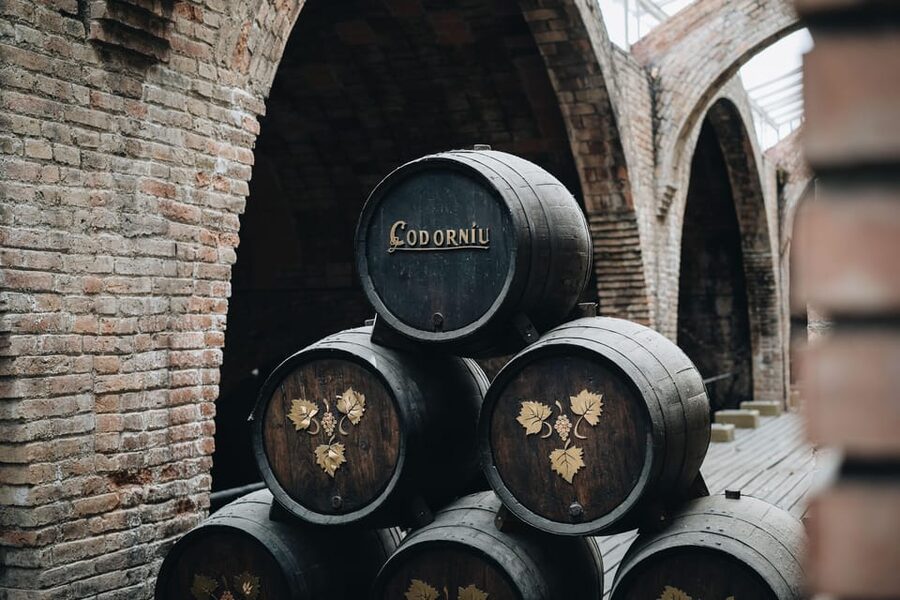
This is the tour’s most memorable physical feature. You descend more than 20 meters and board an electric train through the dugout cellar tunnels.
A train ride makes the cellar accessible without requiring a long underground walk. It also gives you a sense of scale. Instead of seeing one storage room, you move through the system that supports Codorníu’s wine production.
The ride is not presented as a thrill attraction. Think of it as a practical way to see the cellars while the guide explains how cava is stored and produced. The underground setting adds atmosphere, but the educational point is just as important.
There is one limitation. You may not see every current production area. One person specifically wished the visit had included newer production facilities. That is a fair expectation to manage: the tour focuses on historic buildings, museum spaces, and cellar tunnels, not a complete behind-the-scenes tour of all modern operations.
For me, that is still a good trade at this price. The old tunnels and train provide something distinctive, while a modern production floor might look more like a working factory than a historic wine site.
Three cavas and three chocolates
The final tasting is the part most likely to decide whether this tour feels worth $35. You taste three premium cavas and pair them with three kinds of chocolate. A small appetizer is also included.
This is more satisfying than a single sample at the end of a guided walk. Three wines let you compare styles, and the chocolates give you a simple way to notice how sweetness and texture change the drinking experience.
Do not expect a full meal. The small appetizer is a light addition, not a substitute for lunch or dinner. If you plan to eat at the winery afterward, the on-site restaurant has received a mixed practical note, so I would not build your entire meal plan around it without checking current arrangements.
The tasting works best when you slow down and pay attention. Note which cava you prefer before the chocolate pairing, then taste again with the food. You do not need advanced wine knowledge to enjoy this. The point is comparison, not examination.
The premium range is a strong feature at this price. A $35 experience that includes the entrance, live guide, cellar train, and three premium pours offers reasonable value. It is especially good for couples and small groups where some people enjoy wine and others are more interested in architecture or local history.
Is $35 a fair price?
I would call the price fair rather than a bargain. The fee covers the guided visit, entrance, three cava tastings, and a small appetizer. Transportation is separate, and that matters if you are staying in Barcelona and need to arrange your own way to Caves Codorníu.
The value comes from the combination. If this were only a tasting, I would expect a lower price. If it were only a building tour, the wine would be a modest extra. Here, you get the modernist rooms, museum, possible garden visit, underground train, and three premium cavas in one short package.
The 1.5-hour length also keeps the cost manageable in your schedule. You can fit it into a larger Catalonia day instead of giving up an entire afternoon. On the other hand, do not book it expecting a broad regional wine tour or a long meal.
I would choose this experience if I wanted a compact, organized visit with a clear start and finish. I would look elsewhere if I wanted a small, highly technical tasting led by a dedicated wine expert.
Who will enjoy this visit most?
You are a good match for Codorníu if you like at least two of the following: architecture, industrial history, Catalan culture, sparkling wine, or unusual transport experiences.
It suits couples, families with older children, and groups with mixed interests. The train ride gives non-wine enthusiasts something concrete to enjoy, while the tasting gives wine fans a proper finale. The three chocolate pairings also make the last section approachable for someone who does not usually order sparkling wine.
It may be less suitable if you dislike guided groups or want to set your own pace. The route and timing are organized around the guide, and the short duration leaves little room to linger in each area.
You should also think about weather. The indoor parts remain worthwhile, but the gardens may not be available in bad conditions. If the exterior architecture is your main reason for coming, choose a day when outdoor access is more likely, while remembering that no garden visit can be guaranteed.
Language, timing, and practical planning
The live tour is offered in English or Spanish. Check the departure language when booking, since the quality of the experience depends partly on how comfortably you follow the guide’s explanation.
The meeting point is Caves Codorníu itself. Transportation is not included, and no transfer from Barcelona is listed, so plan that part separately. The supplied information does not give a travel time or route, so check the current directions before setting out.
The visit can change in route, length, or content because of bad weather or electrical, mechanical, or computer failures. That policy is worth taking seriously because the train is an operating part of the route and the gardens depend on conditions.
You also need to arrive sober. Anyone under the influence of alcohol, drugs, or other substances can be refused participation, with no refund if the tour must be reduced or canceled for that reason.
Cancellation is flexible up to 24 hours before the visit for a full refund, and you can reserve now while paying later. Those terms help if your Catalonia plans are still moving around.
Should you book the Codorníu tour?
Book it if you want a polished introduction to cava with more substance than a tasting-room stop. The underground train and modernist architecture give the visit a clear identity, and the three premium cavas with chocolate make the ending feel complete.
I would be more cautious if your priority is a long, highly detailed production tour. The guide may offer excellent explanations, but the spoken detail can vary, and current production areas may not be part of the route. The gardens are also weather dependent.
For most visitors who can reach Caves Codorníu easily, $35 is a sensible price for 1.5 hours of architecture, history, cellar transport, and wine. Go for the full experience rather than just the drinks, and you will understand why Codorníu’s old rooms and tunnels are as important to the visit as the cava itself.
FAQ
Where does the Codorníu tour begin?
The experience begins at Caves Codorníu in Catalonia.
How long does the visit last?
The tour lasts 1.5 hours.
What is included in the price?
The price includes the guided tour, entrance fee, three cava tastings, and a small appetizer.
How many cavas will I taste?
You will taste three cavas from the premium range.
Is chocolate included?
Yes. The tasting includes three types of chocolate served with the cavas.
Is transportation included?
No. Transportation to Caves Codorníu is not included.
Which languages are available?
The live guide operates in English and Spanish.
Can I cancel for a refund?
Yes. You can cancel up to 24 hours in advance for a full refund.
Can the tour route change?
Yes. Weather conditions and electrical, mechanical, or computer failures may change the route, length, or content of the visit.
Just added in Spain
- Bizkaia Bridge, Gaztelugatxe, Bermeo and Gernika from Bilbao★ 4.5 · 299 reviews
- Benalmadena: City Sightseeing Hop-On Hop-Off Bus Tour★ 3.5 · 379 reviews
- Welcome to Barcelona: Private Tour with a Local★ 4.6 · 200 reviews
- Barcelona: White Rabbit Catalonia’s Top Immersive Experience★ 4.7 · 359 reviews
- Bean to Bar Chocolate Workshop in Barcelona★ 5.0 · 172 reviews
- Barcelona: Walking tour with Montjuic Castle & Cable Car★ 4.7 · 832 reviews
- Barcelona: Welcome to Barcelona Segway Tour★ 4.9 · 153 reviews
- Barcelona: Helicopter Flight with Optional Yacht Cruise★ 4.7 · 224 reviews
Wine Tours, compared.

Montserrat & Cogwheel Train, Gourmet Wine Tasting & Tapas/Lunch
Read our review →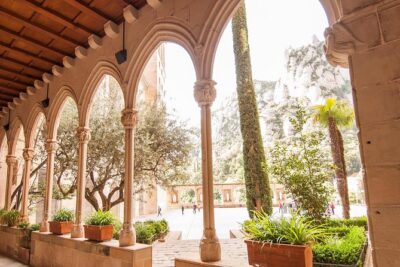
Montserrat with Black Madonna & Medieval Winery with Tapas/Lunch
Read our review →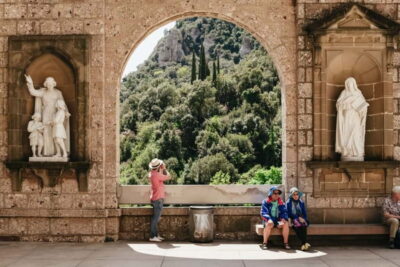
Montserrat and Winery Tour with Tapas or Lunch
Read our review →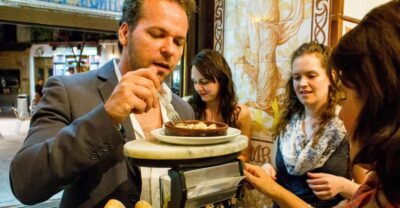
Madrid Tapas & Wine Tour with Rooftop Views and Local Guide
Read our review →

Barcelona Gothic Quarter Tapas & Taverns Food & Wine Tour
Read our review →
Gaztelugatxe, Bermeo, Mundaka, Gernika, & Wine Tour
Read our review →Browse the lists this tour appears in