
Reviewed · TOURS IN BARCELONA
Barcelona: Mies van der Rohe Pavilion Ticket and Audio Guide
Barcelona’s Mies van der Rohe Pavilion is a small building with an outsized place in modern architecture. Designed by Ludwig Mies van der Rohe and Lily Reich for the 1929 Barcelona International Exhibition, it reduces a building to planes, reflections, stone, water, and carefully measured space. You do not come here for a packed program. You come to look closely.
I like the calm setting and the chance to study a famous work without the scale and noise of Barcelona’s larger sights. I also like the included audio guide, available in five languages, because a simple room can be hard to understand without some context. The main drawback is value: at $10, some people feel the visit should be free, especially since the pavilion can be seen fairly quickly.
Key points
- A landmark of modern architecture: See the pavilion designed by Mies van der Rohe and Lily Reich for the 1929 international exhibition.
- A careful reconstruction: The original building was dismantled after the exhibition and rebuilt on its first site in 1986.
- A quiet, focused visit: This is a compact stop for people who enjoy materials, proportion, and open space more than a long list of exhibits.
- Audio in five languages: Choose Spanish, Catalan, English, French, or German.
- Easy to fit into a Barcelona day: The ticket is valid for one day, and skip-the-ticket-line access keeps the arrival simple.
- A few rules matter: Food, drinks, smoking, pets except assistance dogs, and tripods are not allowed.
Why this small pavilion matters
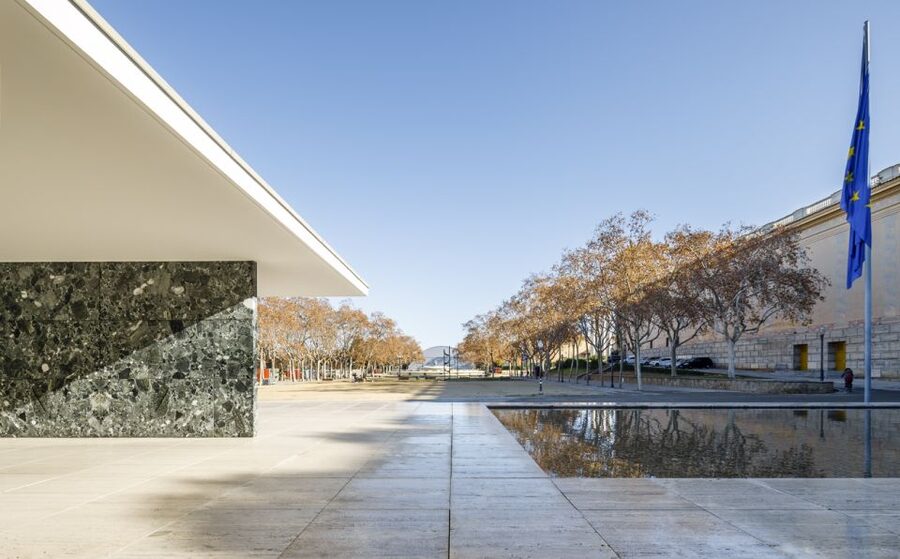
At first glance, the pavilion may seem almost too simple. There is no grand dome, carved facade, or large collection of objects. Instead, the design depends on exact relationships between walls, columns, glass, water, and open space.
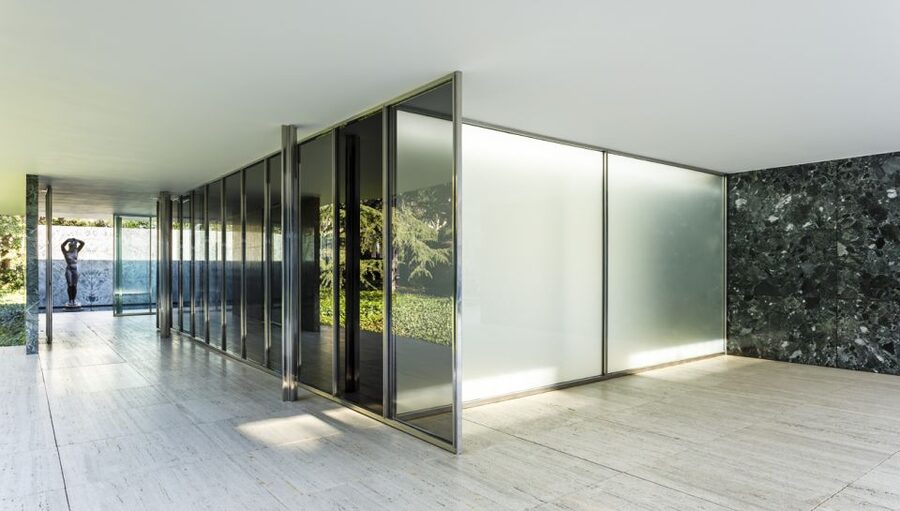
That restraint is the point. Mies van der Rohe and Lily Reich created a building in which the materials do much of the talking. Dark glass reflects the surroundings. Stone walls guide your eye without closing the room. Thin metal columns support the structure while keeping the visual field open.
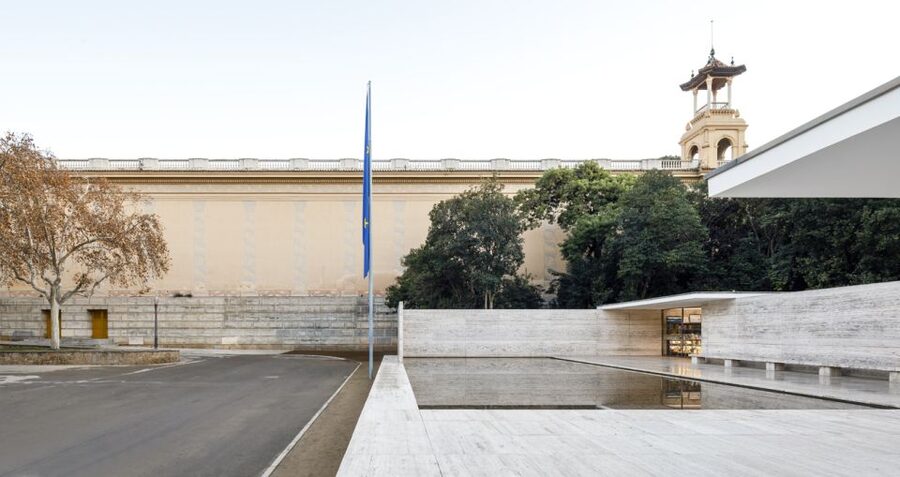
The building was created as the German national pavilion for the 1929 Barcelona International Exhibition. It was not meant to be a conventional house or museum. It was a carefully composed statement about modern design, using space and materials rather than decoration to make its impression.
The pavilion was dismantled after the exhibition. Its importance became clearer over time, and a reconstruction opened on the original site in 1986. That fact adds an interesting layer to the visit. You are looking at a later reconstruction of a building that helped shape modern architecture, not at an untouched structure from 1929.
A few more things to do in Barcelona worth a look
- Barcelona: Sagrada Familia Entry Ticket with Audio Guide
★ 4.6 · 105,312 reviews - Barcelona: Palau de la Música Self-Guided Tour
★ 4.6 · 3,603 reviews - Casa Batllo Admission Ticket with Intelligent Audio Guide
★ 4.5 · 3,168 reviews
Reading the pavilion’s stone, glass, and water
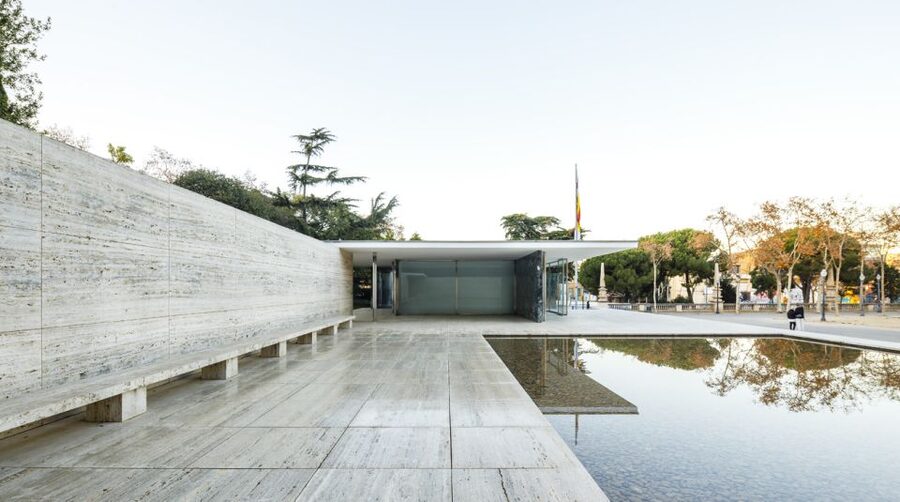
I recommend slowing down as soon as you enter. The building rewards a patient eye more than a quick walk-through. Look at how one wall seems to continue into another, how the glass changes the sense of inside and outside, and how a polished surface catches light.
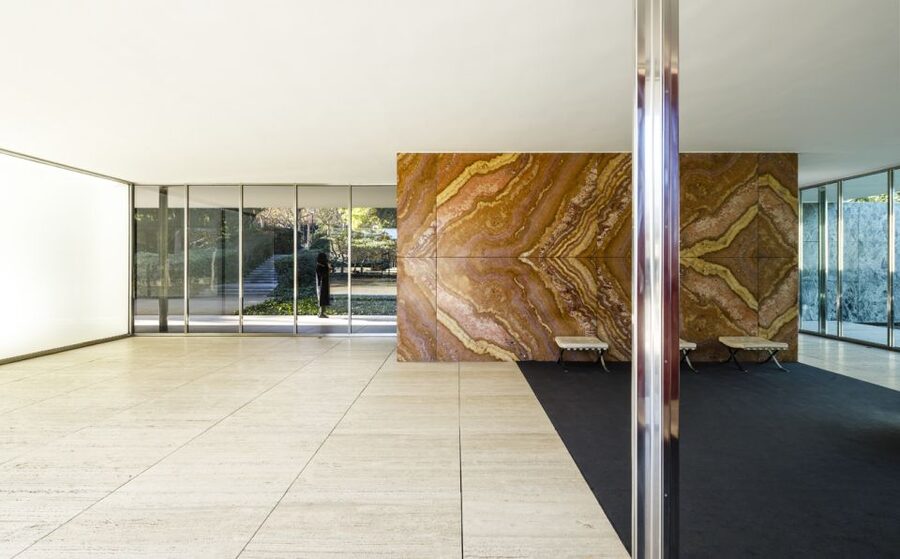
The materials came from several places, including the Alps, Tivoli, Atlas, and Tinos. Their selection is precise rather than showy. Each surface has its own color, pattern, and texture, but the design keeps them from competing with one another.
The pavilion’s beauty comes from balance. A wall can feel solid, yet the open plan keeps the room light. A reflective surface can make the space seem larger, while a water feature adds stillness. The building is spare, but it is not empty.
The audio guide is useful here. Without any explanation, you may simply notice attractive stone and clean lines. With some context, you can better understand why the arrangement matters and how the building helped set the direction for later modern architecture.
Audio is offered in Spanish, Catalan, English, French, and German. If you are interested in architecture, design, or art, use it rather than rushing through. This is not a place where a long spoken tour is needed, but a few well-placed explanations can sharpen what you see.
What your visit is likely to feel like
This is a short, self-guided cultural stop rather than a full-day attraction. The ticket is valid for one day, and the main visit centers on the pavilion itself. You can move through the spaces at your own speed, pause to look at the materials, and listen to the audio guide when you want background.
The atmosphere is generally calm, though it can change. Professional photographers and models may be working in the space, and they become part of the scene during a visit. That can be interesting if you enjoy seeing the building used as a setting, but it may also interrupt the quiet mood or make certain views harder to photograph.
The pavilion also occasionally hosts artistic interventions. These can alter its appearance, so the building you see may not always look exactly as it does in photographs. That is worth keeping in mind if you want a purely architectural visit.
Arrive at your scheduled time. One visitor specifically noted that arriving on time is wise. Opening hours can change, so check them before setting out rather than treating the published schedule as fixed.
Is the $10 ticket good value?
The price is modest by Barcelona sightseeing standards, but value depends on how you travel. If you enjoy architecture, modern art, photography, or design, $10 buys access to a major work that influenced generations of architects and artists. The included audio guide improves the deal, especially if you want more than a quick look.
If you prefer large museums, many rooms, or a long list of activities, the cost may feel less convincing. The pavilion is compact, and the visit can be relatively brief. Several people have felt that entry should be free because of the site’s small scale.
I would view the ticket as a focused cultural purchase, not an all-morning attraction. It works well when you want one thoughtful stop between larger Barcelona sights. It is less suitable if you are counting on every paid visit to fill several hours.
The booking terms also reduce some of the risk. You can cancel up to 24 hours in advance for a full refund, and the reserve-now, pay-later option lets you keep your plans flexible. Those terms matter in Barcelona, where weather, museum hours, and crowded sightseeing days can change your route.
Same base, a different kind of day out:
- Barcelona: Park Güell Admission Ticket
★ 4.4 · 76,534 reviews - Barcelona: Casa Batlló Entry with Self-Audioguide Tour
★ 4.7 · 25,359 reviews - Barcelona: 24 or 48-Hour Hop-On Hop-Off Bus Tour
★ 4.4 · 20,872 reviews - Barcelona: Park Guell Guided Tour with Skip The Line Entry
★ 4.7 · 17,563 reviews
A good stop for architecture fans
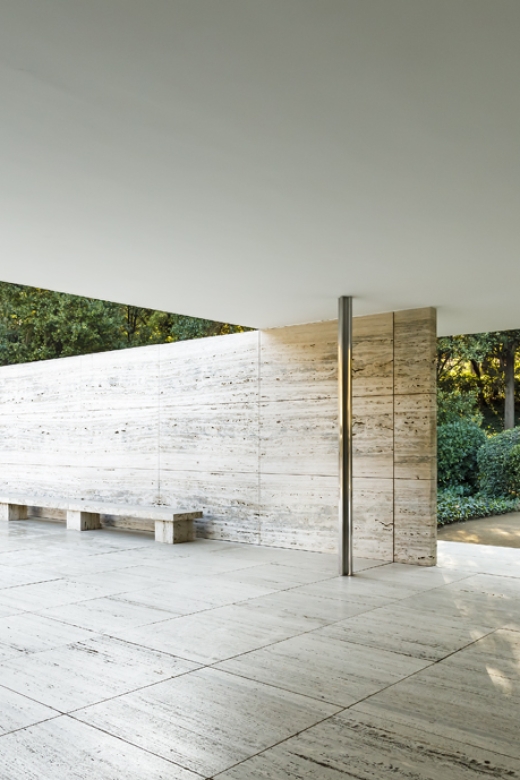
This pavilion suits you best if you like looking at how buildings work. You do not need professional training, but curiosity helps. Ask yourself why the room feels open, how the walls direct movement, and what happens when glass reflects the stone and water.
It is also a good choice for design students, photographers, and anyone interested in the roots of modern architecture. The pavilion’s influence is one of the main reasons to visit. It is not simply a pretty modern building. It helped establish ideas about clean form, open planning, and materials that remain common in architecture today.
Photography is allowed in the sense that the site is used by professional photographers and models, but tripods are not allowed. If you are hoping to create careful, fixed-camera shots, that restriction may matter. You may also find that photography activity changes the feel of the visit.
The site can also suit someone who wants a quieter contrast to Barcelona’s grander attractions. A visit here does not compete with the sensory overload of the Sagrada Família or the city’s larger cultural sites. It asks for a different kind of attention.
What may disappoint you
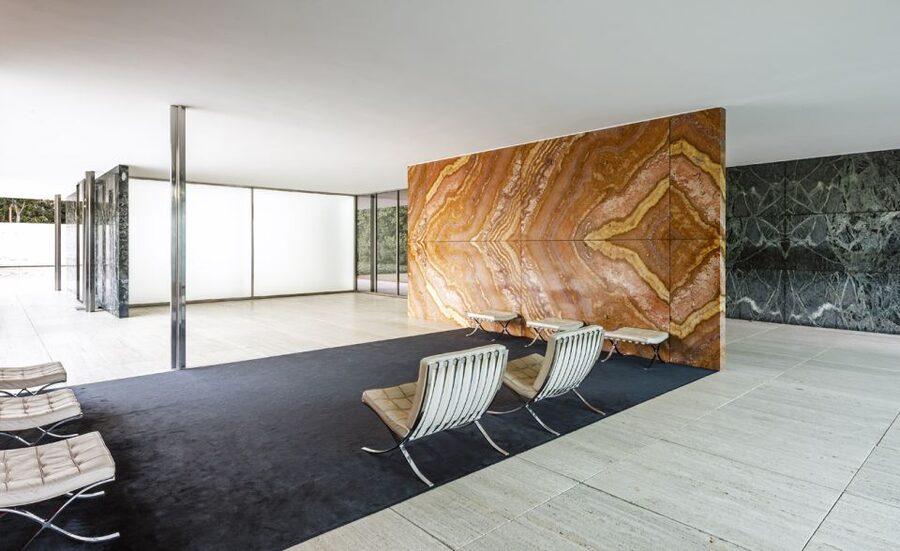
The pavilion’s greatest strength can also be its limitation. Its simplicity will feel refined to some people and underwhelming to others. If you expect a large collection, dramatic storytelling, or many rooms to explore, you may finish sooner than expected.
The audio guide is included, but it is worth checking that you receive access when you arrive. One booking resulted in visitors not getting the audio guides, which left them confused. That appears to have been a practical problem rather than a feature of the visit, but it is sensible to confirm the guide before beginning.
The building may also be affected by artistic installations or photography sessions. These additions can bring energy and new ideas, yet they can also make the pavilion look different from the clean, empty images that first attracted you.
Finally, the opening schedule may change. Check the current hours before you leave, and arrive on time. The experience is simple enough that a delayed arrival can take up a large share of your available visit.
How to make the most of your time
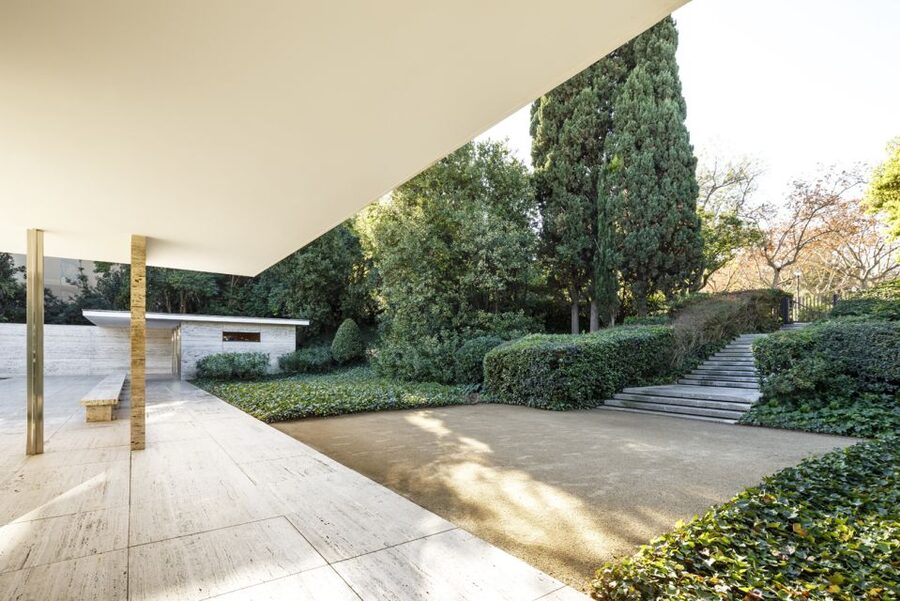
Give yourself enough time to listen to the audio guide and look again after each section. A fast circuit can make the pavilion seem like a collection of expensive materials. A slower visit reveals the careful play between enclosure and openness.
Try viewing the same area from more than one position. The glass, water, and stone change as you move. Reflections can blur the boundary between the pavilion and its surroundings, while the walls create shifting views through the interior.
Read the material choices as part of the design rather than as decoration. The stone from the Alps, Tivoli, Atlas, and Tinos was chosen to create contrast without clutter. The palette is restrained, but small changes in color and pattern keep the rooms from becoming flat.
Keep food and drinks outside, and do not bring a tripod. Smoking is not allowed, and pets are not permitted except assistance dogs. The pavilion is wheelchair accessible, which makes the open layout easier to appreciate without steps or tight displays getting in the way.
If you have extra time nearby, one visitor enjoyed a short nature trail near the site. The supplied details do not identify the trail or its route, so treat it as a possible nearby add-on rather than a formal part of this ticket.
Who should book the pavilion?
I would book it if you enjoy architecture, modern design, or quiet cultural stops. The combination of a famous building, five-language audio guide, and relatively low price makes it an easy addition to a Barcelona itinerary.
I would also recommend it to repeat visitors who have already seen the city’s major landmarks and want something more focused. The pavilion gives you a chance to study one important work instead of moving through another large attraction at speed.
I would pause before booking if you need several hours of entertainment from every ticket. The building is compact, and some people will find $10 too much for a short visit. You should also check the schedule if your day is tightly planned, since hours may change and artistic installations can alter the presentation.
FAQ
Where is the Mies van der Rohe Pavilion?
The pavilion is in Barcelona, in Catalonia, Spain.
Who designed the pavilion?
The pavilion was designed by Ludwig Mies van der Rohe and Lily Reich.
When was the original pavilion built?
It was created for the 1929 Barcelona International Exhibition, where it served as the German national pavilion.
Was the pavilion always on the site?
The original pavilion was dismantled after the exhibition. It was reconstructed on its original site and reopened in 1986.
What does the ticket include?
The ticket includes entrance to the Mies van der Rohe Pavilion and an audio guide.
Which languages are available for the audio guide?
The audio guide is available in Spanish, Catalan, English, French, and German.
How long is the ticket valid?
The ticket is valid for one day. Check availability for the available starting times.
Is the pavilion wheelchair accessible?
Yes, the pavilion is wheelchair accessible.
Can I cancel the booking?
Yes. You can cancel up to 24 hours in advance for a full refund.
What is not allowed inside?
Smoking, food, drinks, pets, and tripods are not allowed. Assistance dogs are permitted.
Should you book it?
Book this ticket if the idea of studying modern architecture sounds appealing, especially if you want a calm stop with useful audio in your language. The pavilion is small, but its design is deliberate, influential, and rewarding when you take your time.
Skip it if you want a large attraction with many exhibits or if you strongly dislike paying for a short visit. For everyone else, $10 is a fair price for access to one of Barcelona’s most important modern buildings, provided you arrive on time and confirm that the audio guide is available.
Just added in Barcelona
- Welcome to Barcelona: Private Tour with a Local★ 4.6 · 200 reviews
- Barcelona: White Rabbit Catalonia’s Top Immersive Experience★ 4.7 · 359 reviews
- Bean to Bar Chocolate Workshop in Barcelona★ 5.0 · 172 reviews
- Barcelona: Walking tour with Montjuic Castle & Cable Car★ 4.7 · 832 reviews
- Barcelona: Welcome to Barcelona Segway Tour★ 4.9 · 153 reviews
- Barcelona: Helicopter Flight with Optional Yacht Cruise★ 4.7 · 224 reviews
- Barcelona: The Original Barcelona Boat Party★ 3.9 · 254 reviews
- Barcelona Wine Tasting: Catalan and Spanish Wines★ 4.8 · 625 reviews
Tours in Barcelona, compared.
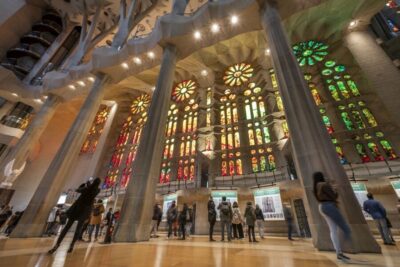
Sagrada Familia Entry Ticket with Audio Guide
Read our review →
Park Guell Guided Tour with Skip The Line Entry
Read our review →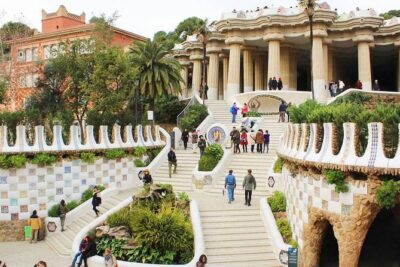
Barcelona in 1 Day: Sagrada Familia, Park Guell,Old Town & Pickup
Read our review →
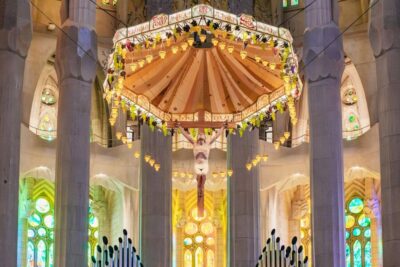
Sagrada Familia Skip-the-Line Entry Ticket & Tour
Read our review →
FC Barcelona Museum “Barça Immersive Tour” Ticket
Read our review →Browse the lists this tour appears in