
Reviewed · WALKING TOURS
Barcelona: Guided Walking Tour
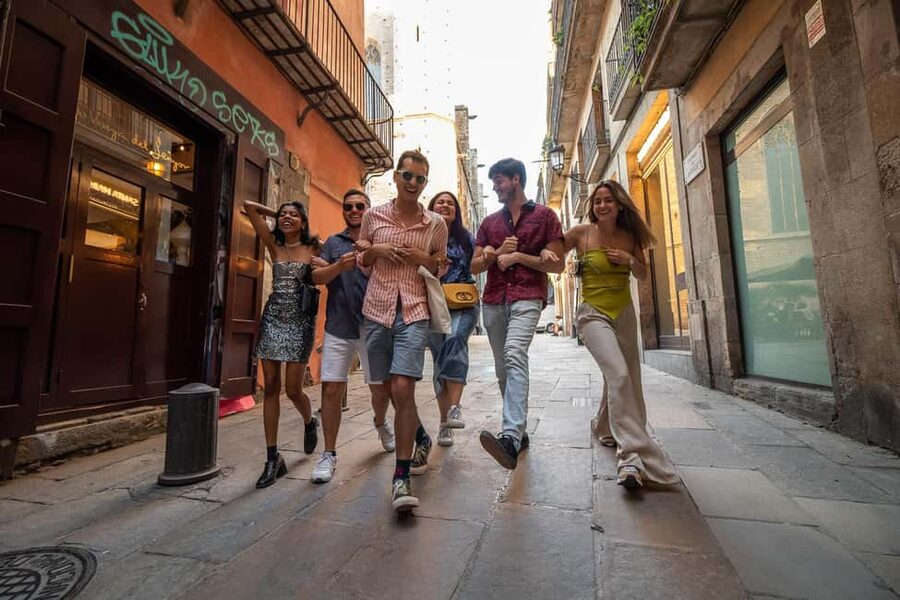
Barcelona’s oldest quarters are best understood on foot, one narrow lane at a time. This two-hour walking tour moves from Roman Barcino through medieval Barcelona, with stops at the cathedral, Bishop’s Bridge, Sant Felip Neri Square, and the Born district. It gives you a useful first look before you tackle the city on your own.
I like the short, sensible route and the way it links famous sights with small details, legends, and darker pieces of Barcelona’s past. I also like the value: $22 gets you an English-speaking guide, a clear historical route, and a local introduction without taking half your day.
The main consideration is pace. Ten minutes at each listed stop is enough for context and photos, but not for full interior visits or long museum stops. You should also confirm the exact finish point, since the route is described as ending at Santa Maria del Mar while the meeting information says the activity ends back at the meeting point.
Five things to know before you book
- Roman roots at Plaça Nova: The tour begins beside the Barcino sculpture, a useful reminder that Barcelona is far older than its modernist reputation.
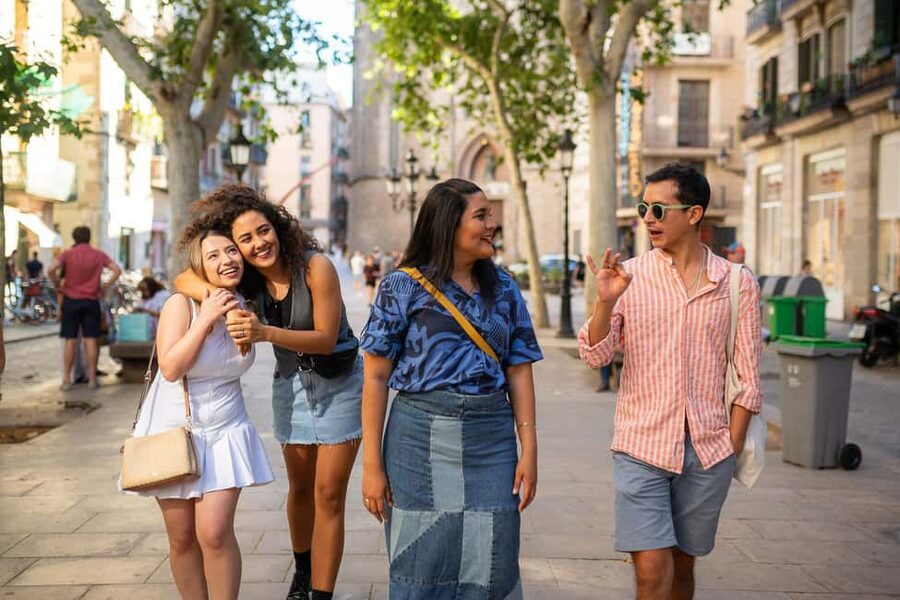
- A Gothic Quarter route with variety: You’ll see grand religious buildings, quiet squares, bridges, plaques, lanes, and El Born rather than only the standard postcard sights.
- Story-led guiding: Guides including Mariah, Sara, Petra, Tamara, Lindsay, Vanessa, and others are praised for energy, humor, clear explanations, and personal attention.
- A compact two-hour format: The walk is long enough to give you a city framework but short enough to fit beside a museum, meal, or afternoon plan.
- Good value at $22: You pay for a walking guide rather than admissions, food, or drinks, so the price works best if you want orientation and context.
Starting with Roman Barcino at Plaça Nova

Meet at Plaça Nova, 40, in front of the large Barcino sculpture and the yellow Carpe Diem Tours sign. This is an easy landmark to spot, but give yourself a few minutes to find it. The tour begins in the Gothic Quarter, close to Barcelona Cathedral and the old Roman center.
That start matters. Barcelona is often sold through Gaudí, beaches, and broad avenues, but this walk begins with the city’s older bones. The name Barcino connects the present streets to Roman Barcelona, and the opening gives you a time line for the rest of the tour.
You should expect an outdoor introduction rather than a museum lecture. Bring comfortable shoes, clothes suited to walking, and a camera. Food and drinks are not included, so eat beforehand or plan a stop after the walk.
A few more things to do in Barcelona worth a look
- Barcelona Tapas and Wine Experience Small-Group Walking Tour
★ 5.0 · 5,804 reviews - Barcelona: Tapas Walking Tour with Food, Wine, and History
★ 4.8 · 4,261 reviews - Barcelona Tapas Walking Tour: Food, Wine & History
★ 4.5 · 1,928 reviews
From Els Quatre Gats to the Kiss of Freedom
Els Quatre Gats is a good early stop because it brings cultural life into the route. The famous café is tied to Barcelona’s artistic past, and the guide uses it as a point for stories about the city’s creative character. You get about ten minutes here, enough for an explanation and a look around, but not a long sit-down visit.
The next stop, the Kiss of Freedom, offers a more modern and visual pause. It is the sort of place that can be easy to pass without context. A guide helps explain why the image matters and how public art can carry ideas about freedom, memory, and Barcelona’s identity.
I like this pairing because the tour does not treat history as a string of dates. You move from old streets to art and public memory, which makes the city feel connected rather than divided into separate chapters.
Barcelona Cathedral and the medieval city
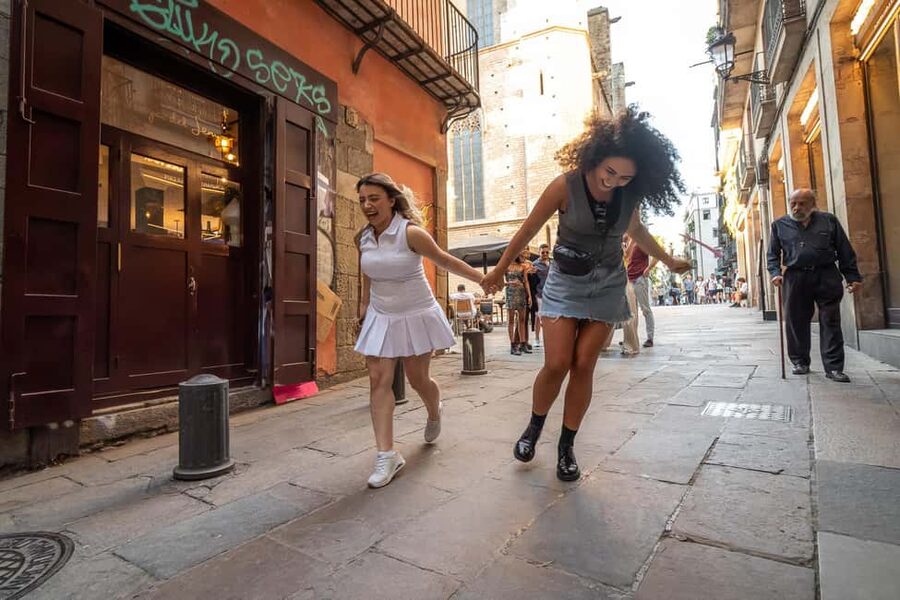
Barcelona Cathedral is one of the major sights on the walk. From outside, you can take in its scale and Gothic detail while your guide explains its place in the Old Quarter. The stop is listed at around ten minutes, so plan for an exterior overview rather than a full visit inside.
That limitation is worth knowing before you book. If the cathedral is high on your list, return later with time to explore it properly. The walking tour gives you orientation, historical framing, and a chance to decide what deserves a second visit.
The route then continues to La Casa de l’Ardiaca, a building tucked near the cathedral. Smaller places like this are one reason a guided walk earns its keep. You might find the entrance, façade, or surrounding lane on your own, but you are less likely to know why the building belongs in the story of Barcelona.
The guide’s job here is to connect architecture with daily life. Instead of simply pointing at stonework, a good guide explains how the street pattern, buildings, and civic institutions developed over time. Guides such as Sara and Petra are noted for giving clear explanations and answering questions, which is useful at stops where a quick look alone does not tell you much.
Bishop’s Bridge and Barcelona’s Gothic mood
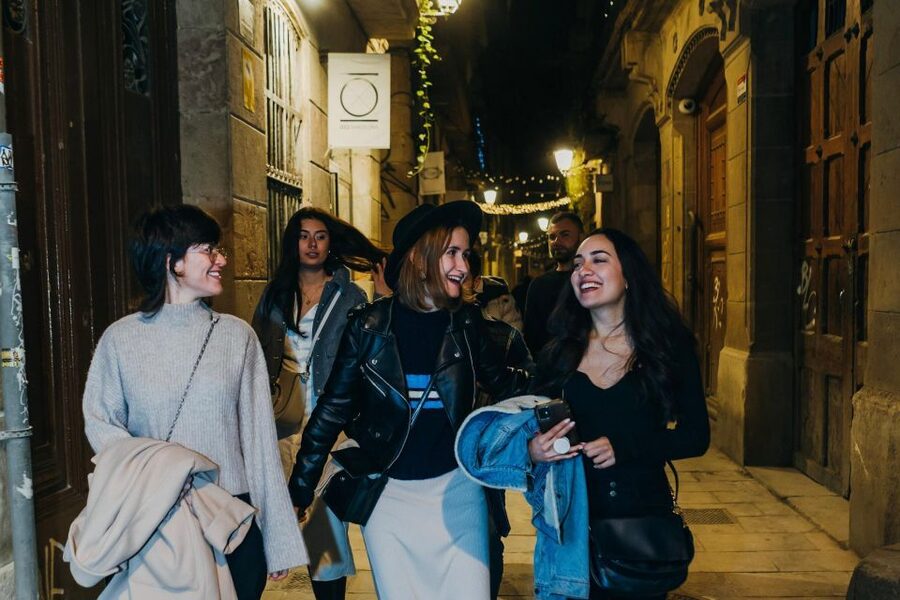
Bishop’s Bridge is one of the route’s most recognizable photo stops. Its ornate form crosses the lane near the cathedral and gives the Gothic Quarter one of its most memorable views.
It is also a good example of why you want context. A photograph shows the shape, but a guide can explain the story and place it within the surrounding buildings. The tour’s approach is conversational, with legends, anecdotes, and historical details rather than a nonstop list of facts.
Keep your expectations realistic. You will not have a private monument visit or a long pause at every corner. The value comes from seeing several connected sites in one walk and learning what to notice when you return alone.
The guides praised most strongly for this kind of work include Mariah, Lindsay, Sara, Petra, Tamara, and Vanessa. The emphasis is not only on facts. Their style is described as lively, funny, enthusiastic, friendly, and willing to make time for questions or photographs. That personality matters in a walking tour, especially in a crowded old quarter where a dry lecture can quickly lose you.
Same base, a different kind of day out:
- Barcelona: Sagrada Familia Entry Ticket with Audio Guide
★ 4.6 · 105,312 reviews - Barcelona: Park Güell Admission Ticket
★ 4.4 · 76,534 reviews - Barcelona: Casa Batlló Entry with Self-Audioguide Tour
★ 4.7 · 25,359 reviews - Barcelona: 24 or 48-Hour Hop-On Hop-Off Bus Tour
★ 4.4 · 20,872 reviews
Sant Felip Neri Square and the darker side of the city
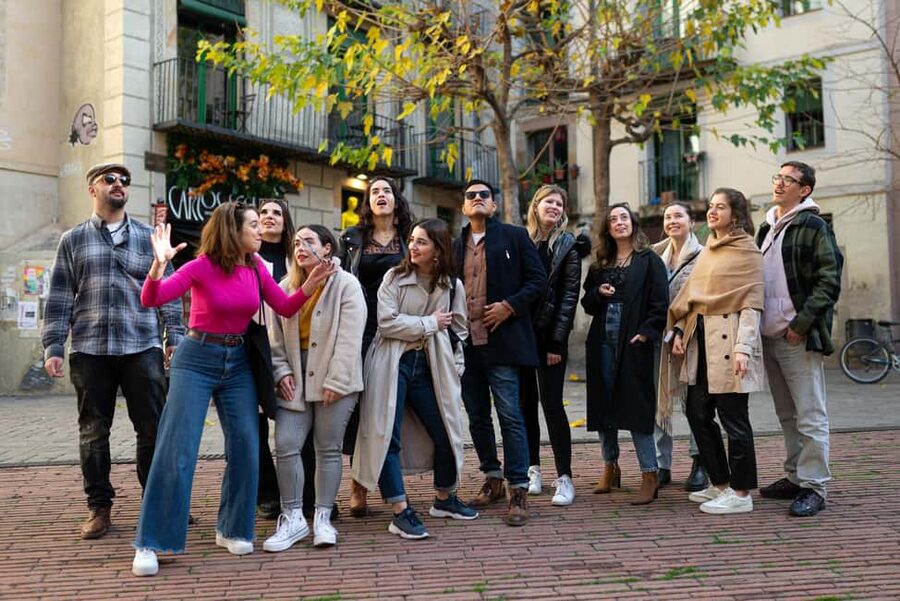
Plaça Sant Felip Neri brings a different tone. It is quieter and more reflective than the larger public squares, and the tour uses it to discuss Barcelona’s darker history. This is one of the most valuable parts of the route for anyone who wants more than pretty façades.
The square shows how Barcelona’s past is not all golden-age grandeur. Stories of conflict, loss, and memory give weight to the old stones. Your guide may also point out small architectural details that are easy to miss when you are moving quickly through the Gothic Quarter.
This stop can also affect the mood of the walk. The tour promises dark history along with cultural facts and legends, so it is not designed as a purely cheerful sightseeing stroll. If you prefer history with a serious edge, this adds depth. If you want only architecture and light entertainment, be prepared for a change in tone.
Plaça de l’Àngel and the move toward El Born
Plaça de l’Àngel marks the route’s shift toward the Born area. This is a useful change of scene. The tour starts with Roman and Gothic Barcelona, then shows how the city continues into another historic quarter with its own streets and atmosphere.
Several guides are praised for keeping the walk at a relaxed pace. That is important here because the best way to understand these districts is not to rush from one landmark to the next. Lindsay, in particular, is described as giving small stories behind buildings while keeping the walk comfortable. Tamara is also noted for a good pace, helpful answers, photo time, and bathroom breaks.
Those details tell you what to expect from the experience at its best. It is structured, but not rigid. You have a route and a time limit, yet the guide can still respond to questions and allow short pauses.
The supplied route ends at the Basilica of Santa Maria del Mar, one of Barcelona’s major Gothic churches. The basilica gives the walk a fitting finish, especially after moving through the Born district. Its presence helps you see how the old city’s religious, commercial, and civic areas fit together.
Because the practical notes also describe the activity as ending back at the meeting point, check the current end location when you reserve. That small detail can affect your next plan, especially if you have a timed meal, museum entry, or train connection.
Why the guide matters more than the route map
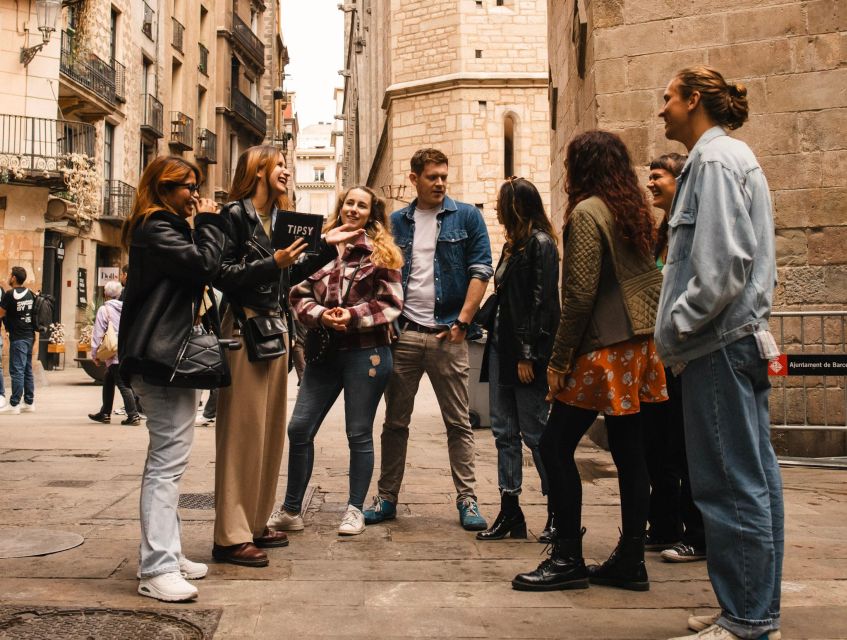
The listed stops are useful, but the guide is what turns them into a coherent experience. A map can lead you to the cathedral, Bishop’s Bridge, and Santa Maria del Mar. It cannot easily tell you which detail matters, how one site connects to the next, or why a quiet square deserves your attention.
This is where the strongest guide feedback points. Mariah is described as bringing comedy and energy while explaining architecture and history. Sara is praised for being personable and clear. Petra is noted for her friendly manner and ability to handle an awkward moment with locals. Tamara is described as considerate and informative, while Lindsay is praised for humor, facts, and a relaxed pace.
You should not assume you will receive a specific guide, but these names give you a sense of the guiding style. The tour is built around storytelling, not a formal academic presentation. You will hear legends, anecdotes, cultural facts, and historical explanations aimed at making Barcelona easier to understand.
The language is English. Private groups are available, which can be useful if you want more control over questions and pacing. The standard format is a shared walking experience, so the exact group size is not specified in the information provided.
Is $22 a fair price?
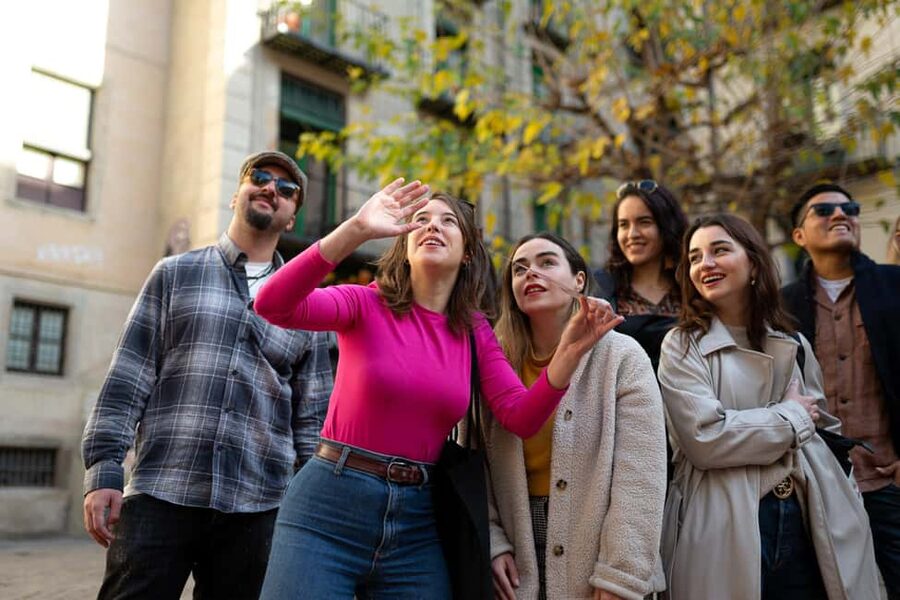
At $22 per person, I see this as a strong-value orientation walk. You are paying for two hours with a live English-speaking guide across one of Barcelona’s most historically packed areas. There are no food, drink, or admission costs included, but that also keeps the price straightforward.
The value is highest at the start of a Barcelona visit. You can use the walk to learn the basic shape of the Gothic Quarter and Born, then return to places that caught your interest. It can save you from wandering without context, especially in streets where several centuries sit close together.
The price is less attractive if you want detailed access to the interiors of major buildings. This is a walking tour, not a cathedral ticket or a museum visit. You receive an overview and interpretation, then explore the interiors separately if you choose.
The two-hour length is another part of the value. Longer city tours can become tiring, especially in narrow streets and warm weather. This one is short enough to combine with your own sightseeing. It also gives you a practical way to get oriented on your first morning or afternoon in Barcelona.
You can reserve now and pay later, and cancellation is free up to 24 hours before the activity for a full refund. Those terms help if your schedule is still shifting, but the main reason to book remains the guide-led context, not the booking policy.
Who will enjoy this Barcelona walk?
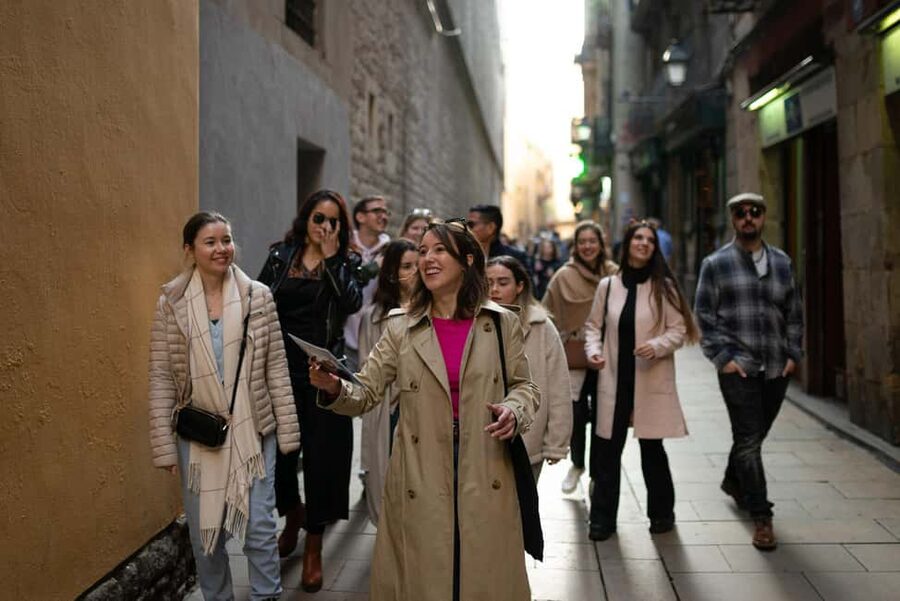
I would recommend it to first-time visitors who want a clear introduction to the oldest parts of the city. It also suits anyone who enjoys local stories, unusual details, and history presented in a relaxed way rather than through a formal lecture.
The route works well for couples, families with older children, and small groups looking for a manageable activity. The short stops and two-hour duration make it easier to fit around meals and other plans.
You may want something else if your priority is Gaudí’s modernist Barcelona. This walk focuses on the Gothic Quarter, Roman Barcino, and El Born. One useful approach is to pair it with a separate tour of the modernist parts of the city, giving you both sides of Barcelona’s identity.
I would also skip it if you dislike group walking or want to set your own pace at every sight. The route moves through public streets, and each stop is brief. You will get more from it if you are happy to listen, walk, ask questions, and return later to places you want to explore in depth.
Practical advice before you go
Wear comfortable shoes. The route covers historic streets and several districts, and even a two-hour walk feels longer in poor footwear.
Arrive at Plaça Nova, 40, and look for the large Barcino sculpture and yellow Carpe Diem Tours sign. Bring a camera, but do not let photographs replace the explanations at the smaller stops.
Try to keep your schedule flexible for a few minutes after the stated two hours. The published end details differ, and you may want time to orient yourself at Santa Maria del Mar or return toward the starting point.
The tour is in English. If you need a private group, that option is available. Check the current starting times when booking, since the exact departure depends on availability.
Should you book it?
Book this walk if you want a lively historical introduction to Barcelona for a fair price. The route gives you Roman beginnings, medieval architecture, cultural stories, darker episodes, and a look at both the Gothic Quarter and El Born without taking up an entire day.
I would especially choose it early in your visit, then use what you learn to plan return visits to the cathedral, Sant Felip Neri Square, Santa Maria del Mar, or any other stop that catches your eye. Skip it only if you need extensive interior touring or a Gaudí-focused experience. For a compact first look at old Barcelona, it is a practical choice.
FAQ
How long is the Barcelona walking tour?
The tour lasts two hours. Starting times depend on availability when you book.
Where does the tour begin?
The guide meets you at Plaça Nova, 40, in front of the large Barcino sculpture and the yellow Carpe Diem Tours sign.
What language is the tour in?
The tour is conducted in English with a live guide.
Which Barcelona sights are included?
The route includes Els Quatre Gats, the Kiss of Freedom, Barcelona Cathedral, La Casa de l’Ardiaca, Bishop’s Bridge, Plaça Sant Felip Neri, Plaça de l’Àngel, and the Basilica of Santa Maria del Mar.
Is food or drink included?
No. Food and drinks are not included in the tour price.
Can I cancel the booking?
Yes. You can cancel up to 24 hours in advance for a full refund. Reserve now and pay later is also available.
Just added in Barcelona
- Welcome to Barcelona: Private Tour with a Local★ 4.6 · 200 reviews
- Barcelona: White Rabbit Catalonia’s Top Immersive Experience★ 4.7 · 359 reviews
- Bean to Bar Chocolate Workshop in Barcelona★ 5.0 · 172 reviews
- Barcelona: Walking tour with Montjuic Castle & Cable Car★ 4.7 · 832 reviews
- Barcelona: Welcome to Barcelona Segway Tour★ 4.9 · 153 reviews
- Barcelona: Helicopter Flight with Optional Yacht Cruise★ 4.7 · 224 reviews
- Barcelona: The Original Barcelona Boat Party★ 3.9 · 254 reviews
- Barcelona Wine Tasting: Catalan and Spanish Wines★ 4.8 · 625 reviews
Walking Tours, compared.
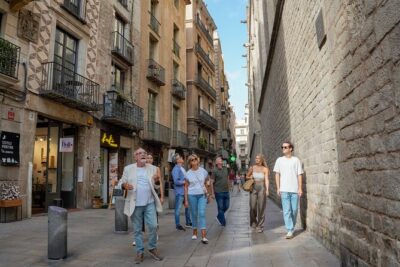
Barcelona Tapas and Wine Experience Small-Group Walking Tour
Read our review →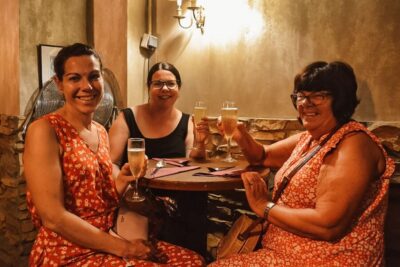
Tapas Walking Tour with Food, Wine, and History
Read our review →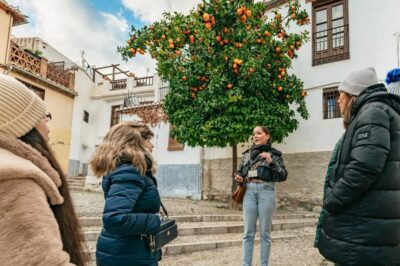
Albaicín and Sacromonte Guided Sunset Walking Tour
Read our review →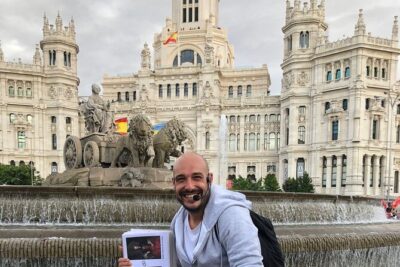
Madrid Old Town & Royal Palace Walking Tour Skip the Line Ticket
Read our review →

Gothic Quarter Ghosts and Legends Walking Tour
Read our review →
Spanish Inquisition and Legends Evening Walking Tour
Read our review →Browse the lists this tour appears in