
Reviewed · WALKING TOURS
The Spanish Civil War & Franco Barcelona Walking Tour
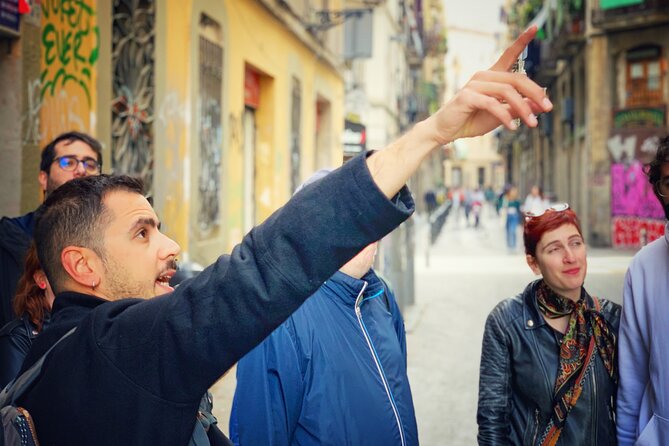
Barcelona’s Civil War story is not laid out like a tidy museum exhibit. It survives in damaged stone, old streets, political symbols, and stories that were silenced or softened for years. This 2.5-hour walking tour gives you a way to read those clues while moving through the Old Town.
I like two things here: the guide connects political events to the exact streets where they unfolded, and historic photographs help you compare today’s Barcelona with the city under bombardment and dictatorship. The main drawback is that this is a serious, walking-heavy history tour, not a gentle stroll with constant monuments and plaques.
Key points to know before you book
- Barcelona’s Civil War story is told on the ground: Plaça de Catalunya, La Rambla, Santa Maria del Pi, and Plaça Sant Felip Neri each reveal a different part of the conflict.
- The political background gets real attention: You learn about the Republican factions, anarcho-syndicalism, the working class, Franco, and the forces that led to war.
- Guides make or break the experience: Henrieta, Filipa, Chrysa, Evan, Yannis, Onno, and Evangelos have all led highly praised departures, though guide style can vary.
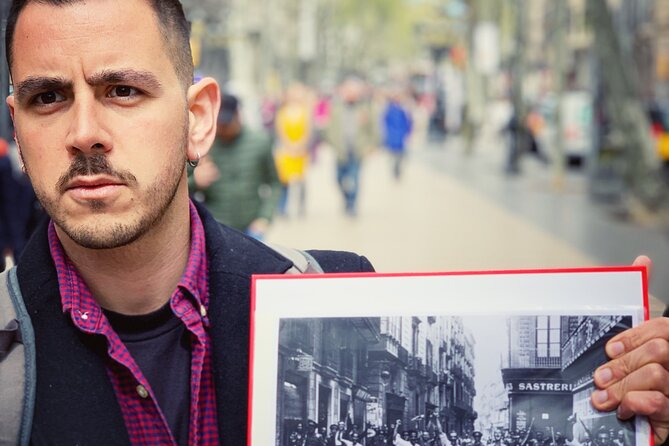
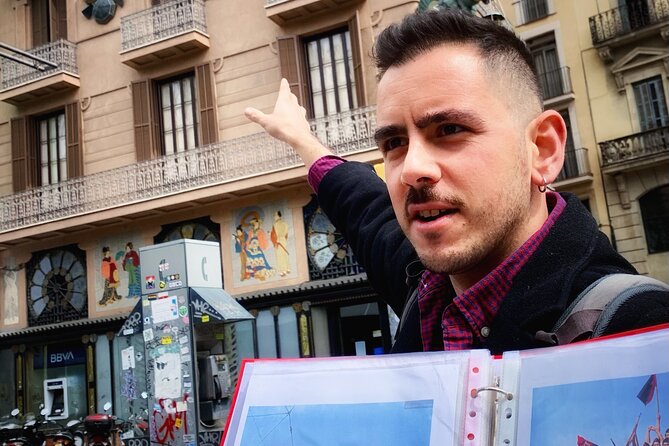
- Historic images add useful context: The guide uses photographs and posters to show damage and explain places that may look ordinary today.
- Bring comfortable shoes and focus: One past participant found the storytelling hard to follow, so headphones, note-taking, and questions can help.
- The price is fair for a specialist tour: At $47.16 per person, you are paying for focused instruction, local context, and two and a half hours with a small group of up to 25 people.
Why this Barcelona tour is different
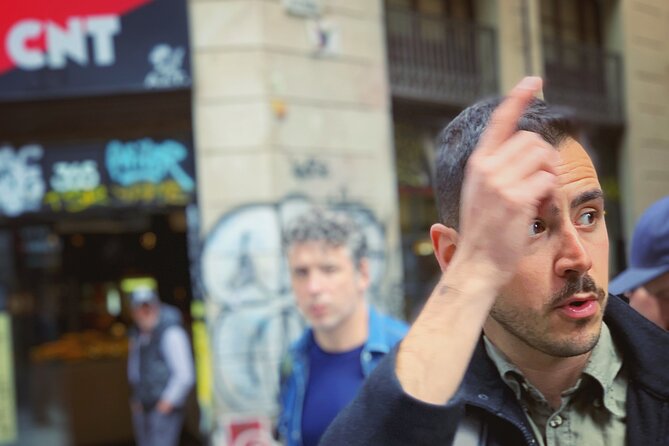
Most Barcelona walking tours concentrate on Gaudí, medieval lanes, Roman remains, food, or the broad sweep of Catalan culture. This one takes a narrower route through the city’s political and social trauma.
You will not simply hear that the Spanish Civil War happened. You will learn how competing Republican groups, anarchists, workers, nationalists, and Franco’s forces shaped daily life in Barcelona. The tour also looks at the years after the war, when Franco’s dictatorship affected language, identity, public memory, and political expression.
That focus matters because Barcelona can sometimes feel like a city of grand architecture and easy pleasures. This walk adds a harder layer. A crowded shopping street or handsome church may also be tied to street fighting, air raids, political meetings, repression, or the long silence that followed.
The best guides make complicated material understandable without pretending it was simple. Evan, for example, was praised for taking time with the political details and explaining the rival groups clearly. Yannis was described as a strong teacher who connected the past with everyday life. Chrysa and Filipa were especially valued for their energy, clarity, and thoughtful handling of a painful subject.
A few more things to do in Barcelona worth a look
- Barcelona Tapas and Wine Experience Small-Group Walking Tour
★ 5.0 · 5,804 reviews - Barcelona: Tapas Walking Tour with Food, Wine, and History
★ 4.8 · 4,261 reviews - Barcelona Tapas Walking Tour: Food, Wine & History
★ 4.5 · 1,928 reviews
Starting at Plaça de Catalunya
The tour begins near Foot Locker at Plaça de Catalunya. This is a practical meeting point in the center, close to public transportation and easy to combine with other sightseeing.
The square is more than a place to get your bearings. During the Civil War, it was an important public space where politics, conflict, and mass activity came together. Beginning here lets the guide set out the basic story before the route moves into narrower streets.
That opening context is important. The Spanish Civil War involved several factions with changing alliances and different goals. If you arrive knowing little about the conflict, the first explanations can feel dense. Pay attention to the basic cast of political groups and ask questions early. Once you understand who was fighting whom, the later stops become much easier to follow.
The stop lasts about 10 minutes. Do not expect a long visit or an admission-controlled attraction. The value comes from the explanation and the location itself.
Reading La Rambla beyond the cafés
From Plaça de Catalunya, the route continues toward La Rambla. Today, you may think of it as Barcelona’s famous pedestrian avenue, lined with shops, restaurants, street performers, and heavy foot traffic. The tour asks you to picture a very different public space.
Several Civil War-related sites are connected to this stretch. La Rambla helps explain how political life, working-class movements, and conflict occupied the center of Barcelona. The guide uses the street to discuss the city’s anarcho-syndicalist period and the role of workers in the political struggle.
This is one of the tour’s useful habits: it does not separate grand national events from ordinary city life. You get a sense of how people who lived and worked in Barcelona experienced the period, rather than hearing only about military leaders and government decisions.
The La Rambla stop is also brief, about 10 minutes. You will likely be surrounded by noise and crowds, so stay close to the guide and use the radio headset if supplied. The €1 headset charge is paid at the meeting point to an outside provider. It is a small extra cost, but it can make a real difference on a busy street.
The Antic Hospital de la Santa Creu
The Antic Hospital de la Santa Creu adds a different kind of setting. This former hospital dates to the 15th century, giving the walk a medieval and early modern backdrop before the conversation turns fully toward the 20th century.
The building helps show how Barcelona’s older spaces were caught up in modern political violence. The stop lasts around five minutes, so the guide’s talk is likely to focus on the connection between the place and the Civil War rather than on a full architectural tour.
I like this kind of contrast. You are not walking through a purpose-built war museum. You are passing through a working part of the historic center where layers of city life sit close together. The experience asks you to look twice at buildings you might otherwise photograph and pass by.
Because the tour covers a lot in a short time, the guide may move quickly between dates, groups, and events. If you have a strong interest in architecture, do not expect detailed coverage of the hospital’s entire history. Its role here is to anchor the political story in a real Barcelona setting.
Same base, a different kind of day out:
- Barcelona: Sagrada Familia Entry Ticket with Audio Guide
★ 4.6 · 105,312 reviews - Barcelona: Park Güell Admission Ticket
★ 4.4 · 76,534 reviews - Barcelona: Casa Batlló Entry with Self-Audioguide Tour
★ 4.7 · 25,359 reviews - Barcelona: 24 or 48-Hour Hop-On Hop-Off Bus Tour
★ 4.4 · 20,872 reviews
Santa Maria del Pi and the stories behind old churches
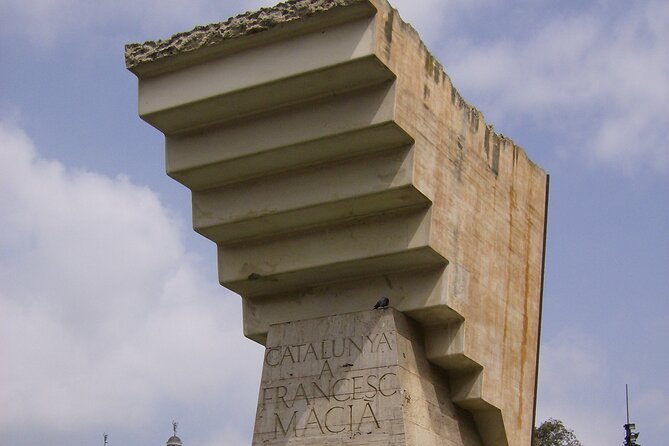
The Basilica de Santa Maria del Pi is another short stop, lasting about five minutes. The church has a Civil War connection that is not obvious from its exterior, which makes it a good example of the tour’s approach.
You will hear how a familiar religious building fits into the conflict and the wider struggle over political power, class, religion, and identity. Admission to the basilica is not included, so the walking tour does not function as an interior church visit.
That distinction is worth noting. You are paying for the guide’s interpretation of the site, not for entry to every building along the route. If you want to see the inside, you should treat that as a separate plan and confirm opening arrangements for your visit.
This stop also helps explain why the tour can be rewarding for people who already know a little about the Spanish Civil War. The guide is not only reciting a timeline. The aim is to connect the conflict with streets, institutions, and places that still shape the way Barcelona presents itself.
Plaça Sant Felip Neri’s painful beauty
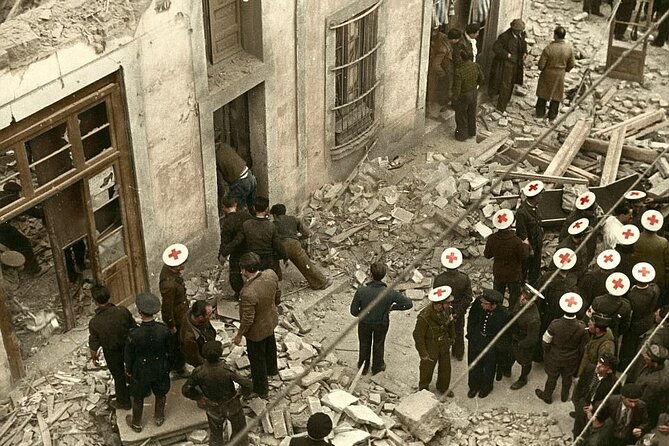
Plaça Sant Felip Neri is likely to be the most emotionally powerful stop. It is a small, atmospheric square with a peaceful appearance, yet its walls carry visible scars connected to the destruction of the Civil War.
The contrast is hard to miss. The square can feel quiet and almost hidden from the city’s louder routes, while the damage makes the violence tangible. Historic photographs help bring the scene into focus and show what the surrounding area endured.
This is not a stop for quick sightseeing. The guide uses the square to discuss destruction, memory, and the human cost of the conflict. The visit is listed at about five minutes, but the subject may prompt questions and a longer conversation depending on the group.
Plaça Sant Felip Neri also captures the strength and limitation of this kind of walking tour. You see traces and scars, but not every event has a surviving plaque or monument. One person found the lack of visible markers challenging. The guide must fill in gaps with photographs, maps, and explanation, and the quality of that explanation matters greatly.
How the guides handle a difficult subject
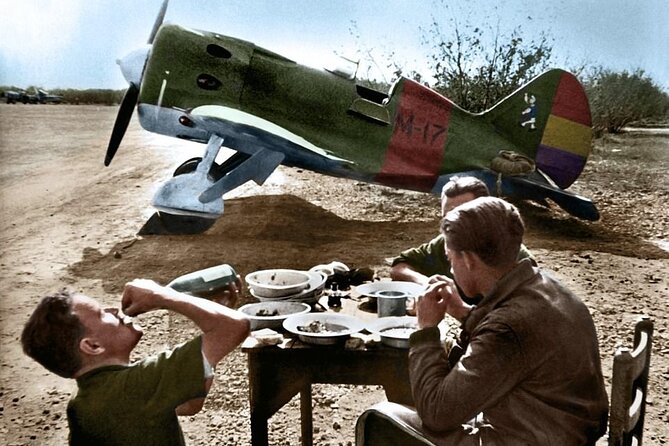
The strongest praise for this experience centers on the guides’ ability to explain a tangled period without losing the human story. Henrieta was singled out for detailed coverage of both sides of the war, including the different Republican factions and the period from 1936 through late 1938. Filipa was praised for clear storytelling and for placing the war within the wider social and political currents of 20th-century Spain.
Chrysa brought an archaeological background and a thoughtful approach to sensitive subjects. Evan was appreciated for his wit, patience, and ability to make complicated political relationships clear. Yannis was valued for answering questions and adjusting the pace, while Onno was willing to change the route discussion when the group wanted more detail.
These names do not guarantee who will lead your departure. The guide is assigned by the operator, Nostos Tours, and the style may differ from one day to another. That is the main point to keep in mind when you see both glowing and critical reactions to the experience.
One negative assessment described the presentation as messy and difficult to follow, with people introduced before their roles had been explained. That criticism is useful. This subject contains many organizations, leaders, ideologies, and shifting alliances. A clear guide will define each group and return to the main timeline. A less organized explanation can leave you lost.
You can help yourself by asking for a quick timeline at the start, especially if you have no prior background. The tour welcomes questions, and several guides have been praised for making room for them.
What you learn about working-class Barcelona
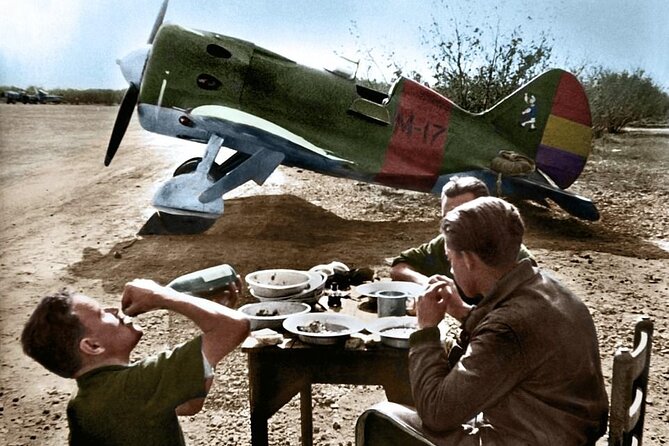
The tour gives unusual attention to Barcelona’s working-class history and anarcho-syndicalist period. This is one of its strongest features because it moves beyond the usual account of generals, battles, and national politics.
You learn how workers and political movements shaped the city’s public life. The guide places local struggles beside the larger conflict, helping you understand why Barcelona became such an important setting during the war.
This part may be especially useful if you have already seen the main tourist sights. You will encounter a Barcelona shaped not only by wealthy patrons and celebrated architects, but also by labor, political organizing, class conflict, and social ideals.
The walk also covers Franco’s dictatorship. That section helps connect the war to the decades that followed. You are not left with the impression that the conflict ended when the fighting stopped. The guide explains how the dictatorship and the choice to suppress or avoid parts of the past continued to affect Spanish identity.
Is $47.16 a fair price?
At $47.16 per person, this is not the cheapest way to spend two and a half hours in Barcelona. You can walk through the same streets for free. The point is that you are paying for interpretation, structure, historic images, and access to a specialist subject that is difficult to understand from casual sightseeing.
For me, the value is good if you care about modern Spanish history or want more than a standard city introduction. The group size is capped at 25, which is large enough for varied questions but small enough for a guide to keep the group together. Group discounts may improve the price for people booking together.
The value drops if you want a relaxed stroll, a broad introduction to Barcelona, or lots of time inside buildings. Several stops are only five or 10 minutes, and the route depends on standing and walking through busy streets. Add the €1 radio headset fee, and remember that entry to Santa Maria del Pi is not included.
Who should take this walk?
I would recommend it to you if:
- You want to understand Barcelona’s political identity.
- You enjoy modern European history and can handle difficult subject matter.
- You have already seen the main architectural sights and want a different city story.
- You are willing to listen closely and ask questions.
- You want a local guide to connect surviving places with historic photographs.
- You are comfortable walking for two and a half hours in city conditions.
I would think twice if you prefer light sightseeing, dislike political history, or want a tour built around interiors and formal monuments. The topic is demanding, and the streets do not always provide obvious signs of what happened. Your experience depends heavily on the guide’s organization and your willingness to concentrate.
Wear comfortable shoes. The walking is not extreme for a city tour, but it is enough that poor footwear can spoil the afternoon. On noisy stretches of La Rambla, the headset should help you hear, and it is worth staying near the group.
Booking, weather, and cancellation details
Confirmation is provided when you book. The activity is offered in English, allows service animals, operates near public transportation, and is suitable for most people. It requires good weather and a minimum number of participants. If poor weather or low enrollment cancels the tour, you can choose another date or receive a full refund.
You can cancel for a full refund up to 24 hours before the start time. Changes or cancellations made within 24 hours are not accepted for a refund.
Should you book it?
Book this tour if you want Barcelona to make more sense beyond its churches, markets, and famous architecture. The route is short enough to fit into a sightseeing day, yet focused enough to give you a serious introduction to the Civil War, the working class, anarcho-syndicalism, and Franco’s years.
I would place it early in a Barcelona visit. The walk may change how you read the Old Town for the rest of your stay. Just arrive ready to listen, wear good shoes, and remember that the guide matters. With a strong presenter such as Henrieta, Filipa, Chrysa, Evan, or Yannis, the city’s quiet scars can become a clear and lasting lesson.
FAQ
How long is The Spanish Civil War & Franco Barcelona Walking Tour?
The tour lasts approximately two hours and 30 minutes.
How much does the tour cost?
The listed price is $47.16 per person. Group discounts may be available.
What language is the tour offered in?
The tour is offered in English.
Where does the tour start?
It starts at Foot Locker, Plaça de Catalunya, 20, Ciutat Vella, Barcelona.
Is the radio headset included?
No. A guide radio headset costs €1 per person and is paid at the meeting point to an external provider.
What happens if the tour is canceled?
If poor weather or failure to reach the minimum number of participants causes cancellation, you can choose another date or experience, or receive a full refund. For your own cancellation, you must cancel at least 24 hours before the start time to receive a full refund.
Just added in Barcelona
- E-Bike tour in Barcelona with English Guide★ 5.0 · 128 reviews
- Barcelona Luxury Yacht Cruise – Day or Sunset, Open Bar & Snacks★ 5.0 · 154 reviews
- Barcelona: Wine Tasting and 5 Course Tapas Pairing Dinner★ 4.5 · 129 reviews
- Barcelona Gothic Quarter Walking Tour with Tapas★ 5.0 · 248 reviews
- Andorra Original History and Sightseeing Tour (Private, Pickup)★ 5.0 · 350 reviews
- Wine Tasting Experience in Barcelona★ 5.0 · 172 reviews
- Entrance to the Mirador Torre Glories Barcelona★ 4.5 · 193 reviews
- Barcelona Wax Museum Admission Ticket★ 4.5 · 237 reviews
Walking Tours, compared.
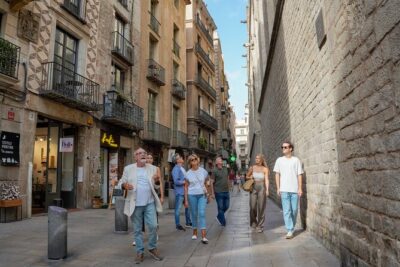
Barcelona Tapas and Wine Experience Small-Group Walking Tour
Read our review →
Tapas Walking Tour with Food, Wine, and History
Read our review →
Albaicín and Sacromonte Guided Sunset Walking Tour
Read our review →
Madrid Old Town & Royal Palace Walking Tour Skip the Line Ticket
Read our review →

Gothic Quarter Ghosts and Legends Walking Tour
Read our review →
Spanish Inquisition and Legends Evening Walking Tour
Read our review →Browse the lists this tour appears in