
Reviewed · TOURS IN TENERIFE
Santa Cruz de Tenerife Palmetum Entry Ticket
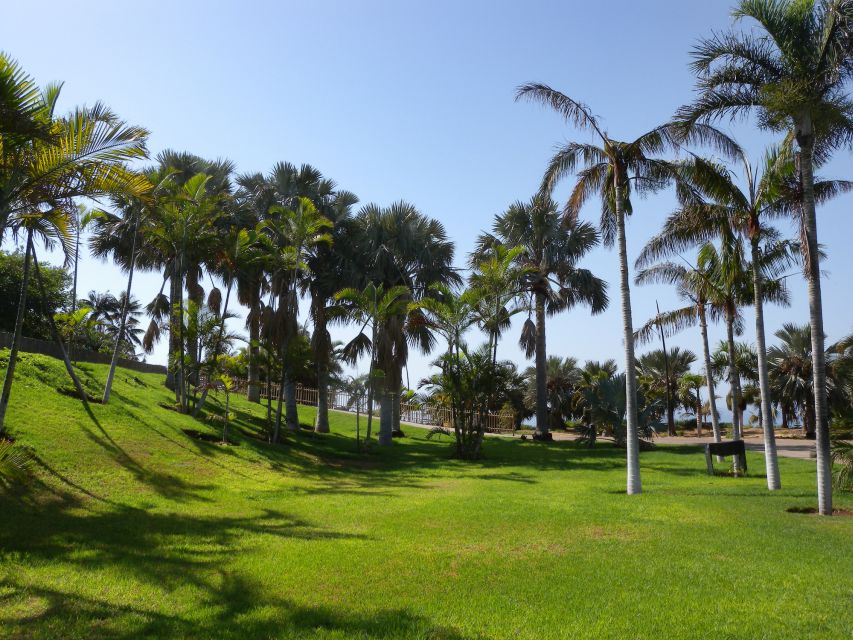
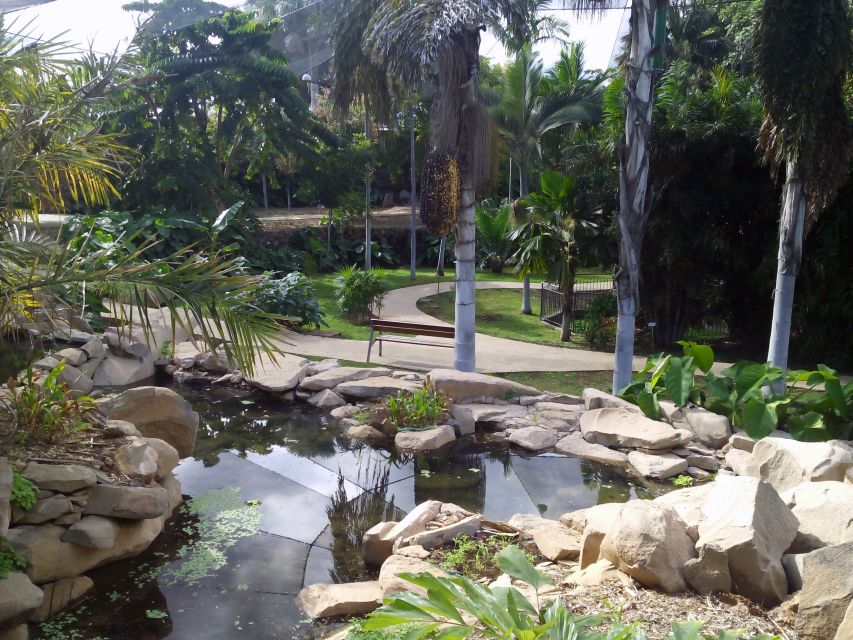
Santa Cruz de Tenerife’s Palmetum is a remarkable bit of urban recycling: a 12-hectare rubbish dump rebuilt as a botanical garden filled with palms from Madagascar, the Caribbean, Polynesia, and other island regions. You enter near the city, then walk through a surprisingly quiet plant-filled park with ocean views below.
I especially like the huge international palm collection and the way the garden gives you both close-up plant detail and wide views over Santa Cruz. The two lakes, stream, waterfalls, volcanic rocks, birds, and seating areas add variety. The main caution is comfort: the park is built on a former landfill mound, and one visitor using two walking sticks found the visit difficult.
Key points to know before you go
- More than 600 palm species: The collection is arranged by geographical origin, with strong representation from tropical island regions.
- A former landfill with a new purpose: Years of garden work turned a municipal rubbish dump into a public botanical park.
- Views over the sea and city: Several seating areas face the ocean, making this more than a plant collection.
- A self-guided visit: You can explore at your own pace rather than follow a fixed tour schedule.
- Useful facilities: A small coffee area or mobile snack bar, benches, two lakes, streams, and waterfalls help break up the walk.
- Good value for a low-cost outing: The $7 entry price makes sense if you want a relaxed half-day or full-day stop in Santa Cruz.
From rubbish dump to botanical garden
The Palmetum is interesting before you identify a single palm. The site began as a municipal rubbish dump, then underwent years of major reconstruction and planting. What you see today is not a naturally formed park. It is a carefully reshaped garden that uses the old mound as a high point above the city.
That history gives the visit more meaning. You are not simply walking through an established garden that has always been there. You are seeing what can happen when an unpleasant urban site is given a long-term public use.
I like the contrast between the city setting and the feeling inside the garden. The Palmetum is close to the cruise port and within the town, but the trees and planting can make the city feel distant once you are among the paths. It is a good change of pace after shops, streets, or a busy port area.
The project also has an international side. Plant material came through partnerships with institutions around the world, and the garden gives special attention to island territories. That focus explains why Madagascar, the Caribbean, and Polynesia receive such strong representation.
A few more things to do in Tenerife worth a look
- Siam Park Entry Tickets
★ 4.5 · 15,710 reviews - Tenerife: Loro Parque Entry Ticket
★ 4.8 · 12,411 reviews - Loro Parque and Siam Park Combined Admission Tickets
★ 4.7 · 7,307 reviews
Starting at the entrance and finding your route
Your visit begins at the entrance of the Palmetum. The ticket is valid for one day, so you do not need to rush through the site. You can treat it as a focused botanical visit or a longer break with plenty of time for sitting, photography, and bird spotting.
There is no fixed route described for the experience, and that is part of its appeal. You can wander between the different planted areas and stop when a palm, flower, view, or shaded corner catches your eye. If you prefer structure, use the geographical arrangement as your guide and look for the areas linked to different island regions.
A lift takes you up to the beginning of the walking route, according to one detailed visit. That helps with access to the upper part of the park, though the garden still involves walking around the site. The official information lists the Palmetum as wheelchair accessible, but the terrain and distance may still matter if you have limited mobility.
If you use walking sticks or tire easily, take the visit slowly. One visitor found the experience difficult with two sticks. That does not mean the garden is unsuitable for everyone with mobility concerns, but it is a reason to ask about the current route and allow extra time.
The palm collection is the main event

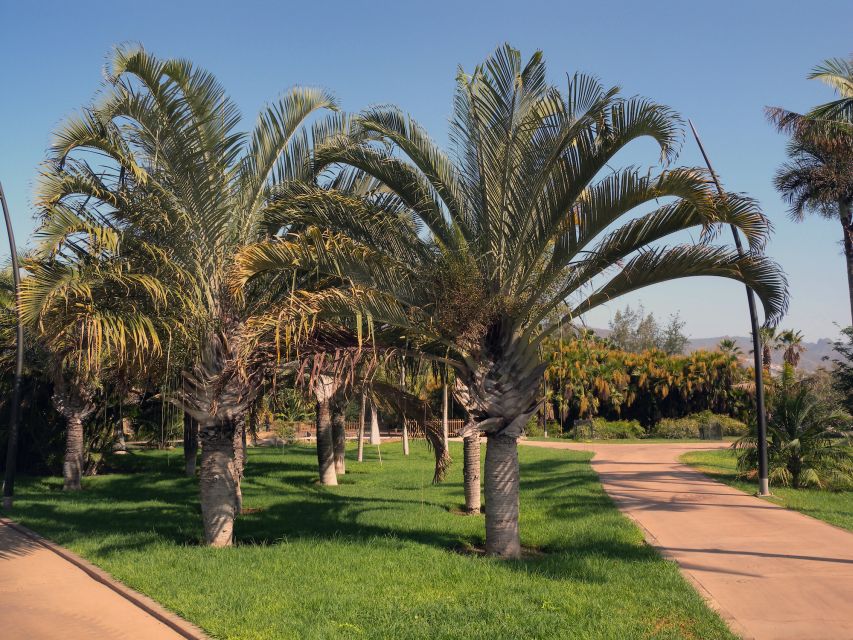
The Palmetum specializes in palms, and the scale of the collection is its strongest feature. More than 600 palm species are spread through the park, making this one of Europe’s largest palm collections and the largest botanical collection focused on tropical island palms from around the world.
You will see the plants grouped according to geographical origin rather than placed as a random display. That arrangement gives the garden a basic story. The same plant family can look completely different depending on the island climate and region it comes from, and the setting helps you notice those differences.
The collection forms the heart of the visit, but it is not the only plant interest. About 3,000 species from tropical and subtropical climates are represented. Expect trees, flowers, and other plants around the palm areas, with enough variety to keep the walk from becoming repetitive.
Plant labels and information boards help explain the species. Some signs have become worn and would benefit from replacement, so do not expect every label to be perfect. Still, the information is useful if you enjoy knowing what you are looking at rather than simply taking photographs.
For keen gardeners, this is the strongest reason to buy entry. For everyone else, the palm collection works as a visual experience. Tall trunks, broad fronds, unusual forms, and varied planting create plenty of good stopping points without requiring specialist knowledge.
Lakes, stream, waterfalls, and volcanic rock
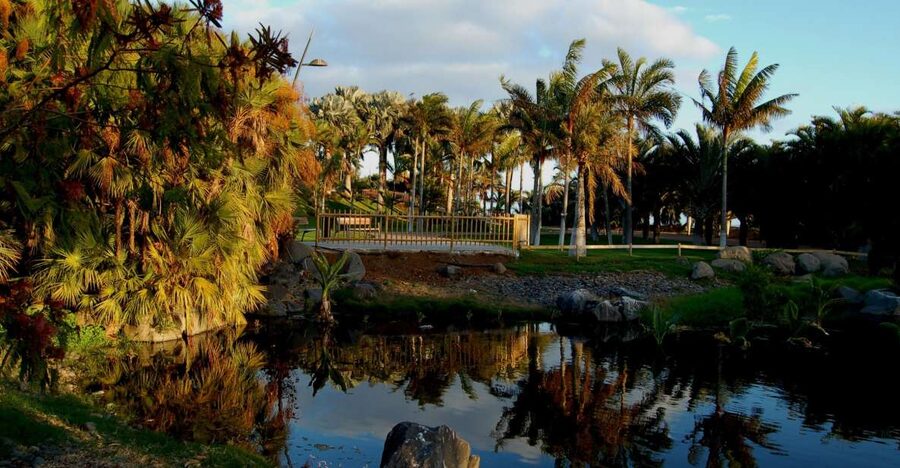
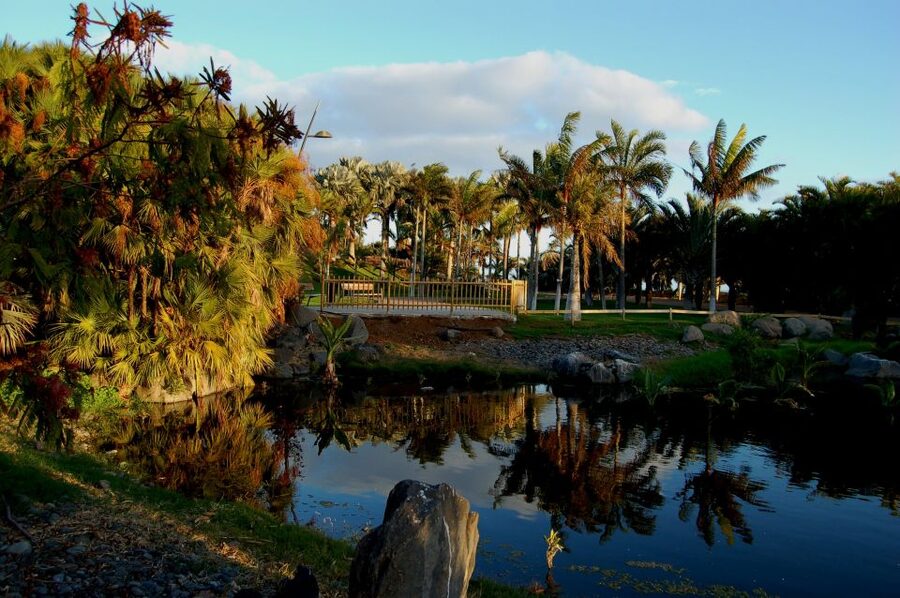
The garden is designed as more than a collection of planted beds. Two lakes, a stream, and three waterfalls add sound and movement. Large volcanic rocks help shape the garden’s character and remind you that Tenerife is a volcanic island.
These water features also create useful pauses. A long walk through a botanical garden can blur together, but a lake or waterfall gives you a clear place to stop. Benches near the water are handy if you want to rest, watch birds, or simply look back at the plants.
The condition of the ponds may vary. One visit found some of them dirty, so do not expect every water feature to look perfectly polished at all times. Garden maintenance is ongoing, and the park is large. The planting and paths can still be enjoyable even if a pond is less attractive on the day you visit.
Birdwatching is another pleasant bonus. A kestrel was seen hunting, and hoopoes were spotted at close range during one visit. You should not arrive expecting a formal birding program, but the open garden and water features give you a fair chance to notice bird life while walking.
Same base, a different kind of day out:
- Tenerife: Eco-Yacht Whale and Dolphin Watching and Swimming
★ 4.7 · 15,619 reviews - Los Cristianos Respectful No-Chase Whale and Dolphin Safari
★ 4.6 · 12,782 reviews - Tenerife: Kayak and Snorkel with Turtles, Wetsuits Included
★ 4.6 · 7,215 reviews - Costa Adeje: Whale & Dolphin Eco-Cruise with Snacks & Drinks
★ 4.6 · 5,096 reviews
Ocean views from the upper garden
The Palmetum’s position on the old landfill mound gives it a useful height advantage. From several points, you can look over the sea and Santa Cruz below. The views are especially effective because they combine the city, palms, pine trees, and open water in one frame.
I would save time for the seating areas that face the ocean. The view is not just a quick photo stop. It is one of the best places to slow down and let the garden do its work. You can watch the sea change from shallow to deeper water and see how the urban setting meets the coast.
Bring a camera, but do not spend the entire visit looking through it. The garden has enough unusual plants for close-up photographs, while the higher viewpoints provide the wider images. The mix makes this a good stop for anyone who wants something more varied than a standard city park.
The views also give the Palmetum value beyond its plant collection. Even if you are not deeply interested in palms, the combination of garden paths and ocean outlooks makes the entry price easier to justify.
A relaxed stop near the cruise port
The Palmetum is within walking distance of the cruise port. One detailed visit took about 30 minutes from the ship along a pleasant pathway. That makes the garden especially practical for a port day, assuming you are comfortable with the walk and have enough time before returning to the ship.
You will need to arrange your own transport because hotel pickup and drop-off are not included. The experience is simply entry to the park. If you are staying in Santa Cruz, the central location makes it easy to pair with other city sightseeing, although the exact walking time will depend on where you begin.
The park can be quiet in the morning and busier later in the day. An early visit may suit you if you want cooler conditions, calmer paths, and a better chance of enjoying the viewpoints without a crowd. The ticket remains valid for one day, so you have flexibility rather than a short timed slot.
Plan on at least a couple of hours if you want to see the major areas without rushing. You can spend longer if you stop at the lakes, read plant information, take photographs, and use the benches. One visitor expected a shorter visit but stayed much longer, which is a useful warning for cruise passengers: keep an eye on the time.
Food, seating, and what to bring
Food and drinks are not included in the ticket. A small coffee area or mobile snack bar is available near a pond, with seating nearby, but it should not be treated as a full restaurant. If you need a proper meal, plan to eat before or after the visit in the city.
The benches are one of the park’s practical strengths. You will find places to sit near the water and at viewpoints over the sea. That matters because the garden is spread across a sizeable site and is better enjoyed at a steady pace than as a quick march from entrance to exit.
Wear comfortable shoes and bring water, especially if you plan to stay for several hours. The supplied information does not give a detailed surface-by-surface route description, so anyone with mobility concerns should check current access conditions before booking.
The rules are strict but sensible for a botanical garden. Smoking, drones, pets other than assistance dogs, bikes, scooters, skateboards, skates, alcohol, drugs, feeding animals, littering, and fires are not allowed. Party groups, including bachelor and bachelorette groups, are also prohibited.
How much value do you get for $7?
At $7 per person, the Palmetum is an easy place to recommend on price. You are paying for access to a large botanical garden, a collection of about 3,000 plant species, more than 600 palm species, water features, viewpoints, and seating. That is a strong return for a low-cost day out.
The value is best if you enjoy gardens, photography, quiet walking, or unusual urban projects. It is also useful for families who need an affordable break, although the amount of walking may matter for younger children or anyone who cannot manage uneven or uphill routes comfortably.
The price is less compelling if you want a guided botanical lesson, a full restaurant, or a tightly organized tour with transport included. This is primarily a self-guided visit. Spanish and English support is available from the host or greeter, but the experience does not promise a named guide or a formal guided walk.
You can also book now and pay later, and cancellation is free up to 24 hours before the visit. The practical benefit is flexibility, especially if your port schedule or weather plans are uncertain.
Who will enjoy the Palmetum most?
I would choose this experience for a plant lover who wants a major palm collection without committing to an expensive excursion. Gardeners will find the geographical arrangement and range of species rewarding, even if some labels need attention.
It also suits photographers. You get close-up plant subjects, volcanic rock, waterfalls, lakes, tall palms, city views, and ocean outlooks in one place. The benches and quiet corners make it easy to wait for better light or simply take a break.
Families may appreciate the low price and open-air setting. The garden offers a welcome change from a crowded city day, and one visitor found it a good low-cost family outing. Parents should remember that it is a botanical garden rather than a playground, and the walking route may require patience.
Cruise passengers are another good fit because of the port location and the possibility of walking there in about 30 minutes. Leave a generous buffer before ship departure, since the park can take longer than expected.
I would think twice if you have serious walking limitations and have not checked the current route. The attraction is listed as wheelchair accessible, but one person using two walking sticks found it hard going. Accessibility on paper and personal comfort are not always the same thing.
Should you book the Palmetum?
Book it if you want a low-cost, independent visit with one of Europe’s largest palm collections, good city and ocean views, and a meaningful environmental story. The transformation from rubbish dump to botanical garden gives the place more character than a standard public park.
Allow at least a few hours, especially if you want the lakes, waterfalls, viewpoints, plant labels, and rest areas. Go early if you prefer a quieter visit, and bring water because food service is limited.
Skip it if you want a guided tour, included transport, or a polished attraction where every sign and pond is perfectly maintained. For most people who enjoy plants, photography, or a calm break near the cruise port, $7 is a sensible spend.
FAQ
Where is the Palmetum located?
The Palmetum is in Santa Cruz de Tenerife in the Canary Islands, Spain. The entrance is at the Palmetum park, and it is within walking distance of the cruise port.
How much does entry cost?
The listed price is $7 per person. Food, drinks, hotel pickup, and hotel drop-off are not included.
How long is the ticket valid?
The ticket is valid for one day. Check availability for the current starting times.
Is the Palmetum wheelchair accessible?
Yes, the activity is listed as wheelchair accessible. However, the garden is built on a former landfill mound, and one visitor using two walking sticks found the visit difficult. Check current route conditions if mobility is a concern.
Are food and drinks included?
No. A small coffee area or mobile snack bar may be available in the park, but food and drinks are not included with admission.
Can I cancel or pay later?
You can cancel up to 24 hours in advance for a full refund. A reserve now and pay later option is also available.
Just added in Tenerife
- Las Galletas: Whale & Dolphin Tour with Local Skipper★ 4.8 · 397 reviews
- Tenerife: Surfing Lesson for All Levels, Photos included★ 4.9 · 861 reviews
- Tenerife: Loro Parque & Siam Park Entry Ticket with Transfer★ 4.6 · 732 reviews
- Tenerife: Sunset Night Tour and Stargazing at Teide + Dinner★ 3.8 · 316 reviews
- Tenerife: Teide, Icod de los Vinos & Garachico Full Day Tour★ 4.3 · 602 reviews
- Tenerife: Sunset Catamaran Tour with Transfer, Buff & Drinks★ 4.8 · 570 reviews
- Tenerife: Half-Day Snorkeling Tour★ 4.6 · 154 reviews
- Tenerife: Snorkeling Tour in a Marine Protected Area★ 4.9 · 636 reviews
Tours in Tenerife, compared.

Los Cristianos Respectful No-Chase Whale and Dolphin Safari
Read our review →
Loro Parque and Siam Park Combined Admission Tickets
Read our review →
Kayak and Snorkel with Turtles, Wetsuits Included
Read our review →
Mount Teide Tour with Cable Car Ticket & Transfer
Read our review →
Dolphin & Whale Watching Cruise with Swim Stop
Read our review →

Whale & Dolphin Watching with Drinks and Snacks
Read our review →Browse the lists this tour appears in