
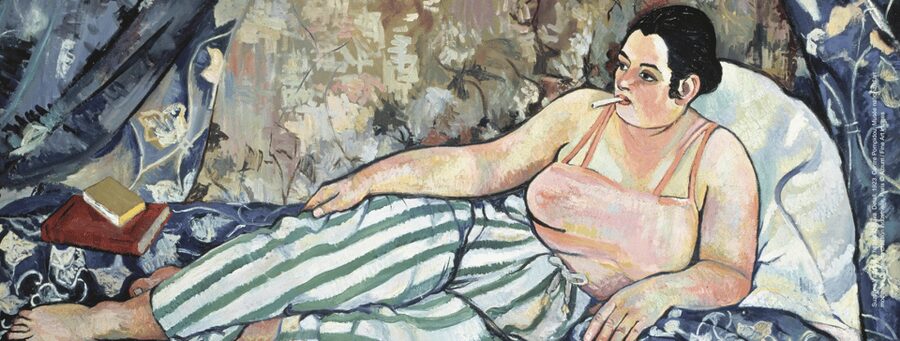
Reviewed · TOURS IN BARCELONA
Barcelona: Museu Nacional d’Art de Catalunya Entrance Ticket
The most remarkable part of the Museu Nacional d’Art de Catalunya is its collection of Romanesque mural paintings, rescued from old churches and displayed in settings that help you understand how they once looked. The museum also gives you Catalan Modernism, Renaissance and Baroque painting, photography, and a grand setting high above Barcelona.
I like the way the Palau Nacional makes the visit feel larger than a normal gallery stop. I also like the freedom of a one-day ticket with no fixed tour group, plus an audio guide app in nine languages. The main drawback is that the visit can be surprisingly long, and the rooftop and terraces are currently closed because of health and safety regulations.
Key points to know before you go
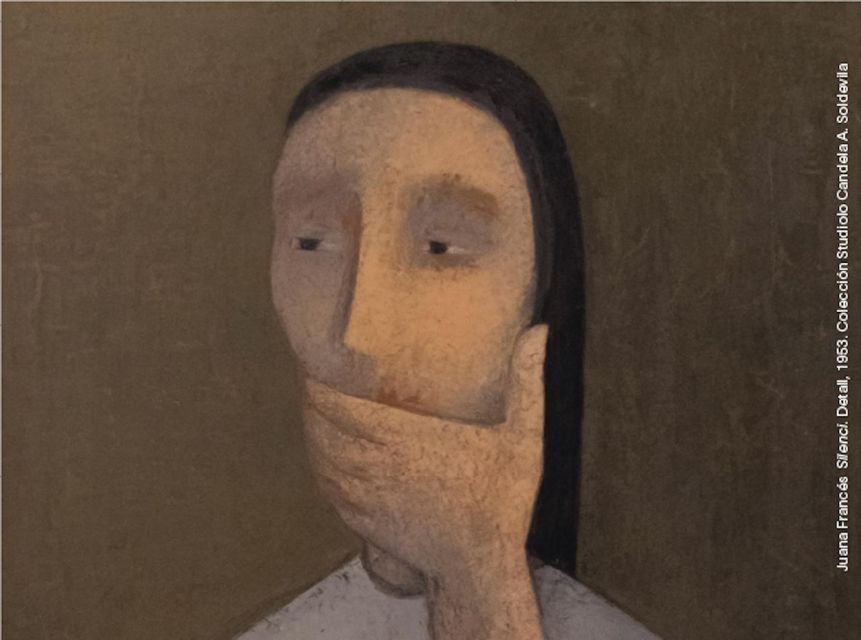
- Romanesque murals are the star attraction: See frescoes removed from historic churches and displayed in a way that recalls their original setting.
- The collection covers several eras: Move from medieval Catalonia to Gothic art, Catalan Modernism, European Renaissance and Baroque works, photography, and temporary shows.
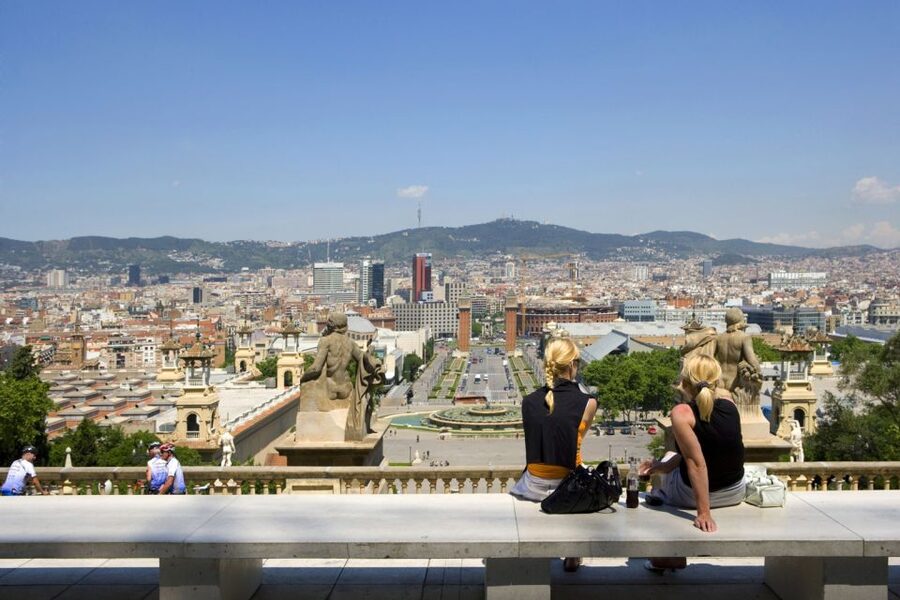
- The Palau Nacional is part of the experience: The 1929 International Exposition building gives you an imposing entrance and broad views toward Barcelona.
- Plan two to four hours: A quick visit is possible, but the collection rewards a slower pace.
- Bring your own headphones: The audio guide works through your charged smartphone.
- Check free-entry dates first: Admission is free after 3 p.m. on Saturdays and on the first Sunday of each month, along with several Catalan and Barcelona holidays.
Why the MNAC is more than an art museum
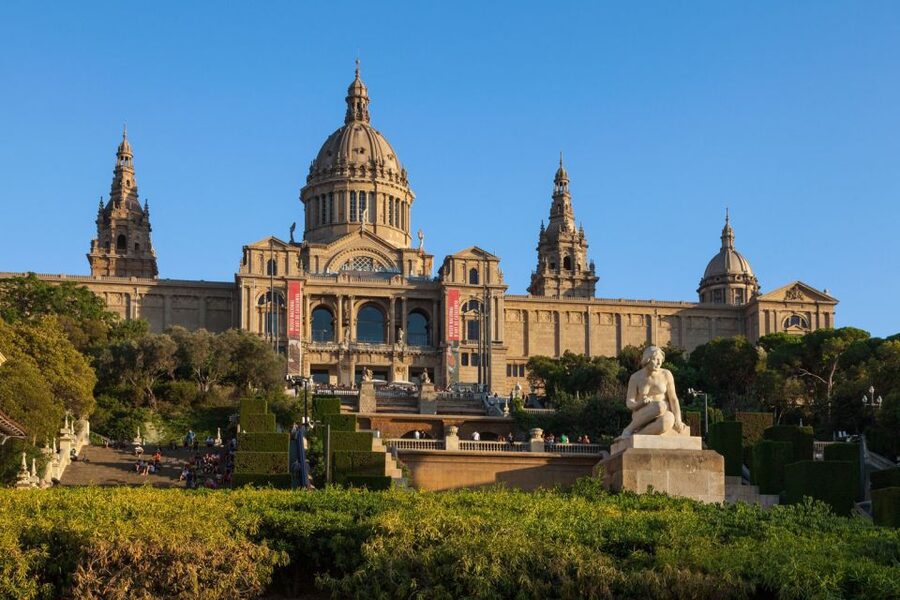
The Museu Nacional d’Art de Catalunya sits in the Palau Nacional on Montjuïc, the hill above Barcelona’s Plaça d’Espanya. The building was created for the International Exposition of 1929, and its scale can feel almost theatrical before you see a single painting.
That setting matters. You approach a grand structure, enter a large ceremonial space, and then move into galleries arranged across two floors. The museum visit has a clear sense of place, not just a series of white rooms filled with pictures.
I would not make this your only art stop in Barcelona if your main interest is Picasso or contemporary work. But if you want to understand Catalan art across several centuries, this is one of the most useful museums in the city.
The museum is also a good choice after the busiest sights. You can spend the morning at a major attraction, then come here for a quieter afternoon with room to set your own pace. The collection is large enough to feel substantial without requiring a full day for every visitor.
A few more things to do in Barcelona worth a look
- Barcelona: Sagrada Familia Entry Ticket with Audio Guide
★ 4.6 · 105,312 reviews - Barcelona: Park Güell Admission Ticket
★ 4.4 · 76,534 reviews - Barcelona Aquarium: Entry Ticket
★ 4.3 · 13,335 reviews
Start with the building and the view
Give yourself time to look at the Palau Nacional before heading inside. The exterior is part of the visit, and the elevated position gives you a broad view over Barcelona from Montjuïc.
Several visitors have found the approach tiring in hot weather, especially when walking up the steps and slopes. Elevators are available nearby, and the area has bars along the steps and escalators, but you should still allow extra time for reaching the entrance.
Inside, the building remains impressive. The scale, formal rooms, and decorative details provide a strong contrast with the modern museum displays. The gallery layout is organized into sections, which helps keep the collection from feeling like one endless corridor.
The terraces and rooftop are currently out of service. That is important because older descriptions of the museum often highlight the rooftop as a major stop. You can still enjoy views from the Montjuïc setting and the area in front of the building, but do not plan your visit around reaching the roof until it reopens.
The Romanesque murals are the essential stop
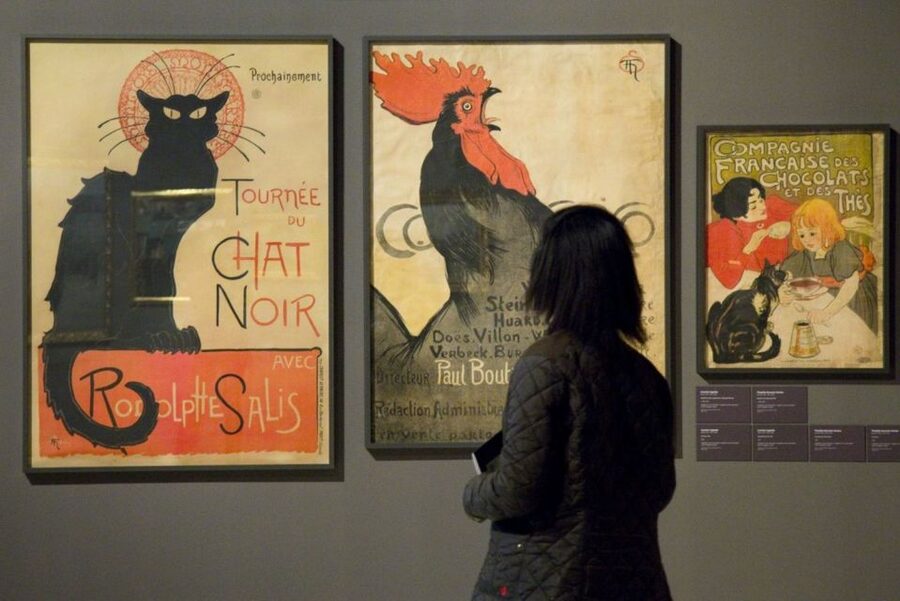
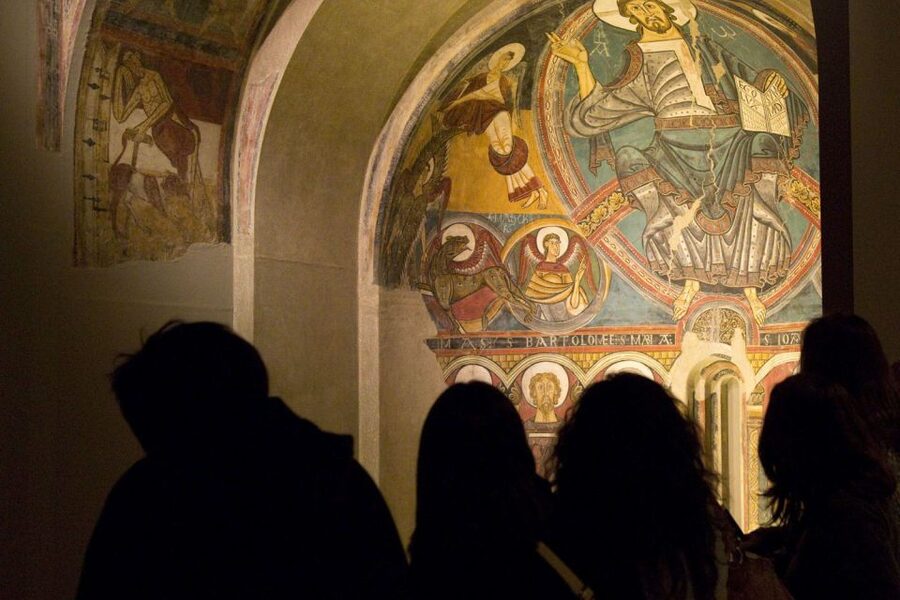
If you see only one part of the museum, make it the Romanesque collection. MNAC is known for having the finest collection of Romanesque mural paintings in the world, and the display explains why.
These murals were removed from old churches and preserved inside the museum. Rather than treating them as small fragments on a wall, the museum presents many works with a sense of their original placement. That makes the paintings easier to understand as part of a religious interior, not simply as isolated images.
You will see bold forms, strong outlines, and direct visual storytelling. Even if you do not normally spend much time with medieval art, the murals are approachable because of their scale and clarity.
The preservation work also gives this section a special human dimension. You are not simply looking at old paintings. You are seeing works that were taken from buildings at risk and saved for future generations.
English explanations may be limited in parts of the medieval galleries. If you want more context, use the audio guide app or read the available information slowly. A quick glance can leave you with the impression that the room is only about religious paintings, while a little more time reveals how the works connect to Catalan culture and architecture.
Continue through Gothic and Catalan art
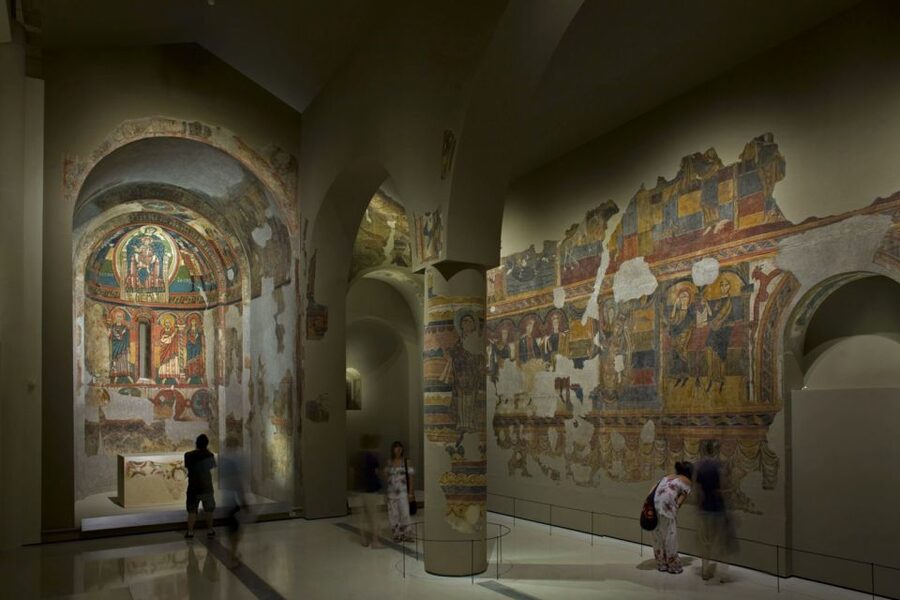
After the Romanesque galleries, continue through the Gothic collection. This section adds another layer to Catalonia’s artistic development and gives you a useful link between medieval mural painting and later European styles.
The exact order of your visit may vary with temporary displays, but the two-floor layout makes it possible to move through major periods without feeling lost. Museum maps and signs help you get your bearings, and the sections make it easier to choose what deserves your full attention.
I recommend resisting the urge to hurry through the early galleries just to reach the Modernist works. The museum’s value comes from the way the periods sit beside one another. You can see changes in materials, subjects, scale, and technique across the collection.
If you have limited time, focus on the Romanesque murals, then choose one later section that matches your interests. If you have three or four hours, the full sequence gives you a much better sense of Catalan art.
Same base, a different kind of day out:
- Barcelona: Casa Batlló Entry with Self-Audioguide Tour
★ 4.7 · 25,359 reviews - Barcelona: 24 or 48-Hour Hop-On Hop-Off Bus Tour
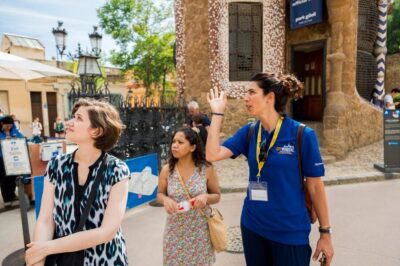
★ 4.4 · 20,872 reviews - Barcelona: Park Guell Guided Tour with Skip The Line Entry
★ 4.7 · 17,563 reviews - Barcelona in 1 Day: Sagrada Familia, Park Guell,Old Town & Pickup
★ 5.0 · 13,541 reviews
Find Gaudí, Casas, and Catalan Modernism
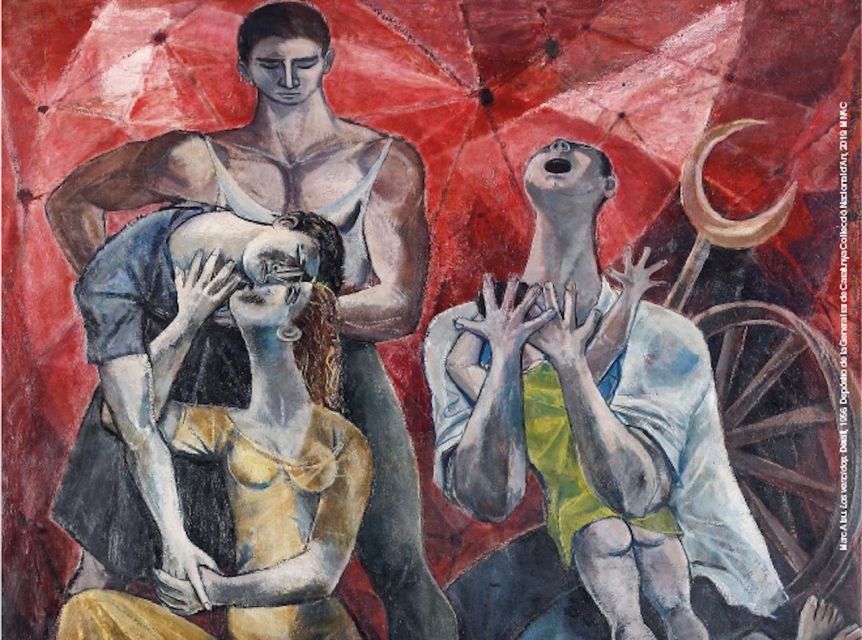
The Catalan Modernism section is likely to be the easiest entry point for many visitors. It includes work connected with artists such as Antoni Gaudí and Ramon Casas, names closely tied to Barcelona’s artistic identity.
This part of the museum can appeal even if you are not an art specialist. You may recognize the decorative energy, strong design, and connection to the city’s famous architecture. It also offers a useful change of mood after the medieval galleries.
The collection is not limited to one famous artist or one type of object. You might find paintings, design elements, and works that show how art and daily life overlapped during Catalonia’s Modernist period.
Some visitors particularly enjoy the upper-floor modern art displays, while others prefer the medieval murals. That difference is useful to keep in mind when planning your time. The museum is broad enough that your favorite section may not be the one you expected.
European Renaissance and Baroque works
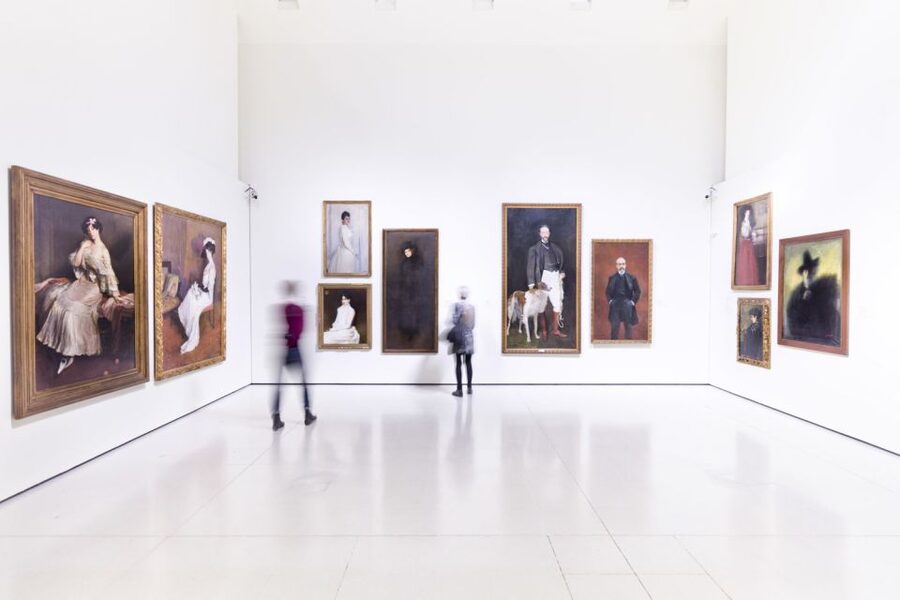
MNAC is strongly connected to Catalan art, but it also includes major European painting. Look for works associated with Titian and Velázquez, along with other Renaissance and Baroque masters.
This section gives the museum a wider frame. You can compare local art with major European traditions rather than viewing Catalan work in isolation. The contrast is especially helpful if you have already seen Spanish or Italian painting elsewhere in Europe.
Do not expect the same scale as a huge national collection containing every major name. Instead, think of this as one part of a larger museum visit. The pleasure comes from moving between regional art and better-known European styles.
The mix also helps explain why the museum feels substantial for its price. You are not paying for a single narrow exhibit. You are getting access to several periods and collections under one admission.
Photography and temporary exhibitions
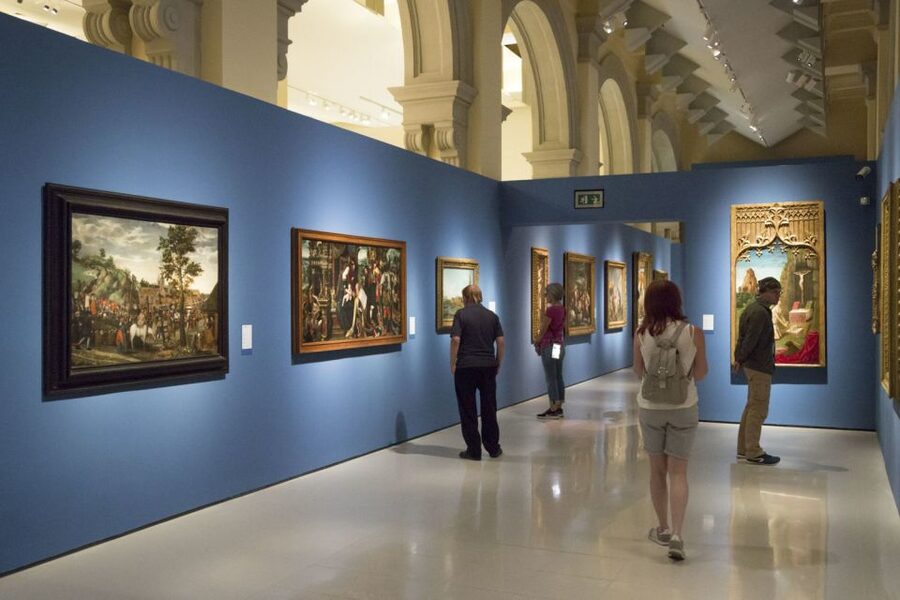
Photography is included, along with the permanent collection and temporary exhibitions. That makes the ticket more useful for repeat visitors or anyone who wants more than traditional painting and sculpture.
Temporary exhibitions can change the balance of your visit. A special show may deserve an hour by itself, while the permanent collection still requires at least two hours if you want to see the major sections.
The museum’s layout prevents the entire experience from becoming too overwhelming. You can pause in the café area, take a break, and return to the galleries with a clearer head.
A few hours is a sensible plan for most people. Art lovers may want four hours, especially if they read the background material and spend time with the rescued frescoes. A child or companion who is less interested in art may prefer a shorter route focused on the building, the most striking murals, and a few Modernist rooms.
The audio guide is useful, but bring your own equipment
The included audio guide runs through an app on your smartphone. It is available in Catalan, Spanish, English, French, German, Italian, Russian, Japanese, and Chinese.
Bring a charged phone and headphones. Without headphones, the experience becomes less convenient, especially when other people are using the galleries quietly.
The audio guide is most useful in the Romanesque and medieval sections, where the works may not explain themselves to first-time visitors. It can also help you decide which artists and rooms deserve more time.
You should not assume that every label will have a full English translation. English information is limited in some medieval areas, so the app can make a real difference if you do not speak Spanish or Catalan.
Cafés, breaks, and the practical side of a long visit
The museum has cafés where you can pause after the galleries. One café has been praised as a calm, reasonably priced place to rest, and the surrounding grounds offer room for a drink or snack.
This is useful because the museum can be more tiring than its ticket description suggests. The building is large, the approach can involve uphill walking, and the collection covers many centuries. A short break keeps the final galleries from becoming a blur.
Facilities are generally easy to use, but reports about the toilets are mixed. One account described them as small and cramped, while another found them clean. I would treat the café and outdoor areas as the better places to reset during a long visit.
The museum is wheelchair accessible. If you need to avoid the steps and slopes near the entrance, look for the nearby elevators and allow extra time to reach them.
Is the $14 ticket good value?
At $14 per person, the ticket is good value if you intend to spend at least two hours inside. The price includes the permanent collection, temporary exhibitions, and the audio guide app, so you are not paying separately for each major section.
The value is even better for a visitor who likes variety. You get medieval murals, Gothic art, Catalan Modernism, European Renaissance and Baroque painting, photography, and the setting of the Palau Nacional in one visit.
But check the free-entry dates before booking. Admission is free on Saturdays from 3 p.m., the first Sunday of every month, and several dates including February 12, May 18, September 11, and September 24. On a free day, the paid ticket may not be necessary.
Free entry can come with a time limit or a busy schedule, so plan carefully. One short late-day visit allowed only about an hour, which was not enough to see more than one gallery. If you want a relaxed visit, a paid ticket at a quieter time can still be worth the money.
The ticket offers free cancellation up to 24 hours before the visit and lets you reserve now while paying later. It is valid for one day, and you should check the available starting times when booking. The ticket also advertises skip-the-line access, although quiet periods may have little or no queue.
How much time should you set aside?
Use these rough plans:
- One hour: Choose the Romanesque murals or Modernist art, then spend a few minutes enjoying the building and city view.
- Two hours: See the main Romanesque and Gothic galleries, then choose Modernism or European painting.
- Three hours: Follow most of the main collection with time for photography and a café break.
- Four hours or more: Read labels, use the audio guide, visit temporary exhibitions, and take your time with the rescued frescoes.
The ticket is valid for one day, so you are not tied to a guided group. That flexibility is a major advantage for people who prefer to stop often or skip sections that do not interest them.
The ticket office closes 30 minutes before the museum, and galleries empty 15 minutes before closing. Do not arrive near the end of the day expecting to see the full collection.
Who will enjoy MNAC most?
I would recommend MNAC to anyone who wants a fuller picture of Catalan art beyond Barcelona’s famous Modernist buildings. It suits museum visitors who like moving between periods and comparing local work with European painting.
It is also a good rainy-day or hot-weather plan, provided you allow time for the climb up Montjuïc. The building and views make the trip worthwhile even for someone who is not an art expert.
Families should choose a shorter route unless everyone enjoys museums. The collection is large, and younger children may lose interest before you reach the later galleries.
You should also consider MNAC if you have already visited Barcelona’s best-known sights and want a quieter cultural stop. The setting gives you a change of pace, and the museum’s variety means you do not need specialist knowledge to enjoy it.
Should you book the MNAC ticket?
Book it if you value Catalan art, historic buildings, and the chance to see rescued Romanesque murals in a carefully arranged setting. At $14, it is a strong buy for a two-hour visit or longer, especially with the audio guide and temporary exhibitions included.
Check the free dates first, and do not count on the rooftop being open. If your schedule allows only one hour, choose a free late-day visit or focus on one collection. For most people, I would set aside two to three hours, bring headphones, and make the Romanesque galleries the first priority.
FAQ
Where is the Museu Nacional d’Art de Catalunya?
It is in the Palau Nacional on Montjuïc, at Palau Nacional s/n, Parc de Montjuïc, 08038 Barcelona.
How much does admission cost?
The listed price is $14 per person.
How long is the ticket valid?
The ticket is valid for one day. Check availability for the available starting times.
What does the ticket include?
It includes admission to the permanent collection, temporary exhibitions, and an audio guide app for your smartphone.
Is an audio guide included?
Yes. The app is available in Catalan, Spanish, English, French, German, Italian, Russian, Japanese, and Chinese.
What should I bring for the audio guide?
Bring a charged smartphone and headphones.
Is the museum wheelchair accessible?
Yes, the museum is wheelchair accessible.
Is the rooftop open?
The terraces and rooftop are temporarily out of service because of the difficulty of managing current health regulations.
When is admission free?
Admission is free on Saturdays from 3 p.m., the first Sunday of each month, February 12, May 18, September 11, and September 24.
How late can I enter?
The ticket offices close 30 minutes before the museum closes, and the galleries empty 15 minutes before closing. Check the museum’s current opening schedule before you go.
Just added in Barcelona
- Welcome to Barcelona: Private Tour with a Local★ 4.6 · 200 reviews
- Barcelona: White Rabbit Catalonia’s Top Immersive Experience★ 4.7 · 359 reviews
- Bean to Bar Chocolate Workshop in Barcelona★ 5.0 · 172 reviews
- Barcelona: Walking tour with Montjuic Castle & Cable Car★ 4.7 · 832 reviews
- Barcelona: Welcome to Barcelona Segway Tour★ 4.9 · 153 reviews
- Barcelona: Helicopter Flight with Optional Yacht Cruise★ 4.7 · 224 reviews
- Barcelona: The Original Barcelona Boat Party★ 3.9 · 254 reviews
- Barcelona Wine Tasting: Catalan and Spanish Wines★ 4.8 · 625 reviews
Tours in Barcelona, compared.
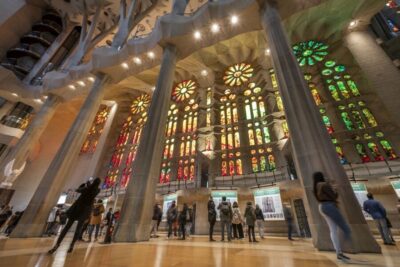
Sagrada Familia Entry Ticket with Audio Guide
Read our review →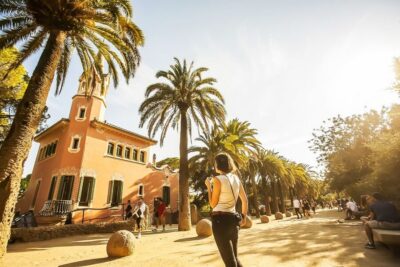
Park Guell Guided Tour with Skip The Line Entry
Read our review →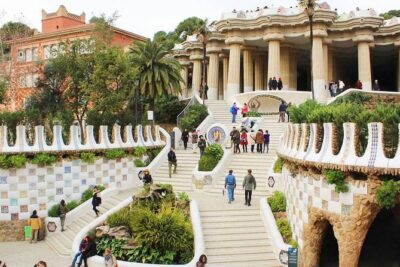
Barcelona in 1 Day: Sagrada Familia, Park Guell,Old Town & Pickup
Read our review →
Sagrada Familia Skip-the-Line Entry Ticket & Tour
Read our review →
FC Barcelona Museum “Barça Immersive Tour” Ticket
Read our review →Browse the lists this tour appears in