
Reviewed · TOURS IN MADRID
Madrid Region Wineries Guided Tour with Wine Tastings
Madrid’s best wine surprise may be hiding just beyond the city ring road. In about 35 minutes, you reach vineyards, old wine towns, underground caves, and family cellars where winemakers still talk about their work face to face. The contrast with central Madrid is striking.
I like the three very different wineries and the chance to taste at least nine wines without arranging a car. I also like the personal touch: guides such as Antonio, Ismael, Nacho, and Enrique are known for mixing solid wine instruction with jokes and easy conversation. The main drawback is that the tastings are generous, so this is not a good pick if you want a restrained tasting or a full sit-down lunch.
Key points to know before booking
- Three family-owned wineries: Visit cellars in Chinchón and Colmenar de Oreja, each with its own methods, setting, and family story.
- At least nine wines: Taste at least three wines at each stop, with local snacks such as cheese, olives, hummus, meat, pastries, and other small plates.
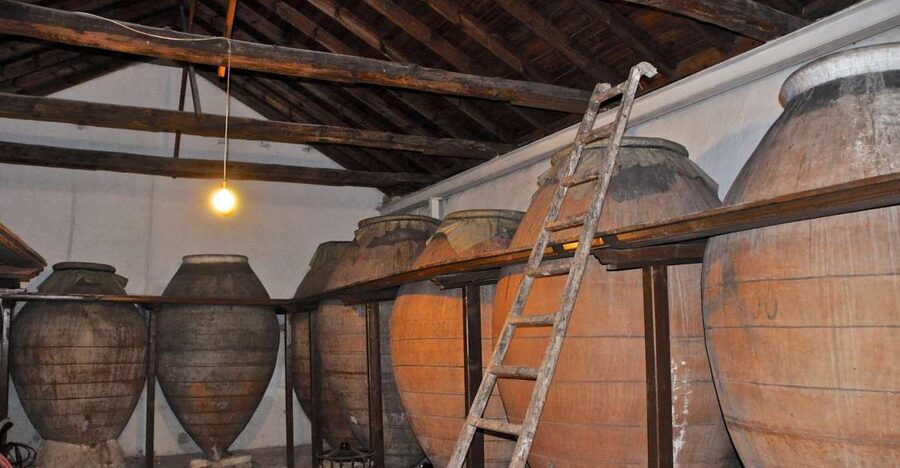
- Old caves and clay pots: See underground aging spaces and learn about a winery that still uses clay vessels more than a century old.
- A short escape from Madrid: Round-trip transport takes you from Plaza del Conde de Casal into the countryside and back in six hours.
- Small-group feel: Groups range from four to 20 people, with an average of about eight.
- More than a tasting: You get vineyard views, winemaking lessons, local culture, and a look at historic towns tied to Madrid’s wine trade.
Why Madrid wine is worth your time
Madrid is not the first Spanish wine region that comes to mind. Rioja, Ribera del Duero, and Jerez usually get the attention. Yet the Community of Madrid has more than 900 years of wine production, and its Vinos de Madrid designation now has a growing international profile.
The vineyards outside the capital sit near the Tagus and several connected river areas, including the Manzanares, Tajuña, Jarama, Henares, and Tajo. This network of fertile ground helped supply Madrid with wine for centuries, from the period after Castilian forces took the city from Moorish rule.
That background gives the tour a useful sense of place. You are not simply being driven to a tasting room built for day visitors. You are seeing towns where wine production helped shape local life, and you meet families who have kept their cellars going across several generations.
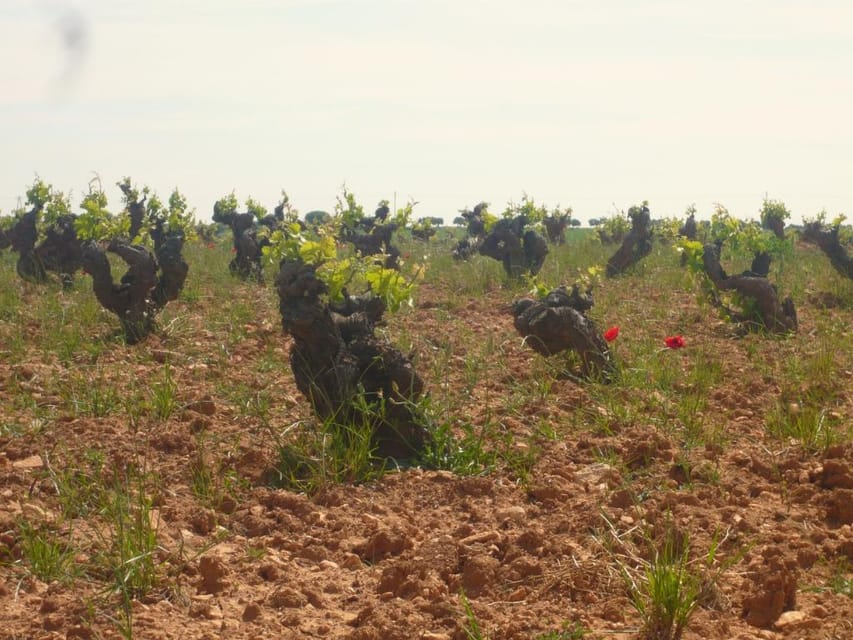
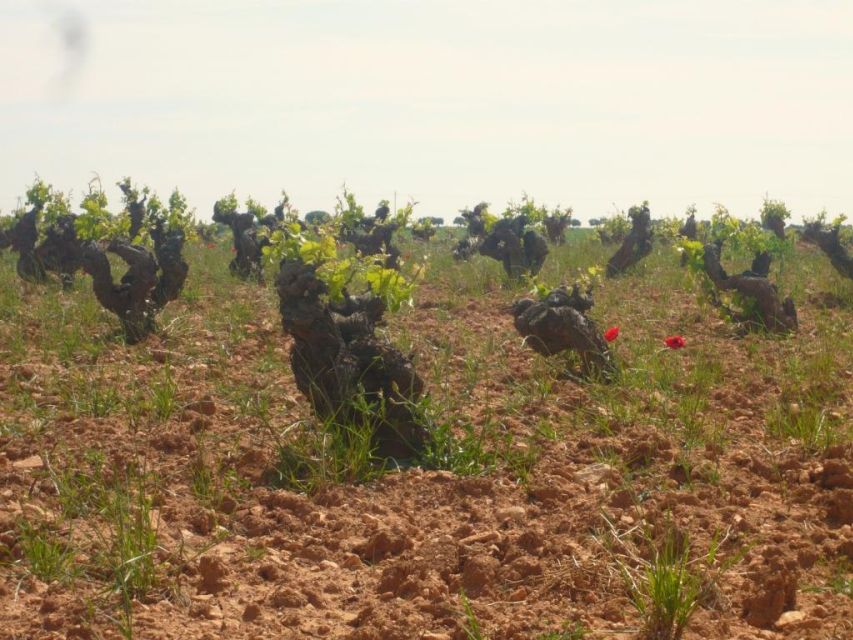
The tour also gives you a look at the less polished side of Spanish wine. You might see robust Tempranillo vines, old clay jars, working cellars, and low underground rooms where wine ages at a steady temperature. It feels closer to a working family trade than a staged attraction.
A few more things to do in Madrid worth a look
- Madrid: Royal Palace Expert Guided Tour with Skip-the-Line
★ 4.7 · 6,986 reviews - From Madrid: Guided Day Trip to Toledo by Bus
★ 4.1 · 5,280 reviews - Madrid: Toledo & Segovia Full Day Guided Tour with Alcázar
★ 4.6 · 4,394 reviews
Leaving Madrid from Plaza del Conde de Casal
The meeting point is at the front door of the cafeteria at Hotel Claridge, Plaza del Conde de Casal, 6. Conde de Casal Metro station, on Line 6, is nearby, which makes the start fairly simple if you are staying in central Madrid.
You should look for the hotel entrance rather than assume the group meets inside the cafeteria. The cafeteria facilities are reserved for customers, so plan to arrive ready for the departure instead of counting on using the space while you wait.
The drive into the Community of Madrid takes about 35 minutes. That is one of the tour’s strongest practical features. You avoid renting a car, navigating unfamiliar country roads, and worrying about driving after several tastings.
Your bilingual guide speaks Spanish and English. The tour can operate in both languages at once if needed. Past guides have included Antonio, Ismael, Nacho, Enrique, Muna, Alfonso, Elena, and Rocío. The individual guide matters here because the ride between stops is part of the experience. A good guide fills that time with wine and regional background rather than letting it become dead travel time.
Groups can range from four to 20 people, though the usual size is around eight. A small group makes it easier to ask questions and hear from the winemakers. A larger group may feel less personal, but the format still gives you several hours of guided visits rather than a quick tasting at one large estate.
Chinchón: wine in a historic town
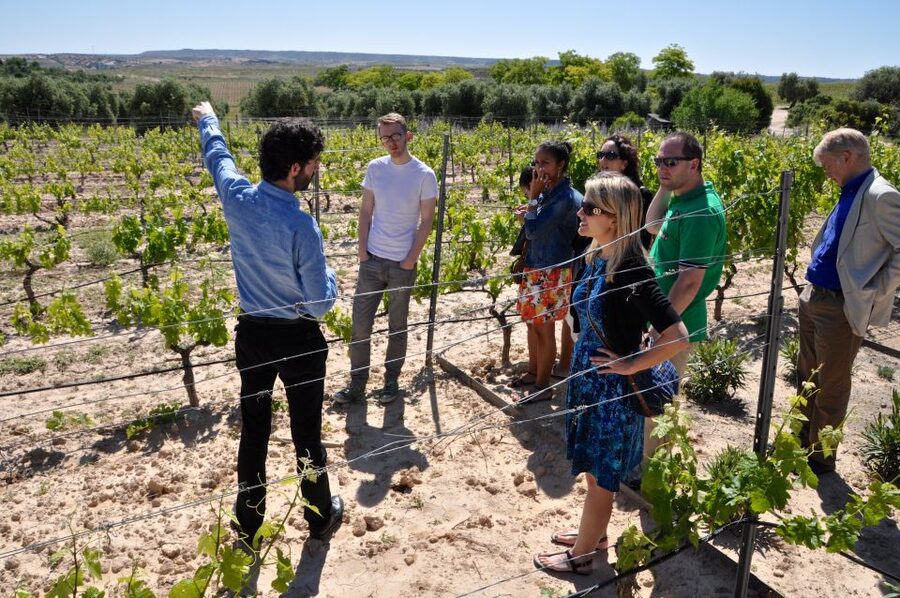
The first winery stop is in or around Chinchón, a picturesque town recognized for its historic and cultural value. The stop lasts about 75 minutes and includes a guided visit, wine tasting, and local snacks.
Chinchón is a good opening stop because it puts the wine in a traditional setting. This is the sort of place where the town itself helps explain why Madrid’s wine trade lasted so long. You are not only tasting a drink. You are seeing the type of small community that supported vineyards and cellars around the capital.
At least three wines are poured here, often from different grape varieties or styles. The goal is not a formal exam in tasting notes. Your guide and winery host explain what you are drinking, how it was produced, and how the local conditions affect the result.
The food makes the tasting easier and more social. Depending on the stop, snacks can include cheese, olives, hummus, meat, pastries, and other local bites. These are described as appetizers, not a proper lunch, but the repeated servings at all three wineries add up to a substantial light meal for many people.
After the winery, there is about 25 minutes of sightseeing and scenic views around Chinchón. This short pause matters because the day is not three cellar visits back to back. You get a little time to notice the town and the countryside before moving on.
Colmenar de Oreja and the second family cellar
The coach ride from Chinchón to Colmenar de Oreja takes about 25 minutes. Colmenar de Oreja is another historic wine town, and the next 75-minute visit brings you into a second family-run operation.
This winery helps show how tradition and newer winemaking methods can work together. One account of the tour described a traditional Chinchón winery that had adopted modern techniques, while still keeping its family identity. That combination is useful to see in person because Spanish wine is not frozen in the past. Old customs remain, but producers are also trying to improve consistency and quality.
Expect another guided tour, at least three wines, and more local snacks. The second stop gives you a point of comparison. You can begin to notice how one producer handles fermentation, aging, storage, and presentation differently from the first.
This is also where the family connection tends to feel important. The owners or relatives may show you around and explain how the business has changed over time. You get a better sense of the work behind a bottle when the person pouring it can speak about several generations of production.
Same base, a different kind of day out:
- Madrid: Tour Bernabéu Entry Ticket
★ 4.5 · 21,573 reviews - Madrid: Prado Museum Entry Ticket
★ 4.6 · 17,509 reviews - Madrid: “Emociones” Live Flamenco Performance
★ 4.8 · 12,866 reviews - Madrid: Panoramic Route City Tour
★ 4.1 · 12,259 reviews
The third stop and the old wine caves
The final winery is a seven-minute walk from the second stop in Colmenar de Oreja. That short walk is a small but welcome break from the coach and helps the two visits feel like separate experiences rather than one extended stop.
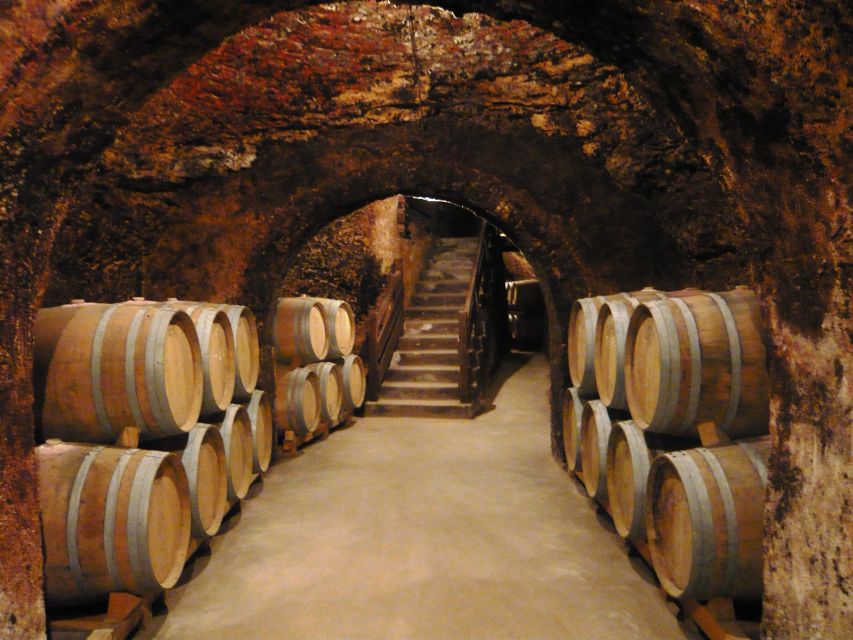
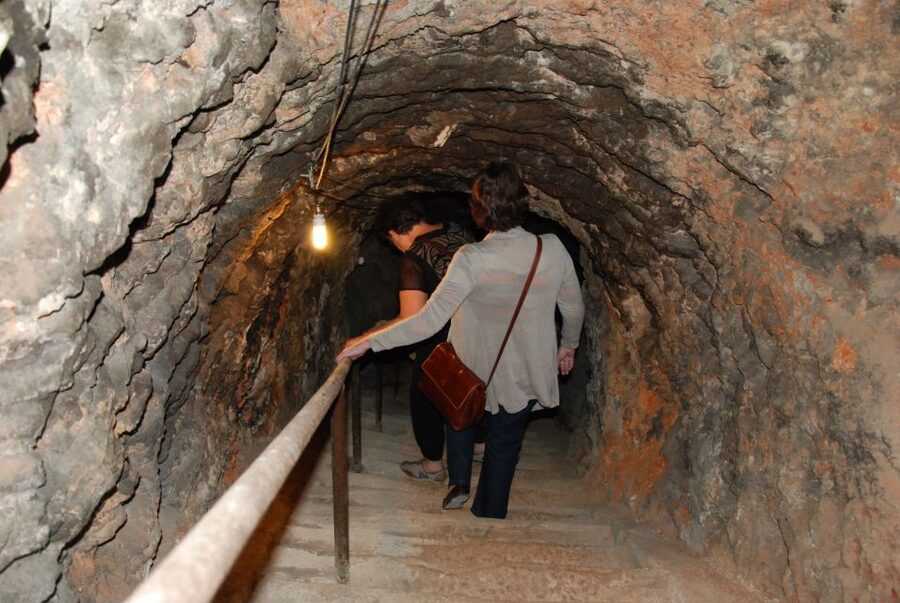
The last 75-minute visit focuses on old cellar traditions, including centuries-old caves where wines age. This is one of the most memorable parts of the day if you like wine with a sense of place. Underground spaces, old storage methods, and the cool conditions of the caves show how producers worked before modern climate control.
You may also learn about a winery that continues to use clay pots more than 100 years old. These vessels offer a direct link to older winemaking practices and make the visit different from a standard stainless-steel tasting room.
At least three more wines are served, bringing the total to nine or more across the day. Some tastings may go well beyond a small sip. Several people describe generous pours and glasses that keep being refreshed. That is friendly and fun, but it is also the reason you should eat the snacks, drink water when available, and avoid planning anything demanding afterward.
One especially memorable optional detail is the chance to try a 1983 rosé at the final stop, with the bottle cost shared among the group. This is not part of the listed tour price, so treat it as an extra rather than an expected inclusion. It may appeal to serious wine fans, but you do not need it to enjoy the main tour.
What the wine tasting is really like
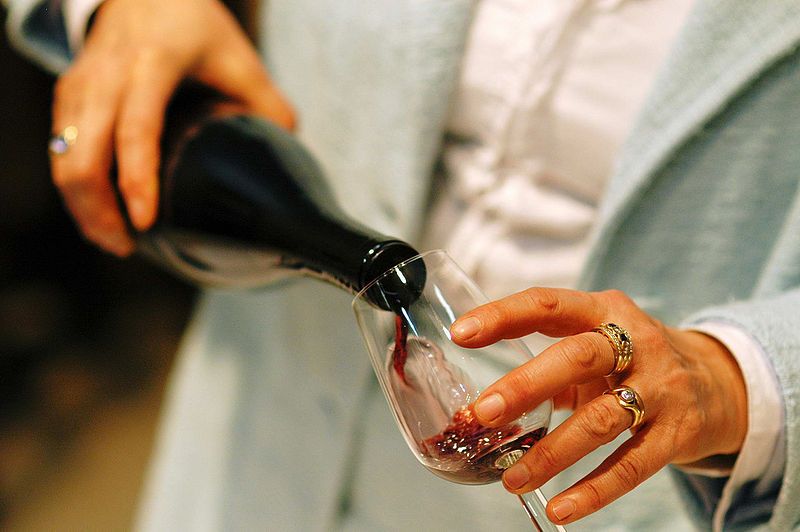
The tour promises at least three wines at each winery, with different varieties and styles. The exact bottles can change, so you should not book expecting a fixed tasting list.
Tempranillo is central to the story, especially in the red wines associated with the area. You will also hear about how grapes are grown, fermented, aged, and stored. The vineyard visit connects the bottle to the soil and vines, while the cellar visits show what happens after harvest.
The teaching style is informal. Guides such as Antonio and Nacho are praised for making technical subjects easy to follow, while Ismael and Enrique are noted for explaining both the winemaking process and the surrounding region. You should expect stories, questions, humor, and plenty of conversation rather than a rigid lecture.
The winemakers themselves add something a guide cannot. They can explain family decisions, cellar customs, and the practical realities of keeping a small winery alive. That direct contact is the main reason this tour feels different from a large commercial estate visit.
The food also has a purpose beyond filling time. Local appetizers give you something to eat with the wines and help keep the tasting grounded in everyday Spanish hospitality. Still, I would not call this lunch. If you usually need a full midday meal, eat breakfast and carry a small extra snack if allowed.
Is $171 a fair price?
At $171 per person, this is not a bargain-priced wine outing. The value depends on how much you would pay separately for transport, three winery visits, a bilingual guide, nine or more tastings, and food.
The price includes round-trip transport from Madrid, so you do not need a taxi, rental car, or designated driver. It also covers visits to three family-owned wineries rather than one polished tasting room. Add the historic towns, vineyard access, cave visits, and appetizers at every stop, and the cost becomes easier to justify.
The tour is especially good value for a visitor without a car. Reaching three small wineries independently would take planning, local transport, and careful timing. You would also need to arrange tastings in advance and find a safe way back after drinking.
It is less appealing if you only want to taste a few prestige wines in a quiet, formal setting. This is an active day with repeated pours, coach transfers, introductions, and a changing group. The appeal is breadth and access, not luxury.
Who will enjoy this six-hour day
I would recommend it to anyone who wants to get outside Madrid without giving up comfort. You see rural scenery, historic towns, working vineyards, and family cellars, all while someone else handles the driving.
It suits curious wine drinkers who want to understand how a region produces its bottles. You do not need advanced wine knowledge. The guides explain the process in accessible terms, and beginners can ask questions without feeling out of place.
It also works well for solo visitors. The usual group size is small enough to make conversation easy, and the format naturally brings people together over shared tastings and snacks. Couples and friends will find plenty to enjoy, but you do not need a private party to make the day work.
The tour is not suitable for children under 12, wheelchair users, or anyone who wants to avoid alcohol. Pets are not allowed, and intoxication is not permitted. The cave visits and walking between wineries may also be uncomfortable for anyone with mobility concerns.
Useful planning details
The full experience lasts six hours, including the drive back to Plaza del Conde de Casal. The return journey from the final winery takes about 40 minutes.
Wear comfortable shoes. You will walk through wineries, possibly around a vineyard, and spend time in old cellar spaces. Bring a light layer as underground caves can feel cooler than the open air, though no specific cave temperature is provided.
Book with the knowledge that the day may feel generous rather than restrained. At least nine wines are included, and several tasting accounts describe substantial pours. Eat beforehand, use the appetizers wisely, and do not schedule a late afternoon activity that requires sharp focus.
Cancellation is free up to 24 hours before departure, and you can reserve now and pay later. Starting times vary, so you need to check availability for your date.
Should you book this Madrid winery tour?
Book it if you want family contact, old cellars, and a broad taste of Madrid wine country in one organized day. The combination of three different wineries, historic towns, local food, and a dedicated driver gives you much more than a single tasting room visit.
Think twice if you want a quiet luxury experience, a full meal, or tight control over every wine poured. The generous servings and lively group setting are part of the fun, but they may not suit every drinking style.
For most adults with six hours to spare in Madrid, this is a strong choice. It gives you a genuine reason to leave the city, shows you a part of Spain many visitors miss, and lets the winemakers tell the story in their own cellars.
FAQ
Where does the tour start?
It starts at the front door of the cafeteria at Hotel Claridge, Plaza del Conde de Casal, 6, in Madrid.
Which Metro station is closest?
Conde de Casal station on Metro Line 6 is the closest station to the meeting point.
How long does the tour last?
The tour lasts six hours, including transport from Madrid and the return journey.
How many wineries will I visit?
You will visit three family-owned wineries in the Community of Madrid.
How many wines are included?
The tour includes at least three wines at each winery, for a minimum of nine wines in total.
Is food included?
Yes. Local appetizers are served at each winery. They are intended as a light meal, and lunch is not separately included.
Is transportation included?
Yes. Round-trip transportation from Madrid is included.
What languages are offered?
The live guide service is available in Spanish and English. Both languages may be used on the same tour if necessary.
Can children join the tour?
Children under 12 cannot take part in the tour.
Is the tour suitable for wheelchair users?
No. The tour is listed as not suitable for wheelchair users.
What is the group size?
Groups have a minimum of four and a maximum of 20 participants. The average group size is about eight people.
Can I cancel for a refund?
You can cancel up to 24 hours in advance for a full refund. You can also reserve now and pay later.
Just added in Madrid
- Madrid: Don Quixote de la Mancha Windmills & Toledo Tour★ 4.9 · 254 reviews
- Tour Madrid: Secrets in a Electric Tuk Tuk★ 4.6 · 155 reviews
- Madrid: Toledo Day Trip with Winery Visit and Wine Tasting★ 4.4 · 177 reviews
- Madrid: Guided Tour of Toledo with Cathedral Visit★ 4.3 · 399 reviews
- Madrid: 6-Hour Day Trip to Toledo with Guided Walking Tour★ 4.0 · 865 reviews
- Madrid: Tasty Tapas Tour & Visit to a Terrace with Views★ 4.5 · 118 reviews
- Madrid: Flamenco Show&Drink at Tablao 1911 (World’s Oldest)★ 4.7 · 253 reviews
- Madrid: Street Art Tour with Local Graffiti Hunter★ 4.8 · 270 reviews
Tours in Madrid, compared.



Live Flamenco Show with Food and Drinks Options
Read our review →
Avila & Segovia Tour with Tickets to Monuments from Madrid
Read our review →
Three Cities in One Day: Segovia, Avila and Toledo from Madrid
Read our review →
Segovia and Toledo Tour, Alcazar, and Cathedral
Read our review →
Royal Palace Expert Guided Tour with Skip-the-Line
Read our review →Browse the lists this tour appears in