
Reviewed · TOURS IN TENERIFE
Tenerife: La Casa de Los Balcones Entrance Ticket
La Casa de Los Balcones gives you a close look at an old Canarian family home, not a grand palace. Its wooden balconies, antique furnishings, and careful displays help you picture daily life in 19th-century La Orotava. I like the personal scale of the place, and I like that the visit connects household objects with local crafts and customs.
The calados, or finely worked Canarian thread art, add a special touch. You can also browse embroidery, lace, pottery, regional costumes, and miniature balconies in the shop. The main drawback is simple: the house is fairly small, so you may finish quickly, and the audio guide may not work properly on every Apple device.
Key points to know before you go
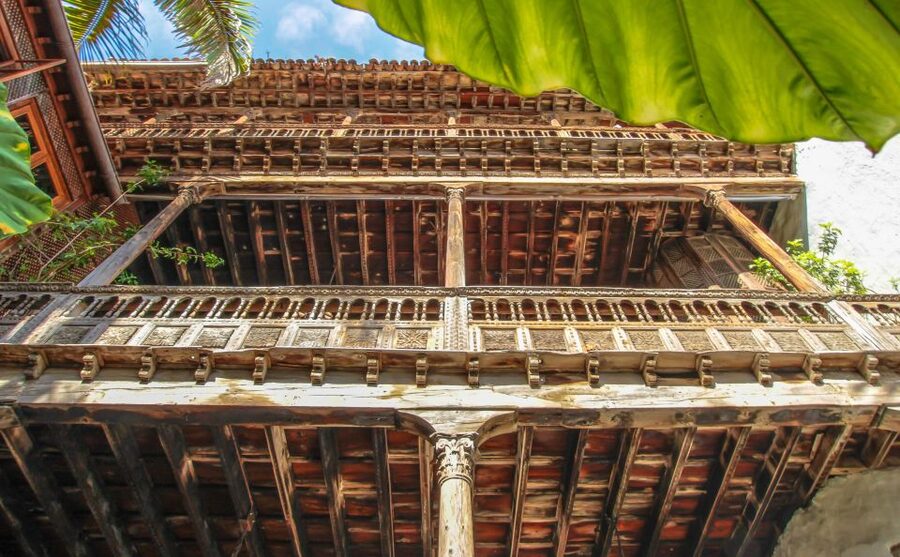
- A real 19th-century townhouse: You walk through a preserved family home rather than a purpose-built museum.
- Personal antiques on display: The former owners’ belongings make the rooms feel domestic and human.
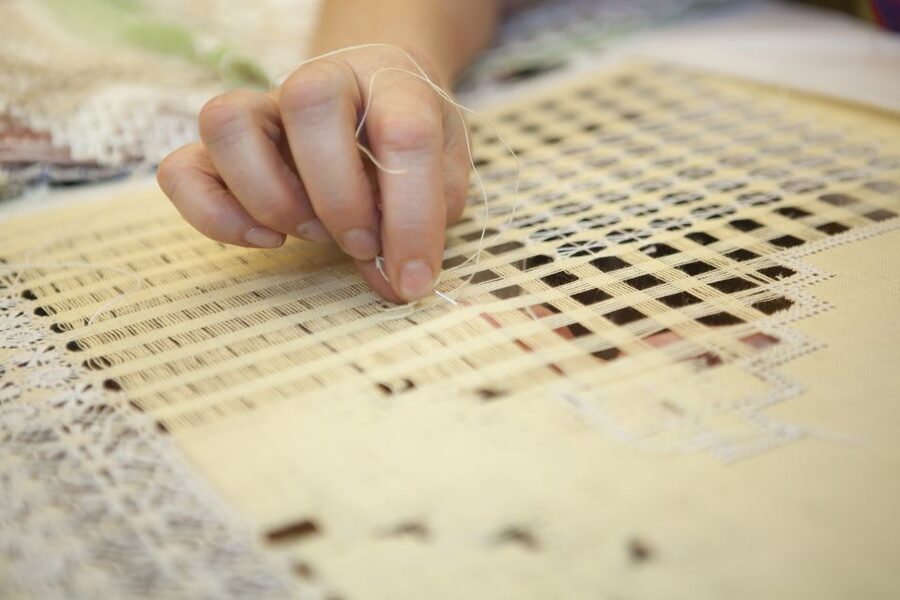
- Traditional calados: See intricate threadwork and learn how this Canarian craft is made.
- Audio guide included: Download it in English, Spanish, French, or German, using your own phone and headphones.
- A small, focused visit: The house is attractive and well kept, but there is not a huge amount to see.
- Easy to combine with local shopping: The gift shop sells embroidery, lace, pottery, costumes, and miniature balconies.
Entering a Canarian townhouse in La Orotava
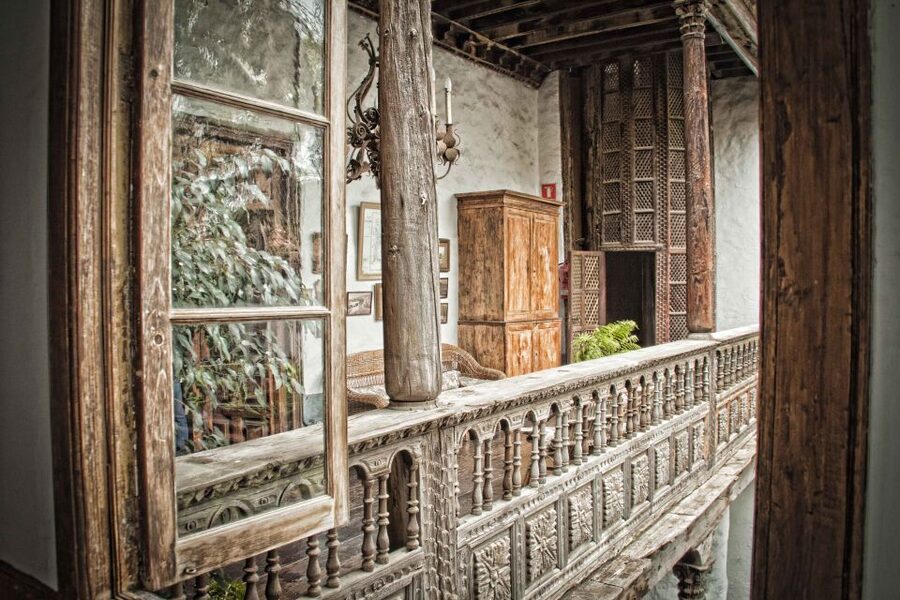
La Casa de Los Balcones is best understood as a house first and a museum second. You enter a former 19th-century Canarian townhouse and move through spaces filled with preserved belongings, art, and examples of local handcraft.
That distinction matters. You are not coming here for a large collection spread across many galleries. You are coming to see how a well-off local family may have lived, and to notice the building itself: its traditional character, its wooden balconies, and the way domestic rooms now carry stories about La Orotava.
The house offers a more personal view of the town than a broad historical museum might. Antiques are not simply presented as old objects. They help you think about the customs, habits, and status of the people who once lived here.
I find this kind of museum most useful early in a visit to La Orotava. After seeing the house, local architecture and craft shops have more meaning. You have a clearer sense that Canarian culture is not only about scenery and food. It also lives in homes, needlework, clothing, and small household traditions.
A few more things to do in Tenerife worth a look
- Siam Park Entry Tickets
★ 4.5 · 15,710 reviews - Tenerife: Loro Parque Entry Ticket
★ 4.8 · 12,411 reviews - Loro Parque and Siam Park Combined Admission Tickets
★ 4.7 · 7,307 reviews
What you see inside the former family home
Your visit follows the natural logic of the building. First comes the house itself, with its traditional design and preserved character. Then you encounter antiques from the former owners, art displays, craft examples, and information about local culture.
The antique collection is one of the strongest parts for visitors who enjoy domestic history. Instead of looking only at famous objects, you get a glimpse of the things a family used, valued, or kept around the home. That can make the past easier to picture than a room full of isolated museum pieces.
Look closely at the furnishings and decorative details. The information provided is intended to explain the family’s way of life, not just identify an object and move you along. The setting gives the collection context, which is why the visit feels more like entering a preserved home than walking through a standard exhibition hall.
Still, keep your expectations in check. One rating from a recent visitor praised the house but felt there was too little to see for the price, especially when the audio guide did not work. That is a fair warning if you prefer large museums with hours of displays. At $7 per person, the ticket is modest, but the value depends on how much you enjoy atmosphere, architecture, and a short cultural stop.
Calados, the threadwork that deserves your attention
The handcraft display is more than a quick row of pretty textiles. It introduces calados, a traditional Canarian form of drawn-thread work made with careful, intricate stitching.
The technique takes patience and precision. Threads are worked into patterned designs, creating open areas and delicate lines. The display explains the history of calados and the methods used to produce it, giving you a better sense of the labor behind each piece.
This is a good example of why a small museum can be worthwhile. A craft that might look decorative at first becomes more interesting once you understand how it is made. The work also connects the house to the wider culture of the Canary Islands, where needlework and textile skills have long had a place in local life.
I would allow extra time for these exhibits rather than treating them as a passage to the shop. You may find yourself noticing the difference between a simple souvenir and a piece that reflects a demanding traditional technique. The displays are especially useful if you want to bring home something tied to the island’s culture rather than a generic holiday item.
A short lesson in La Orotava’s older roots
The house also puts La Orotava into a wider historical setting. As you move through the rooms, you learn about the town’s ancient roots and Canarian cultural traditions.
The information is not described as a full chronological history of Tenerife, so do not expect a major historical museum. Instead, the house gives you selected context through the building, the family collection, and the craft displays.
That focused approach works well for a short town visit. You can connect the social world of the former residents with the older traditions that shaped the community. The experience is less about memorizing dates and more about seeing how culture survives in objects and practices.
I like this balance because it keeps the visit grounded. You are not looking at history from a distance. You are looking at a home, its contents, and a craft tradition that still appears in local products and souvenirs.
Same base, a different kind of day out:
- Tenerife: Eco-Yacht Whale and Dolphin Watching and Swimming
★ 4.7 · 15,619 reviews - Los Cristianos Respectful No-Chase Whale and Dolphin Safari
★ 4.6 · 12,782 reviews - Tenerife: Kayak and Snorkel with Turtles, Wetsuits Included
★ 4.6 · 7,215 reviews - Costa Adeje: Whale & Dolphin Eco-Cruise with Snacks & Drinks
★ 4.6 · 5,096 reviews
Using the downloadable audio guide
Your ticket includes a downloadable audio guide in English, Spanish, French, and German. You use your own mobile phone and headphones, so pack both before arriving.
The audio guide should help you get more from the antiques and calados displays. Without it, you can still appreciate the house, but you may miss the explanations about the owners, local customs, and threadwork techniques.
There is one practical caution. A recent booking reported that the audio guide did not work with an Apple device. The available information does not establish that every Apple phone has a problem, but you should not assume the guide will function perfectly just because it is included.
Before you rely on it, make sure your phone is charged and your headphones are ready. If the guide fails, you can still walk through the house and see the collection, but the experience may feel thinner. This matters because the museum is small, and the commentary provides much of the added value.
How long the visit feels at $7
The ticket costs $7 per person and is valid for one day. There is no stated fixed tour length, and the house does not offer the scale of a full-day attraction.
For most people, the value comes from combining a short visit with other time in La Orotava. You can see the house, study the antiques and calados, then continue exploring the town or stop in the shop. If you make a special trip only for this museum, the small size may leave you wanting more.
At this price, I see it as a reasonably priced cultural stop rather than a major attraction. The cost is low enough for many visitors to add it to a day in town, especially if they appreciate historic buildings and traditional crafts. It is less convincing for anyone who wants a long, highly interactive museum visit.
The 4.5 rating from 142 ratings suggests the experience usually meets expectations, but the lower scores point to the main issue: the amount to see is limited. Your decision should rest on whether a compact, old house with craft displays sounds appealing to you.
The gift shop and what you can take home
The visit ends with a shop selling local products. You can find embroidery, lace, pottery, regional costumes, and other souvenirs connected with Canarian culture.
The most distinctive items are the miniature balconies of La Orotava. They echo the architecture you have just seen and make more sense as souvenirs than a random refrigerator magnet. If you want something small and specific to the town, these miniatures are worth a look.
The shop also gives the calados display a practical ending. After learning about the craft, you can compare handmade textile items and decide if you want to buy one. Prices and production methods are not provided, so ask staff for details before purchasing if the distinction matters to you.
I would treat the shop as part of the cultural visit, not the main reason to enter. It works best when you have already seen the house and understand what makes these objects local.
Who will enjoy this house most
I would recommend La Casa de Los Balcones to anyone who enjoys historic homes, domestic antiques, and traditional crafts. It suits couples, independent sightseers, and families with older children who can appreciate a quiet museum stop.
It is also a good choice if you want a break from outdoor sightseeing. The visit gives you a different view of Tenerife, centered on household life and handwork rather than beaches or dramatic scenery.
You may be less satisfied if you want a large museum, a long guided tour, or many rooms packed with exhibits. The house is compact, and one Italian rating described it as pleasant but not especially remarkable. That judgment makes sense for visitors who expect a major attraction.
The visit is not suitable for wheelchair users or people with mobility impairments. The available information does not provide a detailed description of steps, floors, or seating, so anyone with limited mobility should check directly before booking.
Planning your arrival and audio setup
You show your voucher at the museum’s entrance ticket collection point. There is no transportation included, and no group size or scheduled live guide is specified.
Since your ticket is valid for one day rather than tied to a stated visit length, you have some flexibility. Check the available starting times when booking, then plan the house around your wider time in La Orotava.
Bring a charged phone and your own headphones. The audio guide is not a separate device supplied at the entrance, and this small detail can make a large difference to the visit.
You can cancel up to 24 hours in advance for a full refund, and the reserve-now, pay-later option lets you keep your plans open. Those terms are useful if your Tenerife schedule is still changing, but they do not solve the main practical question: confirm that your phone can use the guide before you arrive.
Is La Casa de Los Balcones worth booking?
Book it if you want a short, affordable look at a traditional Canarian home and you enjoy the details of antiques, architecture, and needlework. The calados display, the former owners’ belongings, and the miniature balconies give the visit a clear local character.
Skip it if you need a large attraction with many rooms or if a brief museum stop does not justify changing your plans. The house is attractive, but the collection is limited, and the audio guide may be unreliable on some Apple devices.
My advice is to pair it with other time in La Orotava. At $7, it works best as one thoughtful stop in a town visit, not as the sole purpose of your day.
FAQ
Where is La Casa de Los Balcones?
La Casa de Los Balcones is in La Orotava, Tenerife, in Spain’s Canary Islands.
What is included with the ticket?
The ticket includes entrance to La Casa de Los Balcones and a downloadable audio guide.
Which languages are available for the audio guide?
The audio guide is available in English, Spanish, French, and German.
Do I need to bring anything for the audio guide?
Yes. You need your own mobile phone and headphones to use the downloadable audio guide.
How much does admission cost?
The listed price is $7 per person.
How long is the ticket valid?
The ticket is valid for one day. You should check availability for the starting times offered when you book.
Is the museum accessible for wheelchair users?
No. The experience is not suitable for wheelchair users or people with mobility impairments.
Just added in Tenerife
- Las Galletas: Whale & Dolphin Tour with Local Skipper★ 4.8 · 397 reviews
- Tenerife: Surfing Lesson for All Levels, Photos included★ 4.9 · 861 reviews
- Tenerife: Loro Parque & Siam Park Entry Ticket with Transfer★ 4.6 · 732 reviews
- Tenerife: Sunset Night Tour and Stargazing at Teide + Dinner★ 3.8 · 316 reviews
- Tenerife: Teide, Icod de los Vinos & Garachico Full Day Tour★ 4.3 · 602 reviews
- Tenerife: Sunset Catamaran Tour with Transfer, Buff & Drinks★ 4.8 · 570 reviews
- Tenerife: Half-Day Snorkeling Tour★ 4.6 · 154 reviews
- Tenerife: Snorkeling Tour in a Marine Protected Area★ 4.9 · 636 reviews
Tours in Tenerife, compared.

Los Cristianos Respectful No-Chase Whale and Dolphin Safari
Read our review →

Loro Parque and Siam Park Combined Admission Tickets
Read our review →
Kayak and Snorkel with Turtles, Wetsuits Included
Read our review →
Mount Teide Tour with Cable Car Ticket & Transfer
Read our review →
Dolphin & Whale Watching Cruise with Swim Stop
Read our review →

Whale & Dolphin Watching with Drinks and Snacks
Read our review →Browse the lists this tour appears in