
Reviewed · WINE TOURS
Jerez: Bodegas Álvaro Domecq Guided Tour with Wine Tasting
The most interesting part of this Jerez visit is seeing how several very different drinks come from one bodega. In 90 minutes, you move from American oak barrels and the solera system to Fino, Oloroso, Pedro Ximénez, brandy, vermouth, and vinegar. The tasting gives the lesson a practical finish.
I like the small-bodega feel and the guides’ clear, friendly way of explaining a subject that can seem complicated. I also like that the tour covers more than sherry, including the excellent vermouth and long-aged V.O.R.S. wines. One thing to consider is that English and Spanish may be combined in one group, and the English portion can feel shorter when the group is large.
Key points to know before you go
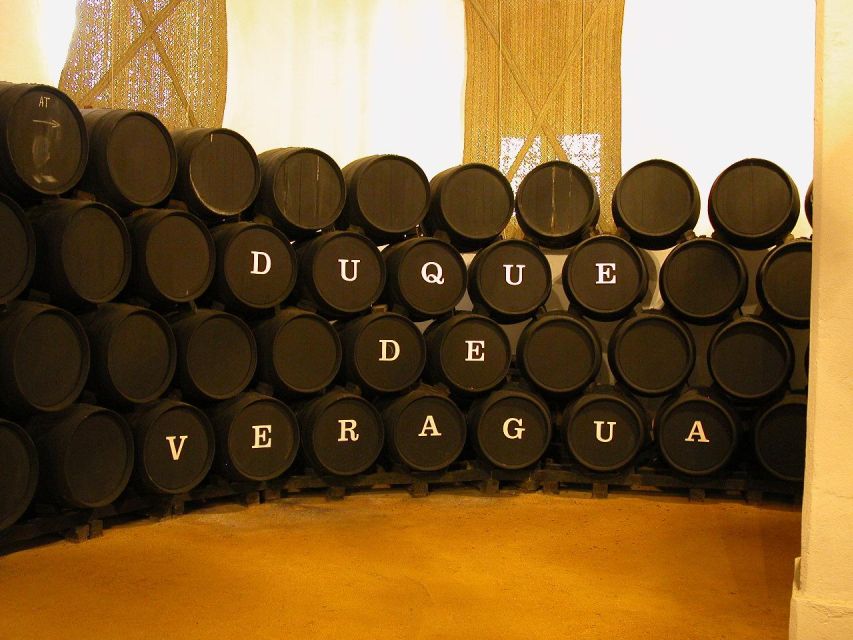
- A working lesson in sherry: See the solera and criaderas system, American oak barrels, and separate cellars for Fino, Oloroso, vinegar, and brandy.
- Several guides receive strong praise: Cristina, Laura, Lucia, and Miriam are among the guides who have led visits, with English available.
- The tasting is the payoff: Expect representative Álvaro Domecq wines, with some tastings including four sherries and vermouth.
- Older wines cost extra: The V.O.R.S. selection includes wines aged for more than 30 years, including Amontillado 1730, Palo Cortado 1730, and Oloroso 1730.
- It is central and easy to pair with other plans: The meeting point is near a flamenco venue on Calle Madre de Dios, and the bodega is convenient from Jerez’s railway station.
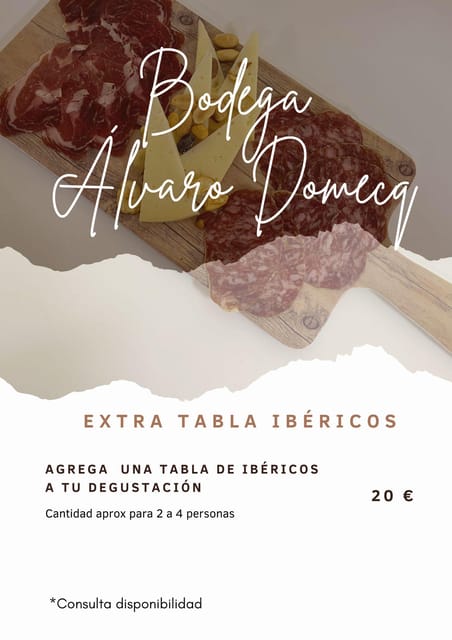
- Food is optional: An Iberian-products plate for roughly two to four people must be selected separately.
Why Álvaro Domecq is a good introduction to Jerez sherry
Jerez sherry is not simply one sweet or dry drink. It is a wide family of wines, shaped by grape variety, ageing method, oxidation, and the work of generations of cellar managers. This tour gives you enough background to understand those differences without turning the visit into a technical lecture.
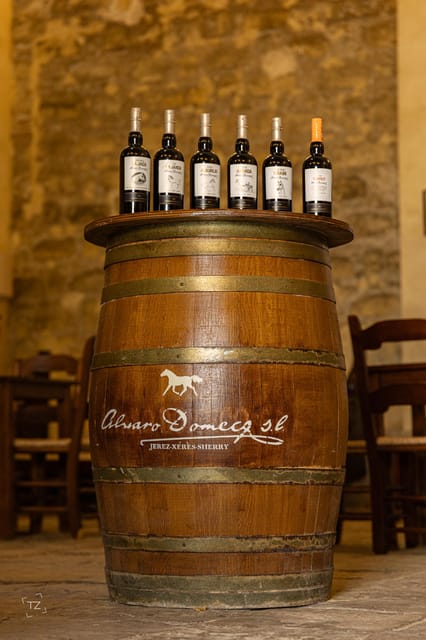
Álvaro Domecq is linked to an 18th-century winery and a family tradition that includes Álvaro Domecq himself, known locally for his skill as a horseback bullfighter. That connection gives the visit a strong Jerez identity. You are not just tasting imported labels in a generic room. You are learning about a local product in the place where it is aged and prepared.
I find that useful because sherry makes more sense after you see the cellar. The pale Fino, dark Oloroso, syrupy Pedro Ximénez, brandy, and vinegar are not random items on a tasting list. Each follows a different path, and the guide shows how those paths begin.
The tour costs about $26 per person. For a 90-minute guided visit with several tastings, that is a fair price, especially if you are new to sherry and want a clear explanation before buying a bottle. It is less compelling if you already know the wines well and only want a quick drink, since much of the value comes from the cellar tour and the teaching.
Other bodegas within reach of Spain:
- Montserrat & Cogwheel Train, Gourmet Wine Tasting & Tapas/Lunch
★ 5.0 · 6,290 reviews - Montserrat with Black Madonna & Medieval Winery with Tapas/Lunch
★ 5.0 · 5,209 reviews - Barcelona: Montserrat and Winery Tour with Tapas or Lunch
★ 4.8 · 4,695 reviews
Finding the meeting point on Calle Madre de Dios
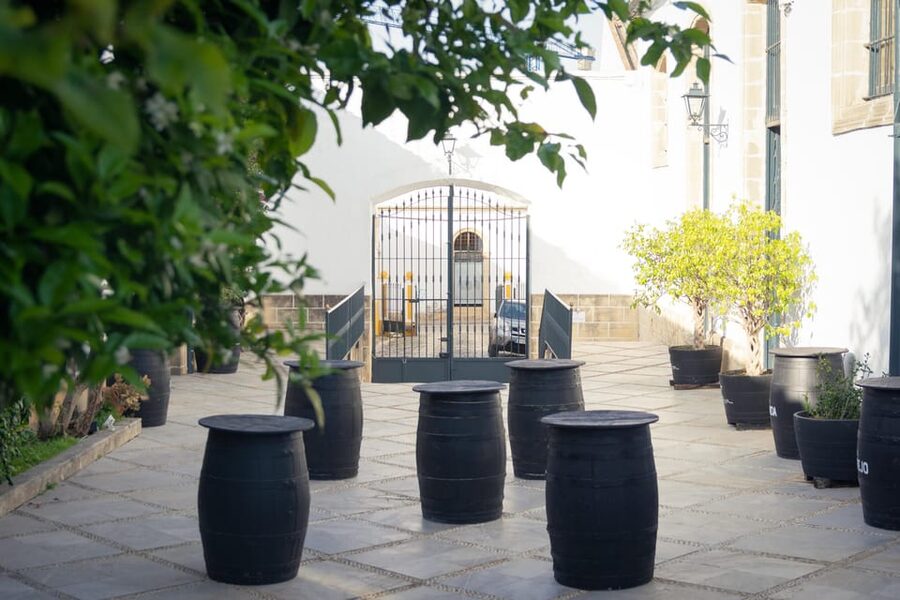
The experience begins around Calle San Luis, with the meeting point described as a small alley on Calle Madre de Dios beside the Tablao Flamenco Puro Arte. You need to ring the bell. This is the sort of detail worth taking seriously, since a bodega entrance can be easy to miss among Jerez’s narrow streets.
The location works well for a day in the center. One useful advantage is that the bodega is easy to reach from the railway station, making this a practical stop if you arrive in Jerez by train. Allow a little extra time to find the alley and identify the correct door rather than arriving at the last moment.
The tour returns to the same central area after the cellar visit. That makes it easy to continue to lunch, explore more of Jerez, or arrange a flamenco performance nearby. Some visitors combine the visit with lunch and a flamenco show, but those additions are not part of the standard wine-tour price.
Inside the old cellars
Once inside, the tour moves through several areas of the bodega rather than staying only in a tasting room. The cellars are the main attraction. Their barrels, dark corners, and wine aromas give you a much better sense of the ageing process than a short talk in a modern visitor center would.
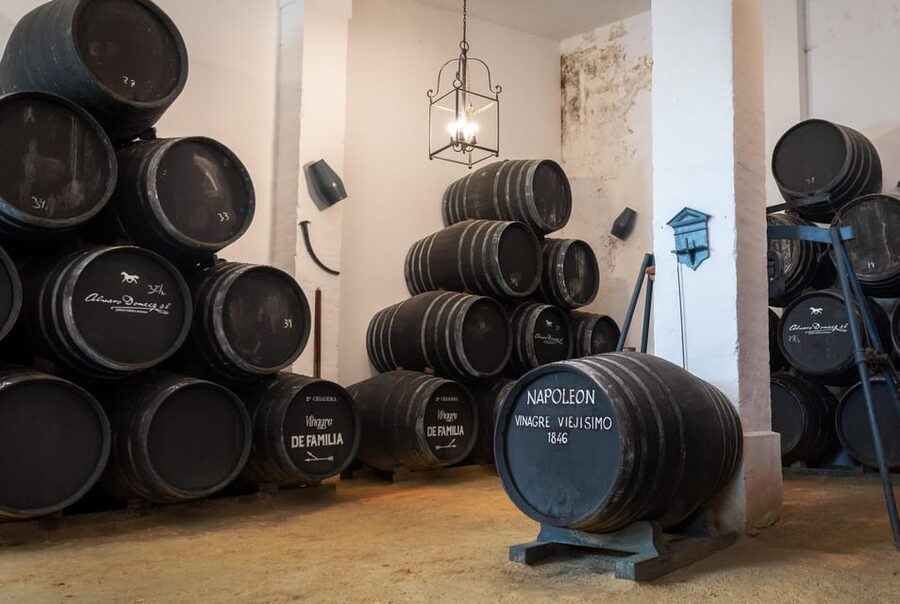
The guide explains the winery’s use of traditional American oak barrels. You will also hear about the solera and criaderas method, the system that keeps younger wine moving through rows of older wine. Small quantities are drawn from the oldest level, then replenished with wine from the next level. That gradual blending helps maintain a consistent house style over time.
This is where a good guide makes a real difference. Cristina and Laura have been especially effective at explaining the process in plain English, while also handling Spanish-speaking participants. Other guides, including Lucia and Miriam, have also led tours. The experience depends partly on which guide is working that day, but the strongest feature is the personal approach. Questions are welcomed, and the pace is generally comfortable rather than rushed.
The tour also introduces the family’s brandy production. You learn that the bodega is not limited to fortified wine. Brandies such as Solera Gran Reserva Duque de Veragua and Solera Reserva Veragua are part of the product range, and the brandy section adds a useful contrast to the wine cellars.
A short audiovisual presentation is used in the Oloroso cellar. If you are seated toward the back, the subtitles may be difficult to read, so sit near the front when the video begins. The presentation is informative, but the screen format means your view can matter.
The Fino cellar and grape sources
The Fino Wines Cellar focuses on the grapes and land behind Jerez wine. The guide explains the particular areas and varieties used to make these wines, giving you more context than simply hearing a list of styles.
Fino is usually the natural starting point for understanding Jerez. It is pale, dry, and delicate compared with Oloroso or Pedro Ximénez. Seeing where it ages helps explain why the winery treats different wines in different ways.
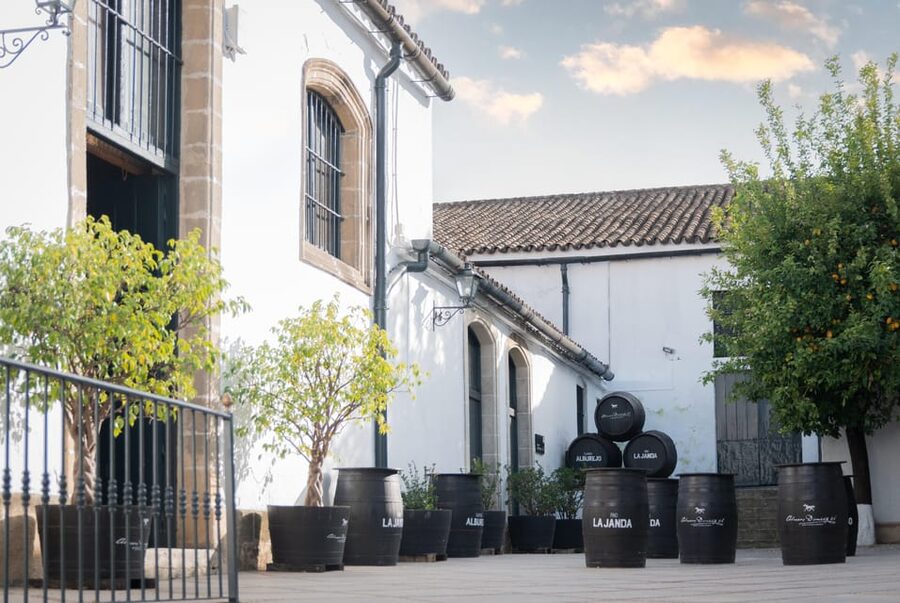
The tour then broadens out to other styles in the Álvaro Domecq range. Products named during the visit include Fino La Janda, Oloroso Alburejo, Aranda Cream, and Pedro Ximénez Viña 98. Tasting these side by side is valuable because the differences are easy to feel in your own glass.
The guide may also discuss vermouth. This is worth asking about directly at the tasting, since several people have particularly enjoyed it. Vermouth is not always the first drink visitors associate with Jerez, but it adds another angle to the bodega’s work and can be a pleasant surprise if you normally find sherry too formal or too sweet.
A few more things to do in Spain worth a look
- Madrid: Live Flamenco Show with Food and Drinks Options
★ 4.5 · 9,901 reviews - Ibiza Beach Hopping Cruise with Paddleboards, Drinks and Food 6h
★ 5.0 · 5,588 reviews - Barcelona: Tapas Walking Tour with Food, Wine, and History
★ 4.8 · 4,261 reviews - Sevilla Food Tour: Tapas, Wine, History & Traditions
★ 5.0 · 3,468 reviews
The vinegar cellar is more than a side note
The Vinegar Cellar gives the tour an unusual twist. Álvaro Domecq produces Jerez vinegars, including Vinagre Reserva de Familia and Vinagre Gran Reserva 1730.
The bodega presents its Jerez vinegar as the only vinegar in the world with a Designation of Origin. That makes this stop more than a quick mention of a by-product. You get to see how the winery applies its ageing traditions to something used in cooking rather than poured into a wine glass.
This section suits food lovers particularly well. It also helps explain why the optional Iberian-products plate can make sense. The food is not included in the $26 standard price, and you need to select it as an extra. The portion is described as suitable for about two to four people, so it may work best when shared rather than ordered by each person.
What you can expect in the tasting room
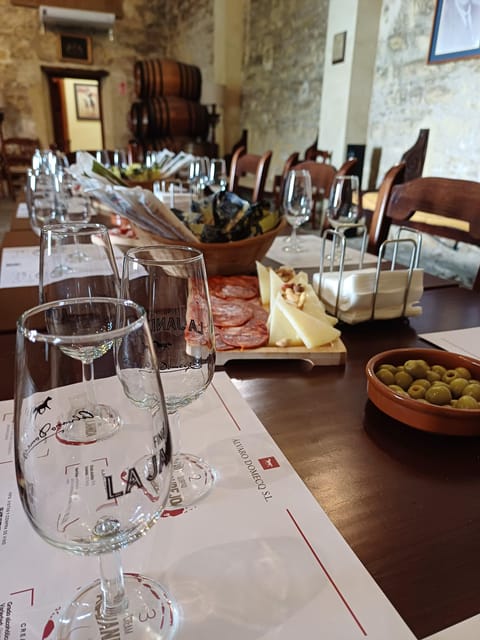
The tasting comes at the end, after the cellar explanations have given you a framework. The standard visit includes wine tastings, and the exact selection may vary, but the representative range focuses on Álvaro Domecq products.
Previous tastings have included four sherries and a vermouth. Other descriptions refer to three sherries, generous pours of four wines, or a brandy sample. That variation means you should not assume a fixed number of glasses every time. The important point is that the tasting is not just one token sip. You get enough to compare styles and decide what you actually like.
A typical progression may include:
- Fino La Janda, dry and lighter in style
- Oloroso Alburejo, fuller and darker
- Aranda Cream, sweeter and rounded
- Pedro Ximénez Viña 98, rich and dessert-like
- Vermouth or a brandy sample, depending on the session
The tasting room is described as comfortable, and the pace is generally leisurely. You are given time to notice the differences rather than being hurried through a row of glasses. The guide explains what to look for and offers notes on each drink.
If you already enjoy sherry, ask about the V.O.R.S. option. These wines are aged for more than 30 years and include Amontillado 1730, Palo Cortado 1730, and Oloroso 1730. The older selection costs extra, but it is the part I would consider if you want a special tasting rather than an introduction.
The V.O.R.S. wines are not necessary for a first visit. The regular tasting gives you a solid picture of the house range. Still, the older wines are a logical upgrade for anyone curious about what long ageing does to aroma, texture, and depth.
How the bilingual format affects the visit
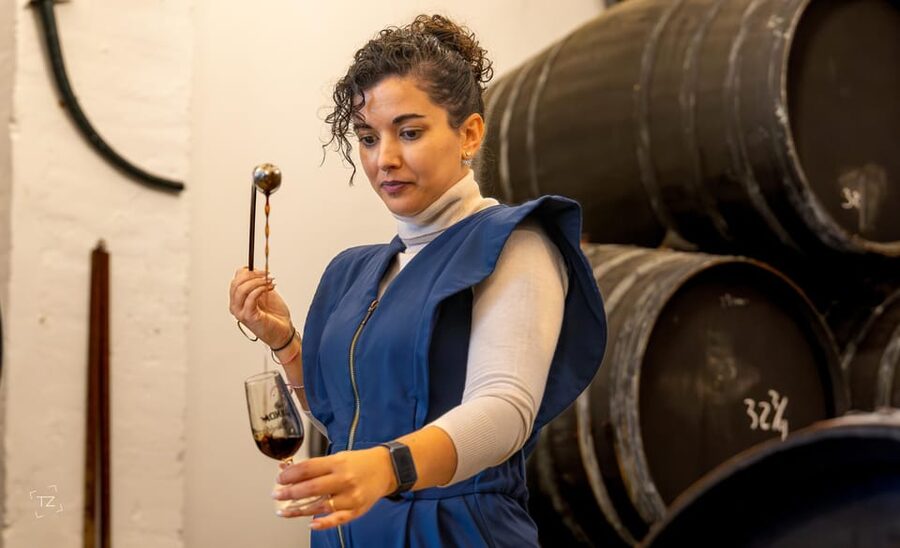
Tours are offered in English and Spanish. Many guides speak fluent English and switch between the two languages with care. Cristina has been praised for moving between English and Spanish, and Laura has also explained the production process clearly in both languages.
The main consideration is group size. When a larger group includes both languages, the tour can feel less balanced. The guide may explain one section at length in Spanish and then summarize it in English, or the reverse. That does not make the visit unusable, but it can reduce the time available for questions in your preferred language.
Smaller groups are a real advantage. In a small session, you may have more time with the guide and a better chance to ask about a particular wine. The tour has also operated with only two English speakers, allowing much more personal attention.
If English is important to you, confirm the language at booking and arrive on time. Guides have sometimes been flexible with late arrivals, but you should not rely on that. The winery tour moves through several areas, so joining after the explanation begins can mean missing the part that makes the tasting easier to understand.
Who will enjoy this bodega tour
I would choose this visit if you are curious about sherry but do not yet know the difference between Fino, Oloroso, Cream, and Pedro Ximénez. The guide-led format gives you a friendly starting point without assuming prior knowledge.
It also works well for people who already drink sherry and want to compare a smaller independent bodega with larger Jerez producers. The selection of older V.O.R.S. wines, brandy, vermouth, and vinegar gives experienced drinkers more to explore.
Food-minded visitors will appreciate the vinegar cellar and the optional Iberian-products plate. Anyone interested in local culture may enjoy the connection to Jerez family traditions and the possibility of pairing the visit with flamenco nearby.
I would be more cautious if your main goal is to watch bottling or distillation. The tour focuses on cellars, ageing, production methods, and tasting. One visit did not include those particular activities, so do not book this expecting a factory-floor demonstration of every step.
Buying bottles after the tour
The on-site shop gives you a chance to buy Álvaro Domecq wines and other products from Jerez. This is useful because you can taste first, then make a decision instead of guessing from a shelf.
If you find a style you like, write down its name before leaving. Fino, Oloroso, Cream, and Pedro Ximénez are very different drinks, and it is easy to confuse them after several samples. The shop also carries the brandies, vinegars, and other local items introduced during the tour.
The visit can be good value even if you do not buy anything. The tasting is part of the experience, not simply a sales pitch. Still, the chance to take home a bottle is one reason the tour works well near the start of a Jerez stay, when you still have time to enjoy what you purchase.
Practical details and final verdict
Plan on 90 minutes. Wear something comfortable, since the experience involves moving through different cellar areas and standing for parts of the visit. The tour is offered in English and Spanish, and the price is about $26 per person, with food and any higher-level tasting options charged separately.
Cancellation is flexible up to 24 hours before the start for a full refund, and you can reserve while paying later. Check the available starting times when booking, since the meeting point and schedule matter more in Jerez’s compact but easily confusing old streets.
Book this tour if you want a clear, friendly introduction to Jerez wine in a historic bodega, with a tasting that goes beyond one glass of sherry. The strongest reasons to choose it are the guides, the range of products, the cellar access, and the chance to add older wines.
Skip it if you want a short tasting with no explanation, or if your main interest is bottling and distillation. For most visitors spending time in Jerez, though, the Álvaro Domecq visit offers a useful mix of local culture, practical wine knowledge, and good value.
FAQ
How long does the Álvaro Domecq tour last?
The guided visit lasts 1.5 hours, including the cellar tour and wine tasting.
What languages are available?
The tour is offered in English and Spanish. Bilingual groups may be combined, so the amount of time spent in each language can vary.
Where is the meeting point?
The meeting point is in an alley on Calle Madre de Dios, beside the Tablao Flamenco Puro Arte. You need to ring the bell.
What is included in the price?
The experience includes the winery tour in central Jerez and wine tastings. The listed price is about $26 per person.
Is food included?
No. An Iberian-products dish can be added separately. The portion is described as suitable for about two to four people.
Which drinks are covered during the visit?
The tour covers sherry wines, brandies, and vinegars. The tasting may include Fino, Oloroso, Cream, Pedro Ximénez, vermouth, and in some sessions a brandy sample.
What are the V.O.R.S. wines?
The V.O.R.S. selection consists of wines aged for more than 30 years. Examples include Amontillado 1730, Palo Cortado 1730, and Oloroso 1730. This selection costs extra.
Can I cancel the booking?
Yes. You can cancel up to 24 hours in advance for a full refund. You can also reserve now and pay later.
Just added in Spain
- The Red Canyon Tour – Small Group Trip with Local Food Tasting ツ★ 5.0 · 798 reviews
- Full Day Rainforest Tour with Tasting and Swimming Time ツ★ 5.0 · 607 reviews
- 3 Wheel Motorcycle like Quad/Buggy Tour Gran Canaria (Maspalomas)★ 5.0 · 237 reviews
- Arucas, Teror, Viewpoint Roque Nublo – Highlights Gran Canaria★ 4.5 · 170 reviews
- Full Day Ticket at Perchel Beach Club with Lunch★ 5.0 · 316 reviews
- Gran Canaria Highlights Private Tour VIP★ 5.0 · 106 reviews
- Full day Hiking Gran Canaria Peaks of Gran Canaria★ 5.0 · 130 reviews
- Coastering in Gran Canaria (Aquatic Route in the ocean cliffs)★ 5.0 · 135 reviews
Wine Tours, compared.

Montserrat & Cogwheel Train, Gourmet Wine Tasting & Tapas/Lunch
Read our review →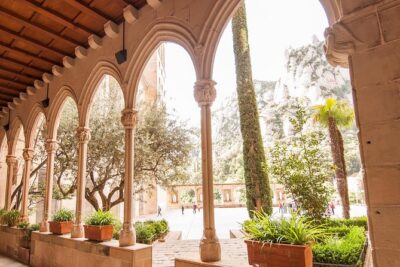
Montserrat with Black Madonna & Medieval Winery with Tapas/Lunch
Read our review →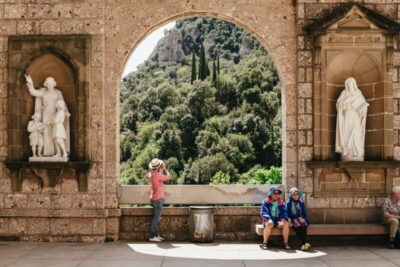
Montserrat and Winery Tour with Tapas or Lunch
Read our review →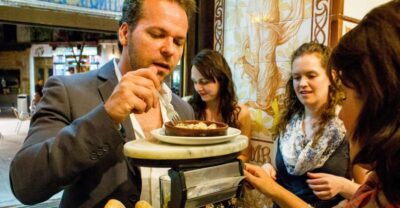
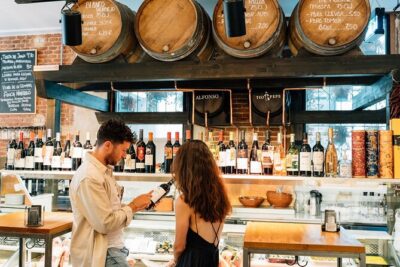
Madrid Tapas & Wine Tour with Rooftop Views and Local Guide
Read our review →
Barcelona Gothic Quarter Tapas & Taverns Food & Wine Tour
Read our review →
Gaztelugatxe, Bermeo, Mundaka, Gernika, & Wine Tour
Read our review →Browse the lists this tour appears in