
Reviewed · TEIDE NATIONAL PARK TOURS
Tenerife: Sunset and Stargazing at Teide National Park
At 1,400 meters above Tenerife, the evening begins with lava fields, cloud seas, and sunset views toward La Gomera, La Palma, and El Hierro. Then the light fades, Mount Teide darkens, and the sky becomes the main event. Guides use lasers, Greek myths, and a 12-inch telescope to make the stars easier to understand.
I like two things here: the small-group feel, which gives you more time at the telescope, and the free portrait taken beneath the stars. Guides such as Peter, Phil, Roland, and Danièle are praised for mixing clear astronomy with good humor. The main drawback is the cold. At night, the mountain can feel close to freezing, so a holiday fleece will not be enough.
Key points to know before booking
- The sunset viewpoint sits at about 1,400 meters, beside a lava flow recorded in Christopher Columbus’s 1492 ship’s log.
- The sky talk is practical, showing you how to find Polaris and the Andromeda Galaxy without a telescope.
- The 12-inch Dobsonian telescope may reveal Saturn’s rings, Jupiter’s moons, galaxies, nebulae, and star clusters, depending on the season and conditions.
- Small groups matter here, with many recent outings organized around roughly eight people per guide.
- The free astrophotography portrait is a real souvenir, not just a quick phone snapshot.
- Bring serious warm clothing, and remember there are no toilet facilities at or near the viewing spots.
Sunset above the clouds at Teide
This is not a cable-car trip to the summit of Mount Teide, and it is not a hike. You visit public viewpoints in and around Teide National Park, traveling by van if you select pickup, or by rental car if you choose the self-drive option.
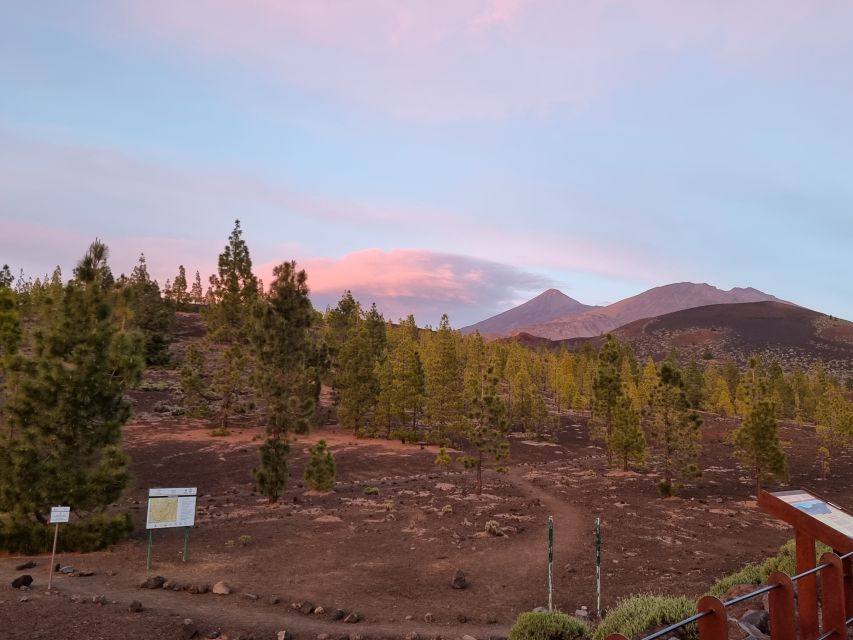
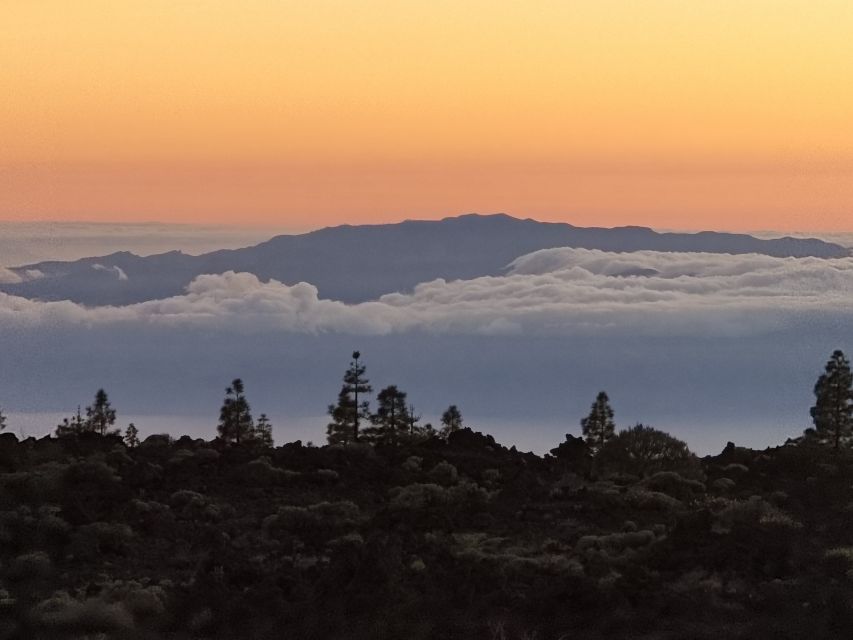
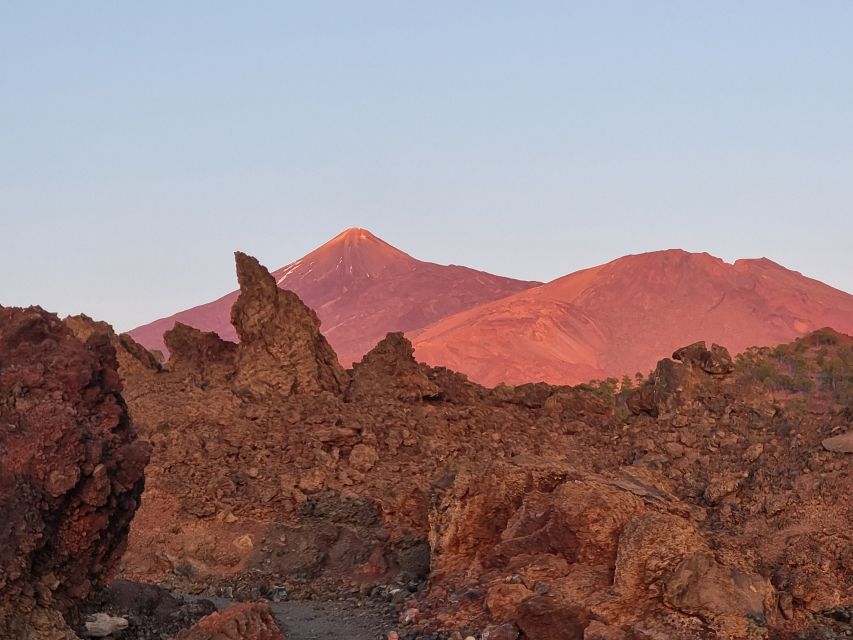
The first stop is usually around 1,400 meters. That height is enough to put you above the cloud layer on many evenings. From the viewpoint, you can look toward the neighboring islands of La Gomera, La Palma, and El Hierro as the sun drops. Mount Teide and the surrounding lava fields add a stark volcanic frame to the view.
One detail gives the stop extra character. The viewpoint sits near a lava flow from an eruption recorded in Columbus’s ship’s log in 1492. You are not visiting a museum display about this event. You are looking across actual volcanic ground while the sky changes color, which makes the history feel close at hand.
The sunset stop lasts about 45 minutes. You receive a glass of Cava, or a non-alcoholic drink, and can take photographs while the light shifts. The Cava is a pleasant touch, but the real value is the setting. You are high enough to see broad views, yet you do not need to walk far or manage a difficult trail.
Sunset times change throughout the year, so the exact meeting or pickup time is sent by WhatsApp on the day of the activity. Do not rely on the generic time printed on your digital ticket. Check your phone in the early afternoon, and make sure the contact number on your booking works.
Other volcano and park days near Tenerife:
- Tenerife: Mount Teide Tour with Cable Car Ticket & Transfer
★ 4.3 · 5,094 reviews - Teide National Park Sunset & Stargazing with Dinner (Star Safari)
★ 5.0 · 2,601 reviews - Teide by Night: Sunset & Stargazing with Telescopes Experience
★ 4.5 · 1,492 reviews
The short drive to the dark-sky viewpoint
After sunset, the group usually moves a few minutes farther along the mountain roads. The stated transfer is about five minutes, though the overall drive from the pickup area to the first viewpoint takes around 45 minutes.
If you choose VIP pickup, the company collects you at your accommodation or a nearby point in southern Tenerife. The service covers the coast between El Médano and Los Gigantes, with some exceptions. Pickup and drop-off are designed for the southern resort area, not the north of the island.
The self-drive option requires your own rental car. A taxi or public transport will not work for the format because you follow the guides in your own vehicle after sunset. The first viewpoint has limited parking, so arriving 15 to 20 minutes early is sensible. After sunset, parking is generally easier at the stargazing location.
The mountain road is an important part of your decision. If you are a young or inexperienced driver, take the self-drive condition seriously. You will be driving in the dark after the sunset stop, and the road can feel demanding even before the temperature drops.
Finding Polaris, Pegasus, and the Milky Way
The main stargazing session lasts about two hours and 15 minutes. Guides point out constellations and planets with a laser, then explain how the shapes connect to Greek mythology.
This is more useful than simply hearing a list of star names. You learn how to locate Polaris, the North Star, by using the stars of Ursa Major. You also learn to find the Andromeda Galaxy by starting with the Great Square of Pegasus. Those methods give you something to repeat later, even without a guide.
The quality of the presentation depends partly on your guide, and that is a strength of this operation. Peter is often praised for his astronomy knowledge and quick humor. Phil is described as a friendly driver and guide, while Roland is noted for clear explanations and a warm manner. Other names appearing on different outings include Danièle, Andrew, Jamie, Jenny, Johnny, Mike, and Diego.
Guide assignments can change, so do not book expecting one particular person. The consistent feature is the use of plain explanations, lasers, and time for questions. That works well for beginners, teenagers, and adults who want more than a pretty night sky but do not want a formal science lecture.
On a clear night, you may see far more stars than from the coast. The difference comes from the mountain location and the lower level of artificial light. Several people describe seeing the Milky Way, though visibility depends on clouds, moonlight, and atmospheric conditions.
What the 12-inch telescope can show you
The supplied telescope is a 12-inch Dobsonian. That is a substantial instrument for a casual evening outing, and it gives the session more substance than a simple constellation talk.
What you see depends on the month and the position of the Moon. On suitable summer and autumn evenings, Saturn may show its rings and Jupiter its Galilean moons. In winter, the Pleiades, also called the Seven Sisters, can be a major target, along with galaxies, nebulae, and star clusters.
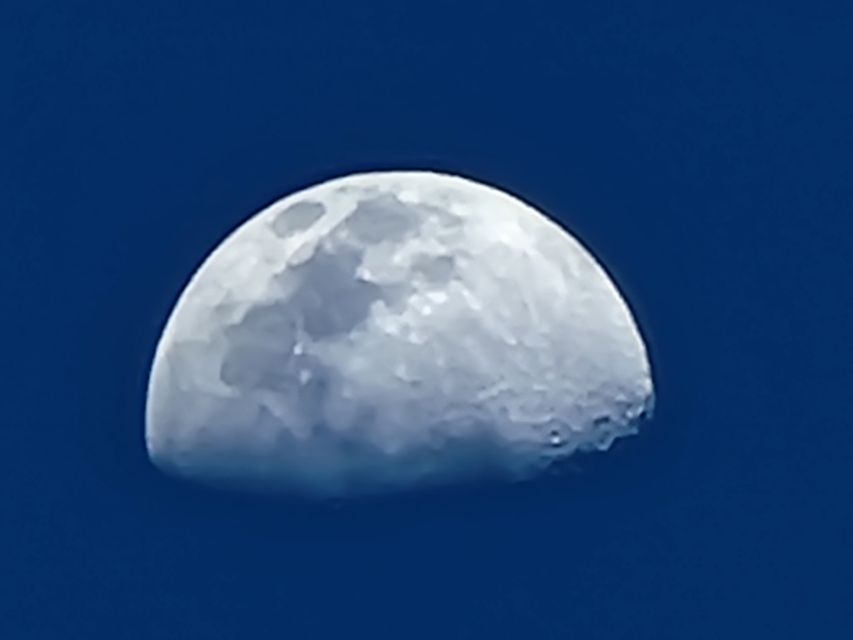
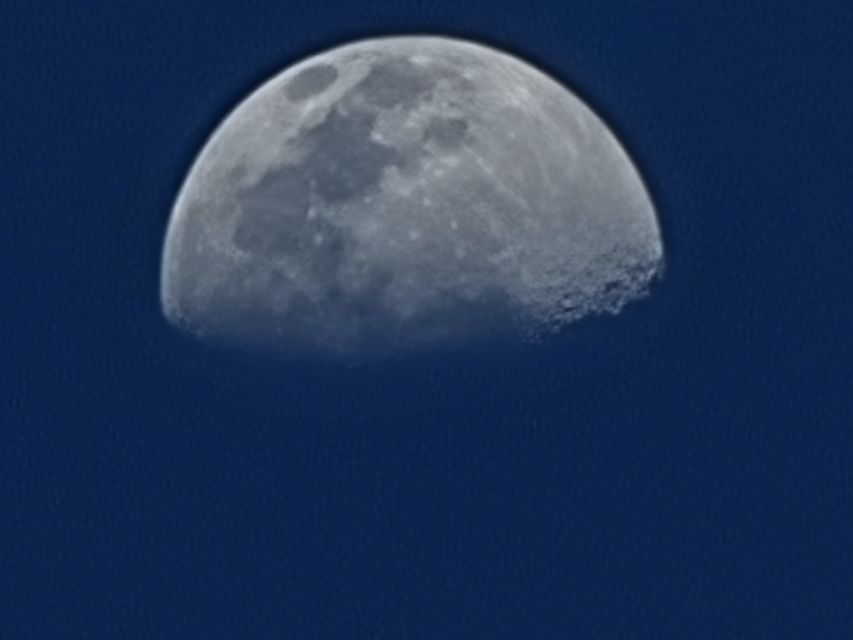
The Moon can become the brightest object in the sky, especially around the days before and during the full moon. That makes surface details easier to see through the telescope, but bright moonlight can reduce the number of faint stars visible to the naked eye. If your priority is the Milky Way and dim galaxies, a night near the new moon is usually the better choice, based on the practical advice given by the operator.
The telescope is not a guarantee of every object listed in the description. Clouds, wind, temperature, the season, and the time of moonrise all matter. Think of the list as a guide to possible sights, not a fixed program.
Small groups make a real difference here. With groups often organized around eight people per guide, you should have a fair chance to look through the telescope without spending the whole night in a long queue. The session is still outdoors and shared with others, but it is more personal than a large coach excursion.
A few more things to do in Tenerife worth a look
- Tenerife: Teide National Park Guided Buggy Tour
★ 4.6 · 299 reviews - Arrecife/Playa Blanca: Timanfaya National Park Area Day Tour
★ 4.4 · 856 reviews
The cold is part of the experience
Tenerife’s coast may feel mild when you leave your hotel. Teide after sunset is another matter. Recent outings have described temperatures around 0 to 2 degrees Celsius, along with wind. Several layers, long trousers, warm shoes, and a proper winter jacket are sensible even if you are visiting the island in January or February.
The VIP option includes warm jackets for cold nights. Do not assume that every booking includes the same clothing support, so bring your own warm layers regardless. Some evenings also include hot chocolate, blankets, or other small comforts, but these are not part of the core inclusions stated for every departure.
You remain outside for much of the three to four hour activity. Comfortable sports shoes are enough for the viewing areas, but sandals and thin fashion jackets are poor choices. There is no hiking component, yet standing still beside a telescope can make you feel colder than walking.
There are no toilet facilities at or near the stargazing locations. Use facilities before leaving your accommodation or before the ascent, and plan accordingly. This is a small point, but it matters during a long evening in the mountains.
The free star portrait
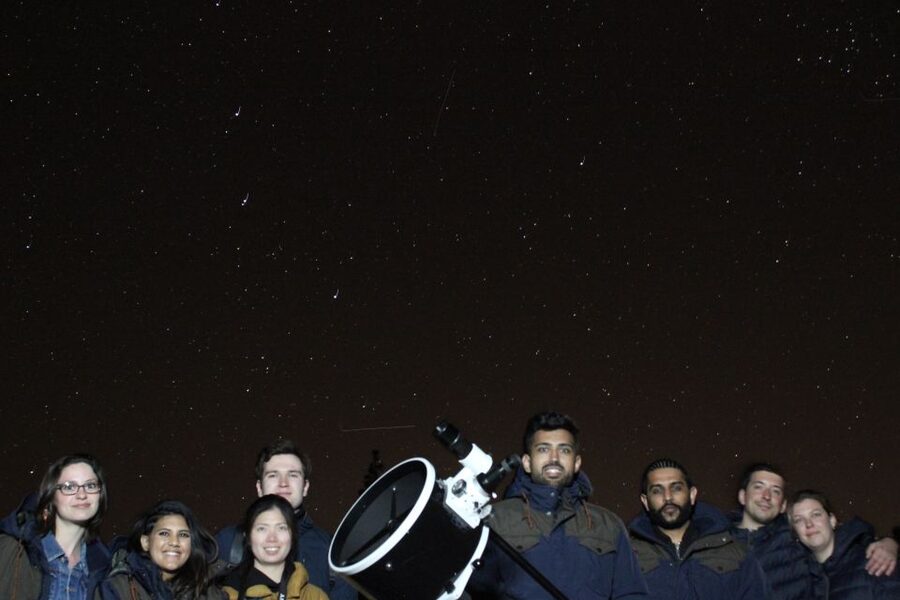
During the session, the crew photographs each person using astrophotography methods. The result is intended to show you beneath a blanket of stars, rather than simply placing you in front of a dark sky with a flash.
This is one of the tour’s best practical extras. Night photography is difficult with a phone, especially when you want both a person and the stars to appear clearly. The included portrait gives you a polished memory without asking you to carry a tripod or learn camera settings.
The photograph is free, but the timing can depend on the group and the conditions. You may need to wait briefly while the crew sets up or photographs people one at a time. That is a fair trade for a useful souvenir, especially at a starting price of $47 per person.
Is $47 good value?
At $47, the basic tour is competitively priced for a three to four hour evening that combines transport options, a sunset stop, a guide, a telescope session, a drink, and an astrophotography portrait.
The value is strongest if you are interested in the sky itself. You are not paying only for a sunset viewpoint. You receive an explanation of constellations, time with a serious telescope, and help understanding what you are seeing. A large group could weaken that value, but the small-group setup helps keep the telescope portion moving.
The VIP option costs more than the basic self-drive format, but it adds hotel pickup and drop-off in the southern part of Tenerife. It also includes warm jackets. If you do not want to drive mountain roads at night, or if your accommodation is inconvenient for the meeting point, the extra cost may be worthwhile.
The self-drive option can offer good value if you already have a rental car and feel comfortable with the route. It is less suitable if you plan to use taxis, public buses, or a late-arriving flight. The operator advises against booking this for the same night as an afternoon flight because pickup times can shift by up to two hours.
Free cancellation is available up to 24 hours before the activity, and you can reserve while paying later. Those policies add flexibility, but you still need to monitor WhatsApp on the activity day. If the company cannot reach you because of a wrong number or an unavailable account, the booking may be treated as a no-show.
Weather, clouds, and realistic expectations
The guides decide whether to move to the higher viewpoint after sunset. High wind, clouds, or low temperatures may make them stay at the lower location. That is not necessarily a failed evening. The lower viewpoint is also used for stargazing, and the sunset portion remains part of the outing.
Clouds can delay the stars. One recent outing had cloudy conditions before the sky cleared, and the guides kept explaining the sky while waiting. That patience is useful because mountain weather can change during the session, but you should still accept that astronomy depends on nature.
A clear sky is never guaranteed. Nor is every planet visible on every date. If your only goal is Saturn, Jupiter, or a particular galaxy, check the season and moon conditions before booking. If you mainly want a memorable mountain sunset plus an introduction to the night sky, the experience is less dependent on one specific object.
The activity is conducted in English. That includes the guide talk, telescope explanations, and practical instructions. Children under five are not allowed on the VIP option, though they may join with the self-drive option. People with altitude sickness should not book.
Who will enjoy this evening most?
I would choose this for someone who wants a focused evening rather than a full-day Teide excursion with a meal and a large coach group. It suits couples, families with older children, and curious beginners who want the guides to explain what they are seeing.
Teenagers may also enjoy it because the session is active. You are not only standing at a viewpoint. You use a laser, look through a telescope, search for recognizable star patterns, and receive a photograph afterward.
It is less suitable if you dislike cold weather, need regular access to toilets, or want to hike toward Mount Teide. It is also not the right fit if you expect an observatory visit or cable-car ride. Neither the Teide Observatory nor the cable car is included.
If you prefer quiet contemplation, the guides’ humor and group format may feel more social than private. For most people, though, the clear explanations are an advantage. Astronomy is easier to appreciate when someone points out where to look and tells you why the object matters.
Should you book the Teide sunset and stargazing tour?
Book it if you want two distinct Tenerife experiences in one evening: a high mountain sunset above the clouds, followed by a guided look at planets and deep-sky objects. The strongest reasons are the small groups, the 12-inch telescope, the free portrait, and the guides’ clear, lively way of explaining the sky.
Choose VIP if you are staying in southern Tenerife and want door-to-door transport, especially if you would rather not drive mountain roads at night. Choose self-drive only if you have a rental car, can reach the meeting point on time, and feel comfortable following the group after dark.
Bring more warm clothing than you think you need, check WhatsApp for the real meeting time, and use the bathroom before leaving the coast. If you do that, this is a well-priced way to see Tenerife after the sun goes down.
FAQ
How long does the sunset and stargazing activity last?
The activity lasts about three to four hours. The schedule includes roughly 45 minutes at the sunset viewpoint, a short transfer, and about two hours and 15 minutes of guided stargazing.
Is hotel pickup included?
Pickup and drop-off are included when you select the VIP option. The service covers southern Tenerife between El Médano and Los Gigantes, with some exceptions. The self-drive option requires you to use your own rental car.
Can I join using a taxi or public transport?
No. The self-drive option requires a rental car, not public transport or a taxi. After sunset, you follow the guides to the stargazing point in your own vehicle.
What can I see through the telescope?
Depending on the season and conditions, you might see the Moon, Saturn and its rings, Jupiter and its Galilean moons, galaxies, nebulae, and star clusters such as the Pleiades.
Is the tour suitable for young children?
Children under five are not allowed on the VIP tour. They are allowed with the self-driving option. People with altitude sickness should not join.
What should I wear?
Bring warm clothing, a jacket, long trousers, long sleeves, and warm shoes. The mountain can be close to freezing after sunset, and wind may make it feel colder.
Are toilets available at the viewing locations?
No. There are no toilet facilities at or near the sunset and stargazing locations. Use a bathroom before the activity begins.
Just added in Tenerife
- Adeje: 3.5–Hour Professional Fishing Experience★ 4.3 · 107 reviews
- Abades: Guided Snorkeling Tour with Photos★ 4.8 · 344 reviews
- Tenerife: Sailboat Tour with Food and Snorkeling★ 4.8 · 621 reviews
- Quad Bike Safari★ 4.5 · 232 reviews
- Tenerife: Catamaran Cruise with Brunch and Unlimited Drinks★ 4.5 · 607 reviews
- Tenerife: Quad Adventure Teide Tour★ 4.5 · 305 reviews
- Tenerife: Teide National Park Guided Buggy Tour★ 4.6 · 299 reviews
- Tenerife : Jet Ski Tour with option for Quad Trip★ 4.5 · 447 reviews
Teide National Park Tours, compared.
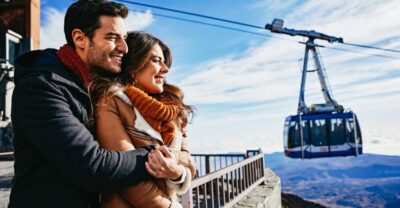
Mount Teide Tour with Cable Car Ticket & Transfer
Read our review →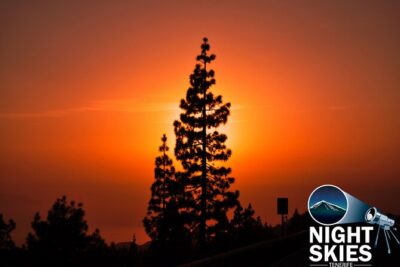
Teide National Park Sunset & Stargazing with Dinner (Star Safari)
Read our review →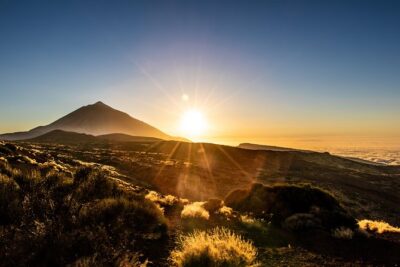
Teide by Night: Sunset & Stargazing with Telescopes Experience
Read our review →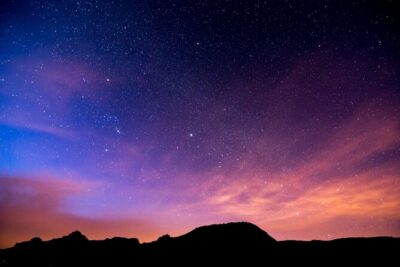
Browse the lists this tour appears in